

Recumbent Bike vs Semi Squat Jump (male): Complete Comparison Guide
Recumbent Bike vs Semi Squat Jump (male) — two quad-focused cardio options with very different mechanics. If you want clear guidance, this comparison walks you through muscle activation, equipment needs, learning curve, injury risk, and programming examples. You’ll get technique cues for each move, biomechanics-based reasons why they feel different, and decisive recommendations for hypertrophy, strength, beginners, and home workouts. Use this to pick the option that fits your goals and to combine them smartly when appropriate.
Exercise Comparison
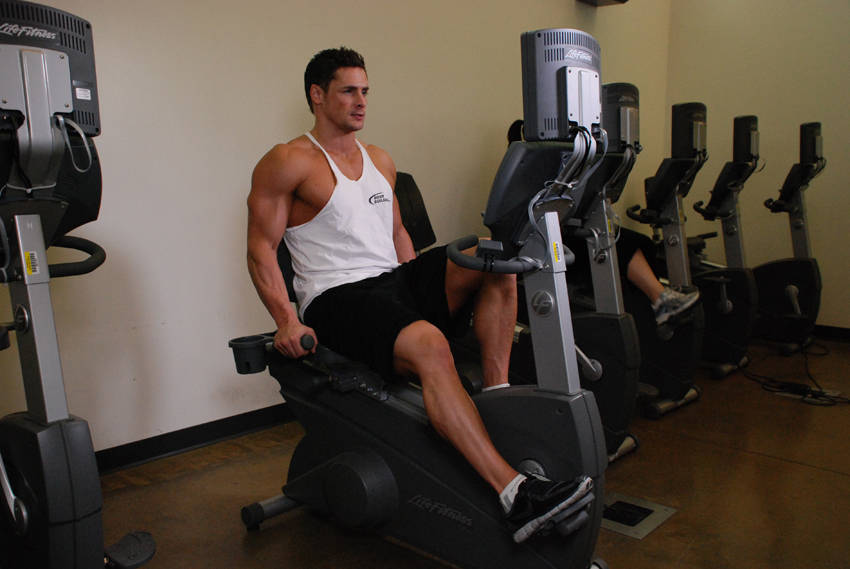
Recumbent Bike
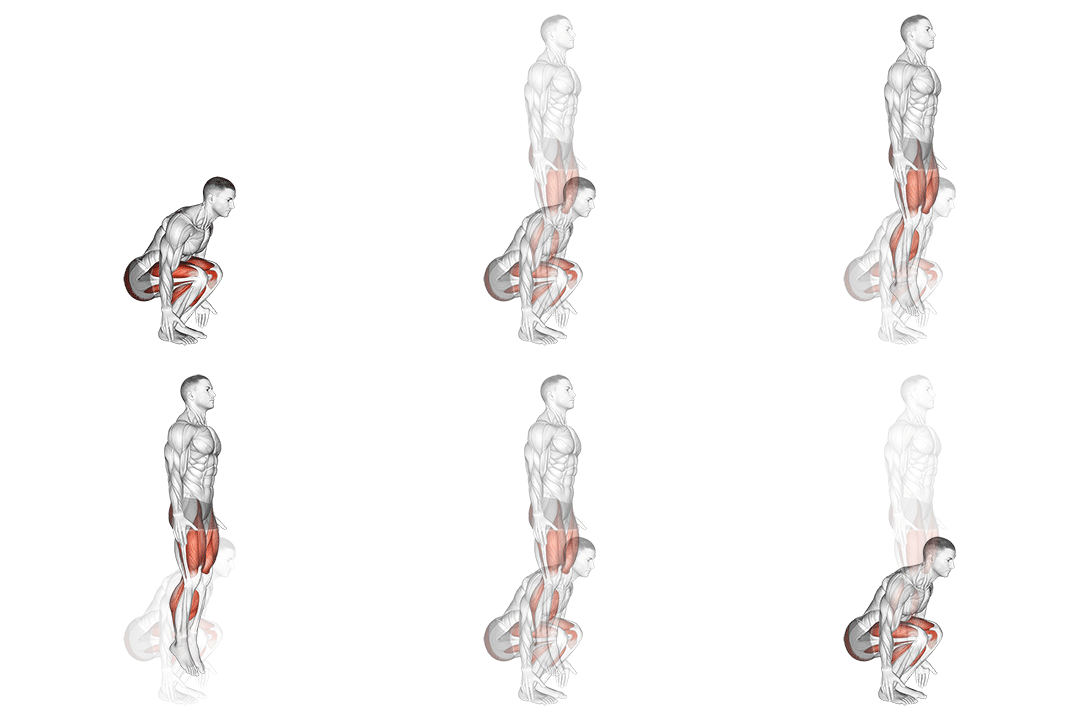
Semi Squat Jump (male)
Head-to-Head Comparison
| Attribute | Recumbent Bike | Semi Squat Jump (male) |
|---|---|---|
| Target Muscle |
Quads
|
Quads
|
| Body Part |
Cardio
|
Cardio
|
| Equipment |
Machine
|
Body-weight
|
| Difficulty |
Beginner
|
Intermediate
|
| Movement Type |
Compound
|
Compound
|
| Secondary Muscles |
3
|
3
|
Secondary Muscles Activated
Recumbent Bike
Semi Squat Jump (male)
Visual Comparison
Overview
Recumbent Bike vs Semi Squat Jump (male) — two quad-focused cardio options with very different mechanics. If you want clear guidance, this comparison walks you through muscle activation, equipment needs, learning curve, injury risk, and programming examples. You’ll get technique cues for each move, biomechanics-based reasons why they feel different, and decisive recommendations for hypertrophy, strength, beginners, and home workouts. Use this to pick the option that fits your goals and to combine them smartly when appropriate.
Key Differences
- Equipment differs: Recumbent Bike uses Machine, while Semi Squat Jump (male) requires Body-weight.
- Difficulty levels differ: Recumbent Bike is beginner, while Semi Squat Jump (male) is intermediate.
Pros & Cons
Recumbent Bike
+ Pros
- Low-impact cardio that spares the spine and reduces joint loading
- Easy to scale intensity with resistance and cadence (60–90 RPM typical)
- Great for long-duration work and metabolic hypertrophy via high TUT
- Safer for rehab clients and beginners because of stable seated position
− Cons
- Lower peak force and power output compared to plyometrics
- Less posterior chain and glute activation due to seated posture
- Requires access to a machine when not training at home
Semi Squat Jump (male)
+ Pros
- High peak force and rate of force development for power and athleticism
- Stronger recruitment of glutes, hamstrings, and calves via multi-joint extension
- Needs no equipment and ideal for home or field training
- Improves landing mechanics and reactive strength through the stretch-shortening cycle
− Cons
- Higher impact and greater injury risk if technique or landing is poor
- Harder to accumulate pure hypertrophic time-under-tension
- Requires a base level of coordination, ankle mobility, and knee stability
When Each Exercise Wins
Recumbent cycling lets you accumulate long durations and controlled resistance to maximize time-under-tension (20–60 minutes or interval protocols). That sustained loading produces metabolic stress and repeated concentric contractions that support quad hypertrophy better than short explosive reps.
Semi Squat Jumps produce higher peak forces and rate of force development, which transfer to strength-speed and power adaptations. Adding weighted vests or progressing to deeper jumps increases mechanical load needed for strength-oriented progressions.
The recumbent bike is low-skill, low-impact, and easy to scale intensity, making it ideal for newcomers or those rehabbing joints. You can safely build aerobic capacity and quad endurance before introducing plyometric stress.
Semi Squat Jumps require no equipment and need only a small safe area, so they fit home routines. They deliver high-intensity stimulus in short sets and can be programmed as part of HIIT or plyometric circuits.
Frequently Asked Questions
Can I do both Recumbent Bike and Semi Squat Jump (male) in the same workout?
Yes. Pair them strategically: do the Semi Squat Jumps earlier when you are fresh to protect landing mechanics and maximize power, then use the Recumbent Bike for conditioning or finisher intervals. Keep plyo sets short (3–5 sets of 6–8 reps) and allow 2–3 minutes rest before switching to steady-state or interval cycling.
Which exercise is better for beginners?
Recumbent Bike is better for most beginners because it has a gentler learning curve and lower impact on joints. Start with 20–30 minutes at moderate resistance and build cadence before introducing plyometric jumps.
How do the muscle activation patterns differ?
Cycling produces continuous, submaximal concentric activation of quads across the pedal stroke with relatively even duty cycle; jumping produces a rapid eccentric preload then explosive concentric action using the stretch-shortening cycle, causing higher peak EMG and faster rate of force development in quads and hip extensors.
Can Semi Squat Jump (male) replace Recumbent Bike?
Not entirely. Semi Squat Jumps can replace high-intensity intervals or power work but won’t match the low-impact, high-volume conditioning and sustained time-under-tension you get from the recumbent bike. Choose the jump for power and the bike for prolonged quad conditioning or rehab-friendly sessions.
Expert Verdict
Use the Recumbent Bike when you want low-impact quad conditioning, controlled hypertrophy protocols, or safe aerobic intervals—program 20–60 minutes steady state or 30s on/60s off x 8–12 sprints at high resistance. Choose Semi Squat Jump (male) when your goal is power, rate of force development, and athletic transfer—program 3–5 sets of 6–10 explosive reps with full recovery and focus on soft, hip-dominant landings. If you train for both endurance and power, periodize them: a block of bike-based volume for base and hypertrophy, then introduce plyometrics for strength-speed and neural adaptations.
Also Compare
More comparisons with Recumbent Bike

Compare More Exercises
Use our free comparison tool to analyze any two exercises head-to-head.
Compare Exercises