

10 Best Jump Rope Alternatives for Knee Pain
What can you do instead of Jump Rope? Try rowing, cycling, mountain climbers, burpees or high-knees. For example, perform high-knees with tall posture, drive the knee to hip height, and land softly on the midfoot to activate hip flexors and quads while minimizing ankle and knee impact.
Original Exercise: Jump Rope
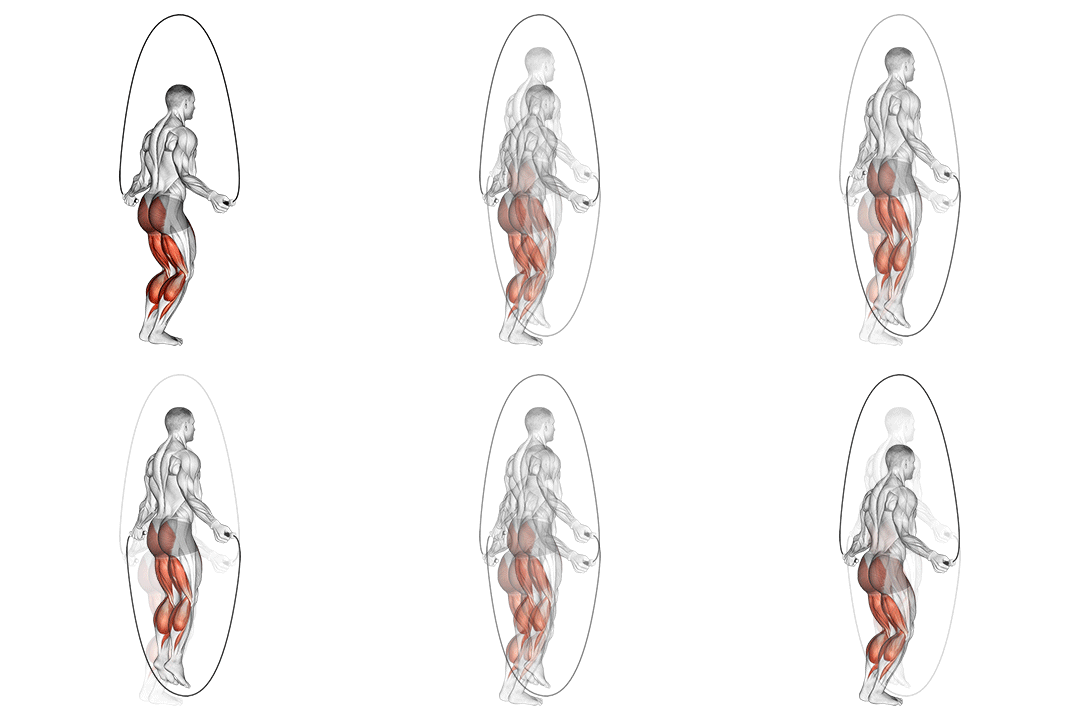
How to Perform Jump Rope
- Hold the handles of the jump rope with your hands, palms facing inward.
- Stand with your feet shoulder-width apart and knees slightly bent.
- Swing the rope over your head and jump over it as it comes towards your feet.
- Land softly on the balls of your feet and repeat the jump as the rope comes around again.
- Continue jumping for the desired duration or number of repetitions.
Ranked Jump Rope Alternatives
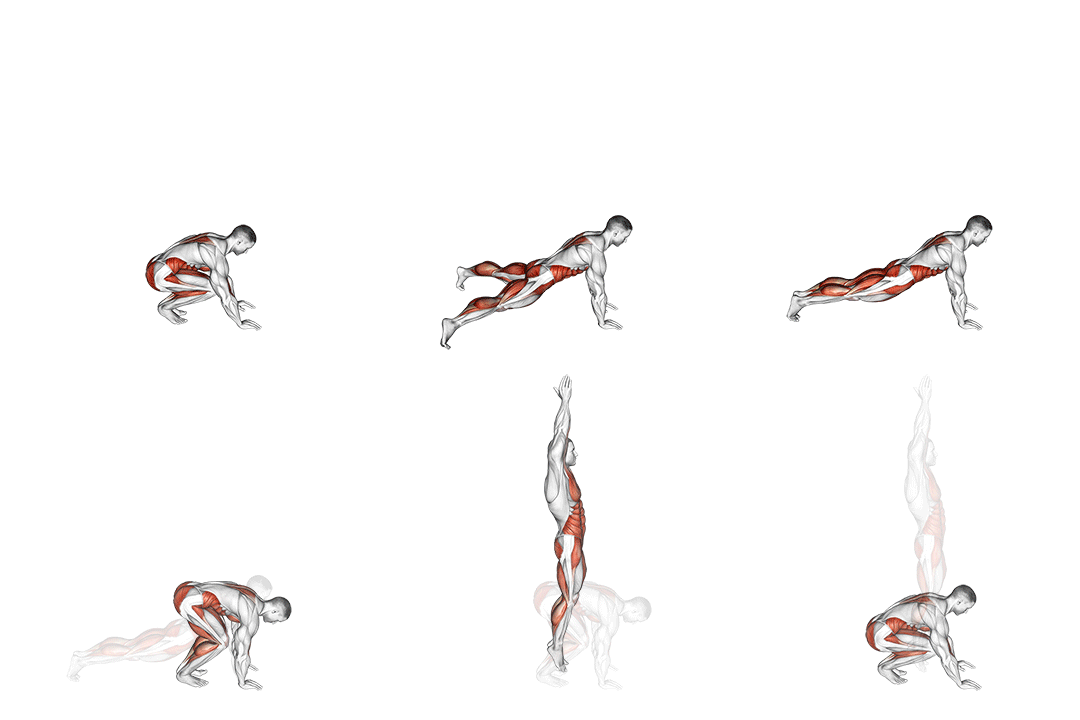
1. Jack Burpee
77.7% MatchHow to perform this exercise
- Start in a standing position with your feet shoulder-width apart.
- Lower your body into a squat position, placing your hands on the ground in front of you.
- Kick your feet back, landing in a push-up position.
- Perform a push-up, lowering your chest to the ground and then pushing back up.
- Jump your feet forward, landing in a squat position.
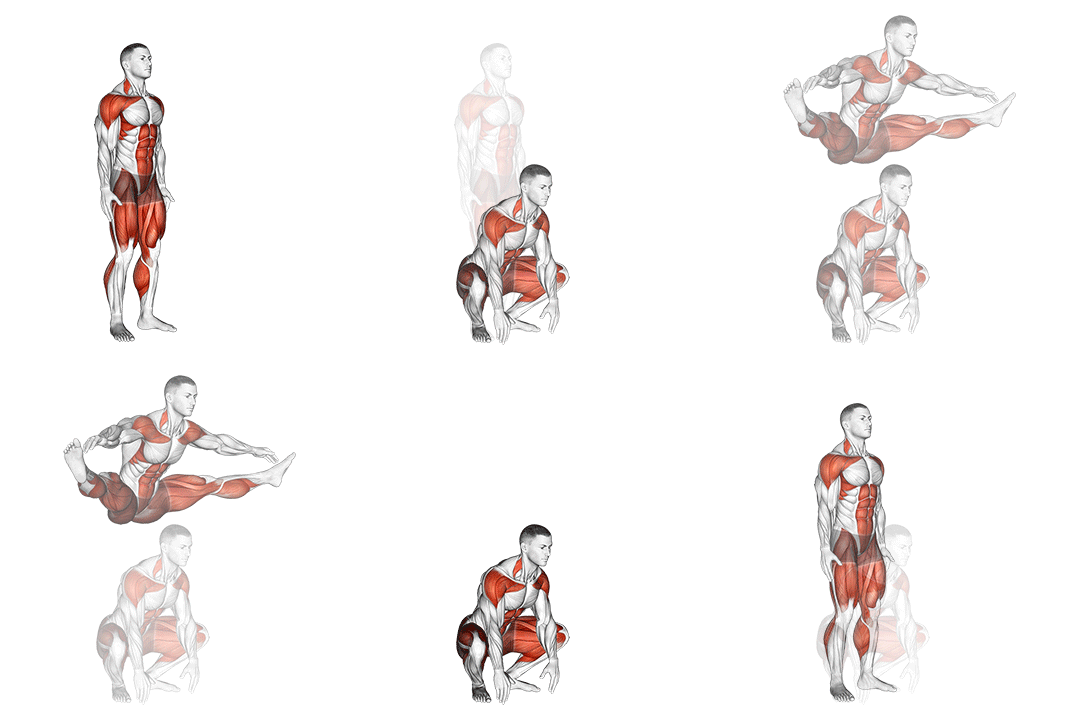
2. Jack Jump (male)
76.7% MatchHow to perform this exercise
- Stand with your feet together and your arms by your sides.
- Jump up, spreading your feet apart and raising your arms above your head.
- As you land, quickly jump back to the starting position.
- Repeat for the desired number of repetitions.
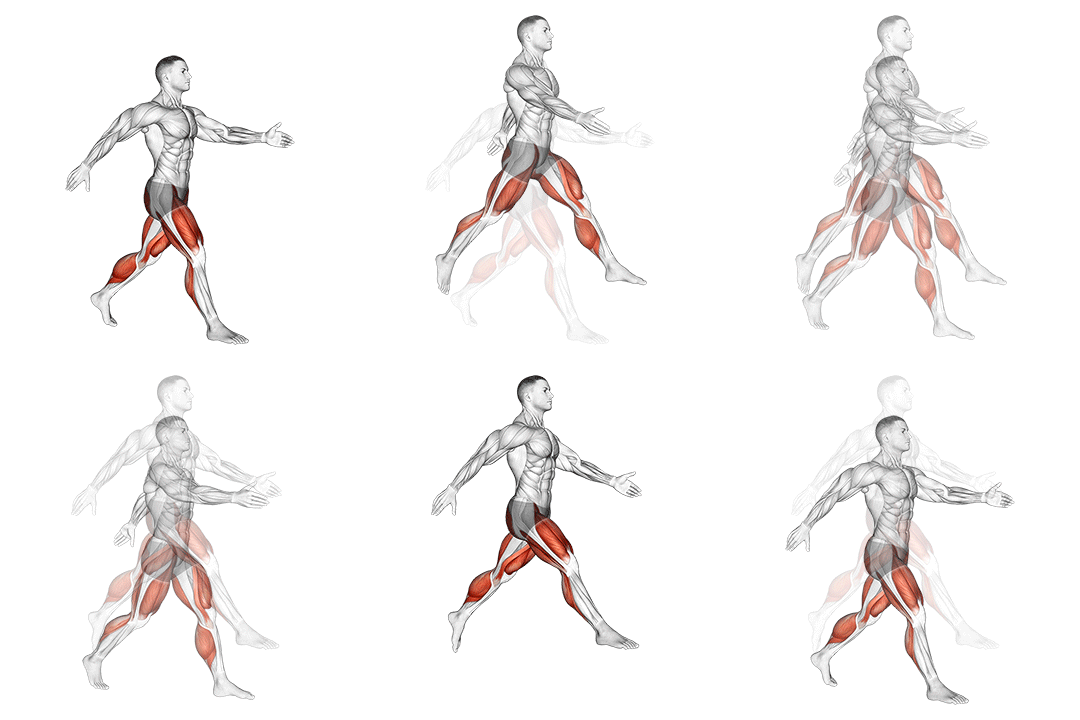
3. Scissor Jumps (male)
70.4% MatchHow to perform this exercise
- Stand with your feet shoulder-width apart.
- Jump off the ground and simultaneously cross your right leg in front of your left leg.
- As you land, quickly switch legs, crossing your left leg in front of your right leg.
- Continue alternating legs and jumping as quickly as possible.
- Repeat for the desired number of repetitions.
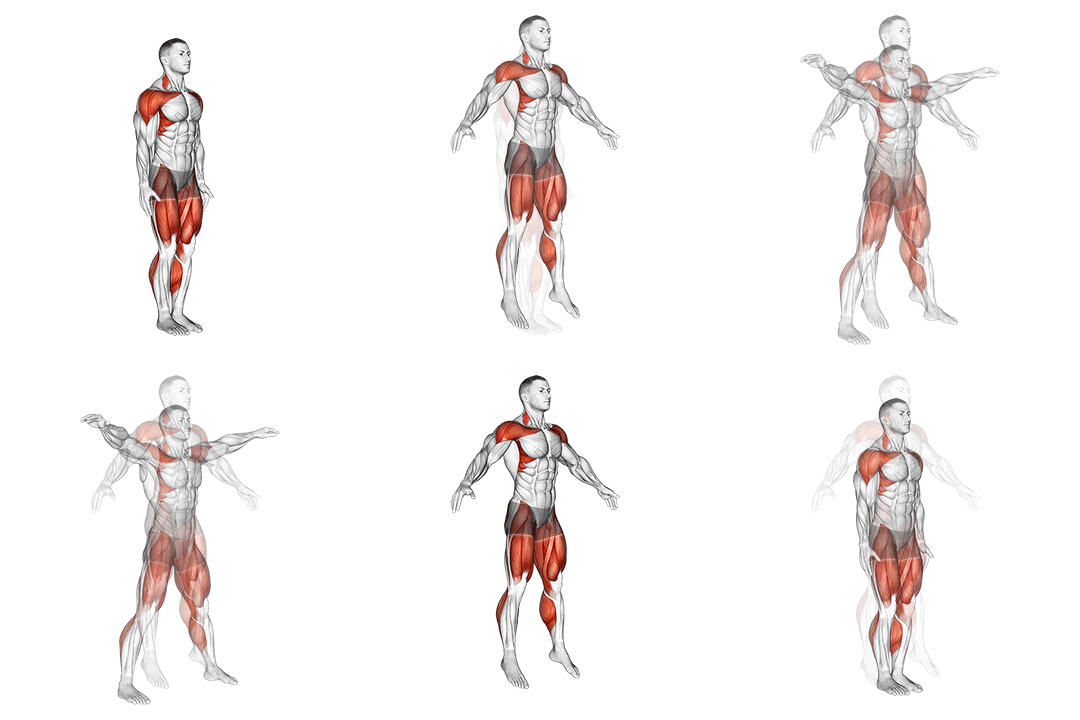
4. Astride Jumps (male)
70.2% MatchHow to perform this exercise
- Stand with your feet shoulder-width apart.
- Bend your knees and lower your body into a squat position.
- Jump explosively upwards, extending your legs and arms.
- While in the air, spread your legs apart and bring your arms out to the sides.
- Land softly with your feet shoulder-width apart, bending your knees to absorb the impact.
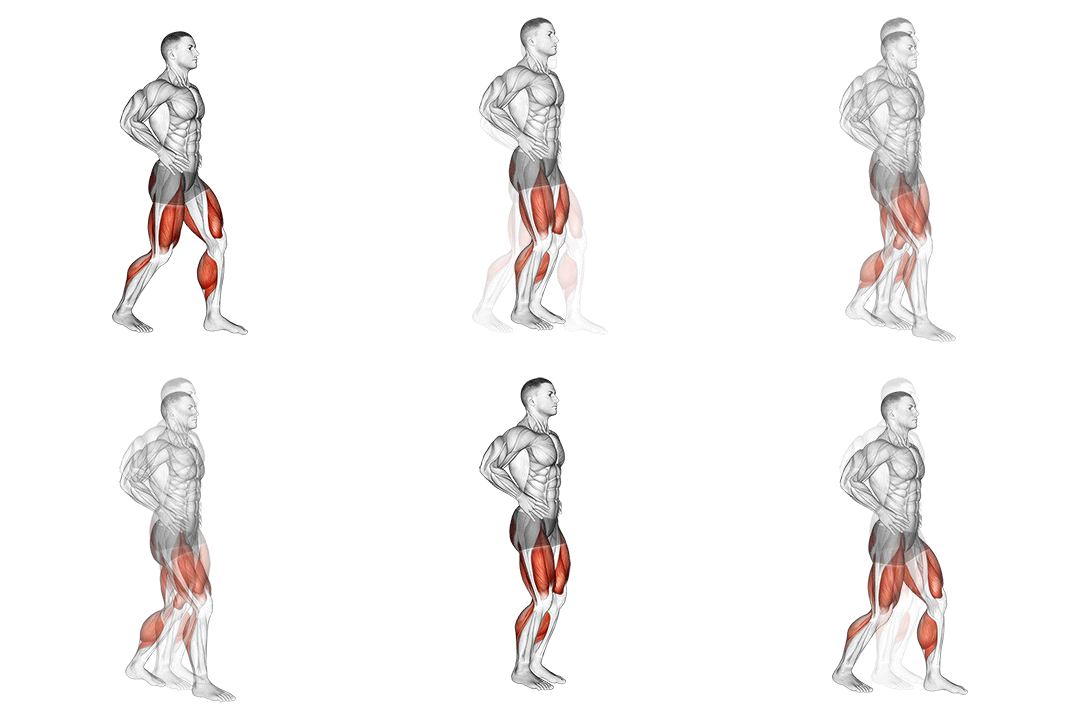
5. Ski Step
70.2% MatchHow to perform this exercise
- Stand with your feet shoulder-width apart.
- Bend your knees slightly and keep your back straight.
- Jump to the right, landing on your right foot while swinging your left leg behind your right leg.
- Immediately jump to the left, landing on your left foot while swinging your right leg behind your left leg.
- Continue alternating jumps from side to side, mimicking a skiing motion.
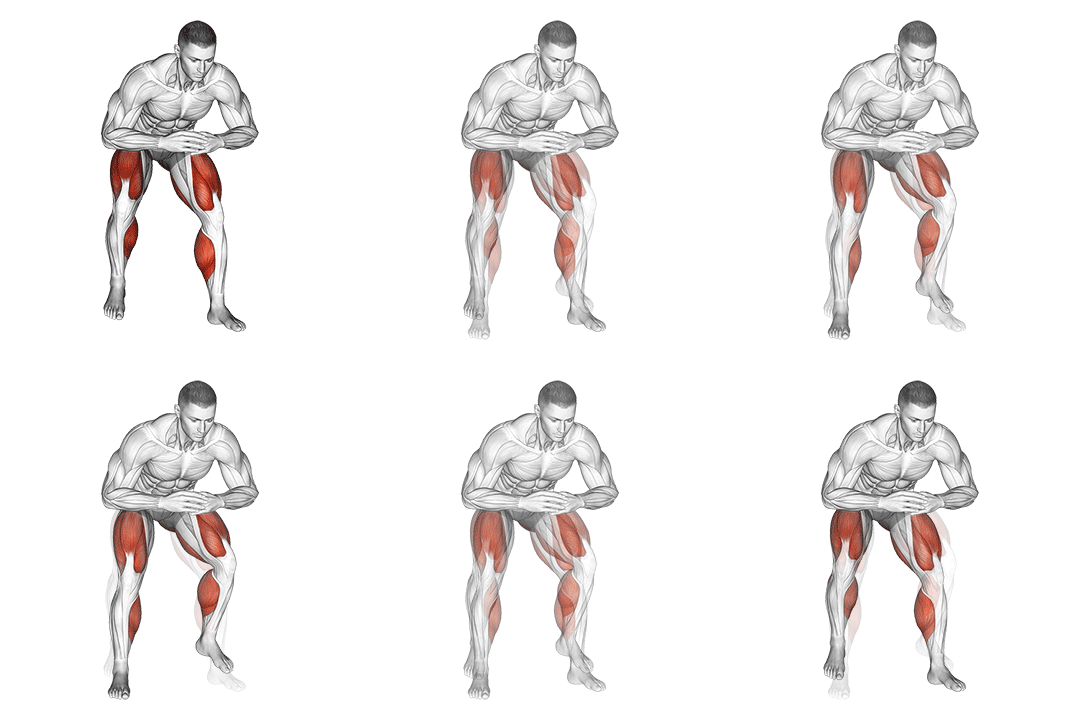
6. Quick Feet V. 2
69.2% MatchHow to perform this exercise
- Stand with your feet shoulder-width apart and your arms by your sides.
- Begin by rapidly moving your feet up and down, as if you were running in place.
- Keep your movements quick and light, focusing on staying on the balls of your feet.
- Continue for the desired duration or number of repetitions.
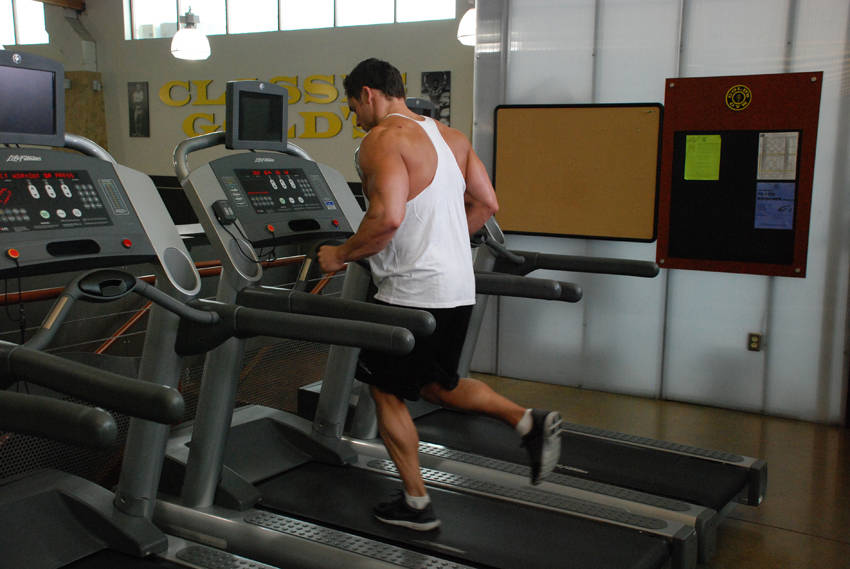
7. Jogging, Treadmill
66.6% MatchHow to perform this exercise
- To begin, step onto the treadmill and select the desired option from the menu. Most treadmills have a manual setting, or you can select a program to run. Typically, you can enter your age and weight to estimate the amount of calories burned during exercise. Elevation can be adjusted to change the intensity of the workout.
- Treadmills offer convenience, cardiovascular benefits, and usually have less impact than jogging outside. A 150 lb person will burn almost 250 calories jogging for 30 minutes, compared to more than 450 calories running. Maintain proper posture as you jog, and only hold onto the handles when necessary, such as when dismounting or checking your heart rate.
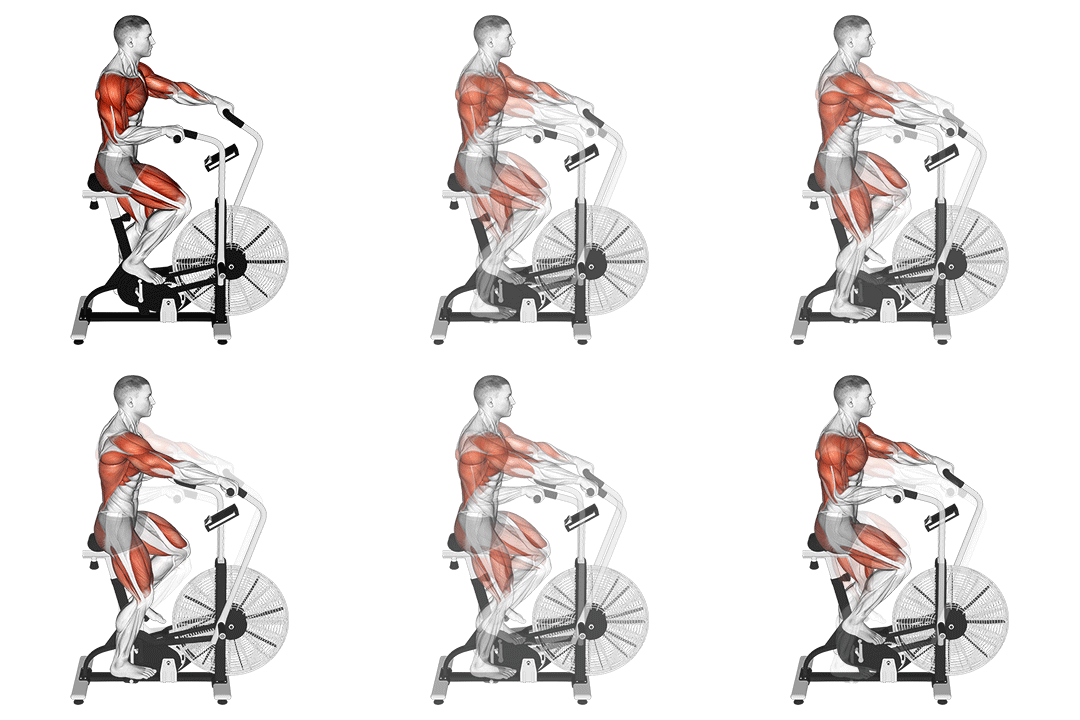
8. Cycle Cross Trainer
65.2% MatchHow to perform this exercise
- Adjust the seat height and position yourself on the cycle cross trainer.
- Place your feet on the pedals and grip the handlebars.
- Start pedaling in a smooth and controlled motion.
- Maintain a steady pace and increase the resistance if desired.
- Continue pedaling for the desired duration of your cardio workout.
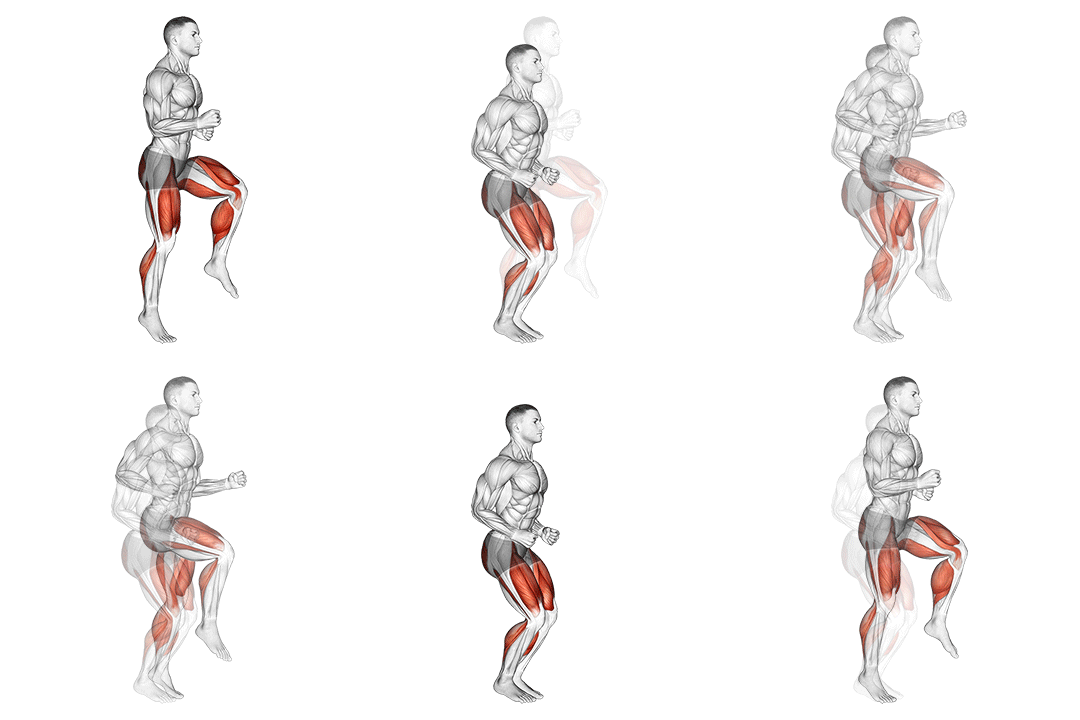
9. Half Knee Bends (male)
65.1% MatchHow to perform this exercise
- Stand with your feet shoulder-width apart.
- Bend your knees and lower your body down as if you were sitting back into a chair.
- Keep your chest up and your weight in your heels.
- Pause for a moment at the bottom, then push through your heels to return to the starting position.
- Repeat for the desired number of repetitions.
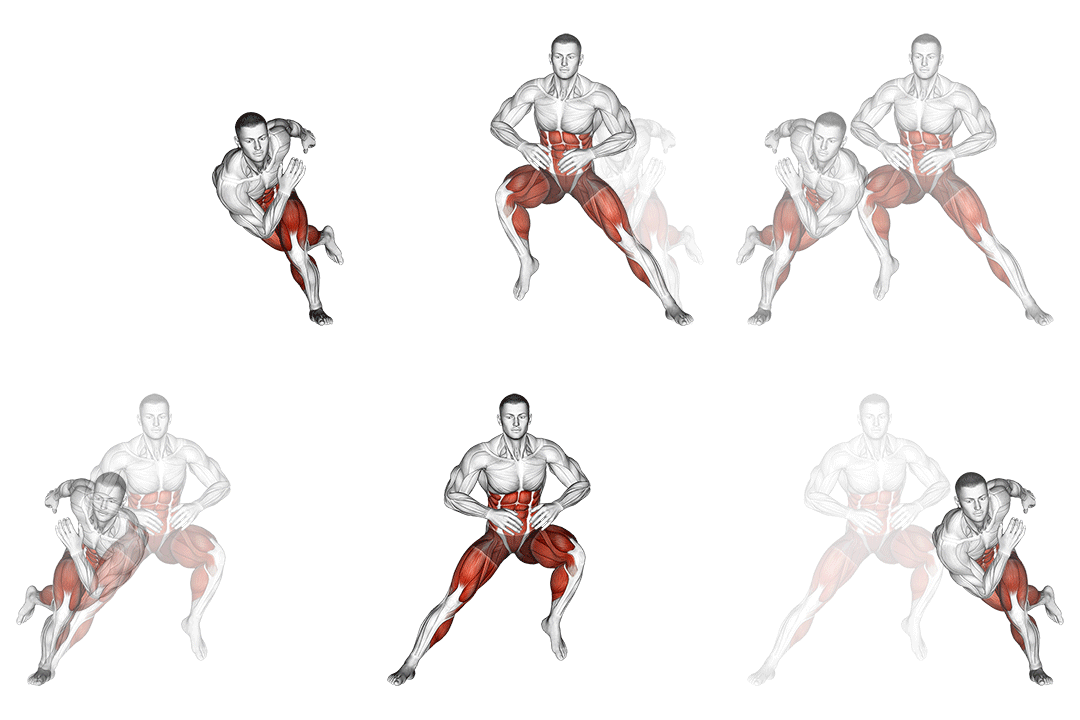
10. Skater Hops
64.7% MatchHow to perform this exercise
- Stand with your feet shoulder-width apart.
- Bend your knees slightly and jump to the right, landing on your right foot.
- As you land, swing your left leg behind your right leg and tap the ground with your left toes.
- Immediately jump to the left, landing on your left foot.
- As you land, swing your right leg behind your left leg and tap the ground with your right toes.
Why You Might Need a Jump Rope Alternative
You may substitute jump rope due to joint pain, limited ceiling height, lack of coordination, or temporary injury. High-impact hops load the ankle and knee with repeated plantarflexion and ground reaction forces; alternatives let you shift work to hip extension or continuous concentric cycles. For example, use a rowing ergometer with a long leg drive and active core bracing to emphasize glute and posterior chain activation while lowering peak impact. Or cycle at a high cadence (90–100 rpm) with relaxed shoulders to maintain cardiovascular load without repeated plyometric loading. Choose movements that reduce repetitive ankle dorsiflexion and improve force distribution through larger muscle groups.
How to Choose the Right Substitute
Select a substitute based on impact tolerance, available space, and your training goal. For interval conditioning, pick an exercise that allows clear work-to-rest blocks (e.g., 30s all-out on a bike or rower). For low-impact steady-state, choose cycling or elliptical and maintain a cadence that raises heart rate without pounding joints. Consider biomechanics: prefer exercises that shift load from isolated plantarflexors to hip extensors and quads if you have ankle or Achilles issues. Use objective cues, target cadence (e.g., 120 steps/min equivalent), maintain upright torso, and emphasize soft midfoot contacts or smooth pedal strokes to match cardiovascular stimulus while protecting tissues.
Frequently Asked Questions
What muscles does Jump Rope work?
Jump rope primarily taxes the cardiovascular system while recruiting calves (gastrocnemius, soleus) through repeated plantarflexion and quads/glutes for knee and hip stabilization. Shoulders and forearms aid rope turnover, so you get full-body coordination plus aerobic conditioning.
What is the best bodyweight alternative to Jump Rope?
Mountain climbers are an effective bodyweight substitute: keep hips low, drive each knee toward chest with quick hip flexion, and maintain a braced core to sustain cadence. They limit repetitive ankle impact while preserving high heart rate and core activation.
Can I build muscle without doing Jump Rope?
Yes. Building muscle requires progressive overload via resistance or bodyweight strength work that targets movement patterns, squats for quads/glutes, rows for posterior chain, and presses for shoulders. Focus on increased load, volume, and muscle activation cues like full hip extension on squats to grow tissue without plyometric cardio.
More Exercise Alternatives
Find Alternatives for Any Exercise
Use the exercise substitution finder to compare ranked alternatives for your available equipment and training preference.
Try the Exercise Substitution Finder →