

10 Best Squat To Overhead Reach With Twist Alternatives for Home Workouts
The Squat To Overhead Reach With Twist is done standing. Ranked closest by our scoring: the Squat To Overhead Reach, the Squat On Bosu Ball and the Bodyweight Squat. Two harder versions, the Rocket Jump and the Sissy Squat, are listed below as progressions rather than swaps.
Updated Ranked by our 12-factor similarity model How it works
Original Exercise: Squat To Overhead Reach With Twist
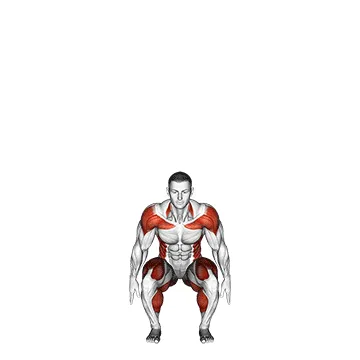
- Primary muscle
- Quads
- Equipment
- Bodyweight
- Difficulty
- Intermediate
- Type
- Compound
Secondary muscles: Glutes, Hamstrings, Core
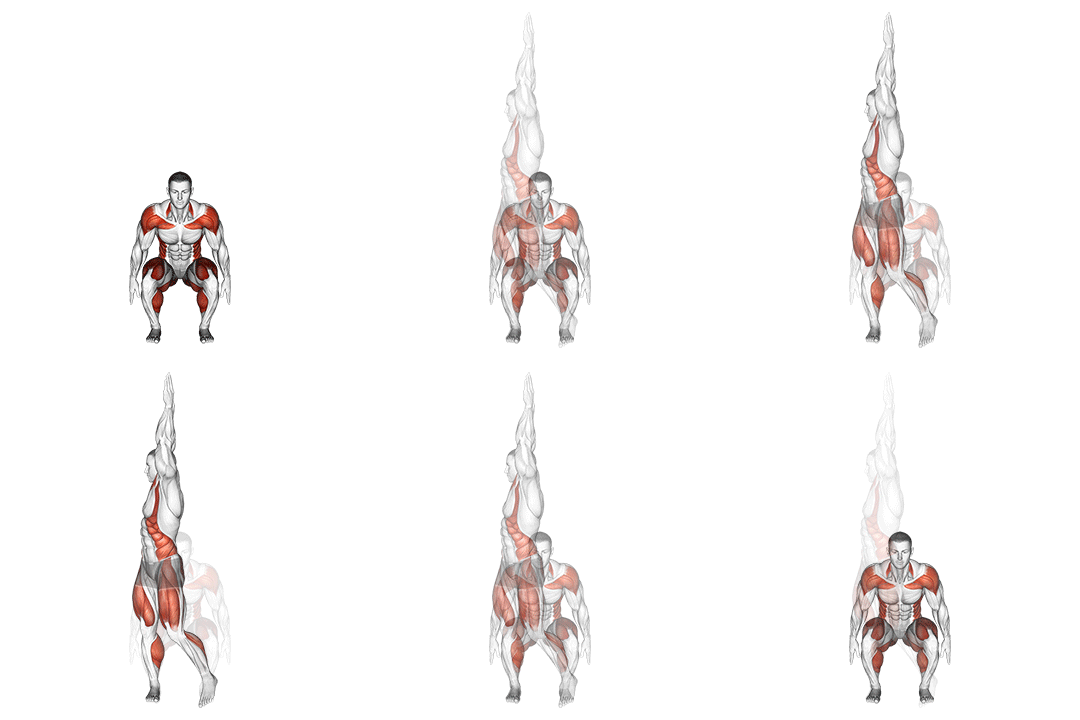
How to perform Squat To Overhead Reach With Twist
- Stand with your feet shoulder-width apart and toes slightly turned out.
- Lower your body into a squat position by bending your knees and pushing your hips back.
- As you come up from the squat, raise your arms overhead and twist your torso to one side.
- Return to the starting position and repeat the squat, this time twisting your torso to the opposite side.
- Continue alternating sides with each squat repetition.
Ranked Squat To Overhead Reach With Twist Alternatives
10 substitutes, ranked by how closely each one matches the Squat To Overhead Reach With Twist on movement pattern, muscles worked, equipment and body position. The higher the score, the less you change. Open "How to perform this exercise" on a card for the steps; every card title links to that exercise's own alternatives page. Harder versions are tagged as progressions and kept out of the top spot even when they score higher.
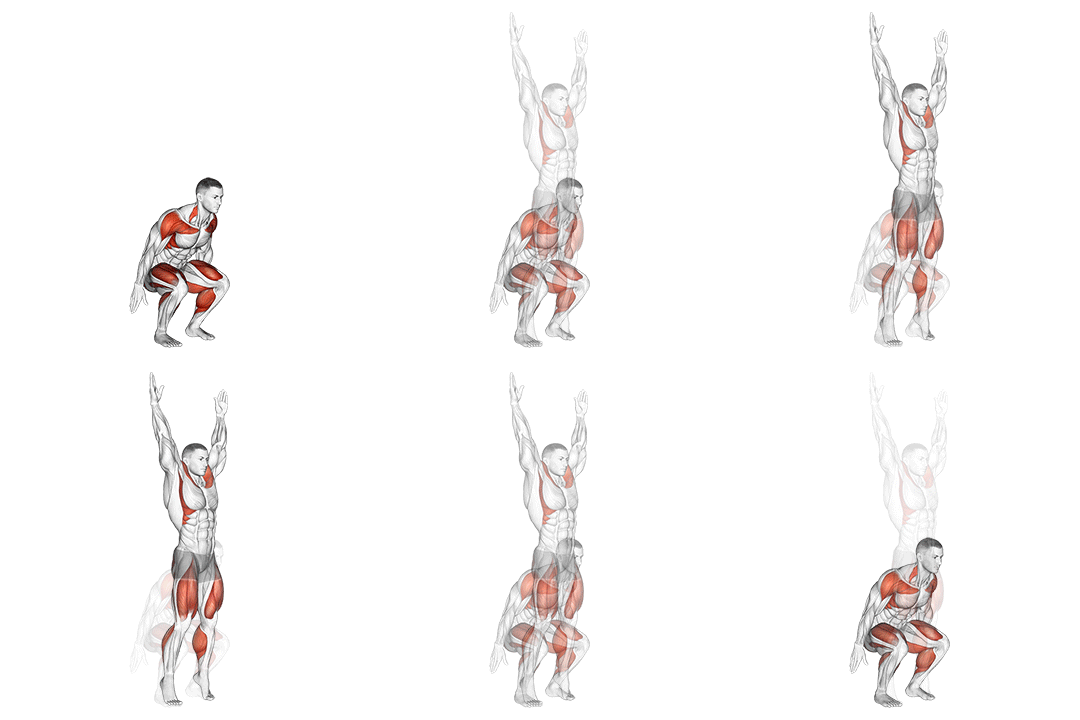
Best match 1. Squat To Overhead Reach
99% match- Quads
- Bodyweight
- Beginner
- Compound
Pick this when you want an easier version that still works the quads.
How to perform this exercise
- Stand with your feet shoulder-width apart and toes slightly turned out.
- Lower your body down into a squat position by bending your knees and pushing your hips back.
- As you come up from the squat, extend your arms overhead, reaching towards the ceiling.
- Return to the starting position by lowering your arms and bending your knees to squat down again.
- Repeat for the desired number of repetitions.
Sets and reps: 3 sets of 8 to 12 reps, and add reps before you add load.
Why this matches
- Primary muscle: quads, the same as the Squat To Overhead Reach With Twist
- Equipment: bodyweight only, the same as the Squat To Overhead Reach With Twist
- Body position: standing, the same as the Squat To Overhead Reach With Twist
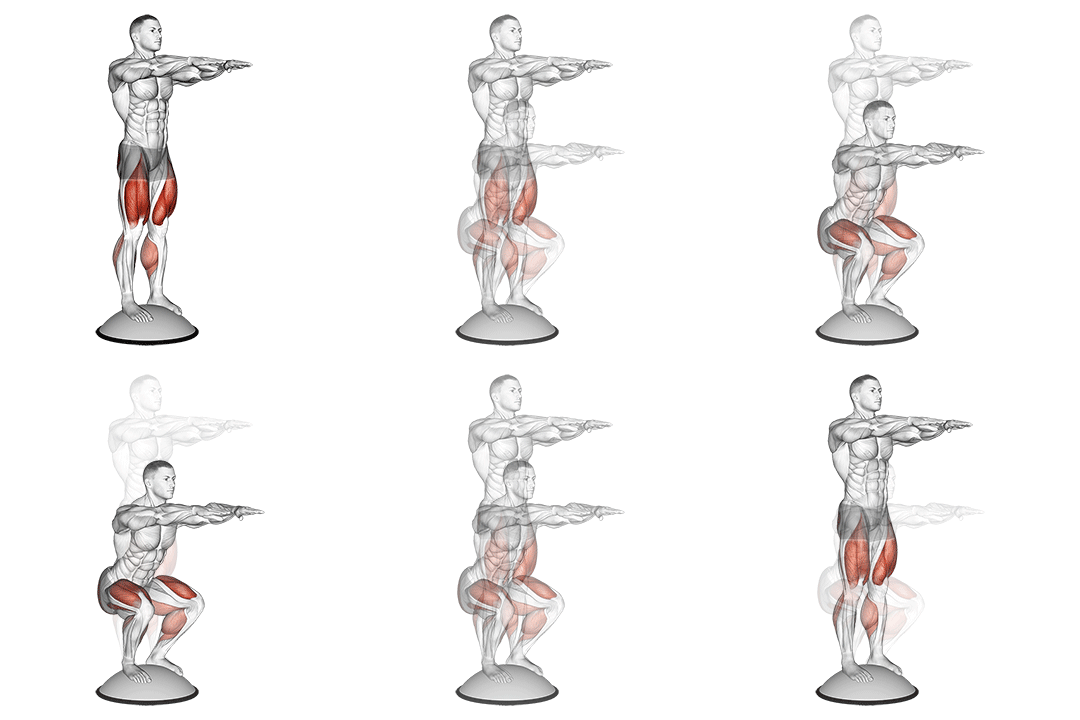
2. Squat On Bosu Ball
98% match- Quads
- Stability-ball
- Intermediate
- Compound
A good swap when you have a stability ball to work with, and it still works the quads.
How to perform this exercise
- Place the bosu ball on the ground with the flat side up.
- Stand with your feet shoulder-width apart and position yourself on top of the bosu ball.
- Lower your body down by bending your knees and hips, as if sitting back into a chair.
- Keep your chest up and your weight on your heels.
- Lower yourself until your thighs are parallel to the ground.
- Pause for a moment, then push through your heels to return to the starting position.
- Repeat for the desired number of repetitions.
Sets and reps: 3 or 4 sets of 6 to 10 reps.
Why this matches
- Primary muscle: quads, the same as the Squat To Overhead Reach With Twist
- Equipment: bodyweight only, the same as the Squat To Overhead Reach With Twist
- Body position: standing, the same as the Squat To Overhead Reach With Twist
- Balance: harder to stay steady on than the Squat To Overhead Reach With Twist
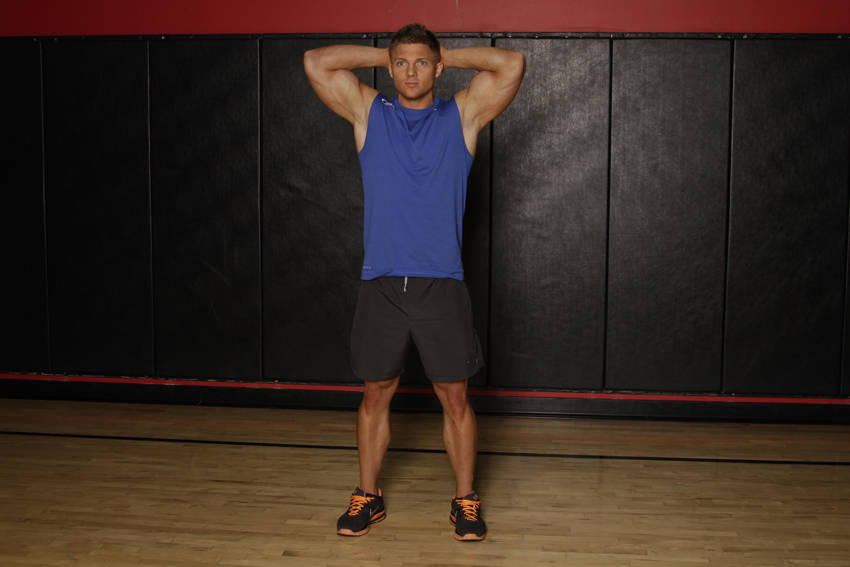
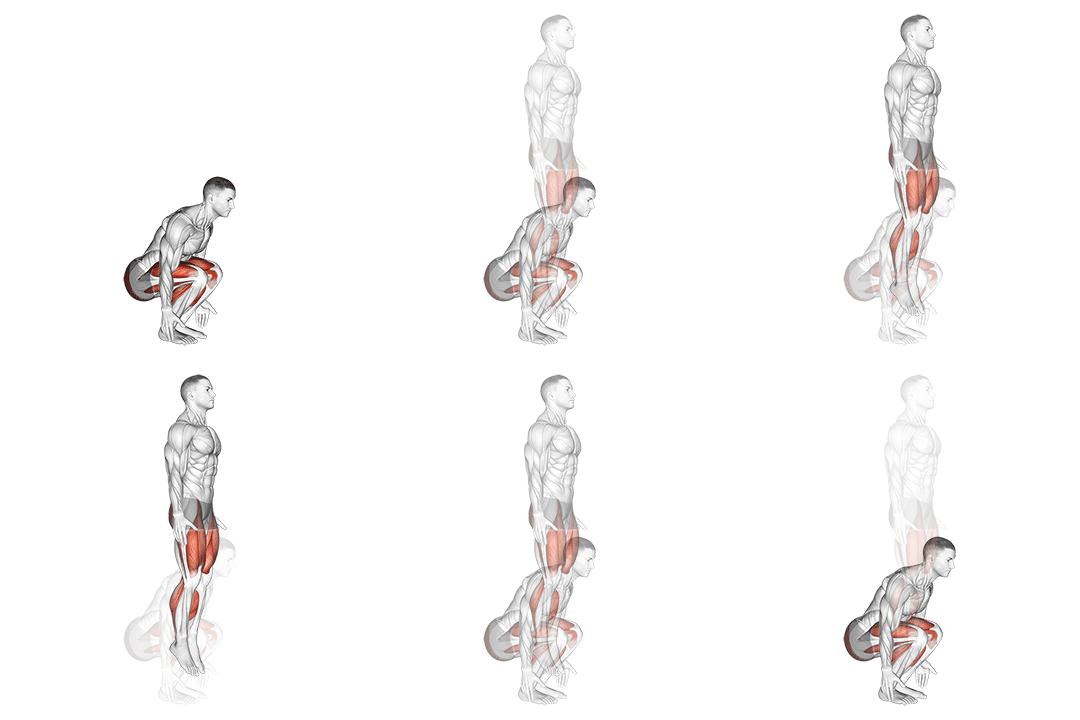
3. Bodyweight Squat
95% match- Quads
- Bodyweight
- Beginner
- Compound
How to perform this exercise
- Stand with your feet shoulder width apart. You can place your hands behind your head. This will be your starting position.
- Begin the movement by flexing your knees and hips, sitting back with your hips.
- Continue down to full depth if you are able,and quickly reverse the motion until you return to the starting position. As you squat, keep your head and chest up and push your knees out.
Sets and reps: 3 sets of 8 to 12 reps, and add reps before you add load.
Why this matches
- Primary muscle: quads, the same as the Squat To Overhead Reach With Twist
- Equipment: bodyweight only, the same as the Squat To Overhead Reach With Twist
- Body position: standing, the same as the Squat To Overhead Reach With Twist
- Balance: easier to stay steady on than the Squat To Overhead Reach With Twist
4. Semi Squat Jump
95% match- Quads
- Bodyweight
- Intermediate
- Compound
It uses the same equipment and still works the quads.
How to perform this exercise
- Stand with your feet shoulder-width apart.
- Bend your knees and lower your body into a squat position.
- Jump explosively, extending your hips and knees while swinging your arms for momentum.
- Land softly on the balls of your feet and immediately go into the next repetition.
- Repeat for the desired number of repetitions.
Sets and reps: 3 or 4 sets of 6 to 10 reps.
Why this matches
- Primary muscle: quads, the same as the Squat To Overhead Reach With Twist
- Equipment: bodyweight only, the same as the Squat To Overhead Reach With Twist
- Body position: standing, the same as the Squat To Overhead Reach With Twist
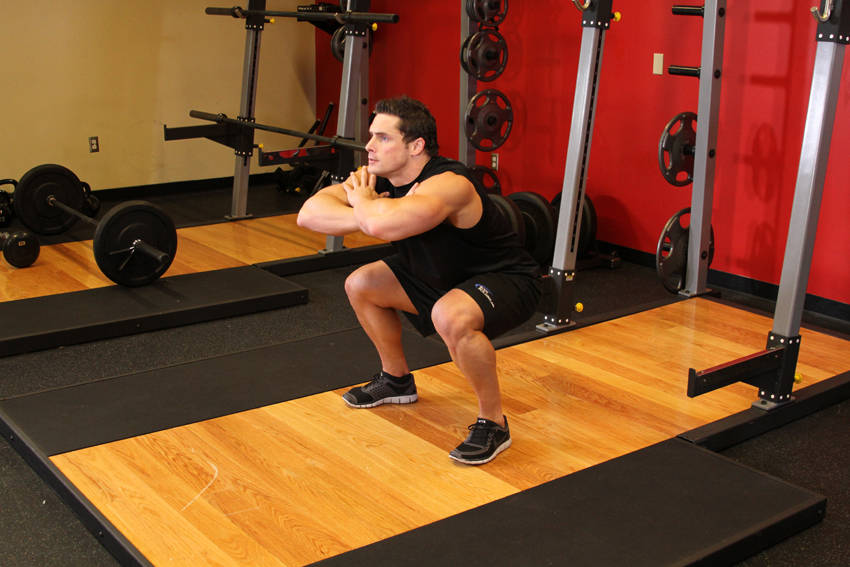
5. Freehand Jump Squat
92% match- Quads
- Bodyweight
- Intermediate
- Compound
Pick this when you want to work the quads with less balance to manage.
How to perform this exercise
- Cross your arms over your chest.
- With your head up and your back straight, position your feet at shoulder width.
- Keeping your back straight and chest up, squat down as you inhale until your upper thighs are parallel, or lower, to the floor.
- Now pressing mainly with the ball of your feet, jump straight up in the air as high as possible, using the thighs like springs. Exhale during this portion of the movement.
- When you touch the floor again, immediately squat down and jump again.
- Repeat for the recommended amount of repetitions.
Sets and reps: 3 or 4 sets of 6 to 10 reps.
Why this matches
- Primary muscle: quads, the same as the Squat To Overhead Reach With Twist
- Equipment: bodyweight only, the same as the Squat To Overhead Reach With Twist
- Body position: standing, the same as the Squat To Overhead Reach With Twist
- Balance: easier to stay steady on than the Squat To Overhead Reach With Twist
6. Quads
91% match- Quads
- Bodyweight
- Beginner
- Compound
How to perform this exercise
- Stand with your feet shoulder-width apart.
- Lower your body by bending your knees and pushing your hips back as if sitting on a chair.
- Keep your chest up and your back straight.
- Lower yourself until your thighs are parallel to the ground.
- Push through your heels to return to the starting position.
- Repeat for the desired number of repetitions.
Sets and reps: 3 sets of 8 to 12 reps, and add reps before you add load.
Why this matches
- Primary muscle: quads, the same as the Squat To Overhead Reach With Twist
- Equipment: bodyweight only, the same as the Squat To Overhead Reach With Twist
- Body position: standing, the same as the Squat To Overhead Reach With Twist
- Balance: easier to stay steady on than the Squat To Overhead Reach With Twist
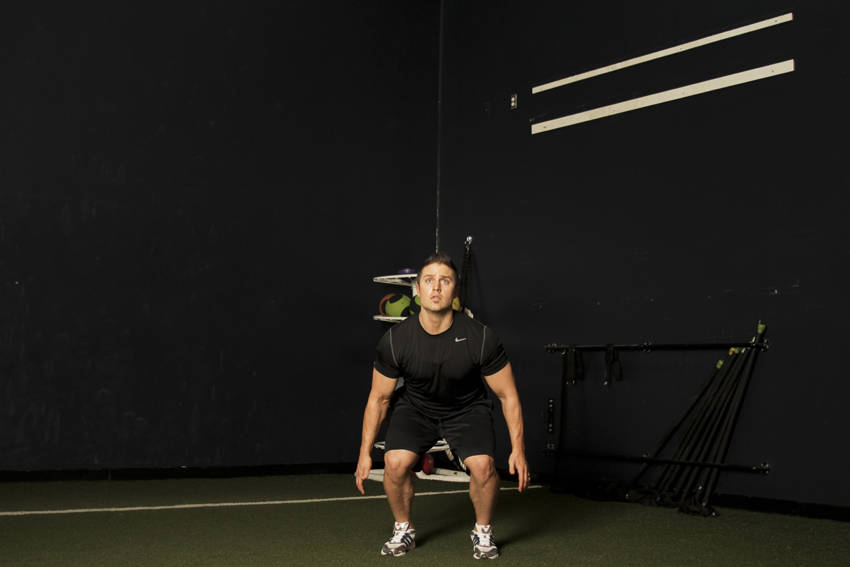
Progression
7. Rocket Jump
91% match- Quads
- Bodyweight
- Advanced
- Compound
Pick this when you want a harder version that still works the quads.
How to perform this exercise
- Begin in a relaxed stance with your feet shoulder width apart and hold your arms close to the body.
- To initiate the move, squat down halfway and explode back up as high as possible.
- Fully extend your entire body, reaching overhead as far as possible. As you land, absorb your impact through the legs.
Sets and reps: 3 or 4 sets of 6 to 10 reps.
Why this matches
- Primary muscle: quads, the same as the Squat To Overhead Reach With Twist
- Equipment: bodyweight only, the same as the Squat To Overhead Reach With Twist
- Body position: standing, the same as the Squat To Overhead Reach With Twist
Progression
8. Sissy Squat
91% match- Quads
- Bodyweight
- Advanced
- Isolation
How to perform this exercise
- Stand with your feet shoulder-width apart and your toes pointing slightly outward.
- Hold onto a stable object for balance if needed.
- Slowly lower your body by bending your knees and leaning back, keeping your torso upright.
- Continue lowering until your thighs are parallel to the ground or as far as you can comfortably go.
- Pause for a moment, then push through your heels to return to the starting position.
- Repeat for the desired number of repetitions.
Sets and reps: 3 sets of 10 to 15 reps.
Why this matches
- Primary muscle: quads, the same as the Squat To Overhead Reach With Twist
- Equipment: bodyweight only, the same as the Squat To Overhead Reach With Twist
- Body position: standing, the same as the Squat To Overhead Reach With Twist
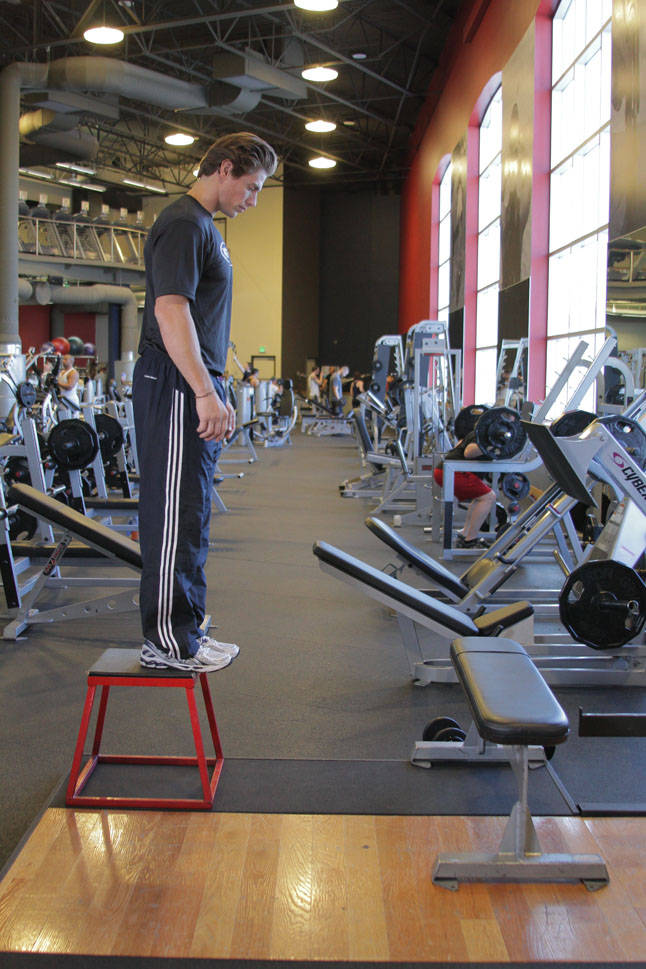
9. Linear Depth Jump
91% match- Quads
- Other
- Advanced
- Compound
How to perform this exercise
- You will need two boxes or benches spaced a few feet away from each other. Begin by standing on one box facing towards the other platform.
- To initiate the movement, gently drop down to the ground between your platforms, allowing the knees and hips to flex.
- Reverse the motion by exploding, extending through the hips, knees, and ankles to jump onto the other platform.
- Land softly, asborbing the impact through the legs.
Sets and reps: 3 or 4 sets of 6 to 10 reps.
Why this matches
- Primary muscle: quads, the same as the Squat To Overhead Reach With Twist
- Equipment: bodyweight only, the same as the Squat To Overhead Reach With Twist
- Body position: standing, the same as the Squat To Overhead Reach With Twist
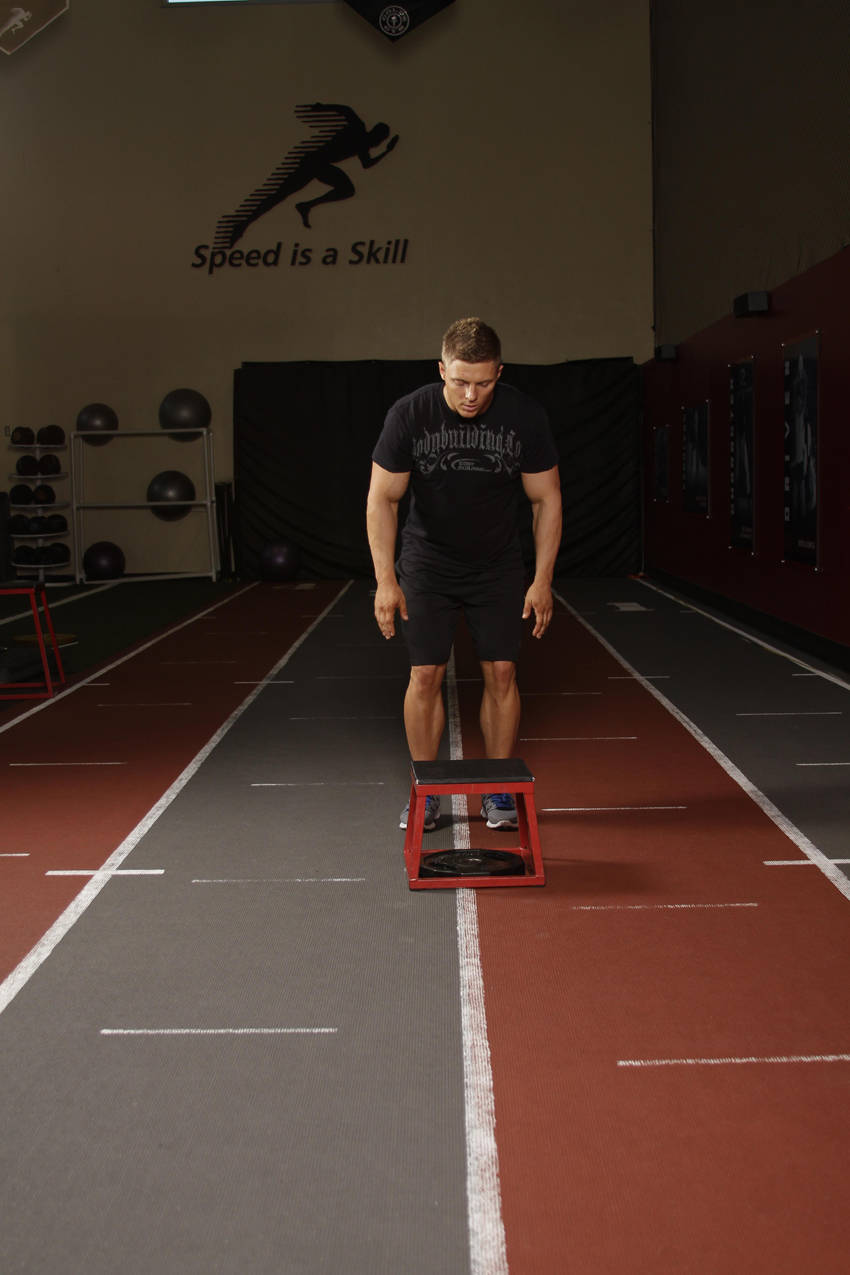
10. Quick Leap
91% match- Quads
- Other
- Intermediate
- Compound
How to perform this exercise
- You will need a box for this exerise.
- Begin facing the box standing 1-2 feet from its edge.
- By utilizing your hips, hop onto the box, landing on both legs. Ensure that you land with your legs bent and your feet flat.
- Immediately upon landing, fully extend through the entire body and swing your arms overhead to explode off of the box. Use your legs to absorb the impact of landing.
Sets and reps: 3 or 4 sets of 6 to 10 reps.
Why this matches
- Primary muscle: quads, the same as the Squat To Overhead Reach With Twist
- Equipment: bodyweight only, the same as the Squat To Overhead Reach With Twist
- Body position: standing, the same as the Squat To Overhead Reach With Twist
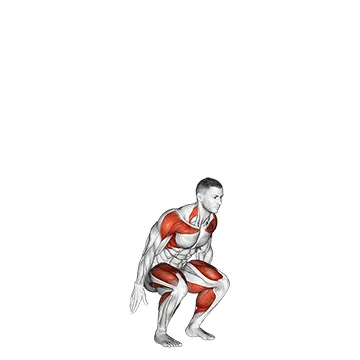
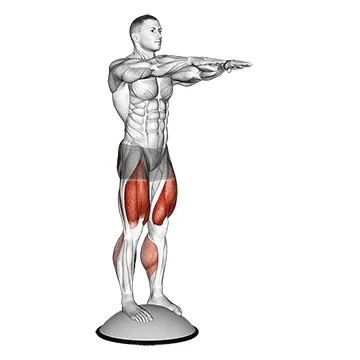
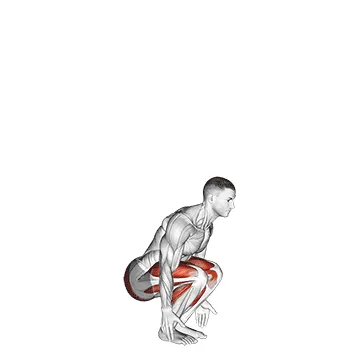
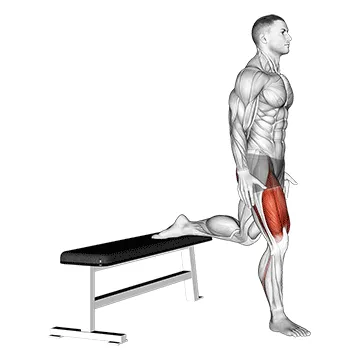
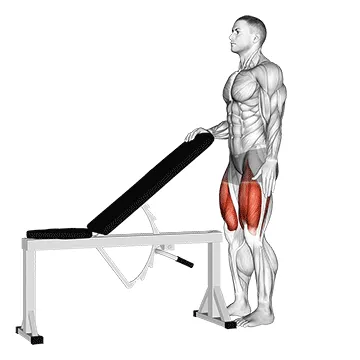
Why You Might Need a Squat To Overhead Reach With Twist Alternative
You may need substitutes for shoulder limits, poor balance, knee pain, or lack of space. The overhead reach increases shoulder and thoracic mobility demands; removing it reduces strain on the rotator cuff while keeping knee-extension work for the quads. If balance is the issue, choose a supported step-up or split squat to reduce frontal-plane instability. For knee discomfort, shorten range of motion and focus on slow eccentrics to build tolerance. Each alternative preserves the primary knee-extension biomechanics that load the quads while adjusting hip, trunk, or shoulder demands to match your restrictions.
Squat To Overhead Reach With Twist FAQ
What muscles does Squat To Overhead Reach With Twist work?
The move primarily targets the quads through knee extension while the glutes assist hip extension. The overhead reach engages the shoulders and upper back, and the twist increases anti-rotation demand on the obliques and deep core; cue a braced core and drive through the midfoot for stable force transfer.
What is the best bodyweight alternative to Squat To Overhead Reach With Twist?
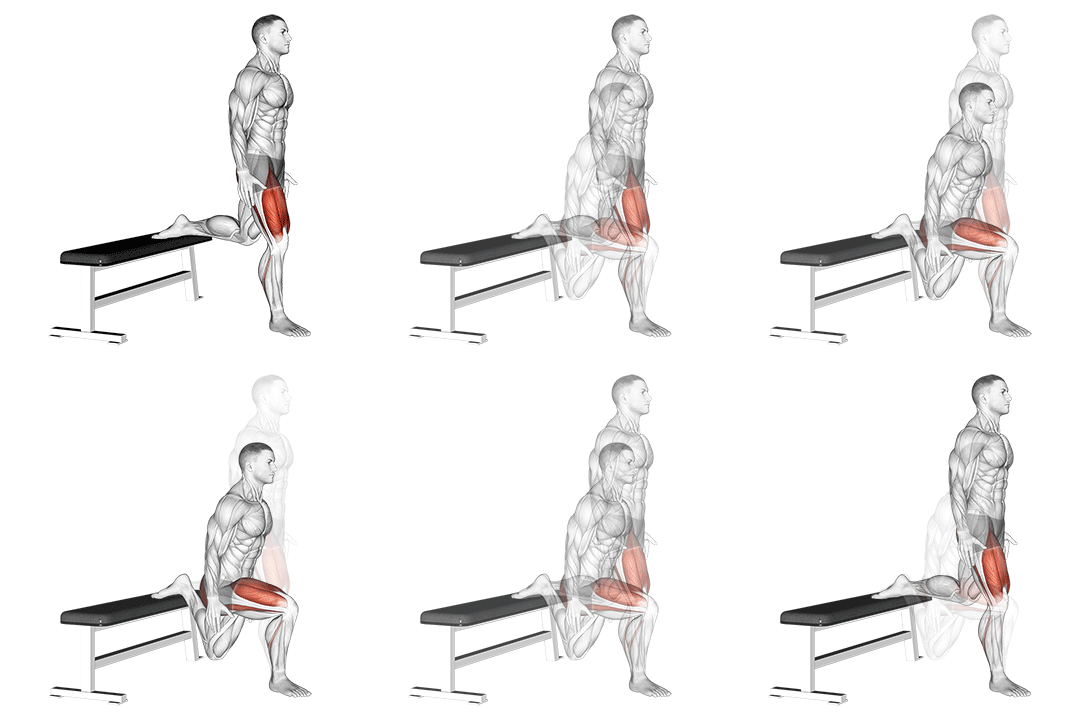
The Bulgarian split squat is the most effective bodyweight substitute to load the quads unilaterally; keep your torso upright, lower until the front thigh is near parallel, and drive through the front heel to maximize quad activation. If balance is a limiter, use a step-up with a lower box and focus on a controlled 2–3 second descent.
Can I build muscle without doing Squat To Overhead Reach With Twist?
Yes. Use progressive overload with alternatives, add reps, increase step height, use slower eccentrics, or incorporate unilateral work to increase quad tension. Cue a controlled tempo (3–4 second lowering) and full muscle activation at the top of each rep to stimulate hypertrophy.
Find Alternatives for Any Exercise
Search the exercise database and filter the ranked substitutes by the equipment you own.
Similarity scores compare exercise metadata such as movement pattern, muscles, equipment and body position. They are not a safety rating or a check that you own the equipment. Learn about our methodology