

10 Best Star Jump Alternatives for Low-Impact Training
The Star Jump is done standing. Ranked closest by our scoring: the Stride Jump Crossover, the Dumbbell Burpee and the Fast Skipping. Three harder versions, the Jack Burpee, the Burpee and the Side Standing Long Jump, are listed below as progressions rather than swaps.
Updated Ranked by our 12-factor similarity model How it works
Original Exercise: Star Jump
- Primary muscle
- Quads
- Equipment
- Bodyweight
- Difficulty
- Intermediate
- Type
- Compound
Secondary muscles: Calves, Glutes, Hamstrings, Shoulders
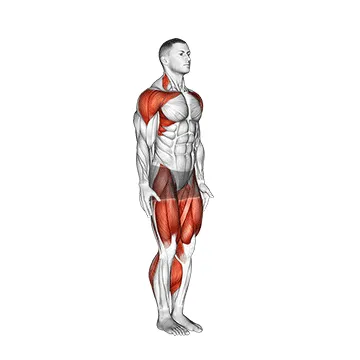
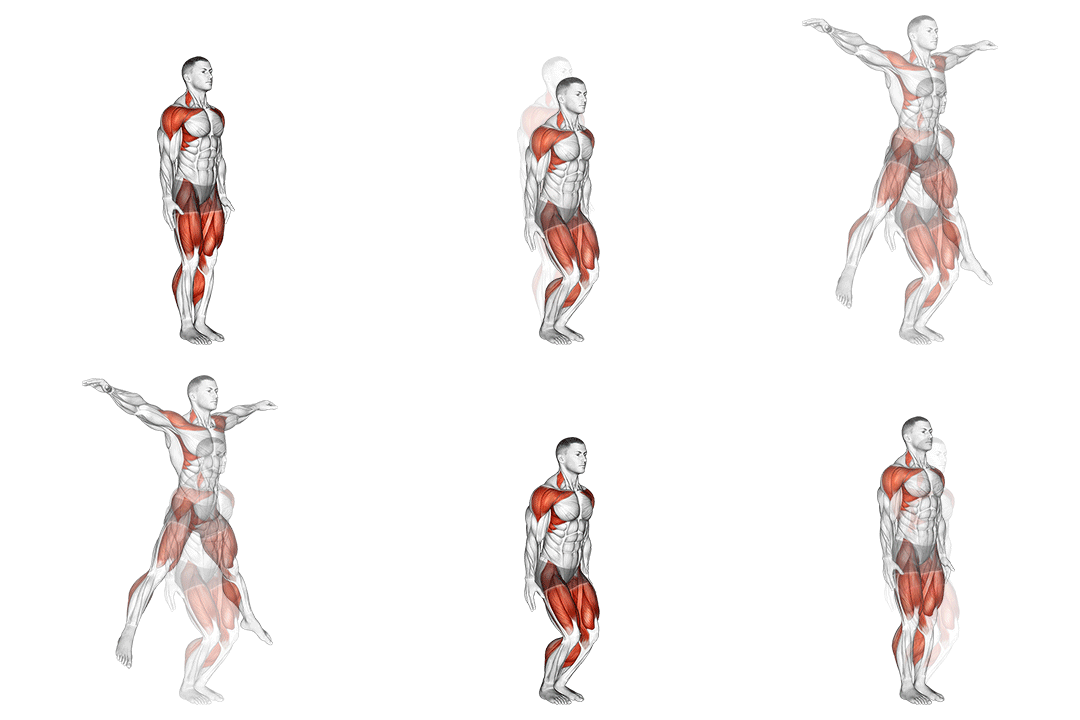
How to perform Star Jump
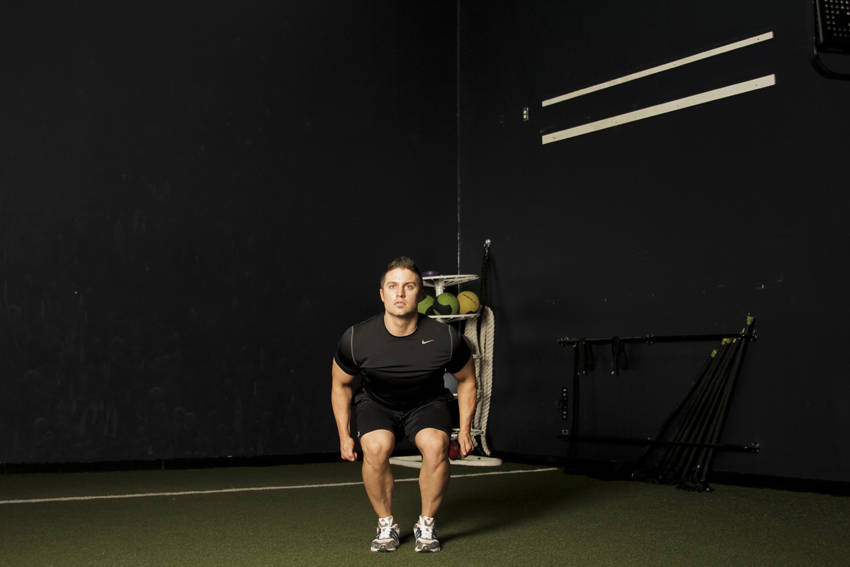
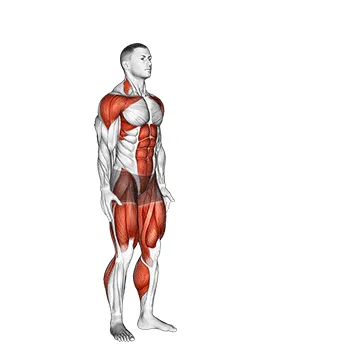
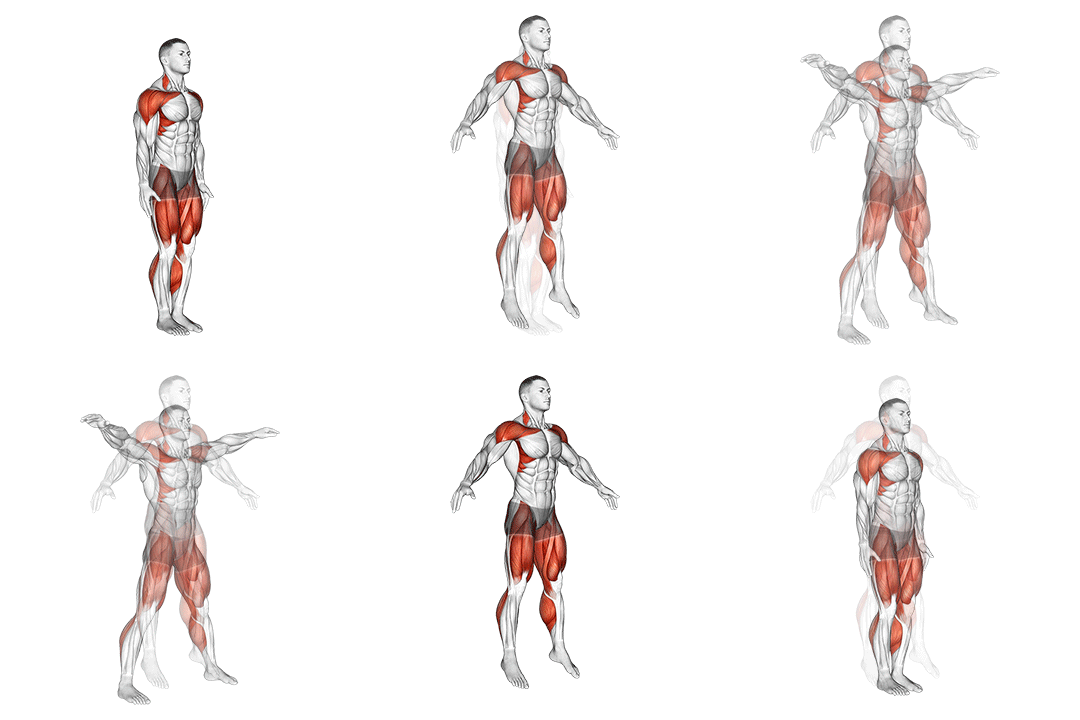
- Begin in a relaxed stance with your feet shoulder width apart and hold your arms close to the body.
- To initiate the move, squat down halfway and explode back up as high as possible. Fully extend your entire body, spreading your legs and arms away from the body.
- As you land, bring your limbs back in and absorb your impact through the legs.
Ranked Star Jump Alternatives
10 substitutes, ranked by how closely each one matches the Star Jump on movement pattern, muscles worked, equipment and body position. The higher the score, the less you change. Open "How to perform this exercise" on a card for the steps; every card title links to that exercise's own alternatives page. Harder versions are tagged as progressions and kept out of the top spot even when they score higher.
Best match 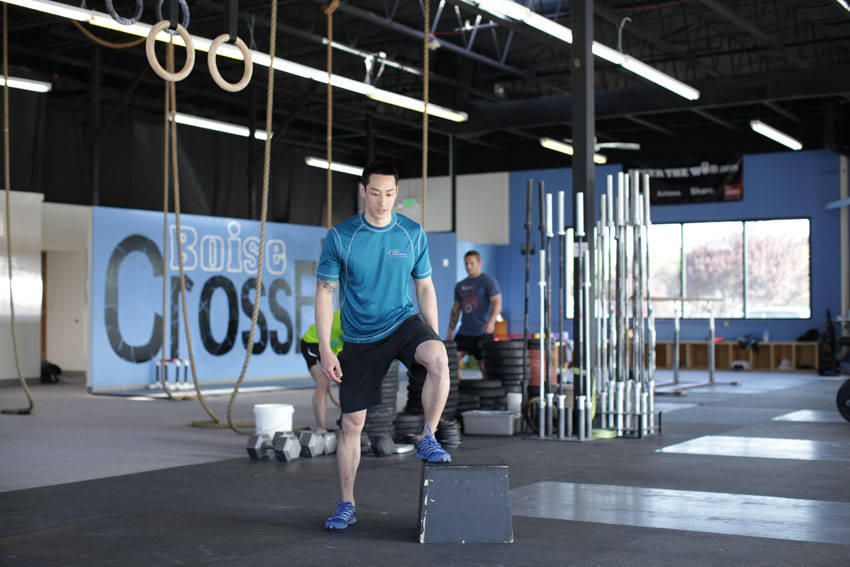
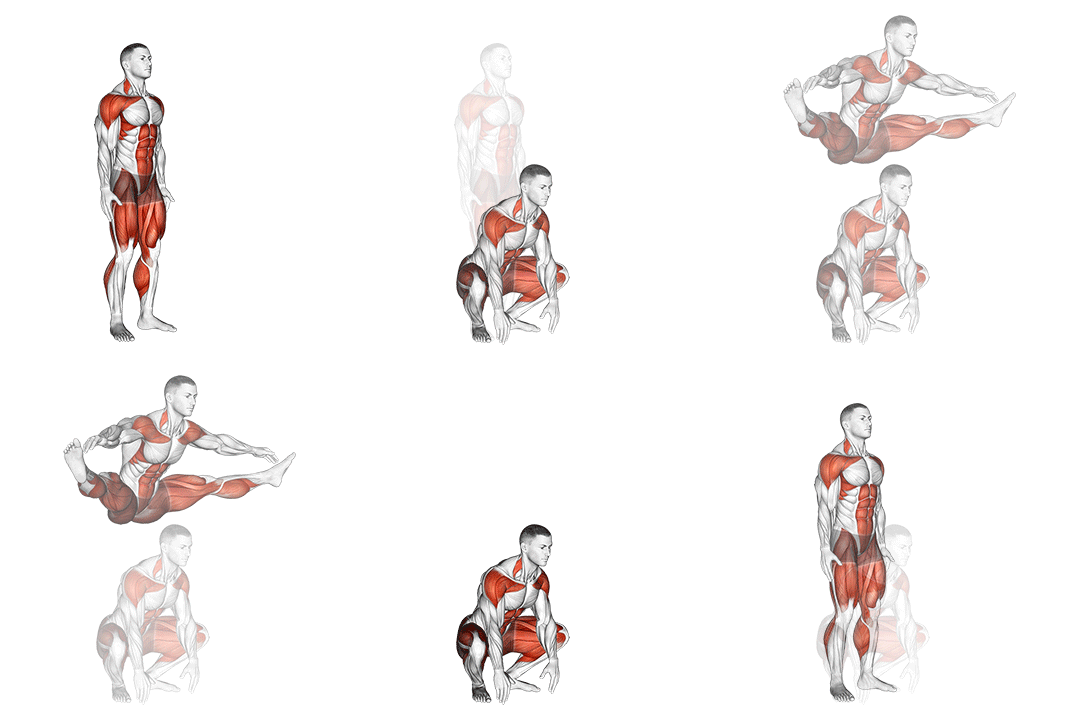
1. Stride Jump Crossover
84% match- Quads
- Other
- Intermediate
- Compound
Pick this when you want a harder version that works the quads one side at a time.
How to perform this exercise
- Stand to the side of a box with your inside foot on top of it, close to the edge.
- Begin by swinging the arms upward as you push through the top leg, jumping upward as high as possible. Attempt to drive the opposite knee upward.
- Land in the opposite position that you started, on the opposite side of the box. The foot that was initially on the box will now be on the ground, with the opposite foot now on the box.
- Repeat the movement, crossing back over to the other side.
Sets and reps: Work for 30 to 60 seconds, rest as long as you worked, and repeat 6 to 10 times.
Why this matches
- Primary muscle: quads, the same as the Star Jump
- Equipment: bodyweight only, the same as the Star Jump
- Body position: standing, the same as the Star Jump
- Balance: harder to stay steady on than the Star Jump
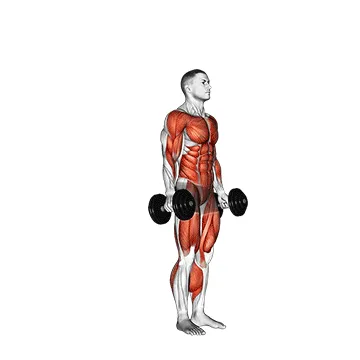
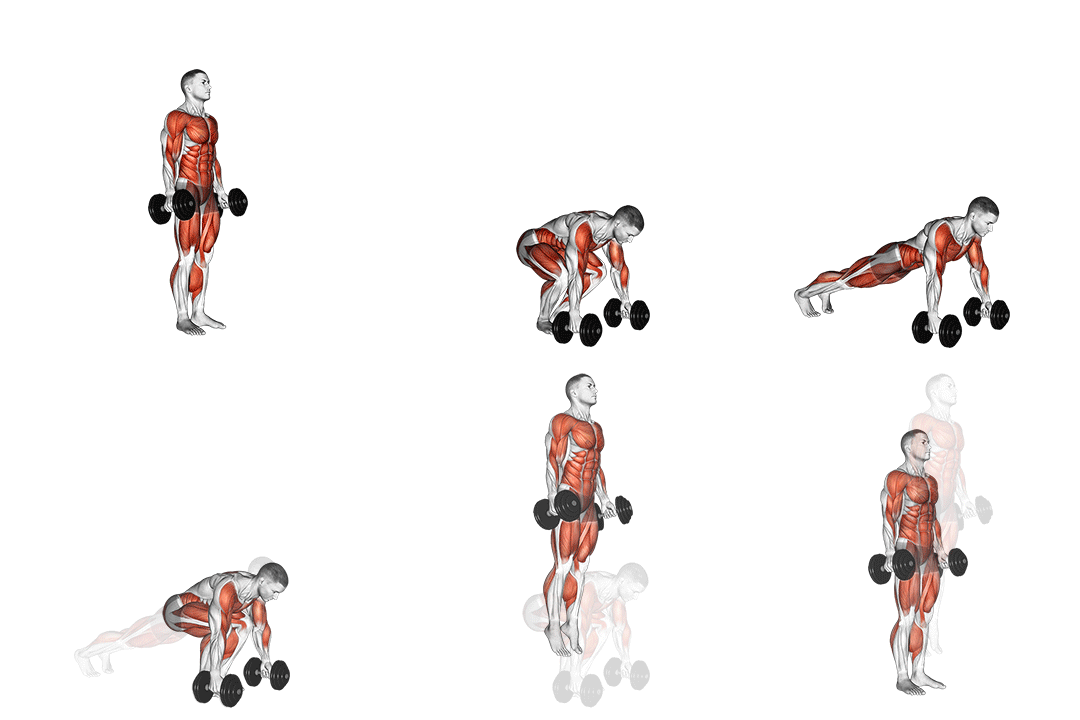
2. Dumbbell Burpee
83% match- Quads
- Dumbbell
- Advanced
- Compound
A good swap when you have dumbbells to work with, and it still works the quads.
How to perform this exercise
- Start in a standing position with your feet shoulder-width apart and a dumbbell in each hand.
- Lower your body into a squat position, placing the dumbbells on the ground in front of you.
- Kick your feet back into a push-up position, keeping your body in a straight line.
- Perform a push-up, bending your elbows and lowering your chest towards the ground.
- Jump your feet back towards your hands, landing in a squat position.
- Stand up explosively, lifting the dumbbells off the ground and bringing them to your shoulders.
- Press the dumbbells overhead, fully extending your arms.
- Lower the dumbbells back to your shoulders and repeat the entire sequence for the desired number of repetitions.
Sets and reps: Work for 30 to 60 seconds, rest as long as you worked, and repeat 6 to 10 times.
Why this matches
- Primary muscle: quads, the same as the Star Jump
- Equipment: free weights, not bodyweight only
- Body position: standing, the same as the Star Jump
- Balance: harder to stay steady on than the Star Jump
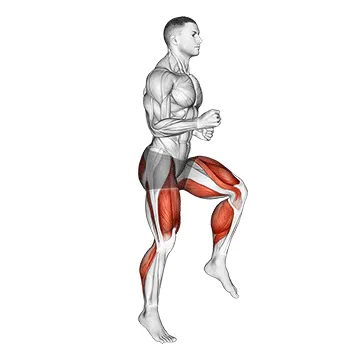
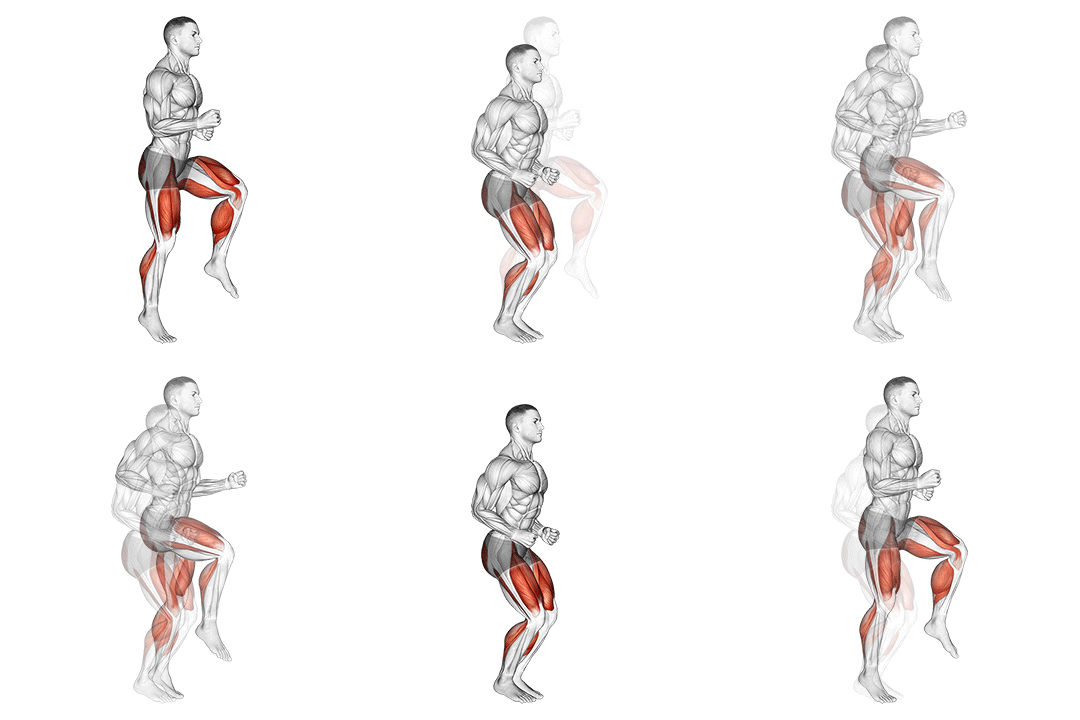
3. Fast Skipping
83% match- Quads
- Bodyweight
- Intermediate
- Compound
Pick this when you want an easier single-leg version that still works the quads.
How to perform this exercise
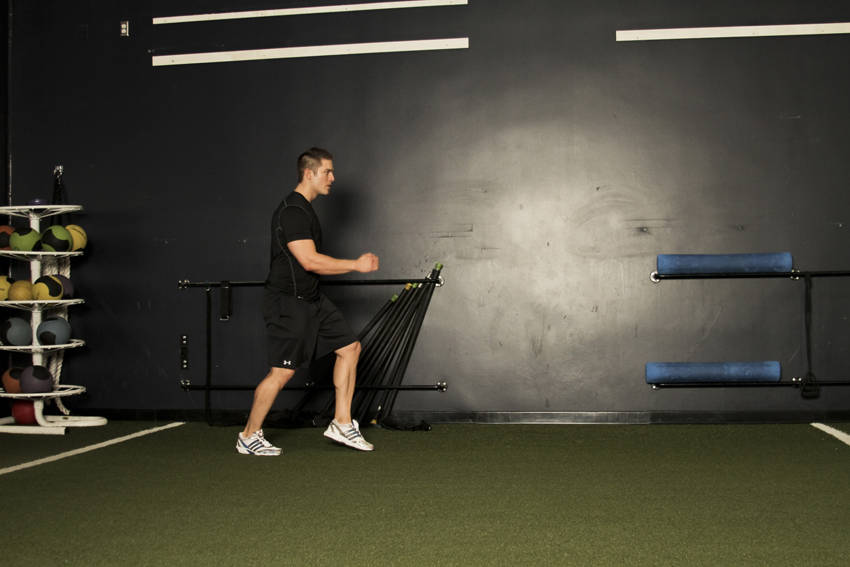
- Start in a relaxed position with one leg slightly forward. This will be your starting position.
- Skip by executing a step-hop pattern of right-right-step to left-left-step, and so on, alternating back and forth.
- Perform fast skips by maintaining close contact with the ground and reduce air time, moving as quickly as possible.
Sets and reps: Work for 30 to 60 seconds, rest as long as you worked, and repeat 6 to 10 times.
Why this matches
- Primary muscle: quads, the same as the Star Jump
- Equipment: bodyweight only, the same as the Star Jump
- Body position: standing, the same as the Star Jump
- Balance: easier to stay steady on than the Star Jump
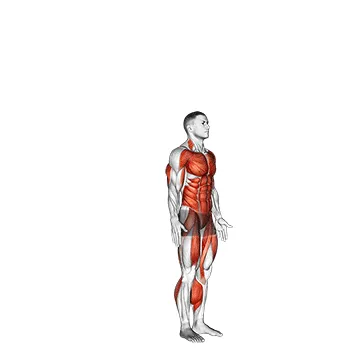
4. Star Jump
80% match- Cardio
- Bodyweight
- Beginner
- Compound
A looser match: it uses the same equipment, but it works the heart and lungs rather than the quads.
How to perform this exercise
- Stand with your feet shoulder-width apart and your arms by your sides.
- Bend your knees slightly and jump up explosively.
- As you jump, spread your legs and extend your arms out to the sides, forming a star shape with your body.
- Land softly on the balls of your feet with your knees slightly bent.
- Repeat for the desired number of repetitions.
Sets and reps: Work for 30 to 60 seconds, rest as long as you worked, and repeat 6 to 10 times.
Why this matches
- Primary muscle: your heart and lungs, not quads
- Equipment: bodyweight only, the same as the Star Jump
- Body position: standing, the same as the Star Jump
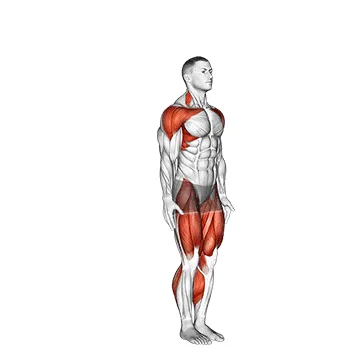
5. Jack Jump
80% match- Cardio
- Bodyweight
- Beginner
- Compound
A looser match: it uses the same equipment, but it works the cardiovascular rather than the quads.
How to perform this exercise
- Stand with your feet together and your arms by your sides.
- Jump up, spreading your feet apart and raising your arms above your head.
- As you land, quickly jump back to the starting position.
- Repeat for the desired number of repetitions.
Sets and reps: Work for 30 to 60 seconds, rest as long as you worked, and repeat 6 to 10 times.
Why this matches
- Primary muscle: your heart and lungs, not quads
- Equipment: bodyweight only, the same as the Star Jump
- Body position: standing, the same as the Star Jump
6. Half Knee Bends
80% match- Cardio
- Bodyweight
- Beginner
- Compound
How to perform this exercise
- Stand with your feet shoulder-width apart.
- Bend your knees and lower your body down as if you were sitting back into a chair.
- Keep your chest up and your weight in your heels.
- Pause for a moment at the bottom, then push through your heels to return to the starting position.
- Repeat for the desired number of repetitions.
Sets and reps: Work for 30 to 60 seconds, rest as long as you worked, and repeat 6 to 10 times.
Why this matches
- Primary muscle: your heart and lungs, not quads
- Equipment: bodyweight only, the same as the Star Jump
- Body position: standing, the same as the Star Jump
Progression
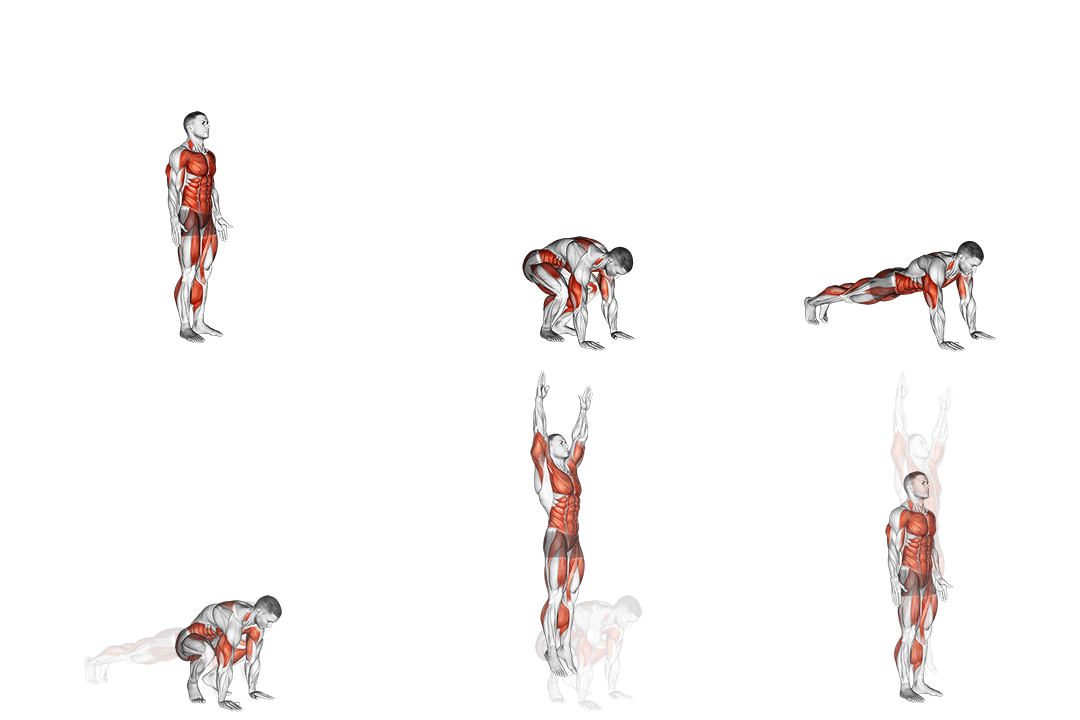
7. Jack Burpee
80% match- Cardio
- Bodyweight
- Intermediate
- Compound
How to perform this exercise
- Start in a standing position with your feet shoulder-width apart.
- Lower your body into a squat position, placing your hands on the ground in front of you.
- Kick your feet back, landing in a push-up position.
- Perform a push-up, lowering your chest to the ground and then pushing back up.
- Jump your feet forward, landing in a squat position.
- Jump up explosively, reaching your arms overhead.
- Land softly and immediately lower back into the squat position to begin the next repetition.
Sets and reps: Work for 30 to 60 seconds, rest as long as you worked, and repeat 6 to 10 times.
Why this matches
- Primary muscle: your heart and lungs, not quads
- Equipment: bodyweight only, the same as the Star Jump
- Body position: standing, the same as the Star Jump
Progression
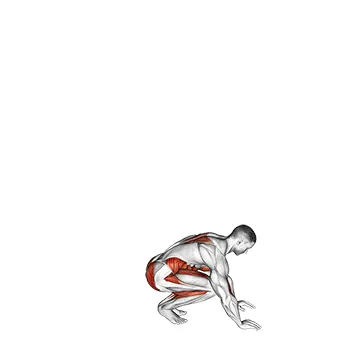
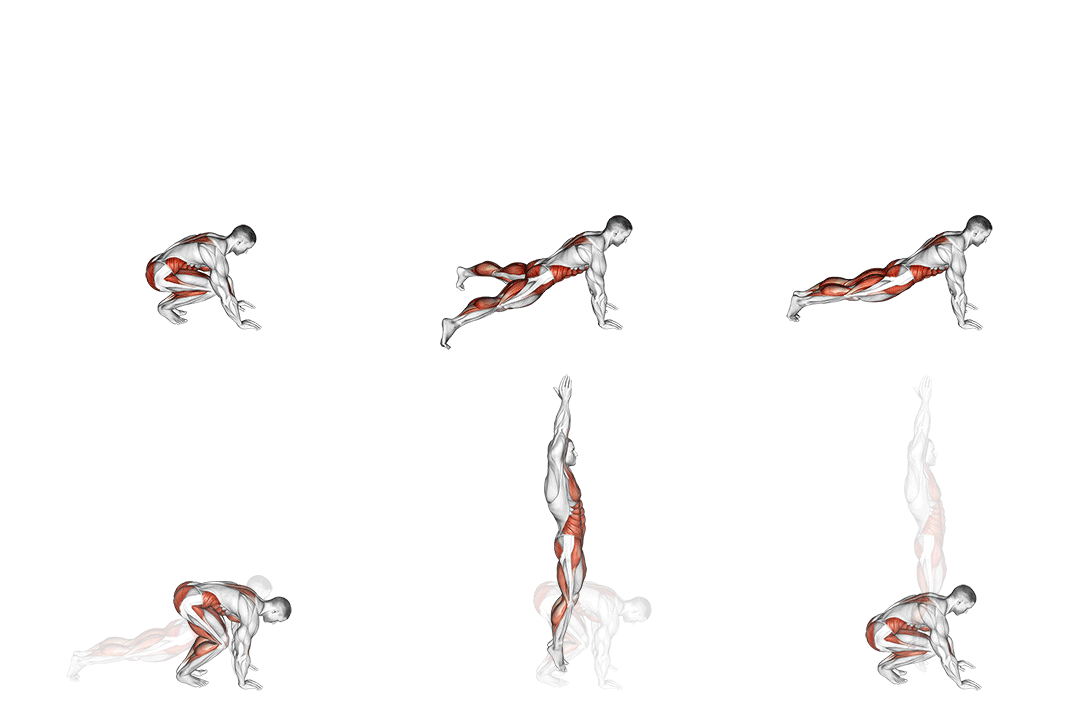
8. Burpee
79% match- Cardio
- Bodyweight
- Intermediate
- Compound
How to perform this exercise
- Start in a standing position with your feet shoulder-width apart.
- Lower your body into a squat position by bending your knees and placing your hands on the floor in front of you.
- Kick your feet back into a push-up position.
- Perform a push-up, keeping your body in a straight line.
- Jump your feet back into the squat position.
- Jump up explosively, reaching your arms overhead.
- Land softly and immediately lower back into a squat position to begin the next repetition.
Sets and reps: Work for 30 to 60 seconds, rest as long as you worked, and repeat 6 to 10 times.
Why this matches
- Primary muscle: your heart and lungs, not quads
- Equipment: bodyweight only, the same as the Star Jump
9. Astride Jumps
77% match- Cardio
- Bodyweight
- Intermediate
- Compound
How to perform this exercise
- Stand with your feet shoulder-width apart.
- Bend your knees and lower your body into a squat position.
- Jump explosively upwards, extending your legs and arms.
- While in the air, spread your legs apart and bring your arms out to the sides.
- Land softly with your feet shoulder-width apart, bending your knees to absorb the impact.
- Repeat for the desired number of repetitions.
Sets and reps: Work for 30 to 60 seconds, rest as long as you worked, and repeat 6 to 10 times.
Why this matches
- Primary muscle: your heart and lungs, not quads
- Equipment: bodyweight only, the same as the Star Jump
- Body position: standing, the same as the Star Jump
Progression
10. Side Standing Long Jump
77% match- Quadriceps
- Bodyweight
- Intermediate
- Compound
How to perform this exercise
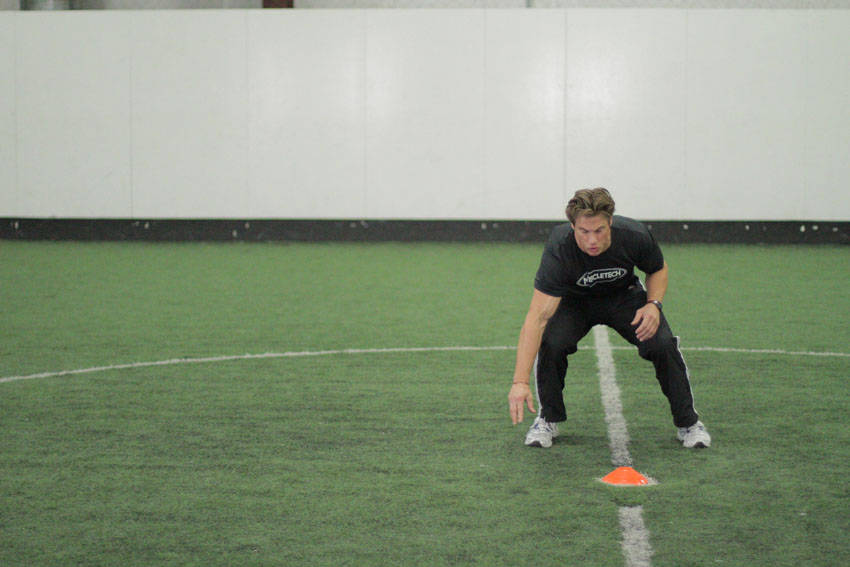
- Begin standing with your feet hip width apart in an athletic stance. Your head and chest should be up, knees and hips slightly bent. This will be your starting position.
- Leaning to your right, extend through your hips, knees, and ankles to jump into the air. Block with the arms to lead the movement, jumping as far to your right as you can.
- Land facing the same direction with your feet hip width apart, absorbing the impact through your lower body.
Sets and reps: Work for 30 to 60 seconds, rest as long as you worked, and repeat 6 to 10 times.
Why this matches
- Primary muscle: quadriceps, not quads
- Equipment: bodyweight only, the same as the Star Jump
- Body position: standing, the same as the Star Jump
- Balance: harder to stay steady on than the Star Jump
Why You Might Need a Star Jump Alternative
You might replace Star Jumps because of knee, ankle, or hip pain, limited mobility, pregnancy, or noise and space limits. High-impact plyometrics produce repeated ground reaction forces that irritate the patellofemoral joint; substituting controlled eccentrics or unilateral patterns reduces peak loading while preserving quad stimulus. Choose moves that maintain rapid hip and knee extension mechanics if you want power, or slow the tempo (2–3 second descent) to shift emphasis to hypertrophy and eccentric quadriceps control. Use soft landings and avoid excessive valgus by keeping knees tracking toes to protect tissues while maintaining effective quad recruitment.
Star Jump FAQ
What muscles does Star Jump work?
Star Jumps primarily target the quads through rapid knee extension, with secondary loading of the glutes, calves, and core for hip extension and stabilization. Power comes from coordinated hip and knee extension; land softly with a slight knee bend to absorb force and protect the joints.
What is the best bodyweight alternative to Star Jump?
A static split squat (or Bulgarian split squat if you have a bench) is the best bodyweight alternative for quad development and unilateral balance. Keep your torso upright, push through the front heel, and lower with a controlled 2–3 second eccentric to maximize quad activation.
Can I build muscle without doing Star Jump?
Yes, you can build quad muscle with structured progressive overload using squats, lunges, step-ups, and tempo variations instead of plyometrics. Increase time under tension with slow eccentrics or add reps and unilateral work to drive hypertrophy while maintaining proper knee tracking and hip extension mechanics.
Find Alternatives for Any Exercise
Search the exercise database and filter the ranked substitutes by the equipment you own.
Similarity scores compare exercise metadata such as movement pattern, muscles, equipment and body position. They are not a safety rating or a check that you own the equipment. Learn about our methodology