
The quality of your workouts depends on how you are feeling physically and mentally. Plus, these factors are interrelated. You might feel demotivated and want to skip the gym if you are going through an energy crash.
As a personal trainer with almost two decades of hands-on experience, I can attest that this phenomenon is more common than most people would want to admit.
Sports nutrition companies have been paying attention and have launched several products to address this issue. The most popular of them are pre-workout powders. These supps promise more energy, better pumps, and improved endurance, making them a dream for every athlete.
But truth be told, most of these are nothing more than fairy dust.
The ingredients and dosages of different ingredients in a pre-workout powder are important factors for ensuring their effectiveness. Caffeine and taurine are the most potent compounds in a pre-workout supplement if you’re trying to maximize your performance. This combo boosts alertness, ramps up aerobic and anaerobic output, and sharpens reaction times. (1)
In this article, I’ll take you through the benefits of combining taurine and caffeine, and the optimal doses to fuel your sessions for peak results. You’ll also learn how to take their effect to the next level by adding electrolytes and citrulline to the mix. We have a lot to unpack, so sit tight and read on.
Understanding Taurine: The Unsung Hero of Cellular Health
There has been a rise in unstimulated pre-workout supplements. For the uninitiated, this term basically means uncaffeinated powders.
These supps mainly gained popularity because sports nutrition brands were going overboard with caffeine dosages in their products. Although these initially gave users an energy boost, they led to a subsequent crash, negating their benefits.
These unstimulated supplements usually have a caffeine replacement, which often has way worse side effects than caffeine over the long term.
Supplement companies have learned their lesson and have started using taurine in their formulas to smooth caffeine’s edge. It helps deliver clean energy for your lifts or runs while avoiding mid- or post-session crashes.
Unlike caffeine or other stimulants that rev your system into overdrive, taurine acts as a supportive nutrient. It calms rather than excites, steadying your energy flow.
As trainer Elena Voss notes, “Taurine steps in like a reliable spotter— it supports your muscles without stealing the show from your hard work.”
What is Taurine?
It is a sulphur-based amino acid that your body can also make on its own, mainly in the liver. You also find it in foods such as meat, fish, and dairy.
Taurine has three main jobs in your body:
It balances fluids in cells and pulls water in during tough sessions, which helps keep muscles hydrated and prevents cramps. Taurine also fights free radicals that build up during intense training. It shields cells from damage, speeding recovery and cutting soreness after heavy lifts.
Finally, taurine boosts calcium handling in muscles, aiding contractions and strength. It also supports mitochondria, which are the energy factories in cells, for sustained power during workouts.
Optimal Dosage
Just because a supplement is effective does not mean you should load up on it like it’s the end of the world.
Research shows that taking 1-3 grams of taurine boosts aerobic performance. Plus, athletes who took 1 gram multiple times a day cut muscle damage and maintained steady performance during endurance tests.
It can also help increase the time to exhaustion due to better cellular hydration. This is perfect for people who train in hot climates, as it delays fatigue and improves recovery, allowing you to push harder. (2)
Caffeine: The Classic Energy Booster
While an increasing number of people are cutting back on caffeine completely, this is not necessarily the right approach if you’re trying to push harder in the gym.
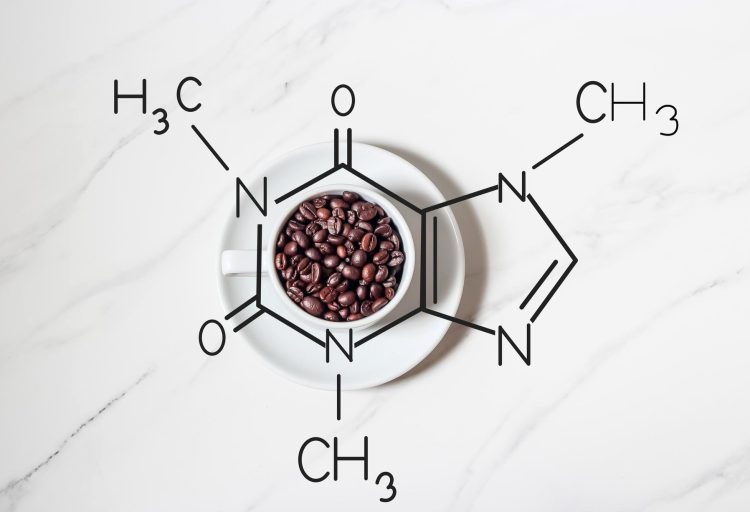
Caffeine is pulled from everyday sources like coffee beans, tea leaves, and even chocolate. It delivers that unadulterated energy surge that helps millions like me kickstart their morning.
Pre-workout supplements take it to the next level by controlling the dosages and caffeine form.
Although caffeine is one of the most popular supplements around the world, have you ever wondered how it works?
At its core, caffeine blocks adenosine receptors in your brain. These spots normally signal tiredness as adenosine builds up during the day. Caffeine keeps you alert by jamming these signals, ramping up dopamine and norepinephrine, and firing up the central nervous system for action. (3)
It doesn’t end here. Caffeine shines bright because of these key perks:
- Boosted fat oxidation: Caffeine frees up fatty acids from stores to be burned as fuel during exercise. Meta-analysis confirmed that doses of 3-6 mg/kg body weight hike fat use, sparing glycogen for longer efforts, which is perfect for cutting phases or endurance blocks. (4)
- Delayed fatigue: Caffeine can extend time to exhaustion by up to 12 percent during aerobic exercise, significantly increasing your work capacity and subsequent results.
- Enhanced strength: A shot of caffeine before a strength training session can help you hit new one-rep maxes as it boosts explosive power and muscle endurance.
How Much To Take
Caffeine can be a two-edged sword depending on how you handle it.
Most sports nutrition experts recommend taking between 3-6 mg caffeine per kg of body weight to maximize performance, which means about 200-400 mg for a 150-pound lifter.
You step on shaky grounds if you overshoot this number, as you might have to deal with a racing heart, excessive sweating, or post-workout energy crashes. This could be detrimental for people with existing health conditions, like high blood pressure.
I know several people who complain of anxiety and shaky hands after taking a strong pre-workout formula.
“Caffeine ignites the fire for killer workouts, but without balance, it burns you out—pair it right to sustain the flame,” says veteran personal trainer Alex Thorne.
Why Taurine and Caffeine Are a Pre-Workout Power Couple
As you can probably tell by now, taurine and caffeine are both powerful ingredients in their own right. However, you can take your performance to the next level by stacking these two supplements.
But why would you want to do that? I’m glad you asked.
Achieve Peak Power Surge
Combining taurine and caffeine can help you achieve explosive output during anaerobic exercises, like sprinting or other forms of high-intensity interval training. A randomized controlled trial found that combining 6 mg per kilogram of caffeine with 3 g of taurine hikes peak power over taking caffeine or taurine solo. (1)
Sustained Power For Longer
The benefits aren’t limited only to power generation. This combo can also help sustain these elevated power levels throughout a workout and then some more. Taking this power couple can be a game-changer for people who train before starting their workday.
Enhance Mental Performance
Blending caffeine and taurine can sharpen response times, letting you dodge fatigue and focus on performing each rep with a picture-perfect form. This boost in reaction time enhances agility and can improve your performance in sports.
Making this combo a part of your routine can also delay brain exhaustion, so you can push through demanding workouts with mental clarity.
Many of my clients also report boosted short-term memory when using this stack. This can help during rep counting or implementing proper training techniques.
Exact Dosing Strategies That Work
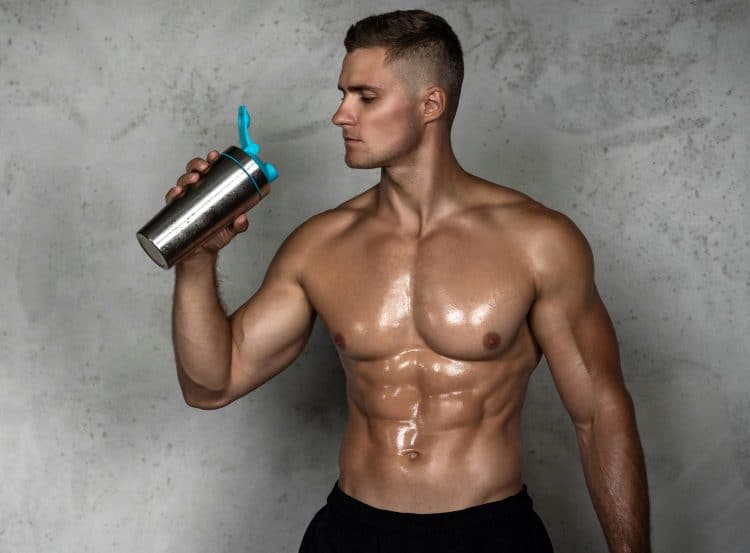
Whether you’re taking caffeine or taurine on their own, or combining them, you should consume them 30-60 minutes before you work out for peak effect.
In fact, you can tweak your taurine intake depending on your training demands. Take up to 3 grams of taurine before an intense session for steady gains. Conversely, you can take three 2-gram doses throughout the day for ongoing perks.
You could also spike up your taurine intake to 4 grams pre-workout if you train in hot and humid conditions, as it extends the time to exhaustion by cooling your core temperature.
Remember that each individual is unique, and the optimal dosage for you will vary depending on factors like age, gender, activity levels, tolerance, and training objectives.
Most stacks flop because of wrong doses. Trainer Liam Brooks puts it best: “Precise taurine and caffeine hits turn energy into endurance – get it right, and you own the gym.”
Try these protocols if you’re new to pre-workout supplements:
| Type | Caffeine | Taurine |
| Standard lift | 200 mg | 2 g |
| Endurance push | 300 mg | 3 g |
| Hot session | 400 mg | 4 g |
How Taurine Smooths Caffeine’s Edge
Loading up on caffeine before a workout is amazing, until it isn’t.
Caffeine can ramp up your heart rate, increase your anxiety levels, and boost the risk of dehydration if you’re not careful.
Taurine, on the other hand, can play a balancing role here. It mops up free radicals from caffeine’s rev, cutting cell damage and easing recovery pain. Taurine also promotes vasodilation and curbs norepinephrine release, dialing down caffeine’s pressure spikes for steady flow.
Taurine is also known for its neuroprotective effect as it calms brain signals via the GABA effect, which can help reduce anxiety and jitters without dulling caffeine’s edge. It also cuts the risk of rebound fatigue and headaches by stabilizing mood and focus.
Long-term, this duo shines for intense training. Taurine slashes oxidative stress over weeks, guarding muscles from breakdown in high volume phases like bulking or contest prep. It also helps build resilience and maintain consistency by improving recovery.
Advanced Stacks: Integrating Taurine and Caffeine for Specific Goals
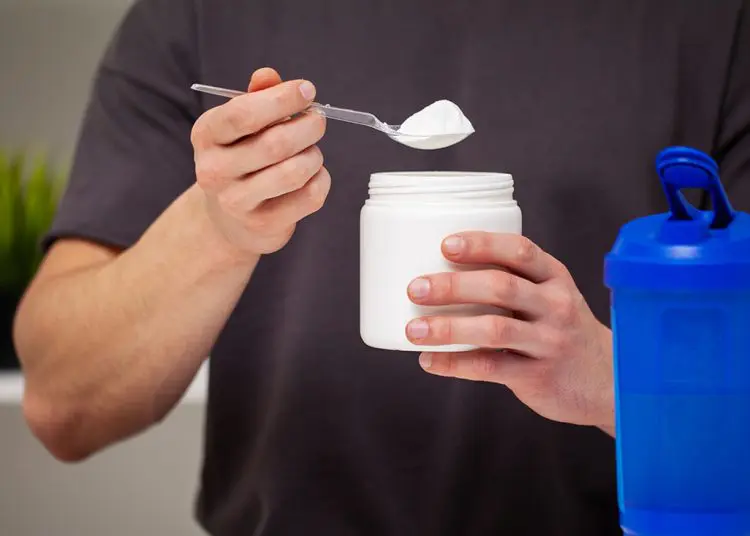
With this, you now know everything you need to know about combining caffeine and taurine to maximize their effectiveness. But why stop there, when you could layer in extras to achieve your goals in record time?
Here are two targeted mixes that can help boost your conditioning and muscle pumps:
Caffeine + Taurine + Electrolytes
This concoction will help fight dehydration and cramps during cardio-heavy days.
- Caffeine: 3-6 mg/kg
- Taurine: 1-3 grams
- Electrolytes
The quantity of the electrolytes will depend on the source that you are using. For example, you should stick with 500 mg of sodium or 200 mg of potassium.
Taurine + Cetylene + Caffeine
Bodybuilders are professional pump chasers, and this recipe will help you achieve the coveted muscle-ripping sensation every single time.
- Taurine: 2 grams
- Citrulline: 6-8 grams
- Caffeine: 200-400 mg
Conclusion
Caffeine and taurine are a match made in heaven, if you ask me. Taurine acts on GABA receptors, promoting calm and balance in your nervous system. This counters caffeine’s adenosine blockade, which revs stimulation for alertness.
Combined, they deliver smooth energy that can help you get through the most demanding workouts and break through strength and muscle plateaus. Aim for 3-6 mg of caffeine per kilogram of body weight and 6 grams of daily taurine intake. However, start small and slowly increase your dosages as you build tolerance. Best of luck!
References:
- Ozan M, Buzdagli Y, Eyipinar CD, Baygutalp NK, Yüce N, Oget F, Kan E, Baygutalp F. Does Single or Combined Caffeine and Taurine Supplementation Improve Athletic and Cognitive Performance without Affecting Fatigue Level in Elite Boxers? A Double-Blind, Placebo-Controlled Study. Nutrients. 2022 Oct 20;14(20):4399. doi: 10.3390/nu14204399. PMID: 36297081; PMCID: PMC9610400.
- Chen Q, Li Z, Pinho RA, Gupta RC, Ugbolue UC, Thirupathi A, Gu Y. The Dose Response of Taurine on Aerobic and Strength Exercises: A Systematic Review. Front Physiol. 2021 Aug 18;12:700352. doi: 10.3389/fphys.2021.700352. PMID: 34497536; PMCID: PMC8419774.