The protein powder you like in a shaker is not automatically the right ingredient for muffins. Whey, casein, egg, and pea proteins change how a batter takes up liquid and sets. Choose a powder for the recipe you want to make, then count the protein across the whole batch instead of calling each muffin a full scoop.
Written by Tom Miller, CSCS. Reviewed by the FitnessVolt Editorial Team. Last updated: October 2026.
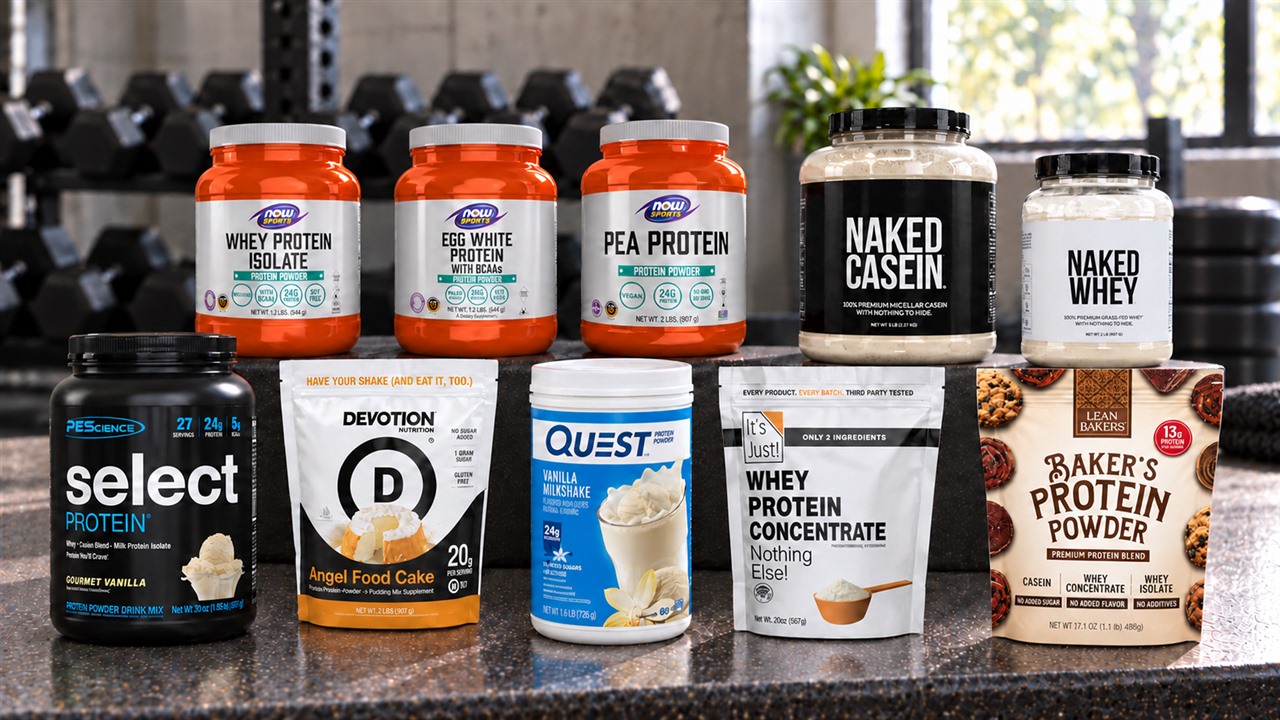
Our pick: PEScience Select Gourmet Vanilla suits sweet recipes built for whey-casein blends, with 24 g protein per 31 g scoop. Lean Bakers is our unsweetened baking-specific choice; NOW Sports Pea Protein covers dairy-free and egg-free recipes.
How We Chose
We compared ingredient type, sweetening, protein concentration, serving weight, allergens, and whether the formula has a clear recipe application. This list includes sweetened blends, unsweetened dairy powders, egg white protein, and a plant option. Their roles differ: an egg white powder is not a one-for-one substitute for a sweetened whey-casein blend.
Our editorial scores favor powders with clear ingredients and an identifiable job in a recipe. We give baking-specific formulations weight, but no powder earns a promise of perfect texture in every cake. Keep the rest of the recipe intact when making a first substitution, and use the exact gram amounts rather than assuming every brand’s scoop holds the same amount.
Our Verdict
PEScience Select Gourmet Vanilla
A 24 g protein whey-casein blend with a clear role in sweet protein recipes.
Best for: Sweet recipes written for a flavored whey-casein blend
Check Price on AmazonOur Top Picks
Best Overall for Sweet Recipes: PEScience Select Gourmet Vanilla

PEScience Select Gourmet Vanilla
Sweet Recipe BlendSelect is our first choice for sweet recipes written around a whey-casein blend, with vanilla flavor and 24 g protein per serving.
Pros
- 24 g protein per 31 g serving
- Whey and casein blend with recipe applications
- 27 servings in the selected tub
Cons
- Sweeteners limit savory use
- Contains milk and soy ingredients
Select’s formula combines milk protein isolate and whey concentrate. A 31 g serving adds 24 g protein and 120 calories before you include the other ingredients. Its vanilla flavor and sweeteners make it a better match for dessert recipes than savory bread.
Use a recipe that specifies a whey-casein blend rather than substituting Select for an equal scoop of egg white powder. Skip it if you want to set your own sweetness level or avoid soy ingredients.
Lean Bakers supplies an unsweetened three-protein blend with a smaller 15 g scoop. Select gives you the flavor system; Lean Bakers leaves that decision to your recipe. Compare gram weights, not scoop counts.
Best Unsweetened Baking-Specific Blend: Lean Bakers Baker’s Protein Powder

Lean Bakers Baker's Protein Powder
Baking-Specific BlendLean Bakers gives you an unsweetened three-protein baking blend, with a 15 g scoop that should guide both recipe substitutions and protein calculations.
Pros
- 13 g protein per 15 g scoop
- Whey isolate, concentrate, and micellar casein
- No added flavor, sweeteners, or gums
Cons
- Contains milk
- 15 g scoop differs from most shake servings
Lean Bakers combines whey isolate, whey concentrate, and micellar casein. Its 15 g serving contains 13 g protein and 60 calories, about 87% protein by weight. Two measured servings contribute 26 g protein, so the small front-label serving is not evidence of a weak powder.
The manufacturer includes baking directions and a cookie recipe. Keep the actual ingredients and flour allowance in that recipe rather than treating the powder as flour. Skip it if you want a flavored shake powder or cannot use milk proteins.
Compared with Select, Lean Bakers leaves sweetening under your control and uses a smaller measuring scoop. It is the more focused purchase for someone who buys powder mainly as a baking ingredient.
Best Dessert-Focused Blend: Devotion Angel Food Cake

Devotion Angel Food Cake Protein
Dessert-Focused BlendDevotion's sweet Angel Food Cake blend suits dessert recipes, but its gums, fiber, and sweeteners make it different from plain whey powder.
Pros
- 20 g protein per 27.5 g serving
- Whey isolate and micellar casein
- Formulated for shakes and baking recipes
Cons
- Contains milk and soy
- Sweeteners, gums and fiber affect recipe substitution
Devotion’s nutrition label lists 20 g protein and 100 calories per 27.5 g serving. It includes whey isolate, micellar casein, fiber, gums, MCTs, enzymes, and sweeteners. Those ingredients matter when you choose a recipe, even when the protein number resembles another powder.
The Angel Food Cake flavor suits a dessert direction. Use the manufacturer’s recipe amounts rather than adding extra liquid by guesswork. Skip it if you need a neutral ingredient for savory food or prefer a short ingredient list.
Select contributes 24 g protein in its larger 31 g serving. Devotion adds a more involved recipe-focused formulation, so a scoop-for-scoop swap can change both the batter and the nutrition calculation.
Best Isolate-Heavy Blend: Quest Vanilla Milkshake

Quest Vanilla Milkshake Protein Powder
Isolate-Heavy BlendQuest supplies an isolate-heavy whey-casein blend for sweet recipes, with 24 g protein and a clearly identified 31 g serving.
Pros
- 24 g protein per 31 g scoop
- 60:40 whey isolate-to-casein blend
- 110 calories and 1 g sugar per serving
Cons
- Vanilla sweetening limits neutral recipes
- Contains milk
Quest identifies a 60:40 whey isolate-to-micellar-casein blend. Its 31 g serving supplies 24 g protein and 110 calories. Two scoops add 48 g protein to the whole recipe; split that amount across the portions you actually make.
Vanilla Milkshake remains a sweetened, flavored ingredient. Do not treat it as a neutral protein flour. Skip it if you want to control the recipe’s flavor from scratch or need a dairy-free powder.
Select has the same protein amount in the same serving weight, with ten more calories. Recipe fit deserves more attention than that small calorie difference. A recipe written for casein alone is still not the same as one written for Quest’s blend.
Best Single-Ingredient Casein: Naked Casein

Naked Casein Unflavored
Single-Ingredient CaseinNaked Casein suits recipes that specifically call for unflavored micellar casein, with a large container and no added sweetener system.
Pros
- 26 g protein per 30 g serving
- Micellar casein is the only ingredient
- 76 servings in the selected 5 lb tub
Cons
- Large 5 lb container
- Pure casein needs a casein-appropriate recipe
Naked Casein contains micellar casein without a flavor or sweetener system. A 30 g serving supplies 26 g protein and 110 calories. The five-pound tub lists 76 servings, which is a substantial commitment for an occasional baker.
Casein takes up liquid differently from whey, so use a recipe built for it. You cannot infer a perfect substitution ratio from its protein concentration. Skip it if you mainly follow whey-based recipes or want a small trial container.
Lean Bakers mixes casein with two whey forms. Naked Casein gives you one ingredient instead, which is useful when a recipe needs that exact protein type rather than a broadly marketed blend.
Best Unflavored Whey Isolate: NOW Sports Whey Protein Isolate

NOW Sports Whey Protein Isolate Unflavored
Unflavored Whey IsolateNOW's unflavored isolate gives you a lean protein ingredient without sweeteners, making recipe-specific liquid and flour measurements especially important.
Pros
- 24 g protein per 28 g serving
- No added flavor or sweetener
- Short isolate-and-lecithin ingredient list
Cons
- Contains milk
- Pure whey is not a direct replacement for a casein blend
NOW’s 28 g serving contains 24 g protein and 110 calories. The formula uses whey isolate and sunflower lecithin, without added vanilla or sweeteners. That makes it a useful option when a recipe already supplies its own flavor.
A pure whey ingredient still needs the flour, fat, liquid, and cooking method the recipe requires. Skip it if your recipe specifically calls for casein or a whey-casein blend and you do not want to reformulate it.
Compared with Naked Whey, NOW’s isolate contributes slightly more protein per gram of powder. The distinction is isolate versus concentrate, not a guarantee of lighter muffins or a better-tasting bake.
Best Small-Bag Concentrate: It’s Just! Whey Protein Concentrate

It's Just! Whey Protein Concentrate
Small-Bag ConcentrateIt's Just! suits occasional whey-based recipes, with an unsweetened two-ingredient formula and a smaller bag than the large bulk tubs below.
Pros
- 26 g protein per 33 g serving
- Two-ingredient unsweetened formula
- Selected 1.25 lb resealable bag
Cons
- Whey concentrate contains dairy and some lactose
- About 17 servings in the selected bag
A 33 g serving supplies 26 g protein and 130 calories. The two ingredients are whey protein concentrate and sunflower lecithin. The 1.25 lb bag holds about 17 servings, which is easier to use up than a five-pound tub.
Concentrate has a different composition from isolate, so keep the recipe’s protein type in mind. Skip it if you need a lactose-free guarantee or want a formula designed around casein.
Naked Whey’s two-pound container gives you about 30 servings, while this smaller bag is easier to trial. Compare current cost per total protein gram, not the impression created by a low bag price.
Best Single-Ingredient Whey Concentrate: Naked Whey

Naked Whey Unflavored
Single-Ingredient WheyNaked Whey gives recipe-focused buyers a single-ingredient concentrate, with a 30 g serving and no flavoring system to account for.
Pros
- 25 g protein per 30 g serving
- Whey concentrate is the only ingredient
- 30 servings in the selected 2 lb tub
Cons
- Contains milk and lactose
- No emulsifier or added flavor
Naked Whey contains whey protein concentrate as its single ingredient. A 30 g serving adds 25 g protein, 3 g carbohydrate, and 120 calories. The two-pound tub holds about 30 servings; check that size when you compare its price with other powders.
You can choose your own flavoring and sweetener, but the recipe still needs to account for whey’s behavior during cooking. Skip it if you require a dairy-free or lactose-free ingredient.
It’s Just! includes lecithin alongside concentrate; Naked keeps that extra ingredient out. That is a useful formulation distinction, not evidence that removing lecithin makes a bake better.
Best Egg-Based Ingredient: NOW Sports Egg White Protein

NOW Sports Egg White Protein Unflavored
Egg-Based IngredientNOW's egg white powder suits egg-protein recipes, but it cannot replace a whole egg's fat or a dairy blend's formulation scoop for scoop.
Pros
- 15 g protein per labeled serving
- Unflavored egg white protein
- Dairy-free protein source
Cons
- Contains egg
- Not a whole-egg or flour replacement
NOW’s unflavored egg white powder supplies 15 g protein per serving, less than most shake powders here. Use the serving weight and reconstitution directions on your container. A recipe needing whole eggs also needs the yolk’s contribution, which this powder does not supply.
Egg protein behaves differently in a batter from casein or whey. Skip it if you have an egg allergy or plan to use it as a direct whole-egg replacement without changing anything else.
NOW Pea Protein covers an egg-free and dairy-free protein source. Choose between them according to the recipe and dietary requirements; the higher protein number on a pea scoop does not make it a better egg substitute.
Best Plant-Based Ingredient: NOW Sports Pea Protein

NOW Sports Pea Protein Unflavored
Plant-Based IngredientNOW's unflavored pea isolate suits plant-protein recipes, with no dairy or egg ingredients and a sodium amount worth including in your calculations.
Pros
- 24 g protein per 33 g serving
- Yellow pea protein isolate is the only ingredient
- No added sweetener, milk, or egg ingredients
Cons
- Needs a plant-protein-appropriate recipe
- 320 mg sodium per serving on the current panel
NOW’s current pea-protein panel lists 24 g protein, 120 calories, and 320 mg sodium per 33 g serving. The ingredient is yellow pea protein isolate. The selected two-pound container holds about 27 servings.
Use it in a recipe designed for pea protein rather than assuming it duplicates dairy or egg. Skip it if peas are unsuitable for your diet or you need to tightly limit sodium without adjusting the recipe.
NOW Whey Isolate gives you 24 g protein in a smaller 28 g serving. Pea supplies a different protein source and changes the recipe’s requirements; its value here is dietary fit rather than a smaller scoop.
Compare the Baking Ingredients
| Product | Key Spec | Best For | Price |
|---|---|---|---|
| PEScience Select Gourmet Vanilla | 24 g protein per 31 g powder | Sweet Recipe Blend | Check Price |
| Lean Bakers Baker's Protein Powder | 13 g protein per 15 g powder | Baking-Specific Blend | Check Price |
| Devotion Angel Food Cake Protein | 20 g protein per 27.5 g powder | Dessert-Focused Blend | Check Price |
| Quest Vanilla Milkshake Protein Powder | 24 g protein per 31 g powder | Isolate-Heavy Blend | Check Price |
| Naked Casein Unflavored | 26 g protein per 30 g powder | Single-Ingredient Casein | Check Price |
| NOW Sports Whey Protein Isolate Unflavored | 24 g protein per 28 g powder | Unflavored Whey Isolate | Check Price |
| It's Just! Whey Protein Concentrate | 26 g protein per 33 g powder | Small-Bag Concentrate | Check Price |
| Naked Whey Unflavored | 25 g protein per 30 g powder | Single-Ingredient Whey | Check Price |
| NOW Sports Egg White Protein Unflavored | 15 g protein per labeled serving | Egg-Based Ingredient | Check Price |
| NOW Sports Pea Protein Unflavored | 24 g protein per 33 g powder | Plant-Based Ingredient | Check Price |
Buying Guide
Match the protein type before matching the flavor
Start with the recipe’s named ingredient. Select and Quest are whey-casein blends; Naked Casein is casein alone; NOW Whey Isolate is whey alone. Egg white and pea protein need their own recipe choices. A study of protein-enriched maize muffins found different batter and texture outcomes with egg, casein, whey, and soy proteins. That supports treating protein type as a functional ingredient, not assuming one commercial powder’s scoop replaces another.
If a recipe uses a sweetened blend, changing to Naked Whey also removes part of its flavor and sweetening. If it uses an unsweetened powder, adding Devotion changes more than the protein source. Our unflavored protein guide compares the broader neutral-powder purchase.
Keep flour, fat, and liquid in the calculation
Protein powder is not ordinary flour. Replacing all the flour in a conventional muffin recipe also removes starch and, with wheat flour, changes its gluten contribution. Extra water alone cannot restore everything you removed. Prefer a recipe written for your chosen powder, or use the manufacturer’s specific partial-substitution directions as a starting point.
Lean Bakers includes directions for a baking blend; Naked Casein suits a casein-specific recipe. Avoid changing the protein type, flour amount, sweetener, and cooking temperature at once. A small first batch makes it easier to identify which change needs adjustment without wasting a full tub.
Weigh the powder and divide the finished batch
Select supplies 24 g protein per 31 g powder. If you use 62 g in a recipe, the powder contributes 48 g protein. Divide that by eight equal muffins and you get 6 g from the powder per muffin, then add the contribution from eggs, flour, milk, or other ingredients. A recipe containing two scoops does not make every portion a 24 g protein snack.
Lean Bakers’ 15 g scoop is about half the powder weight of many shake servings. Use a scale and the nutrition panel. Casein’s five-pound tub and the smaller It’s Just! bag also differ substantially in total yield, so compare current cost per protein gram alongside how often you bake.
Choose sweetening and allergens deliberately
Select, Devotion, and Quest contain sweetening and flavoring systems. Lean Bakers, Naked, and the unflavored NOW picks leave more control with your recipe. Unsweetened does not mean allergen-free: dairy powders contain milk, NOW Egg White contains egg, and some blends list soy.
A medical protein restriction needs clinical advice before adding concentrated powder. For muscle-building meals, total daily protein and training remain more important than turning every food into a protein bake. Check our protein pancake mixes if you would rather start with a prepared flour-and-protein mixture.
Alternatives Worth Considering
Protein powder is optional in a baking routine. Yogurt, eggs, dairy or soy milk, and suitable flours can contribute protein without a specialized blend. Ready-made protein oatmeal also avoids recipe substitutions. Pick a baking powder because you want to cook with it, not because a higher-protein label automatically makes a dessert a balanced meal.
Frequently Asked Questions
Can I replace flour with protein powder?
Use a recipe designed for the powder or specific partial-substitution guidance. Flour contributes more than protein, so a one-for-one replacement can change how the batter sets and holds together. Whey, casein, egg, and pea powders also differ from one another. Keep the rest of the recipe steady when you make a first adjustment, and start with a small batch.
Is whey or casein better for baking?
The recipe decides. Casein takes up liquid differently from whey, and a blend has its own ingredient balance. Select, Quest, and Lean Bakers give you mixed dairy options; Naked Casein suits a casein-specific recipe; NOW Whey Isolate suits a whey-based one. None is a universal flour substitute. Follow the named protein type rather than buying on a slow-release or fast-absorption claim.
Does cooking destroy the protein?
Normal cooking changes protein structure; it does not make the food’s protein disappear. That structural change matters for texture and how a recipe sets. Count the powder’s protein across the recipe along with the other ingredients, while avoiding assumptions that a specific cooking method produces extra muscle-building benefits. Follow the recipe’s cooking directions rather than undercooking it to preserve a marketing claim.
How much protein should each serving contain?
Work from the whole recipe and your meal plan. Two 24 g protein scoops contribute 48 g total, or 6 g across eight equal portions before counting other ingredients. You can eat those portions with other protein-rich foods rather than forcing every muffin to contain a full shake serving. Sports-nutrition guidance generally places exercising adults around 1.4-2.0 g/kg/day, with individual adjustments.
Can I eat the batter raw?
Adding protein powder does not make raw batter safe. Raw flour and raw eggs can carry harmful microorganisms. Cook according to the recipe and applicable food-safety guidance; a pasteurized egg ingredient does not make uncooked flour harmless. Keep raw ingredients away from ready-to-eat food and wash utensils and surfaces after preparation.
Which option suits dairy-free baking?
NOW Pea Protein has no dairy or egg ingredients and suits recipes designed around plant protein. NOW Egg White is a dairy-free animal protein source, but it contains egg and does not replace the yolk in a whole-egg recipe. Check your other ingredients as well: a dairy-free protein powder does not make a recipe dairy-free if you still add butter or milk.
Bottom Line
PEScience Select is our all-round sweet-recipe pick when the recipe calls for a whey-casein blend. Lean Bakers gives you an unsweetened baking-specific formula; Naked Casein suits casein recipes; NOW Pea Protein covers a plant-based ingredient. Match protein type, weigh your powder, and calculate the finished batch before comparing a muffin with a shake. Our pea protein roundup covers more plant-based options for your wider food routine.
Sources
- Protein types and batter characteristics in fortified maize muffins.
- International Society of Sports Nutrition: protein and exercise.
- FDA guidance on handling flour safely.