

Alternate Lateral Pulldown vs Close-Grip Front Lat Pulldown: Complete Comparison Guide
Alternate Lateral Pulldown vs Close-Grip Front Lat Pulldown — you’ve got two effective cable pulls for building a thicker, wider back. I’ll walk you through who each exercise favors, how they load the lats and secondary muscles, exact technique cues (torso angle, elbow path, grip width), recommended rep ranges (6–12 for hypertrophy, 3–6 for strength), and simple progressions. You’ll learn the biomechanics behind each pull—force vector, scapular motion, and length–tension—so you can choose the one that matches your goals and reduce injury risk while maximizing muscle growth.
Exercise Comparison
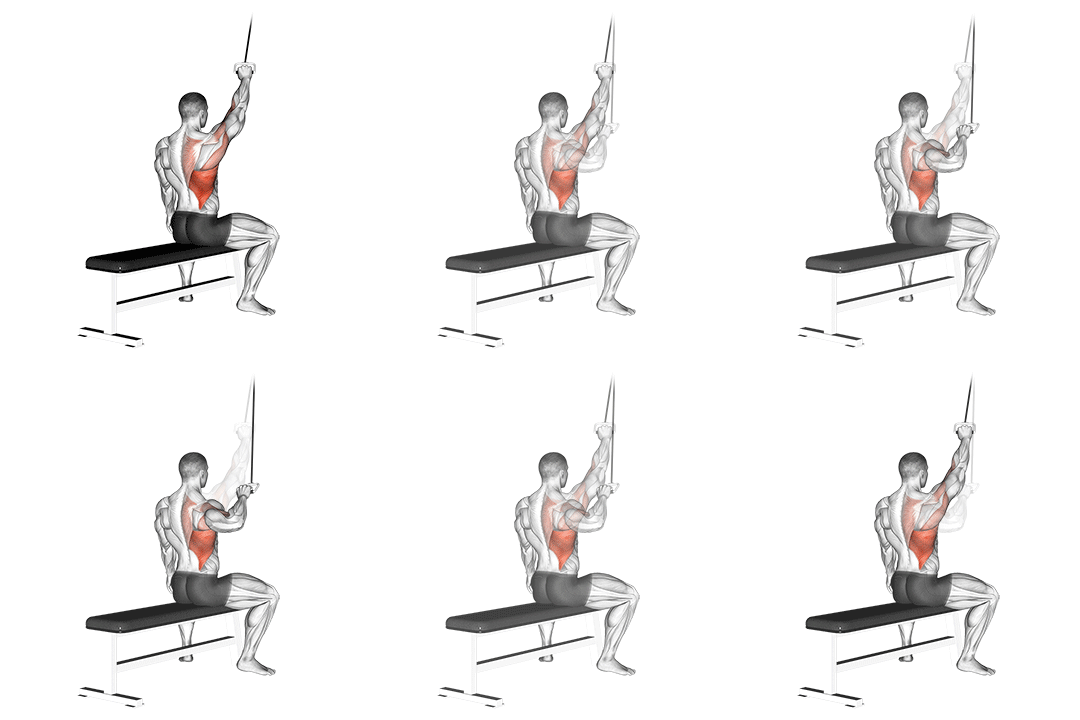
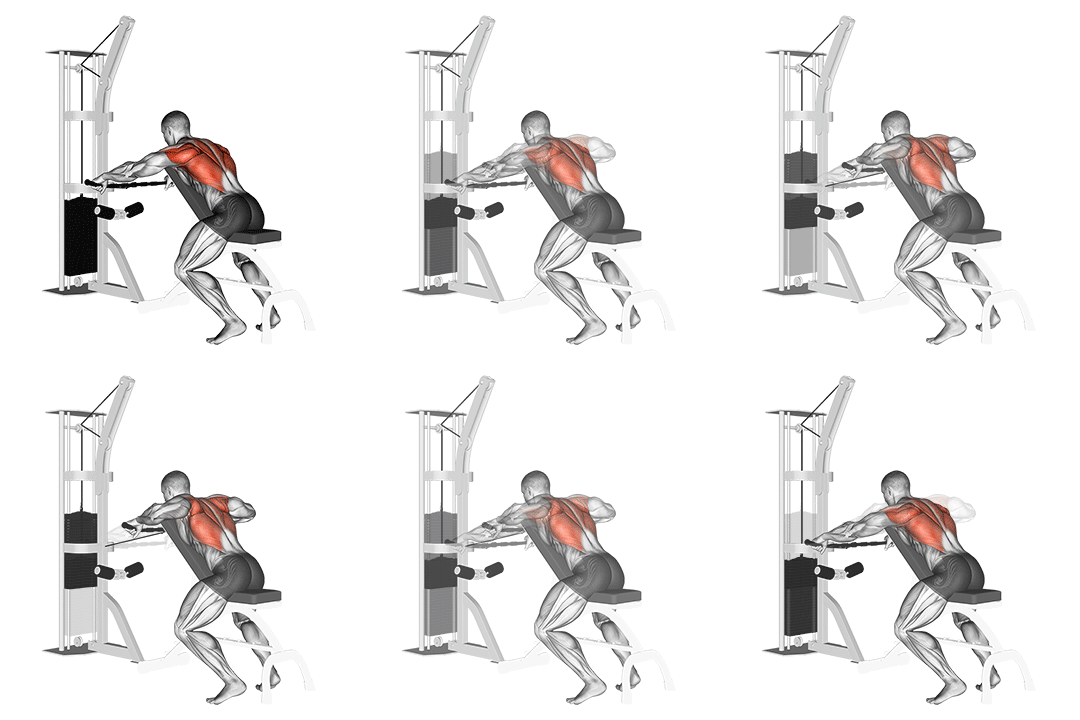
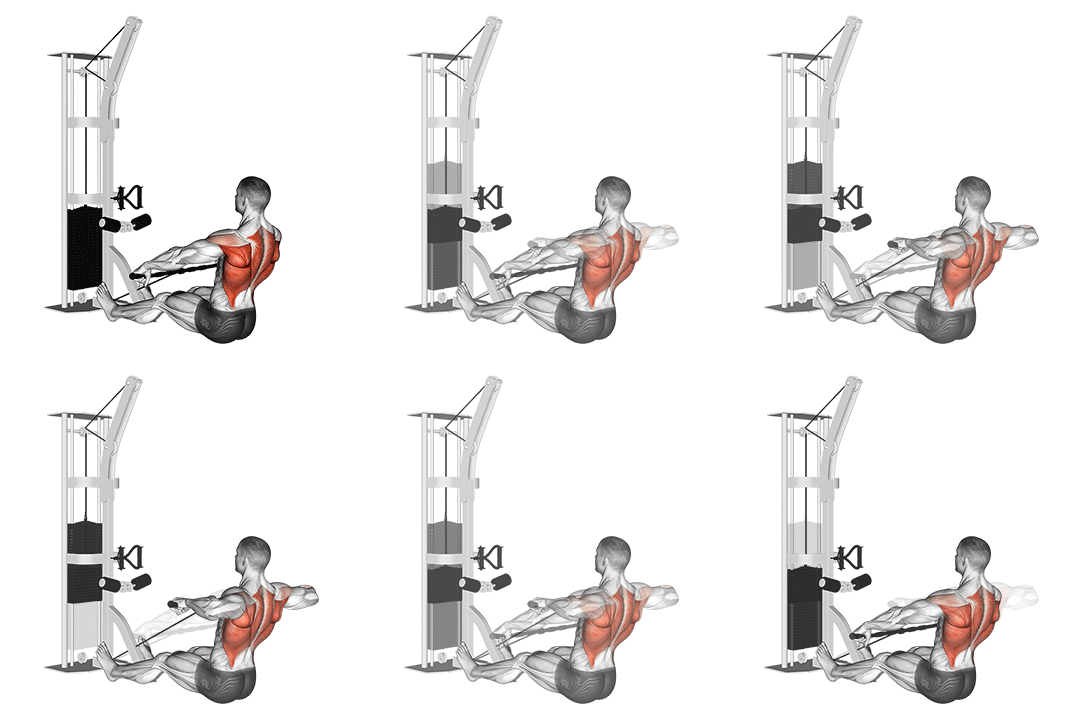
Alternate Lateral Pulldown
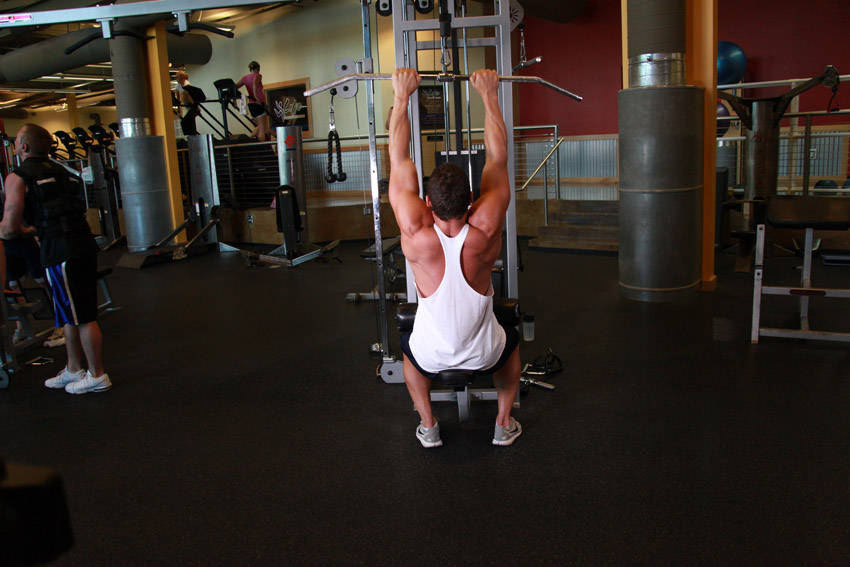
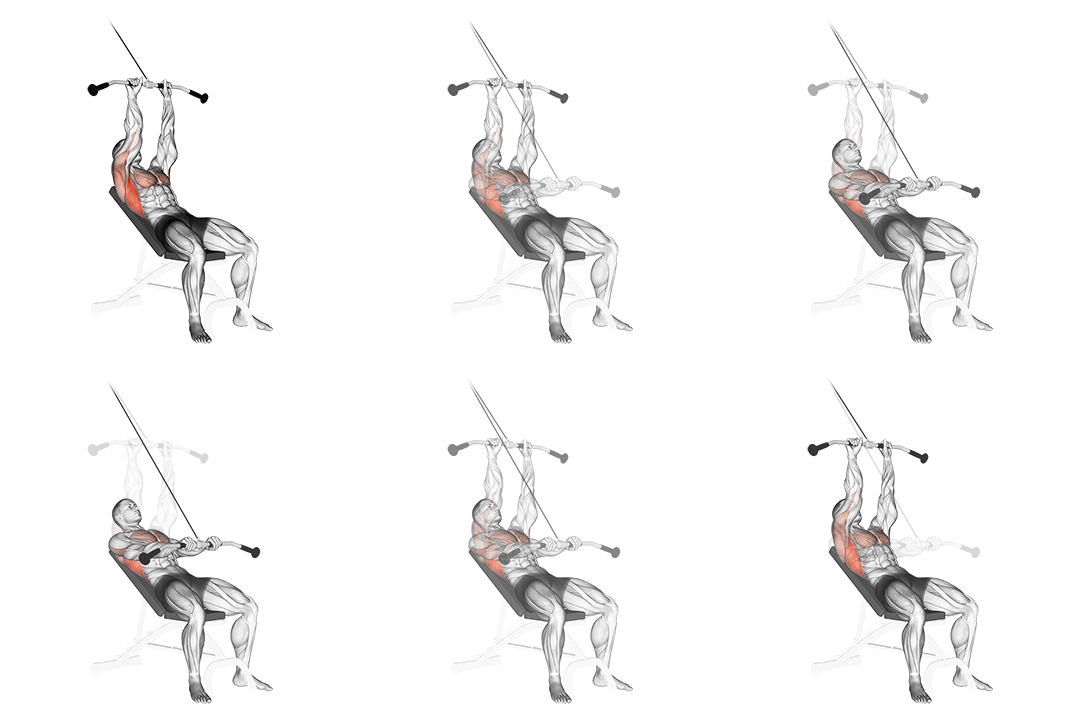
Close-grip Front Lat Pulldown
Head-to-Head Comparison
| Attribute | Alternate Lateral Pulldown | Close-grip Front Lat Pulldown |
|---|---|---|
| Target Muscle |
Lats
|
Lats
|
| Body Part |
Back
|
Back
|
| Equipment |
Cable
|
Cable
|
| Difficulty |
Intermediate
|
Intermediate
|
| Movement Type |
Compound
|
Compound
|
| Secondary Muscles |
2
|
3
|
Secondary Muscles Activated
Alternate Lateral Pulldown
Close-grip Front Lat Pulldown
Visual Comparison
Overview
Alternate Lateral Pulldown vs Close-Grip Front Lat Pulldown — you’ve got two effective cable pulls for building a thicker, wider back. I’ll walk you through who each exercise favors, how they load the lats and secondary muscles, exact technique cues (torso angle, elbow path, grip width), recommended rep ranges (6–12 for hypertrophy, 3–6 for strength), and simple progressions. You’ll learn the biomechanics behind each pull—force vector, scapular motion, and length–tension—so you can choose the one that matches your goals and reduce injury risk while maximizing muscle growth.
Key Differences
- Both exercises target the Lats using Cable. The main differences are in their movement patterns and muscle activation angles.
Pros & Cons
Alternate Lateral Pulldown
+ Pros
- Strong unilateral focus to correct left-right imbalances
- Better lat stretch at top of movement for lateral fibers
- Easy to translate to resistance-band variations for home use
- Reduced direct biceps dominance compared to narrow grips
− Cons
- Requires single-handle pulley or creative setup in some gyms
- Higher demand on torso stabilization—can expose weak core or back mechanics
- Harder to progressively add heavy external load compared to bilateral pulls
Close-grip Front Lat Pulldown
+ Pros
- Straightforward bilateral loading for heavier progressive overload
- Greater lower-lat and mid-back compression—good for thickness
- Common handle available in most gyms
- Simpler to teach and pair with strength cycles (3–6 rep range)
− Cons
- Narrow grip increases biceps involvement, which can limit lat focus
- Less unilateral corrective capability for asymmetries
- If performed with poor scapular control, can load the shoulder anteriorly
When Each Exercise Wins
Close-grip lets you load heavier (progressive overload) and produces strong lower-lat and middle-back compression. Program 6–12 reps with a 2–3s eccentric to maximize time under tension and hypertrophy.
The bilateral, stable setup supports heavier loads and straightforward percentage-based progressions (3–6 rep sets). Its vertical force vector better transfers to heavy compound pulls like weighted pull-ups.
It’s easier to groove a symmetrical movement pattern with clear hand placement and less demand for unilateral trunk stability. Start with light weight, focus on scapular retraction, and use 8–12 reps to build technique.
Alternate single-handle or band variations translate well to limited-equipment setups and let you work one side at a time without a lat bar. Use a 10–15% lighter load per side and higher reps (10–15) if using bands.
Frequently Asked Questions
Can I do both Alternate Lateral Pulldown and Close-Grip Front Lat Pulldown in the same workout?
Yes. Start with the Close-Grip for your heavy compound sets (3–6 or 6–8 reps), then use Alternate Lateral Pulldown as a unilateral finisher (8–12 reps per side) to address imbalances and increase time under tension without overtaxing the biceps.
Which exercise is better for beginners?
Close-Grip Front Lat Pulldown is better for beginners because it provides a symmetric, stable pattern that’s easier to coach. Focus on scapular retraction, a slight 20–30° torso lean, and 8–12 controlled reps to build a technical base.
How do the muscle activation patterns differ?
Alternate Lateral Pulldown emphasizes lateral lat fibers through a lateral-to-medial arc and increased rhomboid stabilizer activity, while Close-Grip places a more vertical force vector that favors lower-lat and mid-back compression and increases biceps contribution. These differences arise from elbow tracking, grip width, and resultant force vectors.
Can Close-Grip Front Lat Pulldown replace Alternate Lateral Pulldown?
Close-Grip can substitute when your goal is heavy loading and thickness, but it won’t correct unilateral imbalances as effectively. If you prioritize width or have a side-to-side strength gap, keep the Alternate lateral variation in your program.
Expert Verdict
Use the Close-Grip Front Lat Pulldown when your priority is loading the lats heavily, building thickness, and following linear strength progressions—think 3–6 reps for strength or 6–12 for hypertrophy with clear scapular retraction and a 20–30° torso lean. Choose the Alternate Lateral Pulldown when correcting asymmetries, emphasizing lateral width, or working with bands at home; focus on a controlled lateral-to-medial elbow path and avoid trunk rotation. Both are valuable: pair Close-Grip for heavy sets and Alternate for single-arm finishing work to target unilateral weak points and improve muscle balance.
Also Compare
More comparisons with Alternate Lateral Pulldown
More comparisons with Close-grip Front Lat Pulldown
Compare More Exercises
Use our free comparison tool to analyze any two exercises head-to-head.
Compare Exercises