

Alternate Lateral Pulldown vs Dumbbell One Arm Bent-over Row: Complete Comparison Guide
Alternate Lateral Pulldown vs Dumbbell One Arm Bent-over Row — two solid compound back moves that both target the lats but load them through different force vectors. You’ll get clear, actionable guidance on technique cues, biomechanics, and when to choose each exercise based on goals like hypertrophy, strength, or convenience. I’ll compare primary and secondary muscle activation, list pros and cons, show equipment needs, outline progression options with rep ranges (3–6 for strength, 6–12 for hypertrophy, 8–15 for endurance), and give final recommendations so you can pick the best tool for your program.
Exercise Comparison
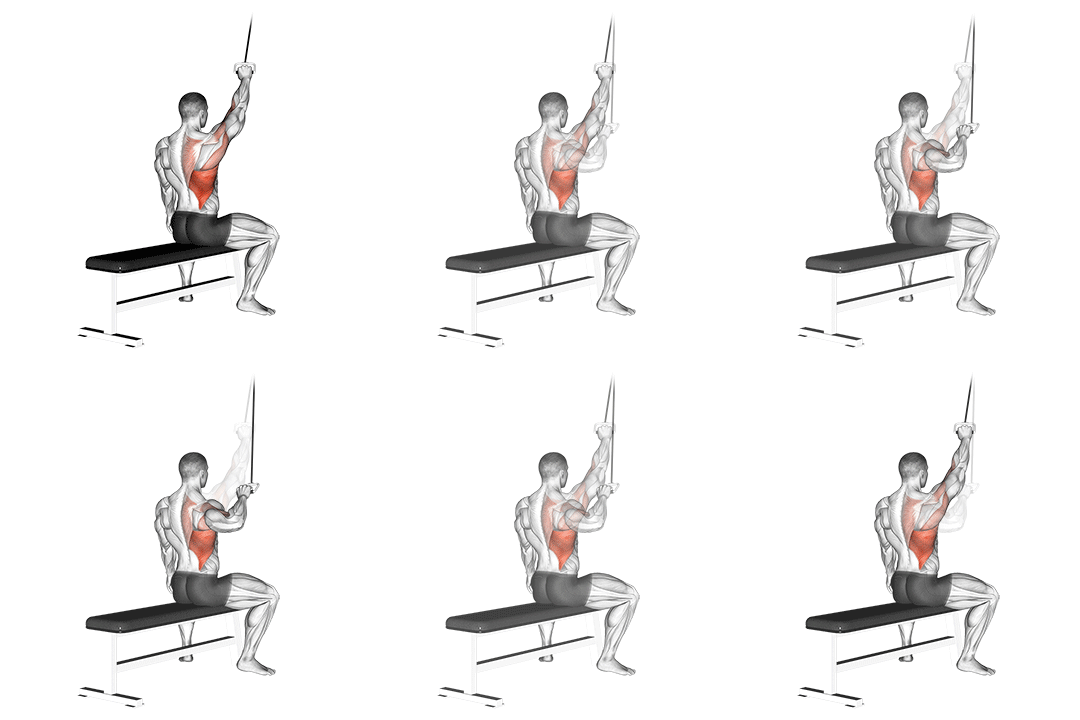
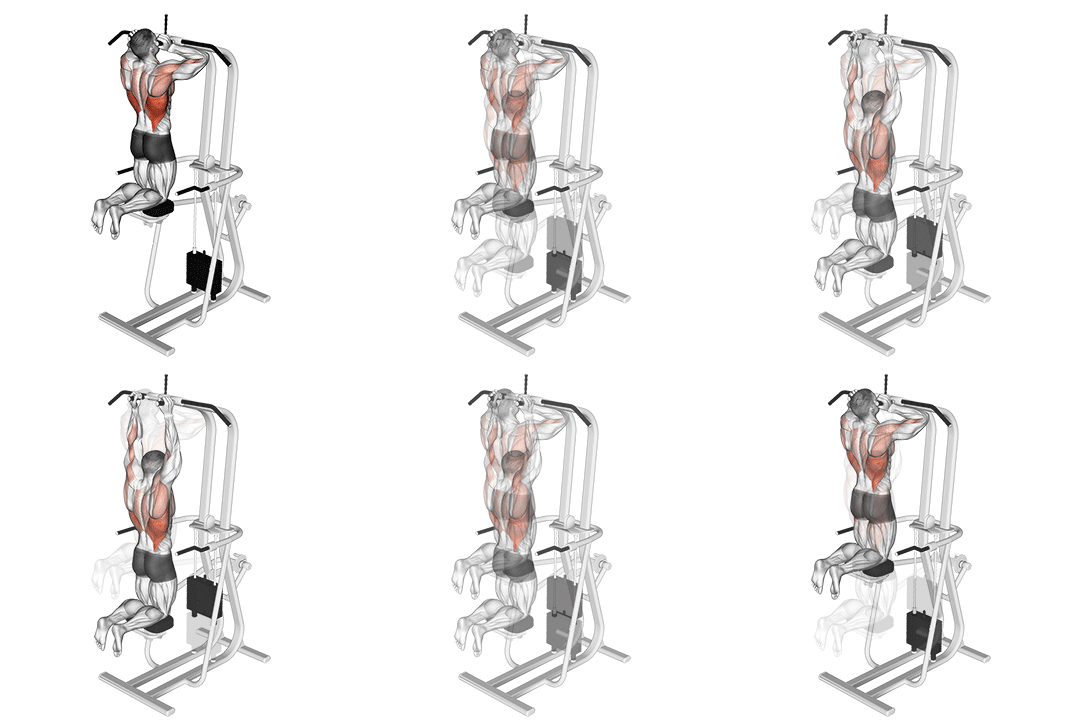
Alternate Lateral Pulldown
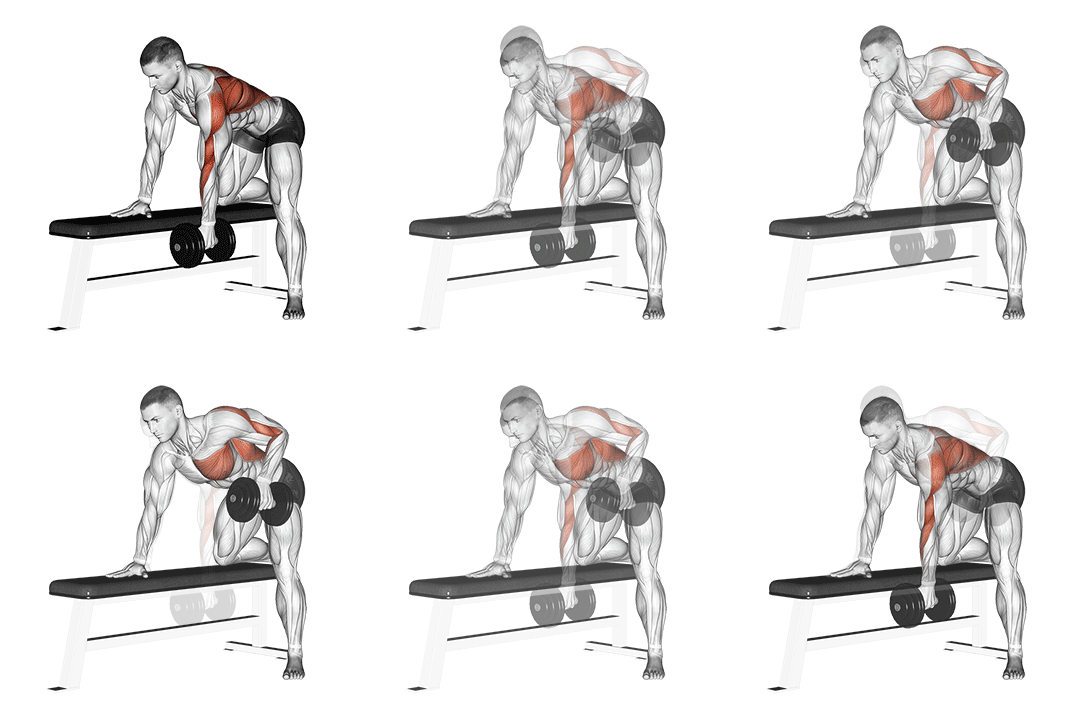
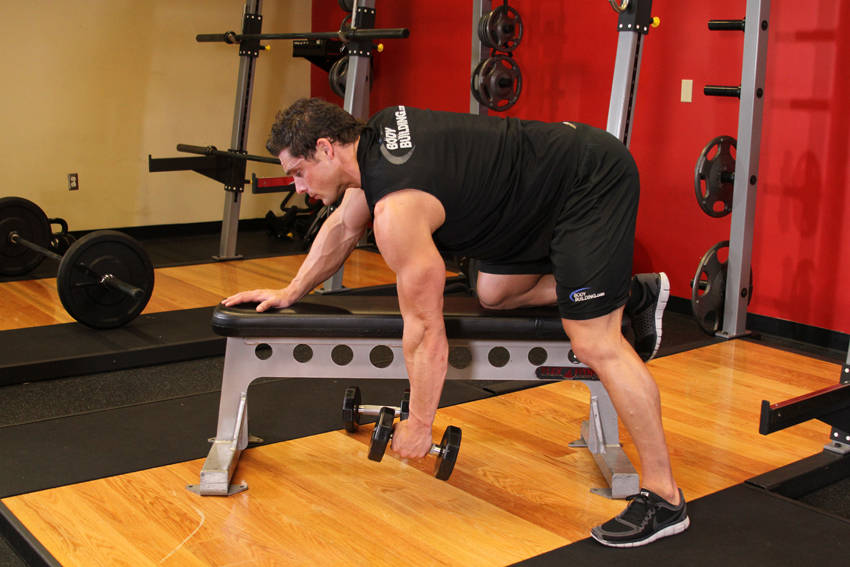
Dumbbell One Arm Bent-over Row
Head-to-Head Comparison
| Attribute | Alternate Lateral Pulldown | Dumbbell One Arm Bent-over Row |
|---|---|---|
| Target Muscle |
Lats
|
Lats
|
| Body Part |
Back
|
Back
|
| Equipment |
Cable
|
Dumbbell
|
| Difficulty |
Intermediate
|
Intermediate
|
| Movement Type |
Compound
|
Compound
|
| Secondary Muscles |
2
|
2
|
Secondary Muscles Activated
Alternate Lateral Pulldown
Dumbbell One Arm Bent-over Row
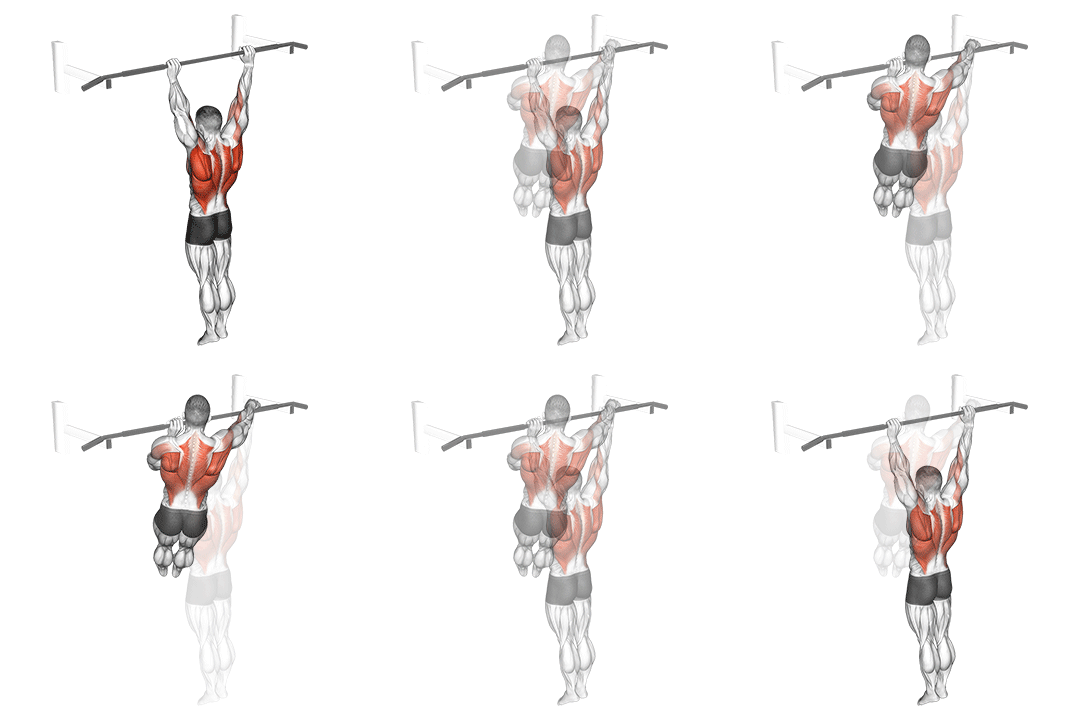
Visual Comparison
Overview
Alternate Lateral Pulldown vs Dumbbell One Arm Bent-over Row — two solid compound back moves that both target the lats but load them through different force vectors. You’ll get clear, actionable guidance on technique cues, biomechanics, and when to choose each exercise based on goals like hypertrophy, strength, or convenience. I’ll compare primary and secondary muscle activation, list pros and cons, show equipment needs, outline progression options with rep ranges (3–6 for strength, 6–12 for hypertrophy, 8–15 for endurance), and give final recommendations so you can pick the best tool for your program.
Key Differences
- Equipment differs: Alternate Lateral Pulldown uses Cable, while Dumbbell One Arm Bent-over Row requires Dumbbell.
Pros & Cons
Alternate Lateral Pulldown
+ Pros
- Constant tension through the range of motion via cable line of pull
- Lower lumbar loading—good for those with back issues
- Easier to cue scapular retraction and elbow path for lat emphasis
- Simple to maintain strict tempo and higher rep sets (8–15)
− Cons
- Requires access to a cable machine or gym
- Less core and erector spinae loading—less carryover to hip-hinge strength
- Can reduce forearm/grip development compared to free-weight rows
Dumbbell One Arm Bent-over Row
+ Pros
- Accessible with minimal equipment—great for home workouts
- Stronger carryover to deadlift/hinge patterns due to trunk stabilization
- Builds forearm and grip strength alongside lats
- Easy to progressively overload with heavier dumbbells or slow eccentrics
− Cons
- Higher demand on low back and core—risky with poor hip-hinge form
- Unilateral loading can expose strength imbalances and cause asymmetrical loading
- Grip fatigue can limit lat stimulus before target muscles are fully taxed
When Each Exercise Wins
Pulldowns let you keep constant tension and manage time-under-tension with controlled tempos and higher rep ranges (6–12 or 8–15). The cable’s vertical vector loads the lat at longer lengths which favors hypertrophic stimulus when you focus on full ROM and controlled eccentrics.
Rows allow heavier absolute loading and better carryover to compound lifts by training trunk bracing and horizontal pulling force. Use heavier sets (3–6 reps) with strict hip hinge to build raw pulling strength and unilateral stability.
The pulldown stabilizes your torso and teaches scapular control and elbow-driven pulling without demanding a perfect hip hinge. It’s easier to learn and scale with light weights and controlled reps.
Dumbbells or single adjustable weights are more common at home than cable towers. A supported one-arm row off a bench or a standing hinged row gives excellent lat stimulus with minimal equipment.
Frequently Asked Questions
Can I do both Alternate Lateral Pulldown and Dumbbell One Arm Bent-over Row in the same workout?
Yes. Start with the movement you want to prioritize—do heavy rows first for strength (3–6 reps), then pulldowns for volume (8–12 reps) to finish. That order uses fresh neural capacity for heavy loads and leverages the pulldown for extra time-under-tension.
Which exercise is better for beginners?
Alternate Lateral Pulldown is generally better for beginners because it stabilizes your torso and focuses on elbow-driven pulling and scapular retraction. It reduces lumbar demand while teaching lat engagement before introducing hip-hinge mechanics.
How do the muscle activation patterns differ?
Pulldowns create a vertical force vector that emphasizes lat length-tension during shoulder adduction and extension; peak tension often occurs mid-ROM. Bent-over rows create a horizontal/diagonal vector, increasing posterior chain and forearm recruitment while lat fibers work under a different moment arm and shorter muscle lengths.
Can Dumbbell One Arm Bent-over Row replace Alternate Lateral Pulldown?
Yes for many goals—rows can substitute if you lack a cable machine and want strength and grip carryover. But if your priority is low-back-friendly lat isolation and constant tension for hypertrophy, pulldowns remain the superior choice.
Expert Verdict
Both moves have a place. Use Alternate Lateral Pulldown when you want focused lat isolation with low spinal loading, consistent tension, and easy tempo control—ideal for hypertrophy blocks and lifters managing low-back issues. Choose Dumbbell One Arm Bent-over Row when you need unilateral strength, carryover to hinge-based lifts, and improved grip and forearm development. Program them together in different phases: emphasize pulldowns for high-volume lat lengthening (8–15 reps) and rows for heavy, low-rep strength work (3–6 reps). Pick based on equipment, your spine health, and whether you prioritize muscle growth or raw pulling strength.
Also Compare
More comparisons with Alternate Lateral Pulldown
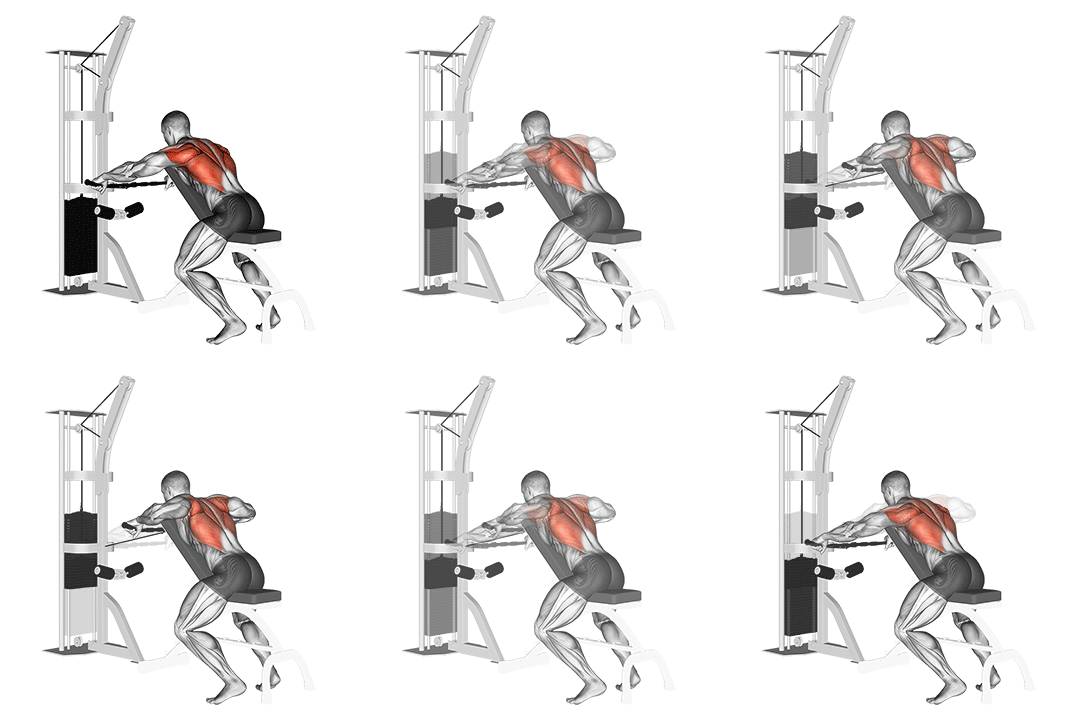
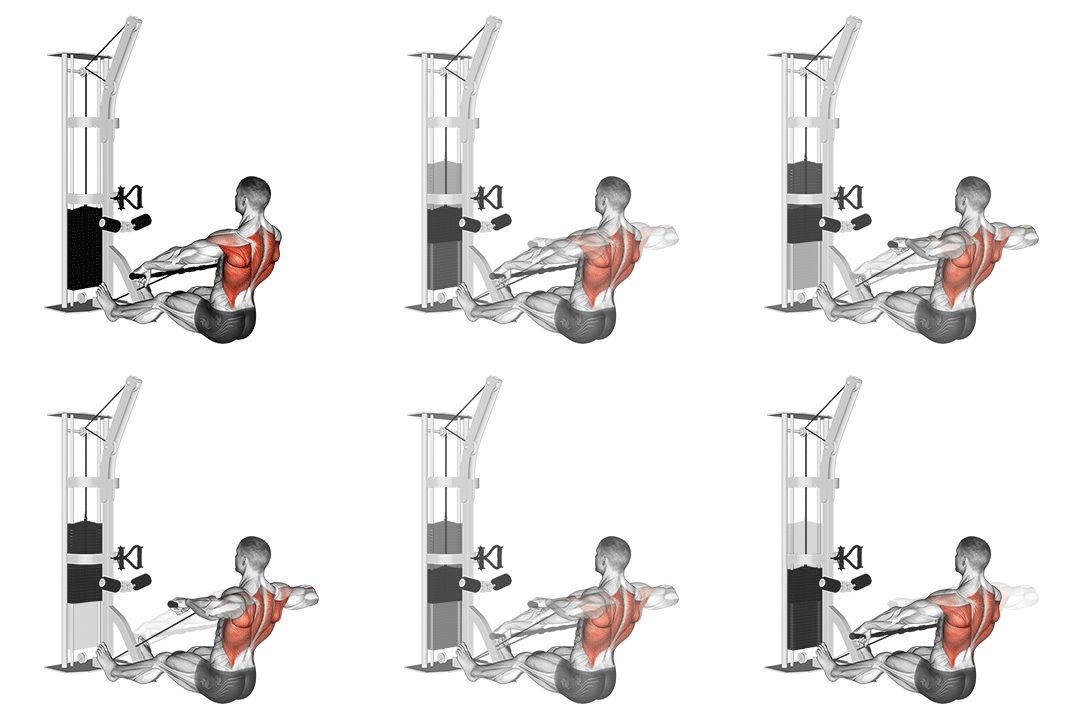
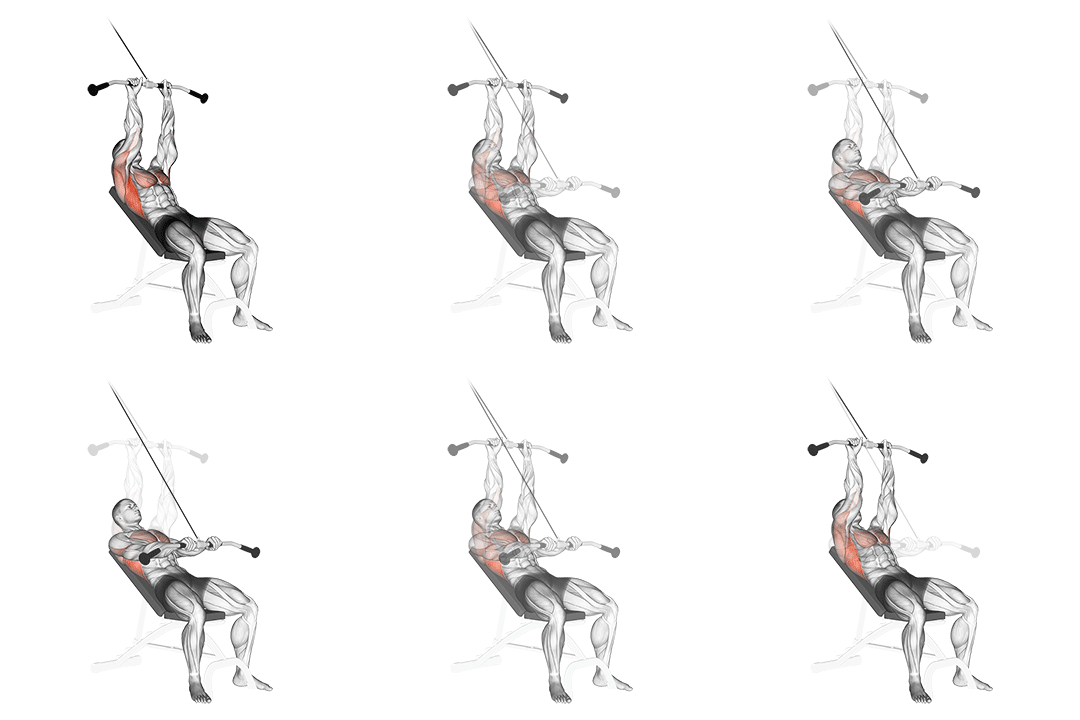
More comparisons with Dumbbell One Arm Bent-over Row
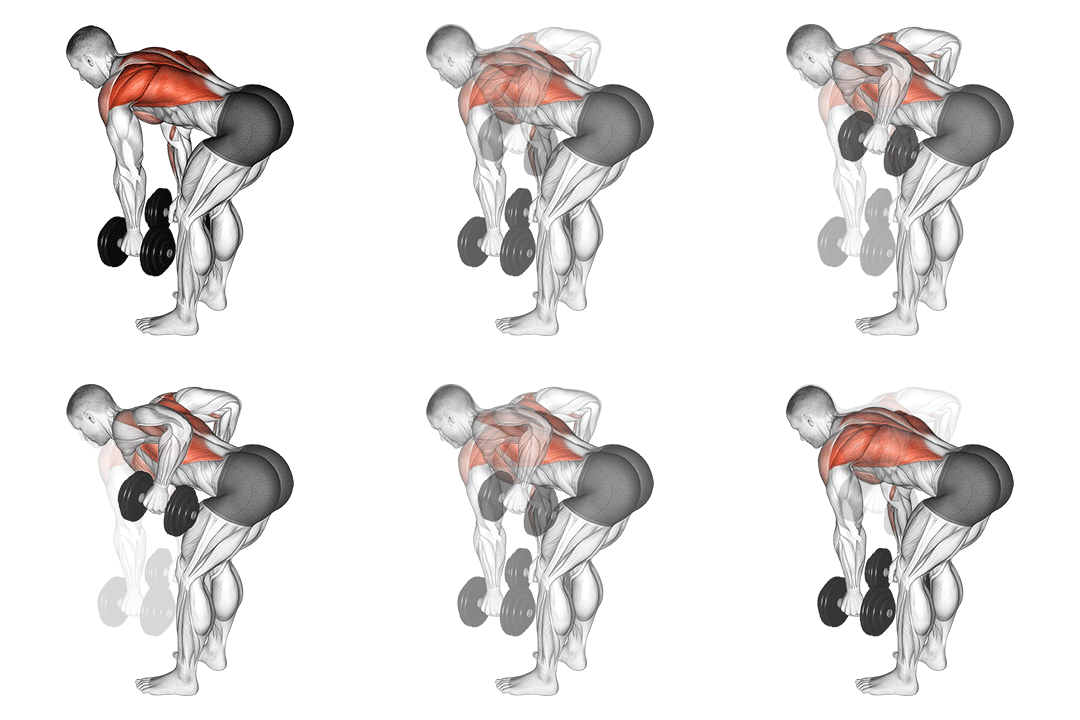
Compare More Exercises
Use our free comparison tool to analyze any two exercises head-to-head.
Compare Exercises