

Alternate Lateral Pulldown vs One-Arm Dumbbell Row: Complete Comparison Guide
Alternate Lateral Pulldown vs One-Arm Dumbbell Row — you’re picking between two solid lat builders. I’ll walk you through how each hits the lats, what secondary muscles they recruit, the biomechanics behind the movement, technique cues, and which one to use for hypertrophy, strength, beginners, or home training. You’ll get clear programming tips (rep ranges, sets, angles) and a decisive verdict so you can choose the exercise that best matches your equipment and goals.
Exercise Comparison
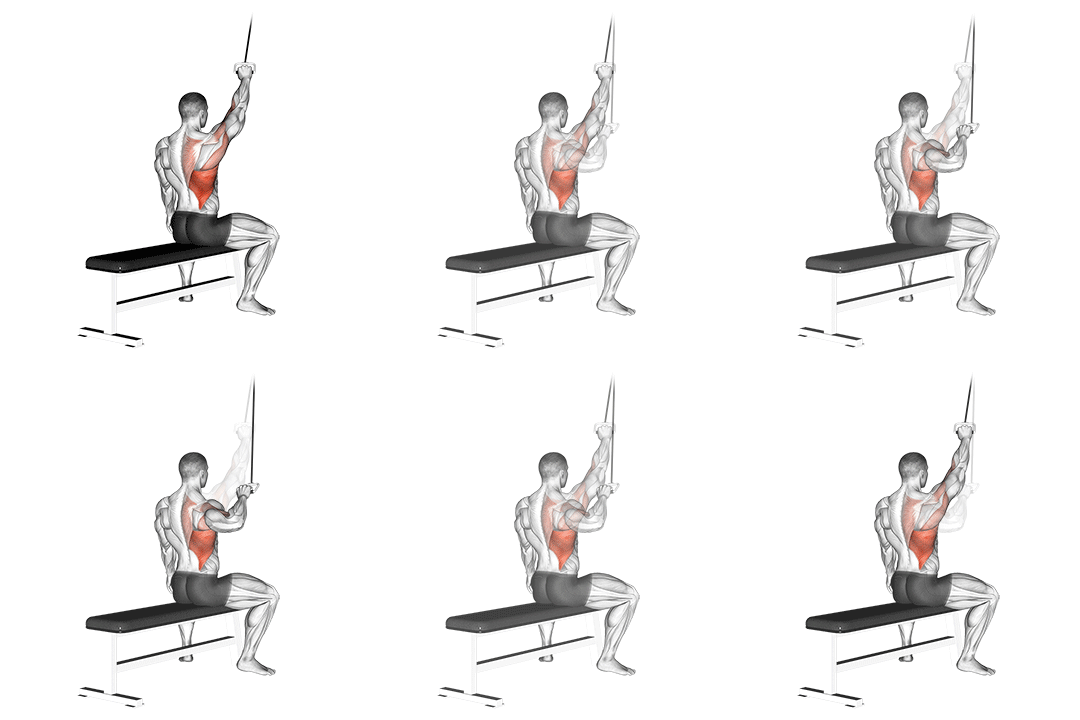
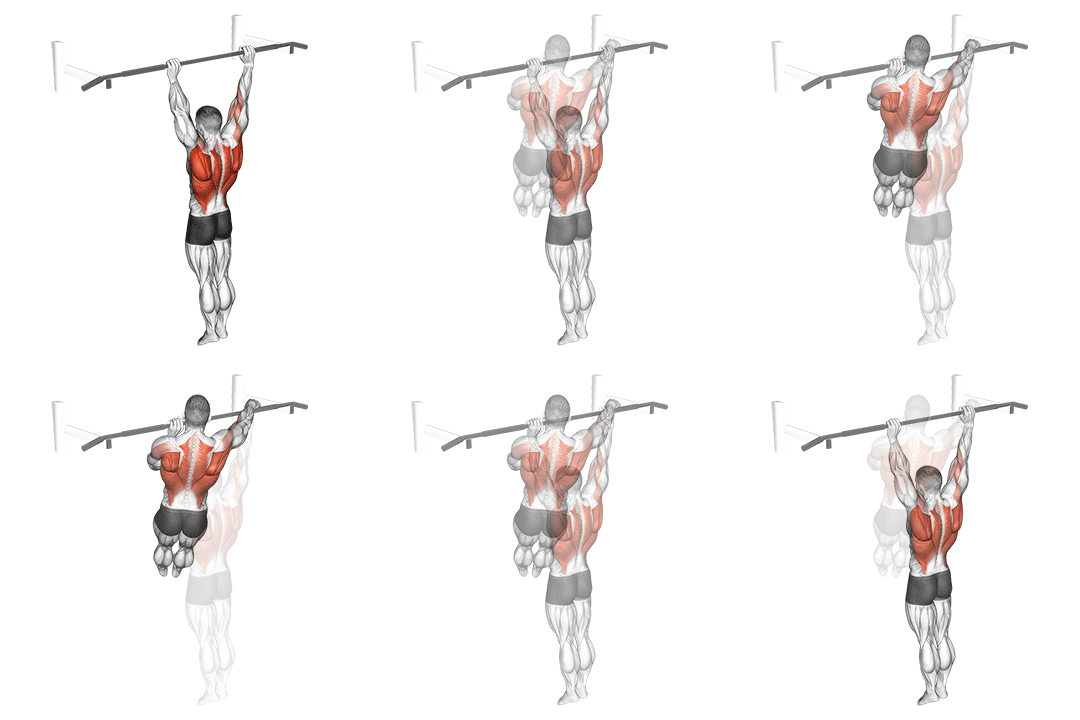
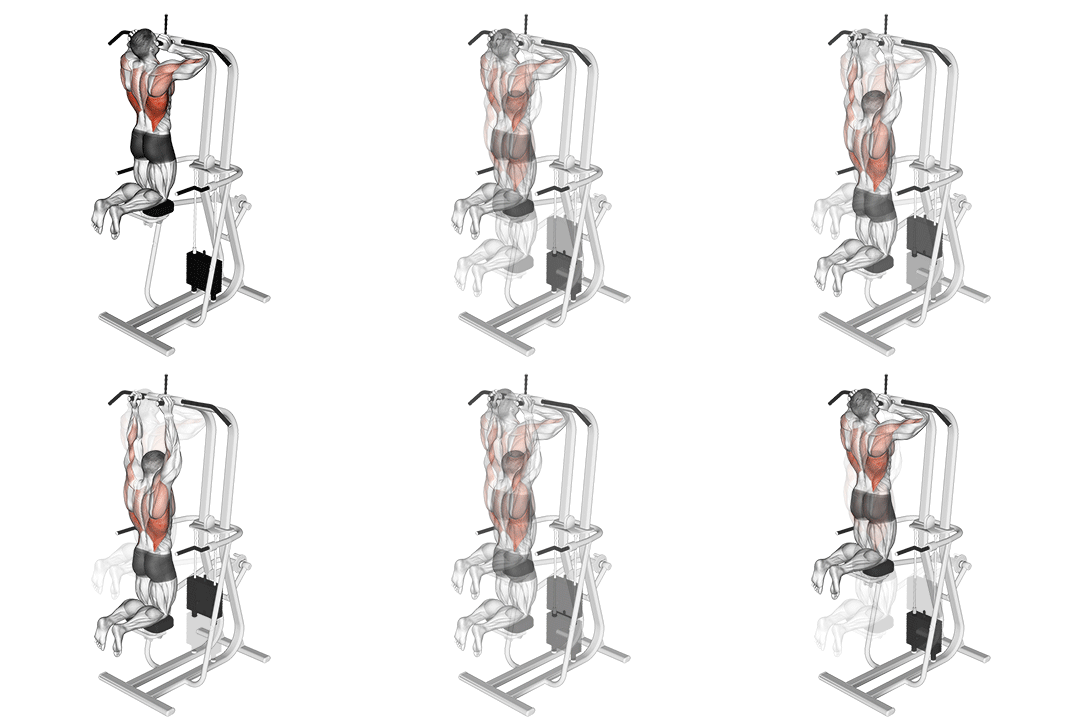
Alternate Lateral Pulldown
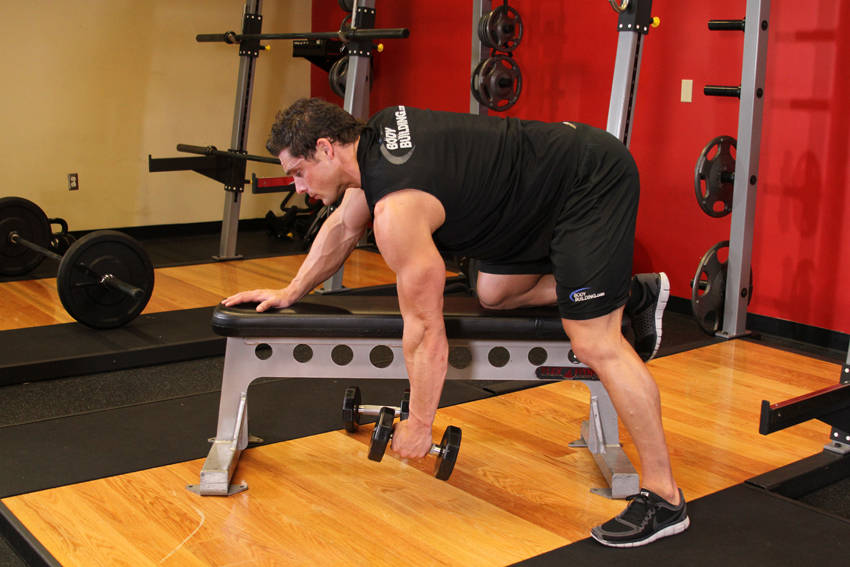
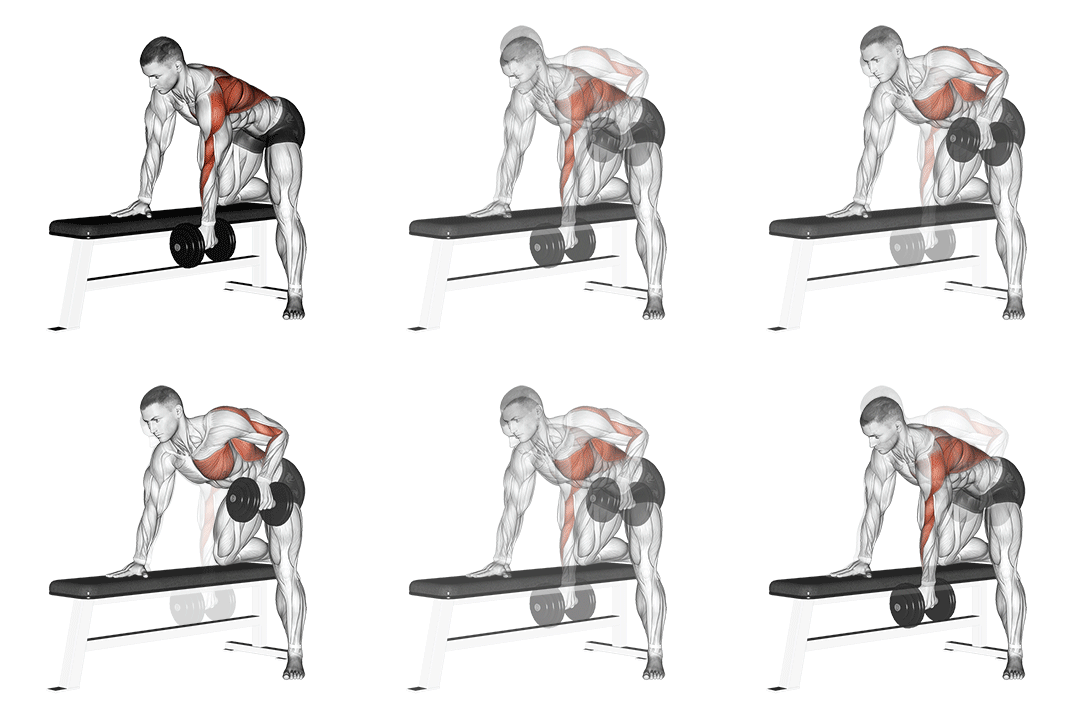
One-arm Dumbbell Row
Head-to-Head Comparison
| Attribute | Alternate Lateral Pulldown | One-arm Dumbbell Row |
|---|---|---|
| Target Muscle |
Lats
|
Lats
|
| Body Part |
Back
|
Back
|
| Equipment |
Cable
|
Dumbbell
|
| Difficulty |
Intermediate
|
Intermediate
|
| Movement Type |
Compound
|
Compound
|
| Secondary Muscles |
2
|
3
|
Secondary Muscles Activated
Alternate Lateral Pulldown
One-arm Dumbbell Row
Visual Comparison
Overview
Alternate Lateral Pulldown vs One-Arm Dumbbell Row — you’re picking between two solid lat builders. I’ll walk you through how each hits the lats, what secondary muscles they recruit, the biomechanics behind the movement, technique cues, and which one to use for hypertrophy, strength, beginners, or home training. You’ll get clear programming tips (rep ranges, sets, angles) and a decisive verdict so you can choose the exercise that best matches your equipment and goals.
Key Differences
- Equipment differs: Alternate Lateral Pulldown uses Cable, while One-arm Dumbbell Row requires Dumbbell.
Pros & Cons
Alternate Lateral Pulldown
+ Pros
- Consistent vertical force vector for repeatable technique and tempo work
- Lower spinal loading — easier to protect the lumbar spine
- Clear cueing for scapular depression and elbow-first pull
- Good for high-rep sets and strict tempo (eccentric control)
− Cons
- Requires a cable machine or lat station
- Less core and anti-rotation challenge than unilateral free-weight rows
- May underload the lats compared to heavy dumbbell rows for maximal strength
One-arm Dumbbell Row
+ Pros
- Greater range of motion and stretch at the bottom for length-tension stimulus
- Easier to progressively overload with heavier dumbbells
- Builds core anti-rotation and unilateral stability
- Minimal equipment — works well for home training
− Cons
- Higher demand on torso bracing — form breakdown increases injury risk
- Can over-recruit biceps and traps if scapular control is poor
- Requires careful setup to maintain neutral spine and avoid rotation
When Each Exercise Wins
The row offers a longer eccentric stretch and allows heavier loading per side, which taps into the lat’s length-tension curve and maximizes mechanical tension. Use 6–12 reps for 3–5 sets and focus on full scapular retraction.
You can overload the posterior chain more directly with heavy dumbbells or barbell row progressions; the unilateral work corrects side-to-side imbalances and translates well to compound lifts. Stick to 3–6 reps for strength phases.
The cable guides the motion and limits torso cheating, making it easier to learn elbow-driven pulldowns and proper scapular mechanics before adding unilateral free-weight demand.
Requires only a dumbbell and a surface for support, letting you target lats effectively without access to a cable machine.
Frequently Asked Questions
Can I do both Alternate Lateral Pulldown and One-Arm Dumbbell Row in the same workout?
Yes — pair them in the same session by ordering heavier compound rows first (3–6 reps) to prioritize strength, then pulldowns for volume (8–15 reps) to increase time under tension and technique work.
Which exercise is better for beginners?
Alternate Lateral Pulldown is better for beginners because the cable stabilizes the path and reduces trunk compensation, letting you learn elbow-down pulling and scapular movement before adding unilateral load.
How do the muscle activation patterns differ?
Pulldowns load the lats through a vertical vector with peak tension near torso contact and emphasize elbow flexion and scapular depression. Rows use a horizontal/diagonal vector with peak mid-range tension during scapular retraction and greater posterior deltoid and trap involvement.
Can One-Arm Dumbbell Row replace Alternate Lateral Pulldown?
Yes for many goals — rows can replace pulldowns when you need overload and unilateral strength. Keep pulldowns in your program if you need guided motion, reduced spinal load, or higher-rep technique work.
Expert Verdict
If your goal is pure lat hypertrophy and you have access to progressively heavier dumbbells, prioritize the One-Arm Dumbbell Row for its superior overload potential and ROM-driven tension. Use strict sets of 6–12 reps with controlled eccentrics and full scapular retraction. If you’re newer to pulling mechanics, rehabbing shoulders, or want a lower-spine option for high-volume work, choose the Alternate Lateral Pulldown — its guided path helps you maintain vertical force vectors and scapular depression. The smartest program pairs both: use pulldowns for volume and technical practice, and rows for heavy, unilateral strength work.
Also Compare
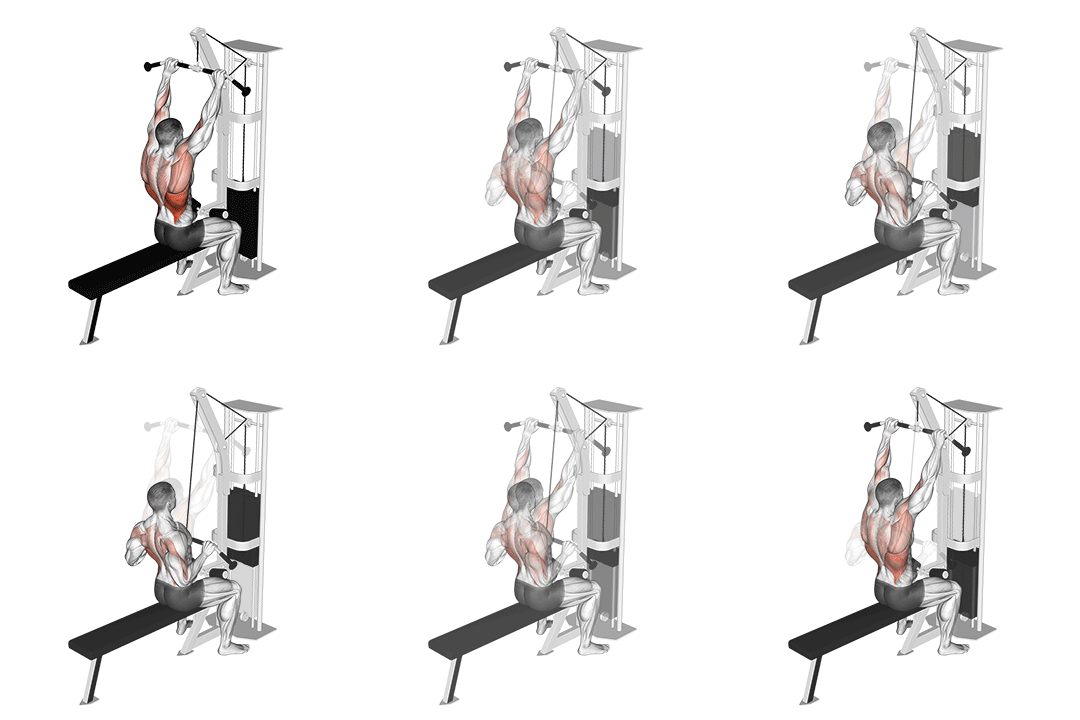
More comparisons with Alternate Lateral Pulldown
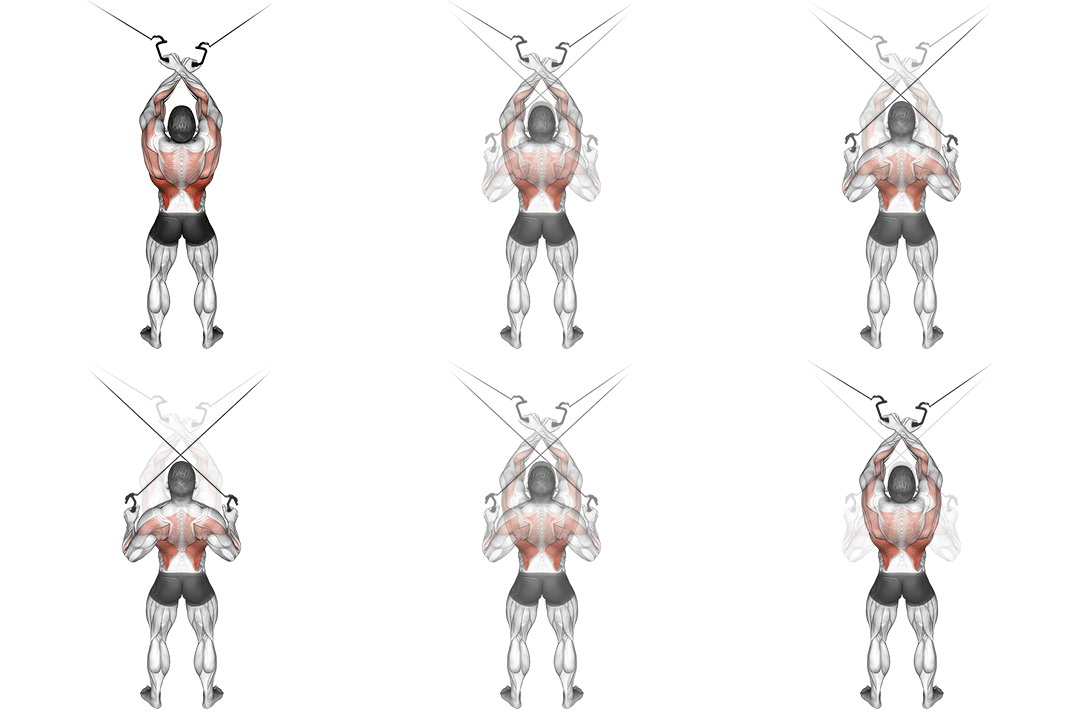
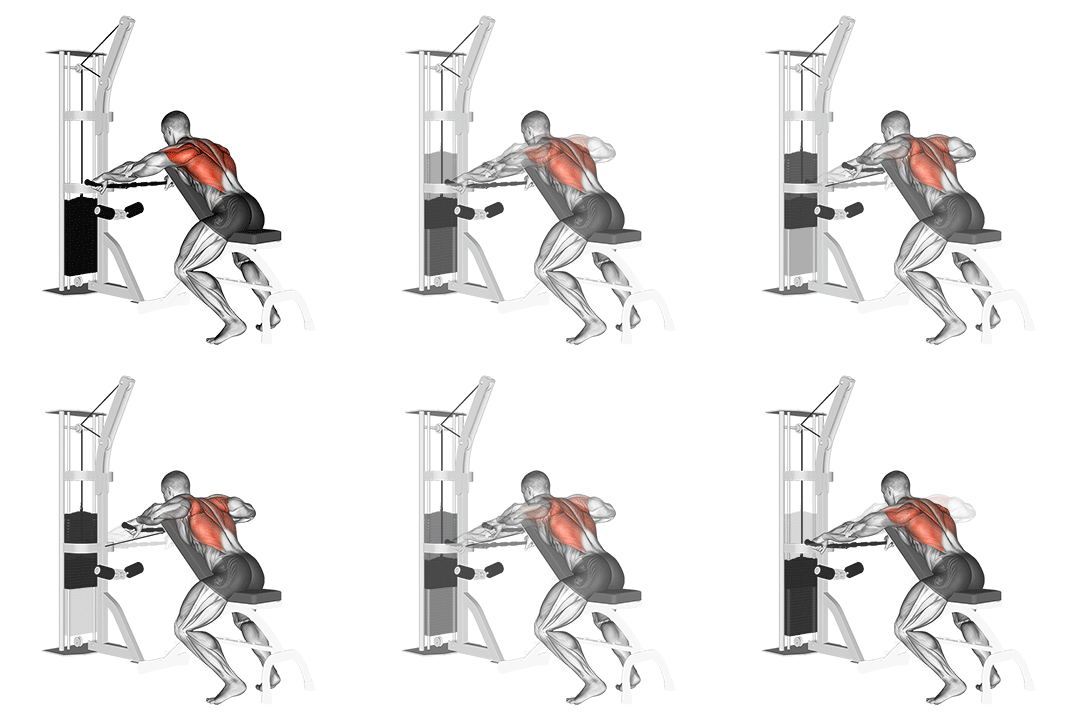
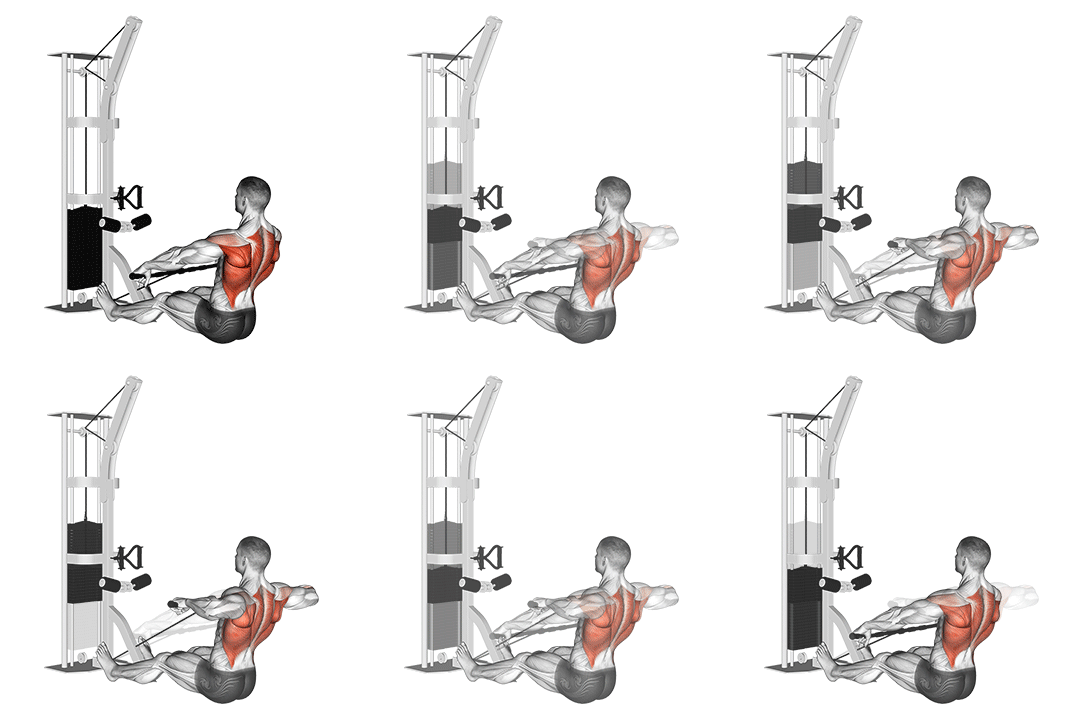
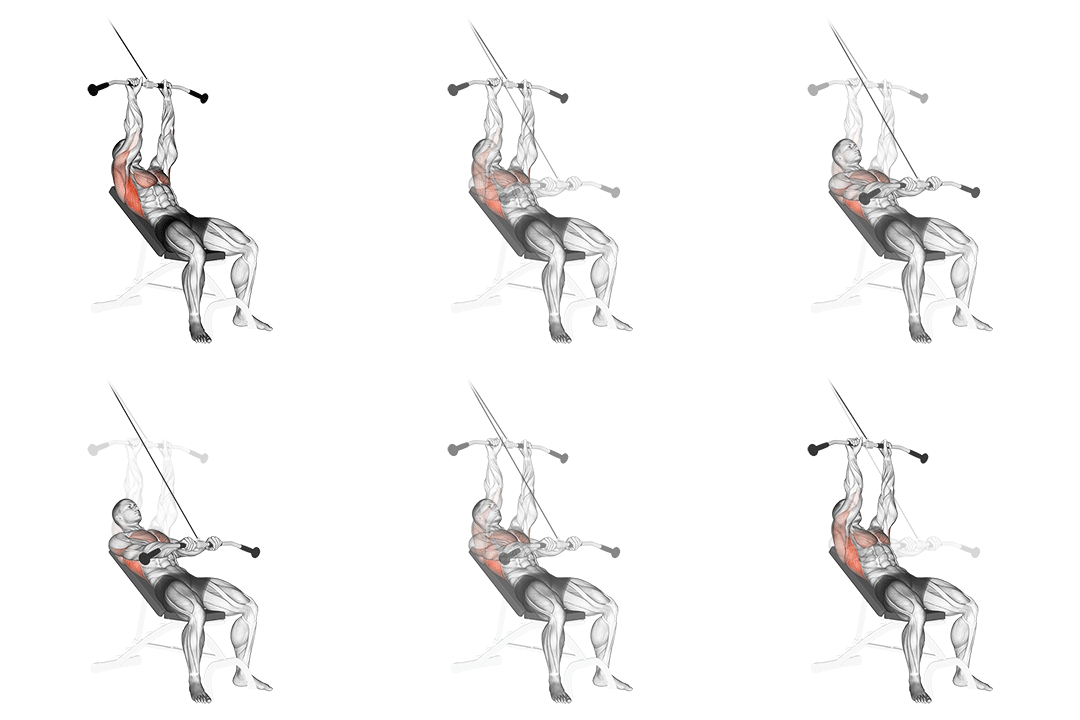
More comparisons with One-arm Dumbbell Row
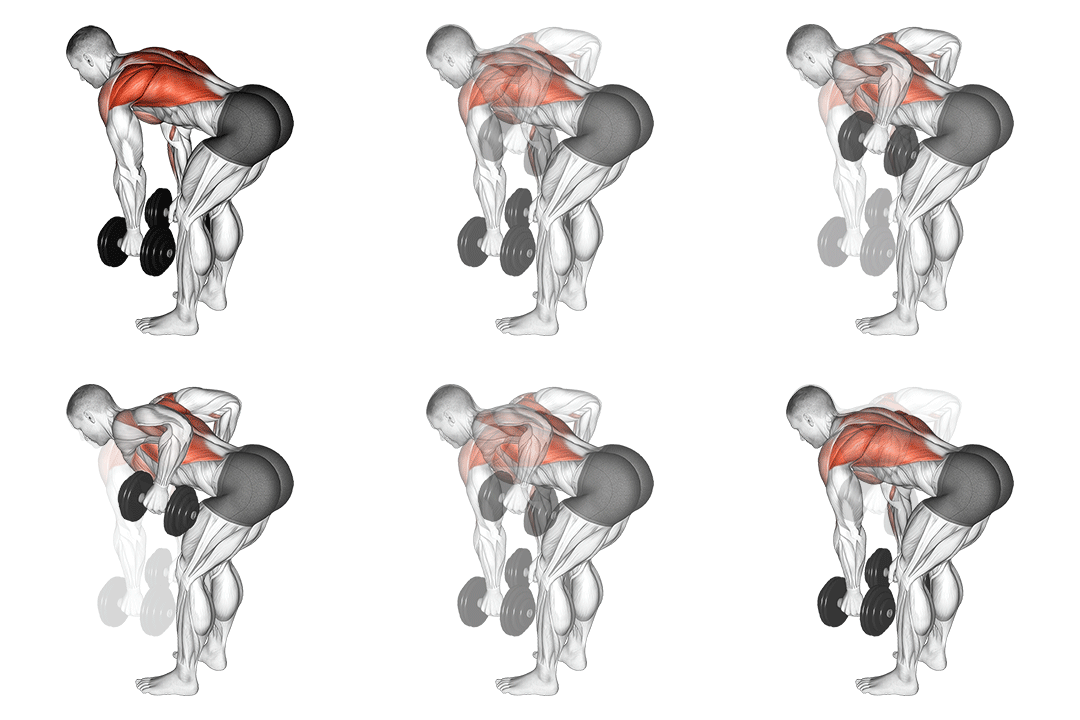
Compare More Exercises
Use our free comparison tool to analyze any two exercises head-to-head.
Compare Exercises