

Alternating Kettlebell Row vs Bent Over One-Arm Long Bar Row: Complete Comparison Guide
Alternating Kettlebell Row vs Bent Over One-Arm Long Bar Row — you want a back exercise that builds a thicker middle-back, fits your equipment, and fits your plan. I’ll break down how each movement loads the middle trapezius and rhomboids, how the biceps and lats pitch in, the setup and technique cues you need (torso angle, elbow path, and rep ranges), and which one to pick for hypertrophy, strength, beginner training, or home workouts. Read on for clear, actionable recommendations and specific drill cues to use next session.
Exercise Comparison
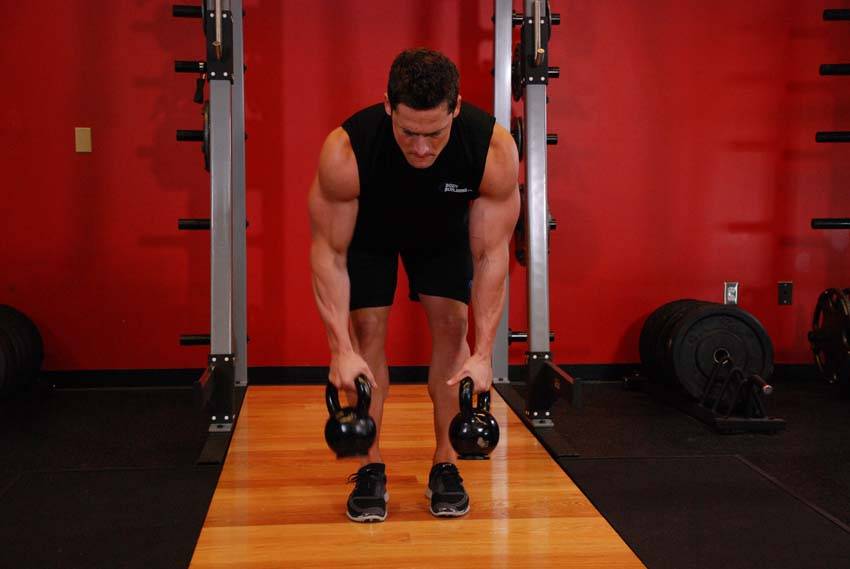
Alternating Kettlebell Row
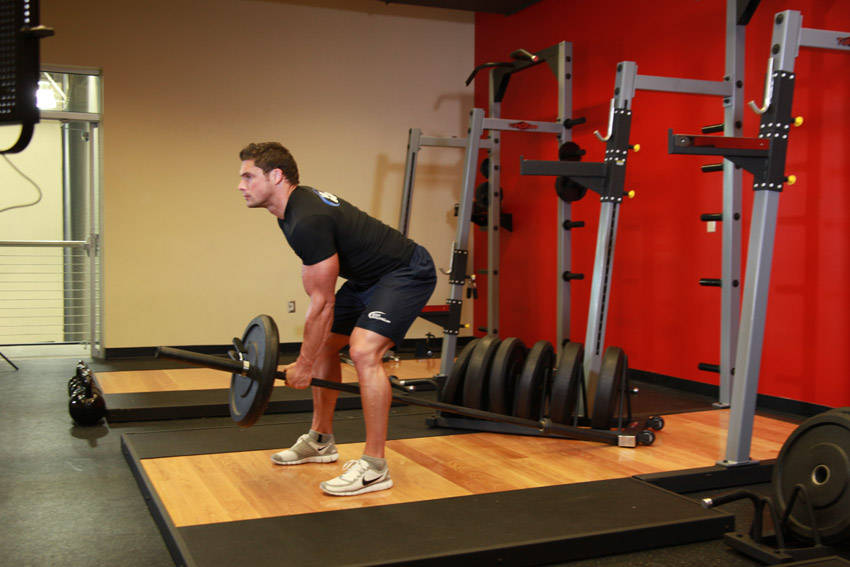
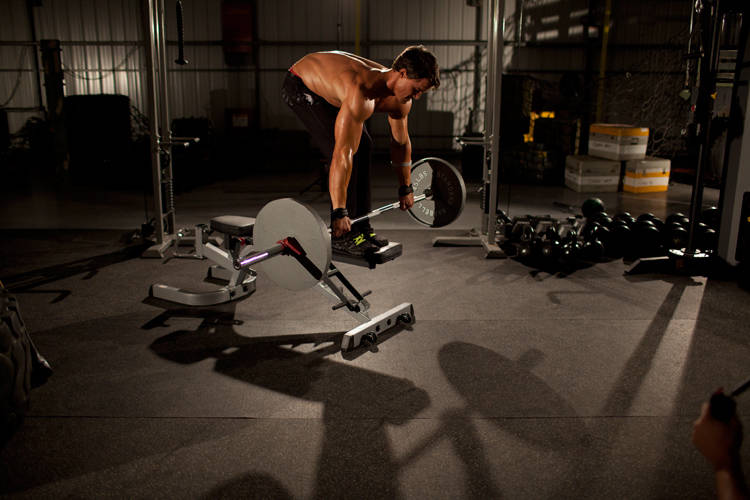
Bent Over One-arm Long Bar Row
Head-to-Head Comparison
| Attribute | Alternating Kettlebell Row | Bent Over One-arm Long Bar Row |
|---|---|---|
| Target Muscle |
Middle-back
|
Middle-back
|
| Body Part |
Back
|
Back
|
| Equipment |
Kettlebell
|
Barbell
|
| Difficulty |
Intermediate
|
Intermediate
|
| Movement Type |
Compound
|
Compound
|
| Secondary Muscles |
2
|
4
|
Secondary Muscles Activated
Alternating Kettlebell Row
Bent Over One-arm Long Bar Row
Visual Comparison
Overview
Alternating Kettlebell Row vs Bent Over One-Arm Long Bar Row — you want a back exercise that builds a thicker middle-back, fits your equipment, and fits your plan. I’ll break down how each movement loads the middle trapezius and rhomboids, how the biceps and lats pitch in, the setup and technique cues you need (torso angle, elbow path, and rep ranges), and which one to pick for hypertrophy, strength, beginner training, or home workouts. Read on for clear, actionable recommendations and specific drill cues to use next session.
Key Differences
- Equipment differs: Alternating Kettlebell Row uses Kettlebell, while Bent Over One-arm Long Bar Row requires Barbell.
Pros & Cons
Alternating Kettlebell Row
+ Pros
- Easier setup and minimal equipment needs
- Strong unilateral core and anti-rotation carryover
- Easy to vary tempo and unilateral volume for symmetry
- Lower absolute lumbar load compared to heavy barbell rows
− Cons
- Limited by available kettlebell increments for heavy loading
- Can underload traps and lower back relative to barbell variants
- Requires good shoulder stability to control the arc
Bent Over One-arm Long Bar Row
+ Pros
- Higher absolute loading potential for strength and mass
- Consistent horizontal force vector that targets middle-back fibers
- Greater trap and erector spinae recruitment for thickness
- Fine incremental loading with plates for progressive overload
− Cons
- Greater demand on lower back and hip-hinge mechanics
- Needs more equipment and space (long bar + plates)
- Higher technical bar path requirement — more coaching needed
When Each Exercise Wins
Winner: Bent Over One-Arm Long Bar Row. It allows higher absolute loading and sustained horizontal tension, which drives greater mechanical tension across middle-back fibers for 6–12 rep ranges and progressive overload.
Winner: Bent Over One-Arm Long Bar Row. The barbell supports heavier loads and precise plate increments, enabling low-rep (3–6) strength phases while maintaining force vectors that build posterior chain strength.
Winner: Alternating Kettlebell Row. It’s simpler to set up, lowers lumbar shear stress if braced on a bench, and teaches scapular retraction with manageable loads — good for learning horizontal pulling mechanics.
Winner: Alternating Kettlebell Row. Kettlebells are compact and versatile, letting you maintain high-quality middle-back work and unilateral control without a long bar or heavy plate sets.
Frequently Asked Questions
Can I do both Alternating Kettlebell Row and Bent Over One-Arm Long Bar Row in the same workout?
Yes — pair them intelligently: use the long bar as your primary heavy movement for 3–6 heavy reps, then follow with 8–12 alternating kettlebell rows for unilateral volume and core work. That sequence preserves strength stimulus while adding hypertrophy and stabilization without excessive fatigue.
Which exercise is better for beginners?
For most beginners the Alternating Kettlebell Row is better because setup and load control are simpler, and you can brace on a bench to protect the lower back while learning scapular retraction and elbow-driven pulling.
How do the muscle activation patterns differ?
Kettlebell rows produce alternating unilateral activation with increased anti-rotation core recruitment and slightly greater lat bias when more upright. The long bar creates a continuous horizontal pull vector that sustains middle-trap and rhomboid tension and increases erector spinae and trap involvement due to the heavier, bilateral load.
Can Bent Over One-Arm Long Bar Row replace Alternating Kettlebell Row?
It can replace it if your goal is maximum mechanical tension and you have perfect hinge mechanics, but you’ll lose some anti-rotation and unilateral core work. For balanced programming, alternate or pair both across training cycles to cover both loading and stabilization demands.
Expert Verdict
If your goal is raw middle-back thickness and you have access to a barbell, prioritize the Bent Over One-Arm Long Bar Row for its superior loading and progressive overload potential—use heavy sets in the 3–6 and 6–12 rep ranges and focus on a stable hip hinge (torso ~30°–60°). If you train at home, want to correct side-to-side imbalances, or need a lower-lumbar option, use the Alternating Kettlebell Row. Program them together across phases: prioritize the long bar for heavy blocks and add kettlebell rows for volume, tempo work, and anti-rotation strength to round out middle-back development.
Also Compare
More comparisons with Alternating Kettlebell Row
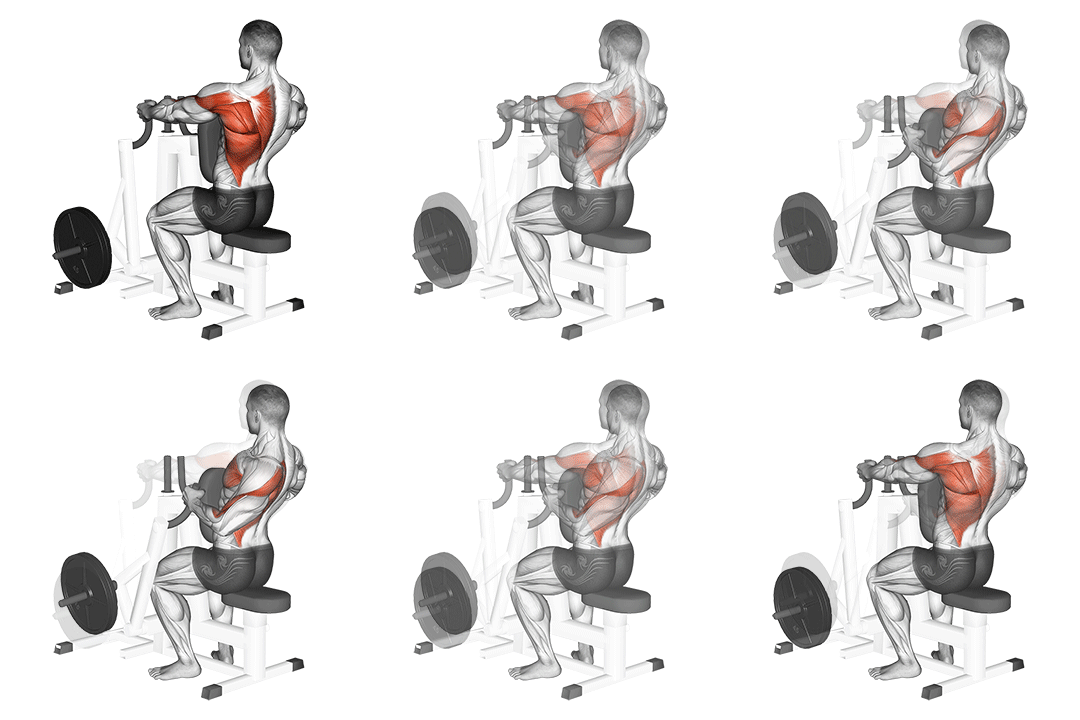
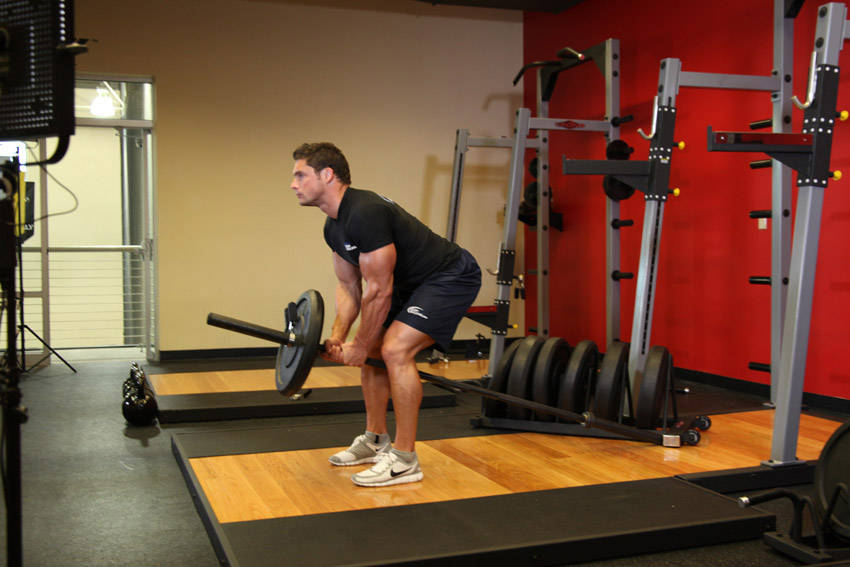
More comparisons with Bent Over One-arm Long Bar Row
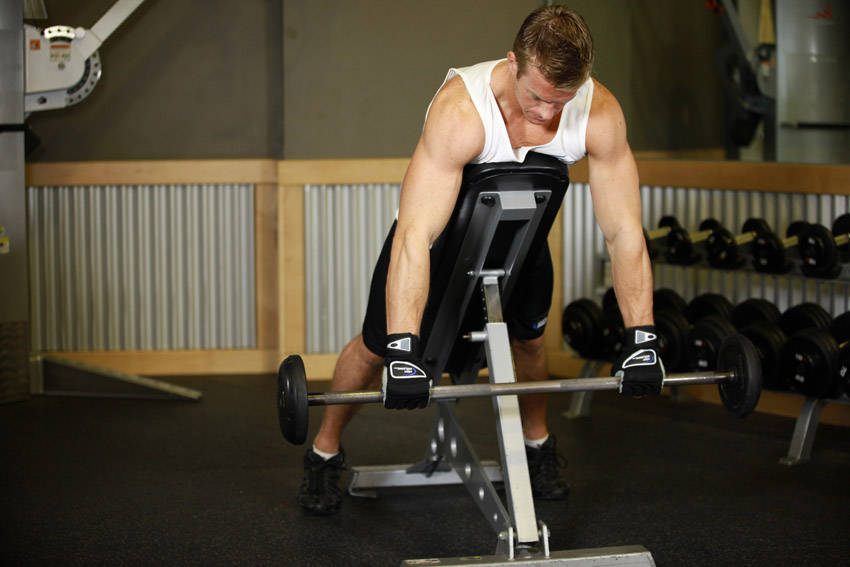
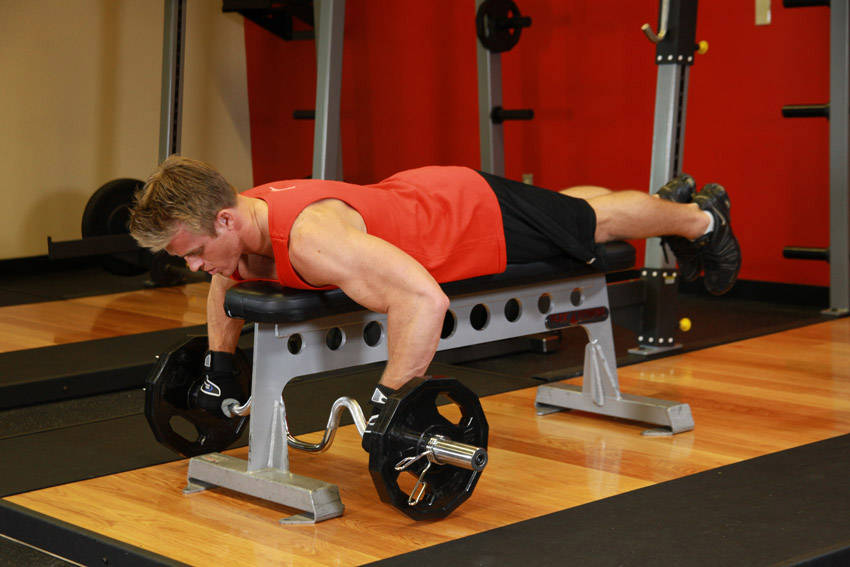

Compare More Exercises
Use our free comparison tool to analyze any two exercises head-to-head.
Compare Exercises