

Alternating Kettlebell Row vs Bent Over Two-Arm Long Bar Row: Complete Comparison Guide
Alternating Kettlebell Row vs Bent Over Two-Arm Long Bar Row — you’ve got two solid middle-back builders, but they load the same target differently. I’ll walk you through muscle activation, equipment needs, technique cues, injury considerations, and which to pick for muscle growth, strength, or home training. Expect clear rep ranges (6–12 for strength/muscle, 8–15 for hypertrophy), specific posture cues like a 30–45° torso angle for unilateral rows and a 45–90° hip hinge for barbell rows, plus progression ladders so you can choose the right move for your goals.
Exercise Comparison
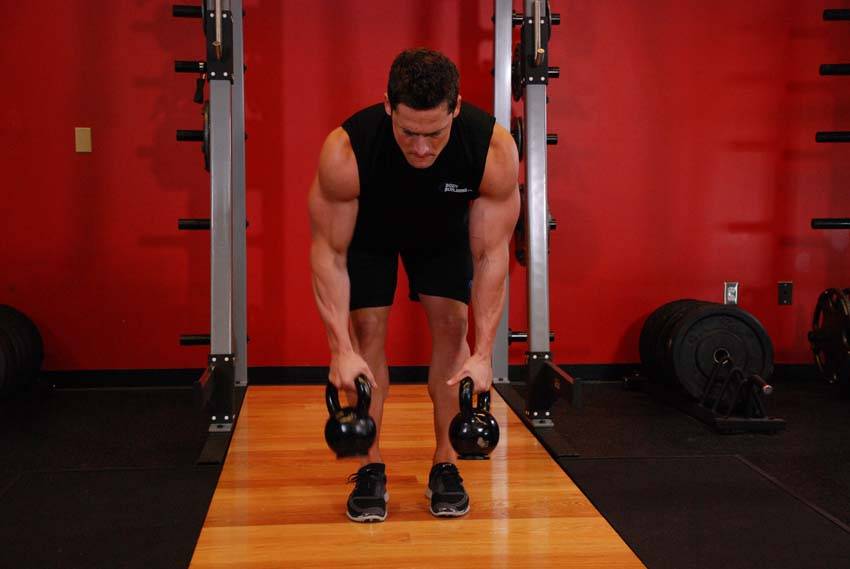
Alternating Kettlebell Row
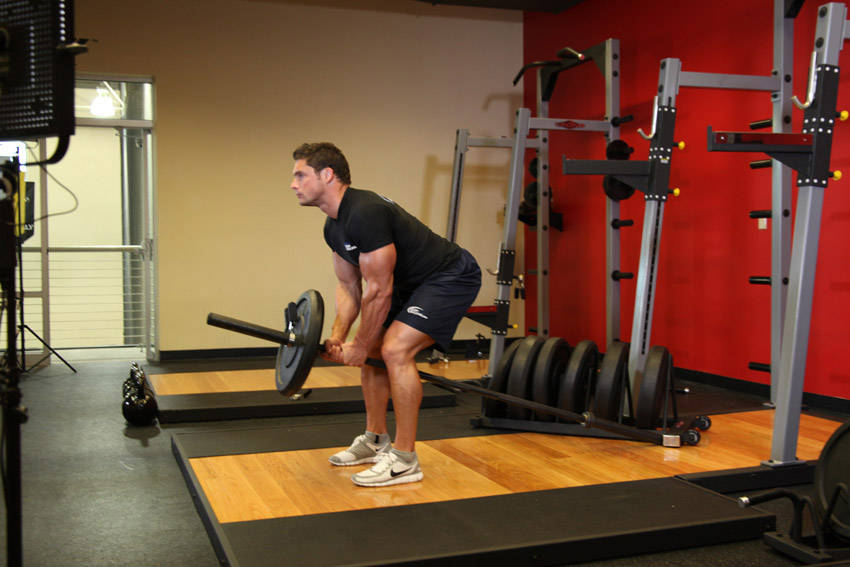
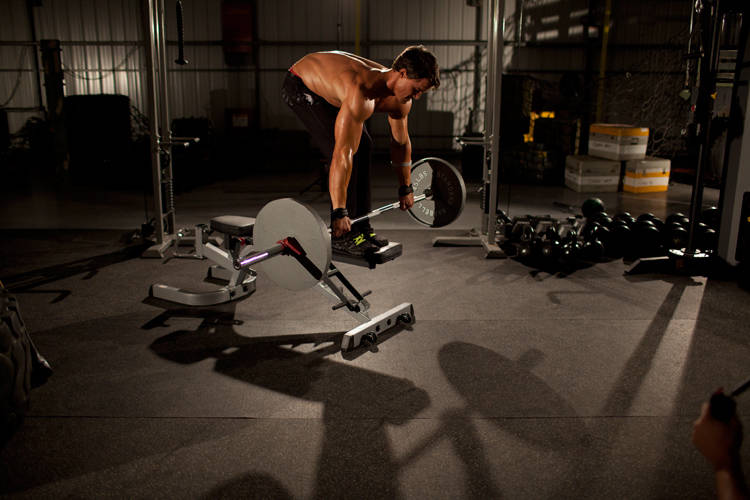
Bent Over Two-arm Long Bar Row
Head-to-Head Comparison
| Attribute | Alternating Kettlebell Row | Bent Over Two-arm Long Bar Row |
|---|---|---|
| Target Muscle |
Middle-back
|
Middle-back
|
| Body Part |
Back
|
Back
|
| Equipment |
Kettlebell
|
Barbell
|
| Difficulty |
Intermediate
|
Intermediate
|
| Movement Type |
Compound
|
Compound
|
| Secondary Muscles |
2
|
2
|
Secondary Muscles Activated
Alternating Kettlebell Row
Bent Over Two-arm Long Bar Row
Visual Comparison
Overview
Alternating Kettlebell Row vs Bent Over Two-Arm Long Bar Row — you’ve got two solid middle-back builders, but they load the same target differently. I’ll walk you through muscle activation, equipment needs, technique cues, injury considerations, and which to pick for muscle growth, strength, or home training. Expect clear rep ranges (6–12 for strength/muscle, 8–15 for hypertrophy), specific posture cues like a 30–45° torso angle for unilateral rows and a 45–90° hip hinge for barbell rows, plus progression ladders so you can choose the right move for your goals.
Key Differences
- Equipment differs: Alternating Kettlebell Row uses Kettlebell, while Bent Over Two-arm Long Bar Row requires Barbell.
Pros & Cons
Alternating Kettlebell Row
+ Pros
- Single-arm loading builds unilateral strength and fixes side-to-side imbalances
- Lower equipment needs — one kettlebell can train both sides
- Greater anti-rotation core demand improves torso stability
- Easier to control tempo and peak contraction for hypertrophy (hold 1–2 sec at top)
− Cons
- Limited incremental loading — big jumps between kettlebell sizes
- Harder to reach maximal absolute load for strength
- Single-arm pattern can produce uneven technique if fatigued
Bent Over Two-arm Long Bar Row
+ Pros
- Allows heavier absolute loading for greater motor unit recruitment
- Symmetrical pull trains coordinated scapular retraction under high load
- Fine incremental progression with plates for steady strength gains
- Efficient for adding total back volume in fewer sets
− Cons
- Higher lumbar stress if hip hinge or bracing is poor
- Requires more equipment and space
- Greater technical demand to keep a neutral spine at heavier loads
When Each Exercise Wins
The barbell row lets you hold sustained tension under heavier loads and longer eccentric phases, ideal for progressive overload. Use 6–12 reps with 2–3 second eccentrics to maximize middle-back fiber recruitment.
Barbell rows permit higher absolute loads and smaller weight increments, enabling consistent strength progression. The bilateral horizontal force vector lets you recruit more motor units safely when your hip hinge and brace are solid.
Kettlebell rows are easier to learn because they keep the torso supported at a moderate angle and allow one side to stabilize while the other pulls. Start with 8–12 reps per side and focus on full scapular retraction and a 1–2 second squeeze.
One kettlebell takes minimal space and gives versatile loading, so you can train the middle-back effectively without a barbell setup. Use tempo and unilateral sets to increase intensity when heavier weights aren’t available.
Frequently Asked Questions
What is the difference between Alternating Kettlebell Row and Bent Over Two-arm Long Bar Row?
Alternating Kettlebell Row primarily targets the Middle-back, while Bent Over Two-arm Long Bar Row focuses on the Middle-back. They also differ in equipment requirements: Alternating Kettlebell Row uses Kettlebell, while Bent Over Two-arm Long Bar Row requires Barbell.
Which is better: Alternating Kettlebell Row or Bent Over Two-arm Long Bar Row?
Neither exercise is universally better - it depends on your goals. Choose Alternating Kettlebell Row to emphasize the Middle-back. Choose Bent Over Two-arm Long Bar Row for focus on the Middle-back. Many training programs include both for balanced development.
Can I do Alternating Kettlebell Row and Bent Over Two-arm Long Bar Row in the same workout?
Yes, you can perform both exercises in the same workout. Since they target the same muscle group (Middle-back), consider spacing them apart or doing them on different days for optimal recovery.
Which exercise is harder: Alternating Kettlebell Row or Bent Over Two-arm Long Bar Row?
Alternating Kettlebell Row is rated as intermediate difficulty, while Bent Over Two-arm Long Bar Row is intermediate. Both exercises have similar difficulty levels.
Expert Verdict
Use the alternating kettlebell row when you need accessibility, unilateral control, and core anti-rotation work — it’s ideal for correcting imbalances and home training. Choose rep ranges of 8–15 per side, pause 1–2 seconds at peak contraction, and keep the torso at ~30–45° to protect the lower back. Opt for the bent-over two-arm long bar row when your goal is heavy loading and progressive strength or maximum muscle growth; maintain a strict hip hinge (45–90° torso), braced neutral spine, and work in the 6–12 rep range. Both are legitimate middle-back builders; pick the one that matches your equipment, loading needs, and technical readiness.
Also Compare
More comparisons with Alternating Kettlebell Row
More comparisons with Bent Over Two-arm Long Bar Row
Compare More Exercises
Use our free comparison tool to analyze any two exercises head-to-head.
Compare Exercises