

Alternating Kettlebell Row vs Bent Over Two-Dumbbell Row With Palms In: Complete Comparison Guide
Alternating Kettlebell Row vs Bent Over Two-Dumbbell Row With Palms In — two compound middle-back builders that look similar but load your body differently. You’ll read a clear, actionable breakdown that compares muscle activation, mechanics, equipment needs, difficulty, progression options, and practical programming cues. I’ll tell you which to pick for hypertrophy, strength, beginners, and home setups, and give technique cues like torso angle, elbow path, and scapular control so you can practice safely and see measurable progress.
Exercise Comparison
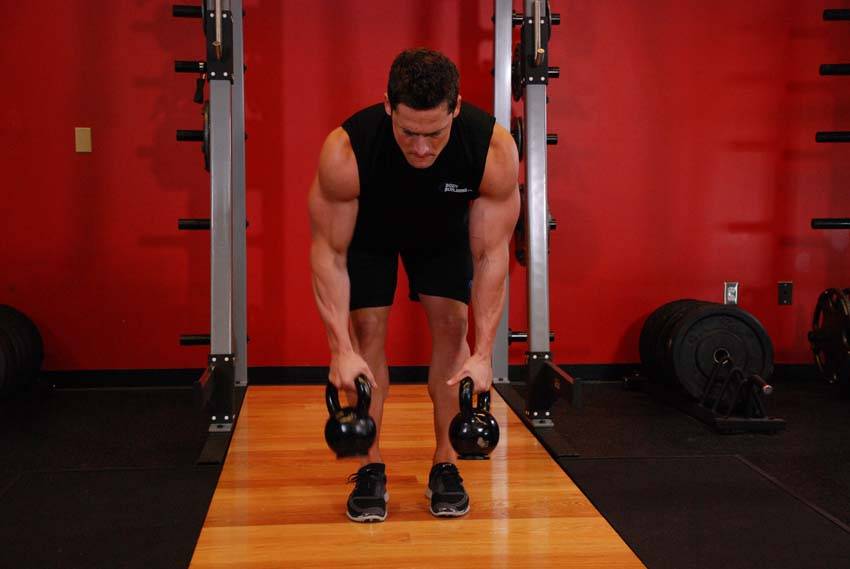
Alternating Kettlebell Row
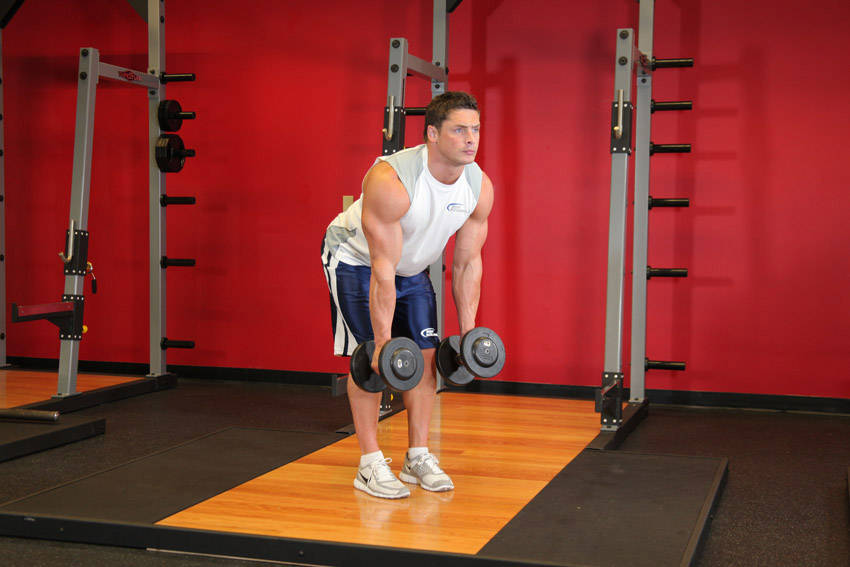
Bent Over Two-dumbbell Row With Palms In
Head-to-Head Comparison
| Attribute | Alternating Kettlebell Row | Bent Over Two-dumbbell Row With Palms In |
|---|---|---|
| Target Muscle |
Middle-back
|
Middle-back
|
| Body Part |
Back
|
Back
|
| Equipment |
Kettlebell
|
Dumbbell
|
| Difficulty |
Intermediate
|
Intermediate
|
| Movement Type |
Compound
|
Compound
|
| Secondary Muscles |
2
|
2
|
Secondary Muscles Activated
Alternating Kettlebell Row
Bent Over Two-dumbbell Row With Palms In
Visual Comparison
Overview
Alternating Kettlebell Row vs Bent Over Two-Dumbbell Row With Palms In — two compound middle-back builders that look similar but load your body differently. You’ll read a clear, actionable breakdown that compares muscle activation, mechanics, equipment needs, difficulty, progression options, and practical programming cues. I’ll tell you which to pick for hypertrophy, strength, beginners, and home setups, and give technique cues like torso angle, elbow path, and scapular control so you can practice safely and see measurable progress.
Key Differences
- Equipment differs: Alternating Kettlebell Row uses Kettlebell, while Bent Over Two-dumbbell Row With Palms In requires Dumbbell.
Pros & Cons
Alternating Kettlebell Row
+ Pros
- Requires only one kettlebell for effective sessions, making it space- and cost-efficient
- Improves unilateral strength and anti-rotation core stability
- Allows longer range of motion and natural arc that can increase lat and mid-back stretch
- Great for correcting left-right imbalances and building unilateral control
− Cons
- Harder to progress absolute load compared to paired dumbbells
- Higher anti-rotation demand can expose core weaknesses and increase technical errors
- Single-sided loading can cause fatigue asymmetry if not programmed carefully
Bent Over Two-dumbbell Row With Palms In
+ Pros
- Permits heavier bilateral loading for greater mechanical tension and strength
- Neutral palms-in grip reduces shoulder torque and is joint-friendly
- Easier to teach and maintain consistent torso angle for beginners
- Simple linear progression with matched dumbbells and microplates
− Cons
- Requires two dumbbells which is less minimal-equipment friendly
- Can hide unilateral weaknesses since both sides share the load
- Heavier bilateral loads increase compressive spinal forces if hinge breaks
When Each Exercise Wins
The two-dumbbell row lets you load both sides simultaneously with higher absolute weight and constant horizontal tension, promoting mechanical tension across mid-back fibers. Use 6–12 reps with a controlled 2-second eccentric and full scapular retraction to maximize hypertrophy.
Bilateral loading supports heavier progressive overload and better neural adaptation for raw pulling strength. Pair 3–6 rep sets with heavier dumbbells and maintain a stable 30–45 degree torso angle to keep force vectors optimal.
Its symmetrical load reduces anti-rotation demands, making hip hinge mechanics and scapular control easier to learn. Start light, focus on neutral spine and elbow path, and progress once you can hold a consistent 30–45 degree torso angle.
A single kettlebell can produce unilateral overload, core challenge, and variable tempos with minimal gear, which is ideal for limited-space setups. Use higher reps (8–15) and unilateral sets to balance strength and stability when equipment is limited.
Frequently Asked Questions
Can I do both Alternating Kettlebell Row and Bent Over Two-Dumbbell Row With Palms In in the same workout?
Yes. Pair the two-dumbbell row as your heavy compound for 3–5 sets of 4–8 reps, then use alternating kettlebell rows for 2–3 sets of 8–12 reps to address unilateral control and finish with extra volume. Sequence heavier bilateral work first to protect technique and reduce fatigue-related form breakdown.
Which exercise is better for beginners?
Bent Over Two-Dumbbell Row With Palms In is usually better for beginners because the bilateral load stabilizes the torso and simplifies coaching cues like hip hinge and scapular retraction. Once hinge mechanics and core stability are solid, add kettlebell rows to develop unilateral control.
How do the muscle activation patterns differ?
Kettlebell rows create a diagonal force vector and add rotational torque, increasing oblique and ipsilateral stabilizer activation while mid-back work peaks during the arc of the pull. Two-dumbbell rows maintain a more horizontal vector with symmetric scapular retraction, concentrating load on rhomboids, mid traps, and lats with less anti-rotation demand.
Can Bent Over Two-Dumbbell Row With Palms In replace Alternating Kettlebell Row?
Yes for pure strength and hypertrophy goals, since two-dumbbell rows better handle progressive overload. However, if you need unilateral balance, core anti-rotation training, or minimal equipment options, keep kettlebell rows in your program alongside or alternating with dumbbell work.
Expert Verdict
Choose the Bent Over Two-Dumbbell Row With Palms In when your priority is building middle-back size and raw strength because it supports heavier, bilateral loading and straightforward progression. Use 4–8 reps for strength cycles and 6–12 for hypertrophy, keeping the torso roughly 30–45 degrees to maximize horizontal pull. Pick the Alternating Kettlebell Row when you need a more minimal setup, want to correct imbalances, or want to train core anti-rotation alongside back work. Program kettlebell rows for 8–15 reps with controlled eccentrics and unilateral focus. Both are intermediate-level tools—prioritize spine neutrality, scapular retraction, and consistent elbow paths to get the most from each move.
Also Compare
More comparisons with Alternating Kettlebell Row
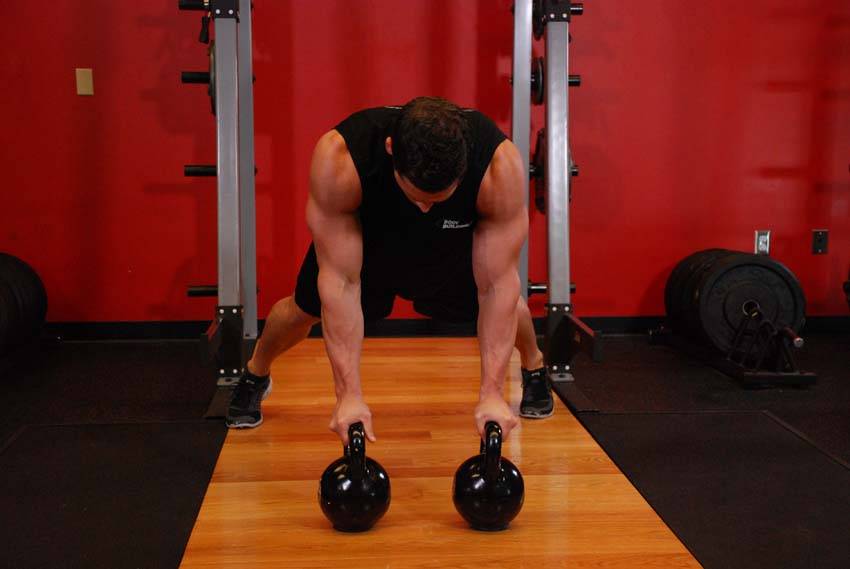
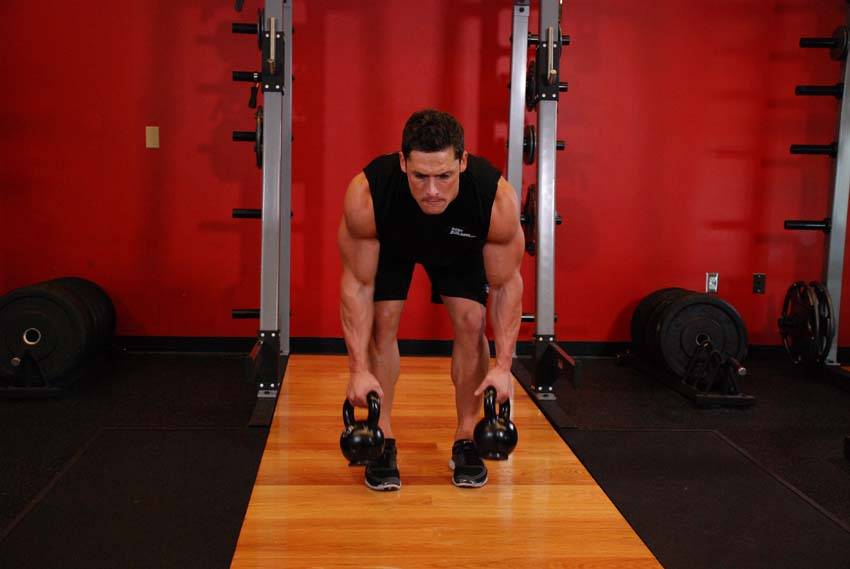
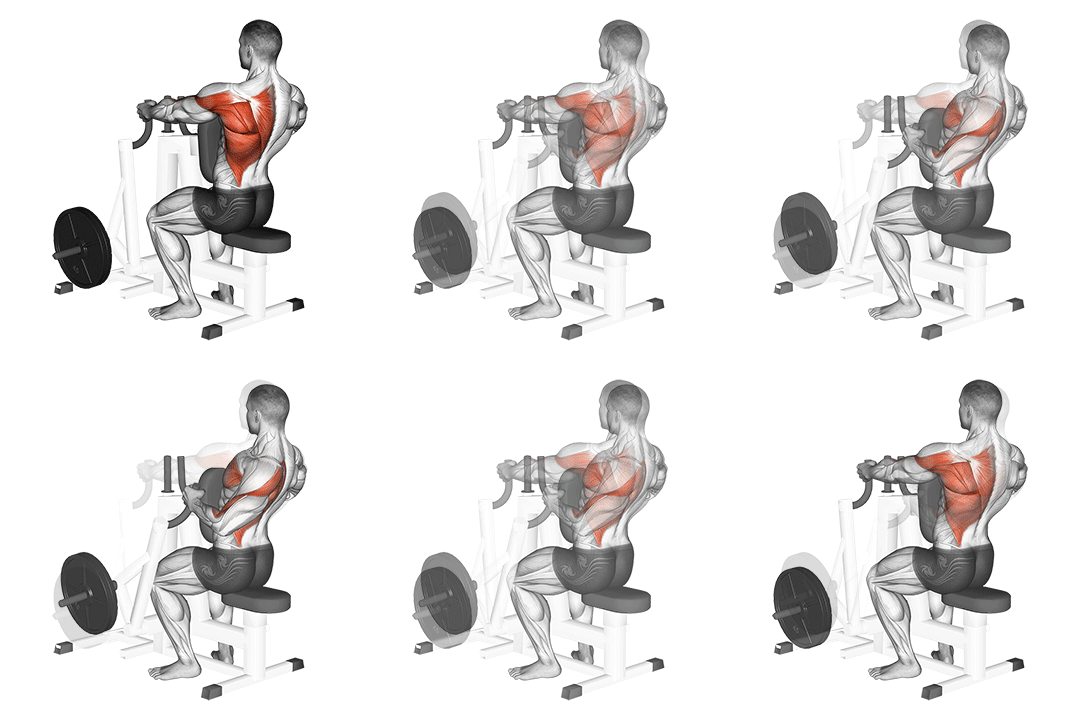
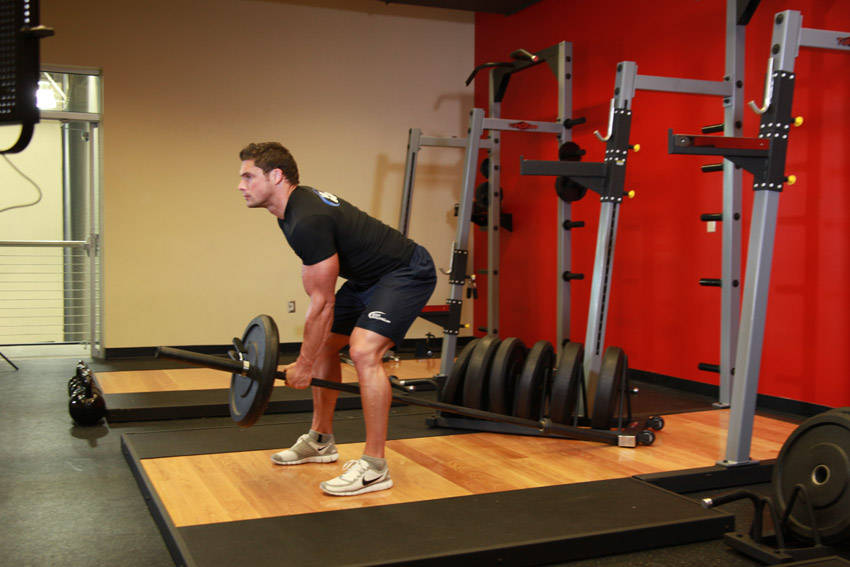
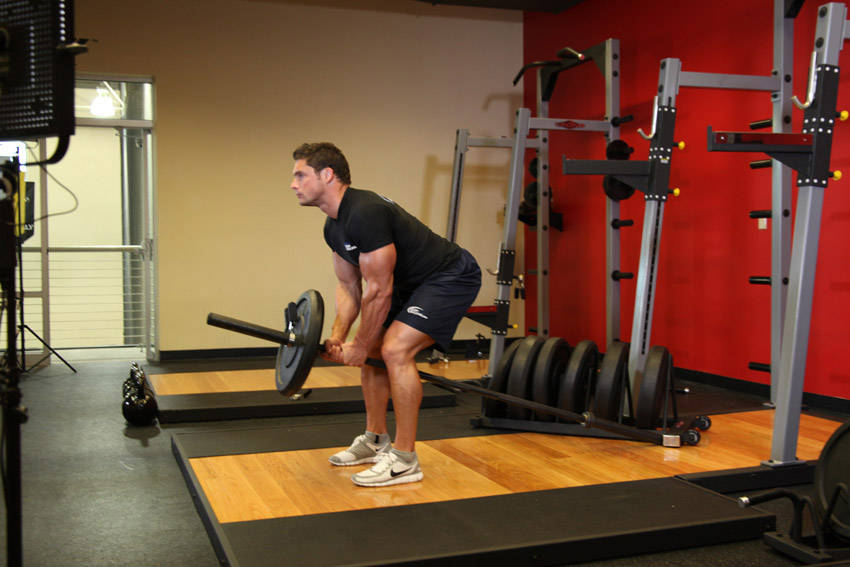
More comparisons with Bent Over Two-dumbbell Row With Palms In
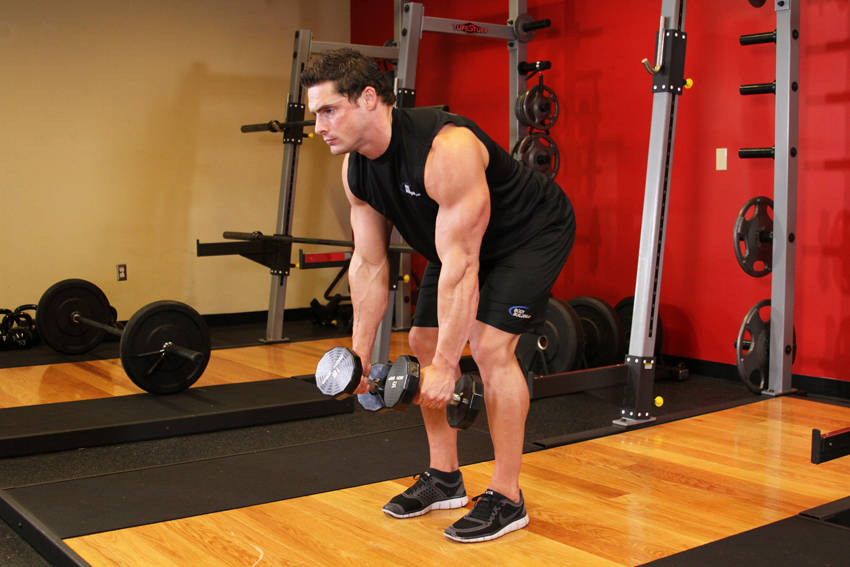
Compare More Exercises
Use our free comparison tool to analyze any two exercises head-to-head.
Compare Exercises