

Alternating Kettlebell Row vs Lever Alternating Narrow Grip Seated Row: Complete Comparison Guide
Alternating Kettlebell Row vs Lever Alternating Narrow Grip Seated Row puts two solid middle-back pulls head-to-head. You’ll get clear, practical guidance on which movement better targets the middle traps and rhomboids, what each requires equipment- and technique-wise, and how they differ in muscle activation, stability demand, and programming. I’ll cover biomechanics cues (spine angle, elbow path, scapular mechanics), specific rep ranges for muscle growth and strength, and when to pick one over the other to match your goals and training environment.
Exercise Comparison
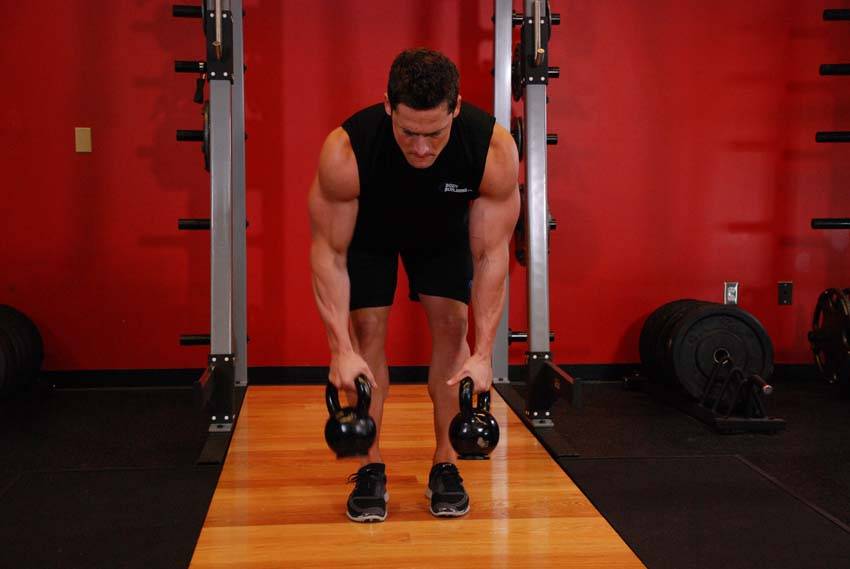
Alternating Kettlebell Row
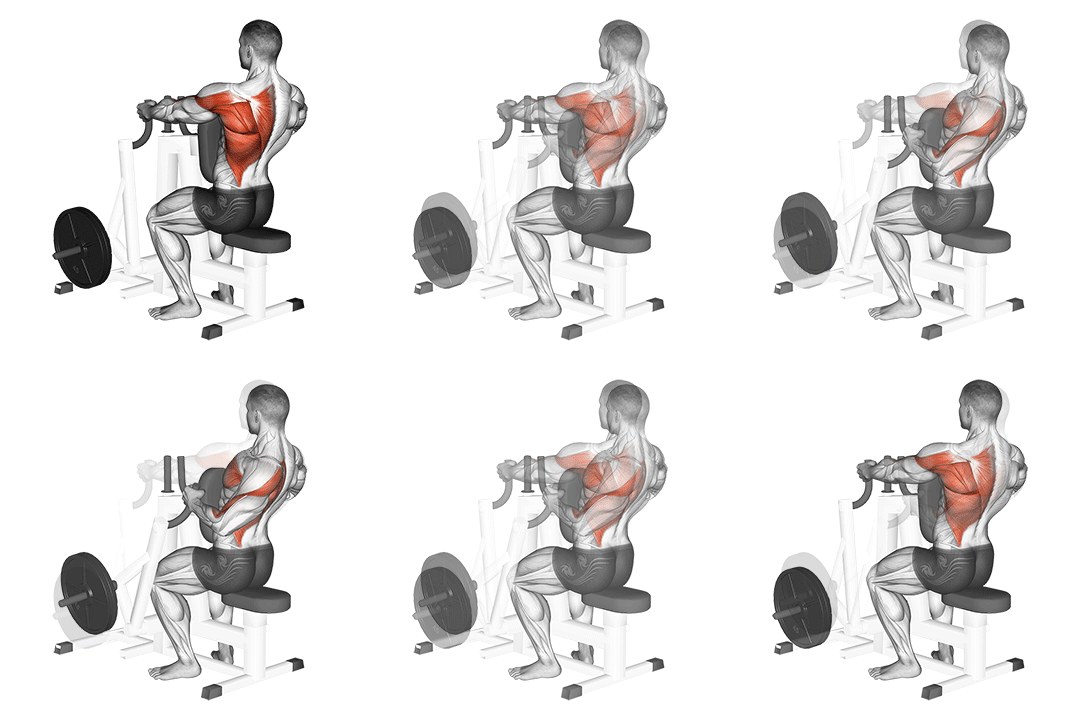
Lever Alternating Narrow Grip Seated Row
Head-to-Head Comparison
| Attribute | Alternating Kettlebell Row | Lever Alternating Narrow Grip Seated Row |
|---|---|---|
| Target Muscle |
Middle-back
|
Middle-back
|
| Body Part |
Back
|
Back
|
| Equipment |
Kettlebell
|
Lever
|
| Difficulty |
Intermediate
|
Intermediate
|
| Movement Type |
Compound
|
Compound
|
| Secondary Muscles |
2
|
2
|
Secondary Muscles Activated
Alternating Kettlebell Row
Lever Alternating Narrow Grip Seated Row
Visual Comparison
Overview
Alternating Kettlebell Row vs Lever Alternating Narrow Grip Seated Row puts two solid middle-back pulls head-to-head. You’ll get clear, practical guidance on which movement better targets the middle traps and rhomboids, what each requires equipment- and technique-wise, and how they differ in muscle activation, stability demand, and programming. I’ll cover biomechanics cues (spine angle, elbow path, scapular mechanics), specific rep ranges for muscle growth and strength, and when to pick one over the other to match your goals and training environment.
Key Differences
- Equipment differs: Alternating Kettlebell Row uses Kettlebell, while Lever Alternating Narrow Grip Seated Row requires Lever.
Pros & Cons
Alternating Kettlebell Row
+ Pros
- Unilateral training improves left-right balance and core anti-rotation strength
- Portable: needs only a kettlebell and a bench or support
- Longer pull path increases scapular motion and varied length-tension for middle traps
- Versatile: easy to change tempo, pauses, and range of motion for hypertrophy
− Cons
- Greater demand on core and lower back increases technical requirements
- Harder to add small weight increments for precise progressive overload
- Requires solid bracing and posture control to avoid torso rotation and shoulder stress
Lever Alternating Narrow Grip Seated Row
+ Pros
- Fixed path provides consistent mechanics and safer heavy loading
- Narrow grip targets middle-back and forearms efficiently with measurable loading
- Easy to track progressive overload with plates or machine settings
- Lower spine involvement; chest pad reduces torso compensation
− Cons
- Requires gym machine access and specific equipment
- Less core and anti-rotation carryover compared to unilateral rows
- Fixed plane can limit natural scapular movement and make transfer to free-weight tasks smaller
When Each Exercise Wins
The lever row allows controlled loading, precise rep ranges (6–12) and micro-loading for progressive overload. Its consistent force vector keeps middle traps under tension at similar joint angles, making it easier to apply volume with minimal compensations.
Machine stability lets you safely handle heavier loads in 3–6 rep ranges and overload the posterior chain without taxing stabilizers, producing greater mechanical tension for strength increases.
Beginners benefit from the fixed path and chest support to learn horizontal pulling and scapular retraction before adding anti-rotation complexity. It minimizes technique variables and lowers injury risk.
Kettlebells are compact and versatile; unilateral rows give strong middle-back stimulus plus core work with minimal gear. You can train hypertrophy or endurance using 8–20 rep ranges and tempo variations at home.
Frequently Asked Questions
Can I do both Alternating Kettlebell Row and Lever Alternating Narrow Grip Seated Row in the same workout?
Yes. Start with the lever seated row for heavy compound sets (3–6 or 6–12 reps) to prioritize mechanical tension, then use alternating kettlebell rows as accessory work for 8–15 reps to address unilateral imbalances and core stability.
Which exercise is better for beginners?
The lever narrow-grip seated row is better for beginners because the fixed path and chest support simplify technique and reduce compensatory rotation, allowing safer skill acquisition and progressive loading.
How do the muscle activation patterns differ?
Kettlebell rows produce variable activation with higher core and oblique recruitment due to anti-rotation and a longer pull arc, while lever rows give more uniform peak middle-trap and rhomboid activation near 80–100° of elbow flexion because the machine enforces the horizontal pull vector.
Can Lever Alternating Narrow Grip Seated Row replace Alternating Kettlebell Row?
It can replace the kettlebell row for pure middle-back development and heavy loading, but it won’t match the unilateral core and anti-rotation benefits. If your goal includes core stability and functional unilateral strength, keep kettlebell rows in your program as accessory work.
Expert Verdict
Use the Lever Alternating Narrow Grip Seated Row when your priority is consistent mechanical tension, safer heavy loading, and efficient progression—ideal for focused middle-back hypertrophy and maximal strength work. Choose the Alternating Kettlebell Row when you want unilateral balance, core anti-rotation challenge, and portability; it’s better for functional strength and transfers to single-arm pulling. Program both: leverage the machine for heavy, high-quality sets (3–6 or 6–12 reps) and use kettlebell rows for accessory work, unilateral corrections, or home sessions to build stability and muscle endurance.
Also Compare
More comparisons with Alternating Kettlebell Row
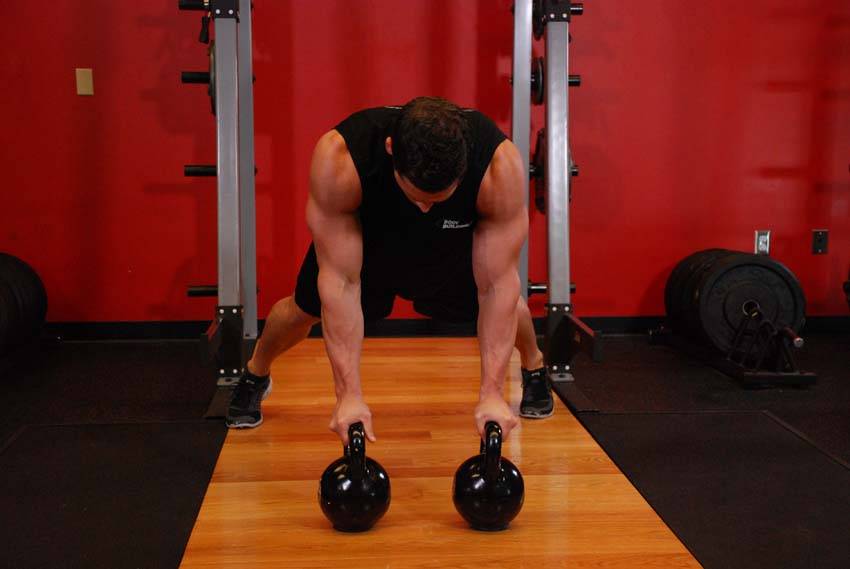
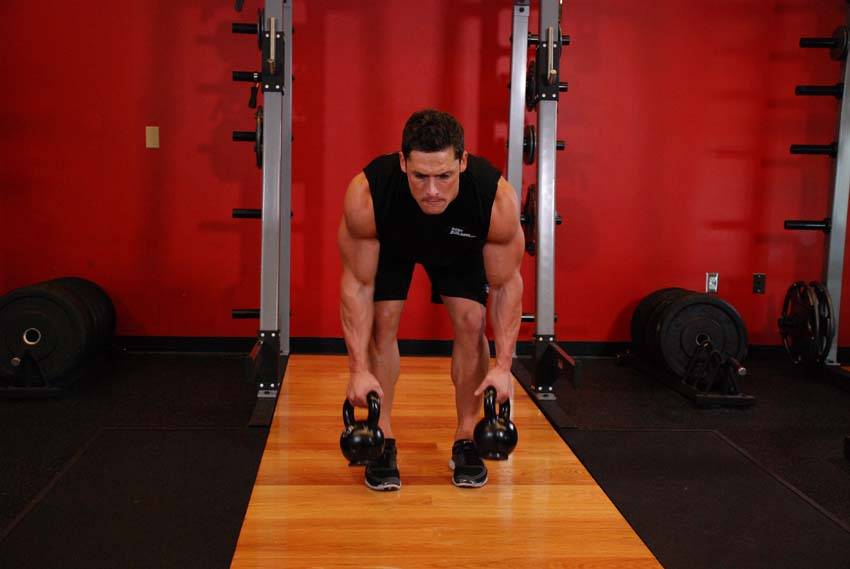
More comparisons with Lever Alternating Narrow Grip Seated Row
Compare More Exercises
Use our free comparison tool to analyze any two exercises head-to-head.
Compare Exercises