

Alternating Kettlebell Row vs Two-Arm Kettlebell Row: Complete Comparison Guide
Alternating Kettlebell Row vs Two-Arm Kettlebell Row — you’re comparing two solid compound back moves that both target the middle-back, lats, and biceps. If you want clear guidance on which to use for muscle growth, raw strength, or a home setup, this guide has your back. You’ll get technique cues, biomechanical differences, rep ranges (6–12 for hypertrophy, 4–6 for strength), injury-risk notes, and when to pick one over the other based on load, stability demands, and equipment.
Exercise Comparison
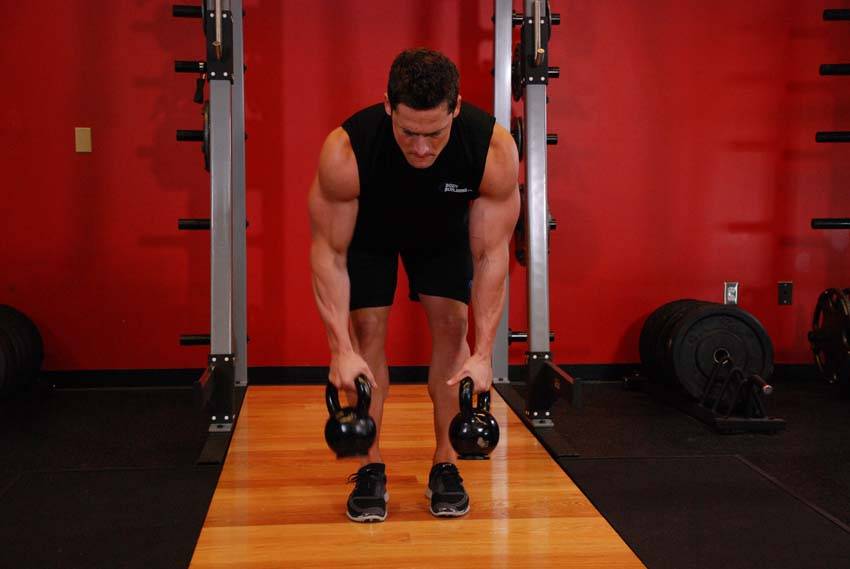
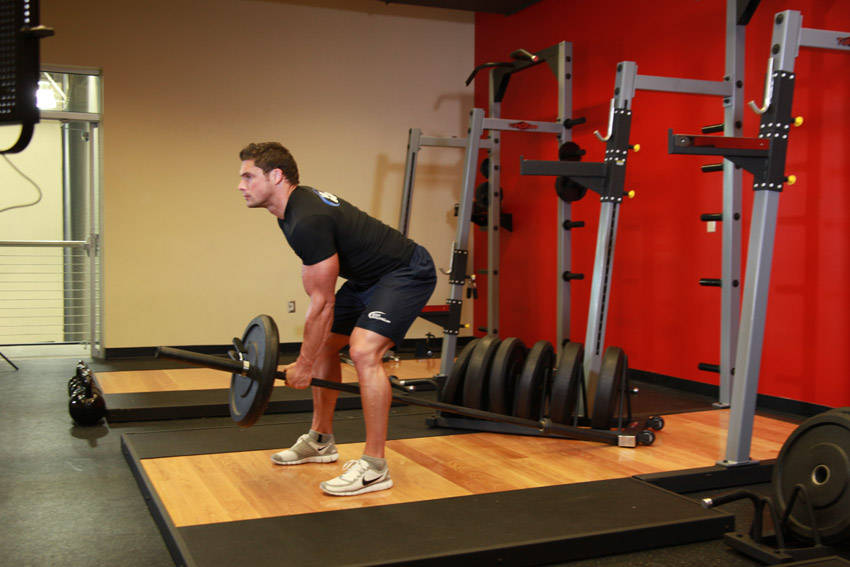
Alternating Kettlebell Row
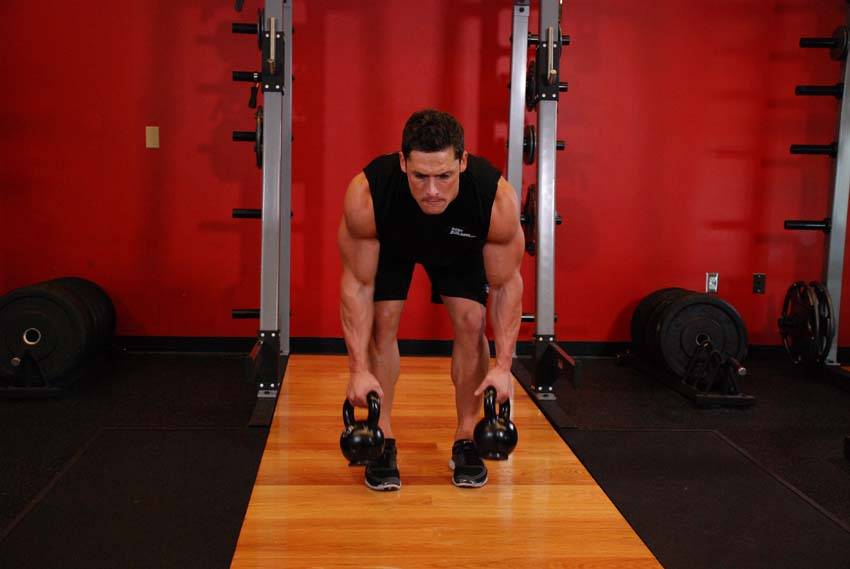
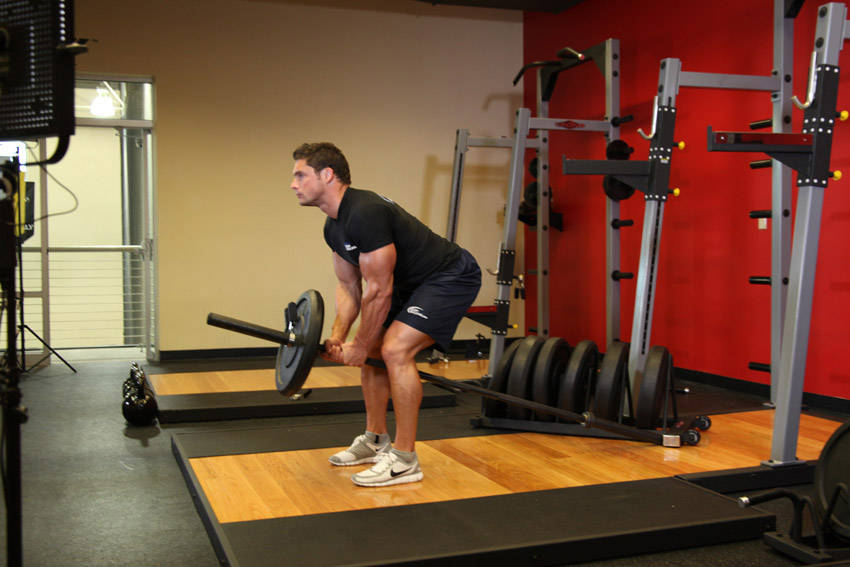
Two-arm Kettlebell Row
Head-to-Head Comparison
| Attribute | Alternating Kettlebell Row | Two-arm Kettlebell Row |
|---|---|---|
| Target Muscle |
Middle-back
|
Middle-back
|
| Body Part |
Back
|
Back
|
| Equipment |
Kettlebell
|
Kettlebell
|
| Difficulty |
Intermediate
|
Intermediate
|
| Movement Type |
Compound
|
Compound
|
| Secondary Muscles |
2
|
2
|
Secondary Muscles Activated
Alternating Kettlebell Row
Two-arm Kettlebell Row
Visual Comparison
Overview
Alternating Kettlebell Row vs Two-Arm Kettlebell Row — you’re comparing two solid compound back moves that both target the middle-back, lats, and biceps. If you want clear guidance on which to use for muscle growth, raw strength, or a home setup, this guide has your back. You’ll get technique cues, biomechanical differences, rep ranges (6–12 for hypertrophy, 4–6 for strength), injury-risk notes, and when to pick one over the other based on load, stability demands, and equipment.
Key Differences
- Both exercises target the Middle-back using Kettlebell. The main differences are in their movement patterns and muscle activation angles.
Pros & Cons
Alternating Kettlebell Row
+ Pros
- Requires only one kettlebell — highly accessible for home training
- Stronger anti-rotation/core activation improves transverse-plane stability
- Easier to correct side-to-side imbalances since each arm works independently
- Flexible tempo and rep schemes for hypertrophy (8–12 reps) or endurance (12–20 reps)
− Cons
- Lower absolute load per side compared to a heavy two-arm row
- Longer total workout time if you train equal volume per side
- Can expose and stress weak obliques or lumbar stabilizers under poor bracing
Two-arm Kettlebell Row
+ Pros
- Allows heavier total load — better for absolute strength and overload
- Synchronous peak activation maximizes middle-back time-under-tension
- More stable pattern for strict progressive loading and strength sets (4–6 reps)
- Easier to maintain consistent scapular retraction with both hands pulling simultaneously
− Cons
- Requires heavier kettlebell(s) or more equipment to reach high loads
- Higher compressive and shear forces on the lumbar spine under heavy loads
- Less core anti-rotation challenge; may miss unilateral stability benefits
When Each Exercise Wins
Two-arm rows let you use heavier loads and longer bilateral time-under-tension, which stimulates more consistent mechanical tension across the middle-back. Aim for 6–12 reps with 2–3 second eccentrics and full scapular retraction for best hypertrophy stimulus.
Because you can load both sides simultaneously, the two-arm row supports heavier absolute loads and lower rep strength work (4–6 reps). The symmetric force vector reduces rotational losses, letting you express more raw pulling force.
Alternating rows let beginners practice the hip hinge, scapular retraction, and elbow path one side at a time with lighter kettlebells. This reduces technical complexity and helps you fix side-to-side deficits before increasing load.
It requires only one kettlebell and minimal space, and you can scale reps or tempo to match your available weight. The unilateral pattern also lets you train effectively even with limited equipment.
Frequently Asked Questions
Can I do both Alternating Kettlebell Row and Two-Arm Kettlebell Row in the same workout?
Yes. Pair them by using two-arm rows early for heavy sets (4–6 reps) and alternating rows later as a volume or stability finisher (8–15 reps). That sequence uses heavy bilateral loading first when your hinge and core are fresh, then targets unilateral control with reduced fatigue risk.
Which exercise is better for beginners?
Alternating Kettlebell Row is better for most beginners because it simplifies load control and teaches hip hinge and scapular retraction one side at a time. Start with 8–12 reps per side using a weight that lets you keep a neutral spine and tight brace.
How do the muscle activation patterns differ?
Alternating rows create staggered unilateral peaks and higher transverse-plane anti-rotation demands, increasing oblique and ipsilateral lat recruitment during each rep. Two-arm rows synchronize peaks across both sides, increasing bilateral middle-back activation and steady time-under-tension, which favors mechanical tension-driven adaptations.
Can Two-Arm Kettlebell Row replace Alternating Kettlebell Row?
Two-arm rows can replace alternating rows if your goal is pure bilateral strength or hypertrophy and you have adequate load and core control. If you need to address asymmetries or improve anti-rotation stability, keep alternating rows in your program.
Expert Verdict
Use the Alternating Kettlebell Row when you need equipment efficiency, want to correct imbalances, or aim to improve anti-rotation core stability — choose rep ranges of 8–15 with controlled eccentrics and a solid brace. Choose the Two-Arm Kettlebell Row when your priority is middle-back strength or maximizing mechanical tension; use heavier loads, 4–8 reps for strength or 6–12 for hypertrophy, and emphasize full scapular retraction. Both moves share primary muscle targets, so rotate them across training cycles: use alternating rows for technique and stability blocks, then shift to two-arm rows when you’re chasing raw load and progressive overload.
Also Compare
More comparisons with Alternating Kettlebell Row
More comparisons with Two-arm Kettlebell Row
Compare More Exercises
Use our free comparison tool to analyze any two exercises head-to-head.
Compare Exercises