

Alternating Renegade Row vs Bent Over One-Arm Long Bar Row: Complete Comparison Guide
Alternating Renegade Row vs Bent Over One-Arm Long Bar Row — two compound back pulls that target the middle-back but demand very different movement qualities. Read on and I'll walk you through muscle activation, equipment needs, technical cues, risk factors, and programming recommendations so you can pick the right move for strength, hypertrophy, or athletic carryover. By the end you'll know which exercise to program for 4–8 heavy reps, 8–12 hypertrophy ranges, or when core anti-rotation and unilateral stability matter most.
Exercise Comparison
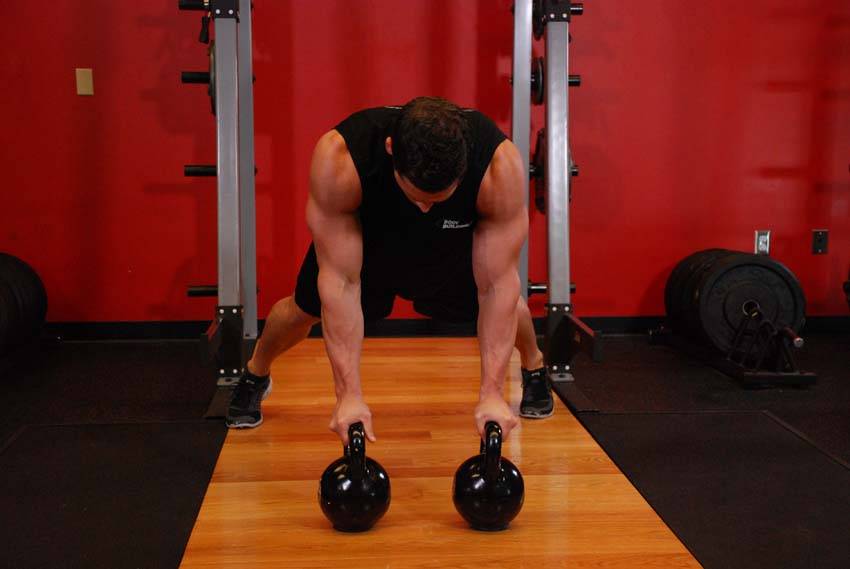
Alternating Renegade Row
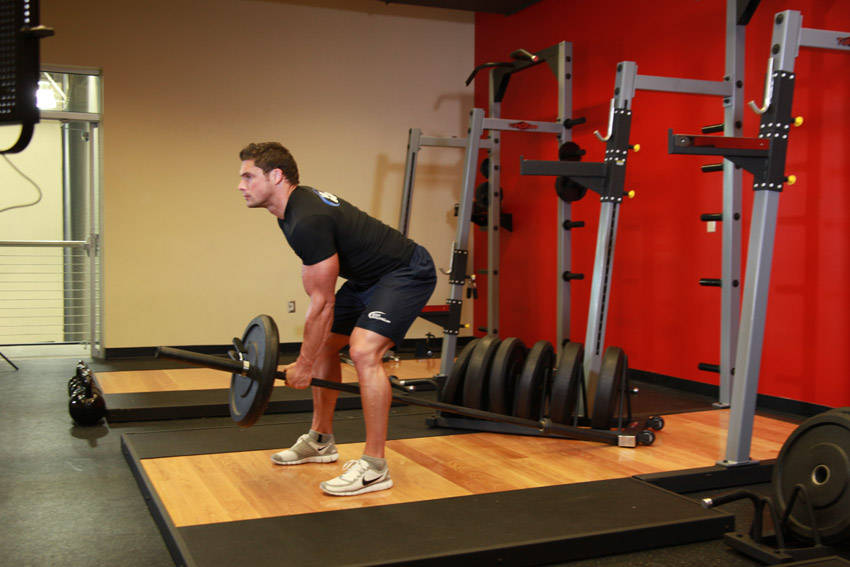
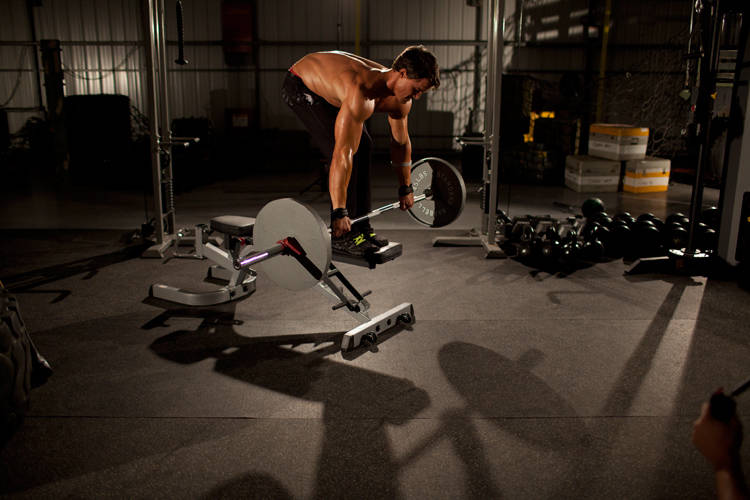
Bent Over One-arm Long Bar Row
Head-to-Head Comparison
| Attribute | Alternating Renegade Row | Bent Over One-arm Long Bar Row |
|---|---|---|
| Target Muscle |
Middle-back
|
Middle-back
|
| Body Part |
Back
|
Back
|
| Equipment |
Kettlebell
|
Barbell
|
| Difficulty |
Advanced
|
Intermediate
|
| Movement Type |
Compound
|
Compound
|
| Secondary Muscles |
5
|
4
|
Secondary Muscles Activated
Alternating Renegade Row
Bent Over One-arm Long Bar Row
Visual Comparison
Overview
Alternating Renegade Row vs Bent Over One-Arm Long Bar Row — two compound back pulls that target the middle-back but demand very different movement qualities. Read on and I'll walk you through muscle activation, equipment needs, technical cues, risk factors, and programming recommendations so you can pick the right move for strength, hypertrophy, or athletic carryover. By the end you'll know which exercise to program for 4–8 heavy reps, 8–12 hypertrophy ranges, or when core anti-rotation and unilateral stability matter most.
Key Differences
- Equipment differs: Alternating Renegade Row uses Kettlebell, while Bent Over One-arm Long Bar Row requires Barbell.
- Difficulty levels differ: Alternating Renegade Row is advanced, while Bent Over One-arm Long Bar Row is intermediate.
Pros & Cons
Alternating Renegade Row
+ Pros
- High anti-rotation core demand improves trunk stability and transfer to athletic movements
- Unilateral pulling reduces side-to-side asymmetries while training scapular control
- Requires minimal equipment — one kettlebell or dumbbell suffices
- Integrates chest and triceps for shoulder stabilization, boosting full-body coordination
− Cons
- Limited absolute loading reduces long-term hypertrophy potential for middle-back
- Advanced coordination and shoulder stability required, increasing technical difficulty
- Wrist and shoulder stress from plank position can aggravate some injuries
Bent Over One-arm Long Bar Row
+ Pros
- Allows heavier loading for greater mechanical tension on middle-back fibers
- Longer concentric-eccentric range enhances length-tension stimulus for hypertrophy
- Easier to progressively overload with small weight increments
- Stronger carryover to classic pulling strength and posterior chain development
− Cons
- Requires barbell access and space to load progressively
- Higher lumbar compressive demand if hinge and bracing are poor
- Less core anti-rotation training compared with renegade row
When Each Exercise Wins
The long bar row supports heavier loads and a longer eccentric phase, increasing mechanical tension and time under tension. Use 8–12 rep sets with 1–2 second concentric and 2–3 second eccentric tempos to maximize middle-back fiber recruitment.
You can load the long bar incrementally and train in 4–6 rep ranges at 80–90% of your working 1RM equivalent, which produces greater neural adaptations and absolute strength in the posterior chain than the lighter renegade row.
The bent-over row teaches the hip hinge and stable pulling mechanics with manageable coordination demands. Start with lighter loads and 8–12 reps to learn scapular retraction and maintain a neutral spine before advancing to complex anti-rotation moves.
If you have a kettlebell or dumbbell, renegade rows deliver a full-body stimulus, core integration, and unilateral work without a barbell. Use them for conditioning, core endurance, and unilateral stability when heavy barbells aren’t available.
Frequently Asked Questions
Can I do both Alternating Renegade Row and Bent Over One-Arm Long Bar Row in the same workout?
Yes. Use the bent-over row early as a primary heavy pull (e.g., 4–6 sets of 4–8 reps) and finish with renegade rows for core integration and unilateral stability (2–3 sets of 8–12 reps). Sequence heavy multi-joint strength work before complex stability drills to avoid fatigue-related form breakdown.
Which exercise is better for beginners?
Bent Over One-Arm Long Bar Row is better for most beginners because it teaches the hip hinge and controlled scapular retraction with simpler coordination demands. Start with light loads and practice torso angles of about 30–45° to build a neutral spine before adding unilateral anti-rotation drills.
How do the muscle activation patterns differ?
Renegade rows combine alternating concentric pulls with high isometric abdominal and oblique activation for anti-rotation, producing shorter-range shoulder extension. Bent-over long bar rows provide a longer concentric-eccentric cycle with higher absolute load on the lats, traps, and middle-back due to the fixed hinge and force vector closer to horizontal.
Can Bent Over One-Arm Long Bar Row replace Alternating Renegade Row?
It can replace renegade rows when your goal is middle-back size or strength because it offers greater loading. If you need core anti-rotation training or shoulder stability in a plank position, keep renegade rows in the program as a complementary exercise.
Expert Verdict
Choose the Bent Over One-Arm Long Bar Row when your priority is middle-back hypertrophy or raw pulling strength. Its hinge position and ability to hold heavier loads produce greater mechanical tension and a fuller eccentric stress on the scapular retractors. Choose the Alternating Renegade Row when you want to build anti-rotation core strength, shoulder stabilization, and unilateral control with minimal equipment. Program the bent-over row for 4–8 heavy reps or 8–12 hypertrophy sets; program renegade rows for 8–15 reps with controlled tempo and added isometric holds to overload the trunk and stabilizers.
Also Compare
More comparisons with Alternating Renegade Row
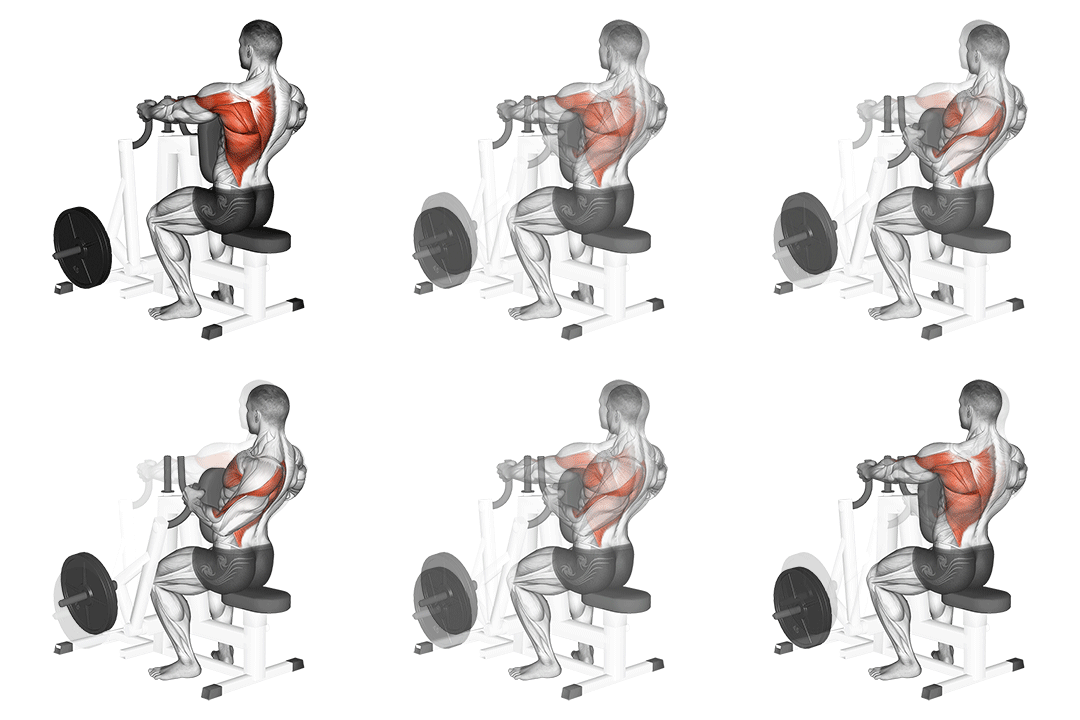
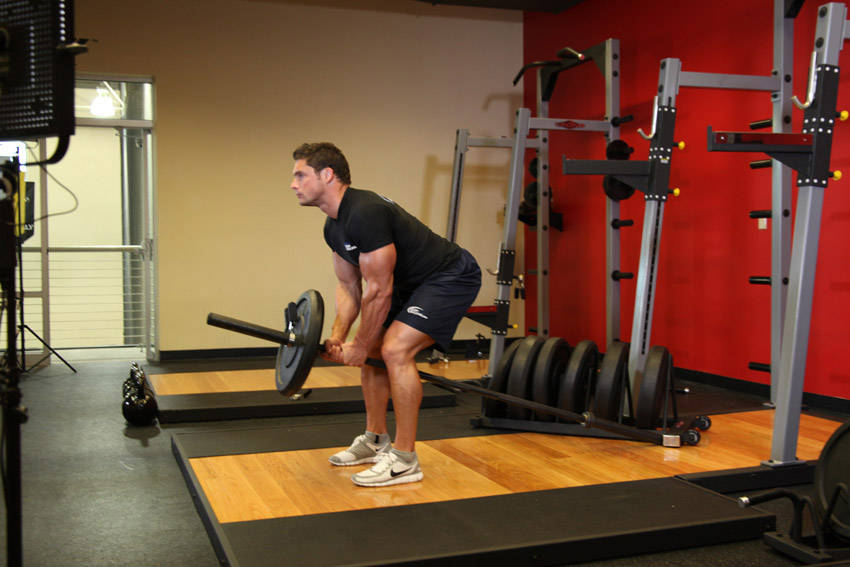
More comparisons with Bent Over One-arm Long Bar Row
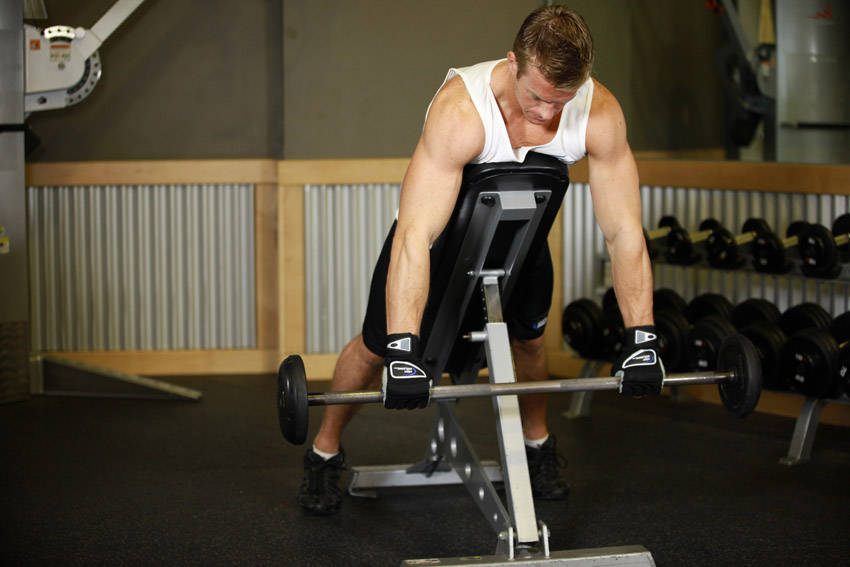
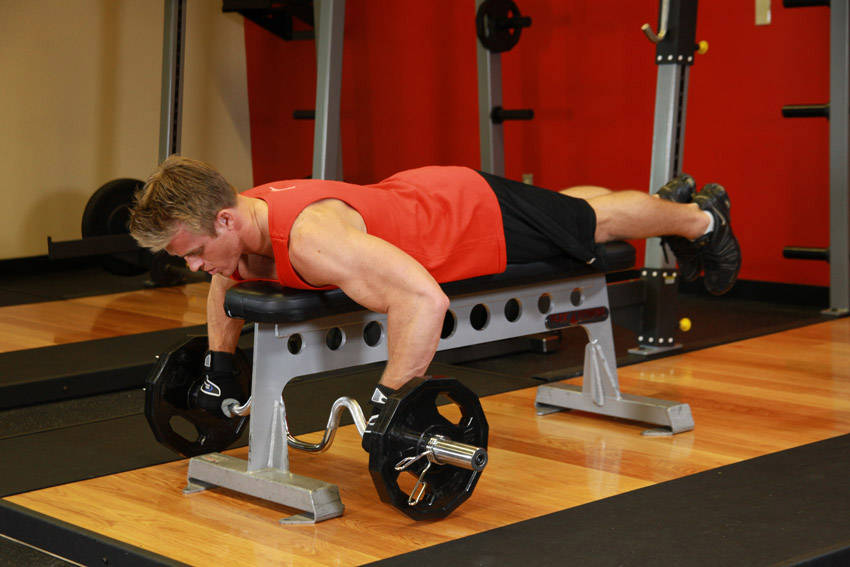

Compare More Exercises
Use our free comparison tool to analyze any two exercises head-to-head.
Compare Exercises