

Alternating Renegade Row vs Bent Over Two-Arm Long Bar Row: Complete Comparison Guide
Alternating Renegade Row vs Bent Over Two-Arm Long Bar Row — if you want a stronger, thicker middle back you need to pick movements that fit your goals and setup. I’ll walk you through how each exercise loads the middle-back, which secondary muscles light up, exact technique cues, and programming recommendations (rep ranges, set schemes, and progression). You’ll learn which is better for muscle growth, strength, and home training so you can choose the right row for your training phase and equipment.
Exercise Comparison
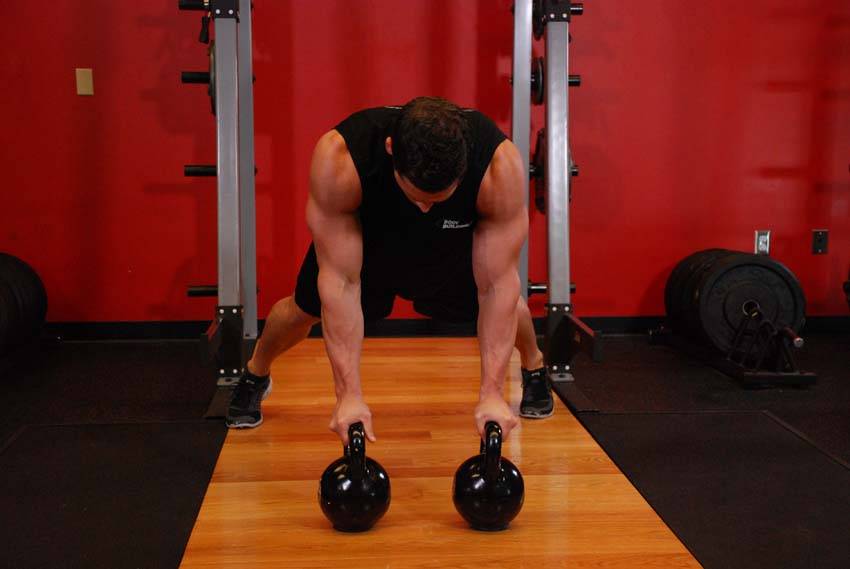
Alternating Renegade Row
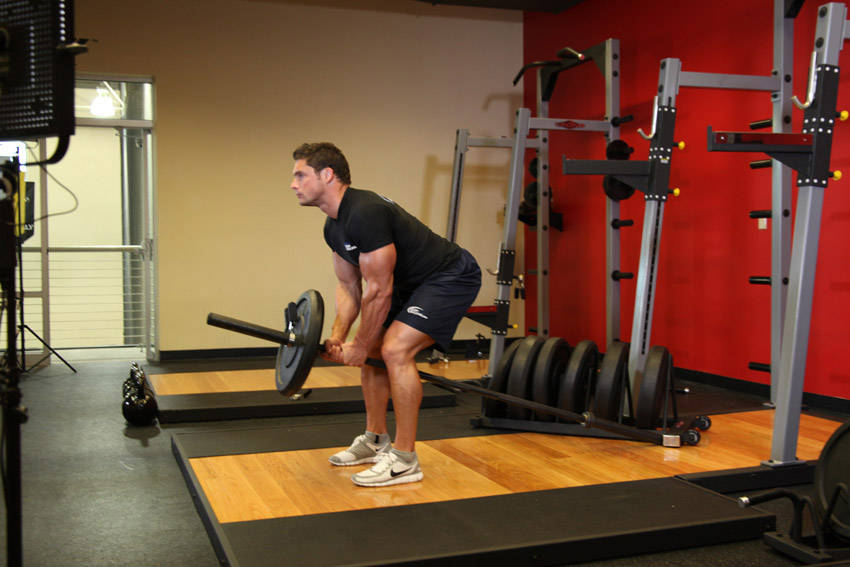
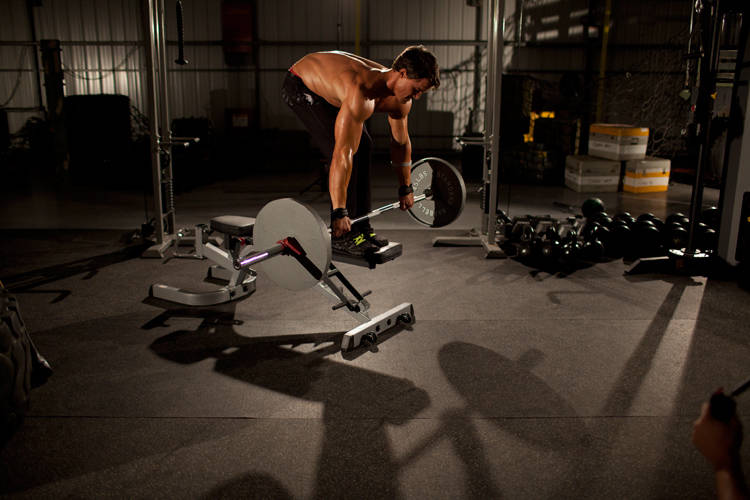
Bent Over Two-arm Long Bar Row
Head-to-Head Comparison
| Attribute | Alternating Renegade Row | Bent Over Two-arm Long Bar Row |
|---|---|---|
| Target Muscle |
Middle-back
|
Middle-back
|
| Body Part |
Back
|
Back
|
| Equipment |
Kettlebell
|
Barbell
|
| Difficulty |
Advanced
|
Intermediate
|
| Movement Type |
Compound
|
Compound
|
| Secondary Muscles |
5
|
2
|
Secondary Muscles Activated
Alternating Renegade Row
Bent Over Two-arm Long Bar Row
Visual Comparison
Overview
Alternating Renegade Row vs Bent Over Two-Arm Long Bar Row — if you want a stronger, thicker middle back you need to pick movements that fit your goals and setup. I’ll walk you through how each exercise loads the middle-back, which secondary muscles light up, exact technique cues, and programming recommendations (rep ranges, set schemes, and progression). You’ll learn which is better for muscle growth, strength, and home training so you can choose the right row for your training phase and equipment.
Key Differences
- Equipment differs: Alternating Renegade Row uses Kettlebell, while Bent Over Two-arm Long Bar Row requires Barbell.
- Difficulty levels differ: Alternating Renegade Row is advanced, while Bent Over Two-arm Long Bar Row is intermediate.
Pros & Cons
Alternating Renegade Row
+ Pros
- High core and anti-rotation demand builds core-to-back integration
- Minimal equipment—works well for home setups with kettlebells
- Unilateral loading helps fix left-right strength imbalances
- Trains scapular stability under load, improving posture and control
− Cons
- Limited absolute loading compared to barbell rows
- Requires advanced core strength and shoulder stability
- Harder to maintain perfect technique across high rep sets
Bent Over Two-arm Long Bar Row
+ Pros
- Allows heavy loading for progressive overload and hypertrophy
- Cleaner horizontal pull vector for direct middle-back stimulus
- Easier to program linear strength cycles (3–6 rep ranges)
- Simple bilateral technique that scales with load increments
− Cons
- Requires barbell and gym access for best progression
- Can strain lower back if hip hinge/spine alignment breaks
- Less core anti-rotation stimulus compared to unilateral rows
When Each Exercise Wins
The barbell row lets you overload the middle-back with heavier absolute loads and longer time under tension (6–12 reps, 3–5 sets). The horizontal pull vector and greater ROM create higher mechanical tension—key for muscle growth.
Strength requires high absolute loading and low-rep specificity (3–6 reps). The long bar row scales load precisely and trains the hip hinge and posterior chain under heavy resistance, improving one-rep max transfer.
The barbell row uses a consistent bilateral pattern that’s easier to coach and progressively load. Beginners can learn hip-hinge mechanics and increase load gradually before attempting complex core-demanding unilateral rows.
Renegade Rows need only a kettlebell and small space while delivering middle-back training plus significant core engagement. They’re ideal when you lack a barbell or want to combine core and back work in one movement.
Frequently Asked Questions
Can I do both Alternating Renegade Row and Bent Over Two-Arm Long Bar Row in the same workout?
Yes — pair them smartly: use Bent Over Long Bar Rows as the main heavy lift (3–5 sets, 3–6 or 6–10 reps), then add 2–3 sets of Alternating Renegade Rows as an accessory (6–12 reps per side) to load the core and work unilateral control without compromising the heavy sets.
Which exercise is better for beginners?
The Bent Over Two-Arm Long Bar Row is generally better for beginners because it teaches the hip hinge and allows predictable load progression. Start light, prioritize a neutral spine and 10°–20° knee bend, then progress load before attempting advanced renegade variations.
How do the muscle activation patterns differ?
Renegade Rows create intermittent phasic middle-back activation while demanding strong isometric anti-rotation from the abdominals and obliques. Bent Over Rows produce a continuous concentric-eccentric middle-back stimulus with greater biceps and lat involvement due to a larger elbow flexion moment and horizontal force vector.
Can Bent Over Two-Arm Long Bar Row replace Alternating Renegade Row?
If your goal is pure size or strength, the barbell row can replace renegade rows because it overloads the middle-back more effectively. If you need core anti-rotation, unilateral control, or have limited equipment, keep renegade rows in the program as a complementary movement.
Expert Verdict
Choose the Bent Over Two-Arm Long Bar Row when your priority is pure middle-back hypertrophy or maximal strength — it lets you apply heavier loads, control tempo, and program clear progressive overload (3–6 reps for strength, 6–12 for hypertrophy). Use the Alternating Renegade Row when you need core integration, unilateral balance, or limited equipment; it’s excellent for conditioning the core and improving scapular stability. If you train for transfer to heavy pulling and maximal force production, prioritize barbell rows. If you want single-session efficiency and anti-rotation capacity at home, include renegade rows.
Also Compare
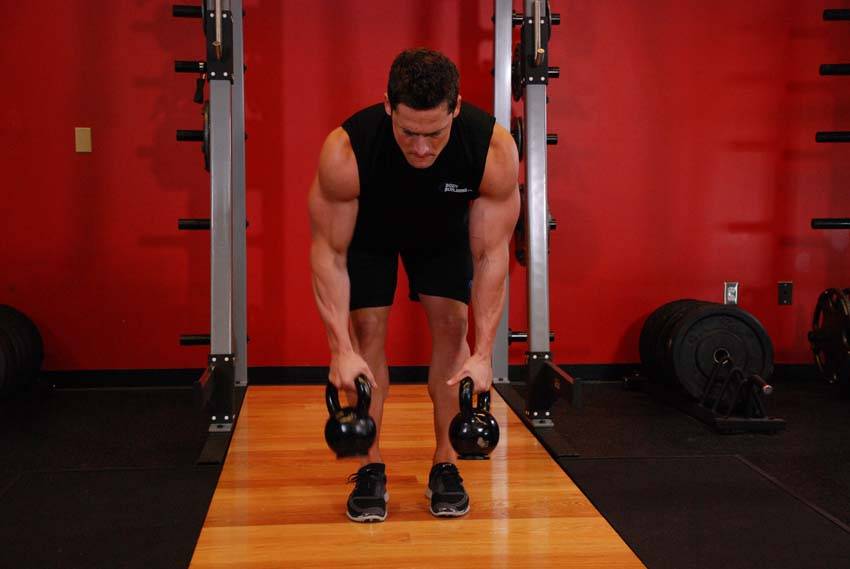
More comparisons with Alternating Renegade Row
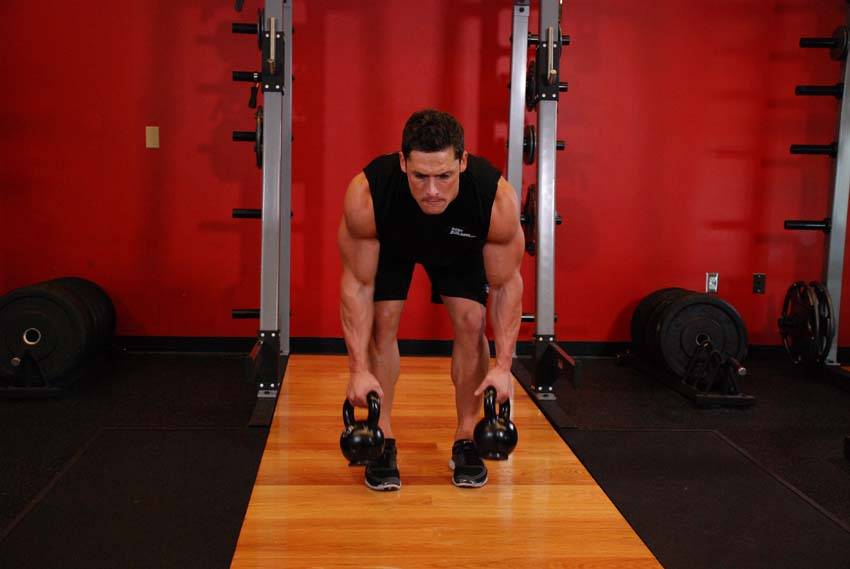
More comparisons with Bent Over Two-arm Long Bar Row

Compare More Exercises
Use our free comparison tool to analyze any two exercises head-to-head.
Compare Exercises