

Alternating Renegade Row vs Bent Over Two-Dumbbell Row: Complete Comparison Guide
Alternating Renegade Row vs Bent Over Two-Dumbbell Row — you’re choosing between a high-skill, anti-rotation plank row and a classic bent-over pull. I’ll walk you through technique cues, biomechanics, muscle activation, equipment needs, learning curve, and when to program each exercise. Read this if you want clear recommendations based on muscle growth, strength, stability, and home training. You’ll get specific rep ranges, joint angles, and cues so you can pick the right row for your goals and reduce injury risk.
Exercise Comparison
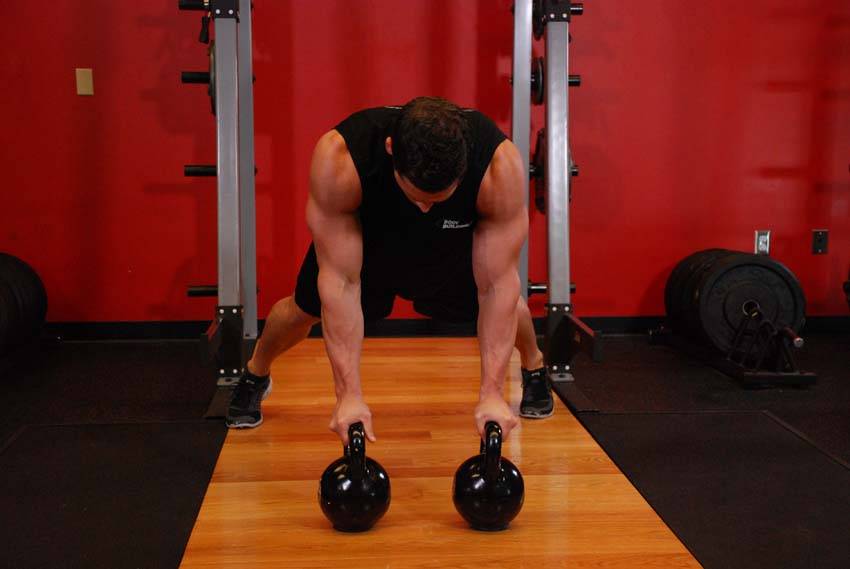
Alternating Renegade Row
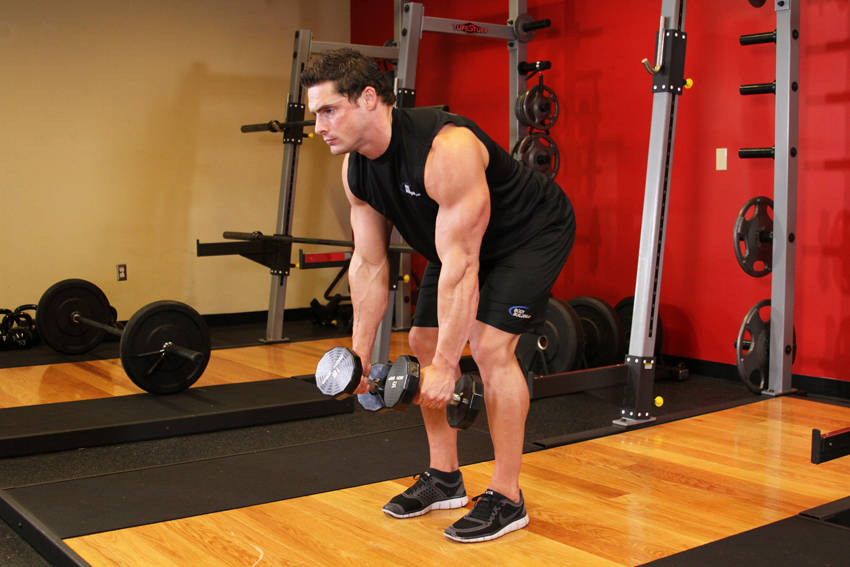
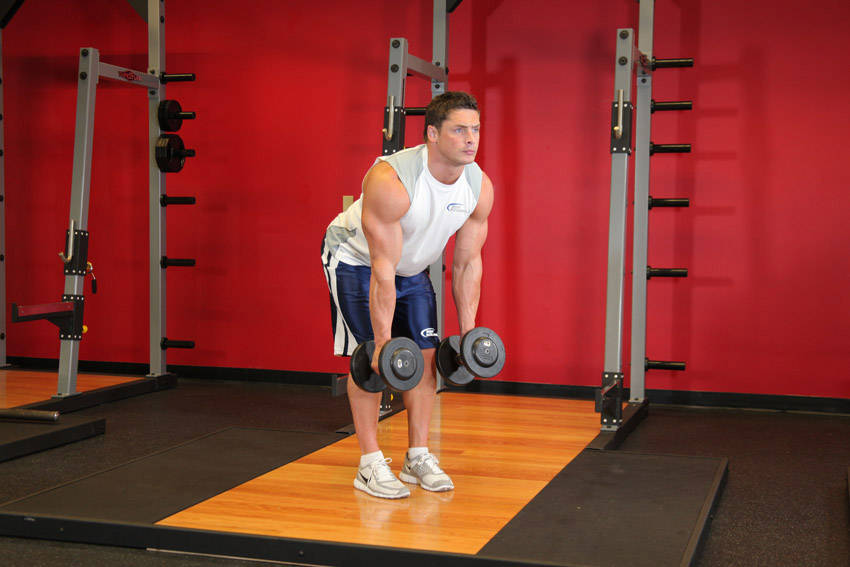
Bent Over Two-dumbbell Row
Head-to-Head Comparison
| Attribute | Alternating Renegade Row | Bent Over Two-dumbbell Row |
|---|---|---|
| Target Muscle |
Middle-back
|
Middle-back
|
| Body Part |
Back
|
Back
|
| Equipment |
Kettlebell
|
Dumbbell
|
| Difficulty |
Advanced
|
Intermediate
|
| Movement Type |
Compound
|
Compound
|
| Secondary Muscles |
5
|
3
|
Secondary Muscles Activated
Alternating Renegade Row
Bent Over Two-dumbbell Row
Visual Comparison
Overview
Alternating Renegade Row vs Bent Over Two-Dumbbell Row — you’re choosing between a high-skill, anti-rotation plank row and a classic bent-over pull. I’ll walk you through technique cues, biomechanics, muscle activation, equipment needs, learning curve, and when to program each exercise. Read this if you want clear recommendations based on muscle growth, strength, stability, and home training. You’ll get specific rep ranges, joint angles, and cues so you can pick the right row for your goals and reduce injury risk.
Key Differences
- Equipment differs: Alternating Renegade Row uses Kettlebell, while Bent Over Two-dumbbell Row requires Dumbbell.
- Difficulty levels differ: Alternating Renegade Row is advanced, while Bent Over Two-dumbbell Row is intermediate.
Pros & Cons
Alternating Renegade Row
+ Pros
- Builds anti-rotation core strength while training the mid-back
- Improves shoulder stability and scapular control under asymmetric load
- Carries a high stability demand that transfers to athletic movements
- Requires minimal equipment if you have one kettlebell
− Cons
- Advanced technique; high learning curve for core and shoulder stability
- Limited heavy loading potential for maximal back hypertrophy
- Greater risk of hip drop or lumbar torque if form breaks
Bent Over Two-dumbbell Row
+ Pros
- Allows heavier loads for muscle growth in the middle-back and lats
- Simple hip-hinge mechanics make it beginner-friendly
- Easy to progress with incremental dumbbell weight increases
- Targets biceps and posterior shoulder fibers effectively
− Cons
- Requires strict spine control to avoid lumbar flexion
- Less core anti-rotation carryover compared with renegade rows
- Can encourage momentum if cadence and technique aren’t enforced
When Each Exercise Wins
The bent-over two-dumbbell row allows heavier, more consistent loading and longer time under tension for the mid-back and lats. Its hip-hinge position maintains a stable force vector that maximizes concentric overload and mechanical tension, the primary driver of muscle growth.
Strength requires progressive overload and safe heavy loading; bent-over rows let you increase dumbbell mass in small increments while preserving spinal alignment. That makes it superior for measurable increases in pulling strength.
Its movement pattern (hip hinge + scapular retraction) is easier to teach and scale, and beginners can focus on load and tempo without high anti-rotation demands. It builds baseline posterior chain strength before introducing advanced core-integrated rows.
Dumbbells are more common and adjustable at home, and the bent-over row needs less technical core strength to perform safely. If your goal is time-efficient back work with progressive resistance at home, the dumbbell row wins.
Frequently Asked Questions
Can I do both Alternating Renegade Row and Bent Over Two-Dumbbell Row in the same workout?
Yes. Pair them intelligently: do bent-over rows early for heavy mechanical tension, then follow with renegade rows as an accessory to tax anti-rotation core and shoulder stability. Keep total volume reasonable (e.g., 3 heavy sets + 2 stability sets) to avoid fatigue-driven form breakdown.
Which exercise is better for beginners?
Bent-over two-dumbbell rows are better for most beginners because the hip hinge and scapular retraction are easier to coach and scale. Teach neutral spine and proper hinge first, then add renegade rows once core endurance and shoulder control are solid.
How do the muscle activation patterns differ?
Renegade rows produce intermittent peak back activation during each pull but sustain high isometric abdominal and serratus anterior activity between reps due to anti-rotation demands. Bent-over rows produce steadier, higher peak activation of the mid-back and lats across the concentric-eccentric cycle because the torso angle maintains a consistent pulling vector.
Can Bent Over Two-Dumbbell Row replace Alternating Renegade Row?
For pure back development and strength, yes—the bent-over row is a superior replacement. If your goal includes anti-rotation core strength and shoulder stabilizer training, keep the renegade row as a complementary exercise rather than a straight substitute.
Expert Verdict
Use the bent-over two-dumbbell row as your primary back-builder when your goal is muscle growth or raw strength. Its hip-hinge position and capacity for heavier loads create superior mechanical tension across the middle-back and lats. Reserve the alternating renegade row for programs that prioritize core anti-rotation, shoulder stability, and unilateral control — include it as an accessory for athletic carryover or to add stability work in superset with heavier rows. Program recommendations: bent-over rows 3–5 sets of 6–12 reps for strength/hypertrophy; renegade rows 3–4 sets of 6–10 reps per side to develop core integration and unilateral control.
Also Compare
More comparisons with Alternating Renegade Row
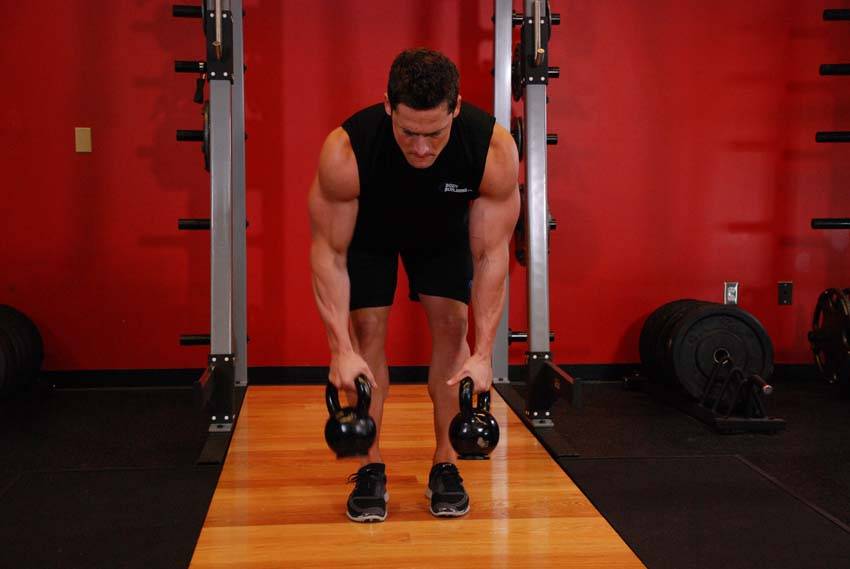
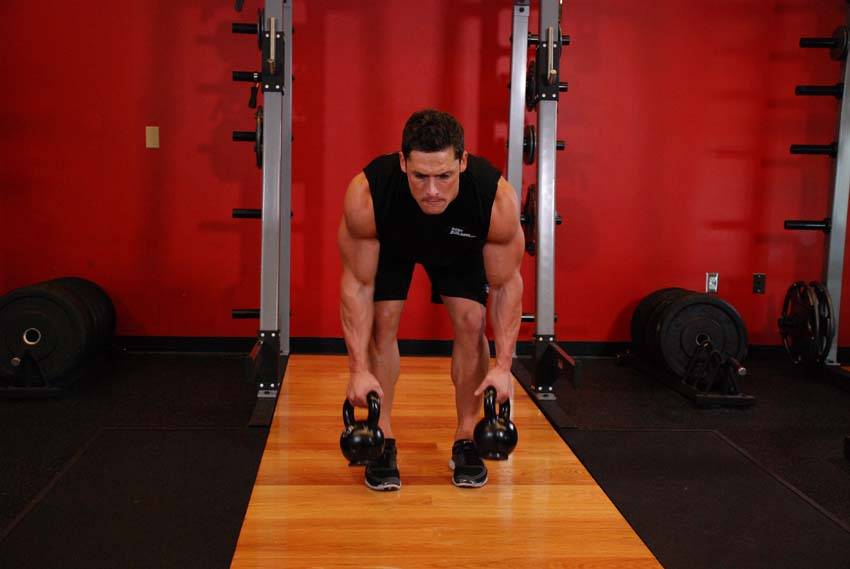
More comparisons with Bent Over Two-dumbbell Row
Compare More Exercises
Use our free comparison tool to analyze any two exercises head-to-head.
Compare Exercises