

Alternating Renegade Row vs Bent Over Two-Dumbbell Row With Palms In: Complete Comparison Guide
Alternating Renegade Row vs Bent Over Two-Dumbbell Row With Palms In — you want an honest comparison so you can pick the right back move. I’ll walk you through who each exercise helps most, how they load the middle-back and secondary muscles, and the exact technique cues to use. You’ll get clear recommendations for hypertrophy, strength, beginners, and home training, plus rep ranges (6–12 for growth, 4–6 for strength emphasis) and progression options so you can apply this in your next session.
Exercise Comparison
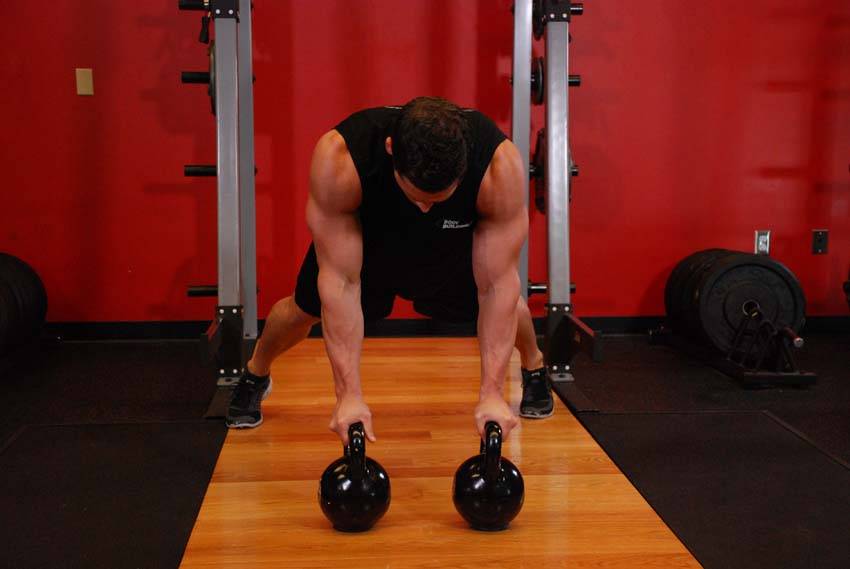
Alternating Renegade Row
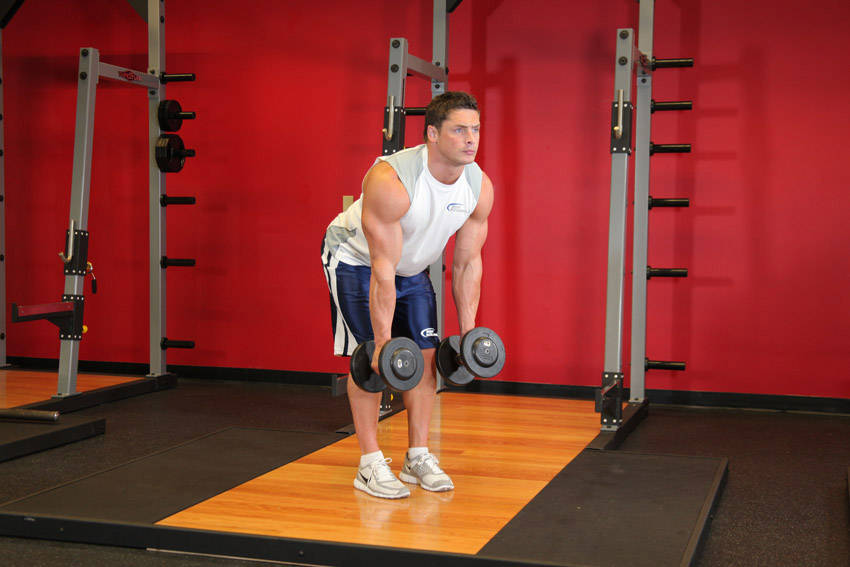
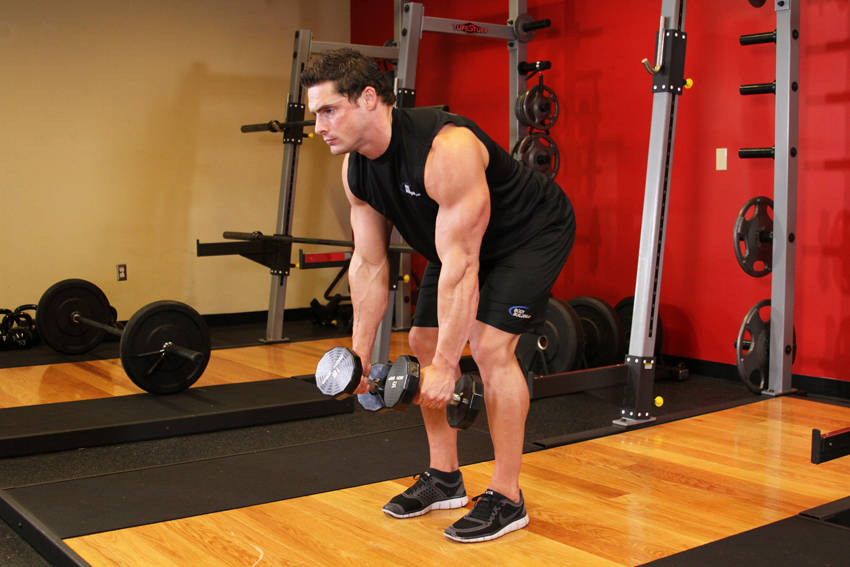
Bent Over Two-dumbbell Row With Palms In
Head-to-Head Comparison
| Attribute | Alternating Renegade Row | Bent Over Two-dumbbell Row With Palms In |
|---|---|---|
| Target Muscle |
Middle-back
|
Middle-back
|
| Body Part |
Back
|
Back
|
| Equipment |
Kettlebell
|
Dumbbell
|
| Difficulty |
Advanced
|
Intermediate
|
| Movement Type |
Compound
|
Compound
|
| Secondary Muscles |
5
|
2
|
Secondary Muscles Activated
Alternating Renegade Row
Bent Over Two-dumbbell Row With Palms In
Visual Comparison
Overview
Alternating Renegade Row vs Bent Over Two-Dumbbell Row With Palms In — you want an honest comparison so you can pick the right back move. I’ll walk you through who each exercise helps most, how they load the middle-back and secondary muscles, and the exact technique cues to use. You’ll get clear recommendations for hypertrophy, strength, beginners, and home training, plus rep ranges (6–12 for growth, 4–6 for strength emphasis) and progression options so you can apply this in your next session.
Key Differences
- Equipment differs: Alternating Renegade Row uses Kettlebell, while Bent Over Two-dumbbell Row With Palms In requires Dumbbell.
- Difficulty levels differ: Alternating Renegade Row is advanced, while Bent Over Two-dumbbell Row With Palms In is intermediate.
Pros & Cons
Alternating Renegade Row
+ Pros
- Builds middle-back while forcing high anti-rotation core activation
- Improves unilateral shoulder stability and motor control
- Can be combined with push-ups for a compound upper-body set
- Good carryover to athletic anti-rotation strength and anti-extension
− Cons
- Harder to load heavily for pure hypertrophy
- Requires solid plank mechanics and wrist tolerance
- Higher technical demand increases form breakdown risk under fatigue
Bent Over Two-dumbbell Row With Palms In
+ Pros
- Easier to load progressively for middle-back hypertrophy
- Cleaner horizontal pull vector for rhomboid and mid-trap targeting
- Lower technical demand—quicker to learn and scale
- Works well with heavier sets (4–8 reps) or moderate sets (6–12 reps)
− Cons
- Less core anti-rotation challenge compared to renegade rows
- May under-recruit obliques and anterior core
- Poor hip-hinge technique increases lumbar stress
When Each Exercise Wins
The bent-over row lets you use heavier loads and a longer range of motion to place the middle-back under greater mechanical tension. That consistent overload (work sets of 6–12 reps, 3–5 sets) produces more targeted hypertrophy when your cue is scapular retraction and controlled eccentrics.
Progressive loading is simpler with dumbbells—your force vector stays stable and you can systematically increase mass and lower reps (4–6) for strength. The bent-over position allows higher absolute load and better transfer to heavier pulling movements.
Beginners can learn the hip hinge, neutral spine, and elbow drive more easily than the plank stability and anti-rotation demands of the renegade. Start with light dumbbells and 8–12 reps to ingrain movement patterns.
Most people have access to at least one pair of dumbbells at home, and the bent-over row needs less technical setup than a kettlebell renegade. It also scales across weight ranges for progressive home training.
Frequently Asked Questions
Can I do both Alternating Renegade Row and Bent Over Two-Dumbbell Row With Palms In in the same workout?
Yes. Sequence bent-over rows earlier to hit heavy, high-quality sets (4–8 reps) then use renegade rows later for core-focused unilateral work and metabolic finishers (6–10 per side). That preserves strength for heavy pulls while still training anti-rotation and stability.
Which exercise is better for beginners?
Beginners should start with the bent-over two-dumbbell row to learn hip hinge and scapular control under manageable loads. Once core bracing and plank tolerance are solid, introduce renegade rows to develop anti-rotation strength.
How do the muscle activation patterns differ?
Renegade rows create high isometric abdominal and oblique activation because each rep generates anti-rotation torque, while bent-over rows produce higher concentric-eccentric loading of the middle-back and biceps due to a longer horizontal pull and heavier external resistance.
Can Bent Over Two-Dumbbell Row With Palms In replace Alternating Renegade Row?
If your goal is middle-back hypertrophy or strength, yes—the bent-over row can replace renegades. If you need core anti-rotation and unilateral shoulder stability, keep renegade rows in your program as a complementary exercise rather than a direct substitute.
Expert Verdict
Use the Bent Over Two-Dumbbell Row With Palms In when you want maximum middle-back loading, simple progressive overload, and efficient hypertrophy or strength work—focus on a 30–45° torso hinge, neutral spine, and strong scapular retraction for 6–12 reps. Reach for the Alternating Renegade Row when you need core anti-rotation training, unilateral shoulder stability, and athletic carryover; keep hips square, toes wider than hip-width, and brace the core while you pull for 6–10 reps per side. Blend both if you want balanced back development and core strength: prioritize bent-over rows for heavy sets and renegades for stability circuits.
Also Compare
More comparisons with Alternating Renegade Row
More comparisons with Bent Over Two-dumbbell Row With Palms In
Compare More Exercises
Use our free comparison tool to analyze any two exercises head-to-head.
Compare Exercises