

Alternating Renegade Row vs Kettlebell Thruster: Complete Comparison Guide
Alternating Renegade Row vs Kettlebell Thruster — you’re weighing a demanding anti-rotation row against a ballistic full-body press. I’ll walk you through which muscles each targets, how the movement patterns and force vectors differ, exact technique cues (plank bracing, elbow angles, knee depth), recommended rep ranges for hypertrophy (6–12) and strength (3–5), and practical programming tips. You’ll learn equipment needs, progression options, and clear winner scenarios so you can choose the right exercise for back strength, shoulder development, core stability, or efficient home workouts.
Exercise Comparison
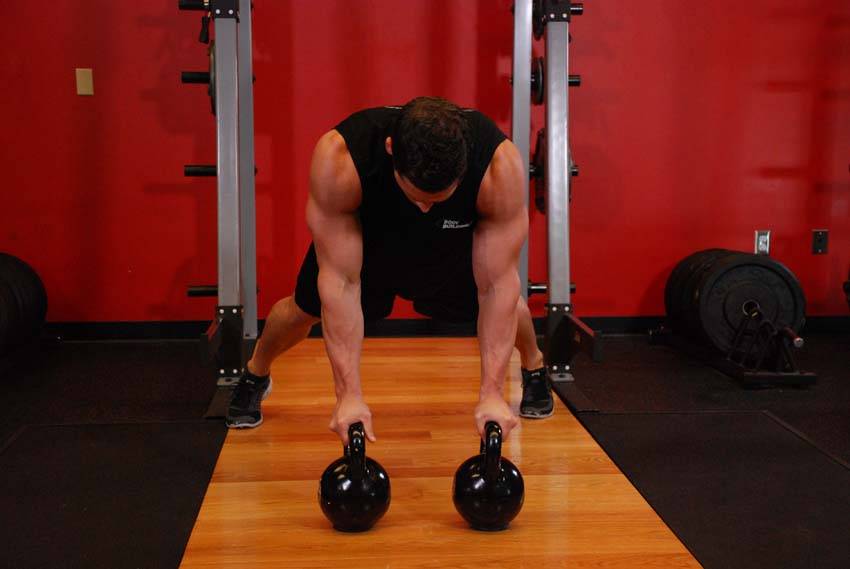
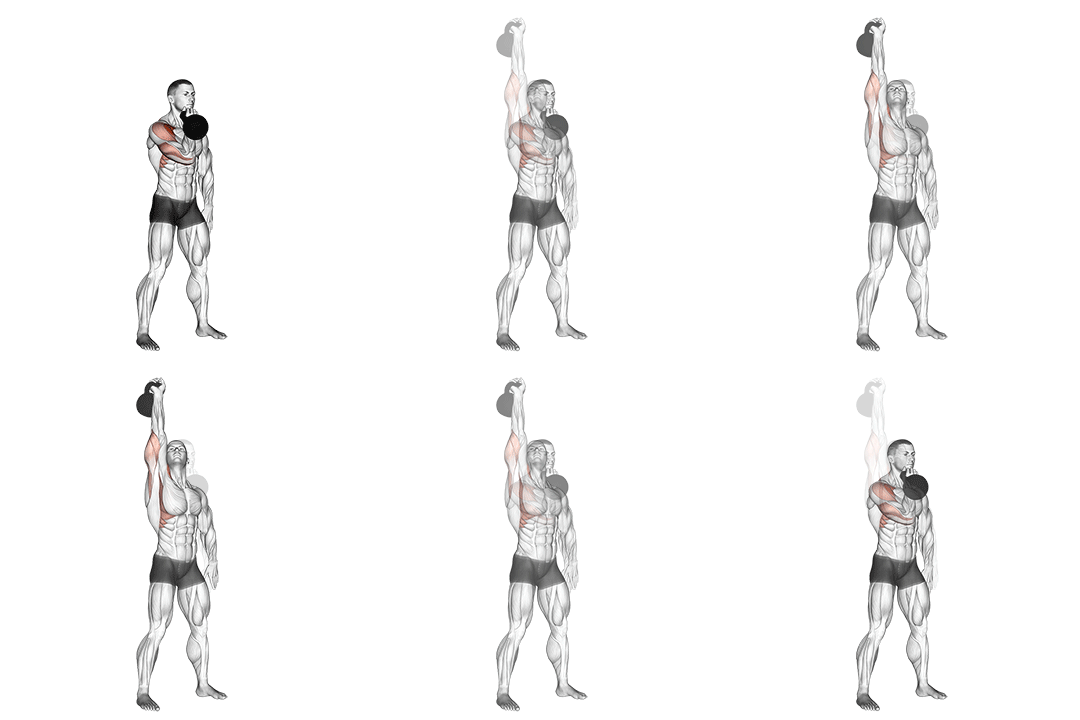
Alternating Renegade Row
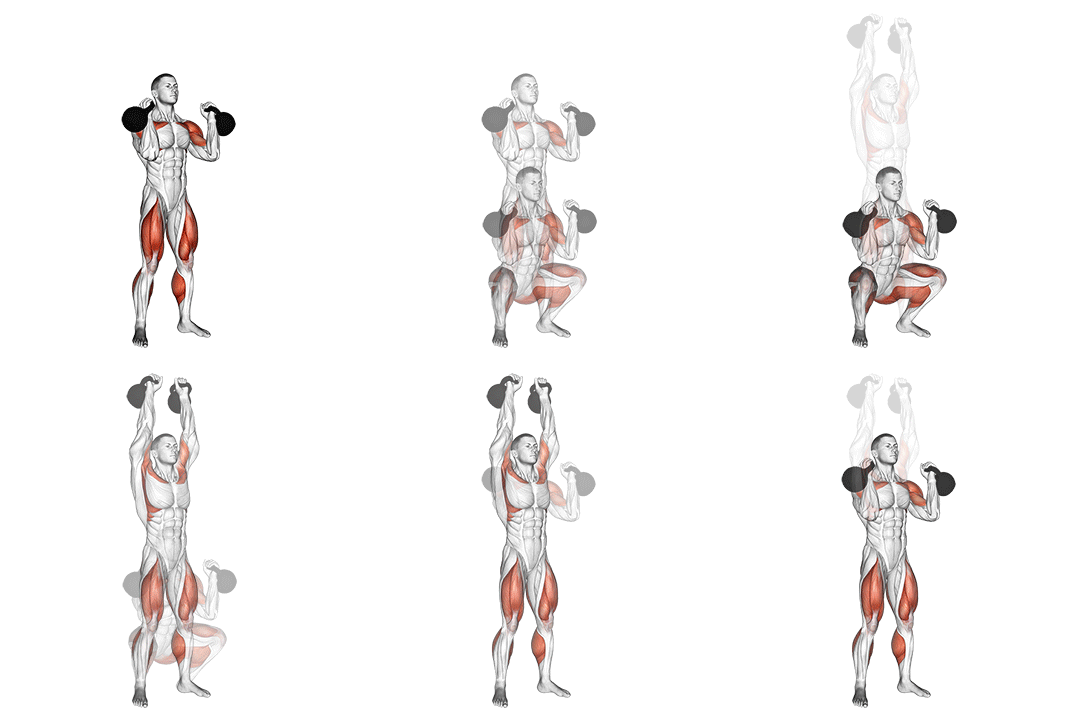
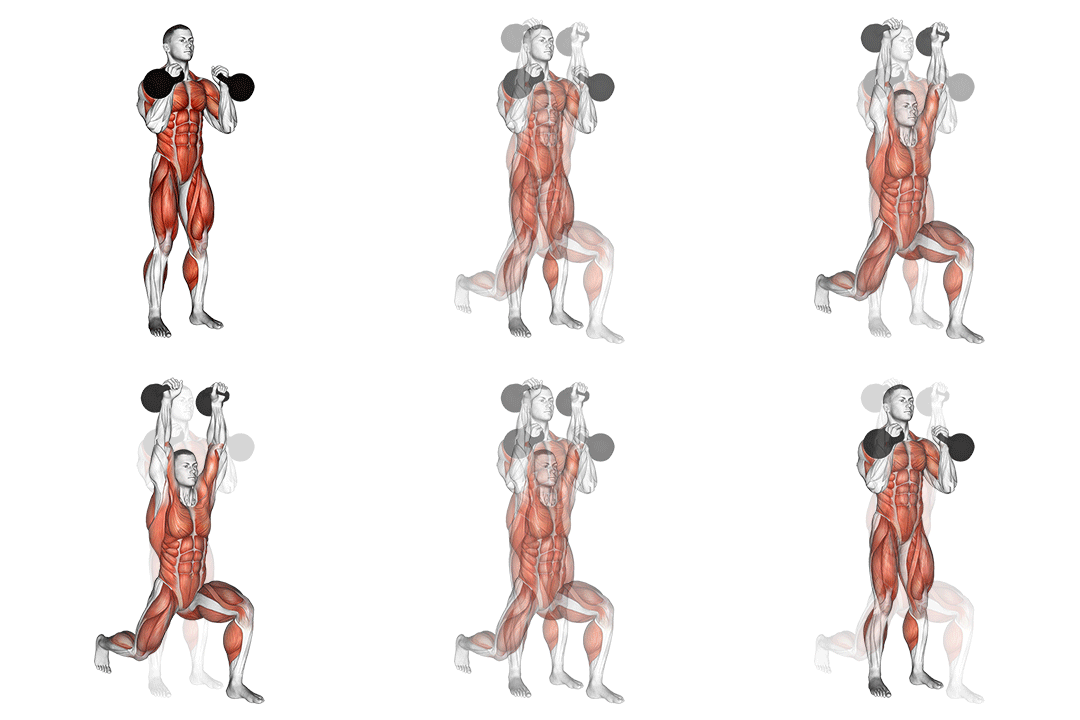
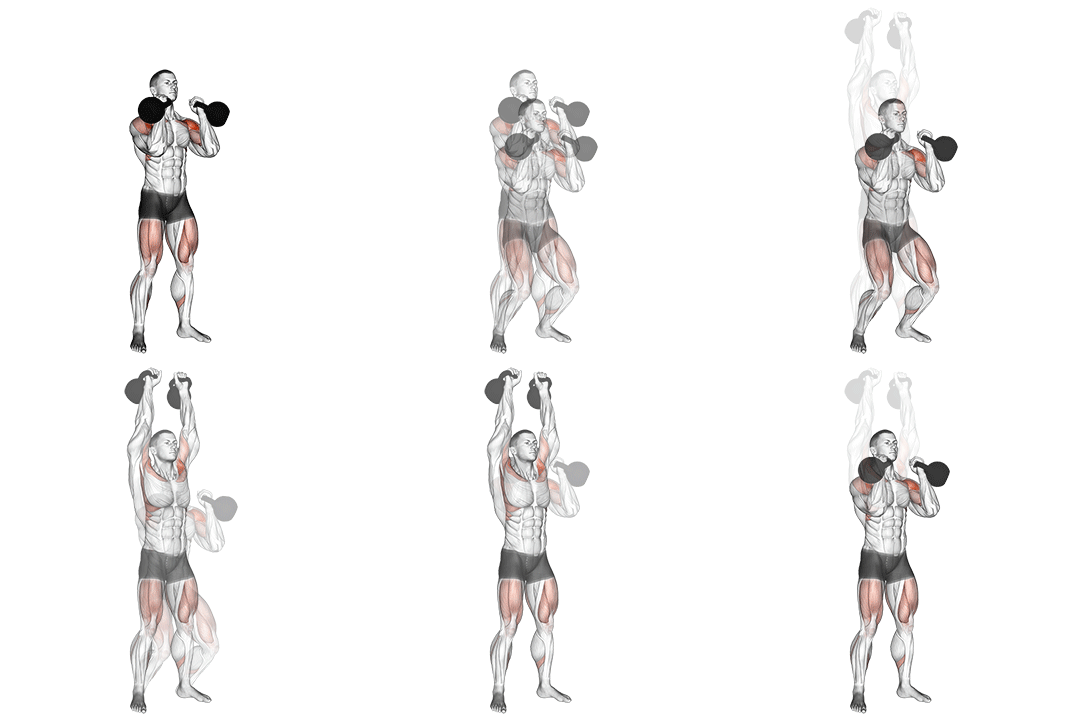
Kettlebell Thruster
Head-to-Head Comparison
| Attribute | Alternating Renegade Row | Kettlebell Thruster |
|---|---|---|
| Target Muscle |
Middle-back
|
Delts
|
| Body Part |
Back
|
Shoulders
|
| Equipment |
Kettlebell
|
Kettlebell
|
| Difficulty |
Advanced
|
Intermediate
|
| Movement Type |
Compound
|
Compound
|
| Secondary Muscles |
5
|
3
|
Secondary Muscles Activated
Alternating Renegade Row
Kettlebell Thruster
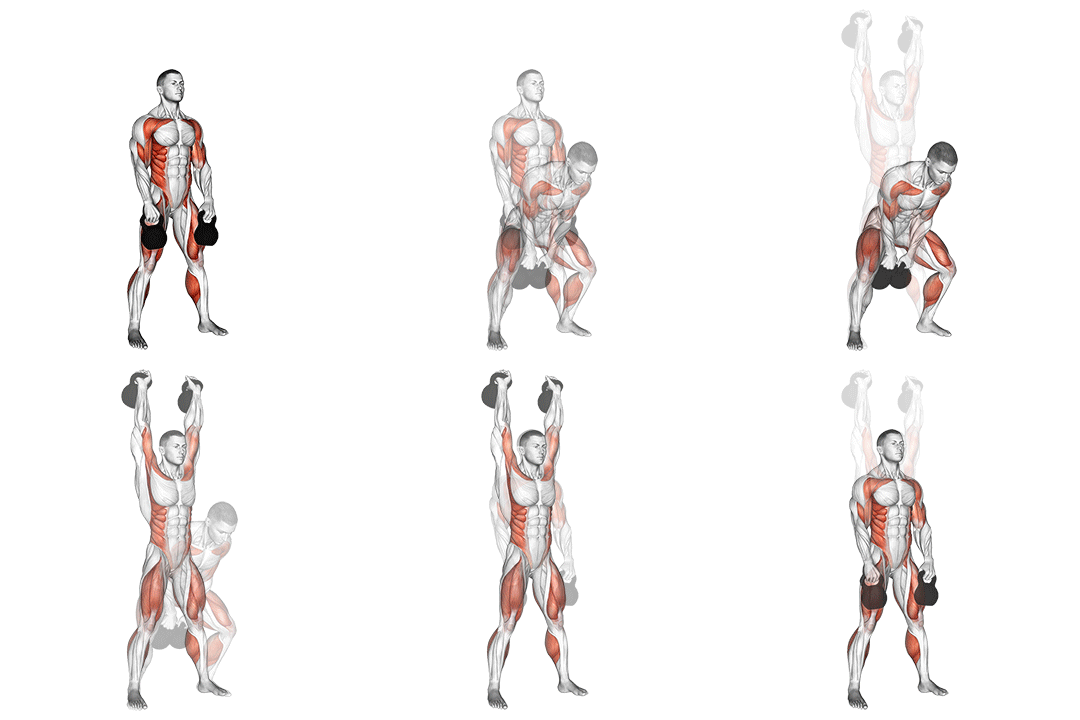
Visual Comparison
Overview
Alternating Renegade Row vs Kettlebell Thruster — you’re weighing a demanding anti-rotation row against a ballistic full-body press. I’ll walk you through which muscles each targets, how the movement patterns and force vectors differ, exact technique cues (plank bracing, elbow angles, knee depth), recommended rep ranges for hypertrophy (6–12) and strength (3–5), and practical programming tips. You’ll learn equipment needs, progression options, and clear winner scenarios so you can choose the right exercise for back strength, shoulder development, core stability, or efficient home workouts.
Key Differences
- Alternating Renegade Row primarily targets the Middle-back, while Kettlebell Thruster focuses on the Delts.
- Difficulty levels differ: Alternating Renegade Row is advanced, while Kettlebell Thruster is intermediate.
Pros & Cons
Alternating Renegade Row
+ Pros
- Massive anti-rotation core challenge that builds trunk stiffness
- High middle-back (scapular retractor) activation per rep
- Unilateral loading corrects left-right asymmetries
- Great carryover to horizontal pulling strength and posture
− Cons
- Requires advanced core and shoulder stability
- Harder to load progressively without two kettlebells
- Higher technical demand increases injury risk if form breaks
Kettlebell Thruster
+ Pros
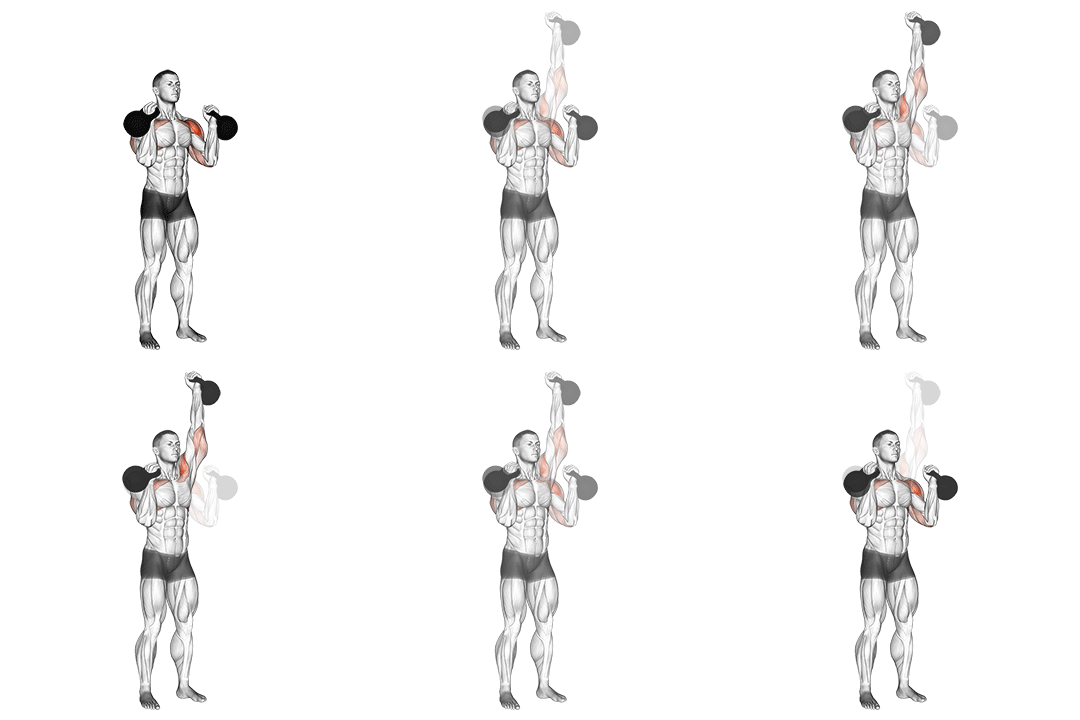
- Efficient full-body exercise: quads, glutes, delts engage in one rep
- Easy to scale with a single kettlebell; good for conditioning
- Builds explosive hip drive and vertical pressing strength
- Cleaner progression and clear rep schemes for strength/hypertrophy
− Cons
- Lower direct middle-back stimulus compared to renegade row
- Can encourage lumbar extension if core not braced
- Less anti-rotation challenge and unilateral correction
When Each Exercise Wins
Thrusters let you load with heavier kettlebells and use moderate rep ranges (6–12) to stress delts and quads simultaneously. The ability to accumulate volume and progressive overload makes thrusters more efficient for overall muscle growth.
Thrusters allow heavier bilateral loading and higher force output from triple extension, which transfers to stronger pressing and lower-body drive. Use 3–5 heavy reps for strength phases.
Thrusters have a gentler learning curve and can be regressed with lighter weight or paused squats. Renegade rows demand advanced core and shoulder control that beginners usually lack.
Thrusters require only one kettlebell and little setup, delivering high work capacity and full-body stimulus in small space. Renegade rows can be done at home but need more skill and sometimes two kettlebells for balance.
Frequently Asked Questions
Can I do both Alternating Renegade Row and Kettlebell Thruster in the same workout?
Yes. Pairing them works well: place thrusters early when you need power and heavy loading (3–6 sets of 3–8 reps), and use renegade rows later for targeted back and anti-rotation work (3–4 sets of 6–10 unilateral reps). Watch cumulative fatigue to protect form.
Which exercise is better for beginners?
Kettlebell Thruster is better for beginners because it follows natural movement patterns and is easier to scale with light weight and tempo. Renegade rows require advanced core stability and scapular control that most beginners should build first.
How do the muscle activation patterns differ?
Renegade rows emphasize horizontal pulling and sustained anti-rotation—high ipsilateral back activation and constant oblique/bracing activity. Thrusters follow a hip-driven triple extension into a vertical press, so quads/glutes generate power and delts/triceps handle the overhead load.
Can Kettlebell Thruster replace Alternating Renegade Row?
Not completely. Thrusters can substitute when you need a full-body, time-efficient movement, but they don’t match the Renegade Row’s unilateral scapular work or anti-rotation core challenge. Use thrusters as a primary choice and add renegade rows for back/core specificity.
Expert Verdict
Choose Alternating Renegade Row when your primary aim is to build middle-back strength, correct unilateral imbalances, and raise anti-rotation core capacity. Use strict plank setup, feet wider for stability, row to ribcage with elbow ~90°, and keep hips square for maximum scapular loading. Choose Kettlebell Thruster when you want efficient shoulder development, lower-body power, and scalable loading for hypertrophy or strength. Drive from the heels, dip to ~90° knee flexion, and press overhead with a neutral spine. If you must pick one movement for most trainees and home programs, the thruster is the more versatile and accessible choice; add renegade rows as a supplemental drill for back and core specificity.
Also Compare
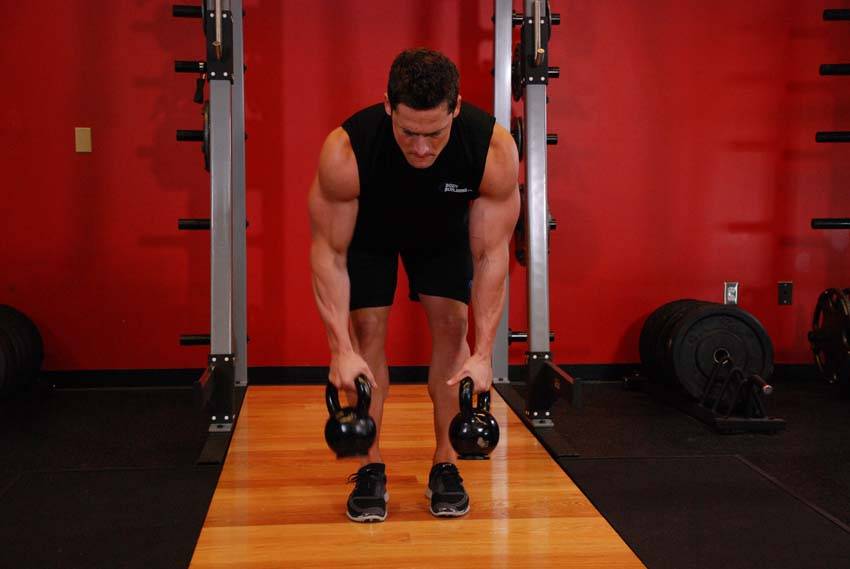
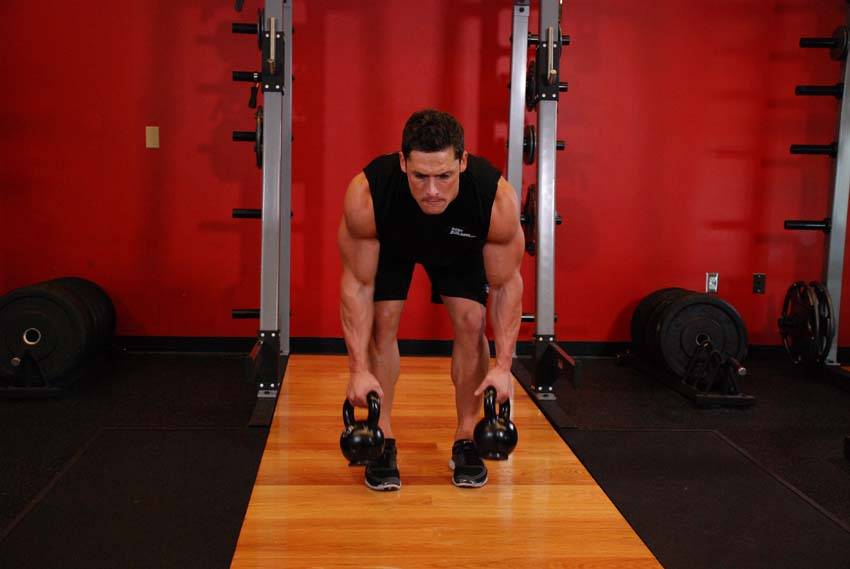
More comparisons with Alternating Renegade Row
More comparisons with Kettlebell Thruster
Compare More Exercises
Use our free comparison tool to analyze any two exercises head-to-head.
Compare Exercises