

Alternating Renegade Row vs Lever Alternating Narrow Grip Seated Row: Complete Comparison Guide
Alternating Renegade Row vs Lever Alternating Narrow Grip Seated Row — both target the middle-back, but they do it with very different mechanics. You’ll get a head-to-head look at muscle activation, equipment needs, difficulty, and programming. I’ll cover how each exercise loads the scapular retractors and lats, the role of anti-rotation and core demand, exact rep ranges for hypertrophy and strength, and practical technique cues so you can pick the best move for your goals and training setup.
Exercise Comparison
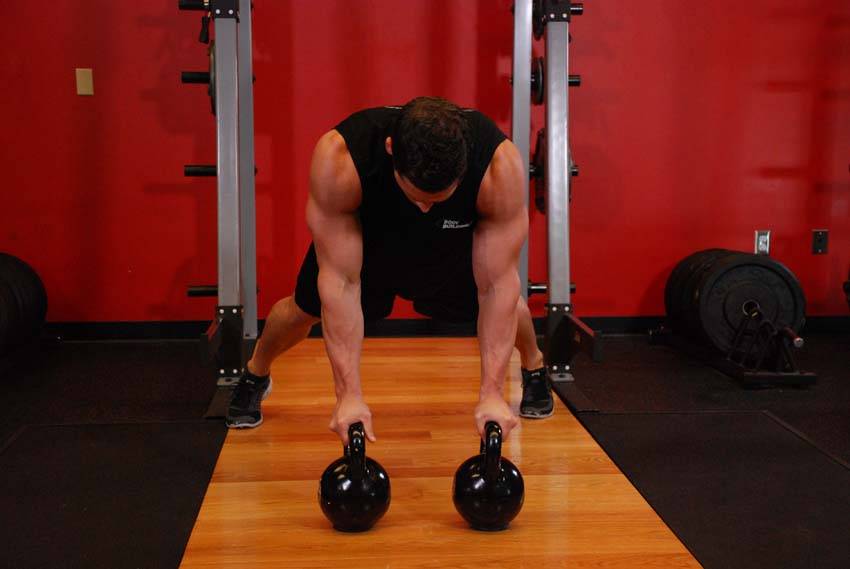
Alternating Renegade Row
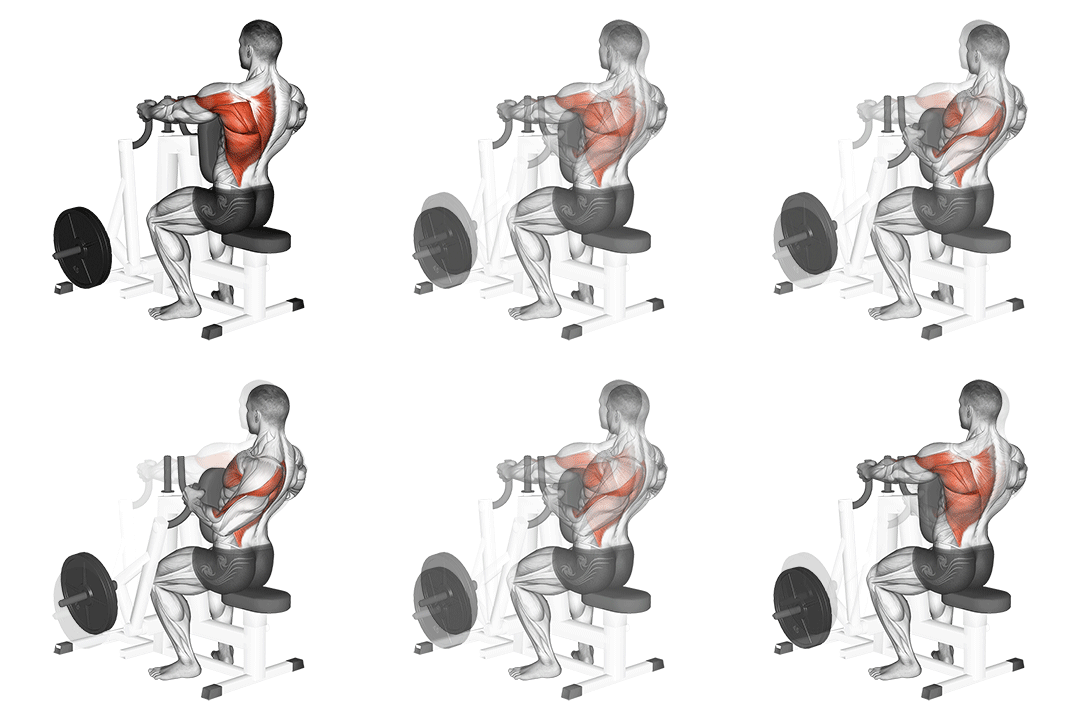
Lever Alternating Narrow Grip Seated Row
Head-to-Head Comparison
| Attribute | Alternating Renegade Row | Lever Alternating Narrow Grip Seated Row |
|---|---|---|
| Target Muscle |
Middle-back
|
Middle-back
|
| Body Part |
Back
|
Back
|
| Equipment |
Kettlebell
|
Lever
|
| Difficulty |
Advanced
|
Intermediate
|
| Movement Type |
Compound
|
Compound
|
| Secondary Muscles |
5
|
2
|
Secondary Muscles Activated
Alternating Renegade Row
Lever Alternating Narrow Grip Seated Row
Visual Comparison
Overview
Alternating Renegade Row vs Lever Alternating Narrow Grip Seated Row — both target the middle-back, but they do it with very different mechanics. You’ll get a head-to-head look at muscle activation, equipment needs, difficulty, and programming. I’ll cover how each exercise loads the scapular retractors and lats, the role of anti-rotation and core demand, exact rep ranges for hypertrophy and strength, and practical technique cues so you can pick the best move for your goals and training setup.
Key Differences
- Equipment differs: Alternating Renegade Row uses Kettlebell, while Lever Alternating Narrow Grip Seated Row requires Lever.
- Difficulty levels differ: Alternating Renegade Row is advanced, while Lever Alternating Narrow Grip Seated Row is intermediate.
Pros & Cons
Alternating Renegade Row
+ Pros
- High core and anti-rotation activation — trains abs and obliques while rowing
- Improves unilateral stability and proprioception
- Requires minimal equipment — good for home training
- Engages multiple secondary muscles (chest, triceps, lats) for full-body stimulus
− Cons
- Technical — demands good plank form and shoulder stability
- Limited absolute loading compared to machines
- Higher risk of hip sag or rotation if fatigued
Lever Alternating Narrow Grip Seated Row
+ Pros
- Consistent horizontal pull vector for focused middle-back overload
- Easy to progressive overload with precise weight increments
- Lower coordination requirement — faster skill acquisition
- Strong emphasis on biceps and forearms for elbow flexion strength
− Cons
- Requires specific lever machine — less accessible at home
- Less core and anti-rotation challenge
- Narrow grip can increase strain on wrists and forearms for some lifters
When Each Exercise Wins
The lever seated row allows heavier, consistent loading and longer time-under-tension across the scapular retraction range, which supports hypertrophy best with 6–12 rep sets and controlled eccentrics.
Because you can progressively overload with precise weight increments and maintain strict technique, the lever row is better for increasing raw horizontal pulling strength and 3–6 rep maximal strength work.
The machine stabilizes the movement and reduces anti-rotation and plank demands, letting beginners learn scapular retraction and elbow mechanics safely before introducing unilateral stability drills.
You only need a kettlebell or dumbbell to hit middle-back plus core, making renegade rows ideal when gym equipment isn't available; progress with added reps, heavier kettlebells, or tempo changes.
Frequently Asked Questions
Can I do both Alternating Renegade Row and Lever Alternating Narrow Grip Seated Row in the same workout?
Yes — pair them smartly: start with lever seated rows as your heavy compound (3–6 sets of 4–8 reps) for mechanical tension, then use renegade rows as an accessory for 2–3 sets of 8–15 reps to target core stability and unilateral control without fatiguing maximal pulling strength.
Which exercise is better for beginners?
The lever alternating narrow grip seated row is better for beginners because the fixed path and seated bracing simplify scapular retraction and allow safer progressive overload while minimizing anti-rotation demands.
How do the muscle activation patterns differ?
Renegade rows combine unilateral horizontal pulling with high anti-rotation core activation, recruiting obliques and transverse abdominis early. Lever seated rows provide repeated concentric-eccentric loading of the middle trapezius and rhomboids with greater biceps involvement due to the narrow grip and stable torso.
Can Lever Alternating Narrow Grip Seated Row replace Alternating Renegade Row?
It can replace renegade rows if your goal is pure middle-back overload or strength, but you’ll lose anti-rotation core training and unilateral stability. If you need those attributes, keep renegade rows in your program as an accessory.
Expert Verdict
Use the lever alternating narrow grip seated row when your priority is middle-back hypertrophy or increasing horizontal pull strength — the machine gives consistent tension, easier overload, and cleaner technique under heavy loads. Choose alternating renegade rows when you want to train middle-back while building core anti-rotation, unilateral stability, and functional control; program 8–15 rep sets for endurance or 6–10 reps with heavier kettlebells if your stability permits. Combine both over a training block: use lever rows as primary overload work and renegade rows as accessory core-stability and unilateral control work.
Also Compare
More comparisons with Alternating Renegade Row
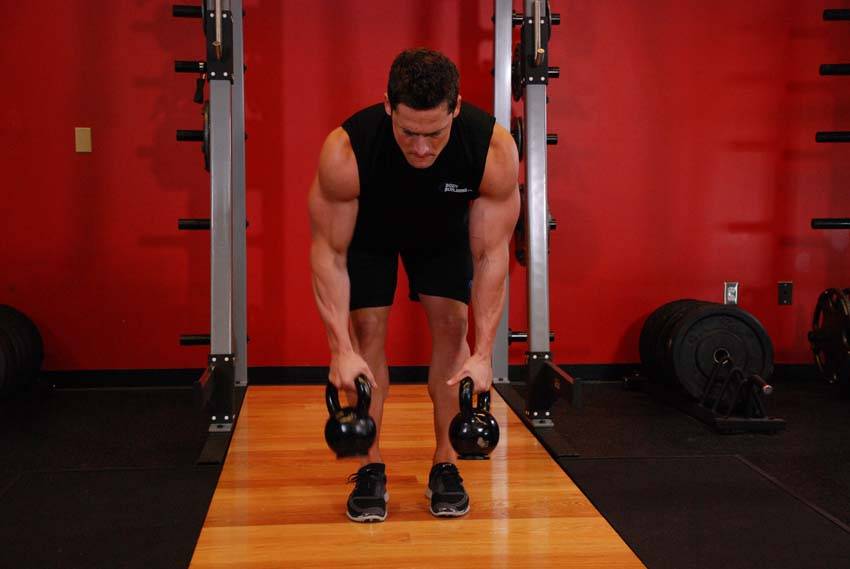
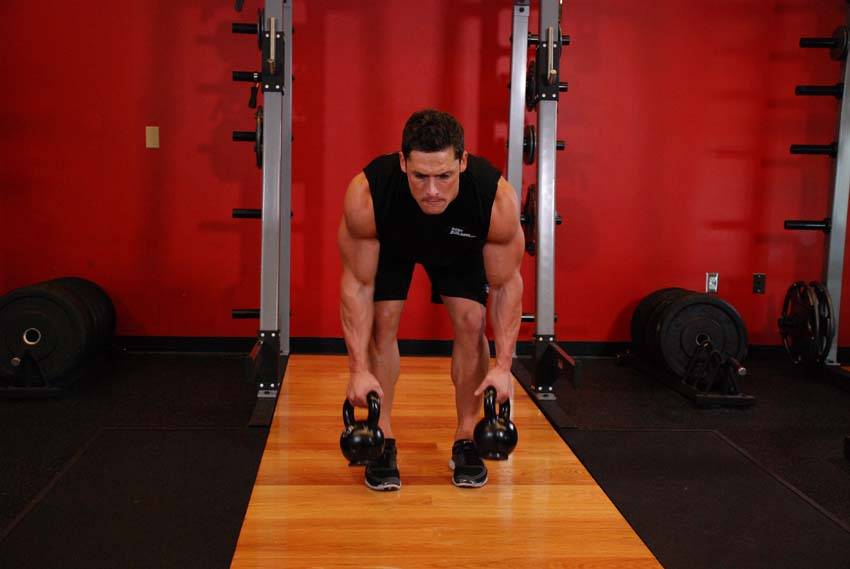
More comparisons with Lever Alternating Narrow Grip Seated Row
Compare More Exercises
Use our free comparison tool to analyze any two exercises head-to-head.
Compare Exercises