

Ankle Circles vs Assisted Lying Calves Stretch: Complete Comparison Guide
Ankle Circles vs Assisted Lying Calves Stretch — two beginner-friendly moves for your lower legs. You’ll get clear, actionable guidance on technique cues, which muscles each targets, the biomechanics behind muscle length-tension and force vectors, and practical programming (reps, holds, progressions). Read on to learn when to use ankle circles for mobility and stabilizer work and when the assisted lying calves stretch gives deeper calf lengthening and tension using a band.
Exercise Comparison
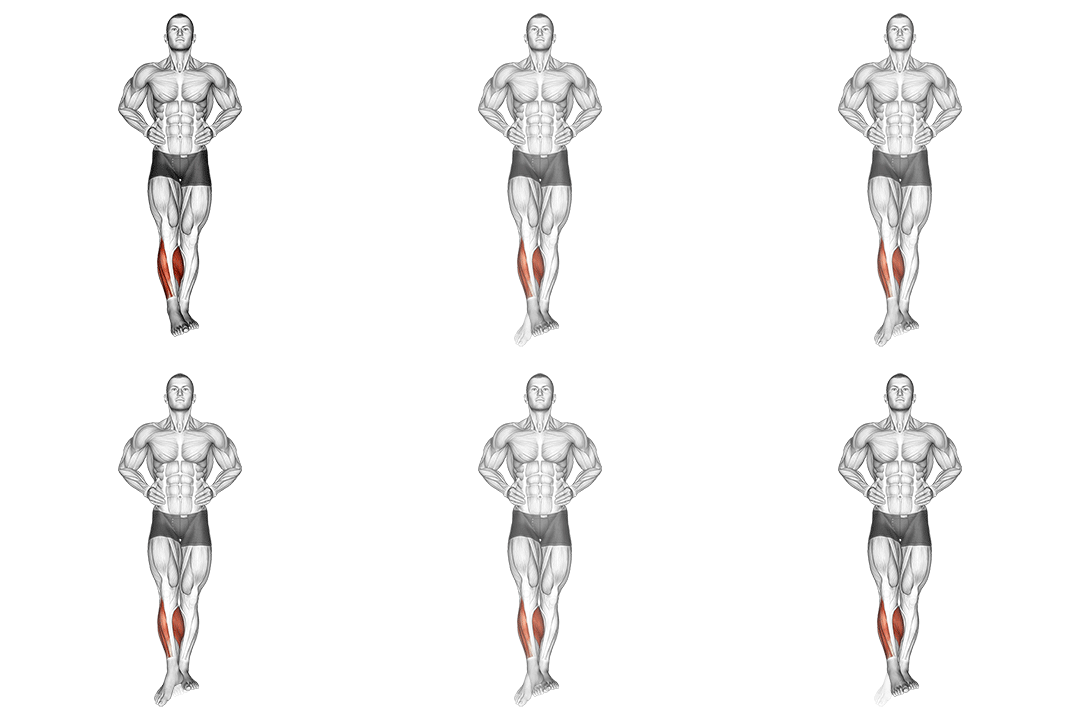
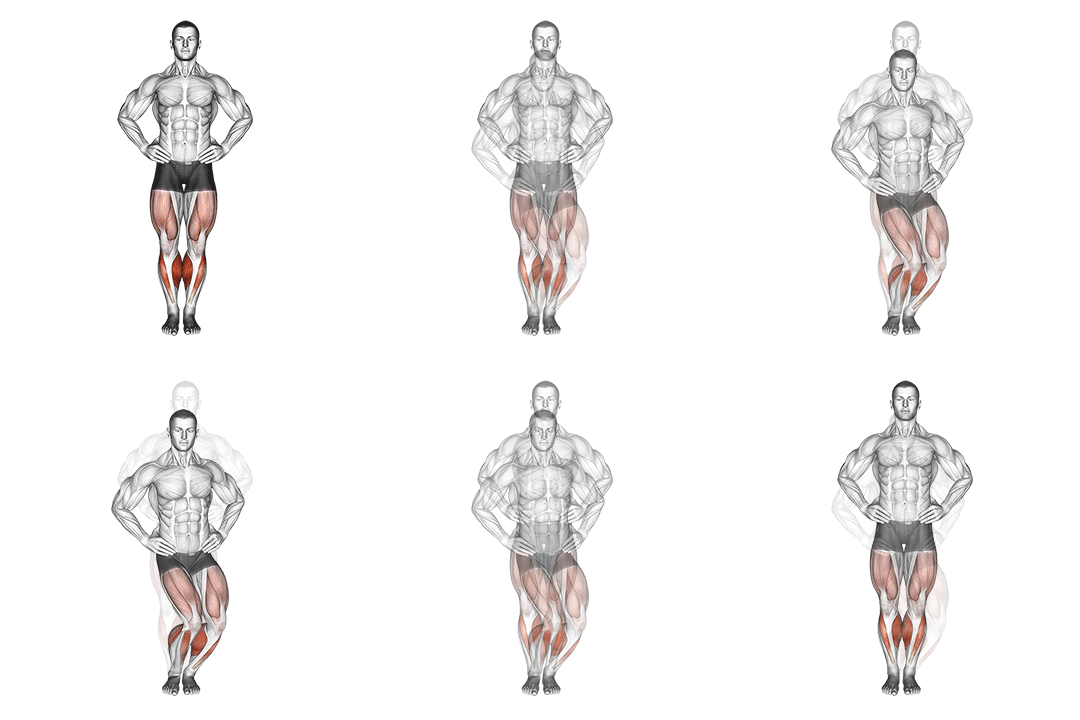
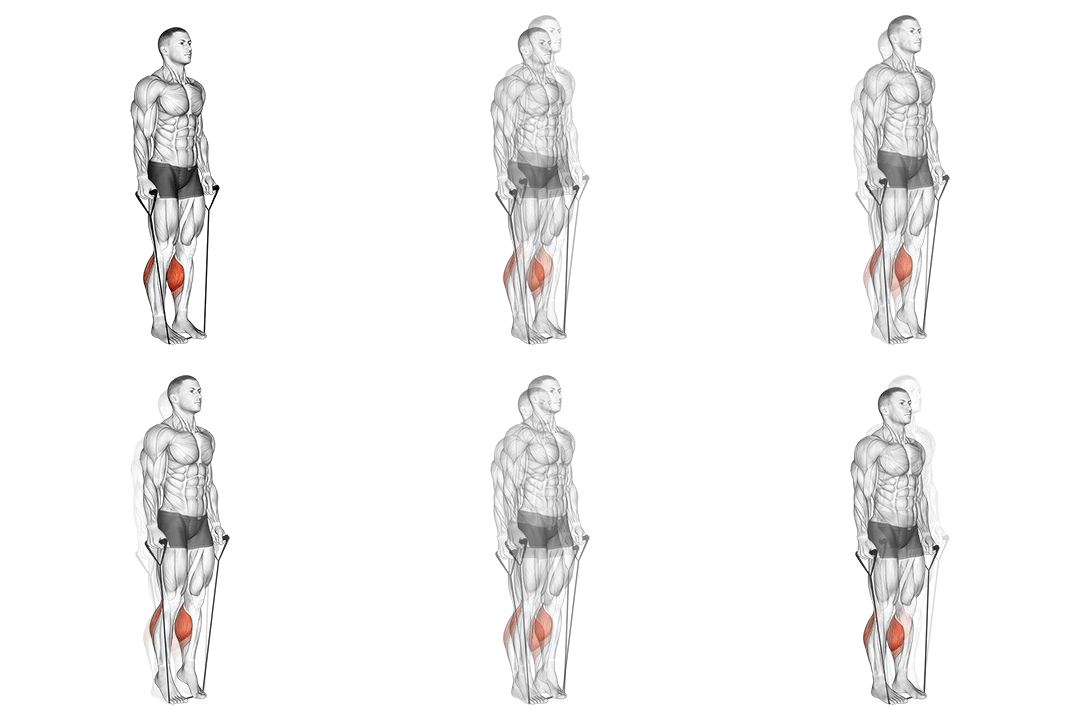
Ankle Circles
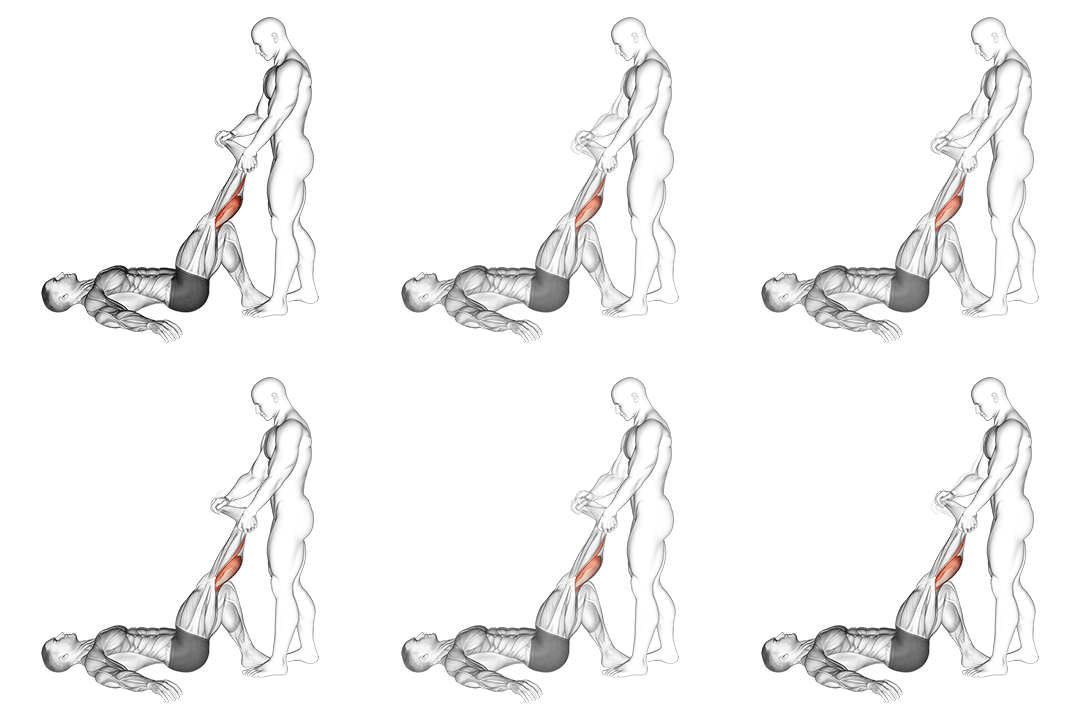
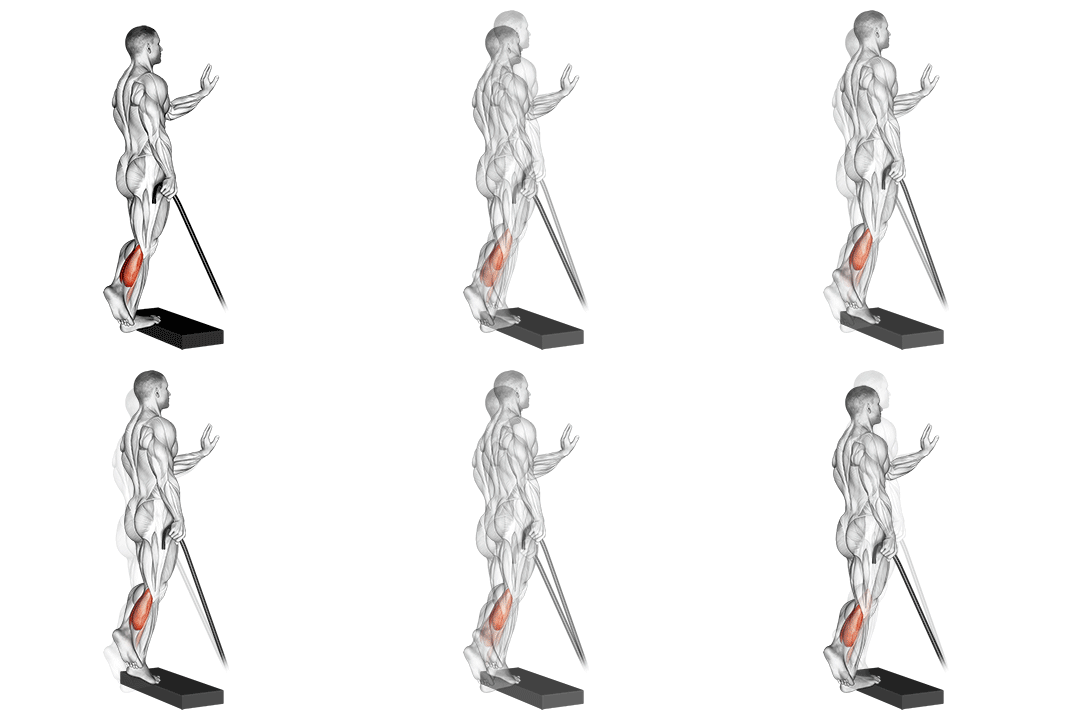
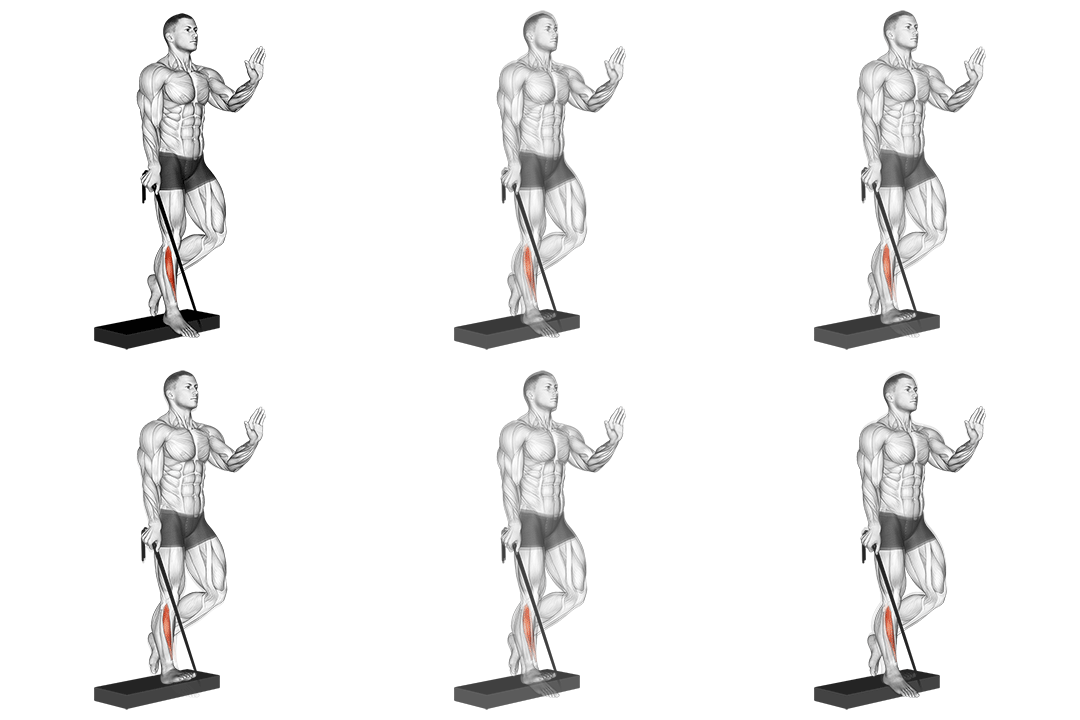
Assisted Lying Calves Stretch
Head-to-Head Comparison
| Attribute | Ankle Circles | Assisted Lying Calves Stretch |
|---|---|---|
| Target Muscle |
Calves
|
Calves
|
| Body Part |
Lower-legs
|
Lower-legs
|
| Equipment |
Body-weight
|
Band
|
| Difficulty |
Beginner
|
Beginner
|
| Movement Type |
Isolation
|
Isolation
|
| Secondary Muscles |
1
|
1
|
Secondary Muscles Activated
Ankle Circles
Assisted Lying Calves Stretch
Visual Comparison
Overview
Ankle Circles vs Assisted Lying Calves Stretch — two beginner-friendly moves for your lower legs. You’ll get clear, actionable guidance on technique cues, which muscles each targets, the biomechanics behind muscle length-tension and force vectors, and practical programming (reps, holds, progressions). Read on to learn when to use ankle circles for mobility and stabilizer work and when the assisted lying calves stretch gives deeper calf lengthening and tension using a band.
Key Differences
- Equipment differs: Ankle Circles uses Body-weight, while Assisted Lying Calves Stretch requires Band.
Pros & Cons
Ankle Circles
+ Pros
- No equipment — usable anywhere
- Improves ankle proprioception and stabilizer activation
- Low impact and safe for acute mobility work
- Quick to program: 10–20 reps per direction
− Cons
- Limited capacity for progressive overload for muscle growth
- Lower time-under-tension compared to sustained stretches
- Less effective at increasing fascicle length or passive dorsiflexion range
Assisted Lying Calves Stretch
+ Pros
- Creates sustained calf lengthening and passive tension
- Easy to scale tension by changing band strength
- Can target gastrocnemius or soleus by adjusting knee angle
- Combines passive stretch and active presses for time-under-tension
− Cons
- Requires a band and place to lie down
- Higher technique demand to avoid over-stretching
- May pull on hamstrings if hip/knee positions are not controlled
When Each Exercise Wins
The assisted stretch allows sustained tension and controlled overload with a band; using 8–15 active presses against resistance or 30–60s loaded holds applies more mechanical tension and time under tension compared with ankle circles.
You can progressively increase band resistance and emphasize concentric and eccentric presses through the full dorsiflexion–plantarflexion range, producing higher force vectors and better overload for strength than unweighted ankle circles.
They have the shallowest learning curve, no equipment, and build ankle control and stabilizer activation safely with 10–20 reps per direction before advancing to loaded work.
No band or setup required; you can perform them standing, seated, or supine to fit a small space, making them the most practical choice for quick at-home sessions.
Frequently Asked Questions
Can I do both Ankle Circles and Assisted Lying Calves Stretch in the same workout?
Yes. Start with ankle circles for 1–2 minutes to warm up joint mechanics and stabilizers, then perform 2–3 sets of assisted lying calf stretches (30–60s holds or 8–15 active presses) to load and lengthen the muscle.
Which exercise is better for beginners?
Ankle Circles are better for most beginners because they require no equipment and teach ankle proprioception and control. Progress to assisted stretches once you can control dorsiflexion and tolerate band tension.
How do the muscle activation patterns differ?
Ankle Circles create repeated low-to-moderate concentric/eccentric activations of plantarflexors with strong stabilizer recruitment, whereas assisted lying stretches produce sustained passive tension and higher time under tension when combined with active presses, shifting the length-tension relationship toward greater fascicle elongation.
Can Assisted Lying Calves Stretch replace Ankle Circles?
Not entirely. Assisted stretches are superior for lengthening and loading the calf, but they don’t challenge the ankle stabilizers and proprioception the way ankle circles do. Use both for complementary benefits based on your goals.
Expert Verdict
Use ankle circles as your go-to mobility and stabilizer drill: they’re simple, safe, portable, and ideal for warming up or rehabbing ankle control. Choose assisted lying calves stretch when you want to increase calf length, target gastrocnemius vs soleus by changing knee angle, or apply progressive overload with a band. For programming, pair ankle circles (10–20 reps per direction) with active sessions that include assisted stretches (8–15 resisted presses or 30–60s loaded holds) to cover mobility, control, and mechanical tension depending on your goal.
Also Compare
More comparisons with Ankle Circles
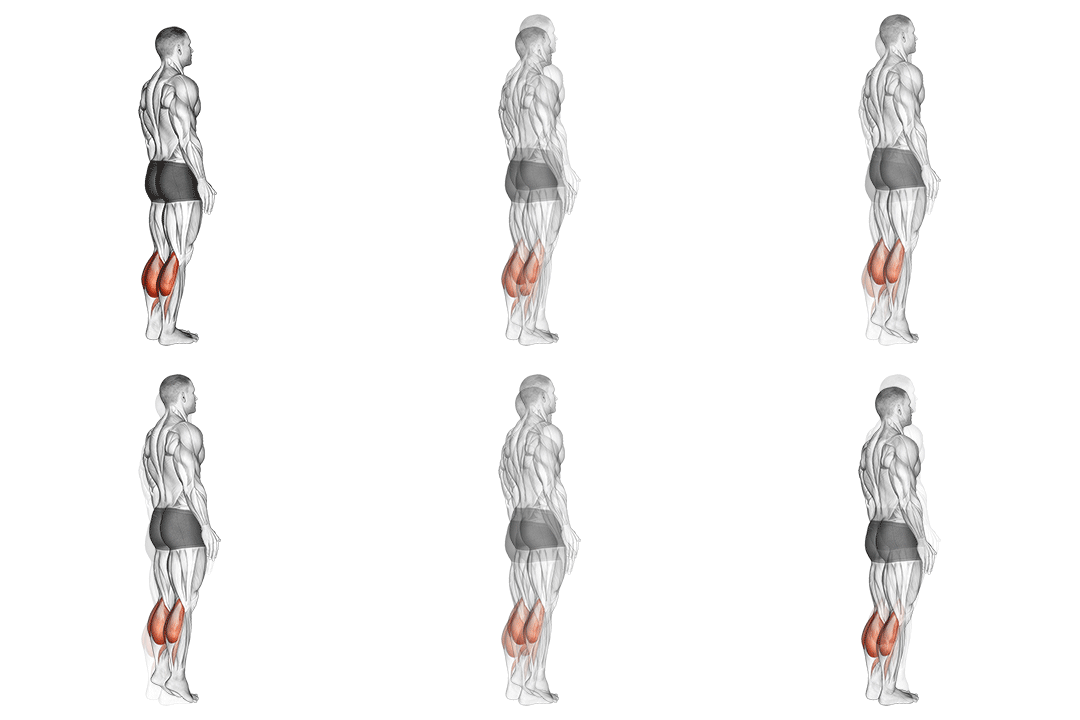
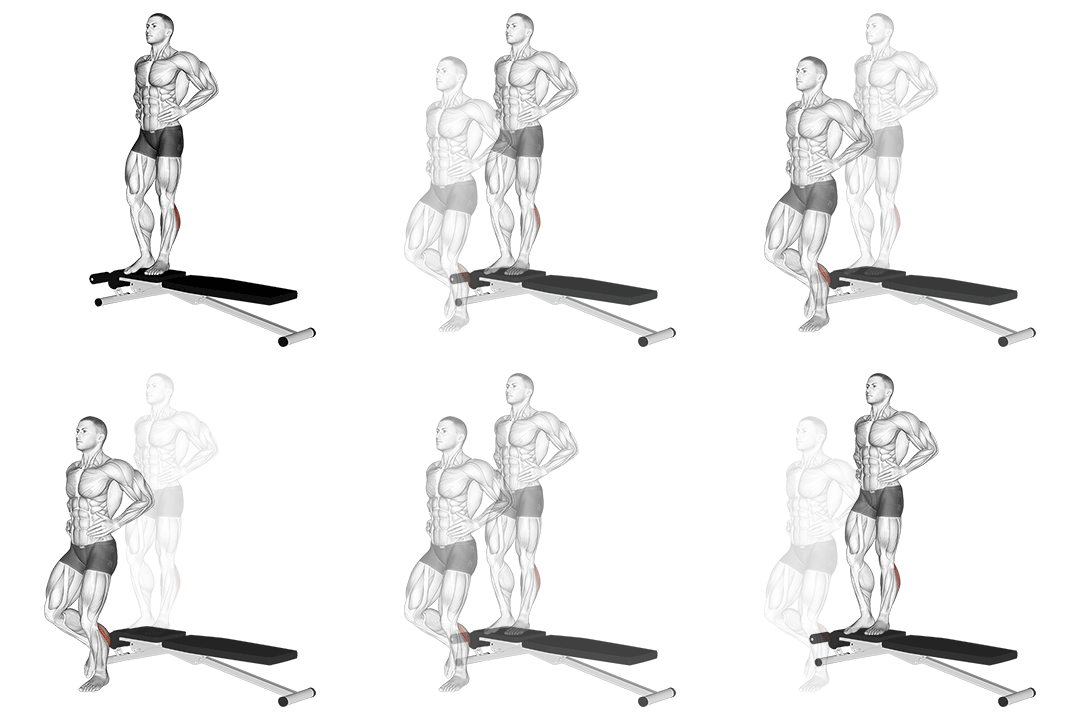
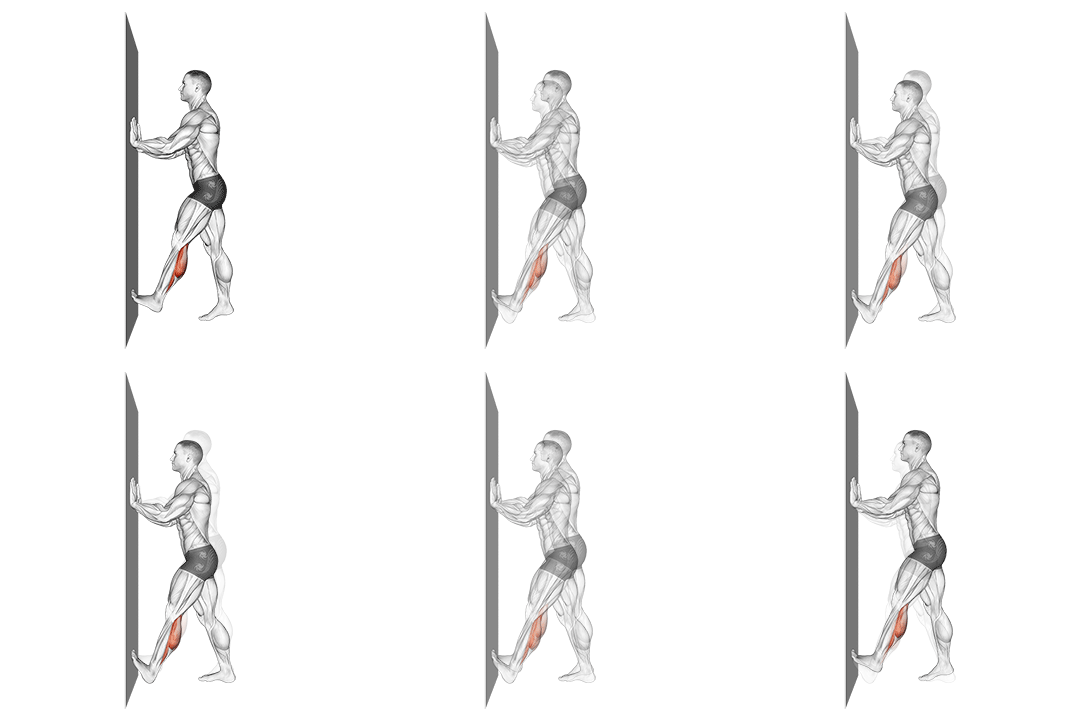
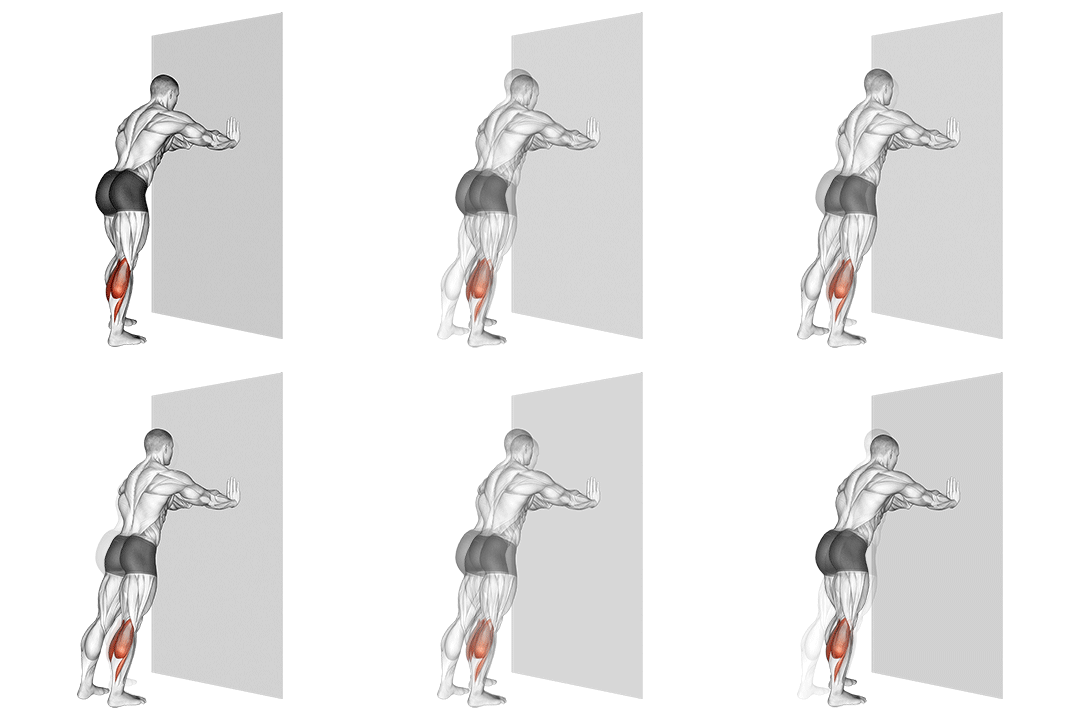
More comparisons with Assisted Lying Calves Stretch
Compare More Exercises
Use our free comparison tool to analyze any two exercises head-to-head.
Compare Exercises