

Ankle Circles vs Band Single Leg Calf Raise: Complete Comparison Guide
Ankle Circles vs Band Single Leg Calf Raise are two beginner-friendly isolation moves that train the calves and ankle stabilizers. If you want stronger, more resilient lower legs, this comparison lays out how each movement loads the gastrocnemius and soleus, what secondary muscles get worked, and how to use them in warm-ups, rehab, or calf-focused sessions. You’ll get technique cues, rep ranges (8–15+), progression tips, and clear recommendations based on muscle activation and biomechanics.
Exercise Comparison
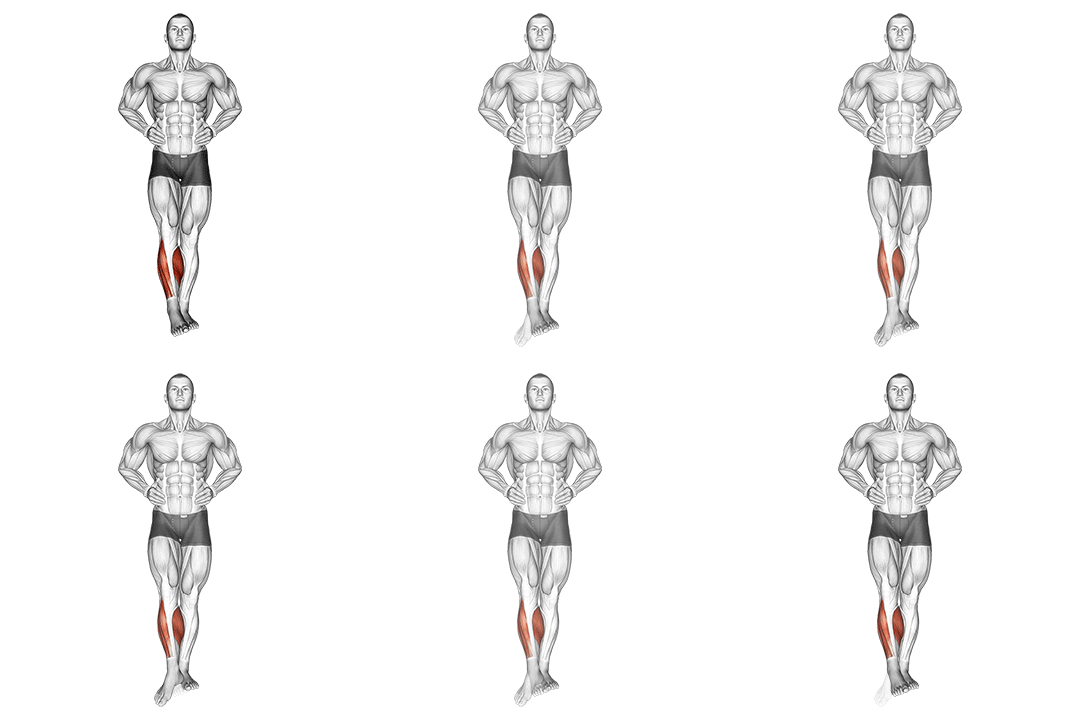
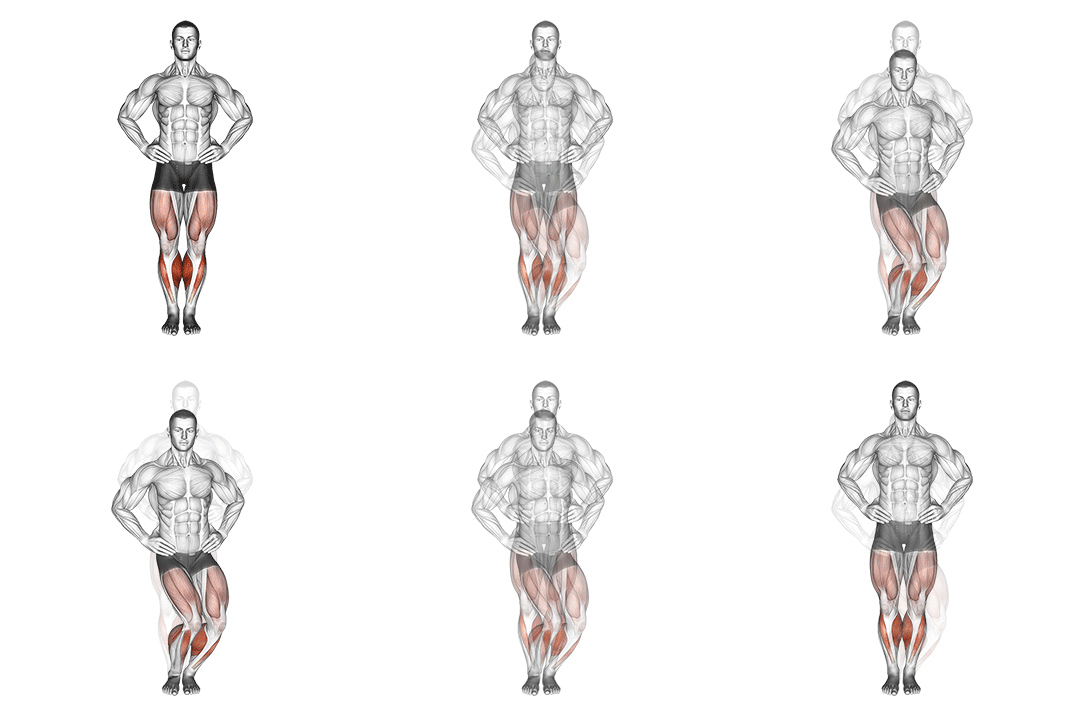
Ankle Circles
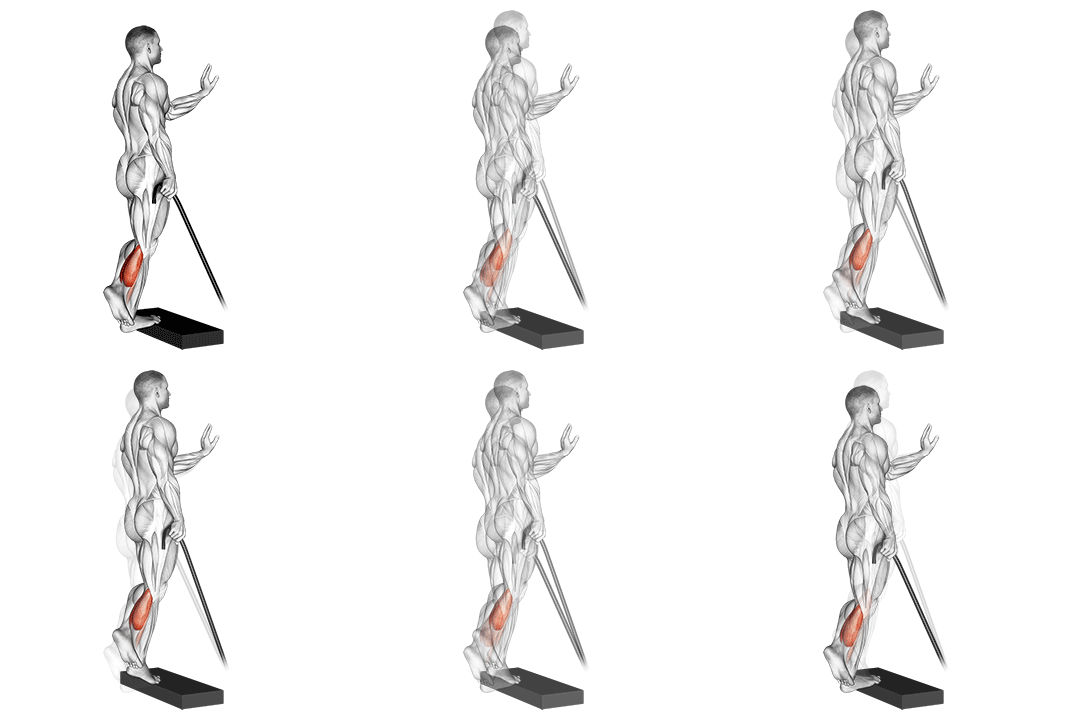
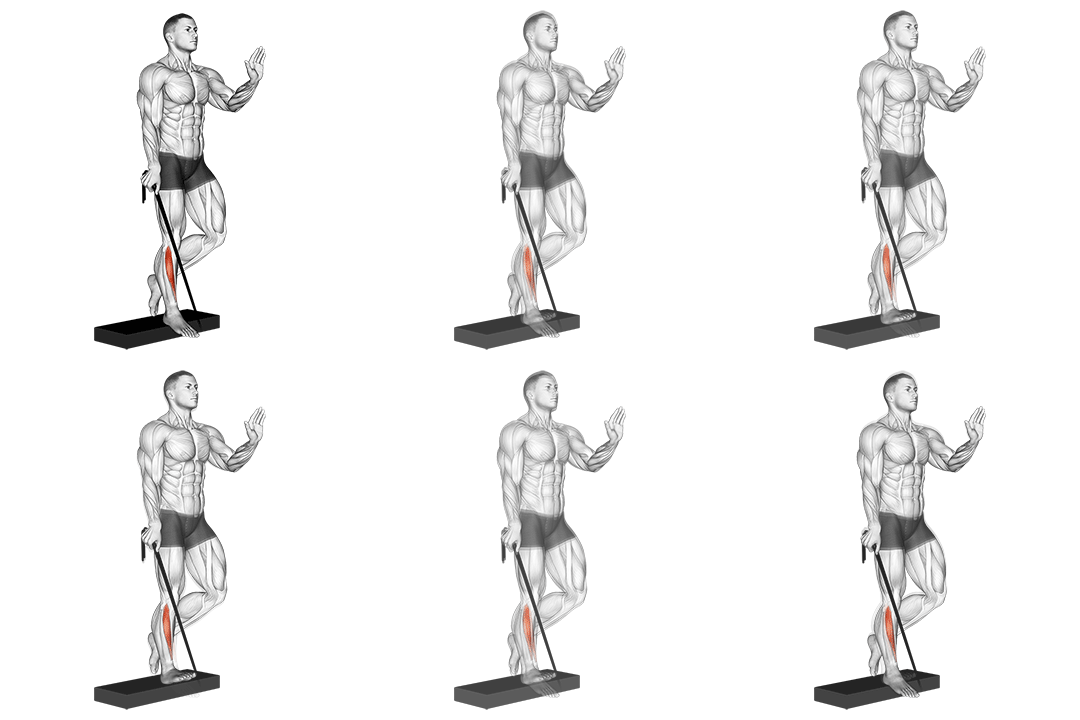
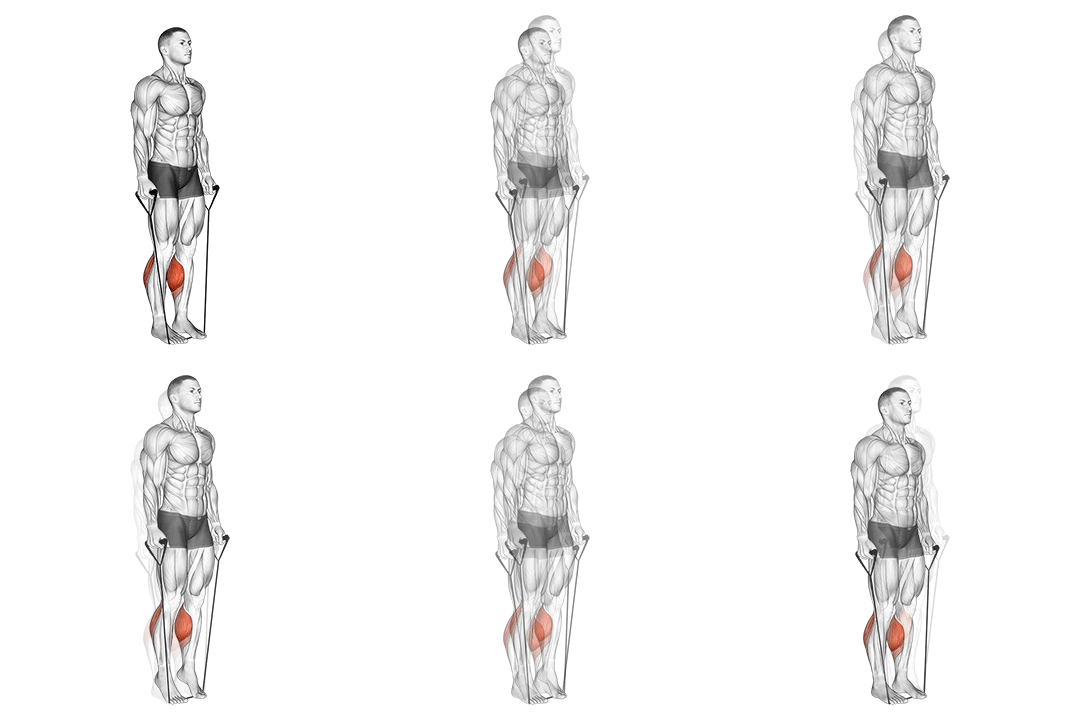
Band Single Leg Calf Raise
Head-to-Head Comparison
| Attribute | Ankle Circles | Band Single Leg Calf Raise |
|---|---|---|
| Target Muscle |
Calves
|
Calves
|
| Body Part |
Lower-legs
|
Lower-legs
|
| Equipment |
Body-weight
|
Band
|
| Difficulty |
Beginner
|
Beginner
|
| Movement Type |
Isolation
|
Isolation
|
| Secondary Muscles |
1
|
2
|
Secondary Muscles Activated
Ankle Circles
Band Single Leg Calf Raise
Visual Comparison
Overview
Ankle Circles vs Band Single Leg Calf Raise are two beginner-friendly isolation moves that train the calves and ankle stabilizers. If you want stronger, more resilient lower legs, this comparison lays out how each movement loads the gastrocnemius and soleus, what secondary muscles get worked, and how to use them in warm-ups, rehab, or calf-focused sessions. You’ll get technique cues, rep ranges (8–15+), progression tips, and clear recommendations based on muscle activation and biomechanics.
Key Differences
- Equipment differs: Ankle Circles uses Body-weight, while Band Single Leg Calf Raise requires Band.
Pros & Cons
Ankle Circles
+ Pros
- No equipment needed — perfect for warm-ups and travel
- Enhances ankle mobility and proprioception
- Very low injury risk when done slow and controlled
- Easy to perform seated or standing, suitable for rehab
− Cons
- Produces low mechanical tension — limited for muscle growth
- Fewer progression options for strength over time
- Less unilateral specificity for side-to-side strength imbalances
Band Single Leg Calf Raise
+ Pros
- Creates higher mechanical tension for muscle growth
- Unilateral loading improves single-leg strength and balance
- Easy to progressive overload with different band tensions
- Targets end-range plantarflexion where gastrocnemius generates most torque
− Cons
- Requires a band and stable setup
- Higher Achilles and calf loading — form errors increase injury risk
- Needs more balance and hip stability, which can limit reps for beginners
When Each Exercise Wins
Band Single Leg Calf Raise produces greater peak tension during heel-rise and allows progressive overload (8–15+ reps with added resistance), which stimulates motor unit recruitment and muscle remodeling more effectively than low-load ankle circles.
Unilateral band-loaded raises concentrate force through one limb, increasing force vectors and moment arms at the ankle. This greater mechanical demand better develops plantarflexor strength than mobility-focused ankle circles.
Ankle Circles are simplest to perform, require no equipment, and teach ankle control and proprioception. They’re ideal for initial motor learning before adding resistance and single-leg demands.
Ankle Circles need zero equipment and little space, making them perfect for quick home sessions and warm-ups. If you own a band, the Band Single Leg Calf Raise is also practical but not strictly necessary.
Frequently Asked Questions
Can I do both Ankle Circles and Band Single Leg Calf Raise in the same workout?
Yes. Do Ankle Circles first as a mobility and activation drill (30–60 seconds) to prime the ankle, then progress to Band Single Leg Calf Raise for loaded work (3–4 sets of 8–15 reps). This sequence reduces injury risk and improves movement quality.
Which exercise is better for beginners?
Ankle Circles are better for absolute beginners because they teach control and range without load. Once you can control plantarflexion through a smooth 20–30° heel-rise, add band single-leg raises to build strength.
How do the muscle activation patterns differ?
Ankle Circles produce low-amplitude, continuous activation across the ankle’s ROM, engaging stabilizers and intrinsic foot muscles. Band Single Leg Calf Raise concentrates activation at end-range plantarflexion, increasing peak motor unit recruitment and time under tension for the gastrocnemius and soleus.
Can Band Single Leg Calf Raise replace Ankle Circles?
Not entirely. If your goal is pure strength or hypertrophy, Band Single Leg Calf Raise can replace ankle circles for loaded work. But for mobility, proprioception, and rehab, ankle circles remain valuable as a preparatory or recovery tool.
Expert Verdict
Use Ankle Circles when your goal is mobility, rehab, or to prime ankle stabilizers before heavier work. They give sustained, low-level activation that improves range of motion and proprioception with minimal risk. Choose Band Single Leg Calf Raise when you want measurable strength or muscle growth — it forces higher plantarflexion torque, unilateral control, and progressive overload. For balanced programming, start with ankle circles for 1–3 sets of 30–60 seconds as a warm-up, then add 3–4 sets of 8–15 band single-leg calf raises to build strength and muscle over time.
Also Compare
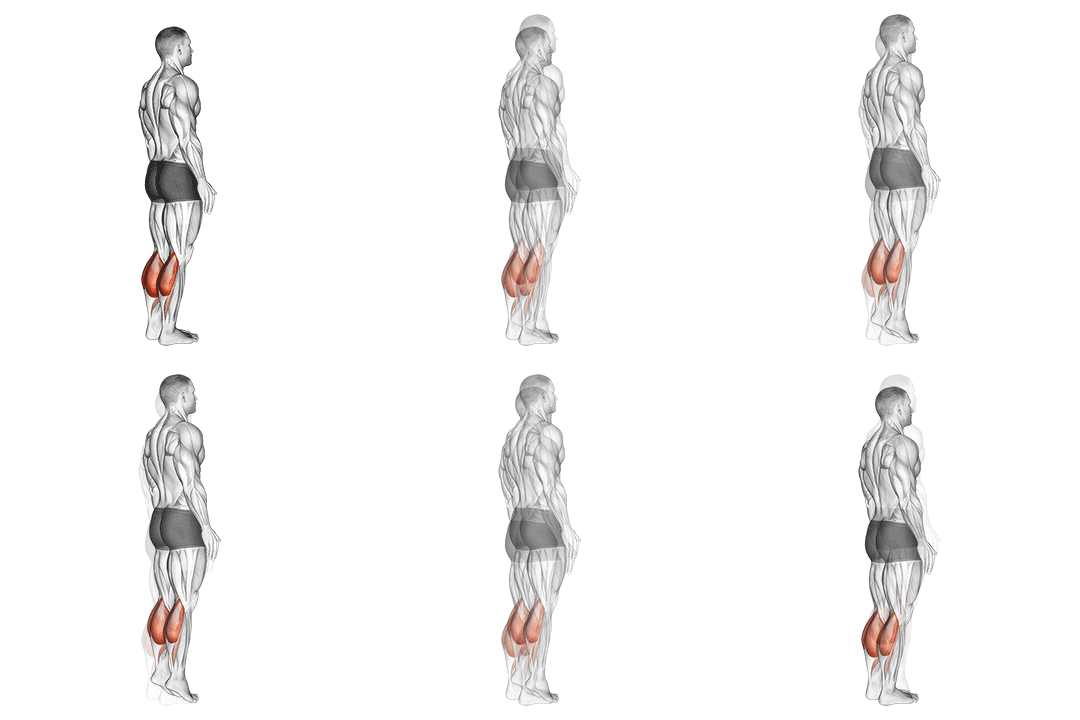
More comparisons with Ankle Circles
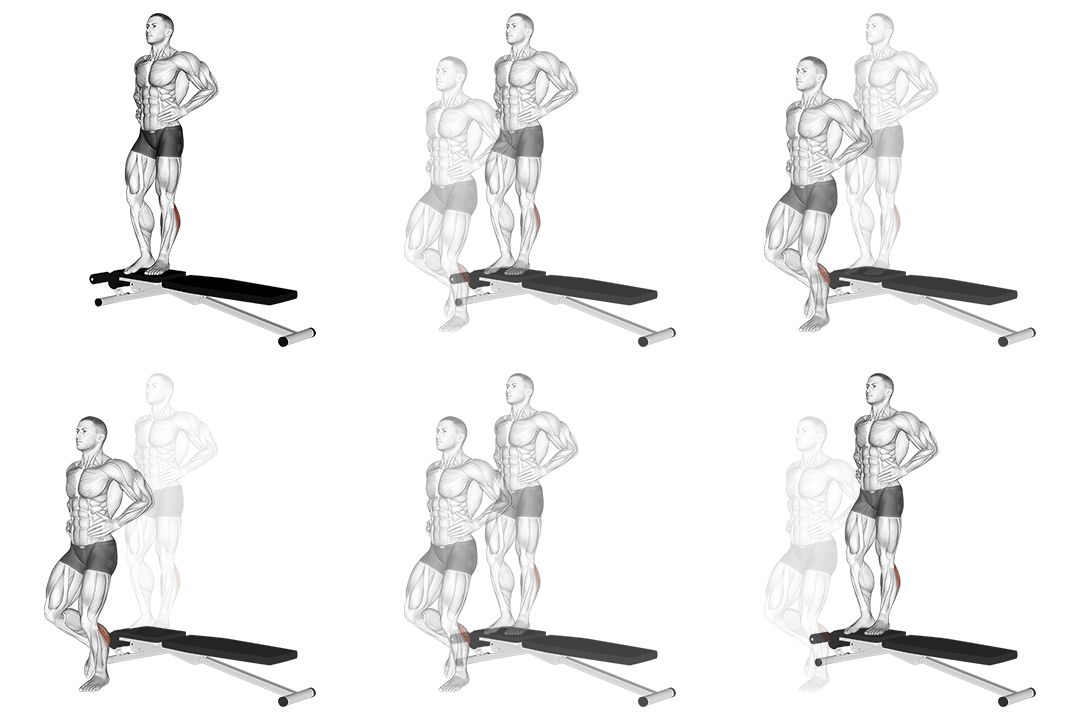
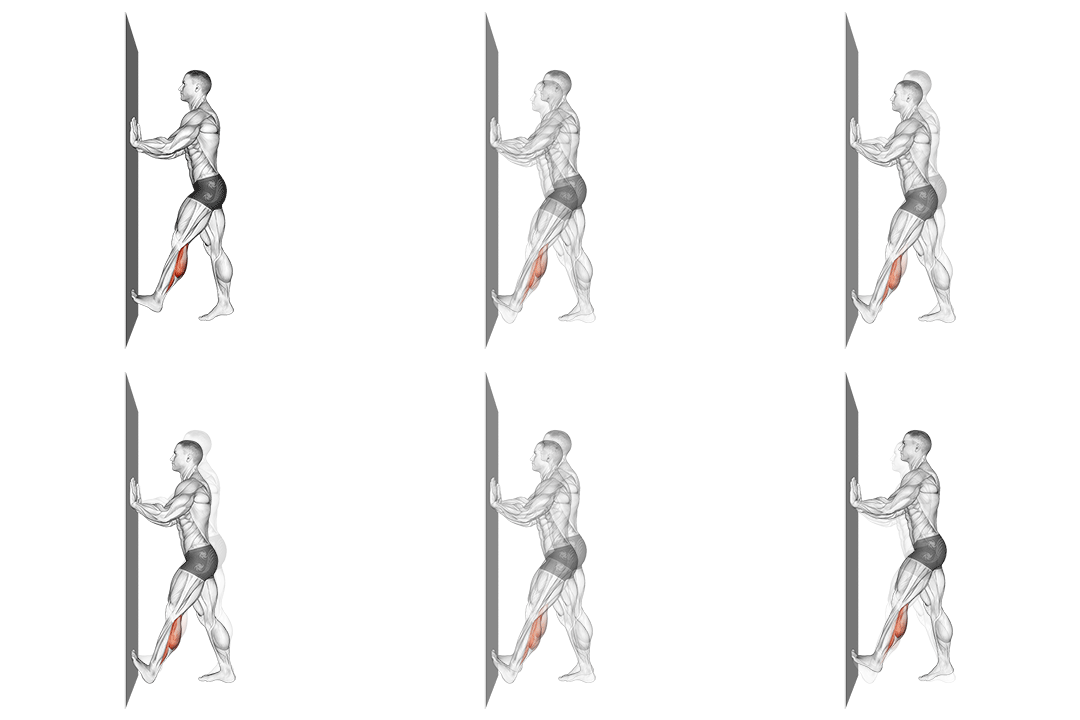
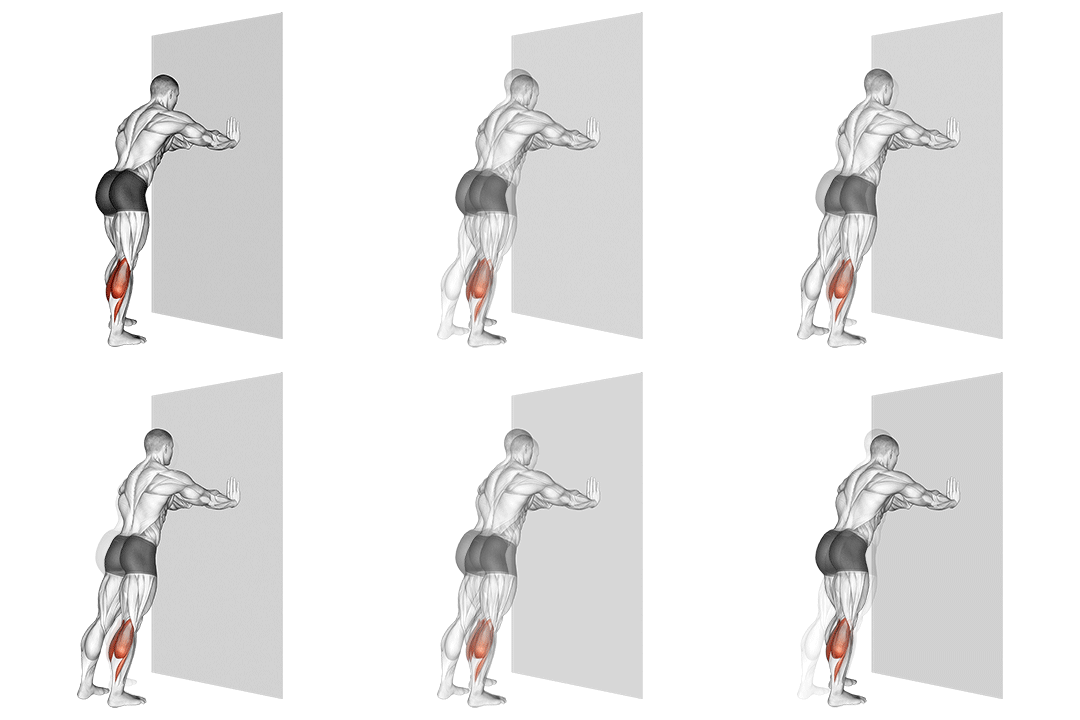
More comparisons with Band Single Leg Calf Raise
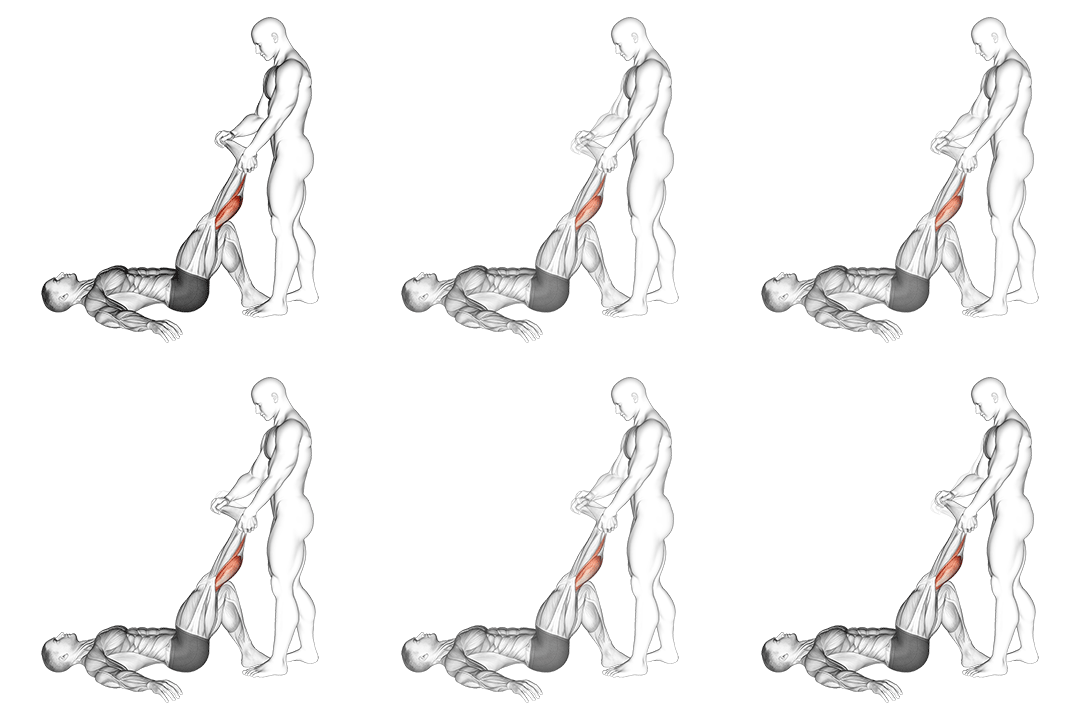
Compare More Exercises
Use our free comparison tool to analyze any two exercises head-to-head.
Compare Exercises