

Ankle Circles vs Calf Stretch With Rope: Complete Comparison Guide
Ankle Circles vs Calf Stretch With Rope — you want to know which move to use for mobility, calf conditioning, or rehab. I’ll walk you through how each targets the gastrocnemius and soleus, what secondary muscles get involved, exact technique cues, and clear rep/hold prescriptions. You’ll learn biomechanics like length-tension relationships and force vectors so you can choose the right exercise for mobility, low-load hypertrophy, or functional stability. By the end you’ll have a recommended pick for beginners, home workouts, strength-focused routines, and muscle-targeted stretching.
Exercise Comparison
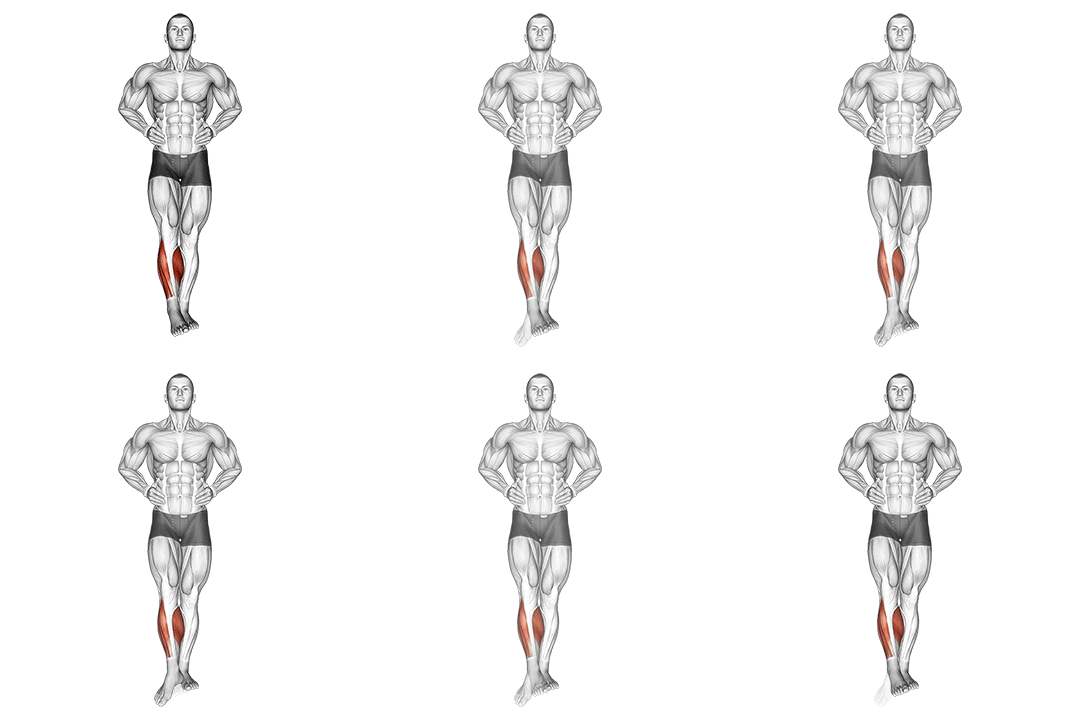
Ankle Circles
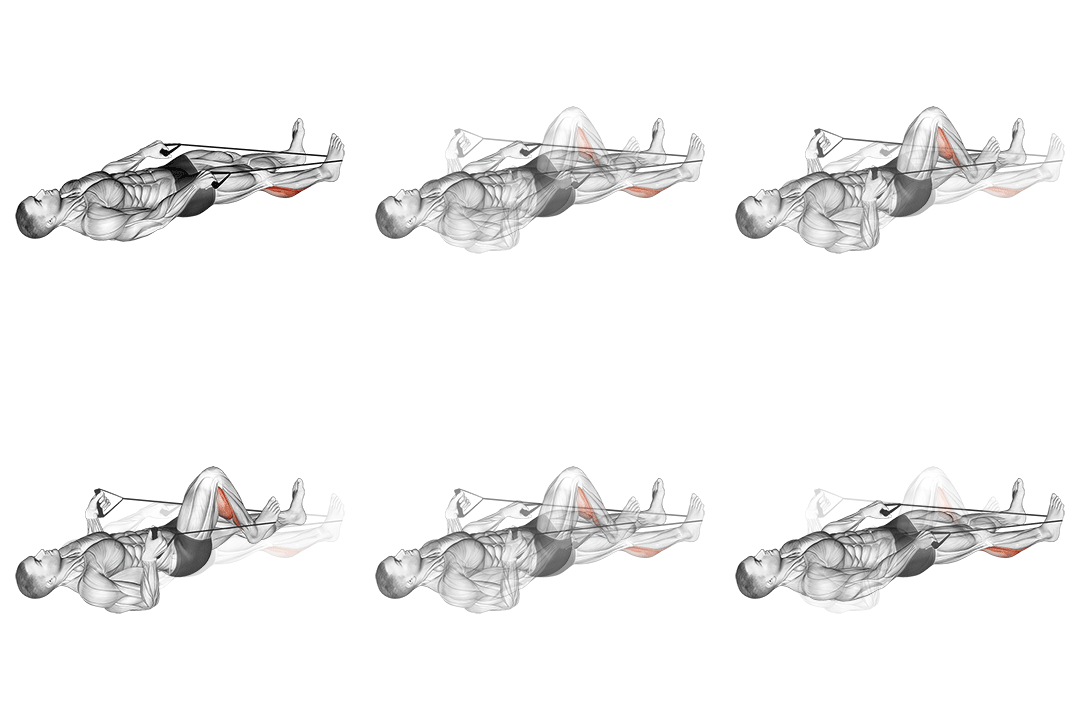
Calf Stretch With Rope
Head-to-Head Comparison
| Attribute | Ankle Circles | Calf Stretch With Rope |
|---|---|---|
| Target Muscle |
Calves
|
Calves
|
| Body Part |
Lower-legs
|
Lower-legs
|
| Equipment |
Body-weight
|
Rope
|
| Difficulty |
Beginner
|
Beginner
|
| Movement Type |
Isolation
|
Isolation
|
| Secondary Muscles |
1
|
1
|
Secondary Muscles Activated
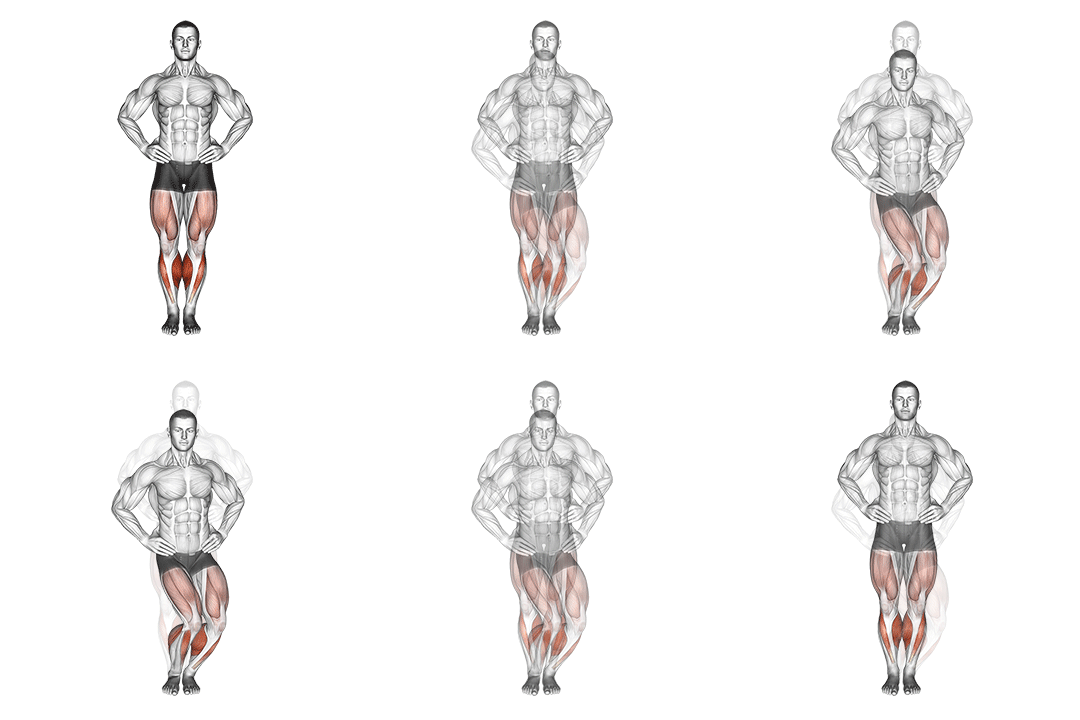
Ankle Circles
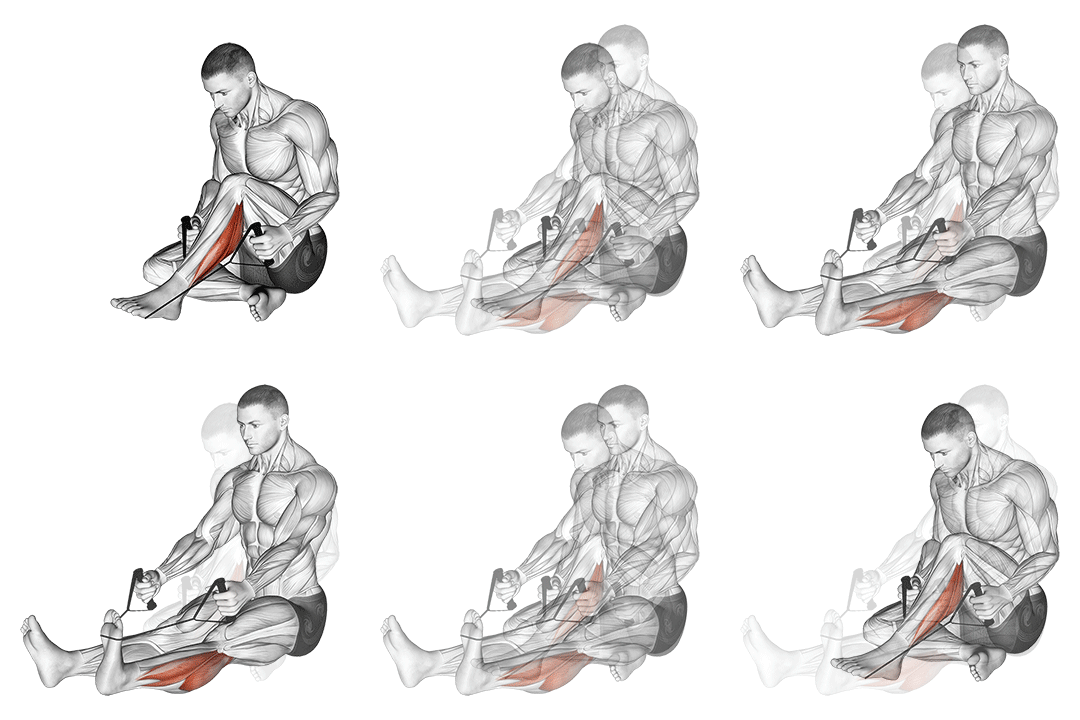
Calf Stretch With Rope
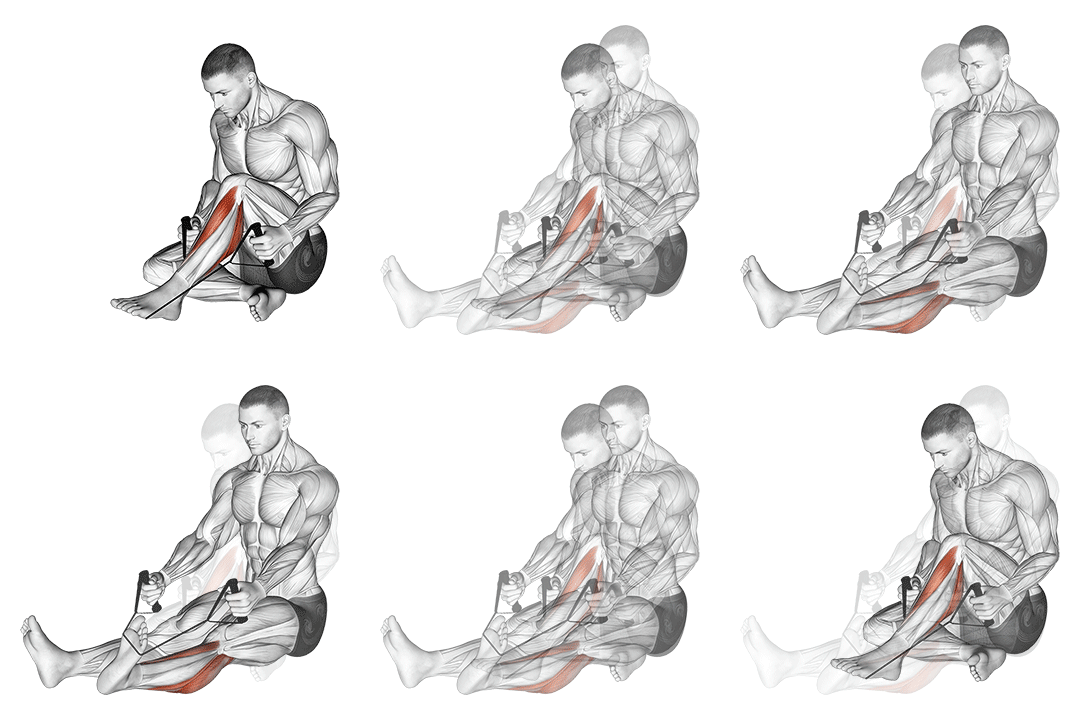
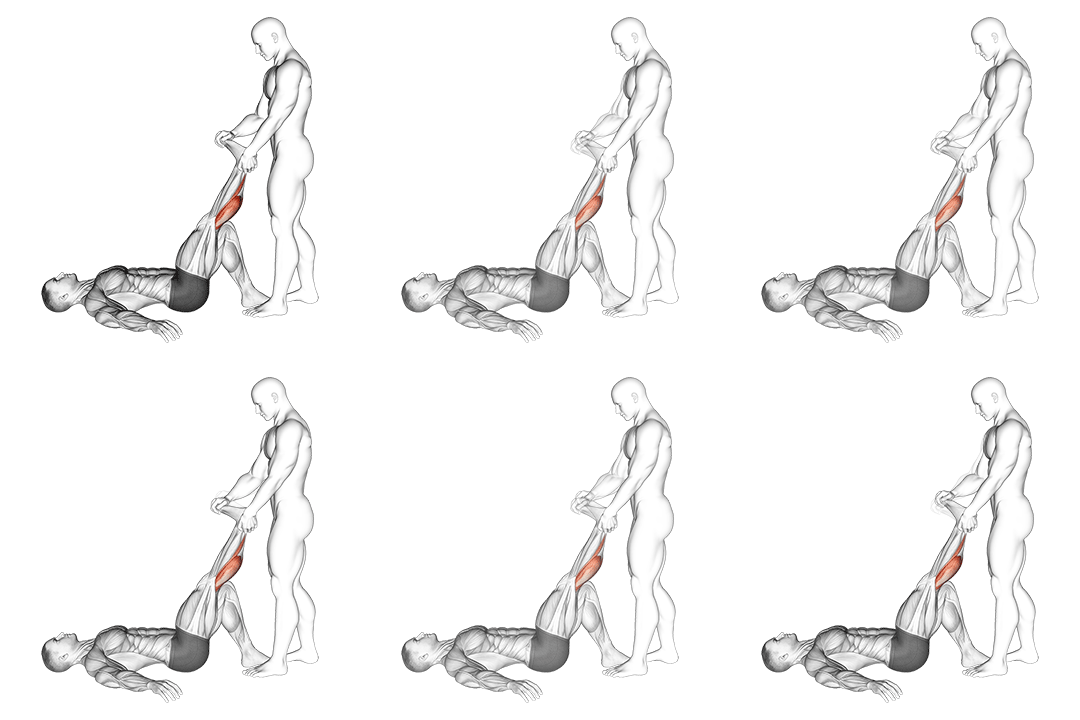
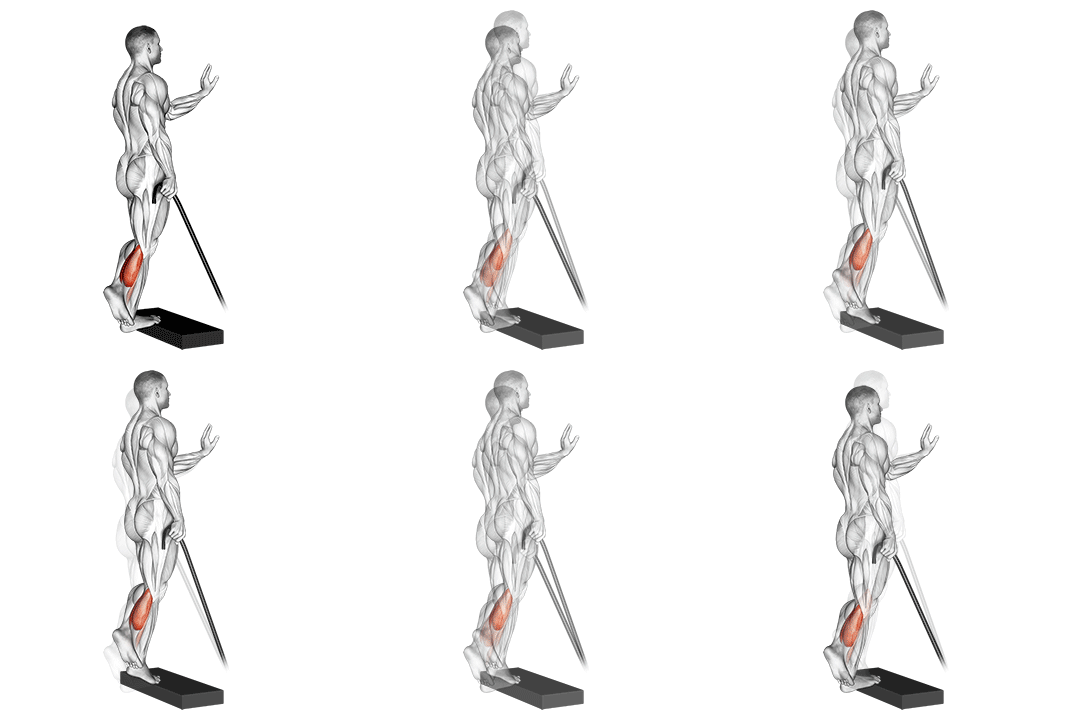
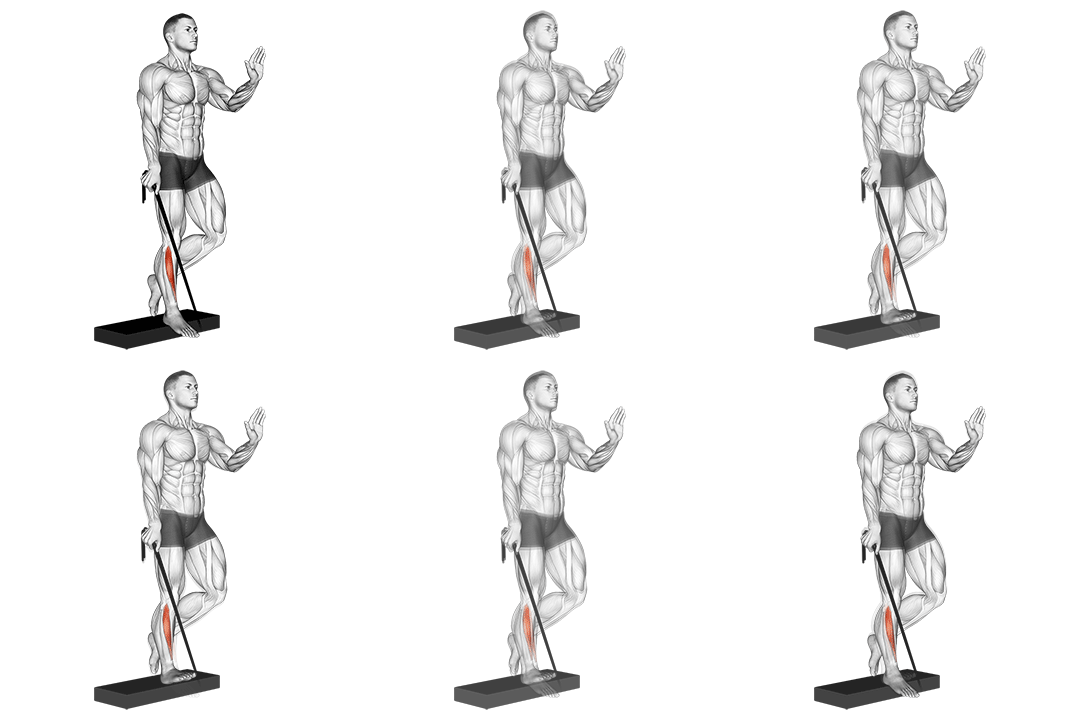
Visual Comparison
Overview
Ankle Circles vs Calf Stretch With Rope — you want to know which move to use for mobility, calf conditioning, or rehab. I’ll walk you through how each targets the gastrocnemius and soleus, what secondary muscles get involved, exact technique cues, and clear rep/hold prescriptions. You’ll learn biomechanics like length-tension relationships and force vectors so you can choose the right exercise for mobility, low-load hypertrophy, or functional stability. By the end you’ll have a recommended pick for beginners, home workouts, strength-focused routines, and muscle-targeted stretching.
Key Differences
- Equipment differs: Ankle Circles uses Body-weight, while Calf Stretch With Rope requires Rope.
Pros & Cons
Ankle Circles
+ Pros
- No equipment — can be performed anywhere
- Improves ankle mobility and proprioception through controlled ROM
- Activates ankle stabilizers and intrinsic foot muscles
- Very low injury risk when performed pain-free
− Cons
- Limited capacity for progressive overload to drive muscle growth
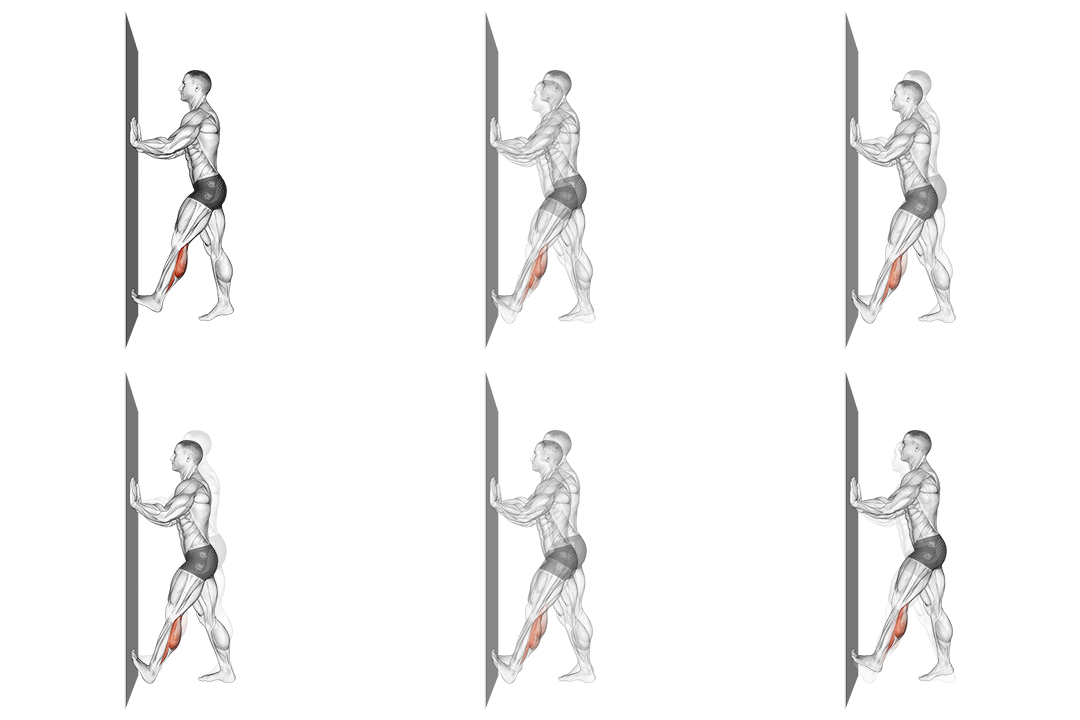
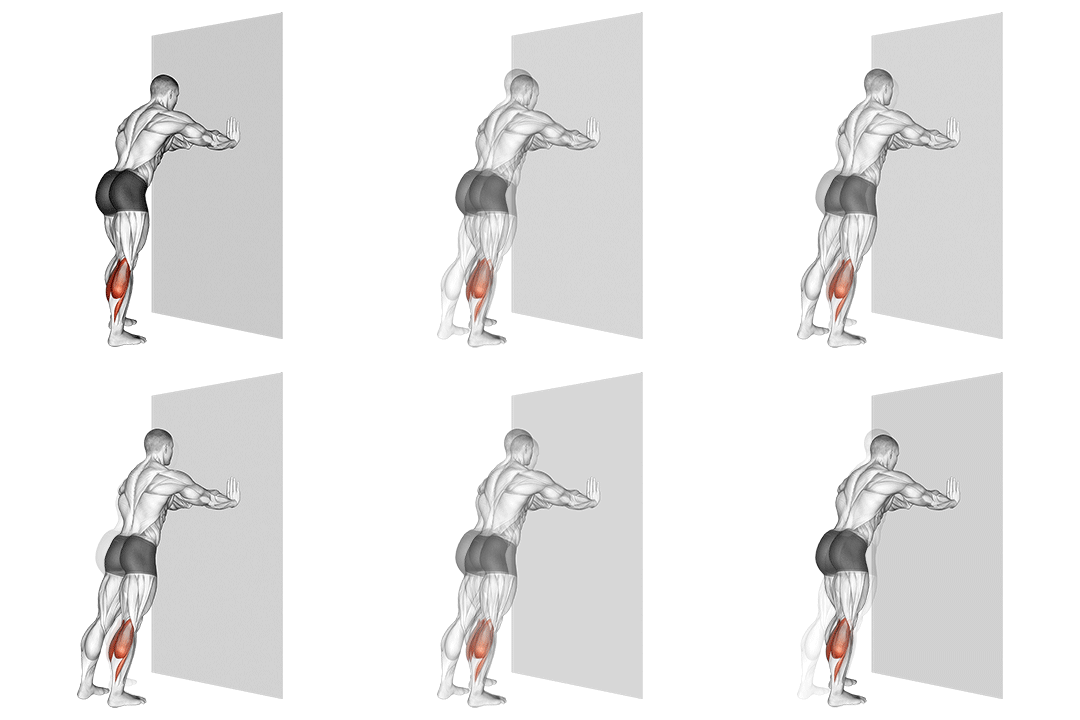
- Provides minimal passive stretch to the gastrocnemius when knee is extended
- Less effective at improving long-duration time under tension for hypertrophy
Calf Stretch With Rope
+ Pros
- Creates a strong passive stretch on gastrocnemius and increases dorsiflexion
- Engages hamstrings when knee is extended, offering posterior chain tension
- Easy to progress via longer holds, added lean, or stronger band tension
- Useful for stretch-mediated increases in muscle length and range
− Cons
- Requires rope/band and an anchor point
- Higher risk of overstretching Achilles or irritating hamstrings if overdone
- Technique demands (hip hinge, knee position) increase learning curve
When Each Exercise Wins
Calf Stretch With Rope wins because long-duration holds (30–60+ seconds) at longer muscle lengths increase passive tension and time under tension, supporting stretch-mediated hypertrophy. You can progressively increase intensity by adding band tension or leaning further, which better stimulates the gastrocnemius than low-load ankle circles.
While neither replaces loaded standing calf raises, the rope stretch allows higher isometric/eccentric tension when combined with a lean or band, making it more useful for building strength endurance and improving the muscle’s capacity at longer lengths.
Ankle Circles are simpler, safer, and teach ankle control and proprioception with minimal equipment and low injury risk. They’re ideal to build baseline mobility and to rehab or prevent ankle stiffness before introducing higher-tension stretches.
No gear, no setup, and quick execution make Ankle Circles the clear home workout winner. Use them between sets for mobility or as part of a warm-up when you don’t have a rope or band available.
Frequently Asked Questions
Can I do both Ankle Circles and Calf Stretch With Rope in the same workout?
Yes. Use Ankle Circles as an active warm-up or neuromuscular prep (10–20 circles each direction), then follow with Calf Stretch With Rope holds (30–60 seconds, 2–3 sets) to increase range and time under tension. Sequence preserves mobility and adds a deeper stretch stimulus without excessive fatigue.
Which exercise is better for beginners?
Ankle Circles are better for beginners because they require no equipment and teach ankle control and proprioception with very low injury risk. Start here until you can hinge at the hip and keep the knee extended comfortably before adding rope stretches.
How do the muscle activation patterns differ?
Ankle Circles produce cyclic concentric/eccentric activation focused on ankle stabilizers and light calf recruitment, whereas Calf Stretch With Rope places muscle fibers at longer lengths in an isometric/eccentric-dominant pattern, increasing passive tension and stretch on the gastrocnemius. That shift changes the force vector and the length-tension relationship of the calf.
Can Calf Stretch With Rope replace Ankle Circles?
Not completely. Calf Stretch With Rope is superior for lengthening the gastrocnemius and adding time under tension, but it does not train ankle proprioception and stabilizers as effectively as Ankle Circles. Use both if you need mobility plus stretch-mediated muscle conditioning.
Expert Verdict
Choose Ankle Circles when your priority is ankle mobility, proprioception, or a low-risk warm-up—perform 10–20 circles per direction, keeping motion controlled and pain-free. Opt for Calf Stretch With Rope when you need a more intense, lengthened stimulus on the gastrocnemius or want to progress time under tension; use 30–60 second holds for 2–3 sets and maintain a straight knee to bias the gastrocnemius. For rehabilitation and beginners, start with Ankle Circles, then add rope stretches once hip hinge and knee control are solid. For hypertrophy or strength-focused work, incorporate rope-based holds and pair them with loaded calf raises.
Also Compare
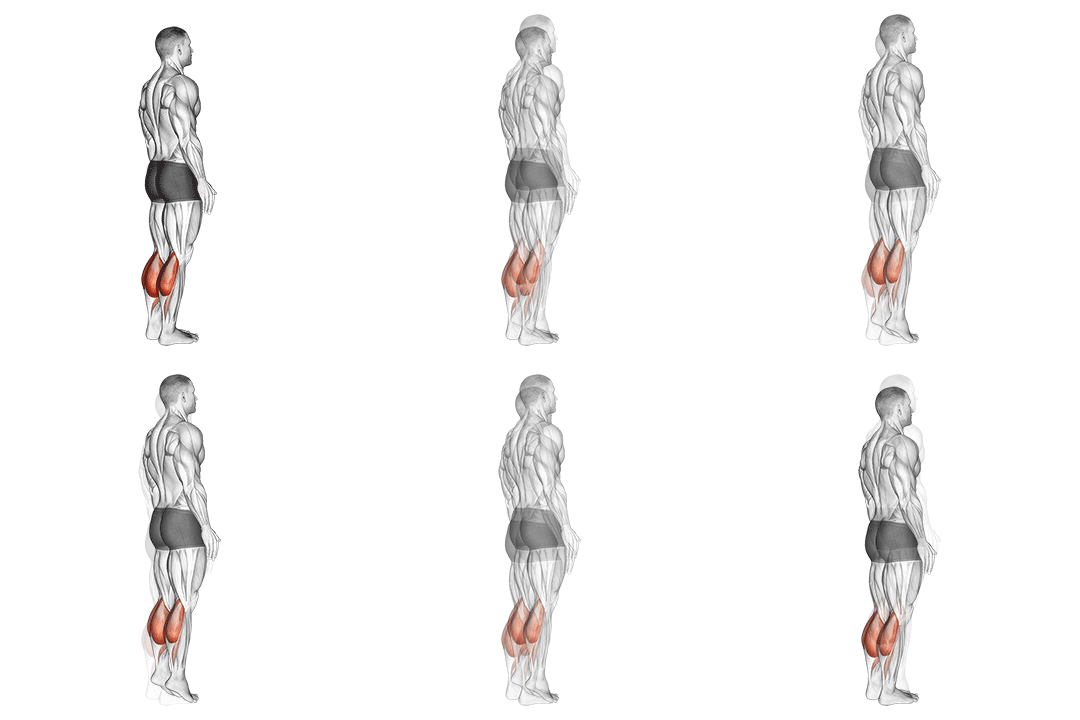
More comparisons with Ankle Circles
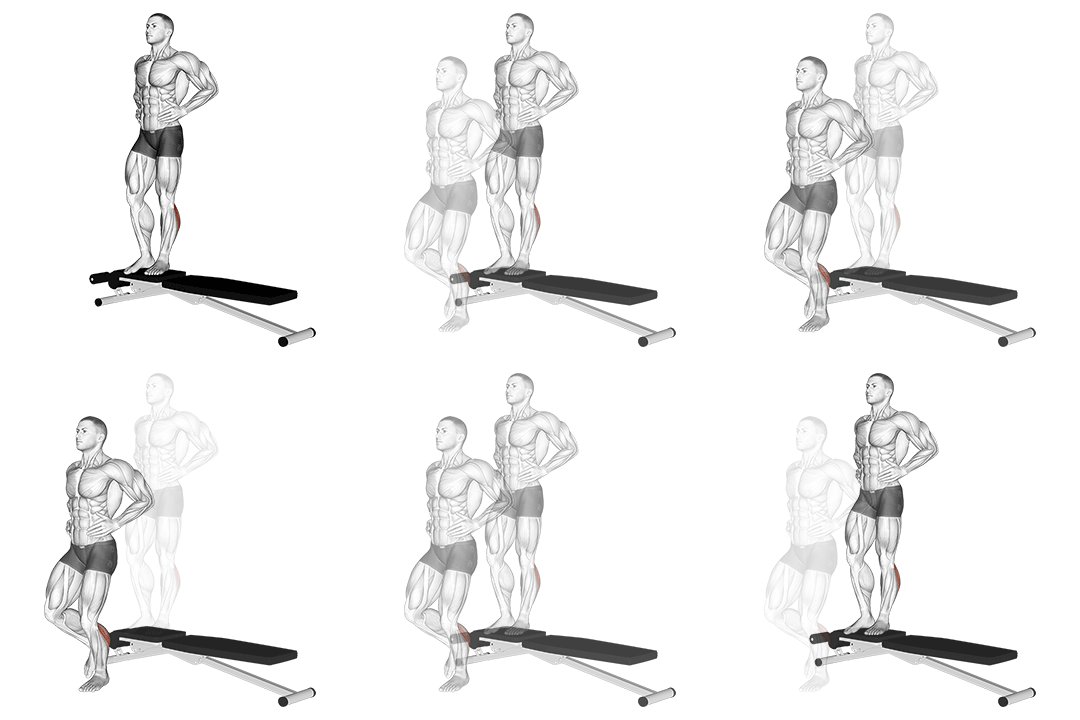
More comparisons with Calf Stretch With Rope
Compare More Exercises
Use our free comparison tool to analyze any two exercises head-to-head.
Compare Exercises