

Ankle Circles vs Peroneals Stretch: Complete Comparison Guide
Ankle Circles vs Peroneals Stretch — you’re deciding between a dynamic ankle mobility drill and a targeted calf/peroneal stretch. I’ll walk you through how each movement loads the calf complex, which muscles get most activation, what equipment you need, and how to use them depending on your goals (mobility, injury prevention, or preparation). You’ll get clear cues, rep and hold ranges, and biomechanics-based reasons to pick one over the other so you can program them into warm-ups, rehab, or daily routines.
Exercise Comparison
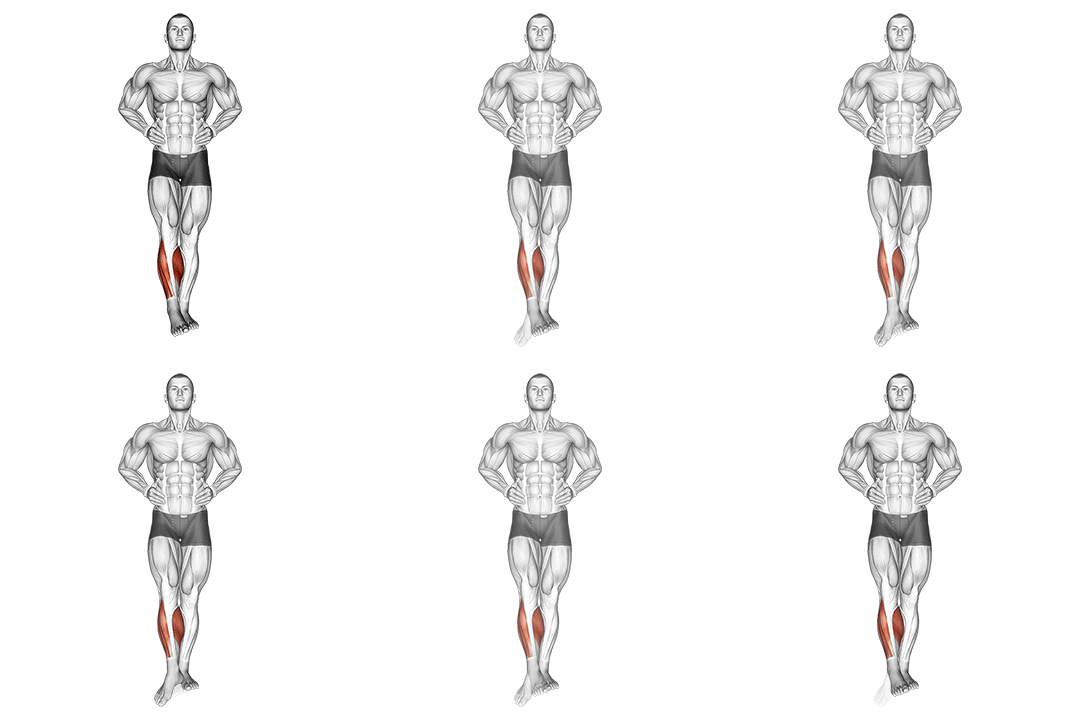
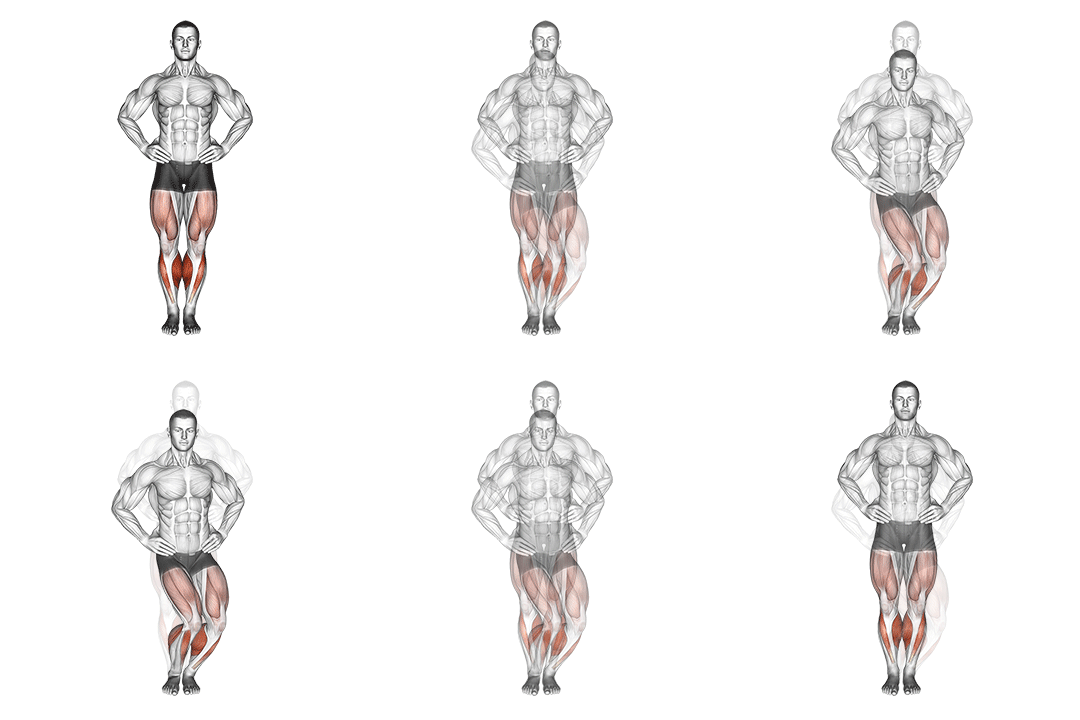
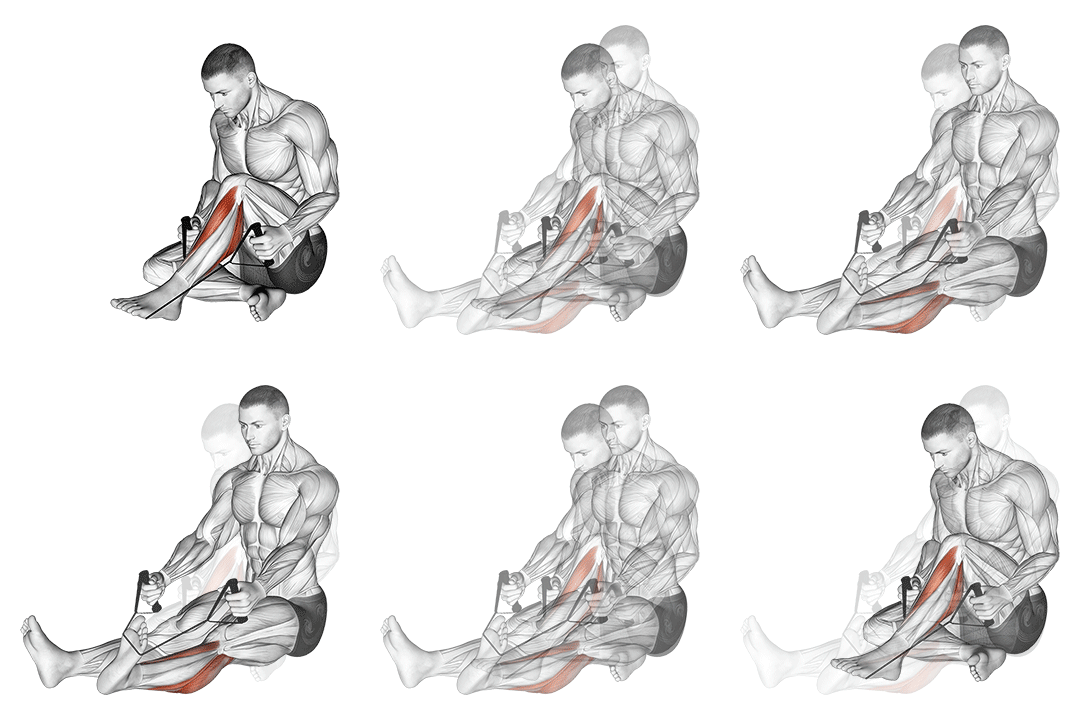
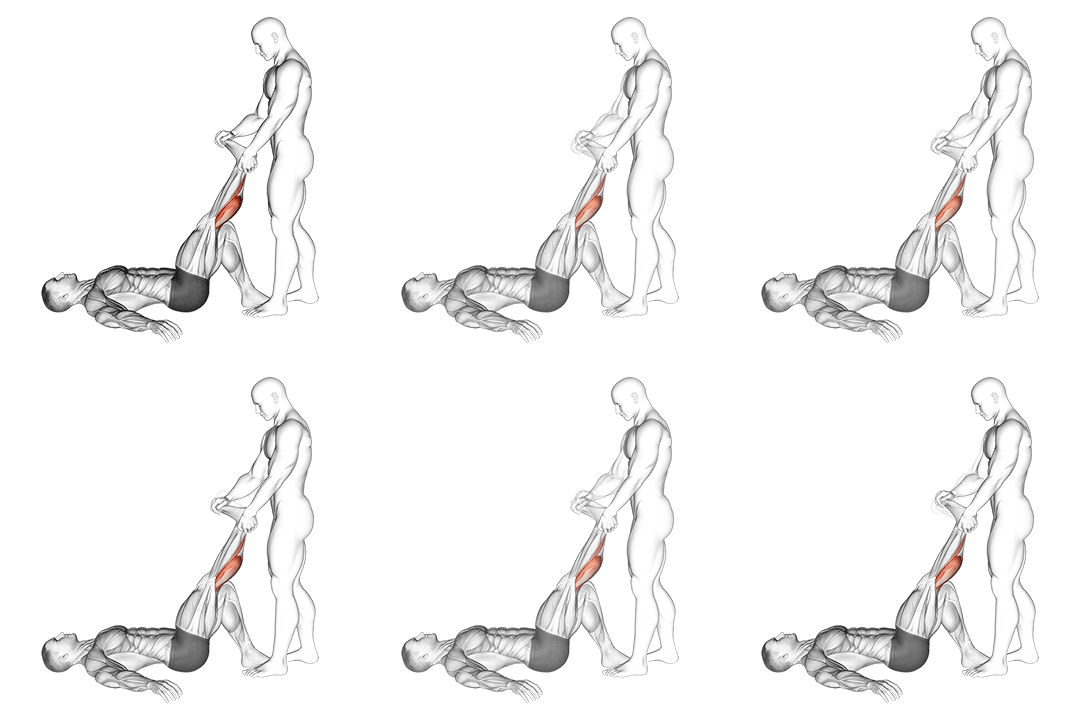
Ankle Circles
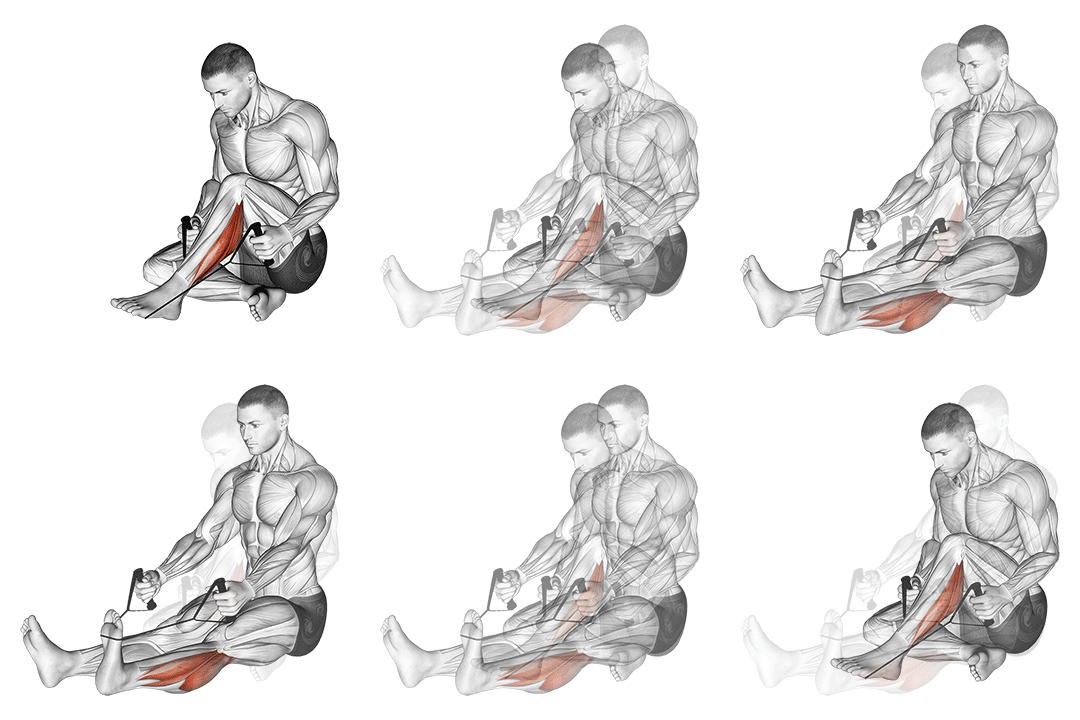
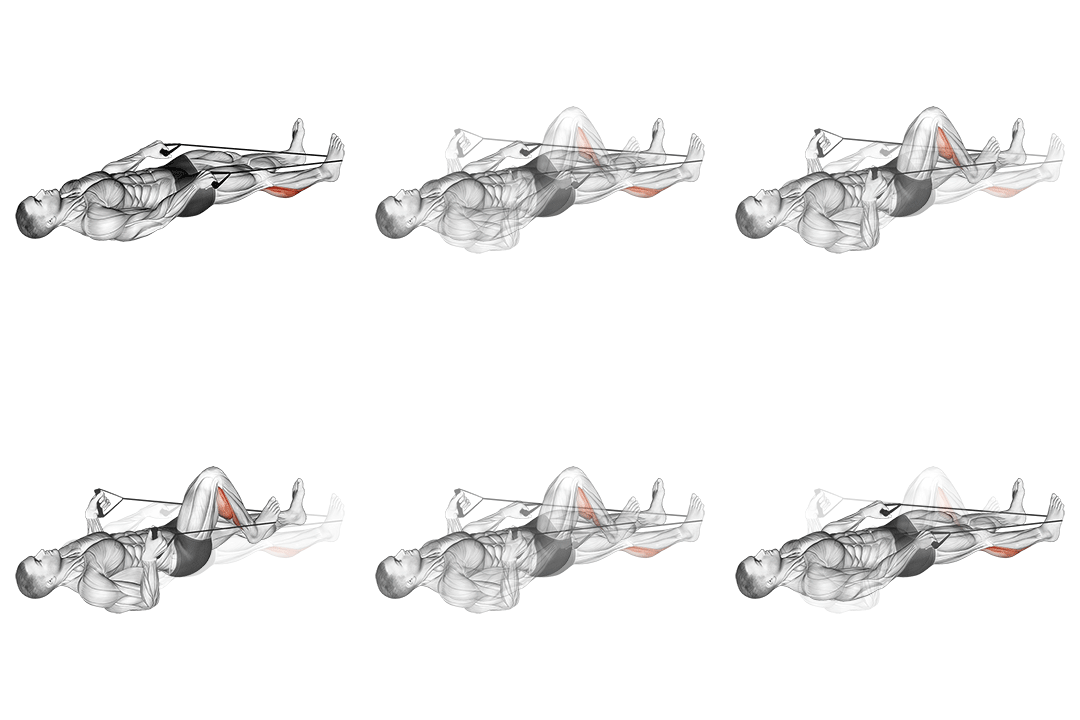
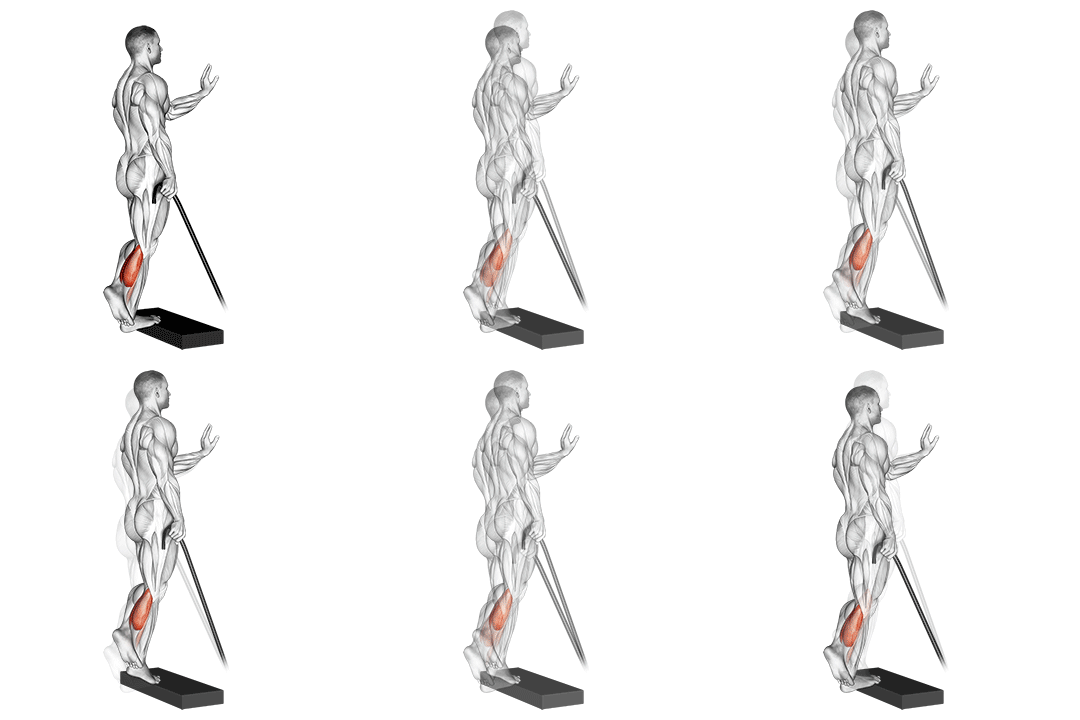
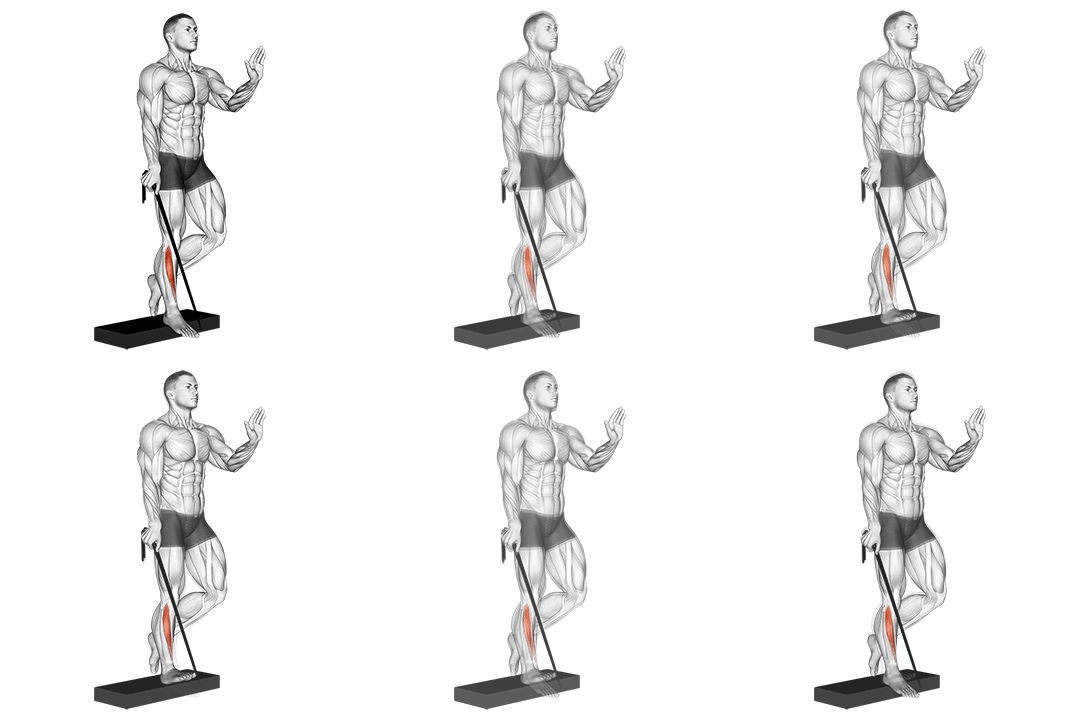
Peroneals Stretch
Head-to-Head Comparison
| Attribute | Ankle Circles | Peroneals Stretch |
|---|---|---|
| Target Muscle |
Calves
|
Calves
|
| Body Part |
Lower-legs
|
Lower-legs
|
| Equipment |
Body-weight
|
Rope
|
| Difficulty |
Beginner
|
Beginner
|
| Movement Type |
Isolation
|
Isolation
|
| Secondary Muscles |
1
|
2
|
Secondary Muscles Activated
Ankle Circles
Peroneals Stretch
Visual Comparison
Overview
Ankle Circles vs Peroneals Stretch — you’re deciding between a dynamic ankle mobility drill and a targeted calf/peroneal stretch. I’ll walk you through how each movement loads the calf complex, which muscles get most activation, what equipment you need, and how to use them depending on your goals (mobility, injury prevention, or preparation). You’ll get clear cues, rep and hold ranges, and biomechanics-based reasons to pick one over the other so you can program them into warm-ups, rehab, or daily routines.
Key Differences
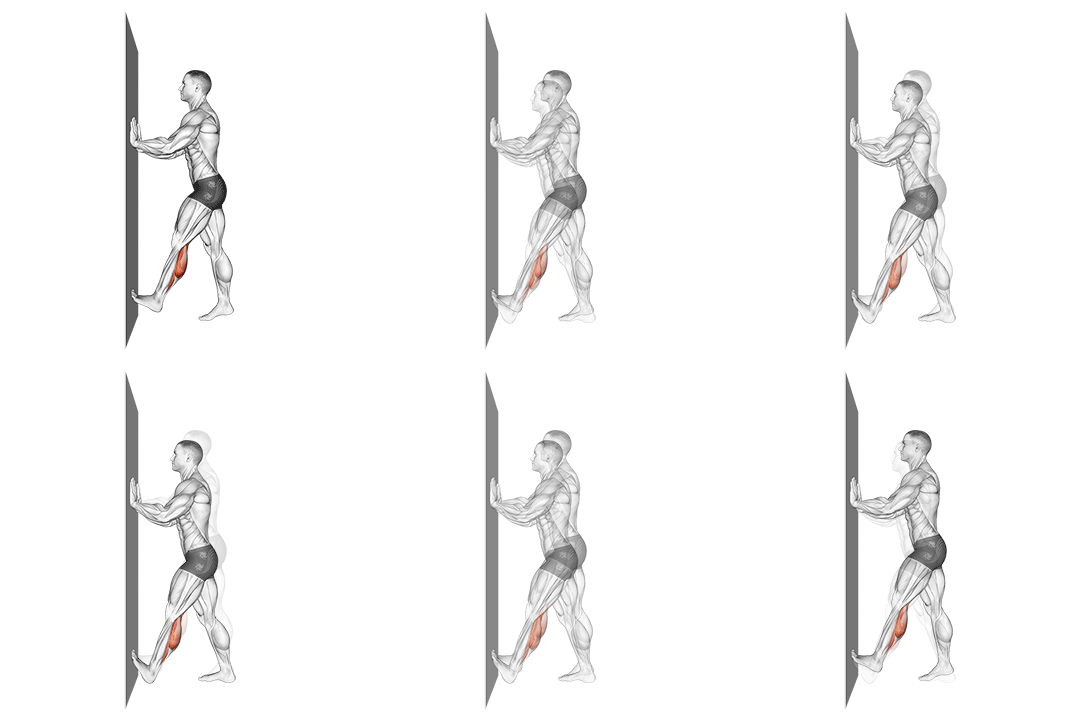
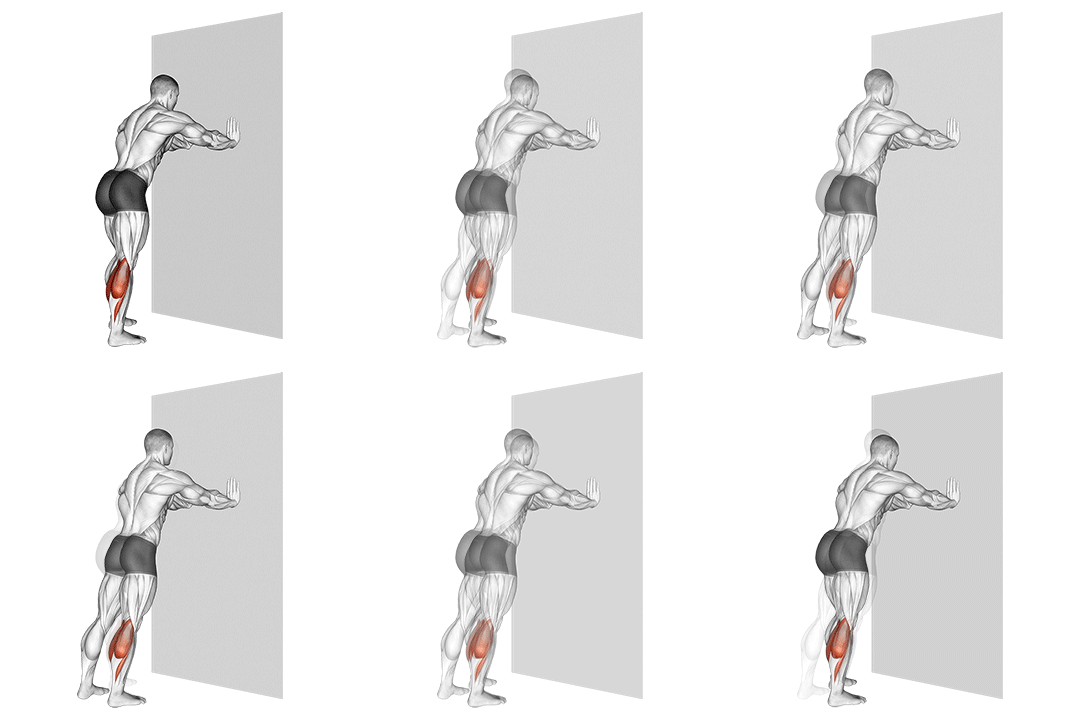
- Equipment differs: Ankle Circles uses Body-weight, while Peroneals Stretch requires Rope.
Pros & Cons
Ankle Circles
+ Pros
- Requires no equipment and can be done anywhere
- Improves dynamic ankle mobility and proprioception
- Low injury risk when performed gently
- Easy to integrate into warm-ups with 10–20 reps
− Cons
- Limited passive lengthening for stubborn lateral tightness
- Less effective for isolated peroneal lengthening
- Provides low mechanical load for long-term tissue remodeling
Peroneals Stretch
+ Pros
- Directly targets peroneus longus/brevis and lateral calf tissues
- Excellent for increasing passive range (hold 20–30s) and reducing lateral tightness
- Helps correct eversion deficits that affect gait and ankle stability
- Progresses via hold time and band tension for increased tissue adaptation
− Cons
- Requires rope/band and proper setup
- Higher risk if forced into excessive eversion (beyond 25–30°)
- Less dynamic proprioceptive benefit compared to active drills
When Each Exercise Wins
Ankle Circles let you perform higher-rep, cyclic contractions (15–30 reps) that stimulate repeated muscle activation and metabolic stress in gastrocnemius and soleus. The rhythmic loading across the length-tension curve supports progressive overload with tempo or resistance bands better than a passive stretch.
Strength gains require active force production under load; you can progress ankle circles by adding resistance bands or unilateral balance challenges to increase torque. The Peroneals Stretch is passive and won’t build concentric or eccentric strength as effectively.
Ankle Circles are simpler to teach and perform with minimal setup and low risk. Beginners gain proprioception and basic mobility quickly with 10–20 controlled reps, making it the best first option.
No equipment, space, or anchors needed—Ankle Circles can be done seated on a chair or lying on a mat. While you can do Peroneals Stretch at home with a band, it adds setup complexity that most people want to avoid.
Frequently Asked Questions
Can I do both Ankle Circles and Peroneals Stretch in the same workout?
Yes. Start with Ankle Circles for 10–20 reps to warm tissues and activate stabilizers, then perform Peroneals Stretch with 2–3 holds of 20–30 seconds to target passive length. This order uses active mobility to prepare tissue before stretching.
Which exercise is better for beginners?
Ankle Circles are better for beginners because they require no equipment and teach basic ankle control. Perform slow, controlled circles and stop if you feel sharp pain; progress to Peroneals Stretch once you can control end-range positions.
How do the muscle activation patterns differ?
Ankle Circles produce phasic concentric-eccentric activation of gastrocnemius, soleus, and intrinsic stabilizers across 10–20 reps. Peroneals Stretch produces low active EMG but high passive tension at 10–25° eversion, placing sustained length on peroneal tissues rather than creating repeated contractions.
Can Peroneals Stretch replace Ankle Circles?
Not entirely. Peroneals Stretch replaces targeted lateral tissue lengthening but does not provide dynamic control or strength stimulus. If your goal is mobility plus activation, keep Ankle Circles; use Peroneals Stretch when lateral tightness or rehab requires focused lengthening.
Expert Verdict
Use Ankle Circles as your go-to for warm-ups, mobility sessions, and low-load conditioning: 10–20 controlled reps per direction, or 3–5s per circle for tempo work. They improve dynamic control, proprioception, and can be progressed with bands for strength. Use Peroneals Stretch when you need targeted lengthening of the lateral calf and foot—hold 20–30 seconds with 10–25° eversion, 2–3 reps per side. For rehab or correcting lateral tightness, prioritize the Peroneals Stretch alongside strengthening; for general mobility and home use, default to Ankle Circles.
Also Compare
More comparisons with Ankle Circles
More comparisons with Peroneals Stretch
Compare More Exercises
Use our free comparison tool to analyze any two exercises head-to-head.
Compare Exercises