

Ankle Circles vs Posterior Tibialis Stretch: Complete Comparison Guide
Ankle Circles vs Posterior Tibialis Stretch — which one should you use for calf conditioning, mobility, or rehab? You’ll get a clear, practical comparison of technique, muscle activation, equipment needs, progression options, and injury risk. I’ll show exact cues (angles, reps, hold times), explain biomechanics like length–tension and force vectors, and give decisive recommendations based on your goals: muscle development, strength, beginner programming, or home workouts. Read on for step-by-step cues and actionable sets you can start using today.
Exercise Comparison
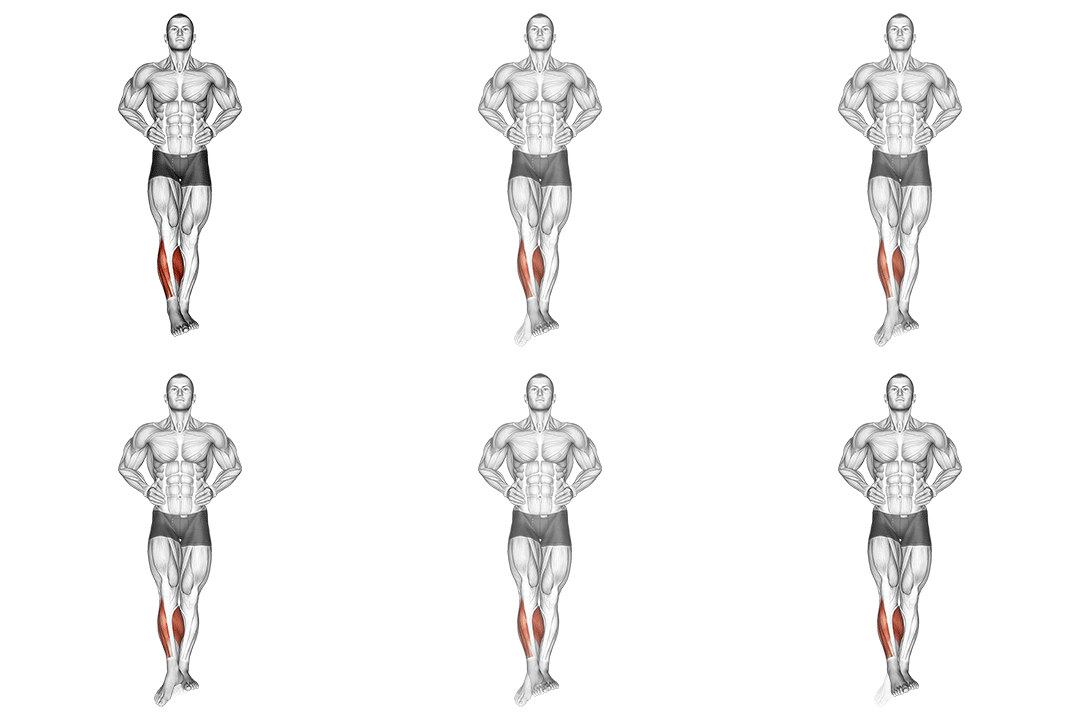
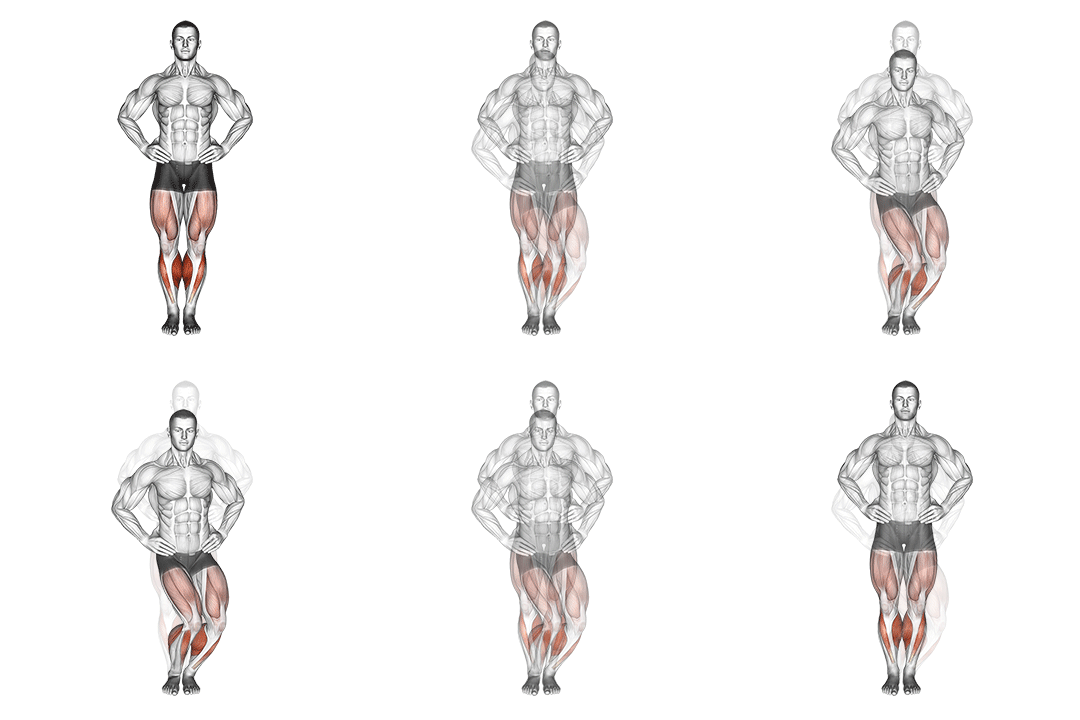
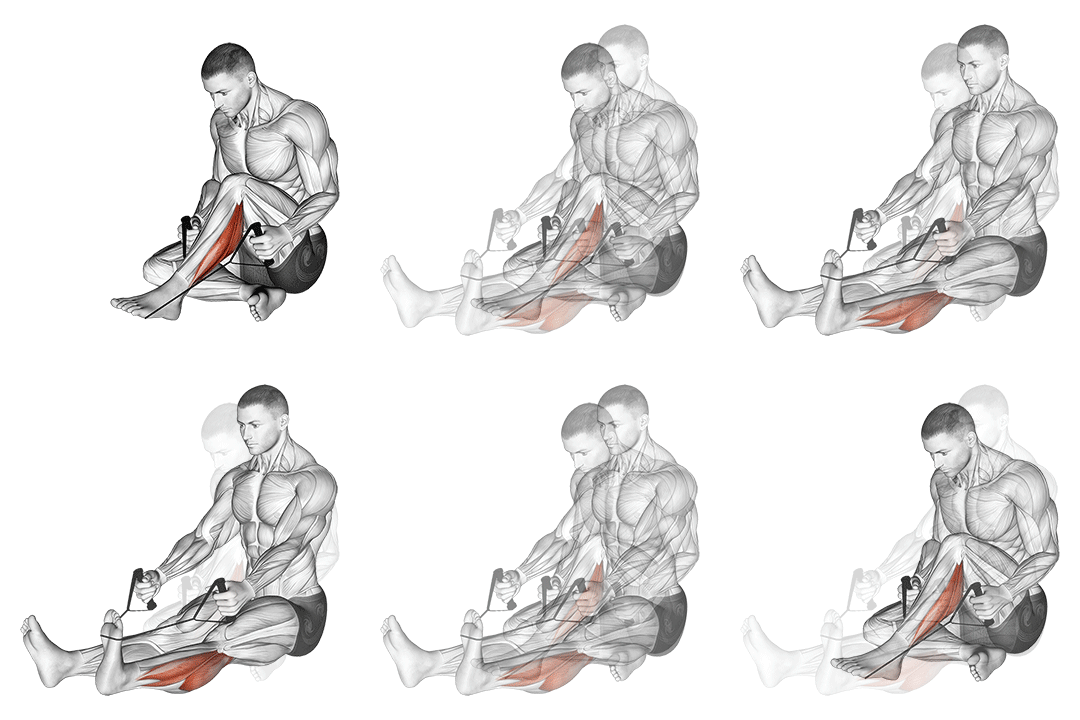
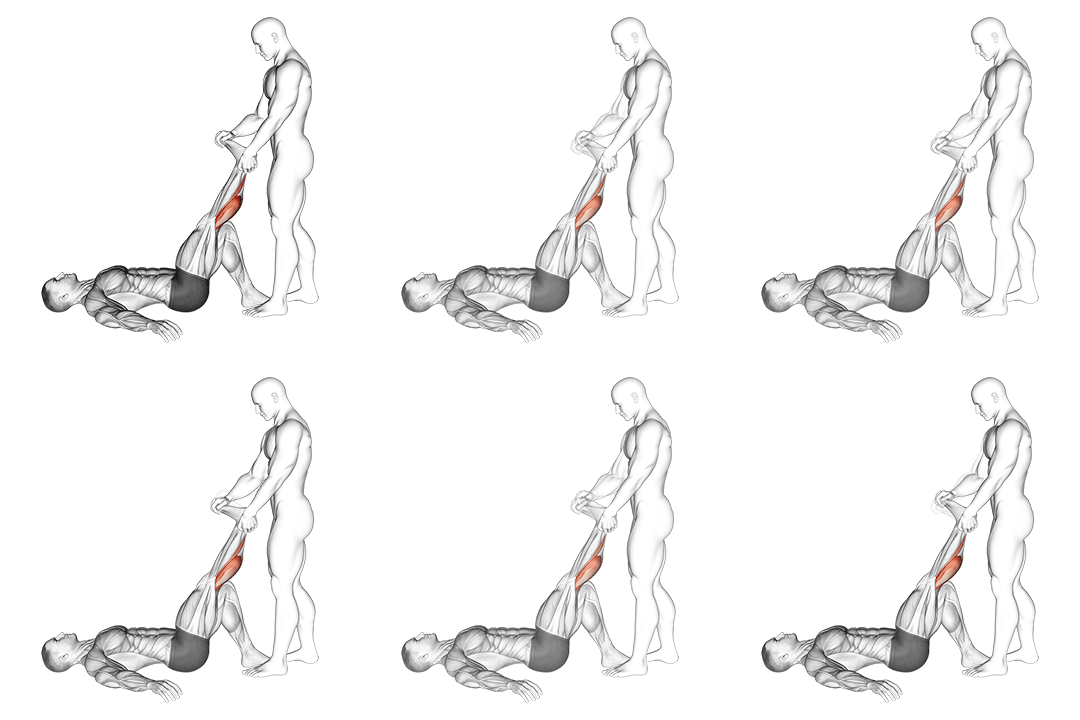
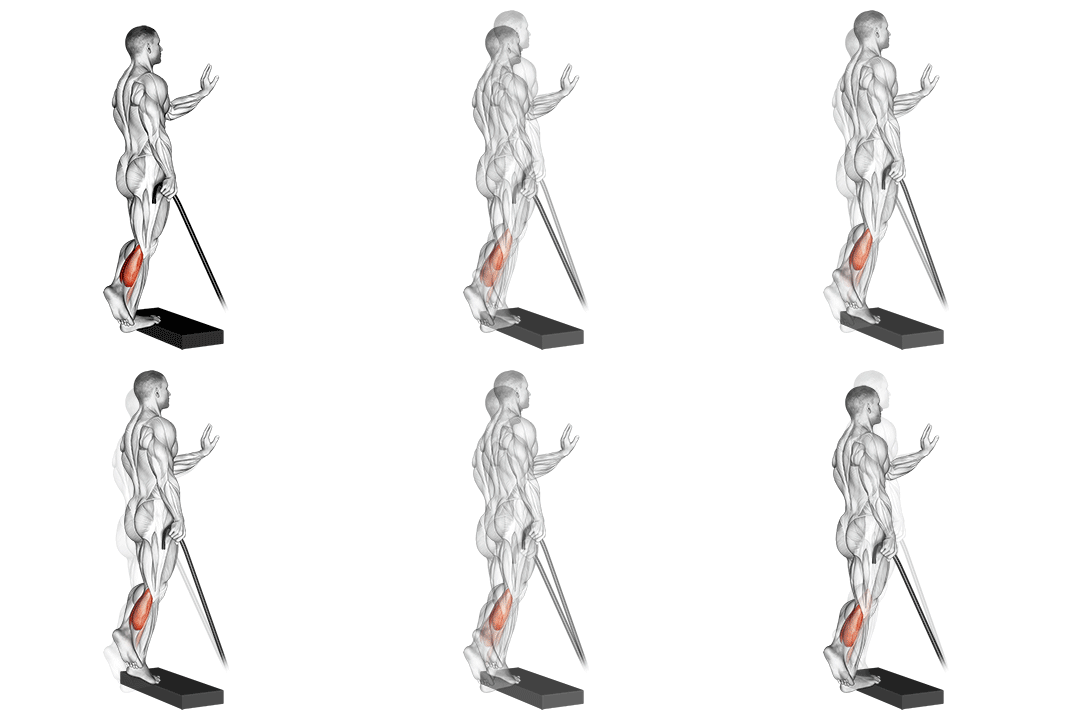
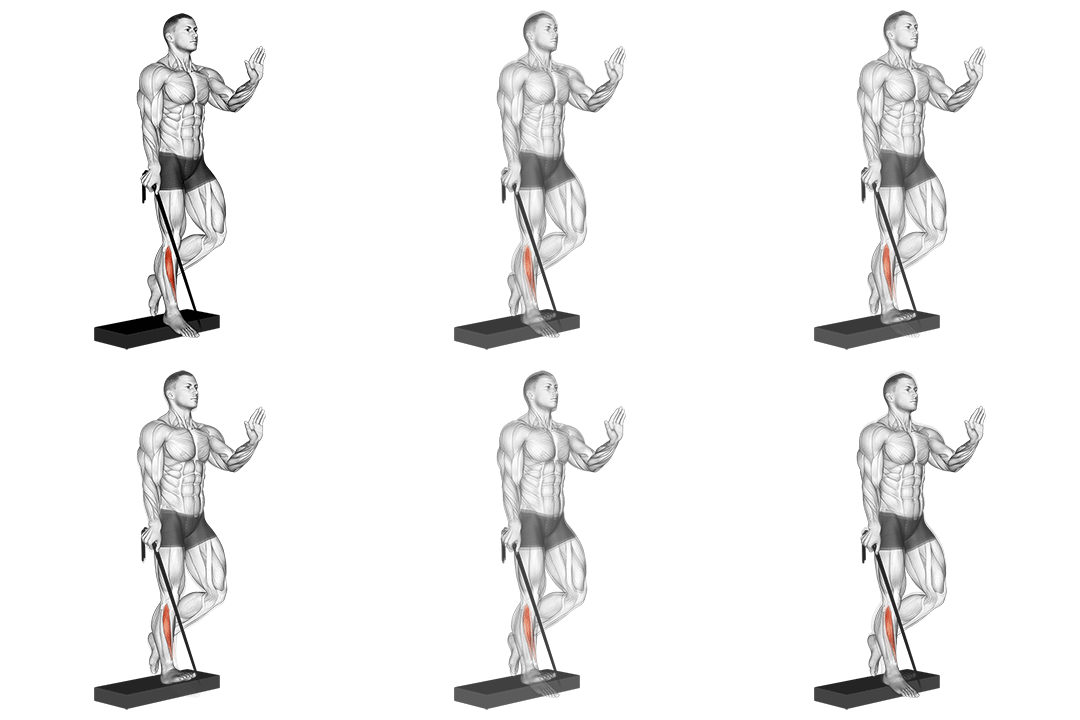
Ankle Circles
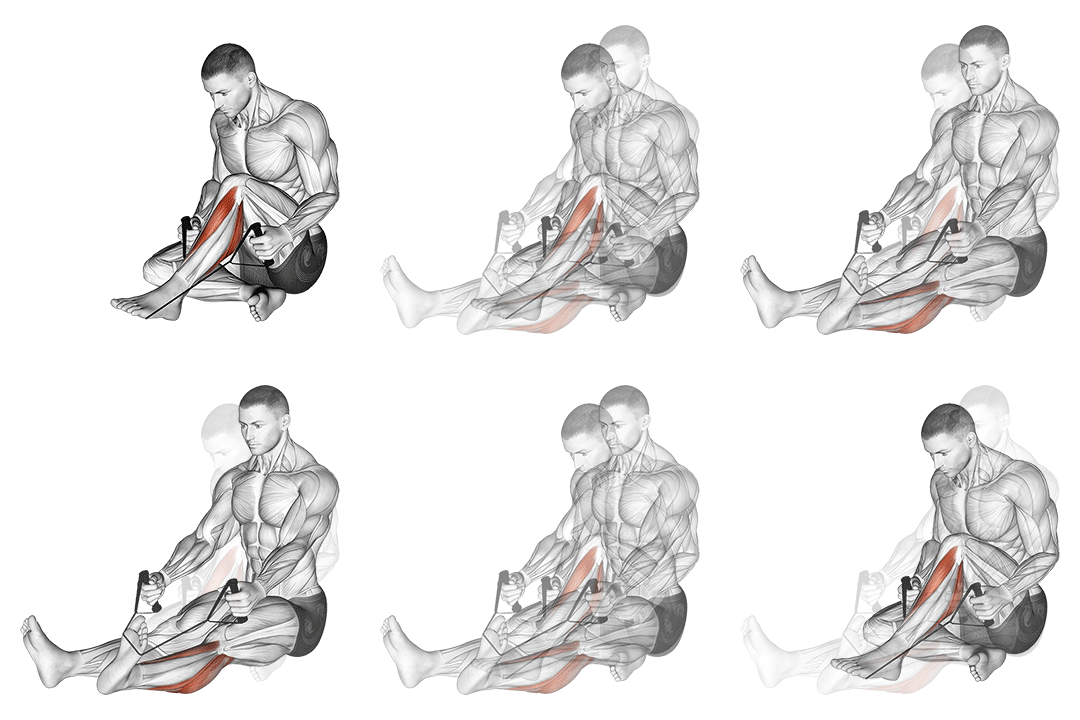
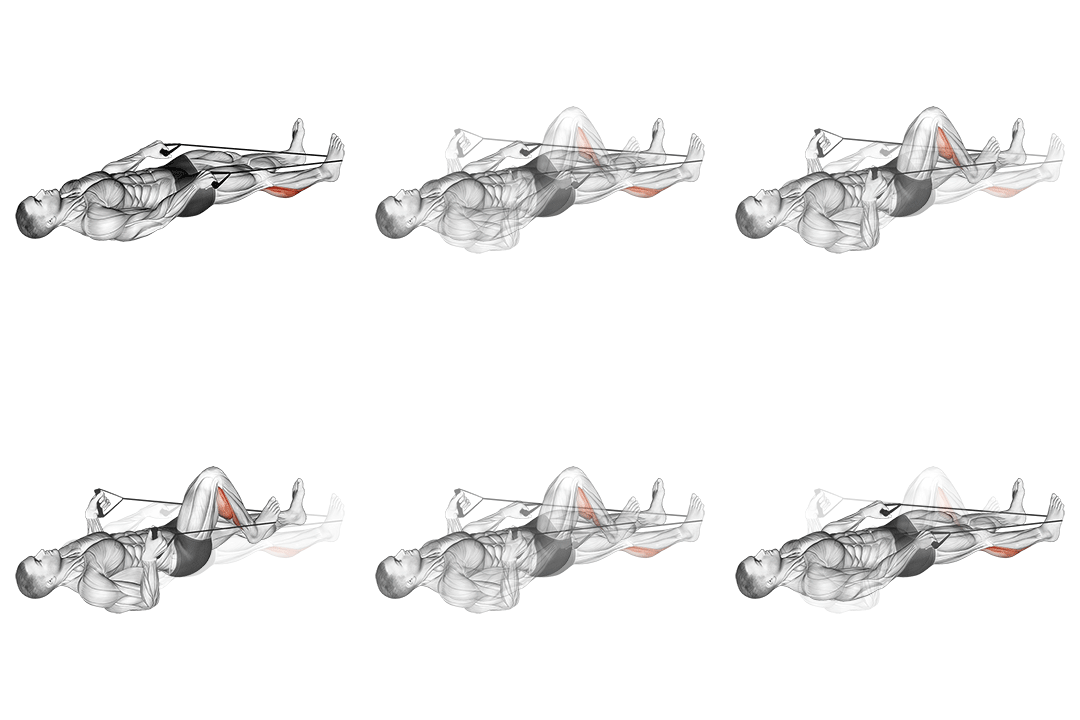
Posterior Tibialis Stretch
Head-to-Head Comparison
| Attribute | Ankle Circles | Posterior Tibialis Stretch |
|---|---|---|
| Target Muscle |
Calves
|
Calves
|
| Body Part |
Lower-legs
|
Lower-legs
|
| Equipment |
Body-weight
|
Rope
|
| Difficulty |
Beginner
|
Beginner
|
| Movement Type |
Isolation
|
Isolation
|
| Secondary Muscles |
1
|
2
|
Secondary Muscles Activated
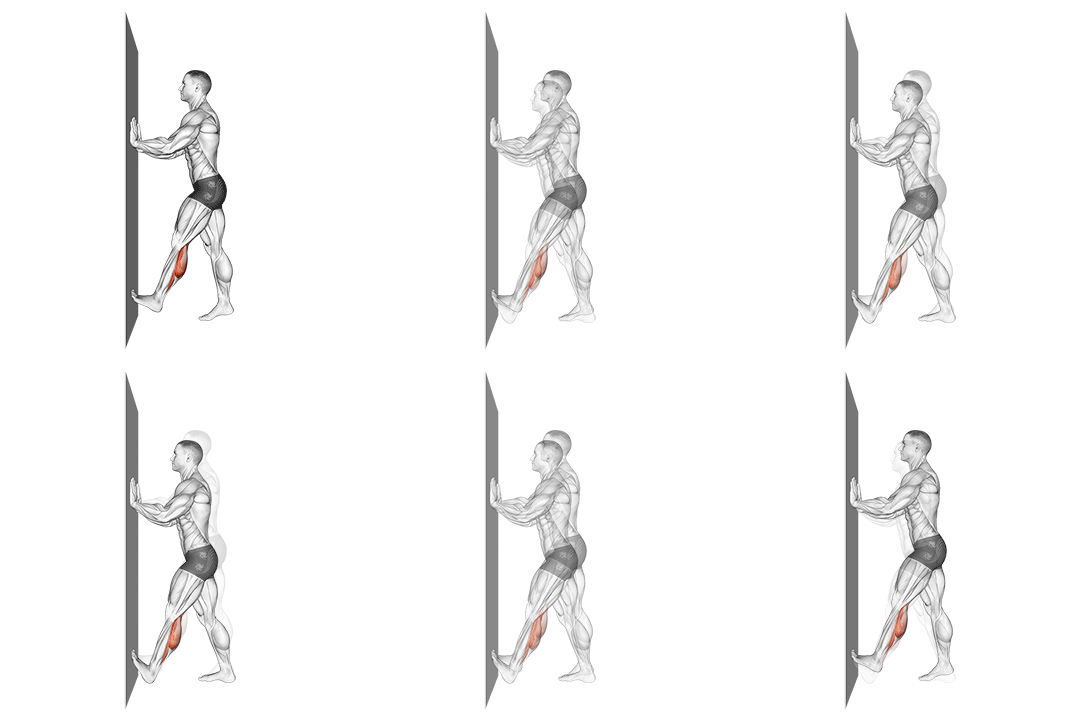
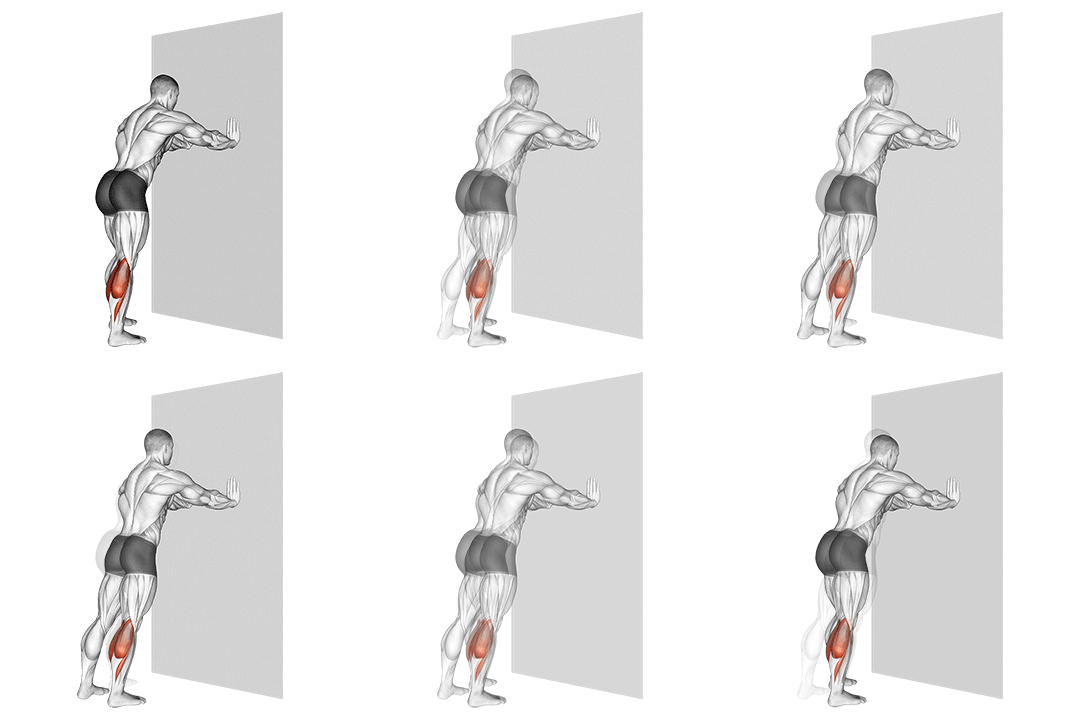
Ankle Circles
Posterior Tibialis Stretch
Visual Comparison
Overview
Ankle Circles vs Posterior Tibialis Stretch — which one should you use for calf conditioning, mobility, or rehab? You’ll get a clear, practical comparison of technique, muscle activation, equipment needs, progression options, and injury risk. I’ll show exact cues (angles, reps, hold times), explain biomechanics like length–tension and force vectors, and give decisive recommendations based on your goals: muscle development, strength, beginner programming, or home workouts. Read on for step-by-step cues and actionable sets you can start using today.
Key Differences
- Equipment differs: Ankle Circles uses Body-weight, while Posterior Tibialis Stretch requires Rope.
Pros & Cons
Ankle Circles
+ Pros
- No equipment—do anywhere
- Improves dynamic ankle stability and proprioception
- Easy to scale: single-leg, band resistance, or ankle weights
- Low injury risk when done within active ROM
− Cons
- Limited for maximal strength or hypertrophy without added load
- May not produce meaningful passive flexibility gains
- Can be ineffective if performed too fast without control
Posterior Tibialis Stretch
+ Pros
- Targets passive lengthening of deep posterior structures
- Useful for improving end-range dorsiflexion flexibility
- Can reduce passive calf stiffness with 30–60 s holds
- Helps address posterior tibialis tightness and medial ankle discomfort
− Cons
- Requires rope/strap and proper setup
- Minimal concentric muscular strengthening stimulus
- Higher risk of compensatory hip/knee tension if done incorrectly
When Each Exercise Wins
Ankle Circles permit progressive overload (bands, weights, single-leg), which is required for hypertrophy. Posterior Tibialis Stretch is passive and won’t provide the concentric/eccentric tension needed for muscle growth.
Strength adaptations require active force production and repeated loading; Ankle Circles can be loaded progressively and performed through controlled ranges to increase plantarflexor torque. The stretch provides mobility benefits but not significant force development.
They are intuitive, safe, and teach ankle control and proprioception with minimal setup. Posterior Tibialis Stretch needs accurate positioning and tensioning that beginners may struggle to manage.
No equipment, no anchor points, and low space needs make Ankle Circles ideal for home use. The Posterior Tibialis Stretch requires a rope/strap and a reliable way to apply tension, limiting convenience.
Frequently Asked Questions
Can I do both Ankle Circles and Posterior Tibialis Stretch in the same workout?
Yes. Start with Ankle Circles to activate and warm the calf (2 sets of 10–20 circles each direction), then finish with Posterior Tibialis Stretch for 30–60 s per side to address passive stiffness and improve end-range dorsiflexion.
Which exercise is better for beginners?
Ankle Circles are better for beginners because they require no equipment, teach ankle control, and have a low learning curve. Use the stretch only after you can control basic ROM without compensations.
How do the muscle activation patterns differ?
Ankle Circles produce active cyclic recruitment of gastrocnemius/soleus and ankle stabilizers (concentric plantarflexion, eccentric dorsiflexion). Posterior Tibialis Stretch produces low active firing but increases passive tension and sarcomere stretch—more effect on passive stiffness than motor output.
Can Posterior Tibialis Stretch replace Ankle Circles?
No — not for active strength or neuromuscular control. Use the stretch to improve flexibility and tendon length; use Ankle Circles for active recruitment, stability, and progressive loading. They complement each other rather than substitute.
Expert Verdict
Use Ankle Circles when your goal is active control, ankle stability, or progressive calf loading. They’re your go-to for neuromuscular training, basic strength work (2–4 sets of 10–30 circles per direction), and easy home programming. Choose Posterior Tibialis Stretch when you need targeted passive lengthening, to reduce medial ankle tightness, or to increase end-range dorsiflexion with 30–60 second holds for 2–4 reps. Biomechanically, Ankle Circles produce concentric/eccentric force and improve motor recruitment, while the Posterior Tibialis Stretch alters the length–tension relationship and reduces passive stiffness. Combine both when you need both mobility and active control.
Also Compare
More comparisons with Ankle Circles
More comparisons with Posterior Tibialis Stretch
Compare More Exercises
Use our free comparison tool to analyze any two exercises head-to-head.
Compare Exercises