

Archer Pull Up vs Dumbbell Bent Over Row: Complete Comparison Guide
Archer Pull Up vs Dumbbell Bent Over Row is a matchup between an advanced unilateral vertical pull and a versatile loaded horizontal pull. You’ll get a straight comparison that covers biomechanics, primary and secondary muscle activation, equipment needs, difficulty, progression options, and concrete technique cues. I’ll give rep ranges (4–6 for strength, 6–12 for hypertrophy), trunk and elbow angle cues, and programming tips so you can decide which move to prioritize for lat development, upper-body strength, or practical home training. Read this to choose the best exercise for your current goals.
Exercise Comparison
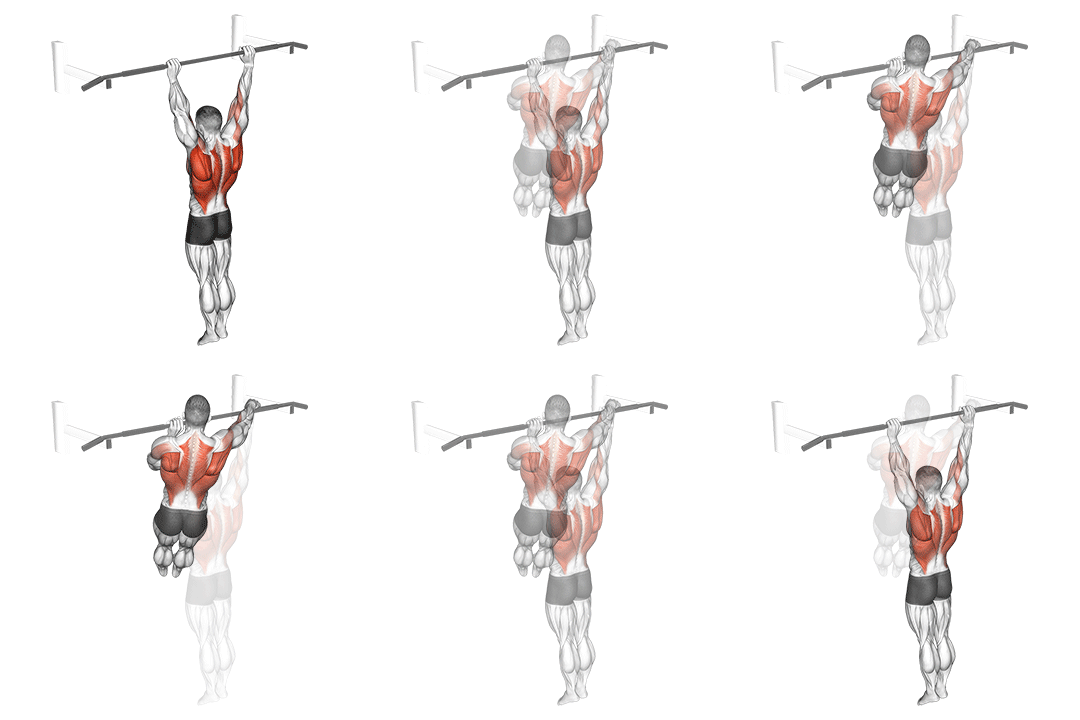
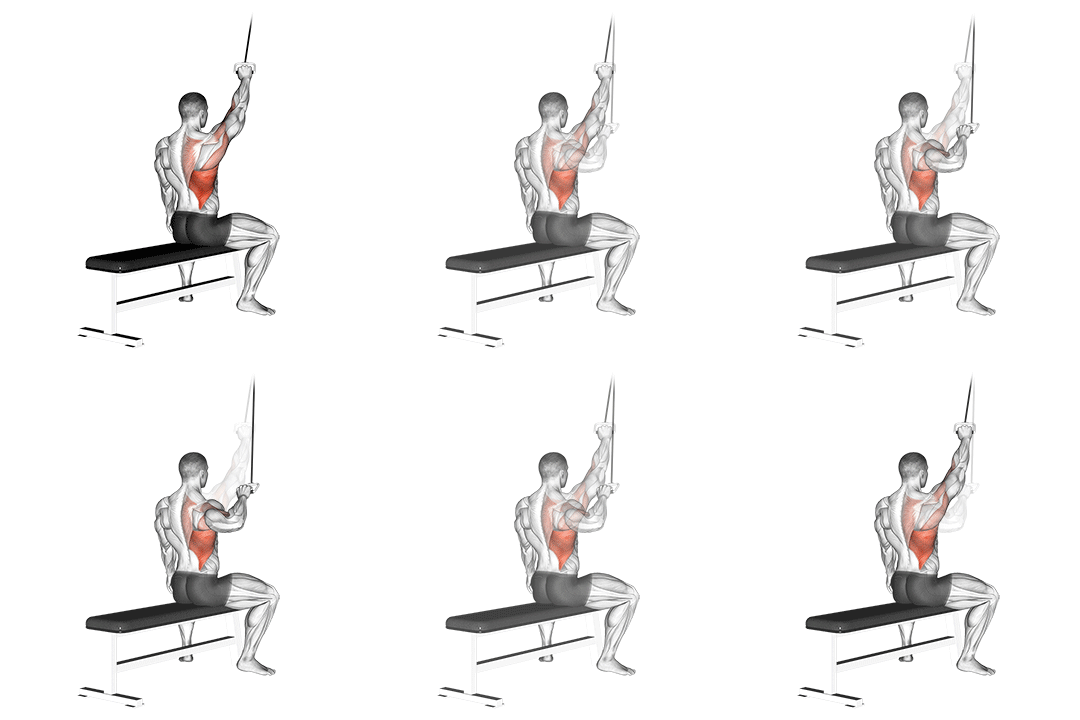
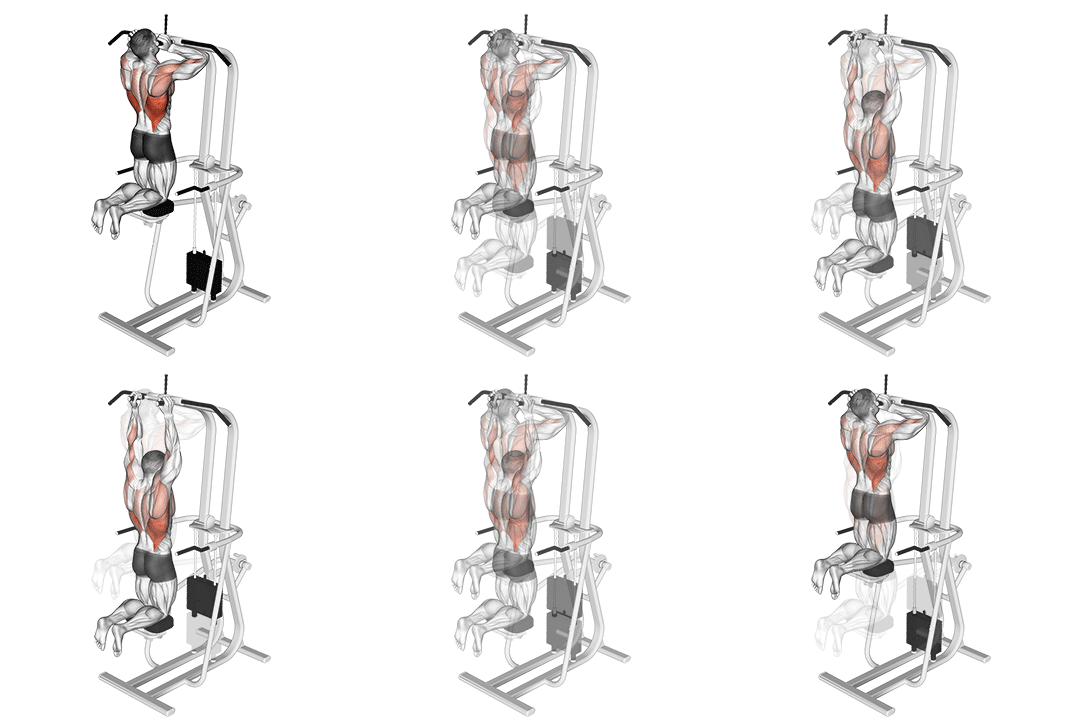
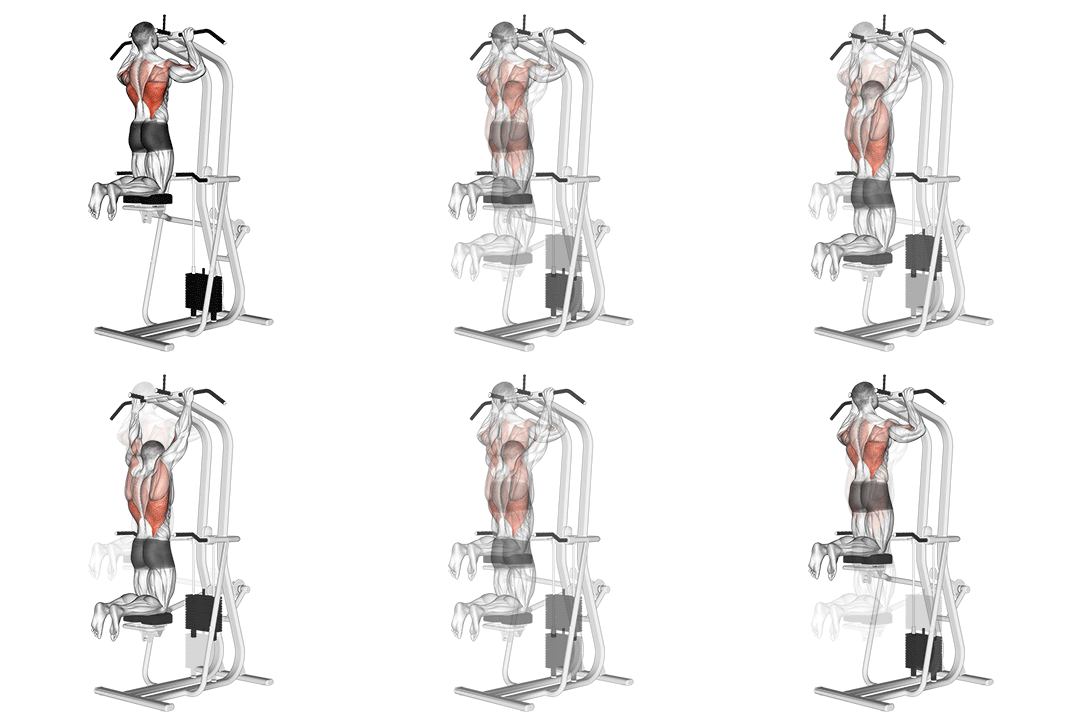
Archer Pull Up
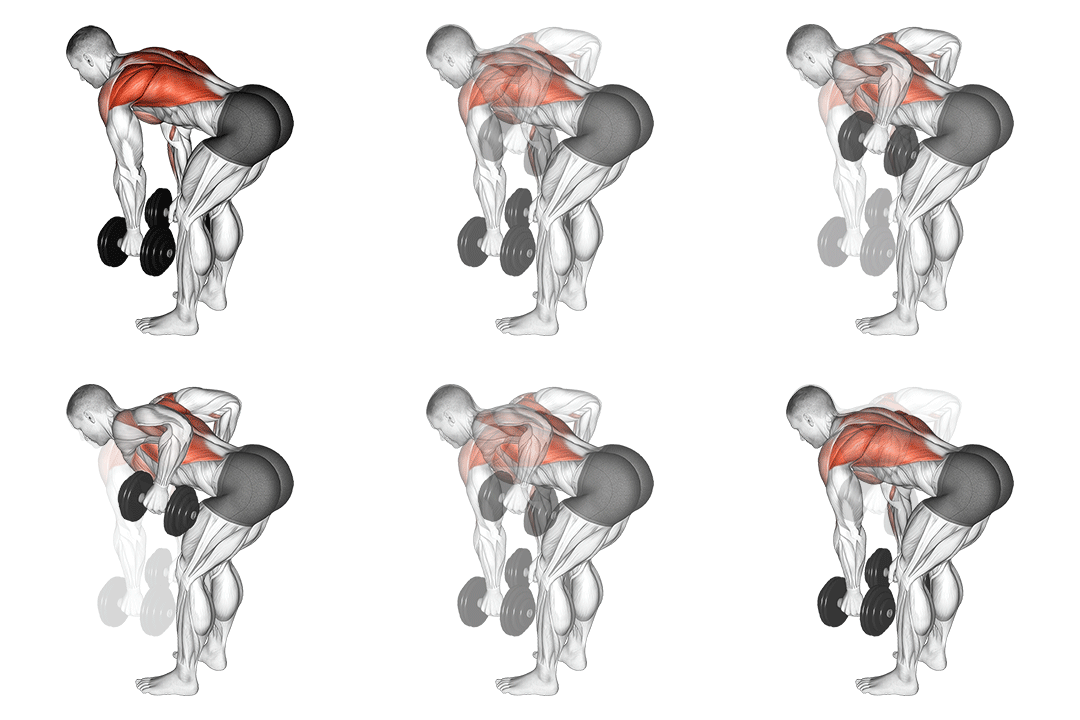
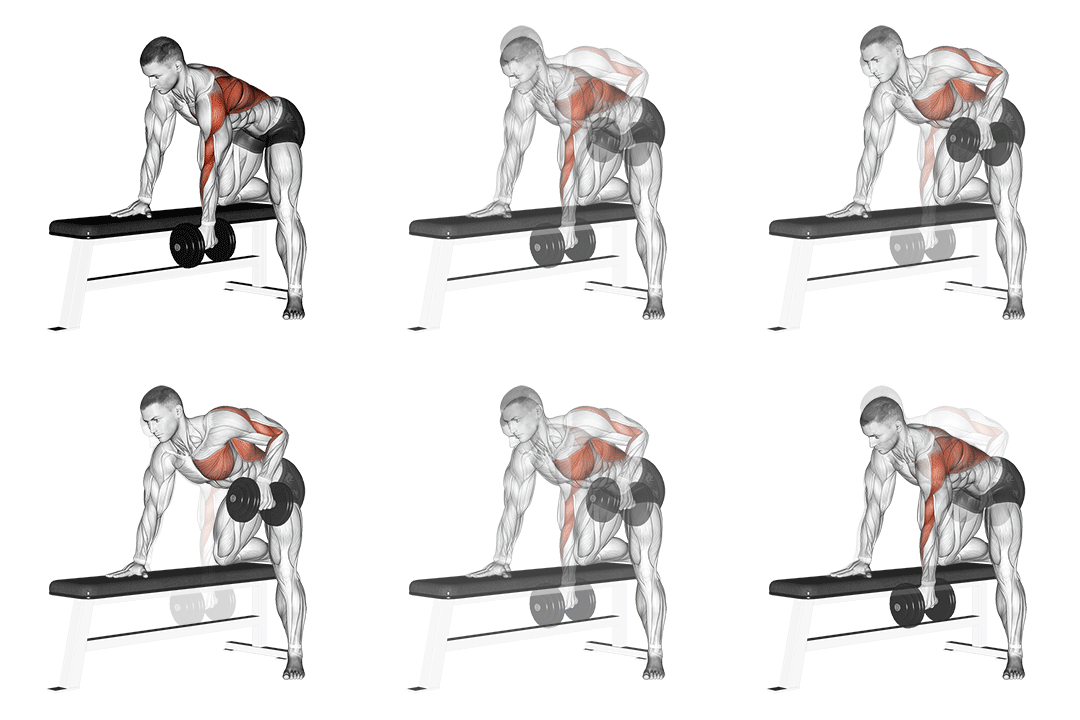
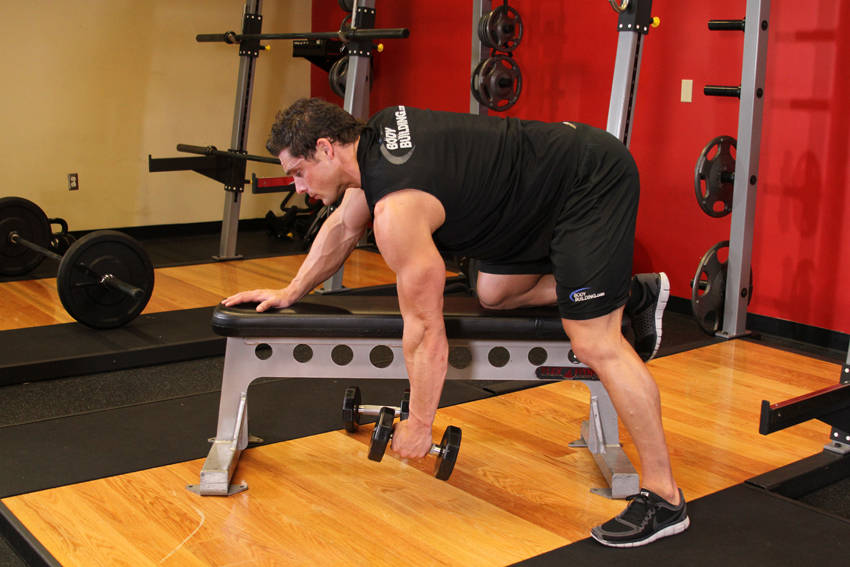
Dumbbell Bent Over Row
Head-to-Head Comparison
| Attribute | Archer Pull Up | Dumbbell Bent Over Row |
|---|---|---|
| Target Muscle |
Lats
|
Lats
|
| Body Part |
Back
|
Back
|
| Equipment |
Body-weight
|
Dumbbell
|
| Difficulty |
Advanced
|
Intermediate
|
| Movement Type |
Compound
|
Compound
|
| Secondary Muscles |
2
|
2
|
Secondary Muscles Activated
Archer Pull Up
Dumbbell Bent Over Row
Visual Comparison
Overview
Archer Pull Up vs Dumbbell Bent Over Row is a matchup between an advanced unilateral vertical pull and a versatile loaded horizontal pull. You’ll get a straight comparison that covers biomechanics, primary and secondary muscle activation, equipment needs, difficulty, progression options, and concrete technique cues. I’ll give rep ranges (4–6 for strength, 6–12 for hypertrophy), trunk and elbow angle cues, and programming tips so you can decide which move to prioritize for lat development, upper-body strength, or practical home training. Read this to choose the best exercise for your current goals.
Key Differences
- Equipment differs: Archer Pull Up uses Body-weight, while Dumbbell Bent Over Row requires Dumbbell.
- Difficulty levels differ: Archer Pull Up is advanced, while Dumbbell Bent Over Row is intermediate.
Pros & Cons
Archer Pull Up
+ Pros
- High unilateral lat tension and scapular stability demand
- Builds elite vertical pulling strength and control
- Intense eccentric and isometric overload at end-range
- Minimal equipment—only a pull-up bar needed
− Cons
- Requires high baseline pull strength and coordination
- Higher shoulder and elbow strain risk if technique fails
- Limited easy micro-loading for progressive overload
Dumbbell Bent Over Row
+ Pros
- Easily scalable with precise progressive overload
- Safer learning curve for most lifters
- Strong mid-range time-under-tension for hypertrophy
- Versatile tempo and unilateral/bilateral variations
− Cons
- Less transfer to strict vertical pulling strength
- Requires dumbbells or gym equipment
- Can stress the lower back if you lose bracing
When Each Exercise Wins
Rows let you load the lats with heavier absolute weight and control eccentric tempo for 6–12 rep ranges, maximizing time under tension. The horizontal force vector keeps consistent mid-range tension, which favors progressive muscle growth for most athletes.
If your goal is to build raw vertical pulling strength and body-control, the Archer Pull Up forces unilateral strength and neural adaptations that transfer to pull-up performance. It produces high concentric demand and trains scapular and rotator cuff control under load.
Beginners can start with light dumbbells, learn the hip hinge, and progressively increase load while keeping a neutral spine. The movement teaches pulling mechanics without requiring advanced scapular or single-arm stability.
Most home gyms have dumbbells or adjustable sets, making the row easier to implement and progress. Archer Pull Ups need a solid pull-up bar and higher baseline strength that many home exercisers lack.
Frequently Asked Questions
Can I do both Archer Pull Up and Dumbbell Bent Over Row in the same workout?
Yes. Use the row as a heavier-loading compound (6–10 reps) early in the session and place archer pull-up sets later as a skill and strength priority or vice versa depending on your goal. Alternate or superset cautiously to avoid fatigue that breaks scapular control.
Which exercise is better for beginners?
Dumbbell Bent Over Row is better for beginners because it scales with light weights and teaches the hip hinge and pulling pattern. Start with 8–12 reps and focus on a neutral spine before adding complexity.
How do the muscle activation patterns differ?
Archer Pull Ups emphasize the lats at longer muscle lengths with a vertical force vector and high unilateral stabilizer demand; rows keep constant mid-range tension with a horizontal force vector and greater posterior chain bracing. That means archer work stresses end-range control, while rows stress controlled eccentrics and time under tension.
Can Dumbbell Bent Over Row replace Archer Pull Up?
Dumbbell rows can replace archer pull-ups for hypertrophy and general strength but won’t fully replicate the unilateral vertical-pull mechanics and scapular control that archer pull-ups develop. Use rows as a primary builder and add archer progressions when you need specific vertical pulling strength.
Expert Verdict
Choose the Archer Pull Up when you want elite vertical-pull strength, unilateral lat overload, and improved scapular control — aim for sets of 3–6 strict reps, or use assisted progressions if you can’t maintain form. Choose the Dumbbell Bent Over Row when you want reliable hypertrophy and scalable overload; program it for 6–12 reps with controlled 2–4 second eccentrics and a torso angle near 30–45° for balanced lat recruitment. If you train for general strength and muscle growth, prioritize dumbbell rows most weeks and add archer pull-up progressions as a specialized accessory once your pull strength and scapular control are solid.
Also Compare
More comparisons with Archer Pull Up
More comparisons with Dumbbell Bent Over Row
Compare More Exercises
Use our free comparison tool to analyze any two exercises head-to-head.
Compare Exercises