

Archer Pull Up vs Dumbbell One Arm Bent-over Row: Complete Comparison Guide
Archer Pull Up vs Dumbbell One Arm Bent-over Row — two unilateral back moves that target the lats but ask different things of your body. You’ll get a clear side-by-side look at mechanics, muscle activation, equipment needs, difficulty, and progressions so you can pick the right lift for your goals. I’ll cover technique cues, the biomechanics behind each pull (force vectors, length-tension, torso angle), practical rep ranges, and scenarios where one exercise outperforms the other.
Exercise Comparison
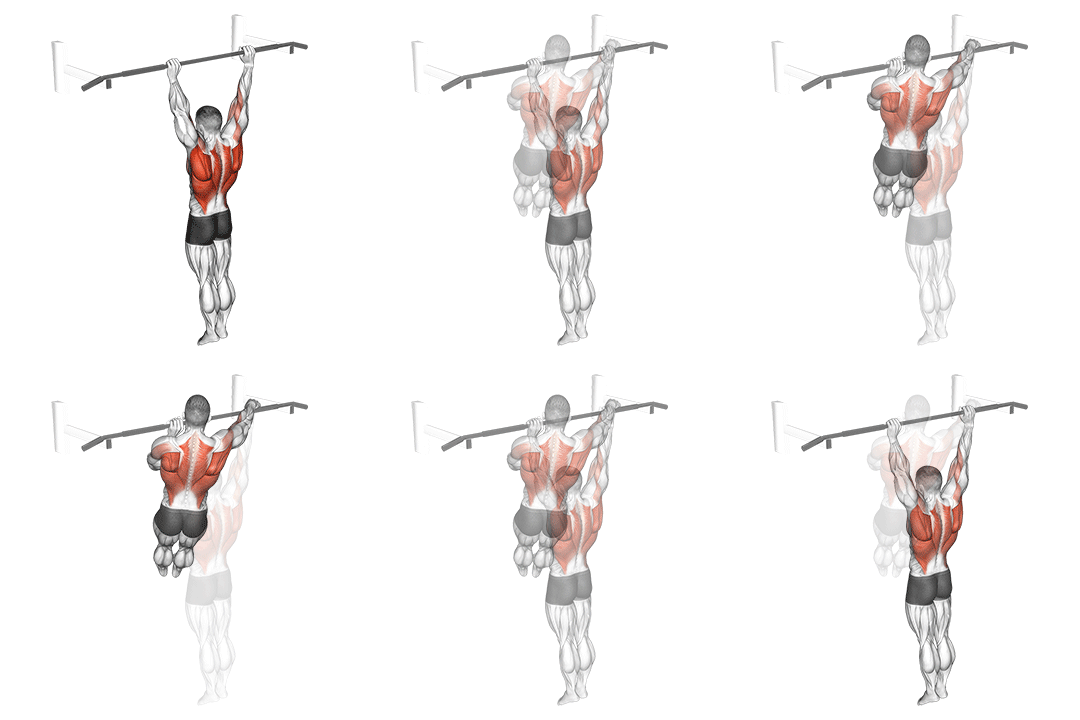
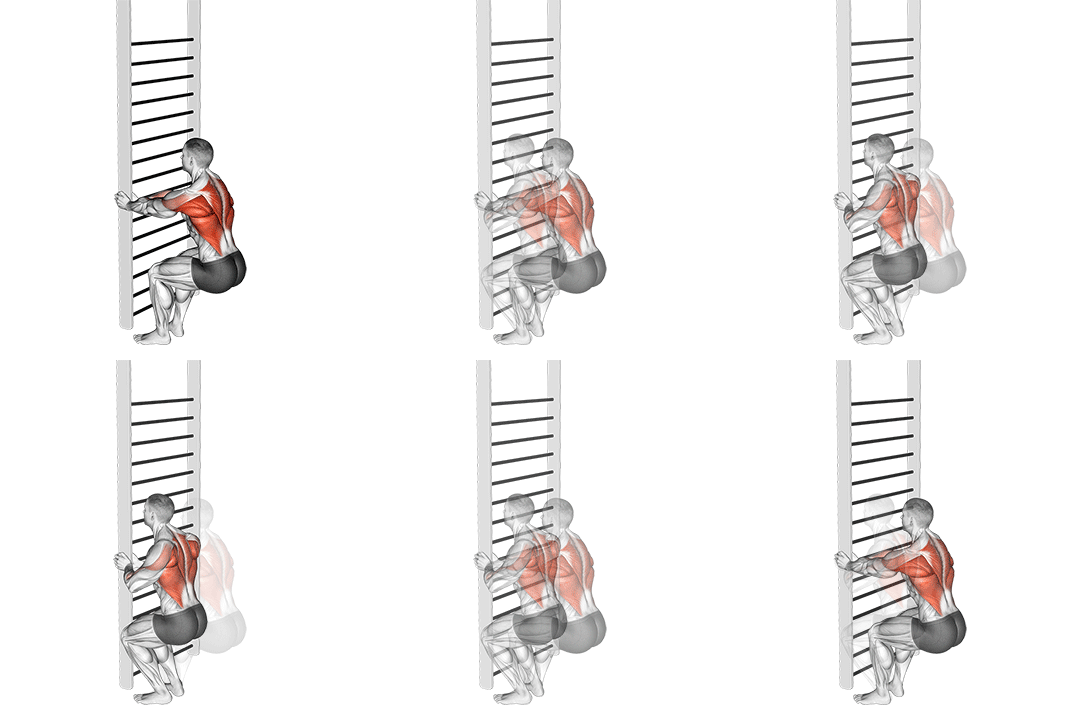
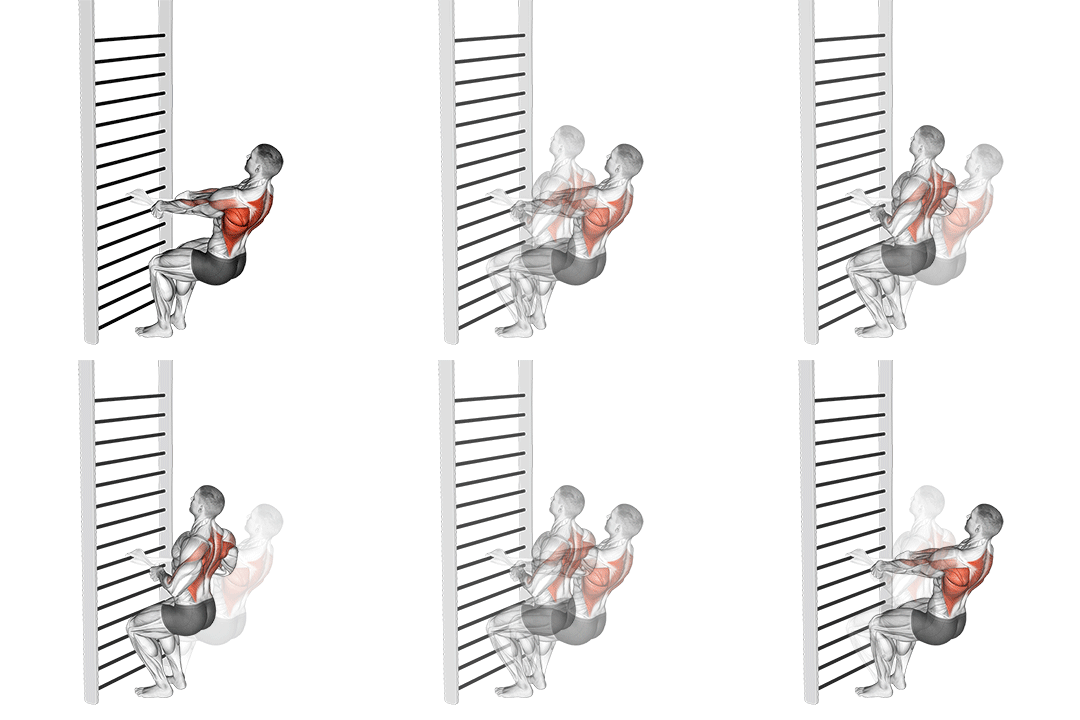
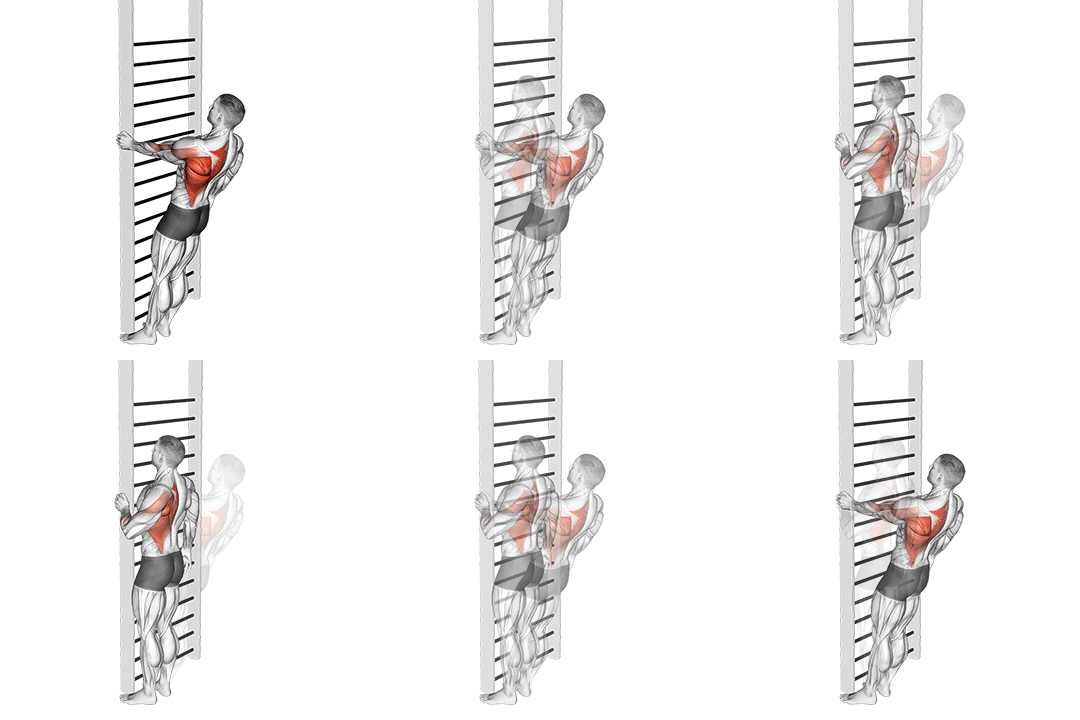
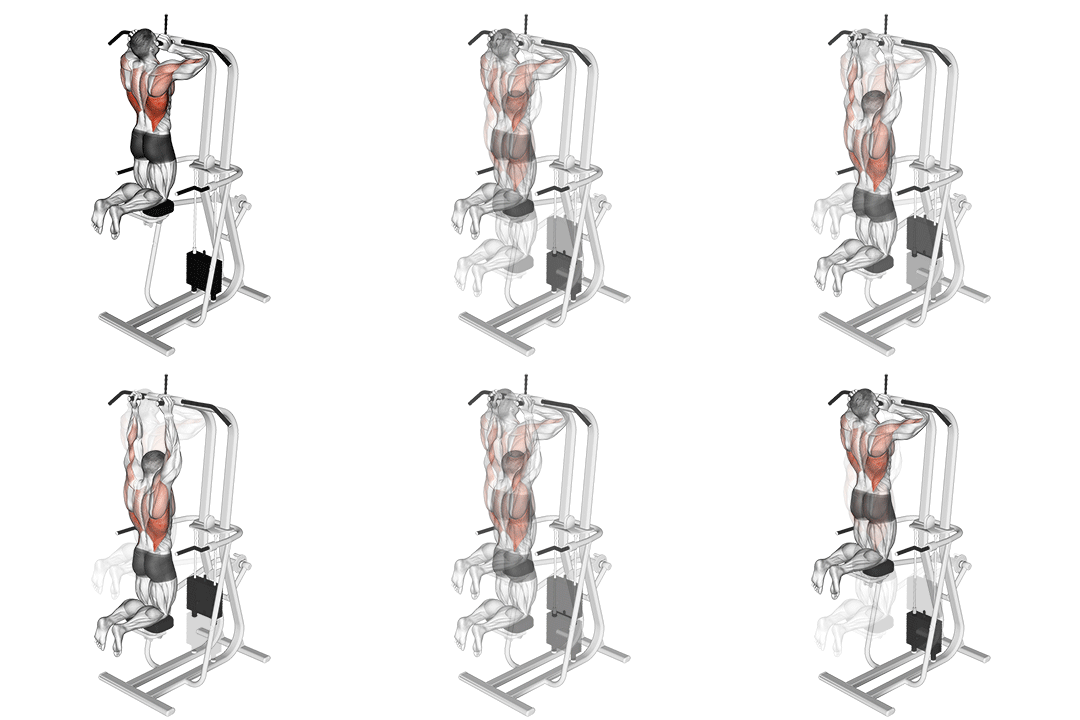
Archer Pull Up
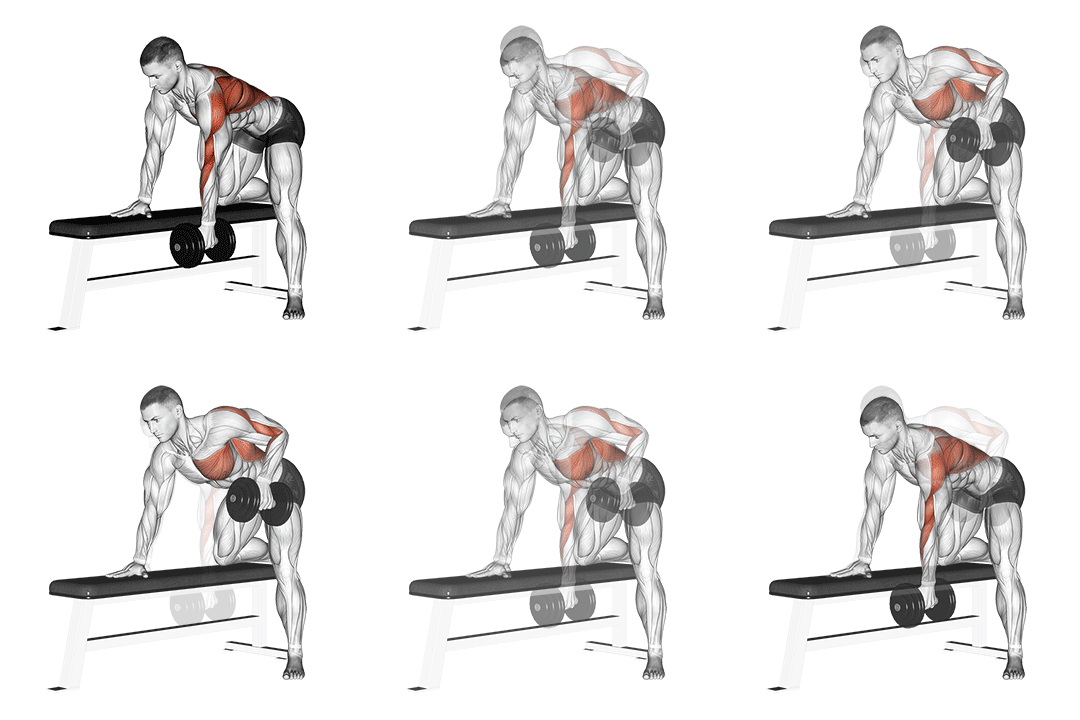
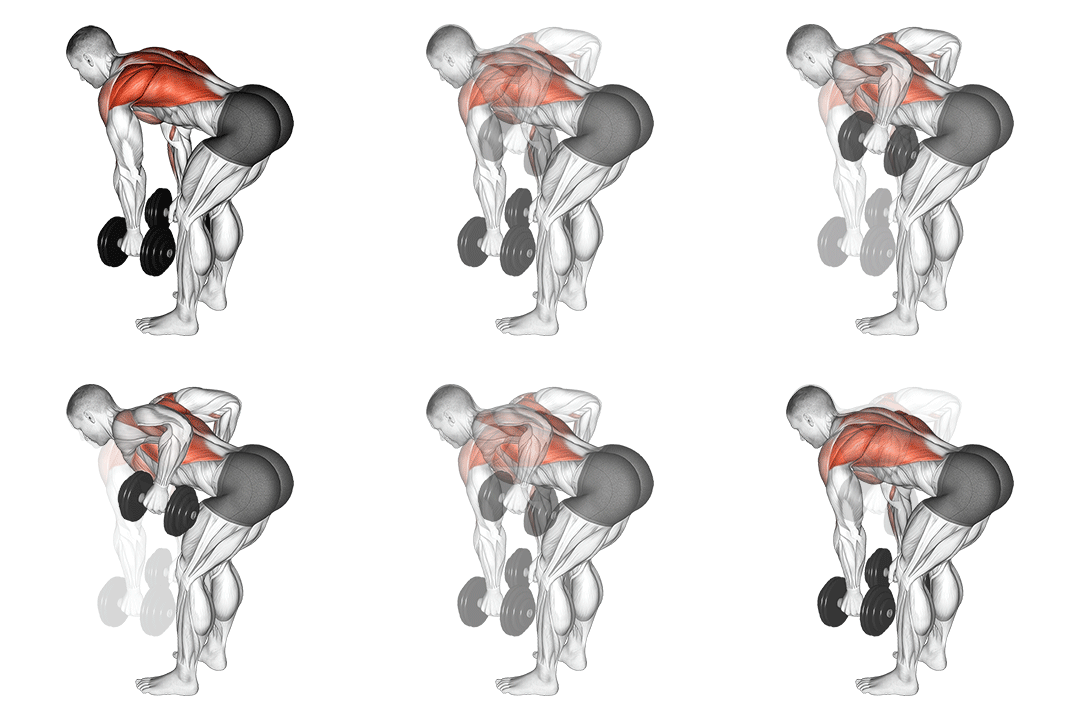
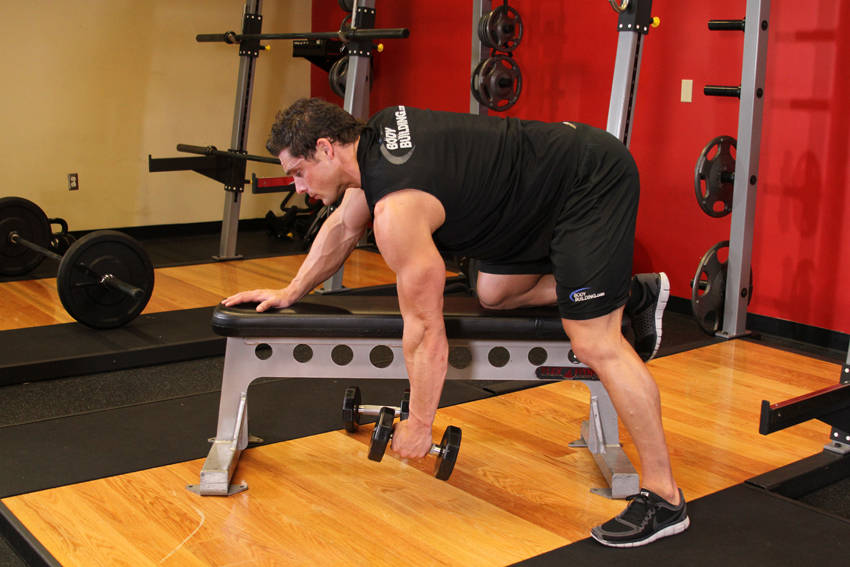
Dumbbell One Arm Bent-over Row
Head-to-Head Comparison
| Attribute | Archer Pull Up | Dumbbell One Arm Bent-over Row |
|---|---|---|
| Target Muscle |
Lats
|
Lats
|
| Body Part |
Back
|
Back
|
| Equipment |
Body-weight
|
Dumbbell
|
| Difficulty |
Advanced
|
Intermediate
|
| Movement Type |
Compound
|
Compound
|
| Secondary Muscles |
2
|
2
|
Secondary Muscles Activated
Archer Pull Up
Dumbbell One Arm Bent-over Row
Visual Comparison
Overview
Archer Pull Up vs Dumbbell One Arm Bent-over Row — two unilateral back moves that target the lats but ask different things of your body. You’ll get a clear side-by-side look at mechanics, muscle activation, equipment needs, difficulty, and progressions so you can pick the right lift for your goals. I’ll cover technique cues, the biomechanics behind each pull (force vectors, length-tension, torso angle), practical rep ranges, and scenarios where one exercise outperforms the other.
Key Differences
- Equipment differs: Archer Pull Up uses Body-weight, while Dumbbell One Arm Bent-over Row requires Dumbbell.
- Difficulty levels differ: Archer Pull Up is advanced, while Dumbbell One Arm Bent-over Row is intermediate.
Pros & Cons
Archer Pull Up
+ Pros
- High relative strength carryover for vertical pulling and bodyweight skills
- Large lat stretch-to-contraction ROM improves muscle-length tension exposure
- Builds anti-rotation core stability and unilateral control
- Requires minimal equipment — just a bar or rings
− Cons
- Advanced technique: needs strong pull-up baseline and scapular control
- Harder to progressively overload in small increments without gear (weighted belt/vest)
- Higher joint stress on shoulders/elbows for unprepared lifters
Dumbbell One Arm Bent-over Row
+ Pros
- Easy, precise incremental loading for progressive overload
- Lower technical barrier—great for hypertrophy work sets (6–12 reps)
- Targets mid-back musculature (rhomboids, lower traps) with horizontal vector
- Can be performed seated or with support to reduce lumbar demand
− Cons
- Less full-stretch lat contraction compared with deep vertical pulls
- Requires dumbbells or gym equipment
- If hip hinge and bracing are poor, lumbar compression risk increases
When Each Exercise Wins
Rows allow precise, incremental loading and consistent time-under-tension in the 6–12 rep range, which is ideal for hypertrophy. The horizontal pull also targets mid-back scapular retractors, creating a fuller back development when paired with vertical pulls.
Archer Pull Ups demand high relative pulling strength and neural drive—trainable with heavy weighted reps (3–6 reps) or controlled eccentrics. They build bodyweight resilience and single-arm control that transfers strongly to calisthenic strength.
Rows have a shorter skill curve and let you load the lat safely while you learn scapular retraction and the hip hinge. Start with light weight, 8–12 reps, and focus on a 30–45° torso angle and neutral spine.
Most home setups include dumbbells or adjustable sets, and you can control load precisely. Archer Pull Ups require an overhead rig and significant pull strength, making them less practical for many home exercisers.
Frequently Asked Questions
Can I do both Archer Pull Up and Dumbbell One Arm Bent-over Row in the same workout?
Yes. Use rows early for volume-based hypertrophy (3–4 sets of 6–12 reps) and finish with archer pull-up progressions or weighted sets for strength and skill (3–6 reps or controlled eccentrics). Pairing them balances horizontal and vertical pull vectors and limits overlap fatigue by manipulating set order.
Which exercise is better for beginners?
Dumbbell One Arm Bent-over Row is better for beginners because it has a shorter learning curve and allows easy load control. Start with light weights, emphasize a 30–45° torso hinge, neutral spine, and controlled scapular retraction before increasing load.
How do the muscle activation patterns differ?
Archer Pull Ups emphasize a long stretch-to-contraction in the lat with peak tension near lockout in a vertical vector, plus heavy anti-rotation core demand. Dumbbell rows create sustained mid-range lat tension and greater involvement of rhomboids and posterior deltoid due to a more horizontal force vector and scapular retraction emphasis.
Can Dumbbell One Arm Bent-over Row replace Archer Pull Up?
It can replace Archer Pull Ups for hypertrophy and mid-back strength, but not for developing high relative vertical pulling skill. If your goal is bodyweight strength and unilateral calisthenics, include archer progressions; for progressive loading and muscle growth, rows suffice.
Expert Verdict
Use Archer Pull Ups when your priority is developing high relative pulling strength, unilateral control, and advanced calisthenic ability—progress with eccentrics, band-assisted variations, and eventually weighted reps (3–6 reps for strength, 6–10 for control work). Choose Dumbbell One Arm Bent-over Rows when your goal is systematic hypertrophy, incremental overload, or when you need a more accessible, low-skill option. For balanced programming, pair both: rows for volume and progressive loading (6–12 reps, 2–4 sets) and archer pull-ups for strength and neuromuscular demand. Maintain strict technique: neutral spine on rows and scapular-first initiation on pull-ups to reduce injury risk.
Also Compare
More comparisons with Archer Pull Up
More comparisons with Dumbbell One Arm Bent-over Row
Compare More Exercises
Use our free comparison tool to analyze any two exercises head-to-head.
Compare Exercises