

Archer Pull Up vs One-Arm Dumbbell Row: Complete Comparison Guide
Archer Pull Up vs One-Arm Dumbbell Row — two heavy hitters for building a wider, stronger back. If you want clear guidance, this comparison tells you which move to prioritize based on your goal: raw pulling strength, unilateral control, muscle growth, or training access. You’ll get technique cues, biomechanics (force vectors, moment arms, and length-tension relationships), recommended rep ranges, and who should pick which exercise. Read on and use these trade-offs to pick the best back-building tool for your current program.
Exercise Comparison
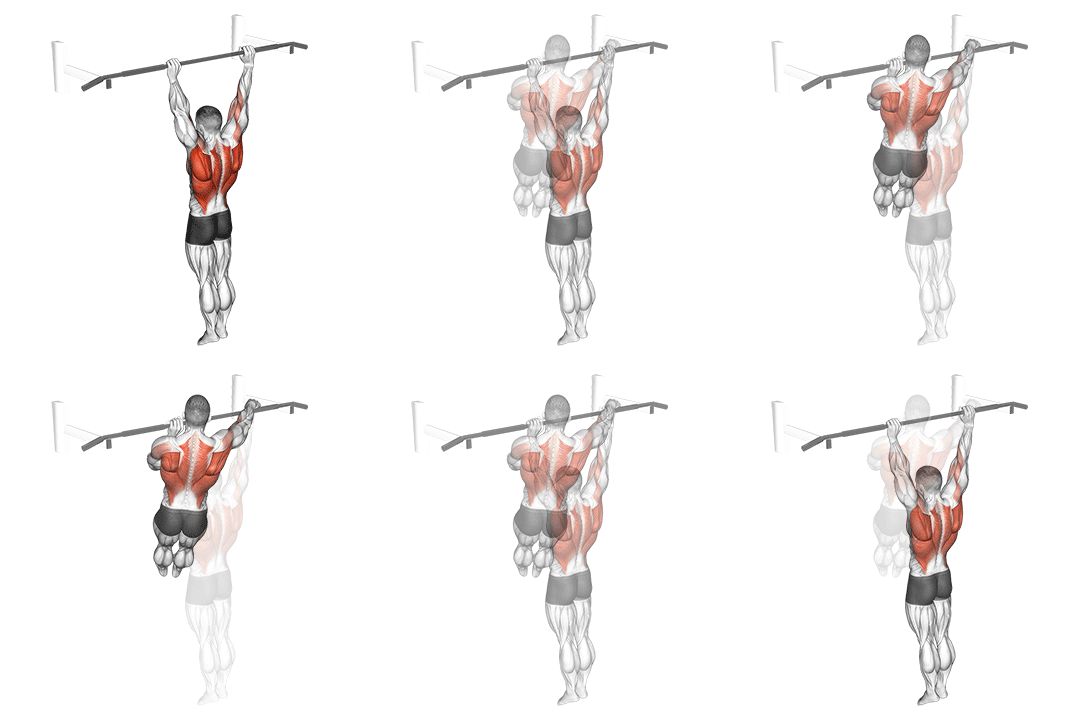
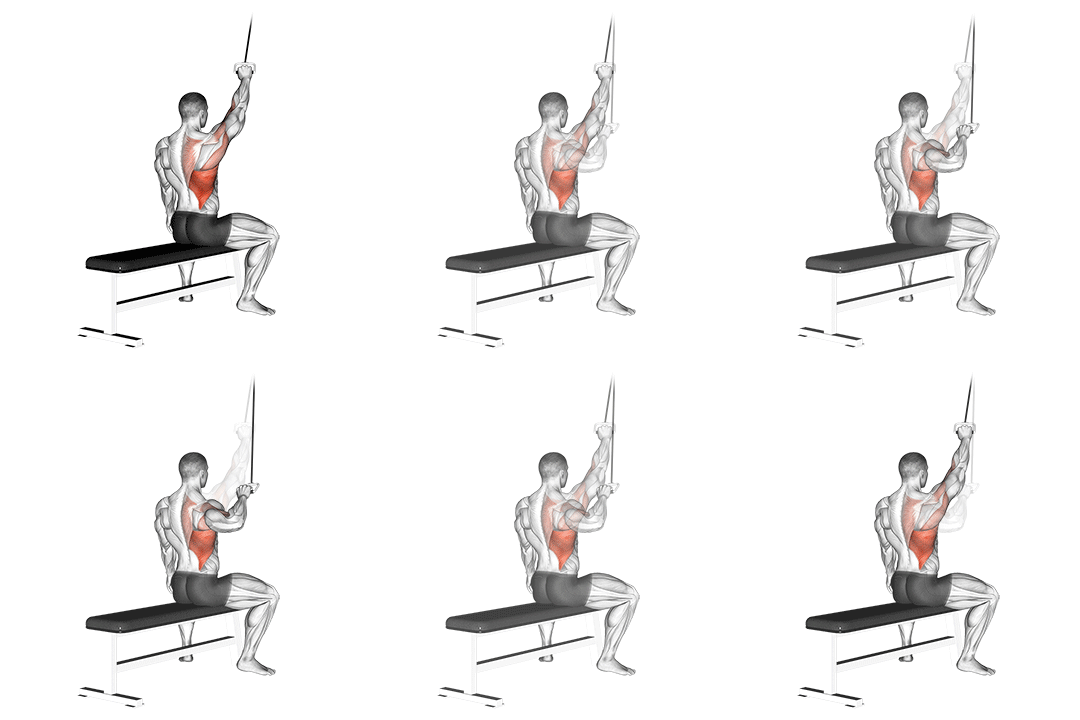
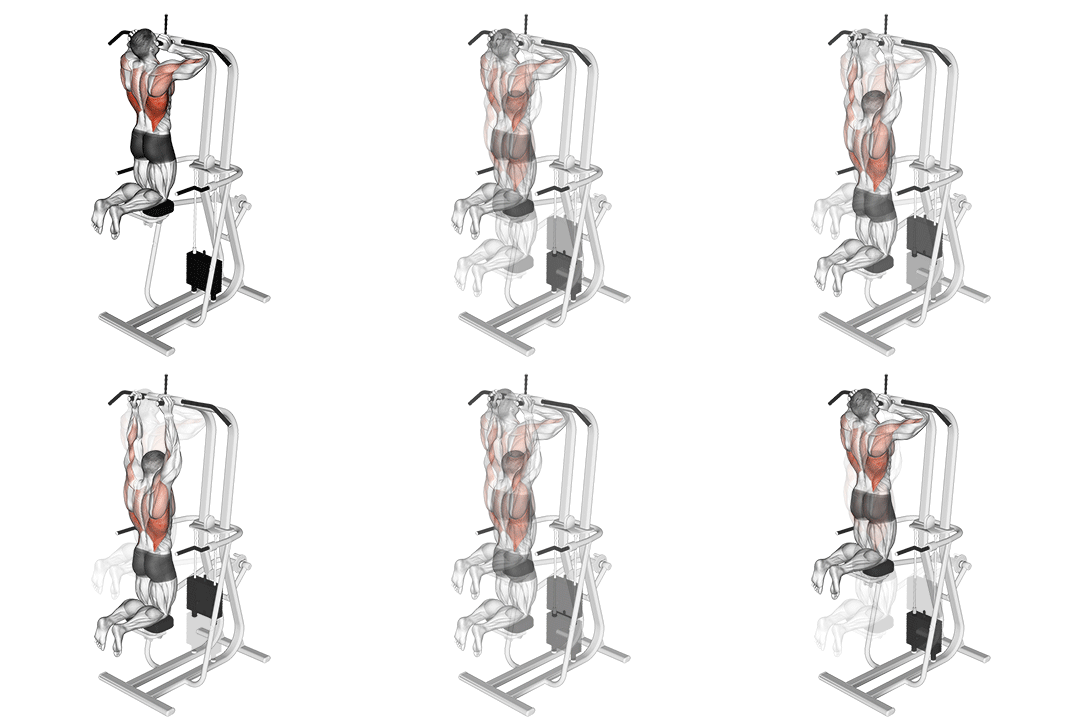
Archer Pull Up
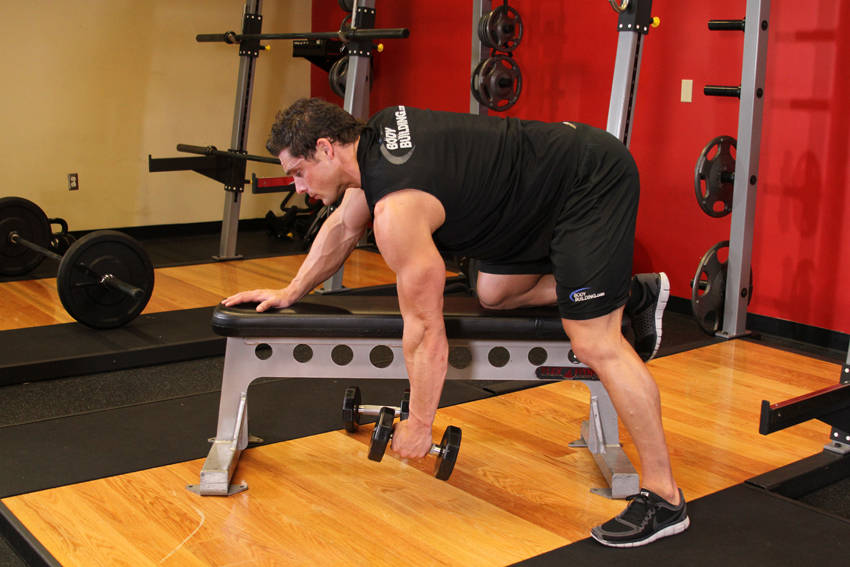
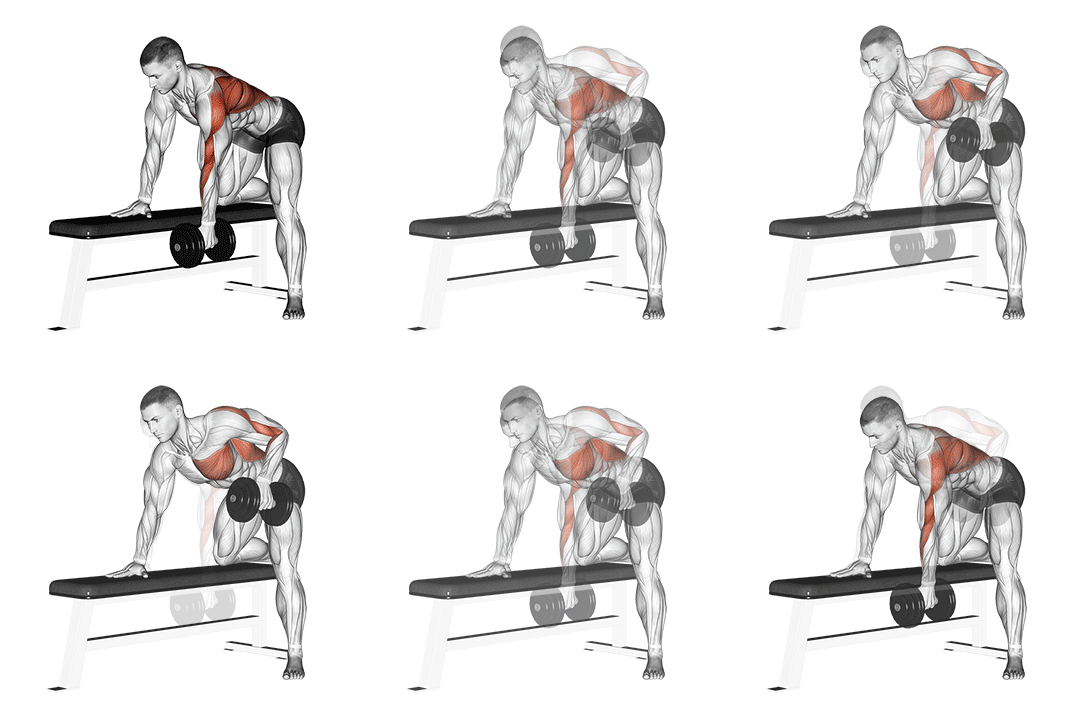
One-arm Dumbbell Row
Head-to-Head Comparison
| Attribute | Archer Pull Up | One-arm Dumbbell Row |
|---|---|---|
| Target Muscle |
Lats
|
Lats
|
| Body Part |
Back
|
Back
|
| Equipment |
Body-weight
|
Dumbbell
|
| Difficulty |
Advanced
|
Intermediate
|
| Movement Type |
Compound
|
Compound
|
| Secondary Muscles |
2
|
3
|
Secondary Muscles Activated
Archer Pull Up
One-arm Dumbbell Row
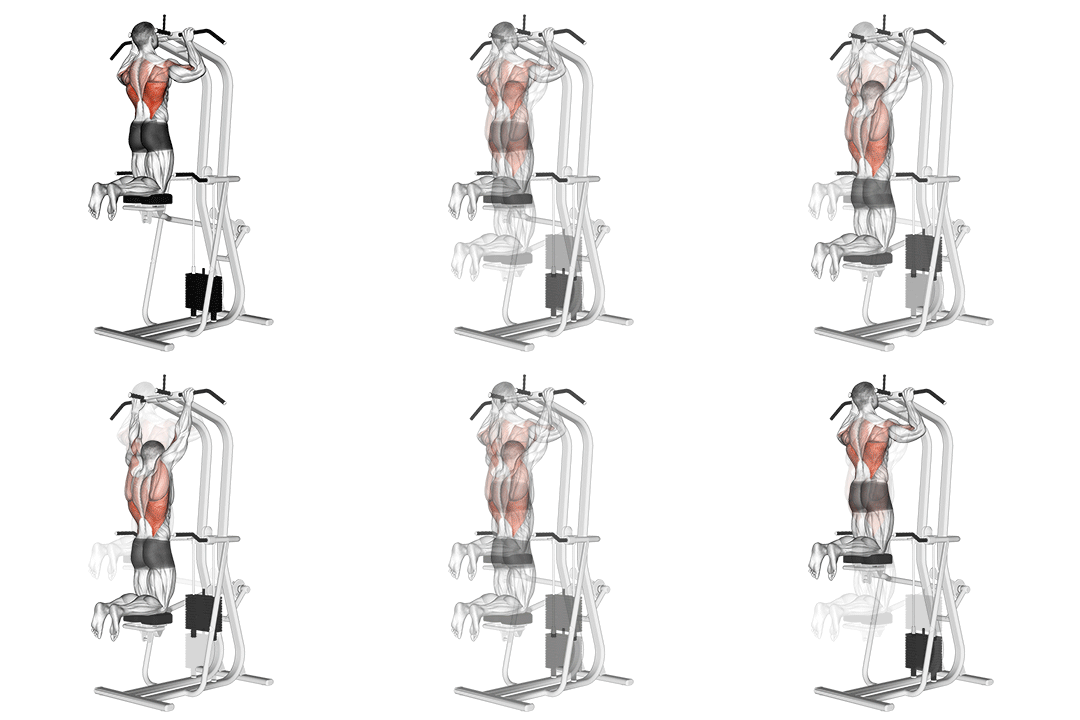
Visual Comparison
Overview
Archer Pull Up vs One-Arm Dumbbell Row — two heavy hitters for building a wider, stronger back. If you want clear guidance, this comparison tells you which move to prioritize based on your goal: raw pulling strength, unilateral control, muscle growth, or training access. You’ll get technique cues, biomechanics (force vectors, moment arms, and length-tension relationships), recommended rep ranges, and who should pick which exercise. Read on and use these trade-offs to pick the best back-building tool for your current program.
Key Differences
- Equipment differs: Archer Pull Up uses Body-weight, while One-arm Dumbbell Row requires Dumbbell.
- Difficulty levels differ: Archer Pull Up is advanced, while One-arm Dumbbell Row is intermediate.
Pros & Cons
Archer Pull Up
+ Pros
- High relative strength carryover — builds extreme pulling force and unilateral control
- Minimal equipment — just a bar
- Teaches scapular stability and strong isometric control through long lever positions
- Great for developing bodyweight strength and progressing toward one-arm pull-ups
− Cons
- Very technical — steep learning curve for most lifters
- Hard to load progressively in small increments
- Higher shoulder and elbow torque increases injury risk if technique or strength are inadequate
One-arm Dumbbell Row
+ Pros
- Easy to scale with incremental weights
- Longer time-under-tension for hypertrophy (8–15 rep ranges)
- Accessible for most lifters and easy to include in home workouts
- Offers stable contact positions to reduce compensatory trunk rotation
− Cons
- Less carryover to advanced bodyweight one-arm pulling strength
- May underload scapular stabilizers compared to hanging/vertical pulls
- Requires at least one sufficiently heavy dumbbell to challenge advanced trainees
When Each Exercise Wins
Rows allow precise progressive overload and higher time-under-tension in 8–15 rep ranges. The ability to add weight in 2.5–10 lb increments and control eccentric tempo produces more consistent muscle growth in the lats and posterior chain.
Archer Pull Ups place a large external moment arm on the lats and demand high relative pulling strength, improving maximal bodyweight strength and carryover to single-arm pull performance. Train 3–6 sets of 3–6 reps or use weighted progressions for max strength.
Rows require simpler motor patterns and lower shoulder torque; you can start light, master the hip hinge, and progressively load without risking high joint torque or complex scapular control.
Most people have at least a dumbbell or can improvise weight; Archer Pull Ups need a high bar and advanced strength. Rows offer the most flexible, space-efficient option for back work at home.
Frequently Asked Questions
Can I do both Archer Pull Up and One-Arm Dumbbell Row in the same workout?
Yes — program rows earlier for volume and hypertrophy (8–12 reps), then perform Archer Pull Ups later as a strength-focused overlay (3–6 reps, controlled eccentrics). Maintain total weekly volume and avoid maximal effort archers on the same day as heavy deadlifts to protect the low back.
Which exercise is better for beginners?
One-Arm Dumbbell Row is better for beginners because it teaches the hip hinge and rowing pattern with low shoulder torque and easy load progression. Start light, focus on full scapular retraction, and build 5–10% load increases when reps become clean.
How do the muscle activation patterns differ?
Archer Pull Ups spike lat and biceps activation during high-torque, long-lever positions and require strong isometric control on the extended side; activation is more phasic. One-Arm Rows provide steadier lat activation through a continuous concentric-eccentric arc, increasing time-under-tension and recruiting posterior delts and mid-traps more at the top of the pull.
Can One-Arm Dumbbell Row replace Archer Pull Up?
It can replace Archer Pull Ups for hypertrophy and general back development, but not for building maximal bodyweight unilateral pulling strength. If your goal is one-arm pull performance or maximal relative strength, include archer progressions in your program in addition to rows.
Expert Verdict
Use Archer Pull Ups when your goal is developing high relative pulling strength, scapular control, and progressing toward one-arm pull-ups. Program them for lower rep ranges (3–6) with strict technique and include eccentric control to manage shoulder torque. Choose One-Arm Dumbbell Rows for muscle growth, volume, and accessibility — aim for 3–4 sets of 8–15 reps with slow eccentrics and progressive loading. If you can, combine both across a training block: rows for volume and hypertrophy, archers for strength and neural adaptations. Prioritize technique and gradual load to reduce injury risk.
Also Compare
More comparisons with Archer Pull Up
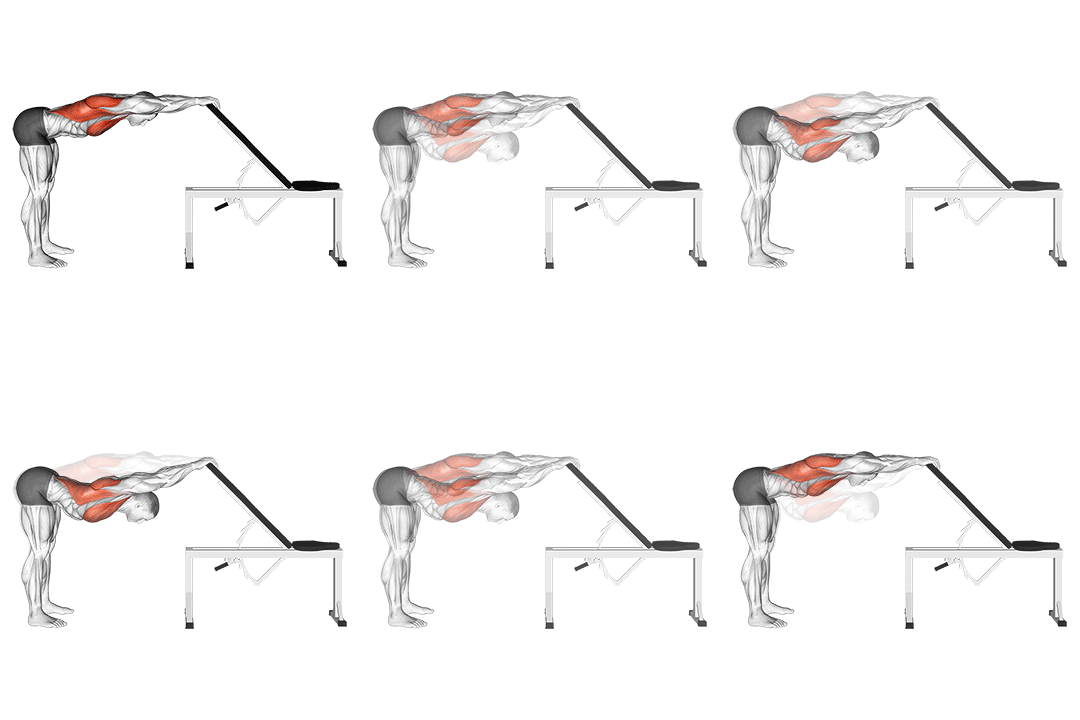
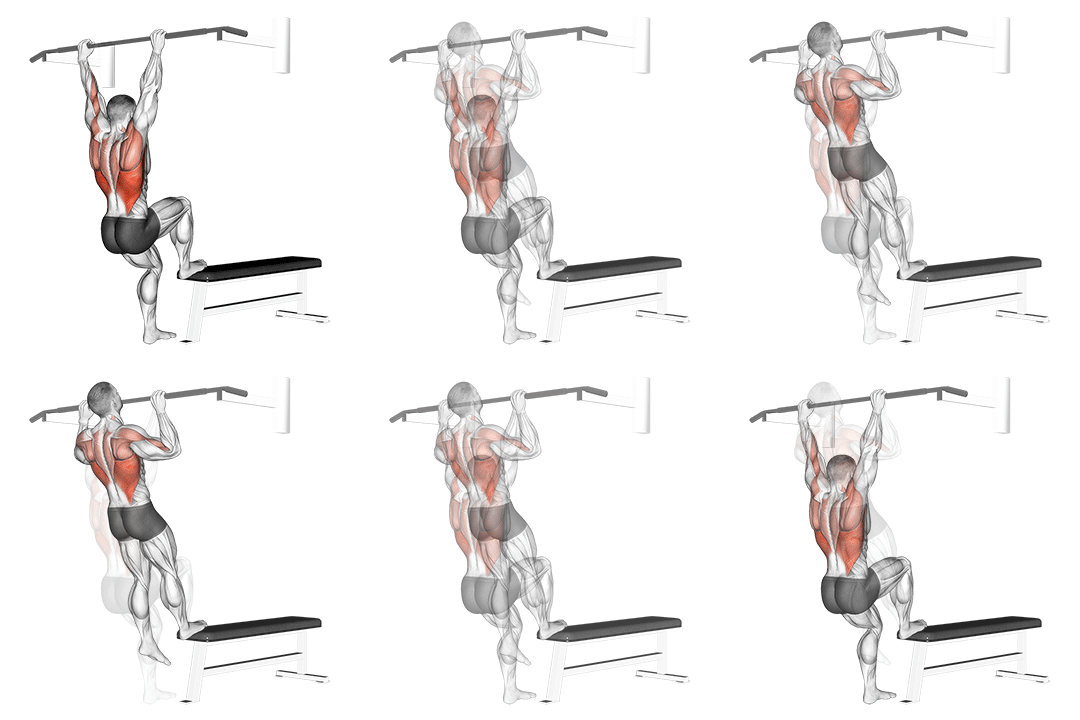
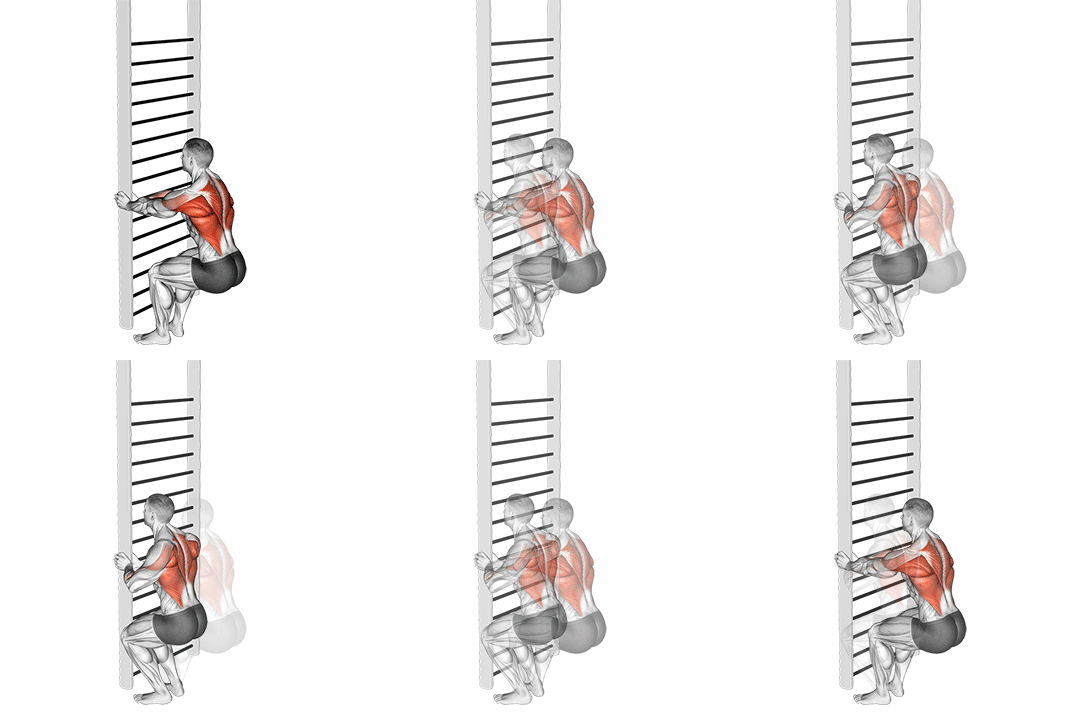
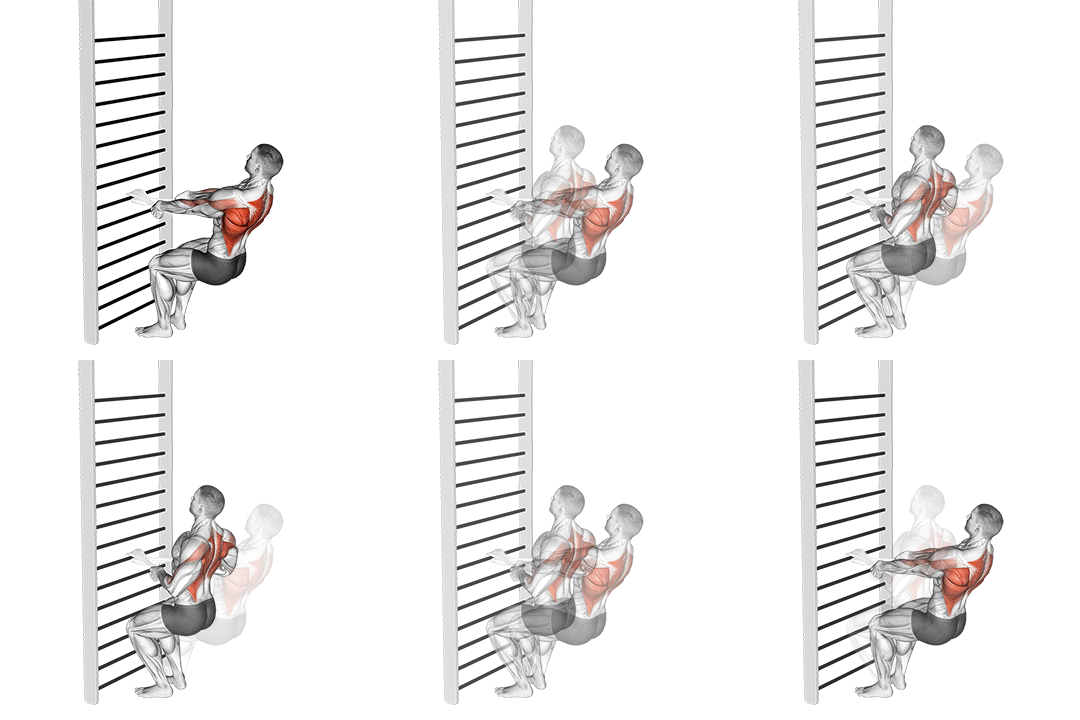
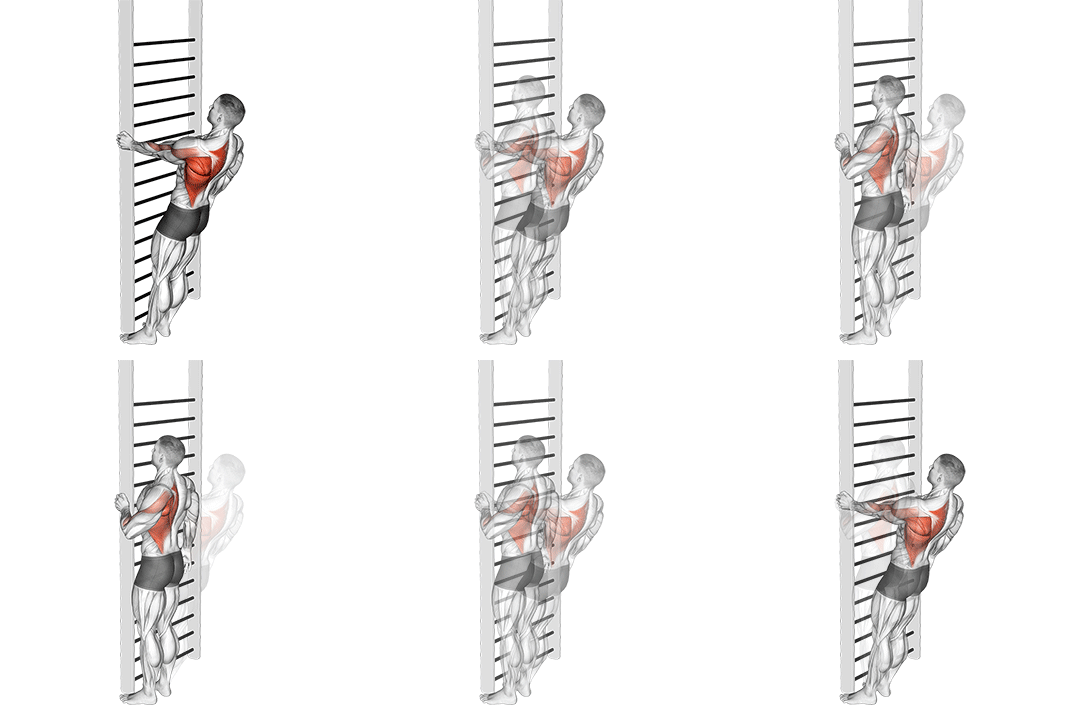
More comparisons with One-arm Dumbbell Row
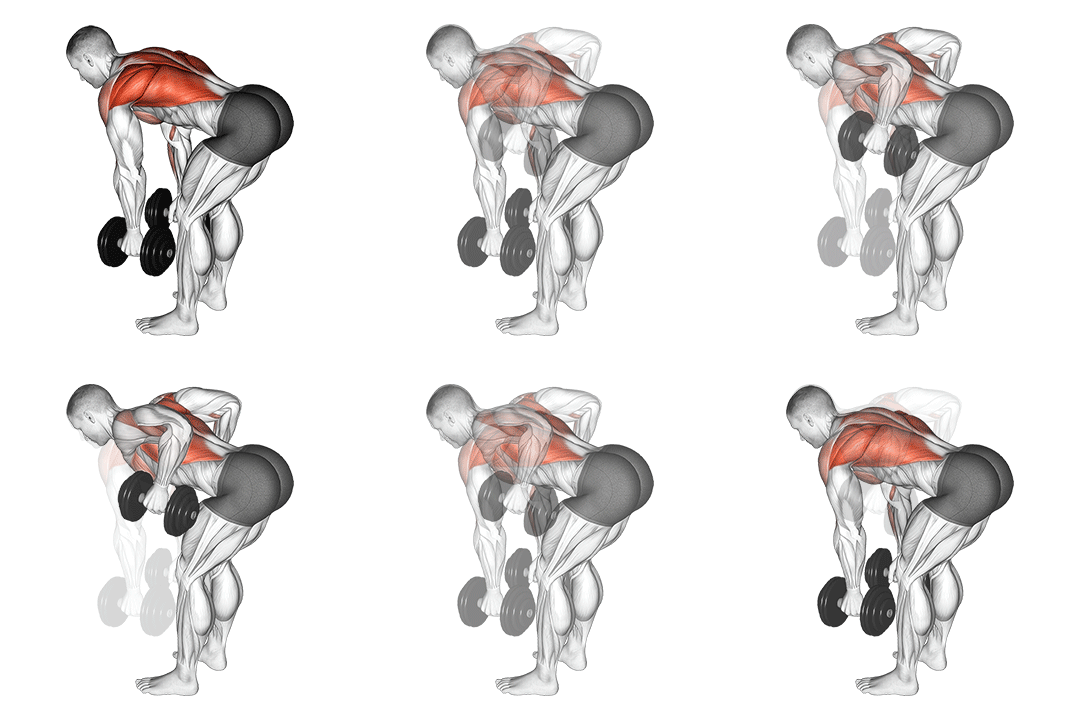
Compare More Exercises
Use our free comparison tool to analyze any two exercises head-to-head.
Compare Exercises