

Archer Pull Up vs Pullups: Complete Comparison Guide
Archer Pull Up vs Pullups — two bodyweight back moves that look similar but load your lats very differently. If you want clear advice on which to use for muscle growth, unilateral strength, or easy progressions, this comparison has your back. You’ll get a breakdown of primary and secondary muscle activation, equipment and accessibility, objective difficulty and injury considerations, plus practical rep ranges and progressions so you can choose and program the right pull variation for your goals.
Exercise Comparison
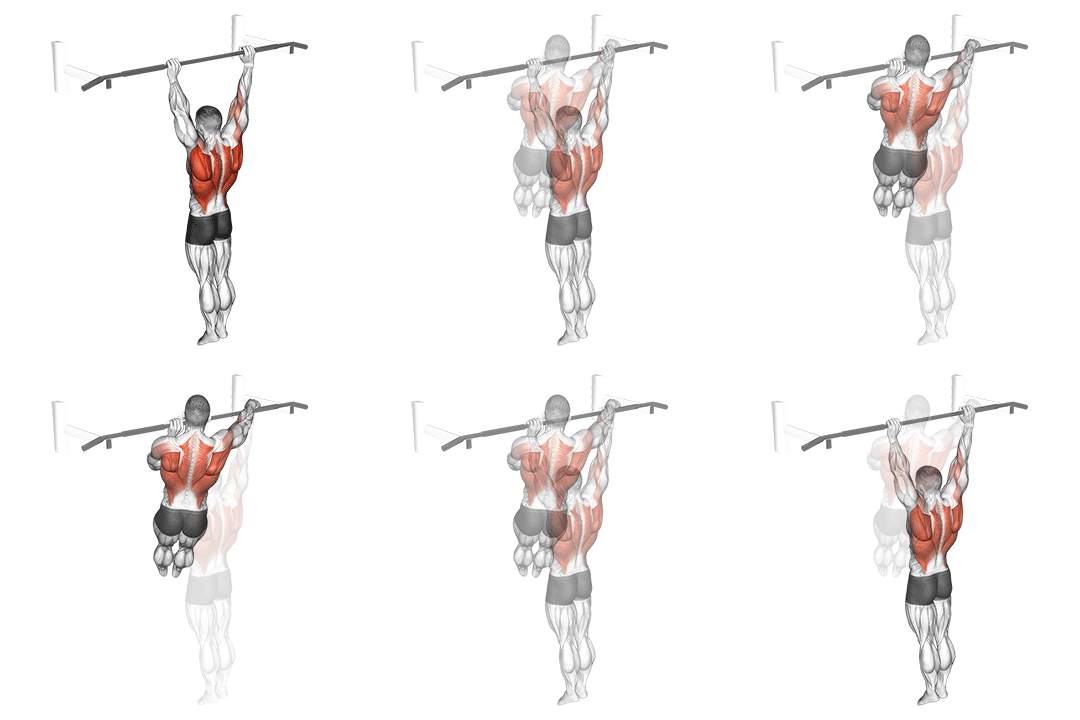
Archer Pull Up
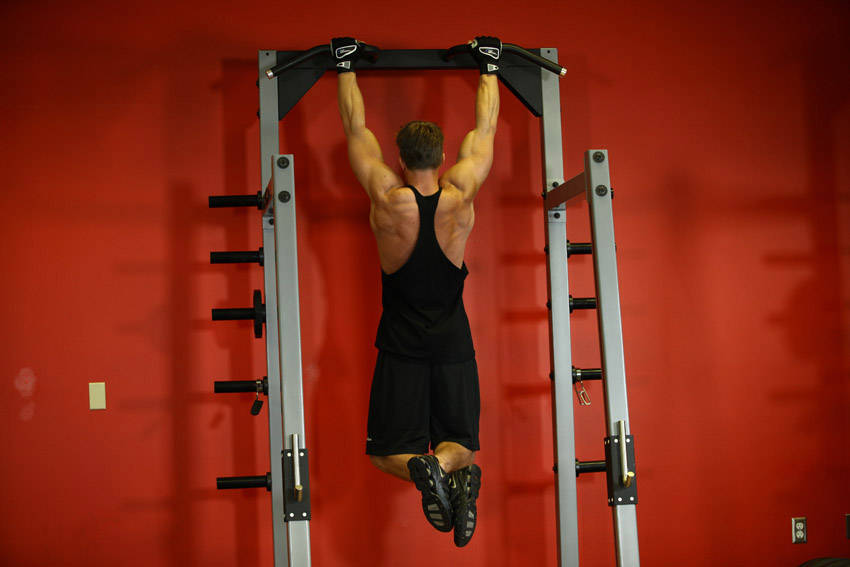
Pullups
Head-to-Head Comparison
| Attribute | Archer Pull Up | Pullups |
|---|---|---|
| Target Muscle |
Lats
|
Lats
|
| Body Part |
Back
|
Back
|
| Equipment |
Body-weight
|
Body-weight
|
| Difficulty |
Advanced
|
Intermediate
|
| Movement Type |
Compound
|
Compound
|
| Secondary Muscles |
2
|
2
|
Secondary Muscles Activated
Archer Pull Up
Pullups
Visual Comparison
Overview
Archer Pull Up vs Pullups — two bodyweight back moves that look similar but load your lats very differently. If you want clear advice on which to use for muscle growth, unilateral strength, or easy progressions, this comparison has your back. You’ll get a breakdown of primary and secondary muscle activation, equipment and accessibility, objective difficulty and injury considerations, plus practical rep ranges and progressions so you can choose and program the right pull variation for your goals.
Key Differences
- Difficulty levels differ: Archer Pull Up is advanced, while Pullups is intermediate.
- Both exercises target the Lats using Body-weight. The main differences are in their movement patterns and muscle activation angles.
Pros & Cons
Archer Pull Up
+ Pros
- Creates high unilateral mechanical tension for one lat, useful for strength specificity
- Improves scapular and rotator cuff stability under asymmetric load
- Builds work capacity toward one-arm pull variations
- Enhances core anti-rotation and forearm isometric strength
− Cons
- Requires advanced strength and technique
- Imposes greater shear and rotational stress on the shoulder
- Harder to accumulate high-volume sets for hypertrophy
Pullups
+ Pros
- Easier to learn with many progression options (bands, negatives, weighted)
- Supports higher-volume sets for hypertrophy (6–12+ reps)
- More accessible for most gyms and home setups
- Promotes balanced bilateral scapular retraction and mid-back development
− Cons
- Less unilateral overload — harder to correct left/right strength imbalances directly
- Can become a strength plateau without added load or variation
- Standard pullups place consistent vertical load, limiting transverse strength carryover
When Each Exercise Wins
Pullups let you accumulate more total volume and use progressive overload reliably (weighted pullups, higher reps, drop sets). Aim for 6–12 reps per set or 30–60 total reps per workout for lat hypertrophy; that sustained tension favors size over single heavy unilateral efforts.
Archer Pull Ups increase unilateral mechanical tension and core demand, producing higher peak forces on the working lat and improving one-arm strength. Use low-rep sets (3–6 reps) and progress eccentrics to build maximal pulling strength.
Pullups are easier to scale with bands, negatives, and rows and teach scapular control under a vertical load. Start with assisted variations and work toward 6–12 strict reps before attempting archer progressions.
Most home setups support a standard bar and band assistance, making pullups practical. Archer Pull Ups often need wider bars and higher baseline strength, which many home trainees lack.
Frequently Asked Questions
Can I do both Archer Pull Up and Pullups in the same workout?
Yes. Do pullups first to accumulate volume and reinforce technique (3–5 sets of 6–12 reps), then add 2–4 sets of archer work for unilateral intensity (3–6 reps). Keep total volume in check and prioritize scapular control to avoid overuse.
Which exercise is better for beginners?
Pullups are better for beginners because they’re easier to scale with bands, negatives, and rows and teach the vertical pulling pattern. Build consistent 6–12 rep capacity before attempting archer variations to protect the shoulder joint.
How do the muscle activation patterns differ?
Pullups produce symmetric bilateral activation with a primarily vertical force vector, emphasizing both lats and middle back. Archer Pull Ups shift the force vector laterally, increasing unilateral lat tension, transverse torque, and core anti-rotation demand, which changes peak activation timing later in the concentric range.
Can Pullups replace Archer Pull Up?
Pullups can replace archer work for general lat development and volume-based goals, but they won’t replicate the unilateral overload and transverse strength benefits. If your goal is one-arm strength or correcting imbalances, add archer progressions in addition to pullups.
Expert Verdict
Use pullups as your foundation. They’re the most practical choice for building lat size and balanced mid-back strength because you can safely accumulate volume and add weight in predictable increments. Reserve Archer Pull Ups when you’ve built a base of 8–12 strict pullups and want to target unilateral strength, correct side-to-side imbalances, or prepare for one-arm progressions. Program pullups for hypertrophy and general strength (6–12 reps, 3–6 sets) and insert archer sets as intensity work or weekly specialists (3–6 heavy reps, 2–4 sets). Maintain strict scapular control and progressions to reduce shoulder risk.
Also Compare
More comparisons with Archer Pull Up
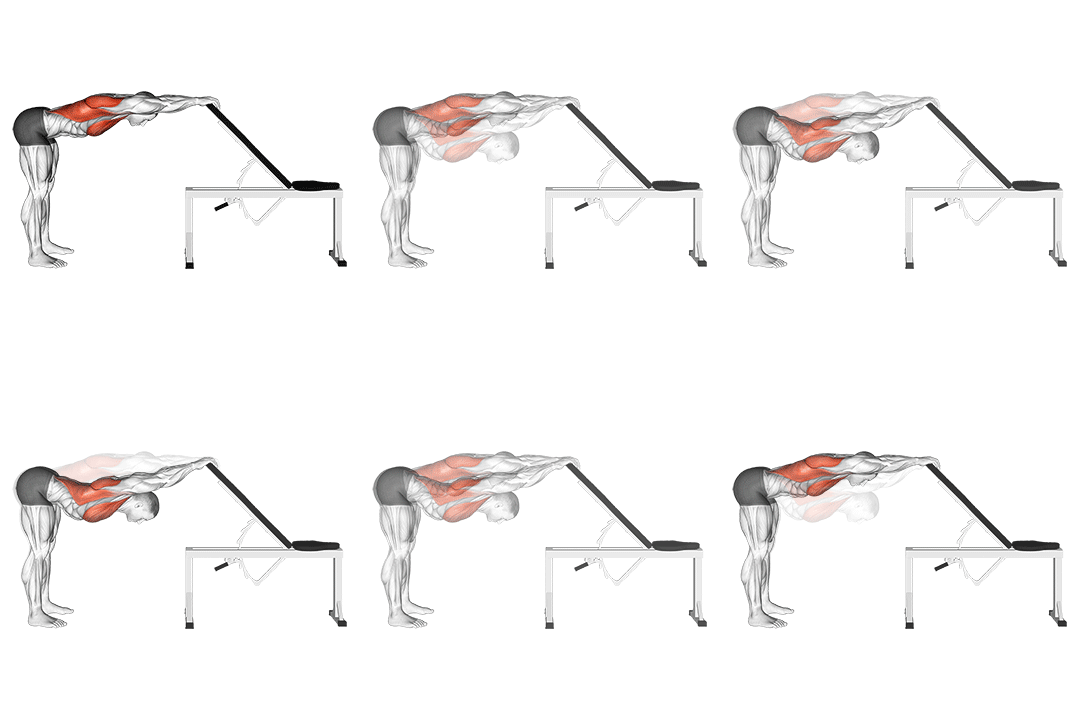
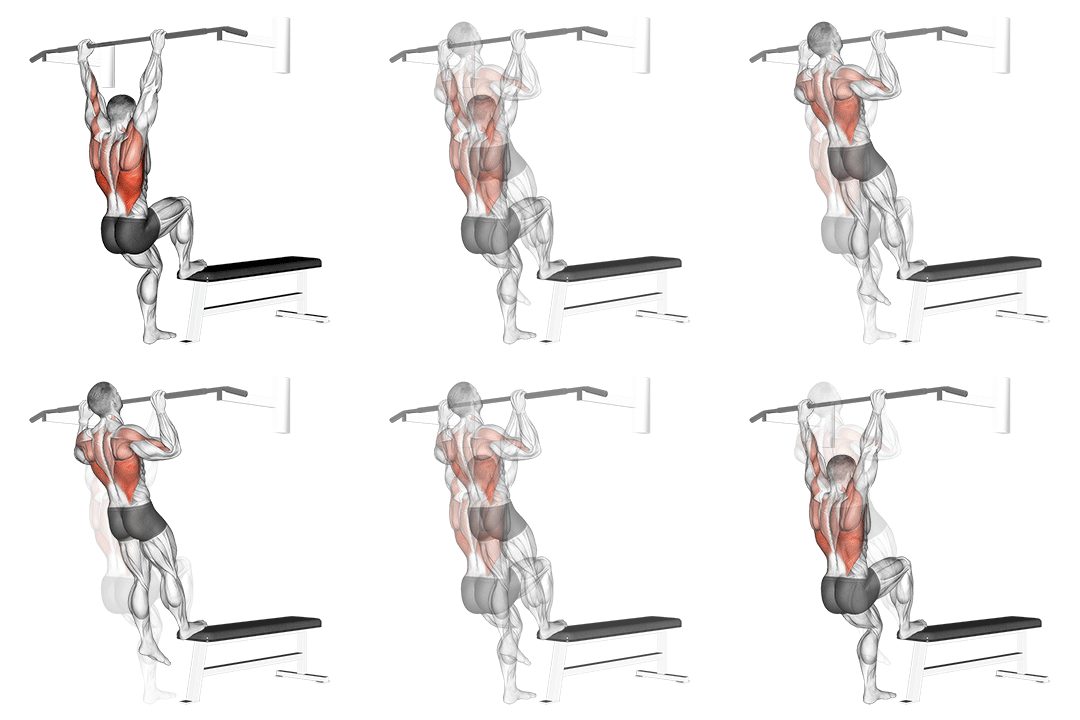
Compare More Exercises
Use our free comparison tool to analyze any two exercises head-to-head.
Compare Exercises