

Assisted Lying Calves Stretch vs Calf Stretch With Rope: Complete Comparison Guide
Assisted Lying Calves Stretch vs Calf Stretch With Rope — you’ll learn which stretch gives better calf lengthening, which is easier to perform, and when to pick each for mobility, rehab, or adding time under tension. I’ll compare muscle activation, equipment needs, difficulty, progression options (including rep ranges and hold times), and clear technique cues so you can pick the right tool for your goals. Read on to get practical cues (knee angle, dorsiflexion targets) and specific recommendations you can use in your next session.
Exercise Comparison
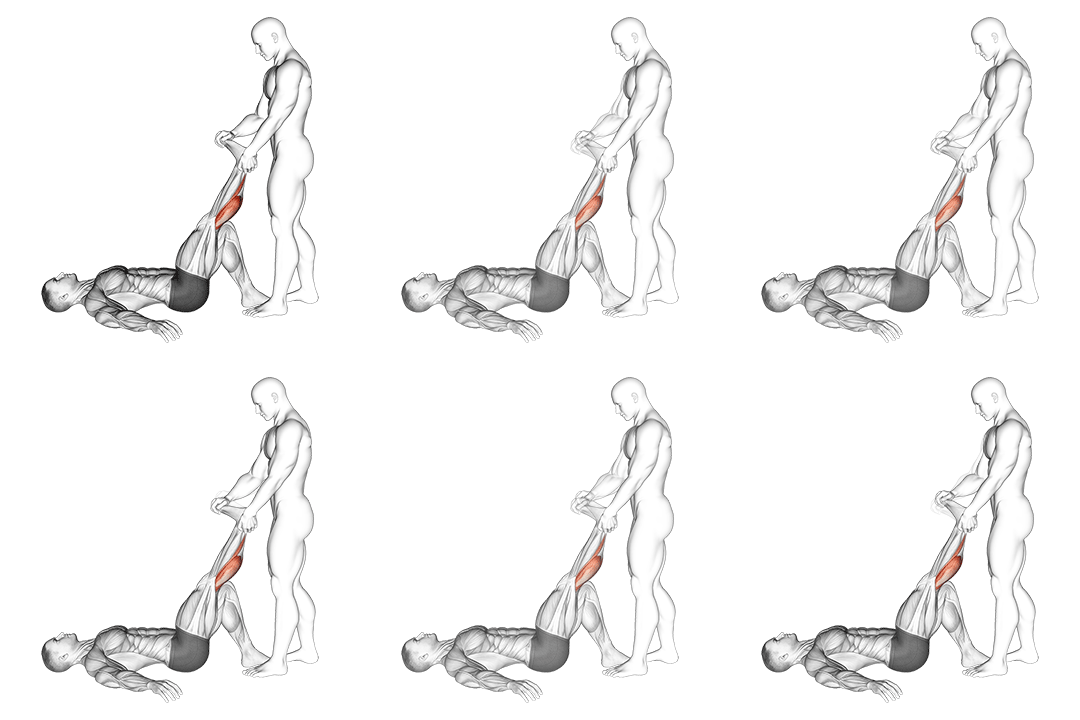
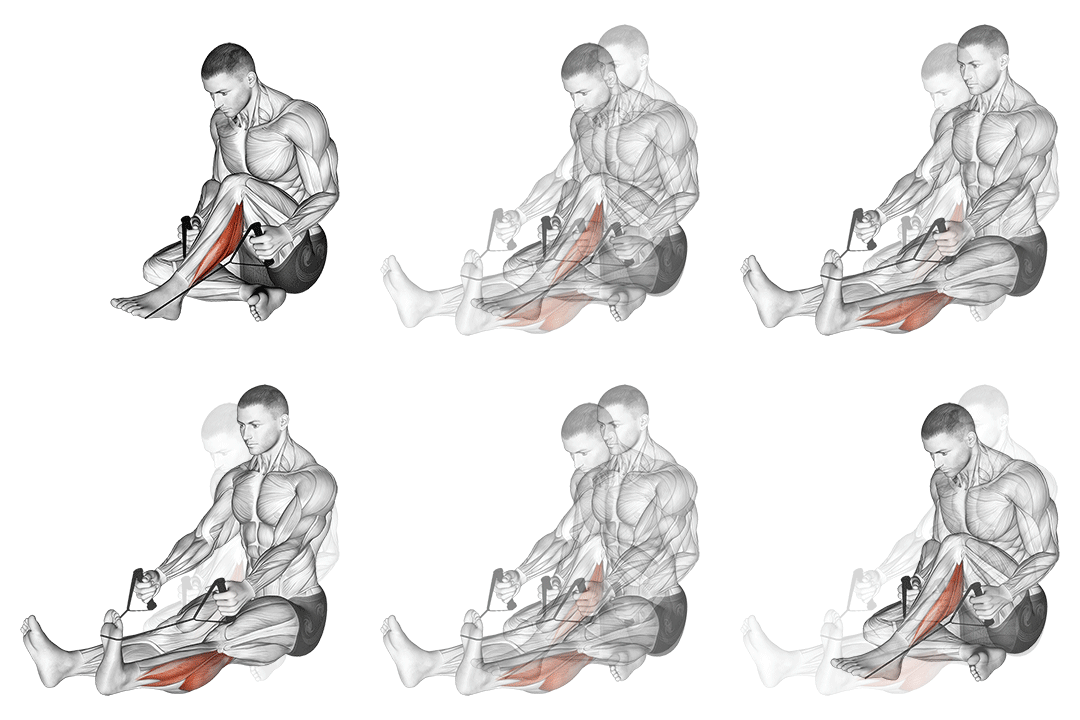
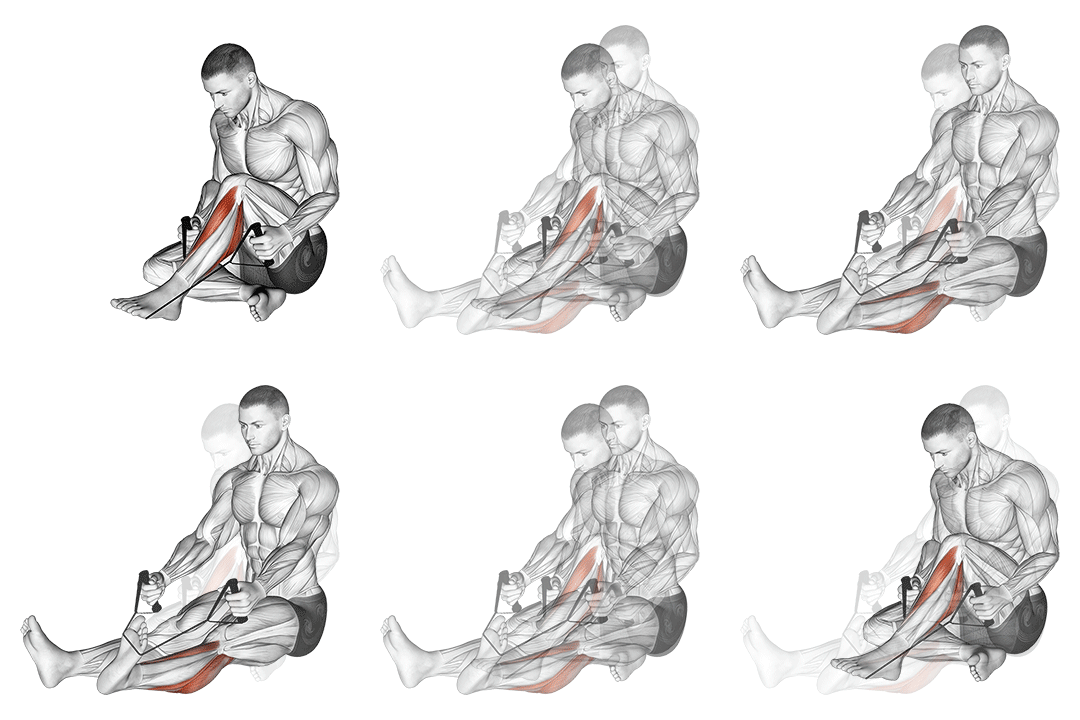
Assisted Lying Calves Stretch
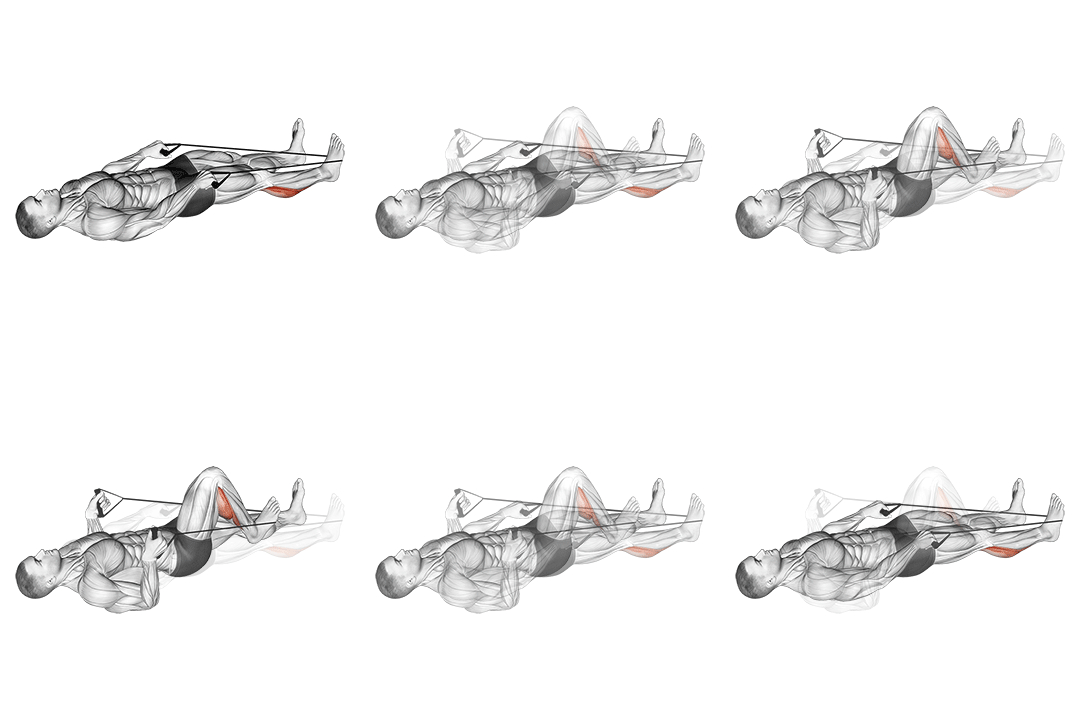
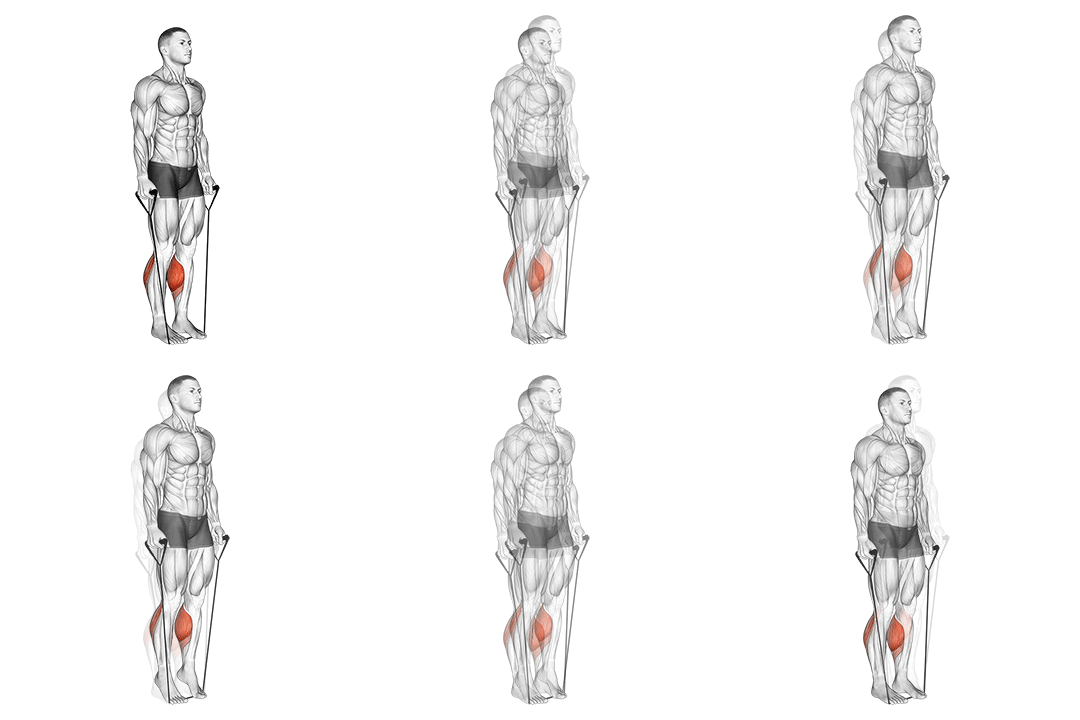
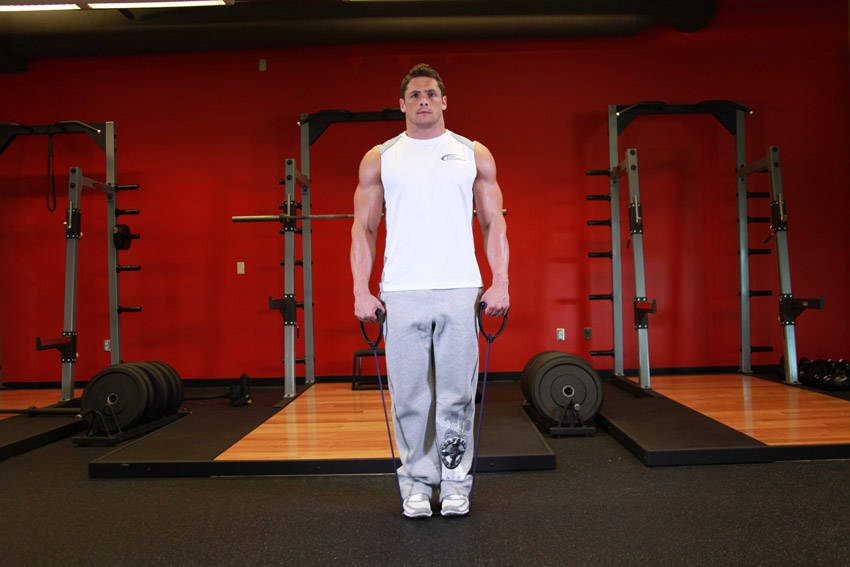
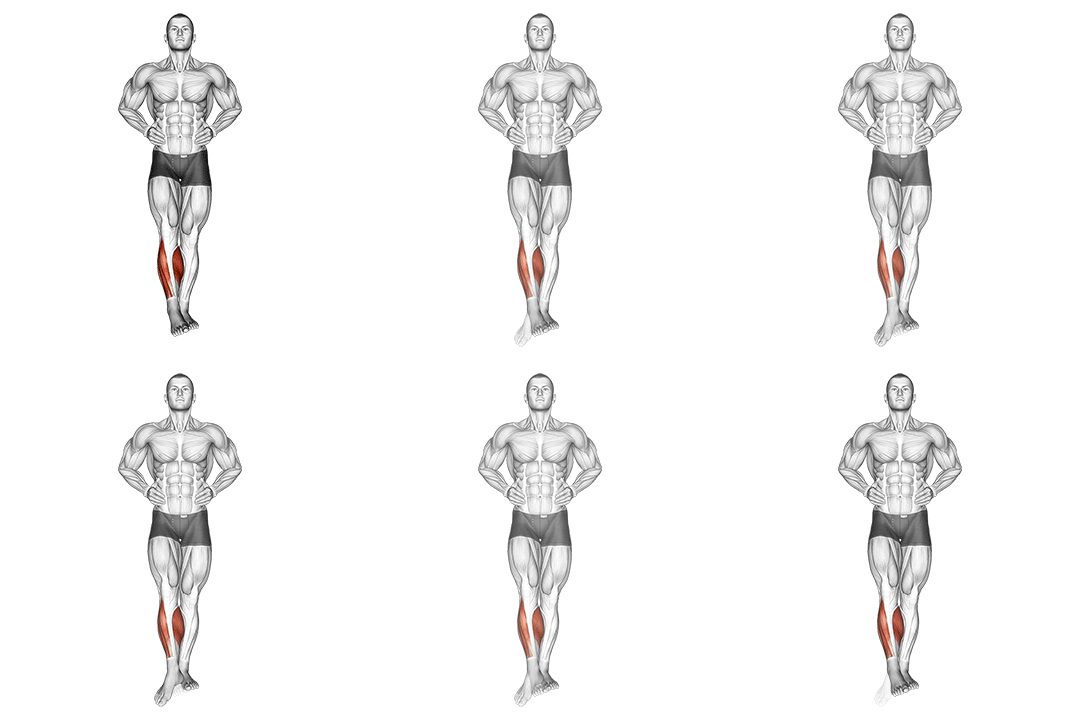
Calf Stretch With Rope
Head-to-Head Comparison
| Attribute | Assisted Lying Calves Stretch | Calf Stretch With Rope |
|---|---|---|
| Target Muscle |
Calves
|
Calves
|
| Body Part |
Lower-legs
|
Lower-legs
|
| Equipment |
Band
|
Rope
|
| Difficulty |
Beginner
|
Beginner
|
| Movement Type |
Isolation
|
Isolation
|
| Secondary Muscles |
1
|
1
|
Secondary Muscles Activated
Assisted Lying Calves Stretch
Calf Stretch With Rope
Visual Comparison
Overview
Assisted Lying Calves Stretch vs Calf Stretch With Rope — you’ll learn which stretch gives better calf lengthening, which is easier to perform, and when to pick each for mobility, rehab, or adding time under tension. I’ll compare muscle activation, equipment needs, difficulty, progression options (including rep ranges and hold times), and clear technique cues so you can pick the right tool for your goals. Read on to get practical cues (knee angle, dorsiflexion targets) and specific recommendations you can use in your next session.
Key Differences
- Equipment differs: Assisted Lying Calves Stretch uses Band, while Calf Stretch With Rope requires Rope.
Pros & Cons
Assisted Lying Calves Stretch
+ Pros
- Very beginner-friendly and low balance demand
- Requires only a band and flat surface—high accessibility
- Easy to control intensity with two-handed assistance
- Good for rehab and passive range increases (30–90s holds)
− Cons
- Less capacity for loaded end-range work compared with rope
- May produce slightly less maximal dorsiflexion (10–15° typical)
- Not ideal if you want active, progressive stretching protocols
Calf Stretch With Rope
+ Pros
- Allows larger dorsiflexion range (approx. 15–20°) and active end-range holds
- Easier to progress via pulses, longer holds, or resisted dorsiflexion
- Better for adding time under tension and eccentric-type stretch stimuli
- Flexible positioning (seated or standing) to target different tissues
− Cons
- Requires more positional control and slight balance or setup
- Slightly higher risk of overstretching if not dosed properly
- Rope setups are less common than bands in some home gyms
When Each Exercise Wins
Calf Stretch With Rope supports longer-time under tension and active end-range holds (30–90s or pulses of 8–20 reps), which better stimulates stretch-mediated hypertrophy pathways. The greater dorsiflexion and ability to add resisted contractions make it more useful for progressive overload strategies aimed at muscle growth.
Although strength gains rely mostly on loaded concentric/eccentric work, the rope version allows isometric end-range holds and loaded stretching that transfers better to strength work. You can pair rope stretches with heavier standing calf raises to create a direct strength-oriented progression.
The lying band version is simplest to perform—no balance or complex setup—and gives precise control over tension with both hands. That makes it ideal for beginners, rehab clients, or anyone rehabbing limited dorsiflexion.
Bands are cheap, portable, and easy to store, so the assisted lying variation fits most home setups. You can achieve meaningful improvements in calf mobility and passive ROM without a dedicated rope or anchor point.
Frequently Asked Questions
Can I do both Assisted Lying Calves Stretch and Calf Stretch With Rope in the same workout?
Yes. Use the lying band early in a session for gentle passive lengthening (1–3 sets of 30–60s), then follow with rope-assisted active holds or pulses to load the end range (2–3 sets of 8–15 pulses). That sequence combines safety with progressive tension.
Which exercise is better for beginners?
Assisted Lying Calves Stretch is better for beginners because it removes balance demands and lets you control tension with both hands. It’s straightforward to dose and safer for limited dorsiflexion or acute rehab.
How do the muscle activation patterns differ?
Activation changes based on knee angle and body position: an extended knee increases gastrocnemius length-tension and activation by roughly 10–20% versus a flexed knee, which biases the soleus. The rope allows greater active control at end range, producing higher tension at longer muscle lengths compared with most passive lying stretches.
Can Calf Stretch With Rope replace Assisted Lying Calves Stretch?
Yes for many users, but not always. Replace the lying version with rope if you need greater end-range loading or progressive tension; keep the lying stretch if you require a safer, passive option for beginners or rehab where balance and heavy end-range stress are contraindicated.
Expert Verdict
Choose Assisted Lying Calves Stretch when you want a beginner-safe, low-equipment option to restore dorsiflexion and add passive ROM with minimal risk. It’s ideal for rehab, tight hamstrings, or home sessions—use 2–4 sets of 30–90 seconds, keeping the knee position based on whether you want gastrocnemius (knee extended) or soleus (knee bent). Choose Calf Stretch With Rope when you want greater end-range tension, progressive overload, or to combine active holds and pulses (8–20 reps or 30–60s holds) for muscle growth or strength carryover. Both are valuable; pick the one that matches your current mobility, control, and progression needs.
Also Compare
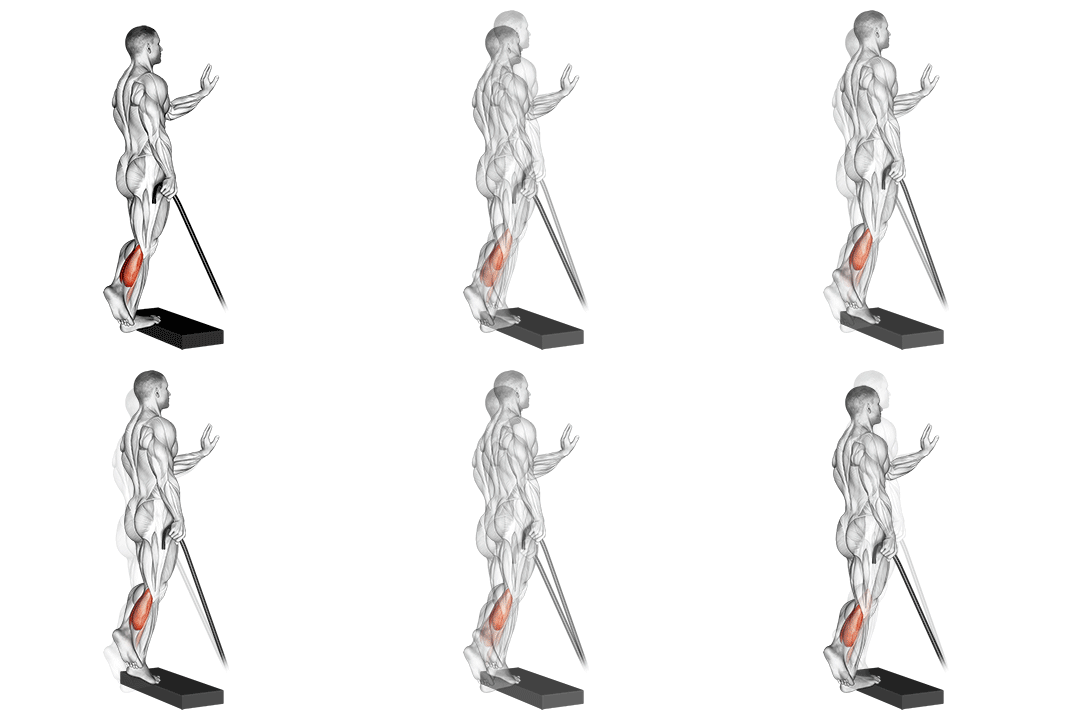
More comparisons with Assisted Lying Calves Stretch
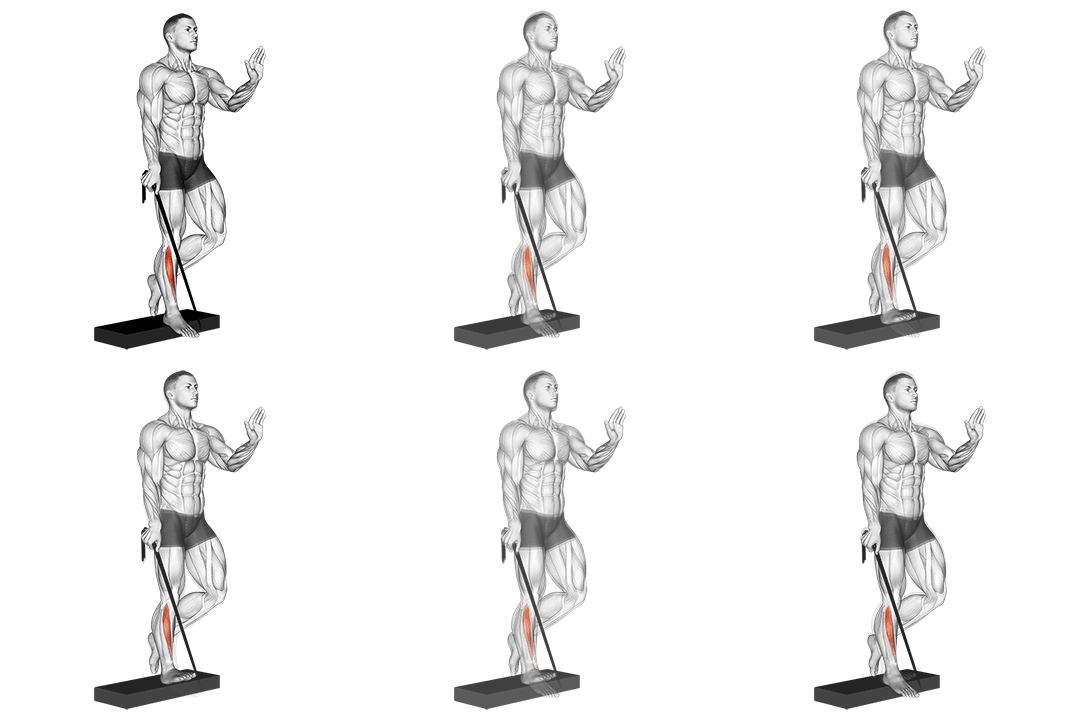
More comparisons with Calf Stretch With Rope
Compare More Exercises
Use our free comparison tool to analyze any two exercises head-to-head.
Compare Exercises