

Assisted Lying Calves Stretch vs Rope Jumping: Complete Comparison Guide
Assisted Lying Calves Stretch vs Rope Jumping puts a passive, isolation stretch up against a dynamic, plyometric calf stimulus. You’ll get a clear breakdown of how each movement activates the gastrocnemius and soleus, what secondary muscles assist, the equipment and space required, and which is better for flexibility, muscle growth, strength, or cardio. I’ll give technique cues (angles, hold times, rep ranges), explain the biomechanics (length–tension, stretch–shortening cycle, force vectors), and finish with decisive recommendations so you can pick the right tool for your goal.
Exercise Comparison
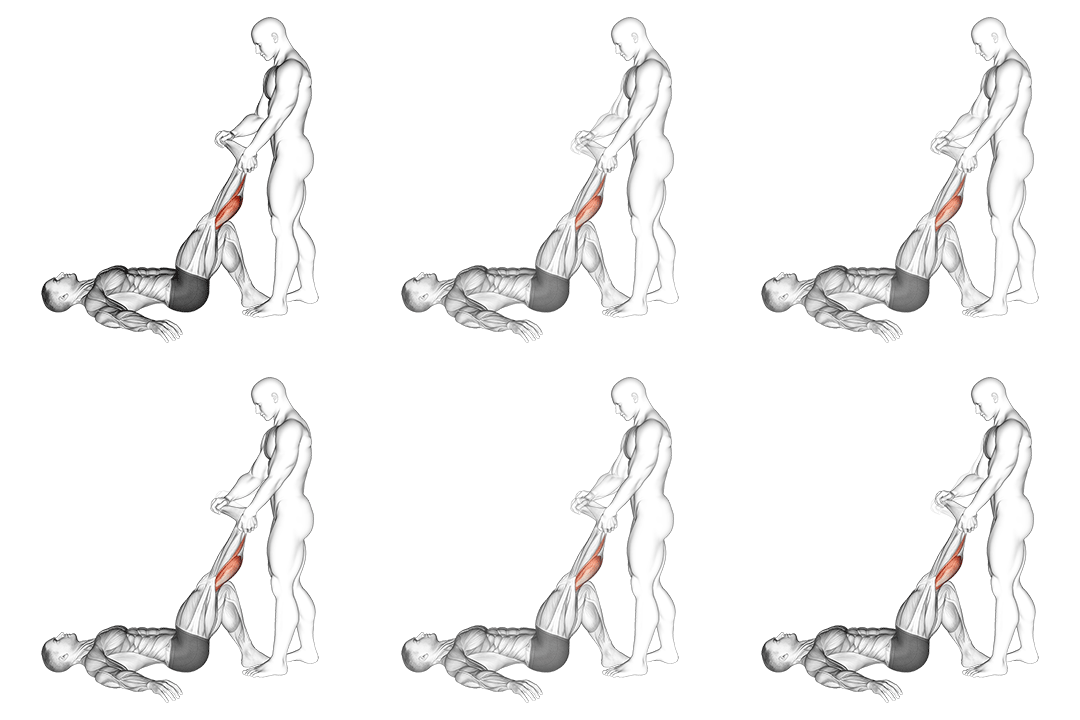
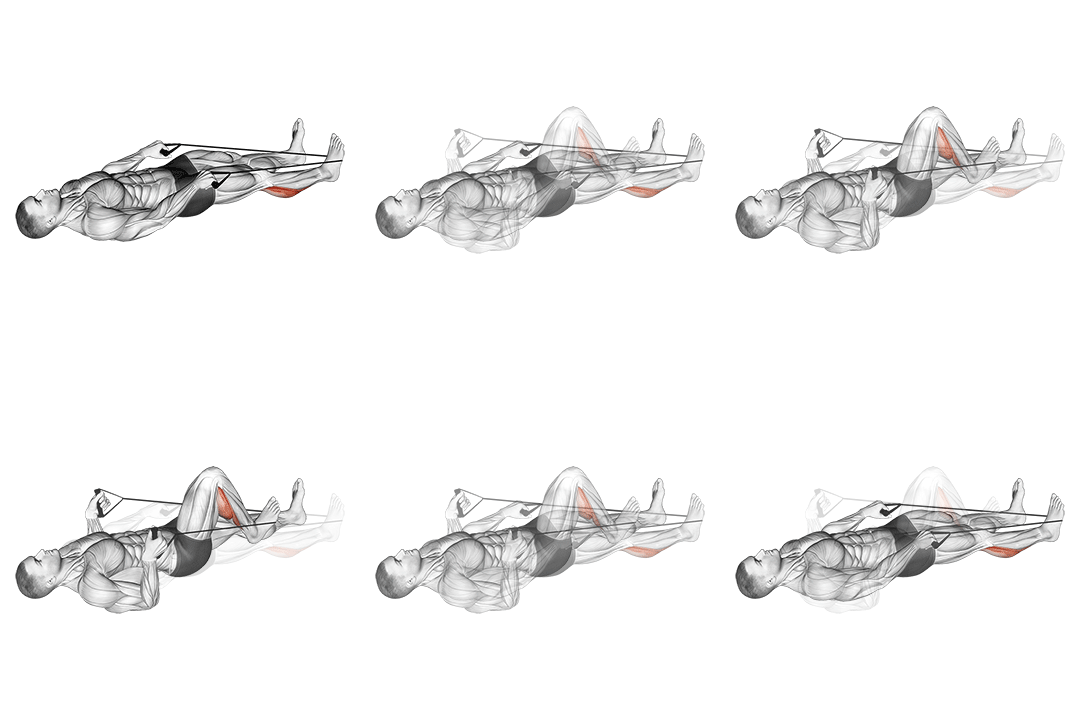
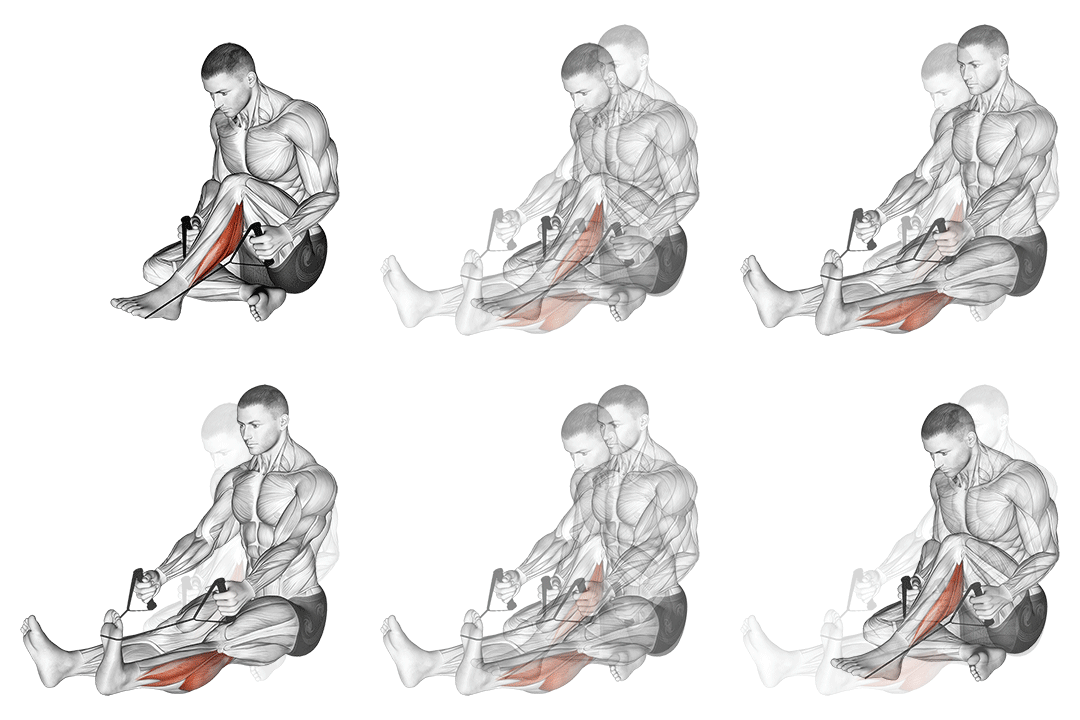
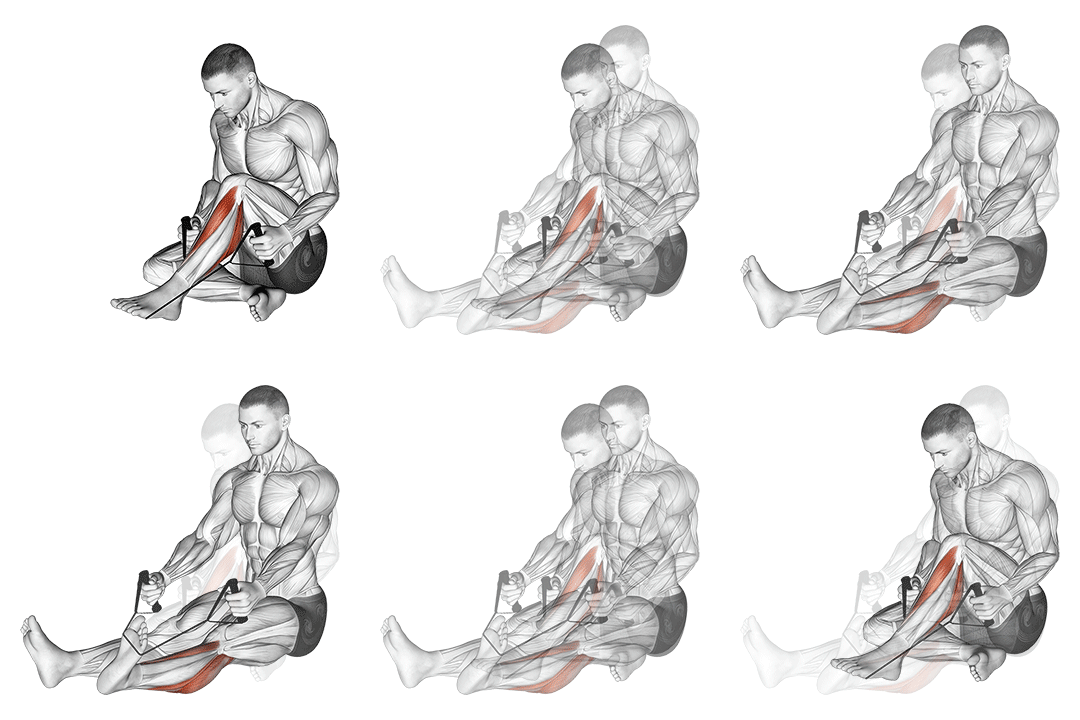
Assisted Lying Calves Stretch
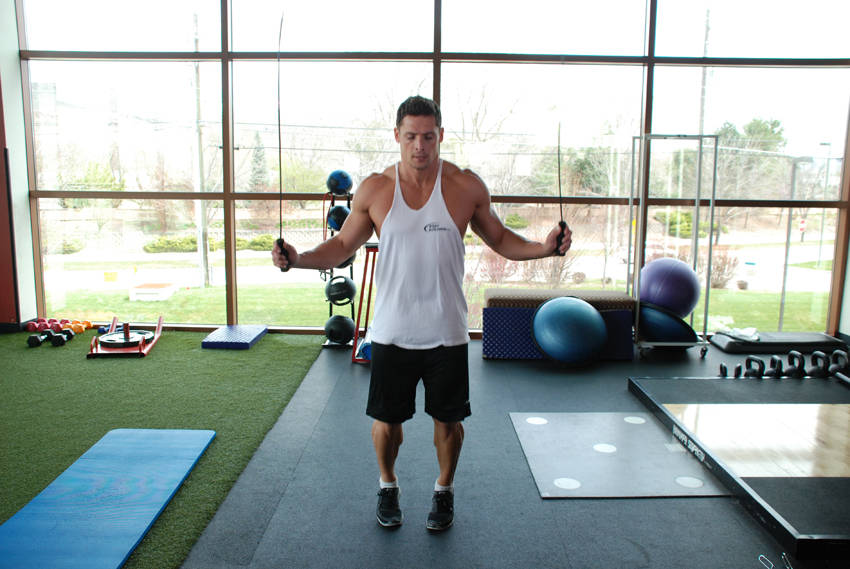
Rope Jumping
Head-to-Head Comparison
| Attribute | Assisted Lying Calves Stretch | Rope Jumping |
|---|---|---|
| Target Muscle |
Calves
|
Calves
|
| Body Part |
Lower-legs
|
Cardio
|
| Equipment |
Band
|
Rope
|
| Difficulty |
Beginner
|
Beginner
|
| Movement Type |
Isolation
|
Compound
|
| Secondary Muscles |
1
|
2
|
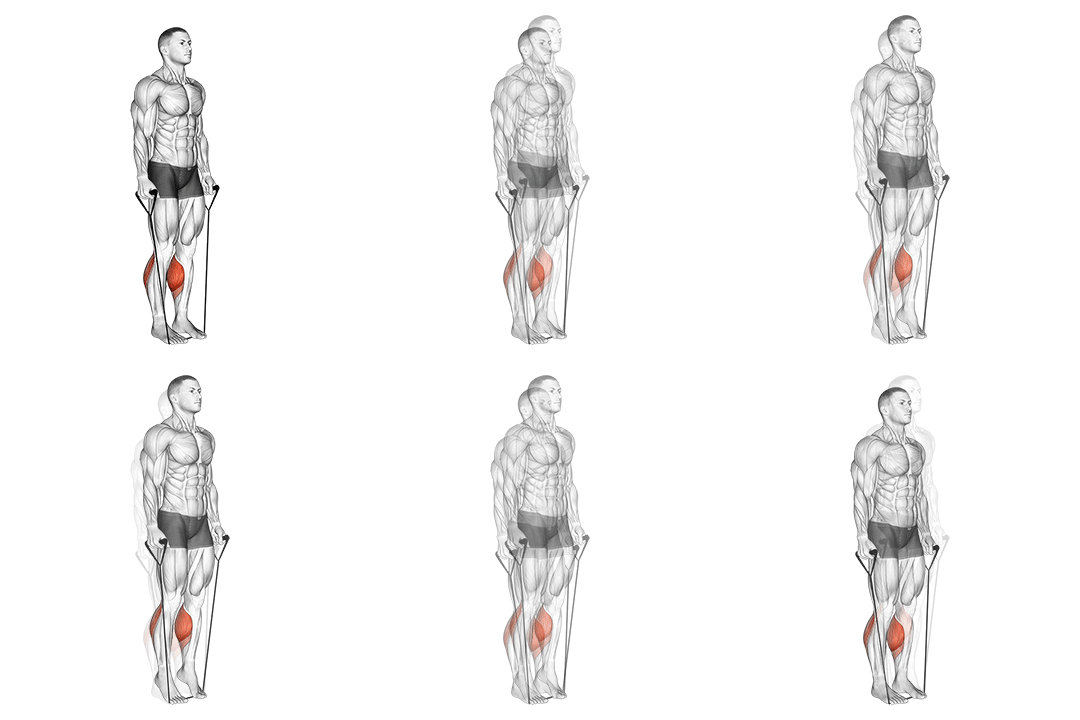
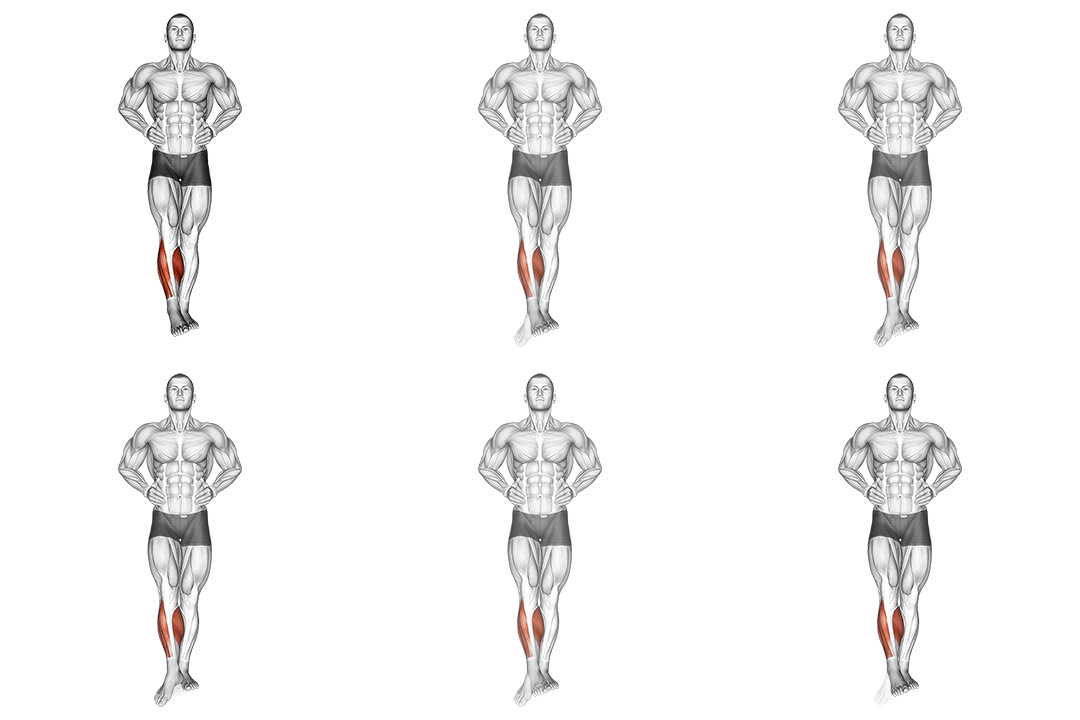
Secondary Muscles Activated
Assisted Lying Calves Stretch
Rope Jumping
Visual Comparison
Overview
Assisted Lying Calves Stretch vs Rope Jumping puts a passive, isolation stretch up against a dynamic, plyometric calf stimulus. You’ll get a clear breakdown of how each movement activates the gastrocnemius and soleus, what secondary muscles assist, the equipment and space required, and which is better for flexibility, muscle growth, strength, or cardio. I’ll give technique cues (angles, hold times, rep ranges), explain the biomechanics (length–tension, stretch–shortening cycle, force vectors), and finish with decisive recommendations so you can pick the right tool for your goal.
Key Differences
- Equipment differs: Assisted Lying Calves Stretch uses Band, while Rope Jumping requires Rope.
- Assisted Lying Calves Stretch is an isolation exercise, while Rope Jumping is a compound movement.
Pros & Cons
Assisted Lying Calves Stretch
+ Pros
- Targets calf length and passive tension for improved dorsiflexion
- Requires minimal equipment and space
- Low-impact and suitable for rehab or mobility-focused sessions
- Easy to cue: dorsiflex to 20–30° and hold 30–60s
− Cons
- Doesn’t provide substantial concentric loading for muscle growth
- Limited progression unless combined with resistance
- Passive stretch can be uncomfortable if you have recent tears
Rope Jumping
+ Pros
- Provides repeated eccentric–concentric loading that stimulates endurance and hypertrophy
- Improves ankle stiffness, timing, and rate-of-force development
- Excellent cardio stimulus with calf emphasis
- Scalable via duration, speed, or advanced jump types (double-unders)
− Cons
- Higher impact increases risk to Achilles, ankles, and knees
- Requires coordination and proper footwear/surface
- Needs more space and noise tolerance indoors
When Each Exercise Wins
Rope Jumping produces repeated eccentric–concentric cycles and higher metabolic demand, which stimulates muscle protein turnover when volume is sufficient (try 3–5 sets of 60–120 seconds or 300–1,000 skips total). For maximal hypertrophy, add weighted calf raises, but rope work gives more functional calf stimulus than passive stretch alone.
Strength and rate-of-force development favor dynamic, loaded contractions. Rope Jumping improves neuromuscular timing and reactive plantarflexion; however, maximal strength still requires heavy, slow-loaded calf raises—use rope jumping to complement those lifts.
Beginners benefit from the low-impact, easy-to-learn assisted stretch that teaches safe dorsiflexion to ~20–30° and restores range of motion without coordination demands. It reduces injury risk and prepares the calf for later loading.
Assisted stretch needs only a band and small floor area, making it ideal for tight spaces or travel. Rope Jumping can work at home but needs headroom, flooring that can take impact, and quiet neighbors.
Frequently Asked Questions
Can I do both Assisted Lying Calves Stretch and Rope Jumping in the same workout?
Yes. Use Assisted Lying Calves Stretch as a warm-up or cool-down to increase dorsiflexion (30–60s holds) and perform Rope Jumping during the main session for dynamic loading. Stretching before heavy plyometrics should be gentle; prioritize mobility first, then explosive work.
Which exercise is better for beginners?
Assisted Lying Calves Stretch is better for absolute beginners because it’s low impact and teaches safe ankle range and tissue tolerance. Start with mobility and progress to short rope-jumping intervals as coordination and ankle stiffness improve.
How do the muscle activation patterns differ?
Assisted stretch produces low EMG but high passive tension at longer sarcomere lengths, emphasizing length–tension adaptations. Rope Jumping creates rapid eccentric-to-concentric transitions (stretch–shortening cycle), higher EMG peaks, and greater rate-of-force development.
Can Rope Jumping replace Assisted Lying Calves Stretch?
Not entirely. Rope Jumping can improve calf power and endurance but won’t reliably increase passive dorsiflexion range like a targeted stretch. Use rope work for conditioning and add assisted stretches to restore range and reduce stiffness.
Expert Verdict
Use Assisted Lying Calves Stretch when your goal is improved dorsiflexion, tendon health, or a low-impact mobility day: hold 30–60 seconds, 2–4 sets, knee straight to emphasize gastrocnemius or bent ~20° to bias soleus. Choose Rope Jumping when you want calf conditioning, higher metabolic stimulus, or to train rate-of-force development—start with 3–5 sets of 30–90 seconds or 200–600 skips and prioritize soft landings. For muscle growth and strength, rope jumping provides more functional loading, but combine either with progressive resistance (weighted calf raises) for maximal results.
Also Compare
More comparisons with Assisted Lying Calves Stretch
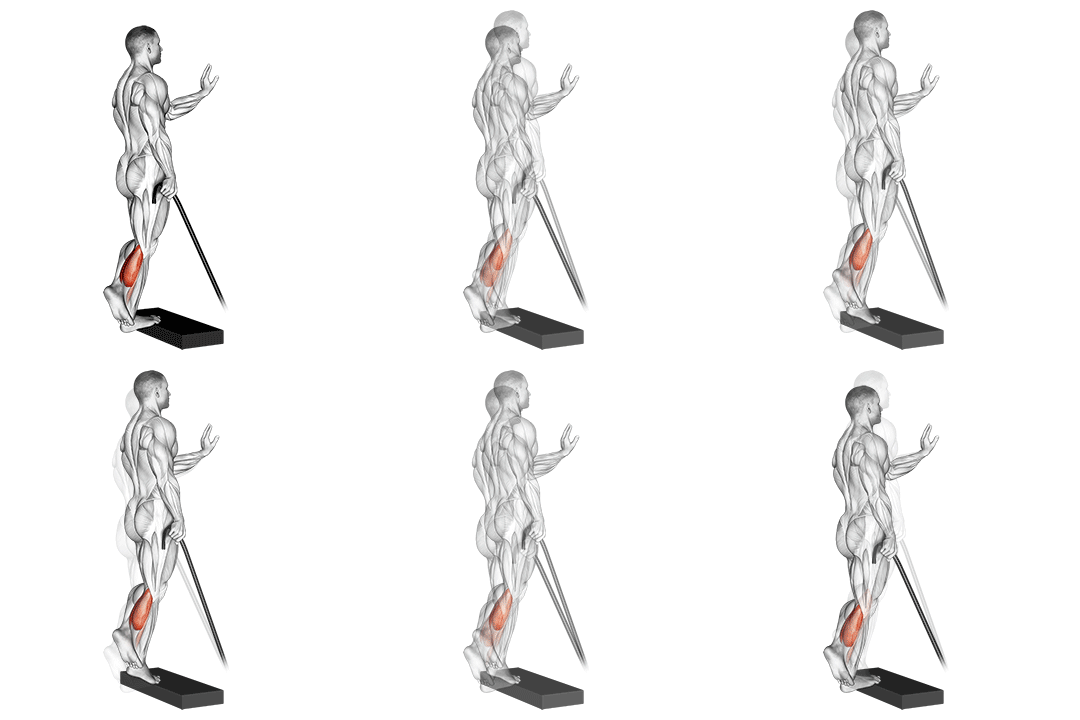
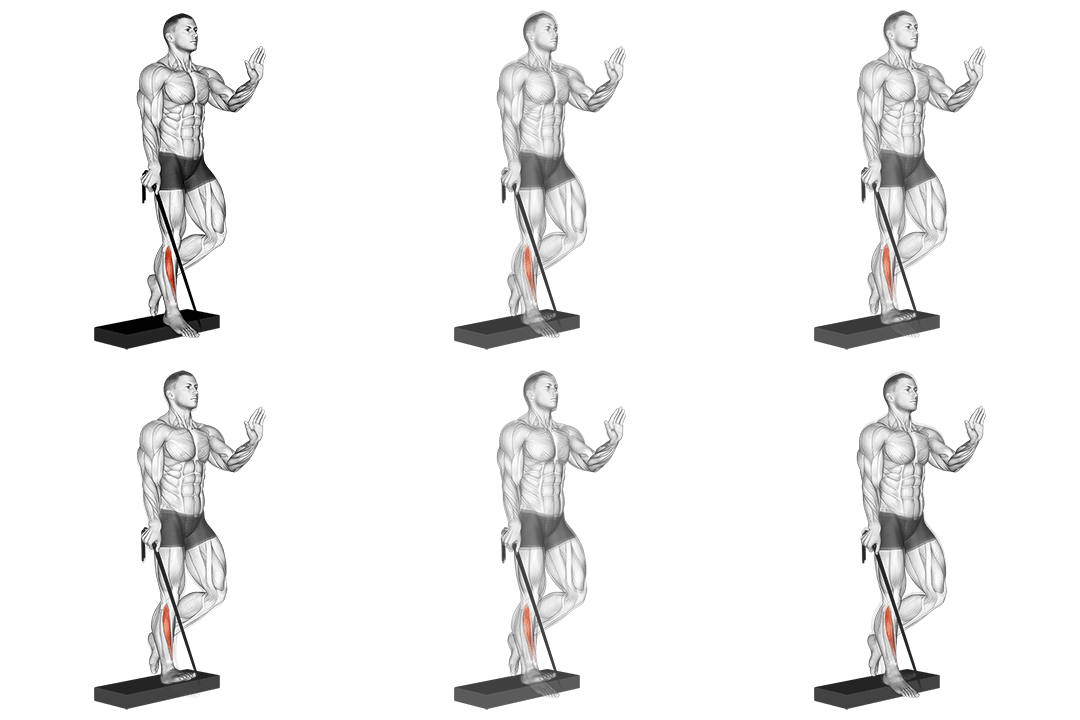

Compare More Exercises
Use our free comparison tool to analyze any two exercises head-to-head.
Compare Exercises