

Assisted Parallel Close Grip Pull-up vs Dumbbell One Arm Bent-over Row: Complete Comparison Guide
Assisted Parallel Close Grip Pull-up vs Dumbbell One Arm Bent-over Row — which one should you use to build a thicker, wider back? You’ll get a straight answer plus actionable cues. I’ll compare primary lat activation, secondary muscle recruitment, equipment needs, learning curve, and programming options (rep ranges, loading, and progressions). Read on to learn specific technique cues (elbow path, torso angle 30–45°, scapular control), why force vectors change muscle emphasis, and which exercise to prioritize based on your goal—hypertrophy, strength, beginner skill-building, or limited equipment.
Exercise Comparison
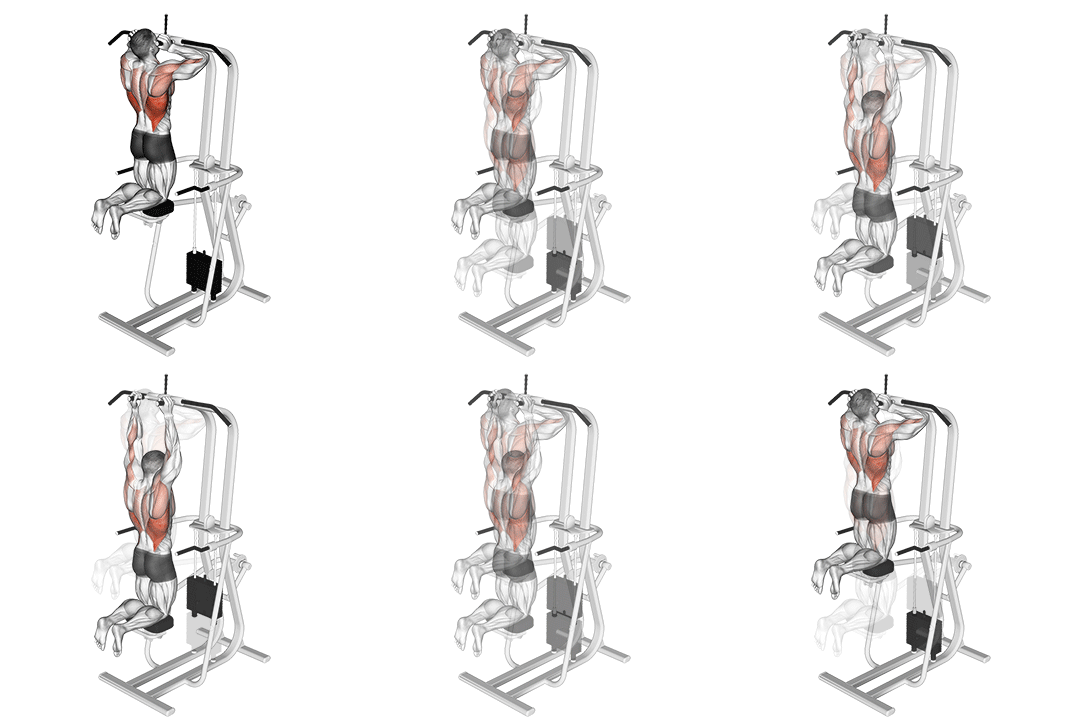
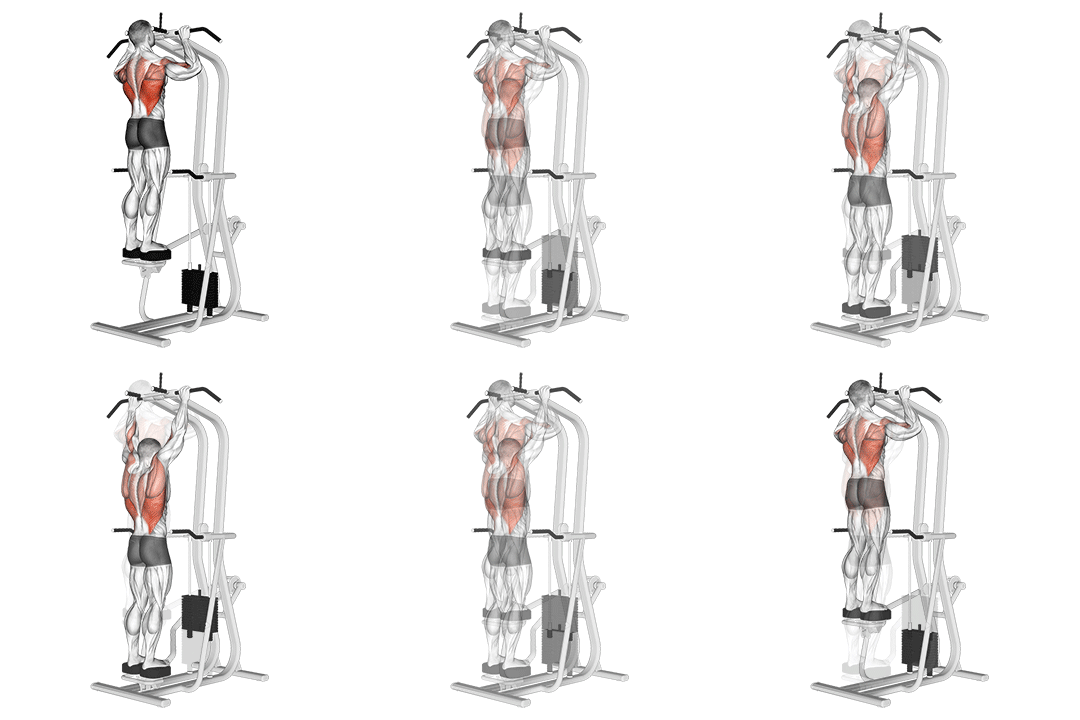
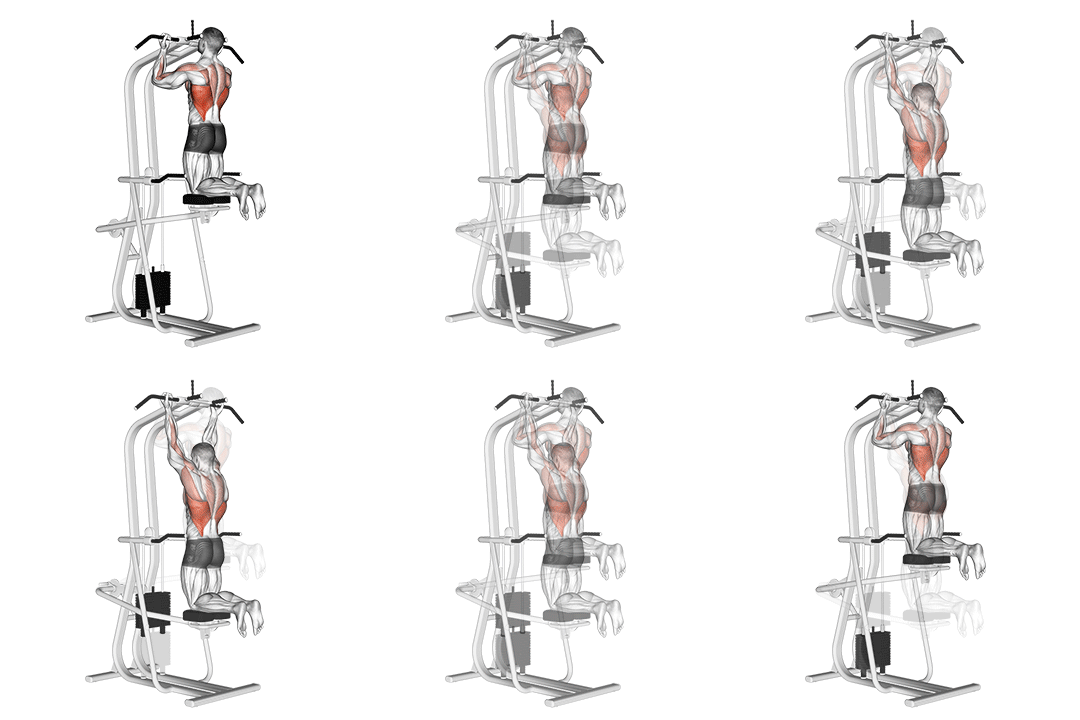
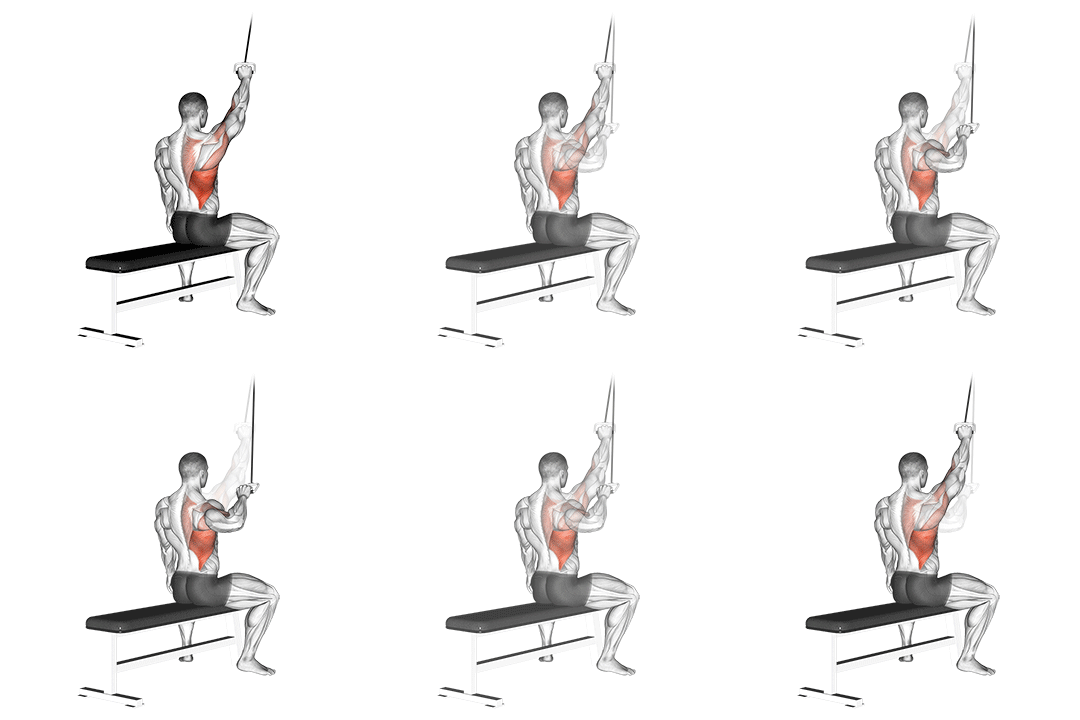
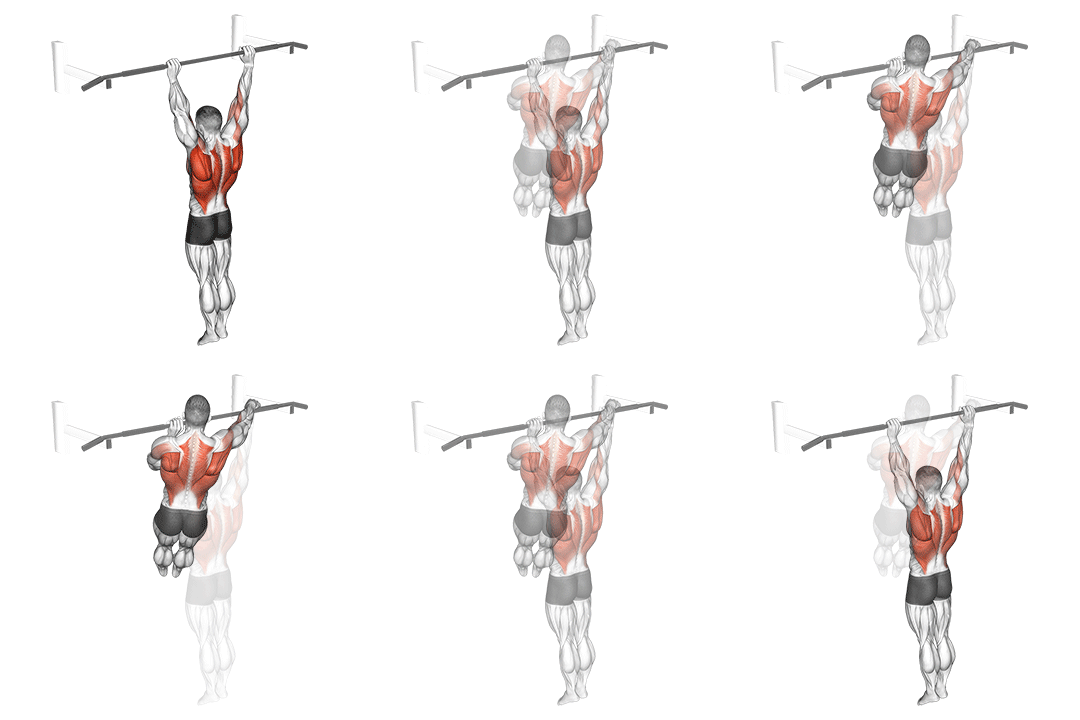
Assisted Parallel Close Grip Pull-up
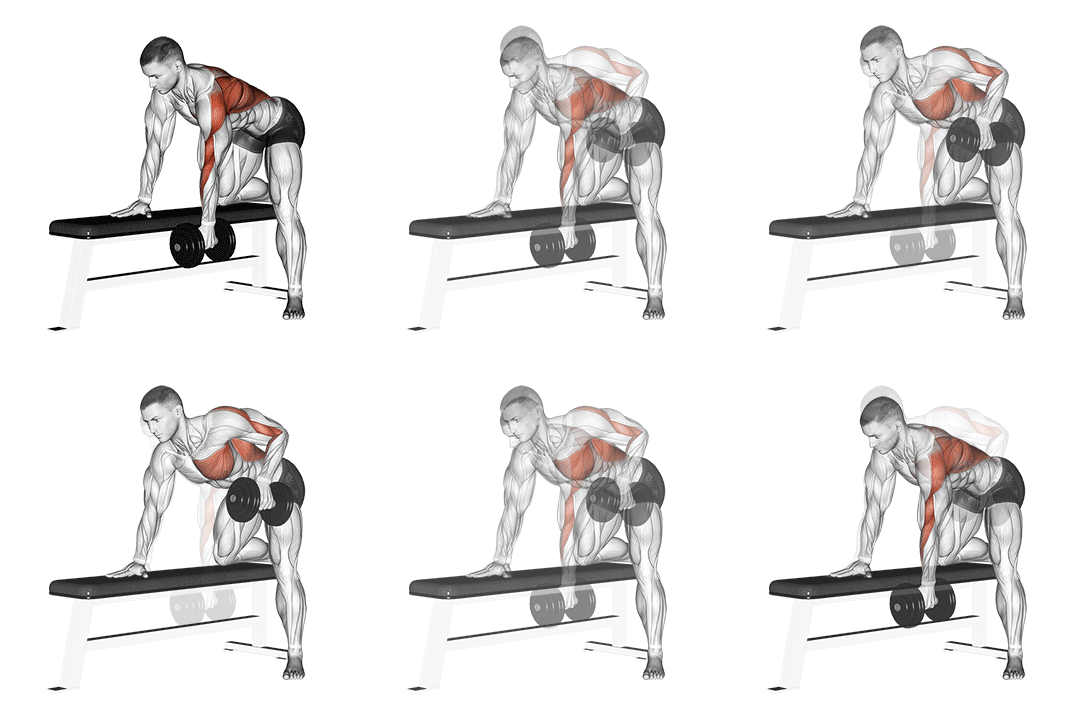
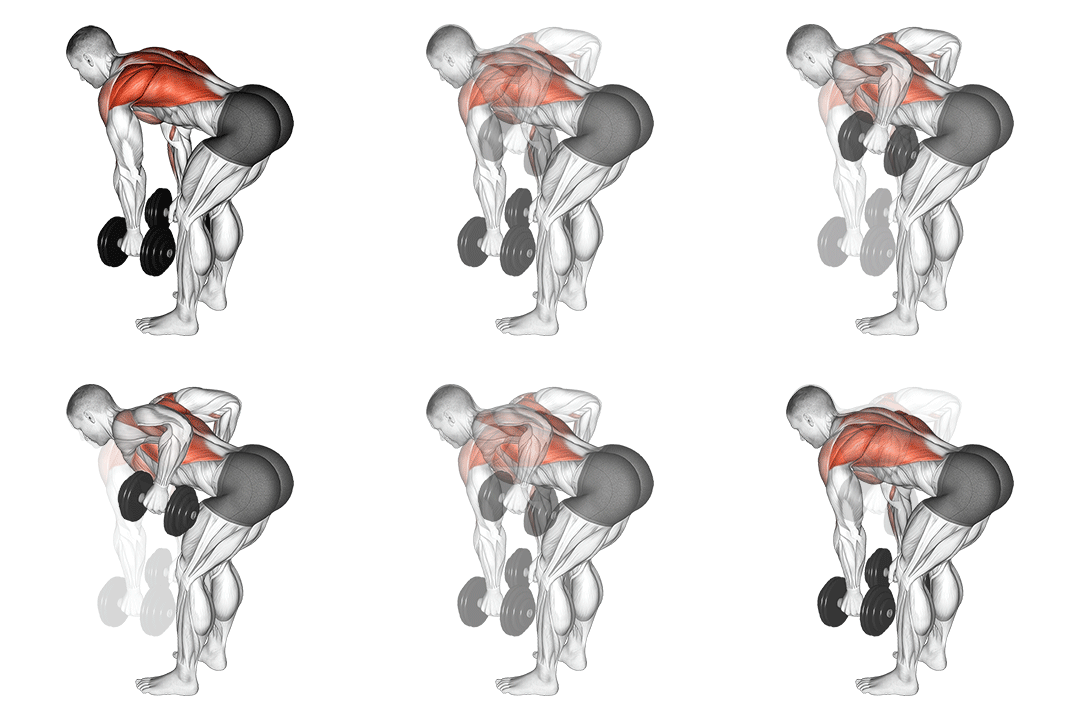
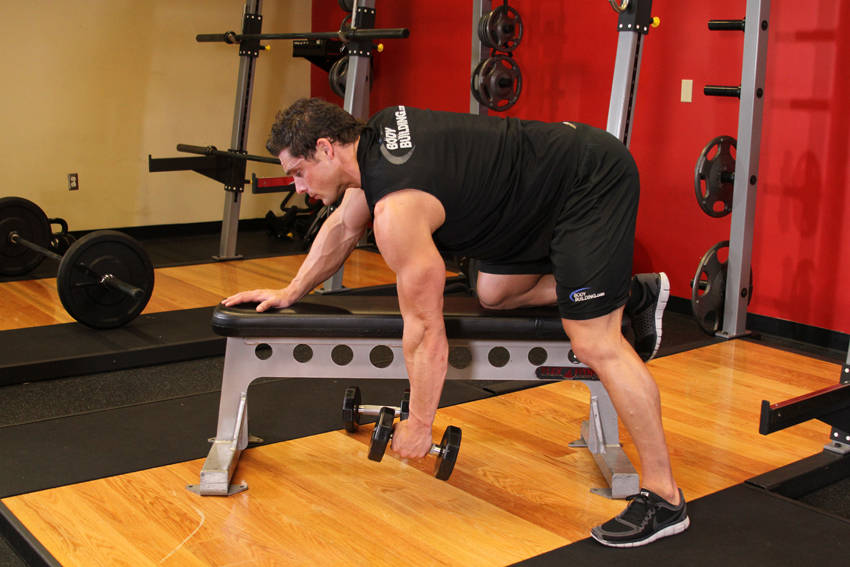
Dumbbell One Arm Bent-over Row
Head-to-Head Comparison
| Attribute | Assisted Parallel Close Grip Pull-up | Dumbbell One Arm Bent-over Row |
|---|---|---|
| Target Muscle |
Lats
|
Lats
|
| Body Part |
Back
|
Back
|
| Equipment |
Lever
|
Dumbbell
|
| Difficulty |
Beginner
|
Intermediate
|
| Movement Type |
Compound
|
Compound
|
| Secondary Muscles |
2
|
2
|
Secondary Muscles Activated
Assisted Parallel Close Grip Pull-up
Dumbbell One Arm Bent-over Row
Visual Comparison
Overview
Assisted Parallel Close Grip Pull-up vs Dumbbell One Arm Bent-over Row — which one should you use to build a thicker, wider back? You’ll get a straight answer plus actionable cues. I’ll compare primary lat activation, secondary muscle recruitment, equipment needs, learning curve, and programming options (rep ranges, loading, and progressions). Read on to learn specific technique cues (elbow path, torso angle 30–45°, scapular control), why force vectors change muscle emphasis, and which exercise to prioritize based on your goal—hypertrophy, strength, beginner skill-building, or limited equipment.
Key Differences
- Equipment differs: Assisted Parallel Close Grip Pull-up uses Lever, while Dumbbell One Arm Bent-over Row requires Dumbbell.
- Difficulty levels differ: Assisted Parallel Close Grip Pull-up is beginner, while Dumbbell One Arm Bent-over Row is intermediate.
Pros & Cons
Assisted Parallel Close Grip Pull-up
+ Pros
- Beginners can train full-range vertical pull with adjustable assistance
- Places lats in a longer starting position for stretch-mediated tension
- Integrates scapular depression and core stability
- Progresses to strict bodyweight and weighted pull-ups for high ceiling
− Cons
- Requires a machine or reliable band setup (less home-friendly)
- Narrow grip can stress wrists/elbows for some lifters
- Limited ability to micro-load compared to dumbbells
Dumbbell One Arm Bent-over Row
+ Pros
- Accessible with a single dumbbell—easy for home training
- Unilateral movement reduces left-right imbalances and improves core anti-rotation
- Allows precise control of tempo and time under tension for hypertrophy (6–12 reps)
- Easier to manipulate angles to emphasize peak contraction
− Cons
- Requires good hip hinge and spinal control to avoid low-back strain
- Less stretch at the start of the concentric compared with a full hang pull-up
- Harder to load extremely heavy vertically compared with weighted pull-ups for some lifters
When Each Exercise Wins
The one-arm row allows unilateral overload, tighter peak contraction, and easy tempo manipulation (3–4s eccentrics). Use 6–12 reps, pauses at peak contraction, and progressive micro-loading to increase time under tension and muscle growth.
Progressing from assisted to weighted pull-ups builds vertical pull strength and whole-body tension. Once you remove assistance you can add 10–40+ lb via weight vests or belts to improve raw pulling strength and relative back strength.
The lever assistance reduces effective load so you can learn scapular depression, elbow path, and full-range shoulder adduction safely. Start with 6–10 assisted reps focusing on thoracic extension and scapular retraction.
You only need one dumbbell and space to hinge at 30–45°. It’s easy to program into limited-equipment routines and gives unilateral strength and hypertrophy benefits without gym machines.
Frequently Asked Questions
What is the difference between Assisted Parallel Close Grip Pull-up and Dumbbell One Arm Bent-over Row?
Assisted Parallel Close Grip Pull-up primarily targets the Lats, while Dumbbell One Arm Bent-over Row focuses on the Lats. They also differ in equipment requirements: Assisted Parallel Close Grip Pull-up uses Lever, while Dumbbell One Arm Bent-over Row requires Dumbbell.
Which is better: Assisted Parallel Close Grip Pull-up or Dumbbell One Arm Bent-over Row?
Neither exercise is universally better - it depends on your goals. Choose Assisted Parallel Close Grip Pull-up to emphasize the Lats. Choose Dumbbell One Arm Bent-over Row for focus on the Lats. Many training programs include both for balanced development.
Can I do Assisted Parallel Close Grip Pull-up and Dumbbell One Arm Bent-over Row in the same workout?
Yes, you can perform both exercises in the same workout. Since they target the same muscle group (Lats), consider spacing them apart or doing them on different days for optimal recovery.
Which exercise is harder: Assisted Parallel Close Grip Pull-up or Dumbbell One Arm Bent-over Row?
Assisted Parallel Close Grip Pull-up is rated as beginner difficulty, while Dumbbell One Arm Bent-over Row is intermediate. Difficulty can vary based on your experience and the weight used.
Expert Verdict
Use Assisted Parallel Close Grip Pull-ups when you need an easy entry to vertical pulling, to train full-range lats under stretch, or to build relative pulling strength as you remove assistance and add load. Favor Dumbbell One Arm Bent-over Rows when you want unilateral control, precise tempo for hypertrophy, or a home-friendly option. Program both: pair rows as accessory work to fix imbalances and use pull-ups (assisted-to-weighted) for progressive vertical pulling strength. Typical programming: 3–5 sets of 4–8 reps for strength (weighted pull-ups or heavy rows), and 8–12 reps for hypertrophy with slow eccentrics and controlled pauses.
Also Compare
More comparisons with Assisted Parallel Close Grip Pull-up
More comparisons with Dumbbell One Arm Bent-over Row
Compare More Exercises
Use our free comparison tool to analyze any two exercises head-to-head.
Compare Exercises