

Assisted Parallel Close Grip Pull-up vs Lever Assisted Chin-up: Complete Comparison Guide
Assisted Parallel Close Grip Pull-up vs Lever Assisted Chin-up — both are lever-assisted, beginner-friendly compound back moves that help you build lat width and upper-body pulling strength. If you want clear guidance, this comparison walks you through muscle activation, technique cues, equipment needs, progression options, and when to pick one over the other. Read on and you'll get concrete cues (grip placement, scapular set, elbow path), recommended rep ranges for hypertrophy and strength, and a final recommendation based on your goals.
Exercise Comparison
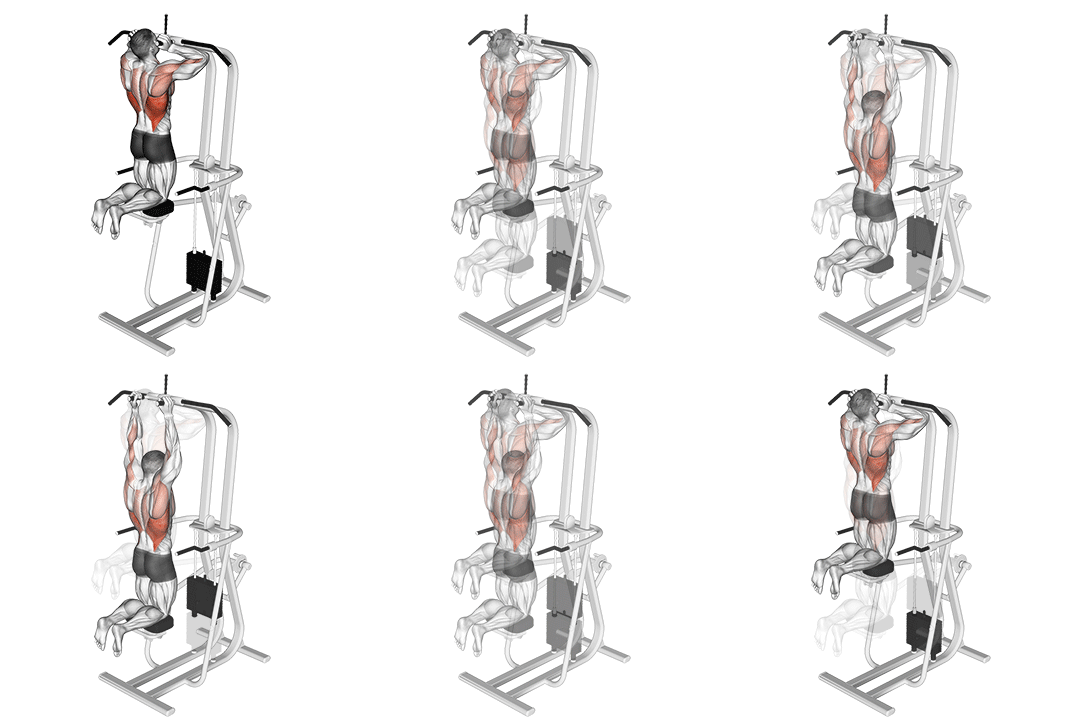
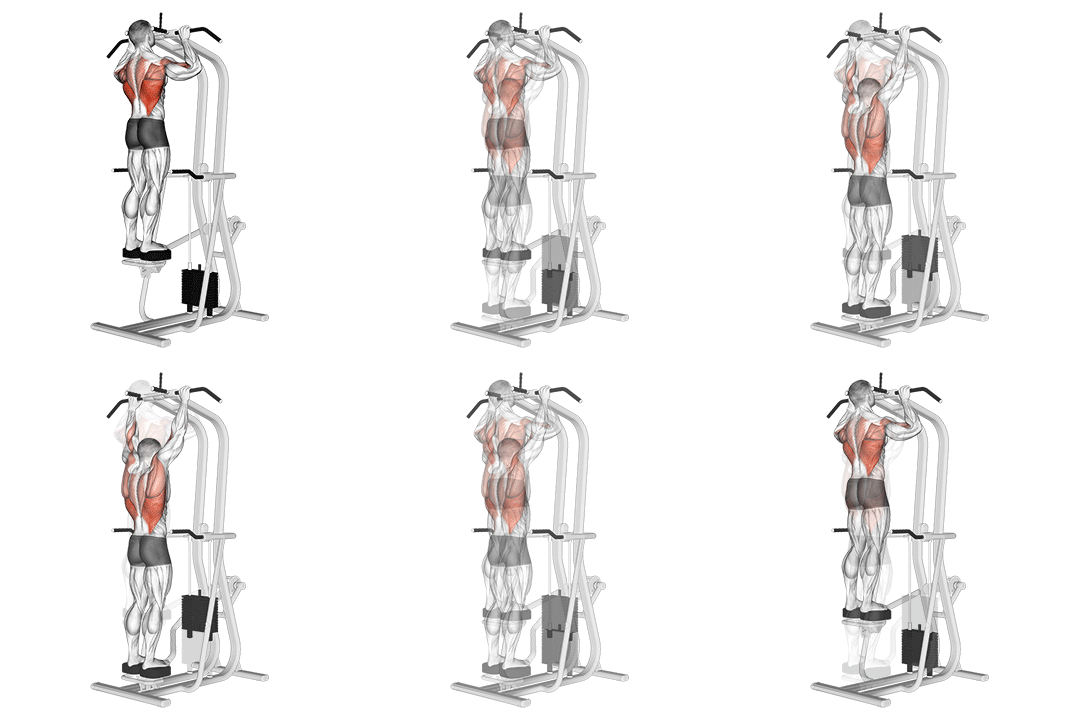
Assisted Parallel Close Grip Pull-up
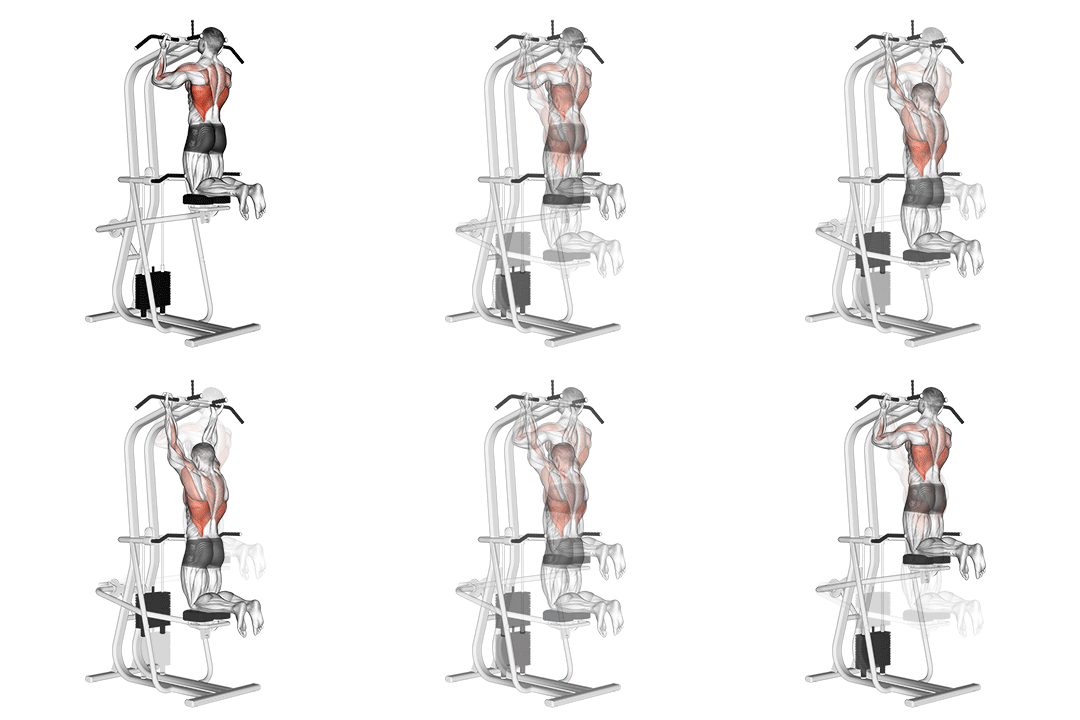
Lever Assisted Chin-up
Head-to-Head Comparison
| Attribute | Assisted Parallel Close Grip Pull-up | Lever Assisted Chin-up |
|---|---|---|
| Target Muscle |
Lats
|
Lats
|
| Body Part |
Back
|
Back
|
| Equipment |
Lever
|
Lever
|
| Difficulty |
Beginner
|
Beginner
|
| Movement Type |
Compound
|
Compound
|
| Secondary Muscles |
2
|
2
|
Secondary Muscles Activated
Assisted Parallel Close Grip Pull-up
Lever Assisted Chin-up
Visual Comparison
Overview
Assisted Parallel Close Grip Pull-up vs Lever Assisted Chin-up — both are lever-assisted, beginner-friendly compound back moves that help you build lat width and upper-body pulling strength. If you want clear guidance, this comparison walks you through muscle activation, technique cues, equipment needs, progression options, and when to pick one over the other. Read on and you'll get concrete cues (grip placement, scapular set, elbow path), recommended rep ranges for hypertrophy and strength, and a final recommendation based on your goals.
Key Differences
- Both exercises target the Lats using Lever. The main differences are in their movement patterns and muscle activation angles.
Pros & Cons
Assisted Parallel Close Grip Pull-up
+ Pros
- Neutral grip reduces shoulder impingement and is easier on the wrist
- Maintains stronger lat mechanical advantage across the mid-range
- Better for emphasizing lat-dominant pulls over biceps-dominant pulls
- Easily replicated with bands or parallel handles if lever is unavailable
− Cons
- Requires good scapular control early in the lift
- Less biceps contribution can make the concentric feel harder initially
- Close grip can feel cramped for wide-shouldered lifters
Lever Assisted Chin-up
+ Pros
- Supinated grip increases biceps contribution, making the pull feel stronger
- Typically easier for beginners to produce force in the concentric phase
- Good carryover to weighted chin-ups and many pulling variations
- Adjustable assistance allows high-volume practice of a full-range pull
− Cons
- Greater elbow and distal biceps stress under heavy load
- Supinated wrist position can be uncomfortable for some lifters
- Slightly less isolated lat emphasis because the biceps share load
When Each Exercise Wins
Choose the neutral close-grip to bias the lats through a consistent length-tension curve and limit biceps takeover. Aim for 8–12 controlled reps with a 2–3 second eccentric to maximize lat time under tension.
The chin-up’s greater biceps and elbow flexor contribution helps you move more load initially, which translates well to lowering assistance and progressing to weighted chin-ups in the 3–6 rep range for strength.
Beginners often find the supinated grip easier because the biceps add force early in the pull, allowing consistent reps and confidence while learning scapular drive and full-range pulls.
Neutral-grip pulls are easier to mimic at home with resistance bands and parallel handles; they’re also gentler on the shoulders and wrists when you lack a commercial lever machine.
Frequently Asked Questions
Can I do both Assisted Parallel Close Grip Pull-up and Lever Assisted Chin-up in the same workout?
Yes. Pair them strategically: use the chin-up early for heavier, lower-rep sets (3–6) or higher-assistance warm-up sets, then finish with neutral close-grip sets for 8–12 reps focusing on lat isolation and slow eccentrics. Keep total volume manageable to avoid excessive biceps fatigue.
Which exercise is better for beginners?
Lever Assisted Chin-up is generally better for beginners because the supinated grip brings the biceps into play and makes the concentric feel stronger. That extra assistance helps you learn scapular retraction and full-range pulling without sacrificing repetitions.
How do the muscle activation patterns differ?
Both start with scapular retraction/depression, but the chin-up recruits biceps earlier and more strongly (roughly 10–20% higher activation), shifting some load off the lats in the initial phase. The neutral close-grip maintains higher relative lat contribution across the mid-range due to a more favorable force vector for shoulder adduction.
Can Lever Assisted Chin-up replace Assisted Parallel Close Grip Pull-up?
It can replace it functionally for general pulling strength, but you lose some lat isolation and shoulder-friendly mechanics. If your goal is maximal lat development or you have shoulder discomfort, keep the neutral close-grip in your program rather than swapping it out entirely.
Expert Verdict
Both assisted variations are strong tools for building lat size and pulling strength. Use the Assisted Parallel Close Grip Pull-up when your priority is lat isolation, shoulder health, and hypertrophy work in the 8–12 rep range with slow eccentrics. Pick the Lever Assisted Chin-up if you need an easier initial concentric, faster strength carryover, or want to leverage the biceps to reduce perceived load while you lower assistance toward unassisted chin-ups. Train both across phases: start with chin-assisted work to build confidence and then cycle in neutral close-grip sets to overload the lats and balance muscle recruitment.
Also Compare
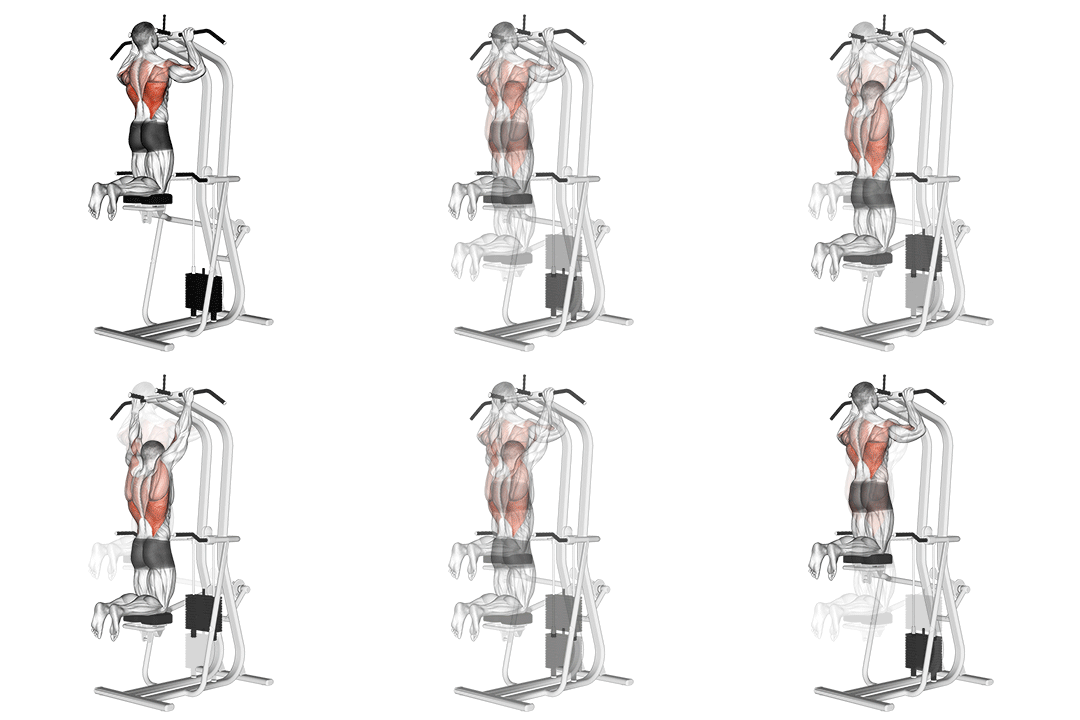
More comparisons with Assisted Parallel Close Grip Pull-up
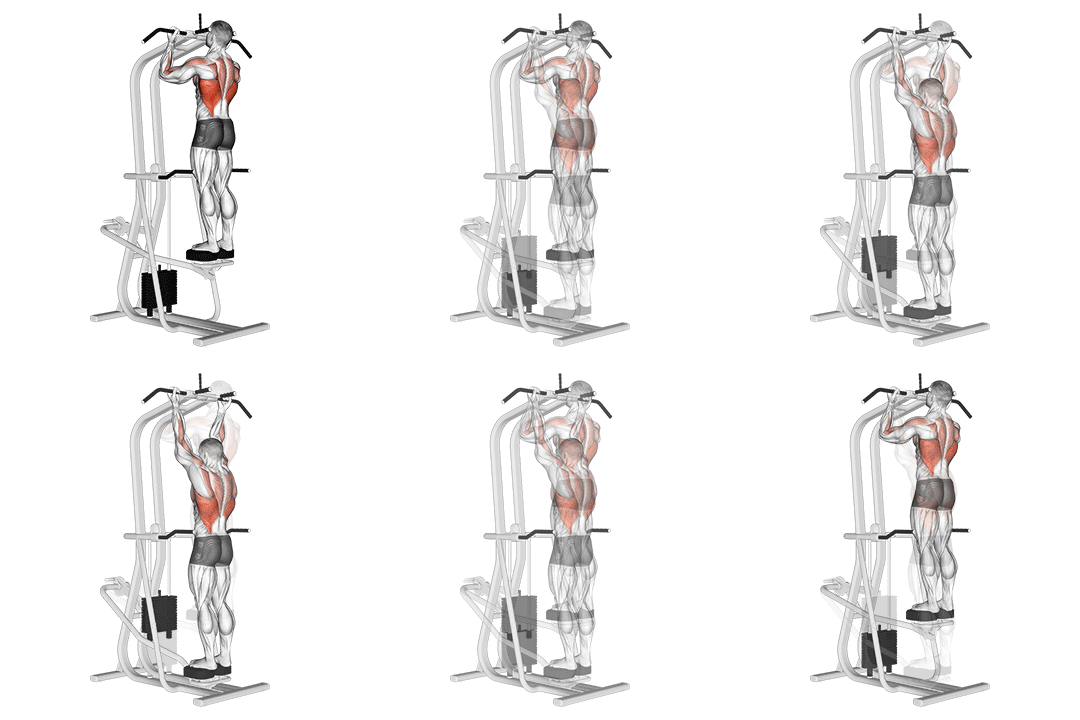
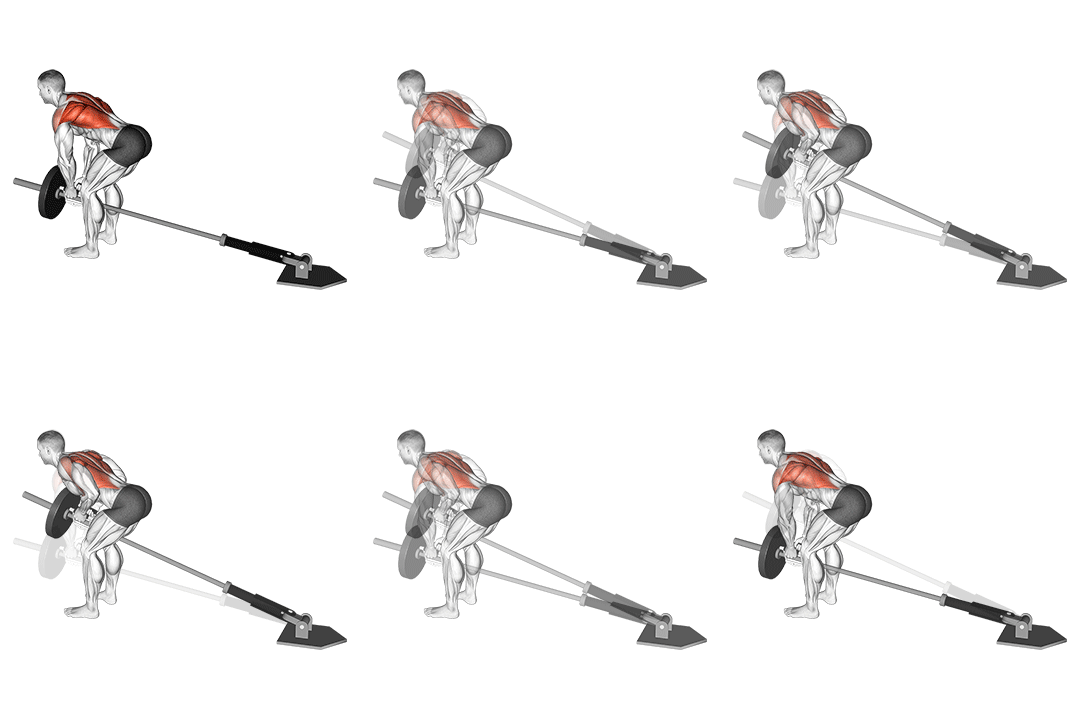
More comparisons with Lever Assisted Chin-up
Compare More Exercises
Use our free comparison tool to analyze any two exercises head-to-head.
Compare Exercises