

Assisted Parallel Close Grip Pull-up vs One-Arm Dumbbell Row: Complete Comparison Guide
Assisted Parallel Close Grip Pull-up vs One-Arm Dumbbell Row — if you want a stronger, thicker back you need to pick the right tool for your goal. You’ll get clear technique cues, the biomechanics behind vertical vs horizontal pulling, equipment needs, rep ranges (strength and hypertrophy), and progression advice. Read this to learn how each exercise loads the lats, how secondary muscles like biceps and traps join the movement, and which to use when you’re programming for muscle growth, unilateral balance, or beginner-friendly strength work.
Exercise Comparison
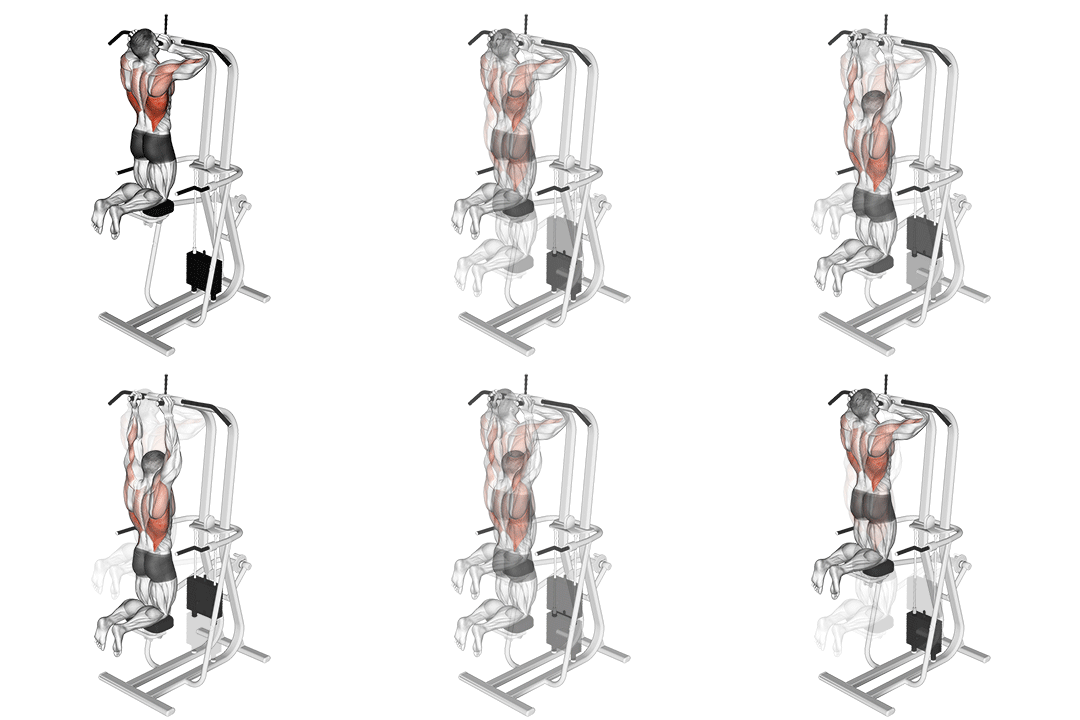
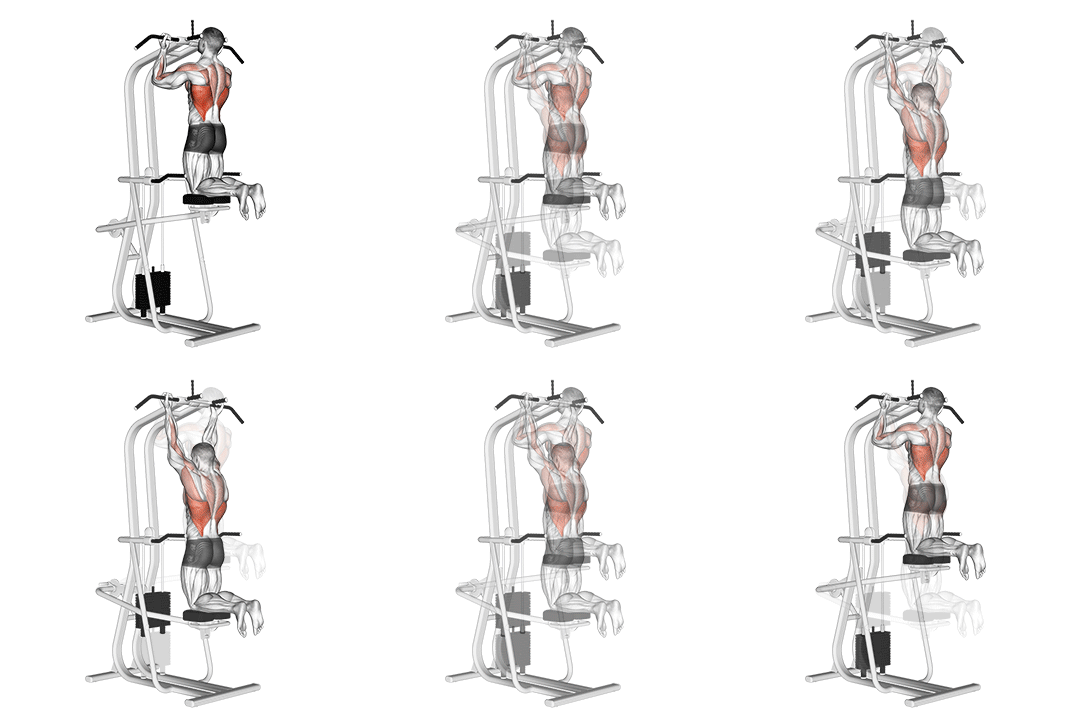
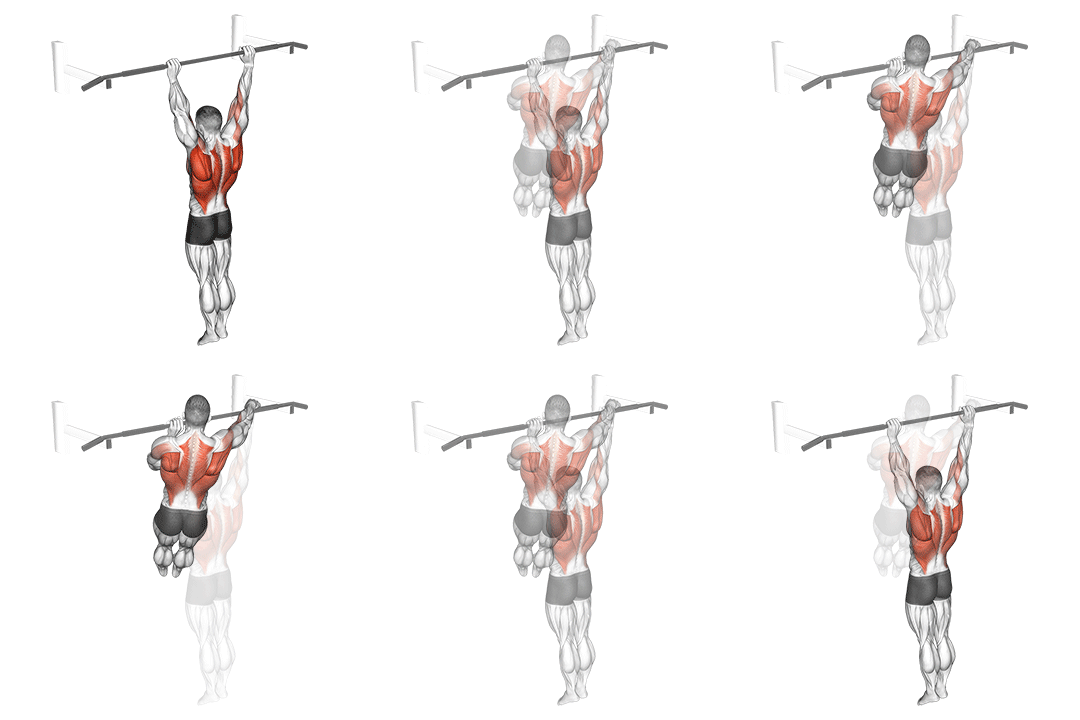
Assisted Parallel Close Grip Pull-up
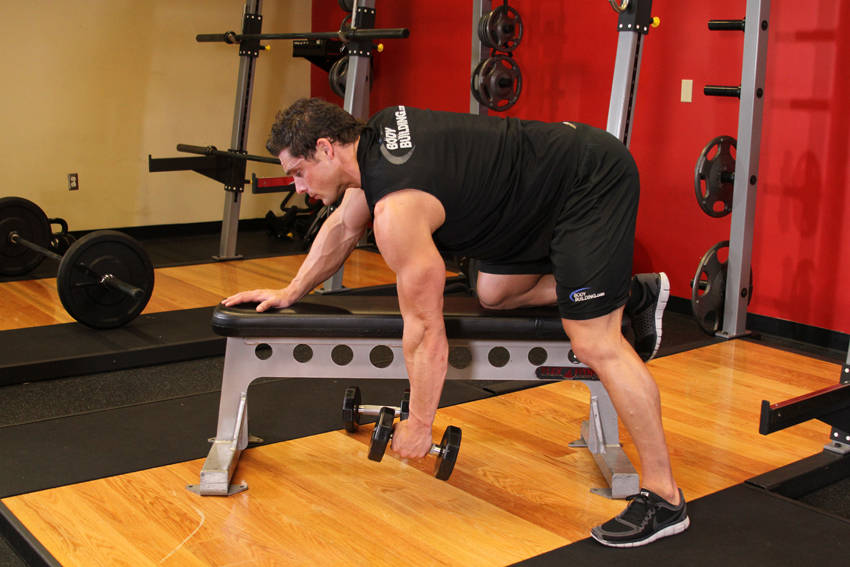
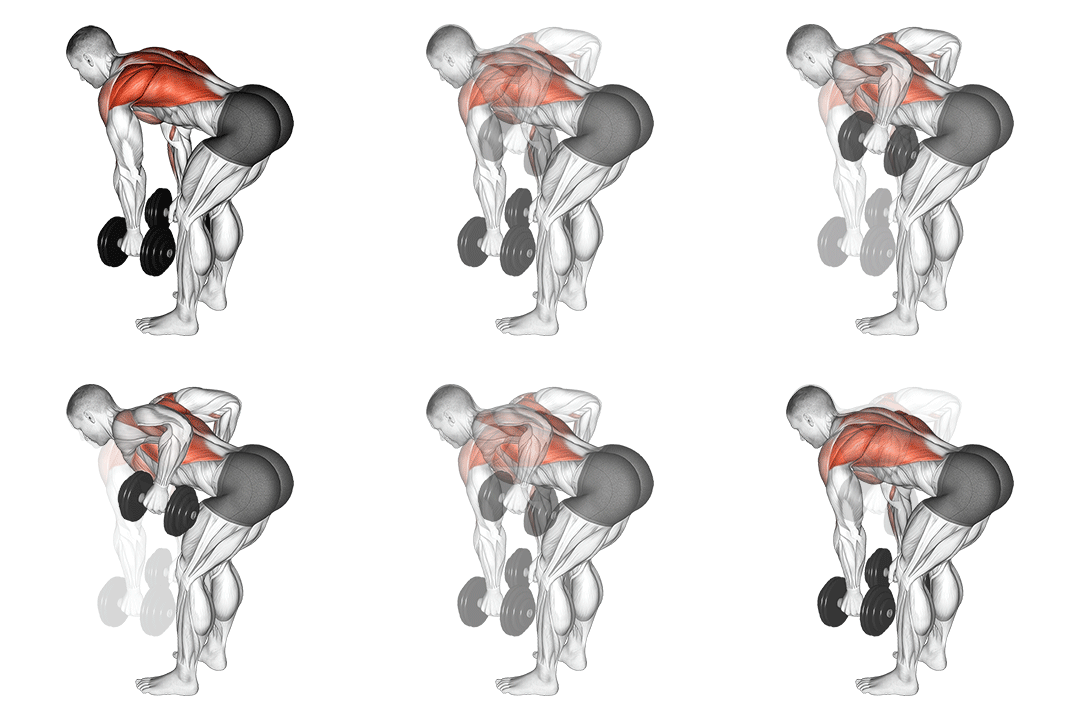
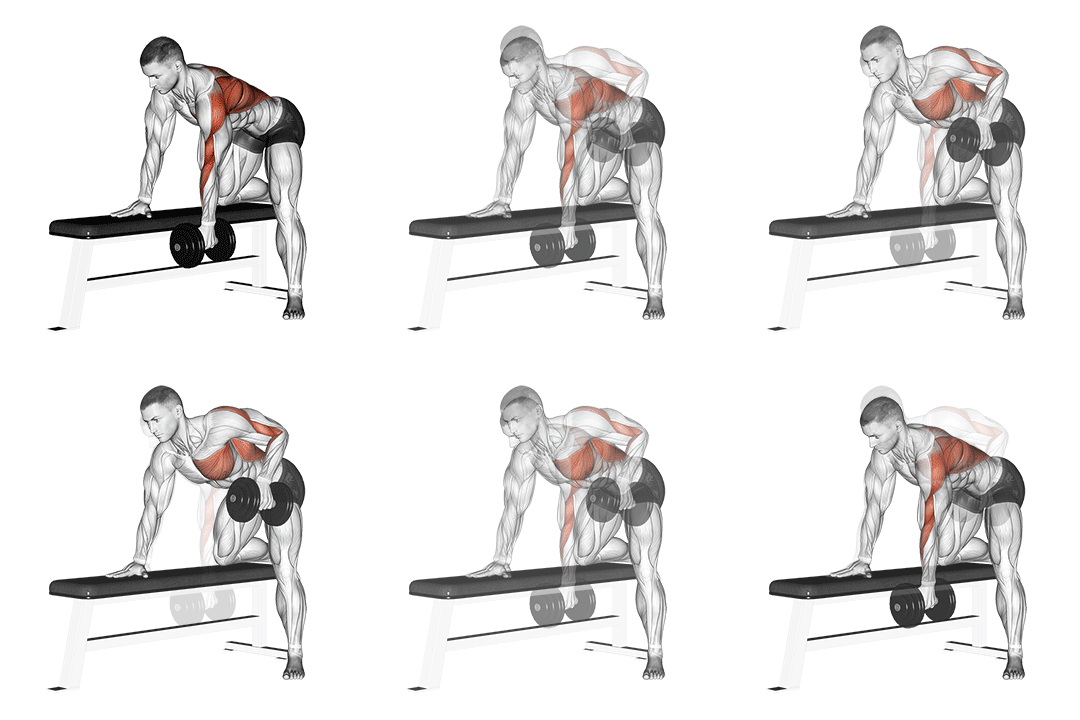
One-arm Dumbbell Row
Head-to-Head Comparison
| Attribute | Assisted Parallel Close Grip Pull-up | One-arm Dumbbell Row |
|---|---|---|
| Target Muscle |
Lats
|
Lats
|
| Body Part |
Back
|
Back
|
| Equipment |
Lever
|
Dumbbell
|
| Difficulty |
Beginner
|
Intermediate
|
| Movement Type |
Compound
|
Compound
|
| Secondary Muscles |
2
|
3
|
Secondary Muscles Activated
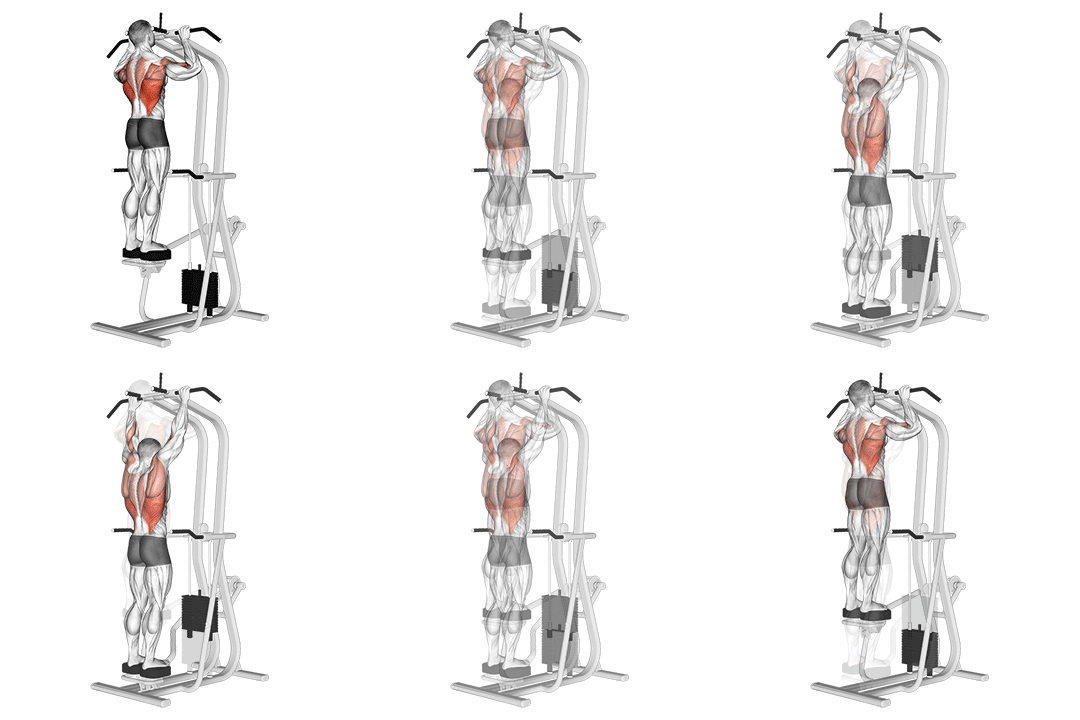
Assisted Parallel Close Grip Pull-up
One-arm Dumbbell Row
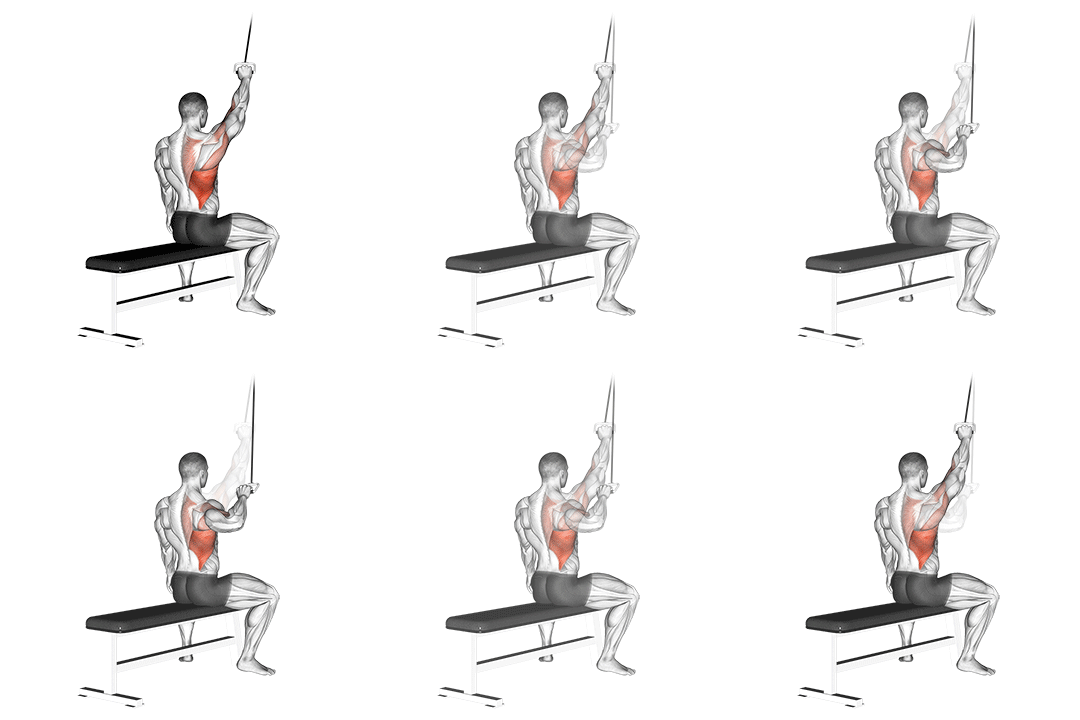
Visual Comparison
Overview
Assisted Parallel Close Grip Pull-up vs One-Arm Dumbbell Row — if you want a stronger, thicker back you need to pick the right tool for your goal. You’ll get clear technique cues, the biomechanics behind vertical vs horizontal pulling, equipment needs, rep ranges (strength and hypertrophy), and progression advice. Read this to learn how each exercise loads the lats, how secondary muscles like biceps and traps join the movement, and which to use when you’re programming for muscle growth, unilateral balance, or beginner-friendly strength work.
Key Differences
- Equipment differs: Assisted Parallel Close Grip Pull-up uses Lever, while One-arm Dumbbell Row requires Dumbbell.
- Difficulty levels differ: Assisted Parallel Close Grip Pull-up is beginner, while One-arm Dumbbell Row is intermediate.
Pros & Cons
Assisted Parallel Close Grip Pull-up
+ Pros
- Builds vertical pulling strength and relative bodyweight strength
- Neutral parallel grip reduces shoulder impingement risk for many lifters
- Machine assistance allows consistent form and controlled range of motion
- Better for practicing full-range pull-up mechanics and scapular depression
− Cons
- Requires a lever machine or heavy bands—less accessible at home
- Limited ability to apply very heavy absolute load compared to weighted rows
- Can under-train torso anti-rotation compared to unilateral rows
One-arm Dumbbell Row
+ Pros
- Easy progressive overload by adding dumbbell weight
- Great for fixing unilateral imbalances and building mid-back thickness
- Requires minimal equipment—works well in most gyms and at home
- Allows multiple torso angles to bias different lat fibers and rear delts
− Cons
- Requires good hip hinge and core bracing to protect the lower back
- Can encourage cheating (torso rotation) if weight is too heavy
- Less specific to vertical pulling strength and chin-over-bar ability
When Each Exercise Wins
The row allows straightforward progressive overload and unilateral loading, letting you increment weight and hit 6–12 reps per side with controlled eccentric phases. That consistent mechanical tension across the lat fibers makes the row marginally better for targeted muscle growth.
If your goal is vertical pulling strength and increasing reps of bodyweight pull-ups, the assisted pull-up trains the specific movement pattern and scapular control needed for raw pull strength. Reducing assistance over time builds relative pulling power.
The assistance lets you learn full-range pulling mechanics and scapular positioning with less load, so you can practice proper technique and build confidence before moving to unassisted or heavier rowing variations.
A single dumbbell and a stable surface are all you need, making the row far easier to implement at home than a lever-assisted pull-up machine or large band setup.
Frequently Asked Questions
Can I do both Assisted Parallel Close Grip Pull-up and One-Arm Dumbbell Row in the same workout?
Yes. Pair them in the same session by doing one as a primary strength exercise and the other as an accessory. For example, do pull-ups first for 3–5 sets of 3–6 reps (strength) and then 3–4 sets of 8–12 dumbbell rows per side for hypertrophy and unilateral balance.
Which exercise is better for beginners?
Assisted Parallel Close Grip Pull-up is generally better for beginners because the assistance lets you practice full-range pulling mechanics and scapular control under less load. Start with assistance until you can do controlled sets of 6–8 reps, then reduce assistance gradually.
How do the muscle activation patterns differ?
Vertical assisted pull-ups emphasize humeral extension and scapular depression, biasing the lower/lateral lat fibers and biceps during elbow flexion. One-arm rows use a horizontal/diagonal force vector with more scapular retraction, increasing mid-trap, rhomboid, and posterior delt involvement while allowing greater absolute load per side.
Can One-Arm Dumbbell Row replace Assisted Parallel Close Grip Pull-up?
It can replace pull-ups for lat hypertrophy or unilateral strength if you lack a pull-up setup, but it won’t train vertical pulling specificity. If your goal is to improve unassisted pull-ups or bodyweight pulling strength, you should keep assisted or banded pull-ups in the program.
Expert Verdict
Use Assisted Parallel Close Grip Pull-ups when you want to build vertical pulling strength, improve scapular control, or are a beginner relearning the full-range pull-up pattern; structure sets of 4–8 reps for strength and 8–12 reps with reduced assistance for muscle growth. Use One-Arm Dumbbell Rows when you want targeted lat thickness, unilateral balance, and easy progressive overload—program 6–12 reps per side with strict tempo (1–2 second concentric, 2–3 second eccentric). Ideally include both in a program: prioritize rows for absolute load and hypertrophy, and pull-ups to build specific vertical pulling capacity and relative strength.
Also Compare
More comparisons with Assisted Parallel Close Grip Pull-up
More comparisons with One-arm Dumbbell Row
Compare More Exercises
Use our free comparison tool to analyze any two exercises head-to-head.
Compare Exercises