

Assisted Pull-up vs Dumbbell One Arm Bent-over Row: Complete Comparison Guide
Assisted Pull-up vs Dumbbell One Arm Bent-over Row — choose the right back move for your goals. You’ll get a clear, practical comparison of how each exercise loads the lats, the movement mechanics, equipment needs, and how to program them for strength or hypertrophy. I’ll give specific technique cues (hinge angles, elbow path, scapular control), rep ranges (4–6 for strength, 6–12 for hypertrophy), and use cases so you can pick the best option for your gym or home setup.
Exercise Comparison
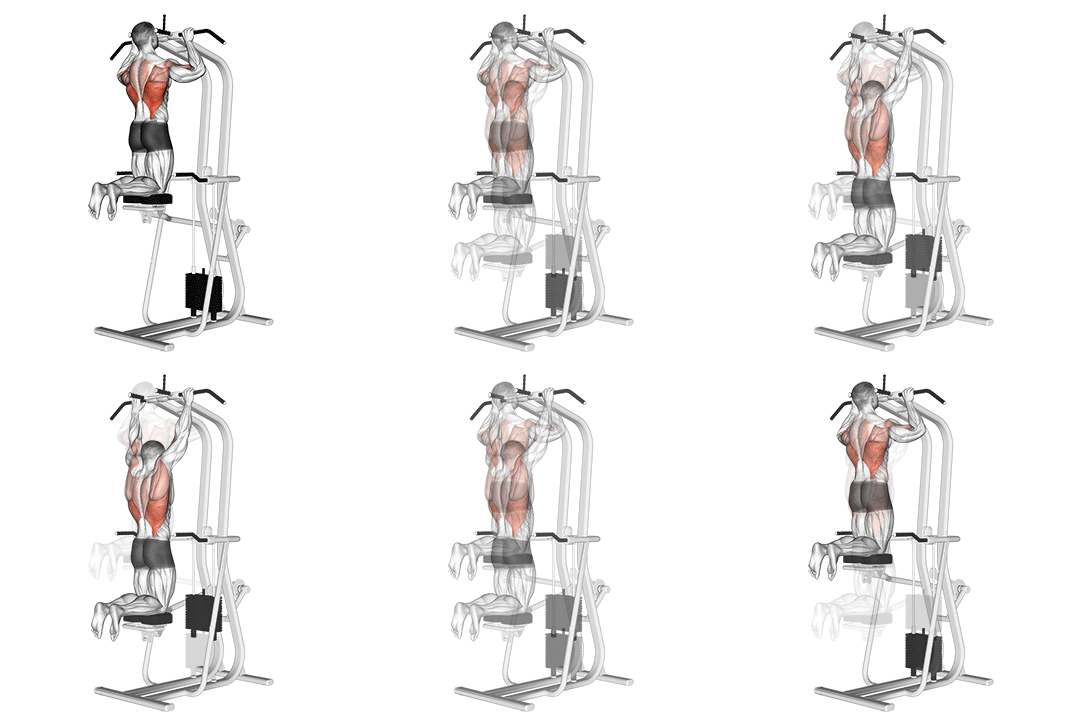
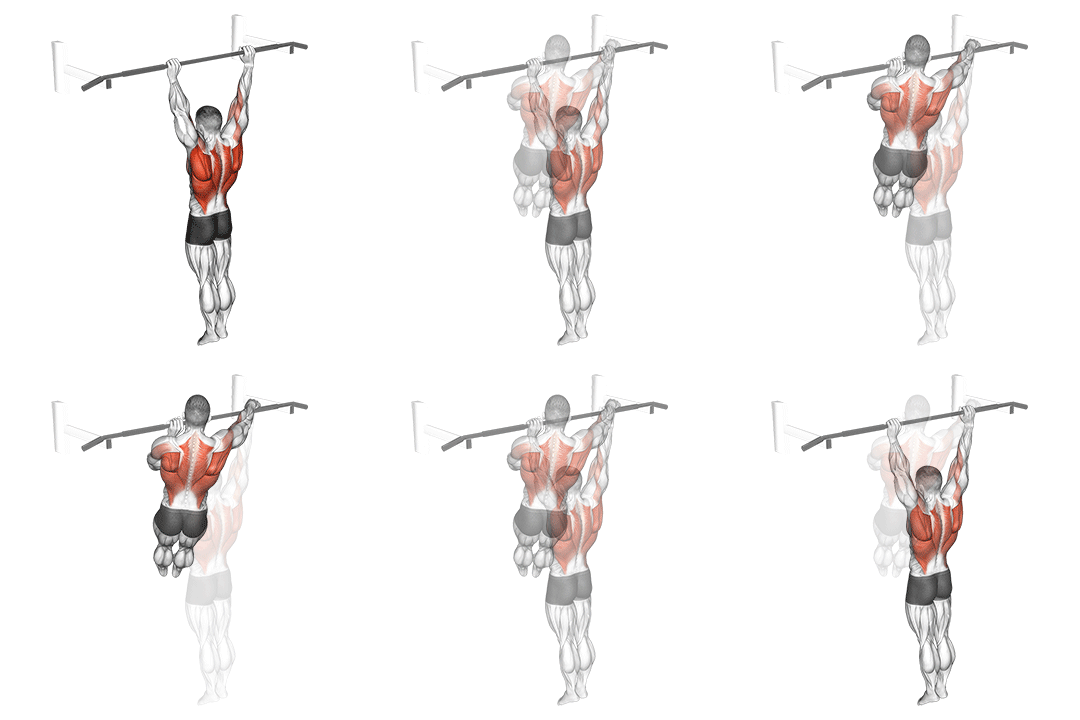
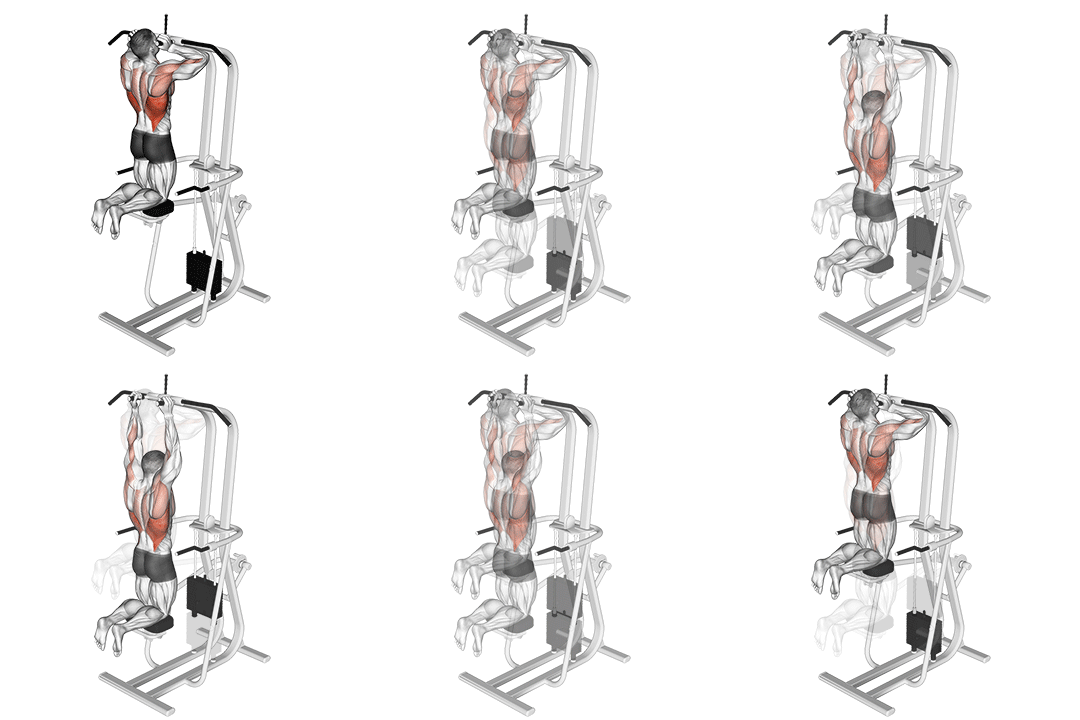
Assisted Pull-up
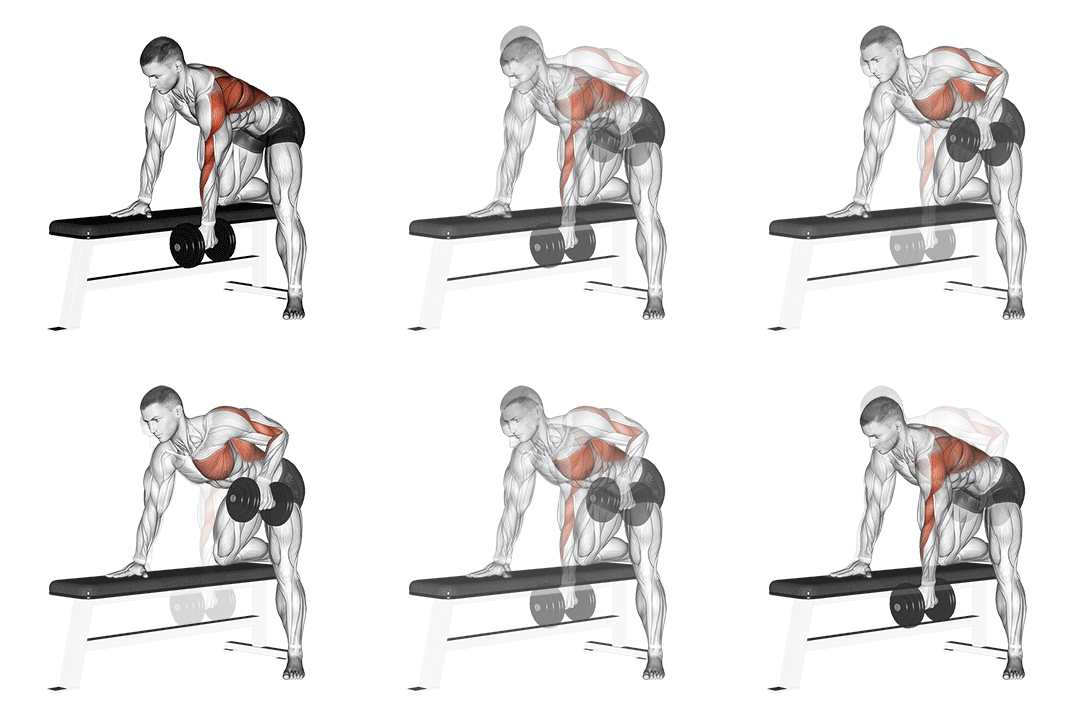
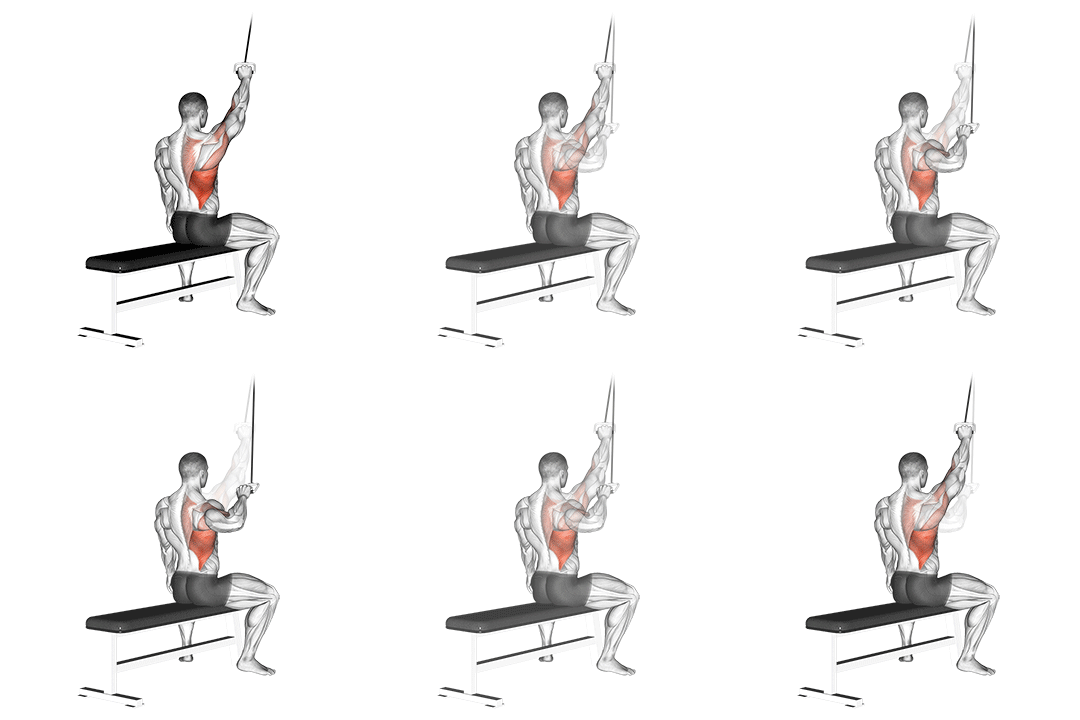
Dumbbell One Arm Bent-over Row
Head-to-Head Comparison
| Attribute | Assisted Pull-up | Dumbbell One Arm Bent-over Row |
|---|---|---|
| Target Muscle |
Lats
|
Lats
|
| Body Part |
Back
|
Back
|
| Equipment |
Lever
|
Dumbbell
|
| Difficulty |
Beginner
|
Intermediate
|
| Movement Type |
Compound
|
Compound
|
| Secondary Muscles |
2
|
2
|
Secondary Muscles Activated
Assisted Pull-up
Dumbbell One Arm Bent-over Row
Visual Comparison
Overview
Assisted Pull-up vs Dumbbell One Arm Bent-over Row — choose the right back move for your goals. You’ll get a clear, practical comparison of how each exercise loads the lats, the movement mechanics, equipment needs, and how to program them for strength or hypertrophy. I’ll give specific technique cues (hinge angles, elbow path, scapular control), rep ranges (4–6 for strength, 6–12 for hypertrophy), and use cases so you can pick the best option for your gym or home setup.
Key Differences
- Equipment differs: Assisted Pull-up uses Lever, while Dumbbell One Arm Bent-over Row requires Dumbbell.
- Difficulty levels differ: Assisted Pull-up is beginner, while Dumbbell One Arm Bent-over Row is intermediate.
Pros & Cons
Assisted Pull-up
+ Pros
- Beginner-friendly with adjustable assistance to match strength
- Loads lats via vertical pull—high carryover to bodyweight pull strength
- Lower spinal compression compared to heavy bent-over loading
- Encourages full overhead-to-chest ROM for lat length-tension
− Cons
- Requires a specific machine or rig not always available
- Less unilateral work—can hide left-right imbalances
- Assistance can produce poor technique (kipping or passive shoulders) if not monitored
Dumbbell One Arm Bent-over Row
+ Pros
- Unilateral loading corrects imbalances and forces core anti-rotation
- Easier to progressively overload with incremental dumbbells
- Greater ability to manipulate torso angle for varied lat emphasis
- Requires minimal equipment—very gym/home-friendly
− Cons
- Higher demand on the lower back—requires solid hip hinge and bracing
- Form breakdown (short ROM, elbow flare) reduces lat activation
- Harder for absolute beginners without hip-hinge coaching
When Each Exercise Wins
Rows allow precise tension control, unilateral overload, and easy progressive loading in the 6–12 rep range. The horizontal vector and ability to pause at peak contraction produce strong time under tension and better mid-back recruitment for balanced hypertrophy.
If your goal is vertical pulling strength and bodyweight progressions, the assisted pull-up lets you gradually remove assistance and move toward weighted pull-ups. It trains the neuromuscular pattern specific to pull strength more directly.
The machine’s assistance and guided path simplify cueing: focus on scapular depression, controlled eccentric (3–4 seconds), and partial reps. That lowers the skill demand compared to learning a correct hip hinge and unilateral bracing.
You only need a dumbbell or kettlebell and minimal space. Rows provide scalable loading and core engagement without the need for a specialized machine or rig.
Frequently Asked Questions
Can I do both Assisted Pull-up and Dumbbell One Arm Bent-over Row in the same workout?
Yes. Pair them strategically—use assisted pull-ups early for vertical strength (3–5 sets of 4–8 reps) and rows later for volume and hypertrophy (3–4 sets of 8–12 reps). That combines vertical and horizontal vectors for balanced lat development.
Which exercise is better for beginners?
Assisted Pull-ups are generally better for absolute beginners because the machine reduces load and guides the path, letting you focus on scapular control and progressive range-of-motion. Rows require a taught hip hinge and core stability, which takes more coaching.
How do the muscle activation patterns differ?
Assisted pull-ups drive the lats through shoulder extension and humeral adduction with peak tension near the top of the pull; biceps assist strongly. One-arm rows load the lats via horizontal/diagonal shear with peak tension mid-pull, plus greater rhomboid and posterior deltoid activation due to scapular retraction.
Can Dumbbell One Arm Bent-over Row replace Assisted Pull-up?
It can replace assisted pull-ups for general back mass and strength if you lack a pull-up machine, but it won’t fully transfer to vertical pulling ability. If your goal is unassisted pull-ups or weighted pull-ups, keep practicing vertical pulls alongside rows.
Expert Verdict
Use Assisted Pull-ups when your priority is learning the vertical pull pattern, building bodyweight strength, or giving your lower back a break while still stressing the lats. Program them with progressive reductions in assistance and sets of 4–10 reps for strength or 6–12 reps for hypertrophy with slow eccentrics. Choose Dumbbell One Arm Bent-over Rows when you want unilateral control, easier linear load progression, and deeper mid-back engagement; perform them with a 30–45° torso, hinge from the hips, and squeeze the scapula at the top for 6–12 reps. Both belong in a well-rounded program: pick the movement that matches your equipment, technical skill, and primary goal.
Also Compare
More comparisons with Assisted Pull-up
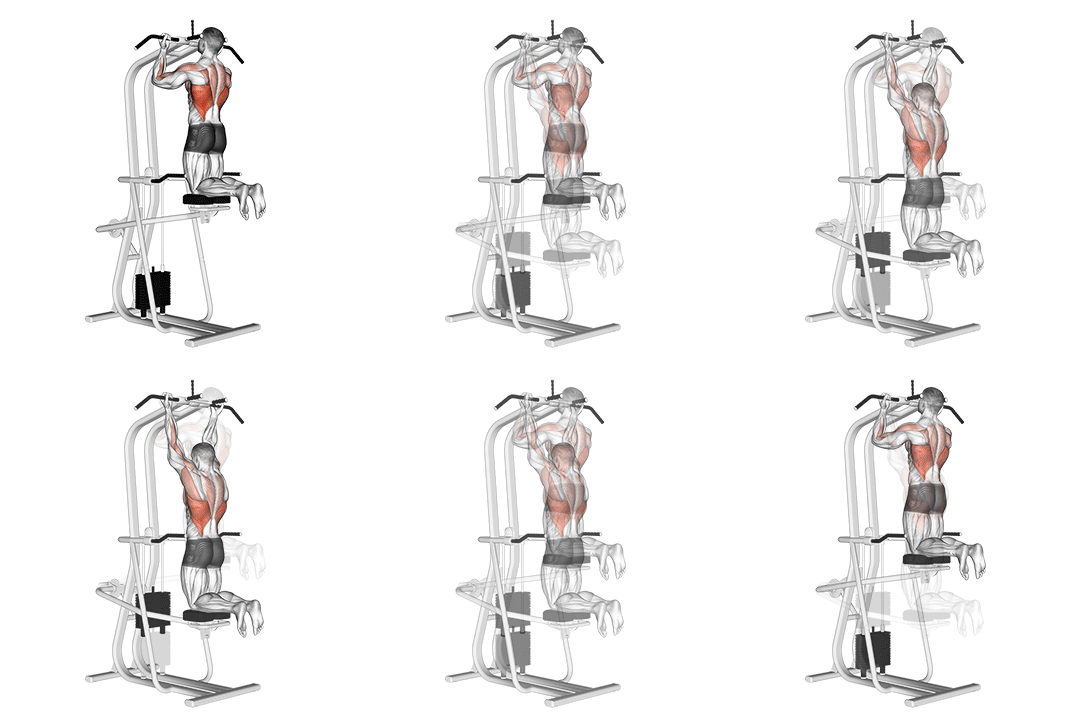
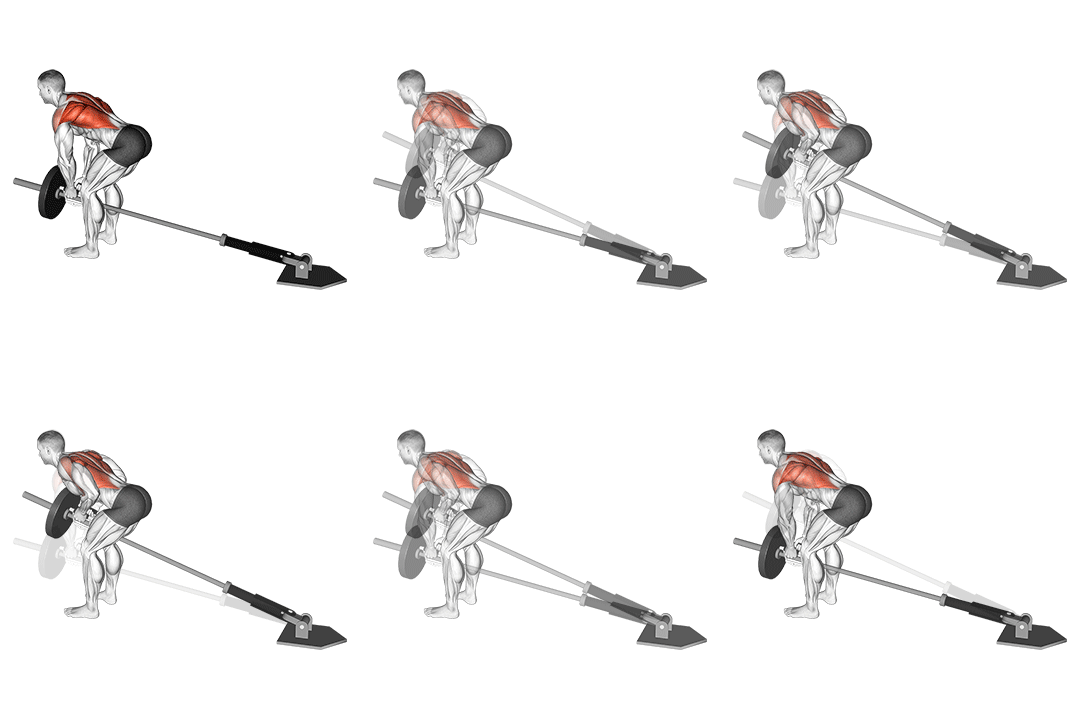
More comparisons with Dumbbell One Arm Bent-over Row
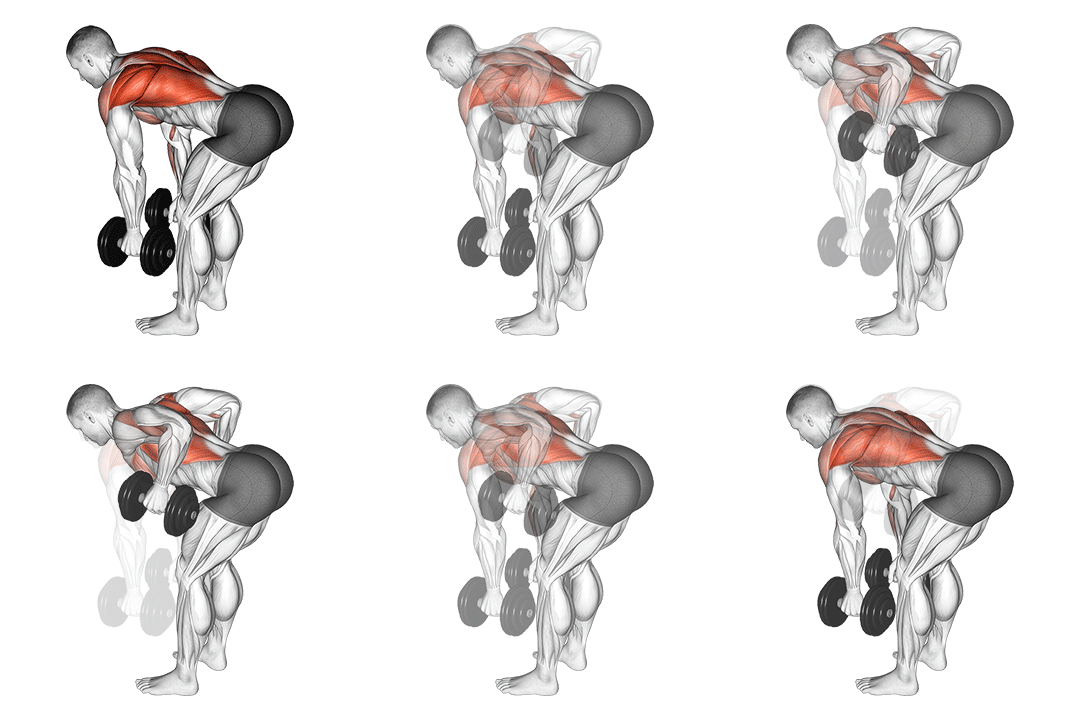
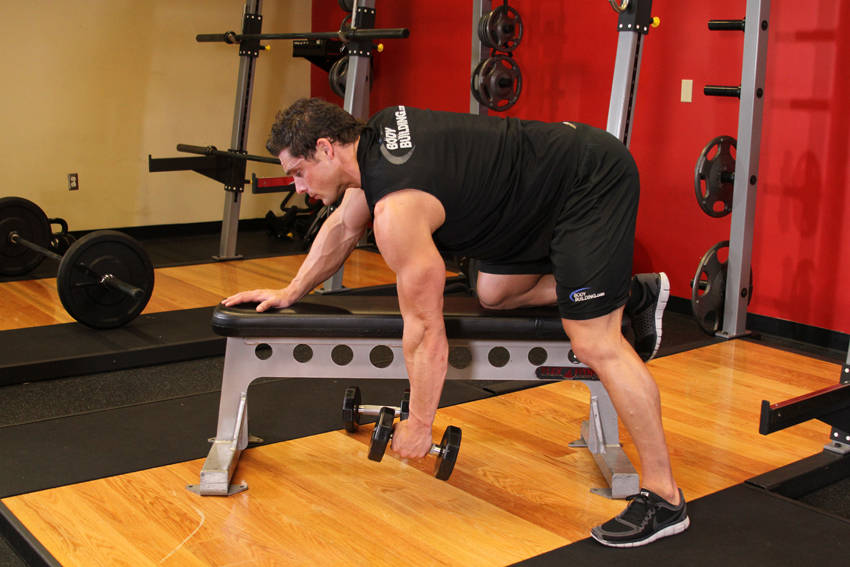
Compare More Exercises
Use our free comparison tool to analyze any two exercises head-to-head.
Compare Exercises