

Assisted Pull-up vs Lever Bent-over Row With V-bar: Complete Comparison Guide
Assisted Pull-up vs Lever Bent-over Row With V-bar pits a vertical assisted pull against a horizontal lever row. You’ll get clear guidance on which exercise better targets the lats, how each loads the biceps and forearms, specific technique cues, and when to choose one over the other for hypertrophy, strength, or beginner progress. I’ll cover biomechanics (force vectors, length–tension), practical rep ranges (3–5 for strength, 6–12 for hypertrophy), equipment needs, and simple progressions so you can pick the right move for your goals.
Exercise Comparison
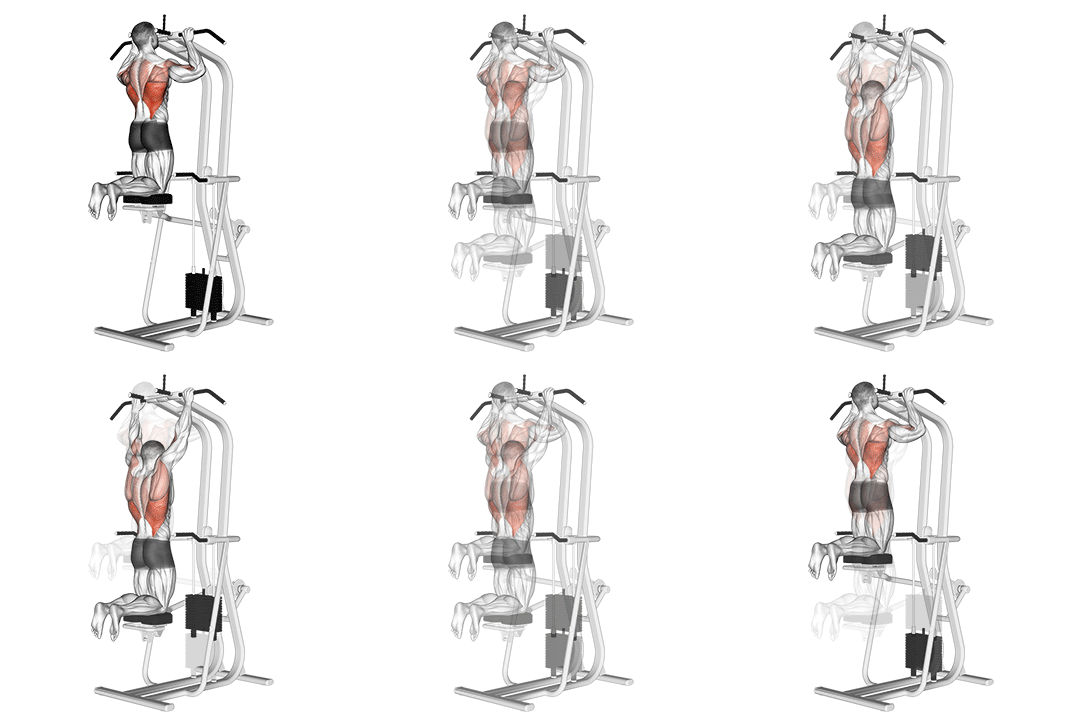
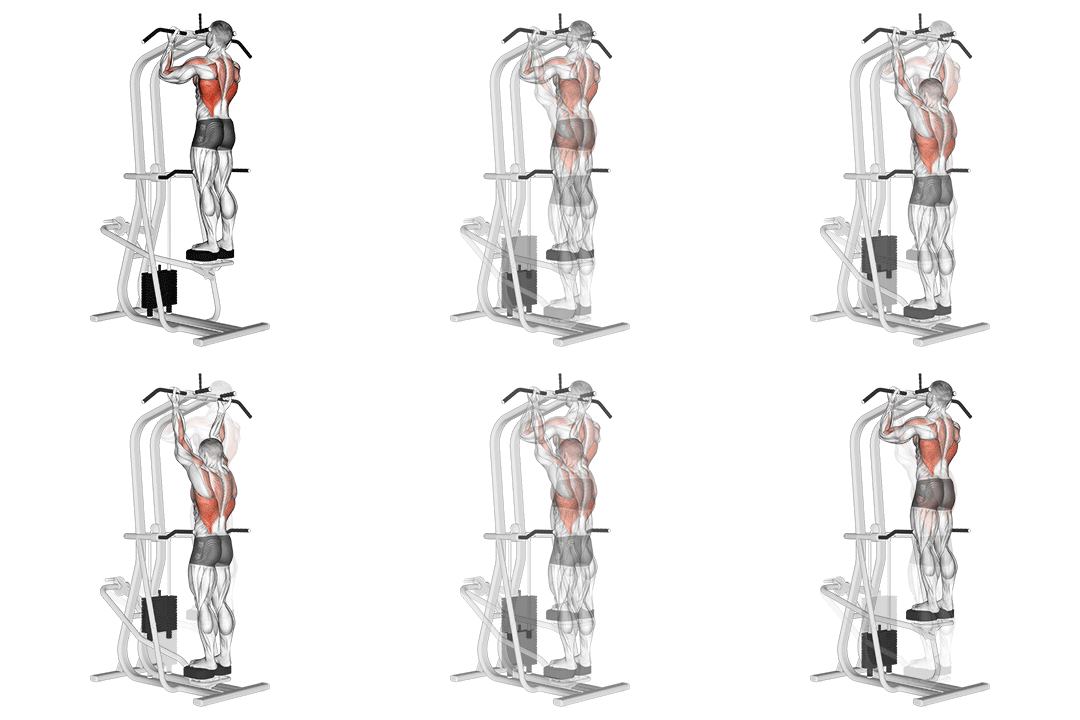
Assisted Pull-up
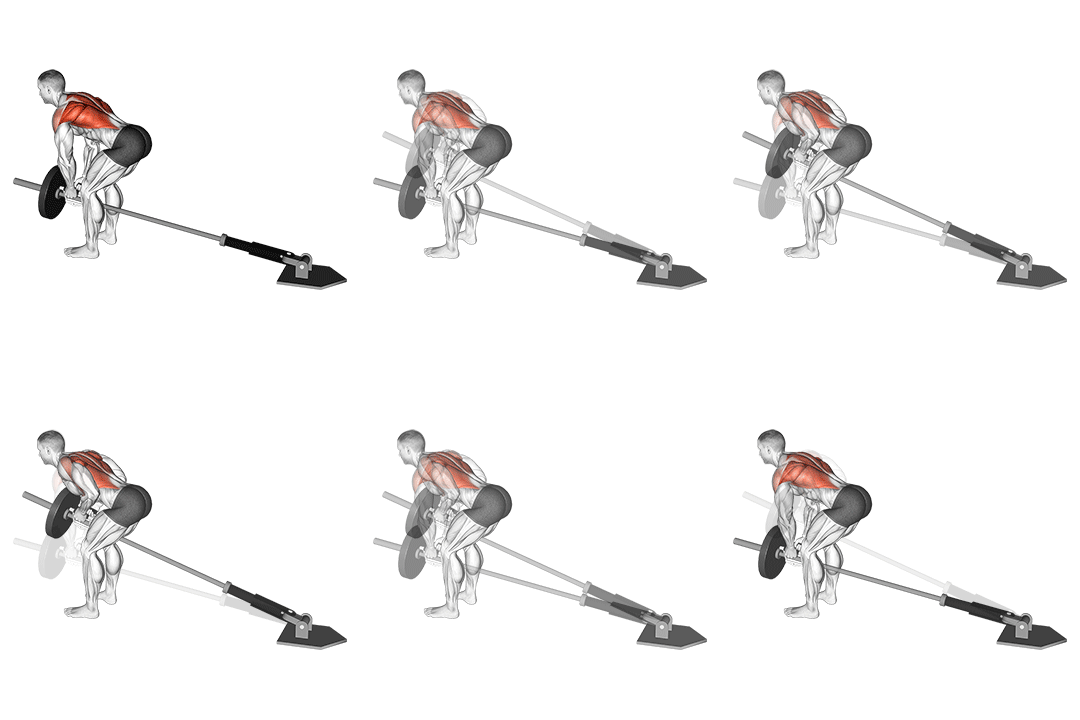
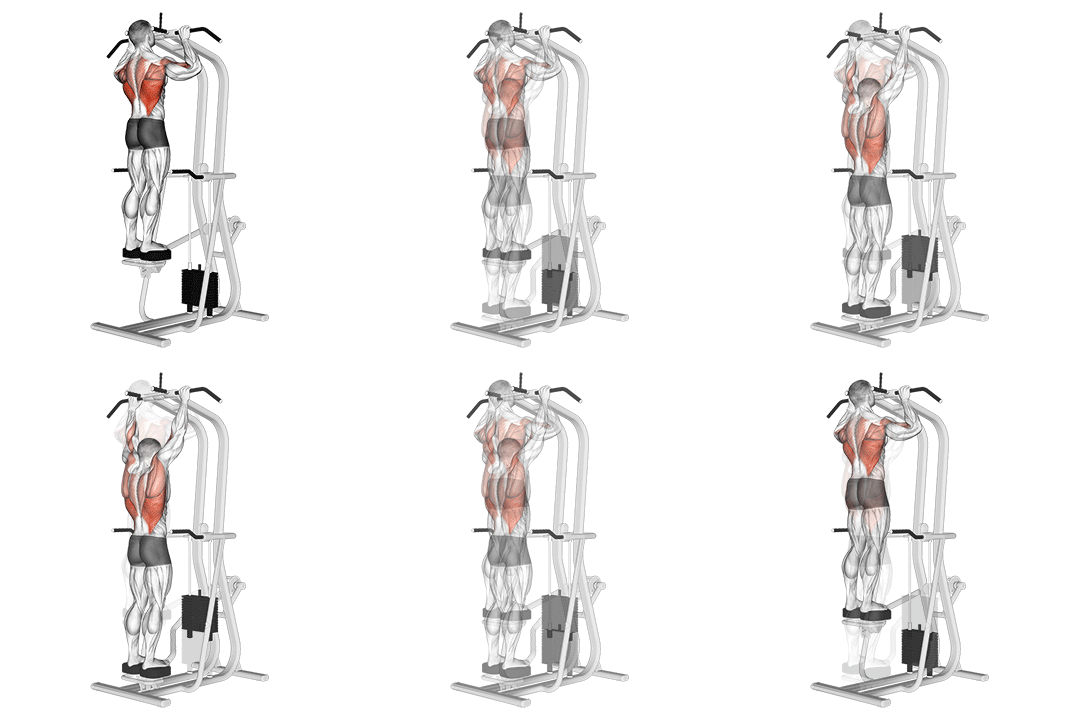
Lever Bent-over Row With V-bar
Head-to-Head Comparison
| Attribute | Assisted Pull-up | Lever Bent-over Row With V-bar |
|---|---|---|
| Target Muscle |
Lats
|
Lats
|
| Body Part |
Back
|
Back
|
| Equipment |
Lever
|
Lever
|
| Difficulty |
Beginner
|
Intermediate
|
| Movement Type |
Compound
|
Compound
|
| Secondary Muscles |
2
|
2
|
Secondary Muscles Activated
Assisted Pull-up
Lever Bent-over Row With V-bar
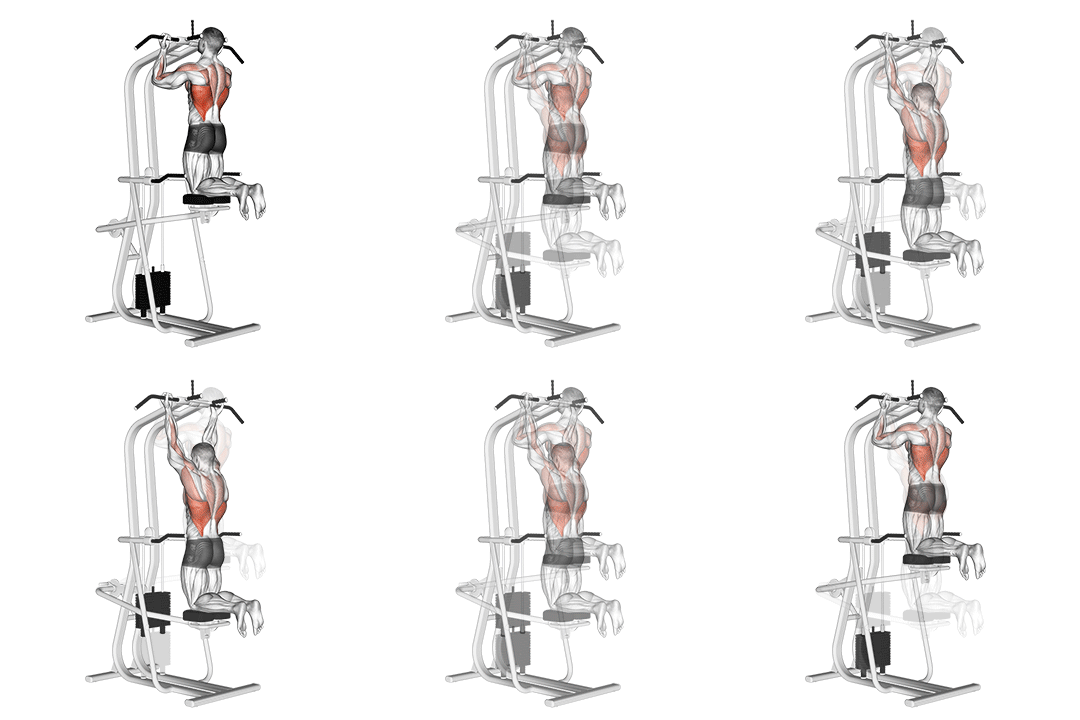
Visual Comparison
Overview
Assisted Pull-up vs Lever Bent-over Row With V-bar pits a vertical assisted pull against a horizontal lever row. You’ll get clear guidance on which exercise better targets the lats, how each loads the biceps and forearms, specific technique cues, and when to choose one over the other for hypertrophy, strength, or beginner progress. I’ll cover biomechanics (force vectors, length–tension), practical rep ranges (3–5 for strength, 6–12 for hypertrophy), equipment needs, and simple progressions so you can pick the right move for your goals.
Key Differences
- Difficulty levels differ: Assisted Pull-up is beginner, while Lever Bent-over Row With V-bar is intermediate.
- Both exercises target the Lats using Lever. The main differences are in their movement patterns and muscle activation angles.
Pros & Cons
Assisted Pull-up
+ Pros
- Direct vertical lat emphasis with strong stretch at top of movement
- Very beginner-friendly due to adjustable assistance (20–80% bodyweight reduction)
- Easy to scale: reduce assistance, add weight, change rep ranges (6–15 for hypertrophy)
- Minimal lower-back loading; machine stabilizes movement path
− Cons
- Limited posterior chain and mid-back recruitment compared to horizontal rows
- Can promote upper-trap dominance if scapula isn’t depressed/retracted
- Requires an assisted pull-up machine or robust band setup for consistent resistance
Lever Bent-over Row With V-bar
+ Pros
- Stronger capacity for heavy loading and progressive overload
- Better mid-back (rhomboid, mid-trap) and posterior deltoid recruitment due to horizontal pull
- Shorter range of motion allows consistent tension in mid-range for hypertrophy
- V-bar grip reduces wrist strain and centers load through lats and elbows
− Cons
- Higher technical demand: requires tight hip hinge (30–45°) and lumbar bracing
- Greater spinal shear risk if form breaks down under heavy loads
- Less accessible—requires lever row machine not always available at home
When Each Exercise Wins
The lever row allows heavier, consistent mid-range loading and better mid-back recruitment, which increases time under tension for hypertrophy. Use 6–12 reps with controlled 2–3 second eccentrics and minimal torso movement.
Its mechanical setup supports heavier absolute loads and progressive overload options (3–6 rep range). The horizontal force vector offers a larger moment arm and better transfer to heavy pulling strength.
Assisted pull-ups let you practice scapular depression, full shoulder extension, and vertical pulling pattern with reduced load (20–80% assistance), making technique learning safer and faster.
You can mimic the assisted setup with resistance bands and a pull-up bar, while lever rows typically require a specialized machine not common in home gyms.
Frequently Asked Questions
Can I do both Assisted Pull-up and Lever Bent-over Row With V-bar in the same workout?
Yes. Start with the movement aligned to your priority: do rows first if you’re training heavy strength (3–6 reps), or assisted pull-ups first if you’re prioritizing vertical pull hypertrophy (6–12 reps). Keep total weekly volume for the lats around 8–20 hard sets and monitor fatigue.
Which exercise is better for beginners?
Assisted Pull-up is better for beginners because it reduces effective load and stabilizes the path, allowing focus on scapular control and full range. Progress by lowering assistance in 5–10% increments or adding eccentric-only reps.
How do the muscle activation patterns differ?
Assisted pull-ups peak lat tension near full shoulder extension and rely on a vertical force vector, emphasizing stretch-mediated tension. Lever rows peak in the mid-range with a horizontal force vector, shifting activation toward mid-back muscles and keeping the lats at consistent mid-range tension.
Can Lever Bent-over Row With V-bar replace Assisted Pull-up?
It can substitute for lat loading but not the vertical pulling pattern; if your goal is improving weighted or unassisted pull-ups, include vertical pulls. For pure hypertrophy or strength of the mid-back and lats, rows are an effective replacement.
Expert Verdict
Use Assisted Pull-ups when you’re teaching the vertical pull pattern, rehabbing shoulder mechanics, or training at home—start with assistance that leaves you struggling on the last 1–2 reps of a 8–12 set and reduce assistance over time. Choose the Lever Bent-over Row With V-bar when your goal is heavier progressive overload, mid-back thickness, or platform-style strength work; set torso at roughly 30–45° and prioritize tight bracing to protect the lumbar spine. Pair both across training cycles: assisted pull-ups for vertical pulling capacity and rows for heavy horizontal load to maximize overall back development.
Also Compare
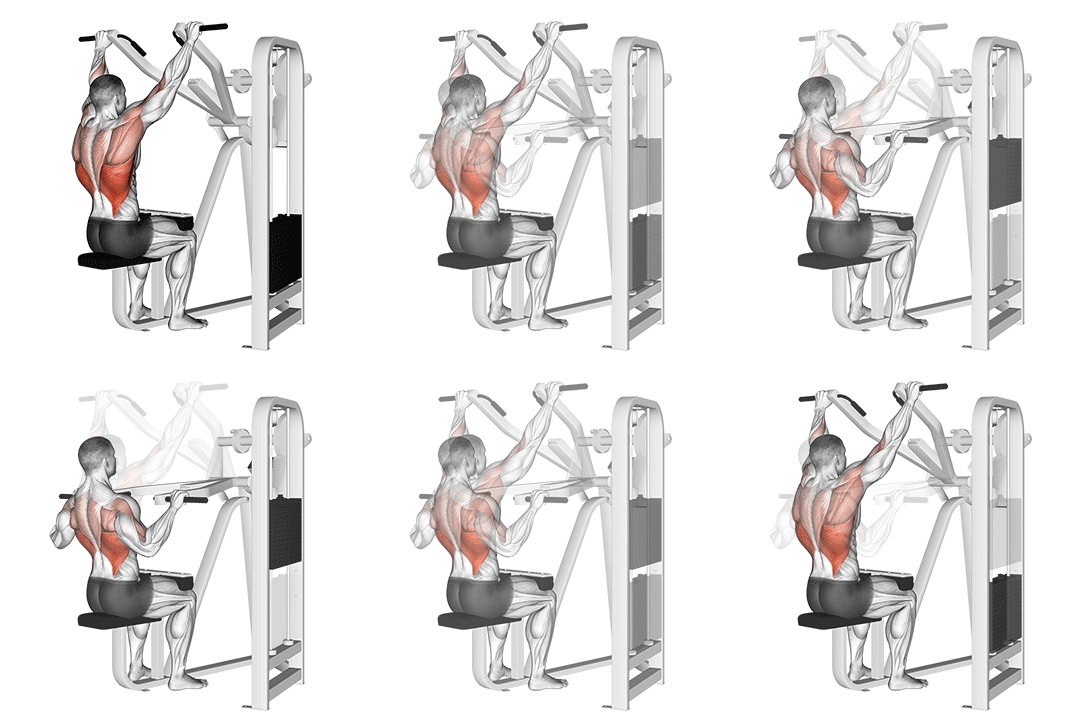
More comparisons with Assisted Pull-up
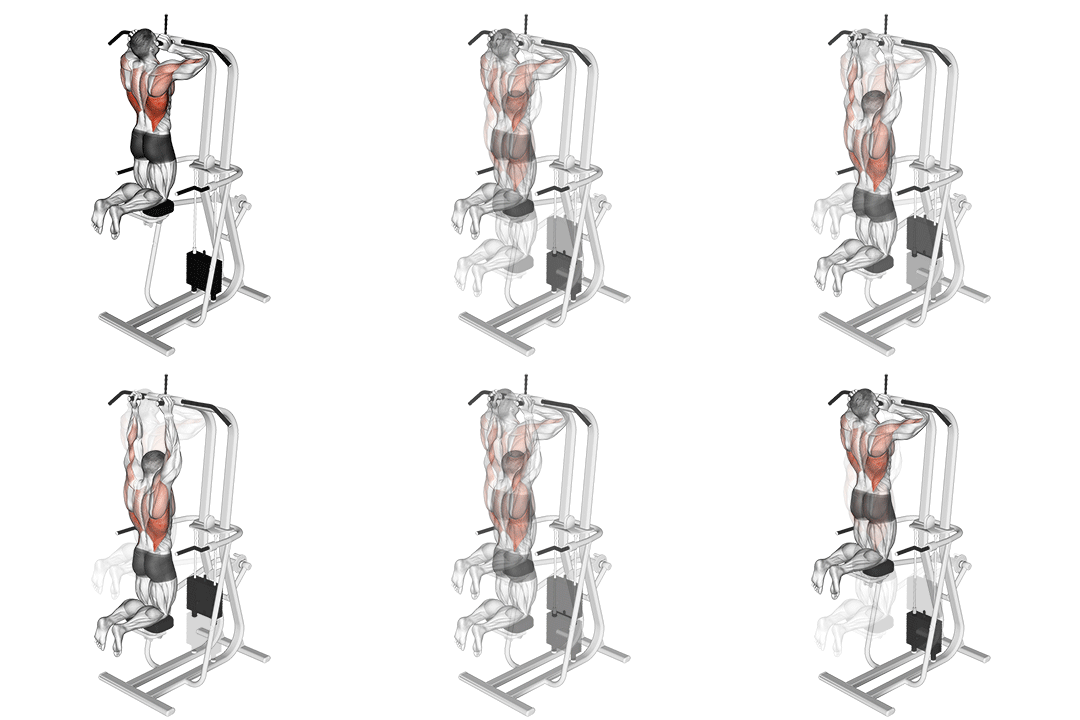
More comparisons with Lever Bent-over Row With V-bar
Compare More Exercises
Use our free comparison tool to analyze any two exercises head-to-head.
Compare Exercises