

Assisted Pull-up vs Lever Front Pulldown: Complete Comparison Guide
Assisted Pull-up vs Lever Front Pulldown — you’ll get a clear comparison so you can choose the right back exercise for your goals. I’ll break down which one loads the lats more directly, how secondary muscles like the biceps and rhomboids get involved, and practical technique cues you can use today. You’ll also see equipment needs, learning curves, progression options, and quick rep-range prescriptions for strength and hypertrophy. Read on and you’ll know when to program each exercise into your workouts and how to get the most muscle growth and strength safely.
Exercise Comparison
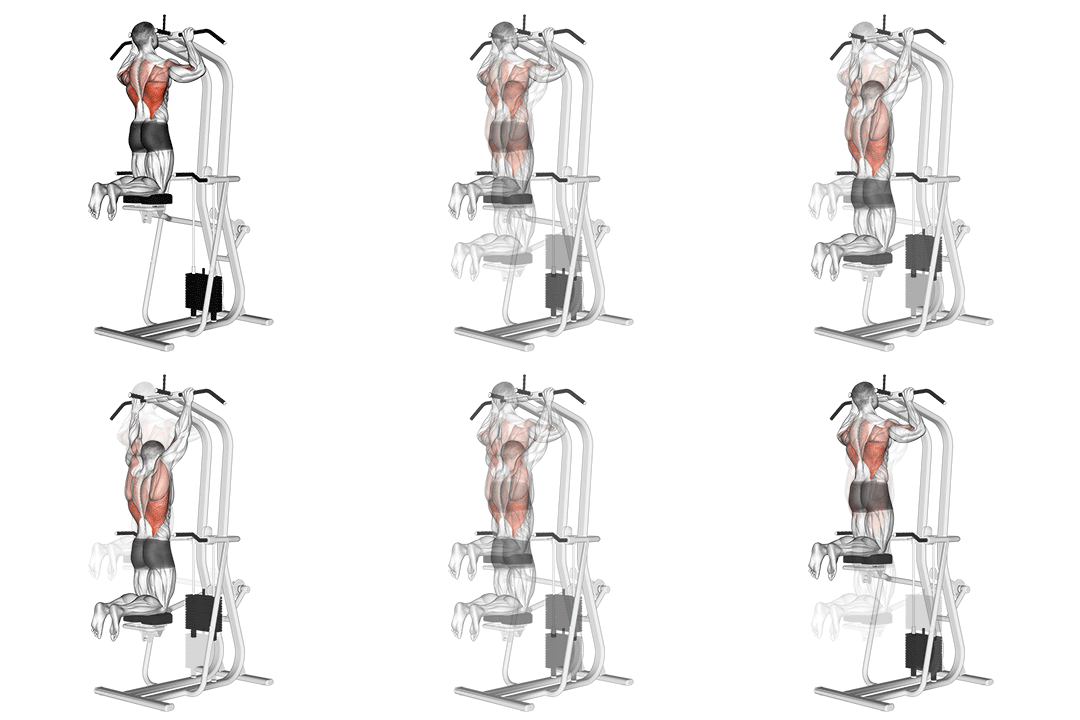
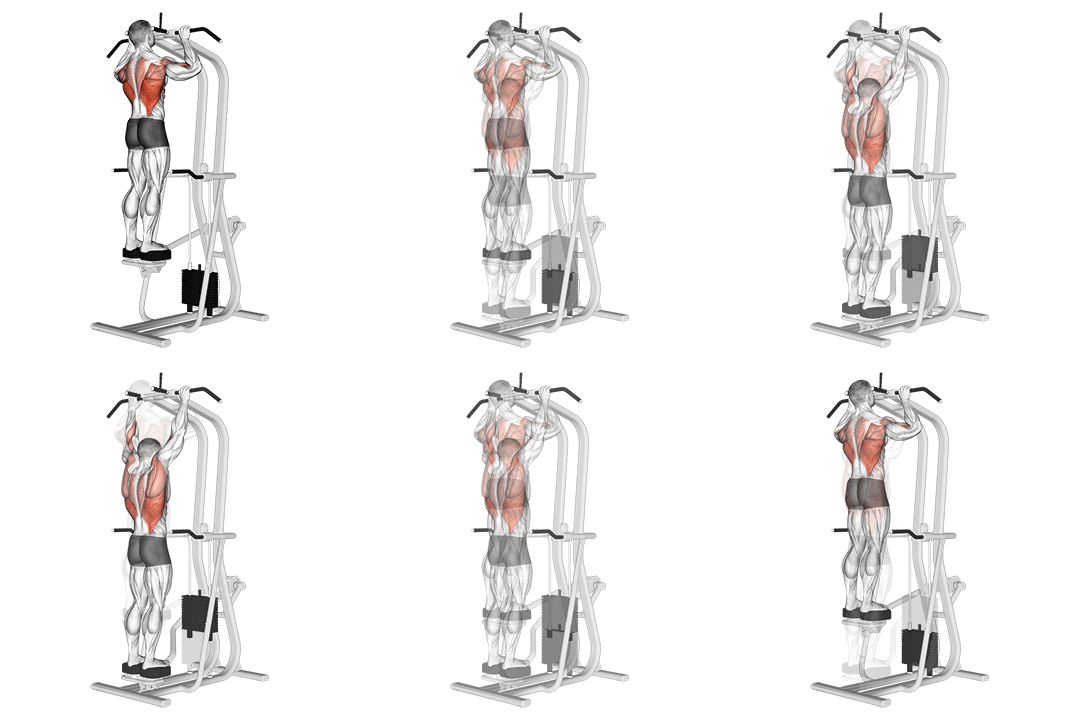
Assisted Pull-up
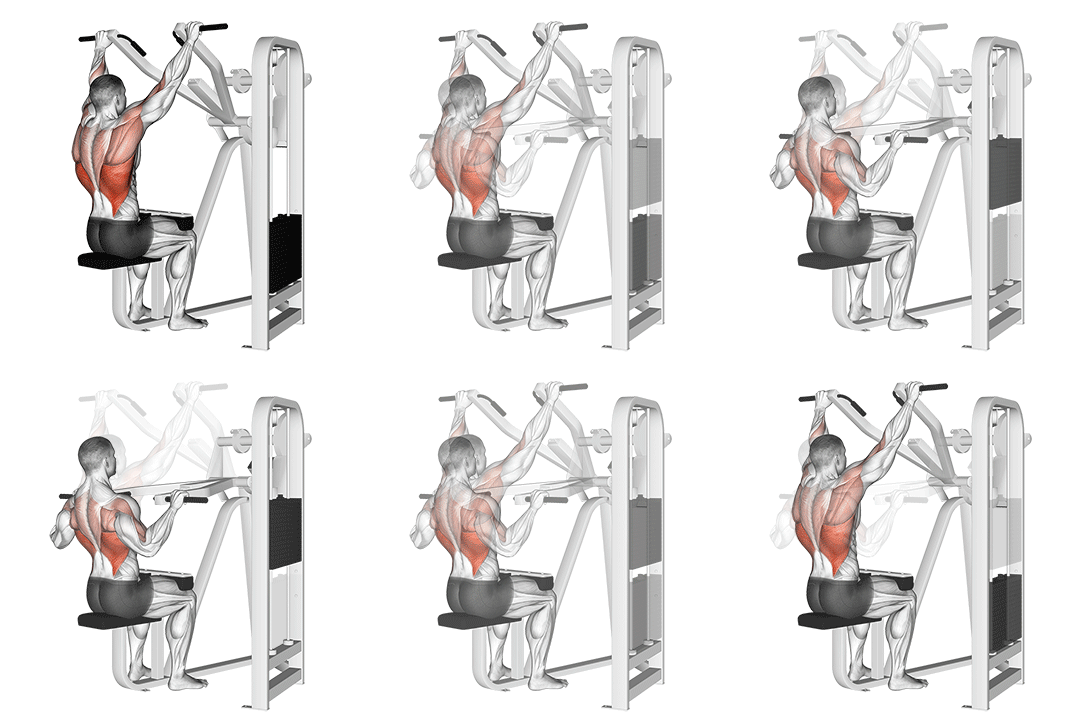
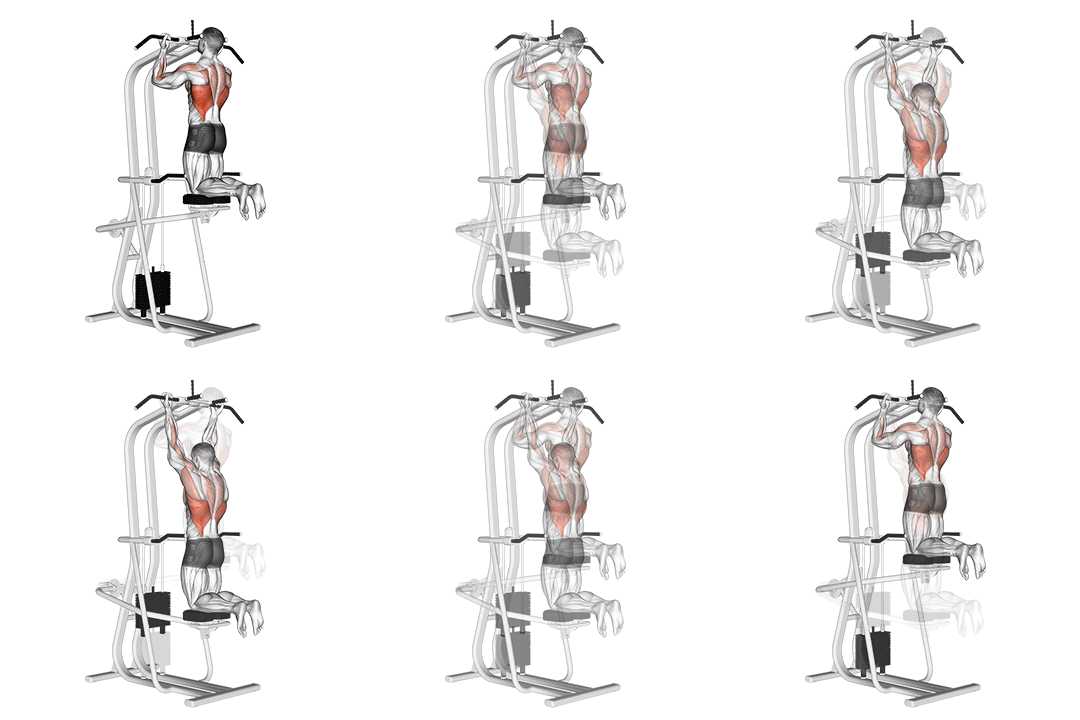
Lever Front Pulldown
Head-to-Head Comparison
| Attribute | Assisted Pull-up | Lever Front Pulldown |
|---|---|---|
| Target Muscle |
Lats
|
Lats
|
| Body Part |
Back
|
Back
|
| Equipment |
Lever
|
Lever
|
| Difficulty |
Beginner
|
Beginner
|
| Movement Type |
Compound
|
Compound
|
| Secondary Muscles |
2
|
3
|
Secondary Muscles Activated
Assisted Pull-up
Lever Front Pulldown
Visual Comparison
Overview
Assisted Pull-up vs Lever Front Pulldown — you’ll get a clear comparison so you can choose the right back exercise for your goals. I’ll break down which one loads the lats more directly, how secondary muscles like the biceps and rhomboids get involved, and practical technique cues you can use today. You’ll also see equipment needs, learning curves, progression options, and quick rep-range prescriptions for strength and hypertrophy. Read on and you’ll know when to program each exercise into your workouts and how to get the most muscle growth and strength safely.
Key Differences
- Both exercises target the Lats using Lever. The main differences are in their movement patterns and muscle activation angles.
Pros & Cons
Assisted Pull-up
+ Pros
- Replicates natural vertical pull and directly builds pull-up strength
- Higher biceps and forearm recruitment helps elbow flexion strength
- Improves core and scapular stability through anti-gravity demands
- Easy to progress toward unassisted pull-ups by reducing assistance
− Cons
- Requires a specific assisted pull-up machine or heavy bands
- Higher motor-control demand: scapular and core stability required
- Potential shoulder strain if technique (scapular depression/retraction) is poor
Lever Front Pulldown
+ Pros
- Stable, controlled path allows focused lat contraction and scapular squeeze
- More accessible in most gyms and easier for beginners to load progressively
- Better for isolating rhomboids and rear delts along with lats
- Lower shoulder shear—good for rehabilitative or conservative programming
− Cons
- Less direct carryover to unassisted pull-up strength
- Fixed path can reduce stabilization training and core demand
- Can be performed poorly (leaning back/using momentum) if not cued
When Each Exercise Wins
The pulldown allows precise load control, consistent tension and easier isolation of the lats and scapular retractors—ideal for 8–15 rep sets and slow 2–4 second eccentrics to maximize time under tension.
Assisted pull-ups teach the vertical pull pattern and core stabilization needed for weighted or unassisted pull-ups; progressions that reduce assistance translate directly to greater maximal pull strength.
Seated stability, easier coaching of scapular retraction, and straightforward loading make pulldowns faster to learn and safer for novice lifters building posterior chain control.
If you have a doorway bar and bands, assisted pull-up variations (band-assisted or low-cost assisted stations) give a high training stimulus without the footprint of a full pulldown machine.
Frequently Asked Questions
Can I do both Assisted Pull-up and Lever Front Pulldown in the same workout?
Yes. Structure them so one is the primary strength movement and the other is accessory: do assisted pull-ups first for low-rep strength (3–6 reps or sets of 4–6) and pulldowns later for volume (3–4 sets of 8–15). This sequencing preserves neural freshness for the heavier, more technical lift.
Which exercise is better for beginners?
Lever Front Pulldown is generally better for beginners because the seated position and fixed path let you learn scapular retraction and lat engagement without needing high core or motor control. Start with 8–12 reps focusing on slow eccentrics and a full scapular squeeze.
How do the muscle activation patterns differ?
Assisted pull-ups place higher relative demand on elbow flexors and anti-gravity stabilizers, producing more biceps and forearm activity; lever pulldowns emphasize scapular retractors and rear deltoids because the seat and pads let you maintain tight scapular depression and a higher peak lat contraction.
Can Lever Front Pulldown replace Assisted Pull-up?
Yes for hypertrophy and safe progression, but not fully if your goal is unassisted pull-up performance. Pulldowns build the lat strength and endurance you need, but you should add specific vertical pulling practice (band-assisted or negatives) to transfer to bodyweight pull-up skill.
Expert Verdict
Choose Lever Front Pulldown when your priority is controlled lat hypertrophy, precise loading and reduced shoulder shear—it’s faster for beginners to master and excels in 8–15 rep hypertrophy blocks. Opt for Assisted Pull-up when your goal is functional pulling strength, carrying bodyweight performance or progressing to unassisted and weighted pull-ups; lower assistance in 5–20% steps and emphasize scapular depression/retraction and braced core. For balanced programming, rotate both: use pulldowns for heavy volume sets and assisted pull-ups for low-rep strength practice and transfer to unassisted work.
Also Compare
More comparisons with Assisted Pull-up
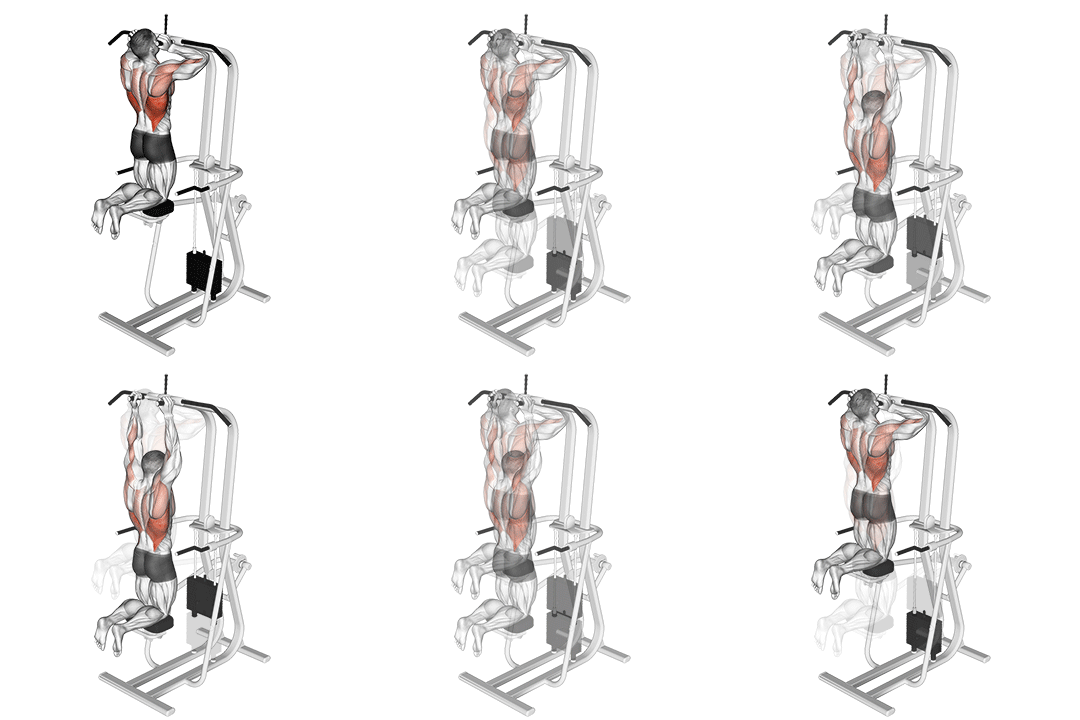
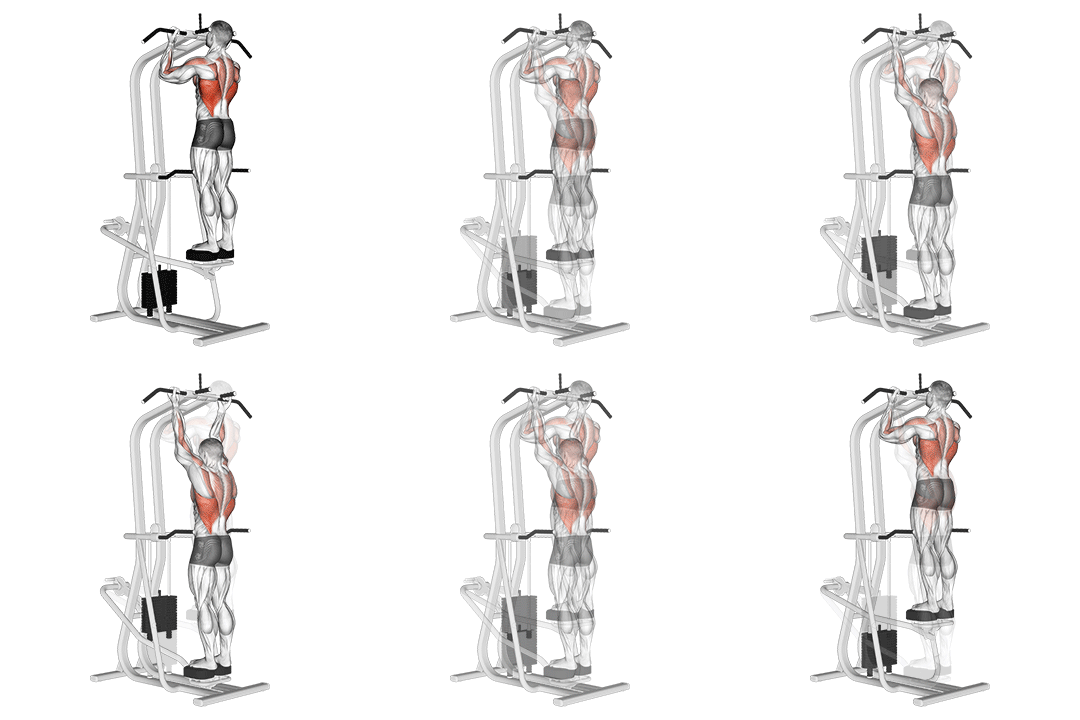
More comparisons with Lever Front Pulldown
Compare More Exercises
Use our free comparison tool to analyze any two exercises head-to-head.
Compare Exercises