

Assisted Pull-up vs One-Arm Dumbbell Row: Complete Comparison Guide
Assisted Pull-up vs One-Arm Dumbbell Row — you’ve got two solid back builders, but they load the lats in different ways. In this guide you’ll get clear, actionable comparisons of muscle activation, equipment needs, progression routes, and injury risk. I’ll cover biomechanics (vertical vs horizontal force vectors, length-tension differences), concrete rep ranges for strength and hypertrophy, and precise technique cues so you can choose the right exercise for your goals and environment.
Exercise Comparison
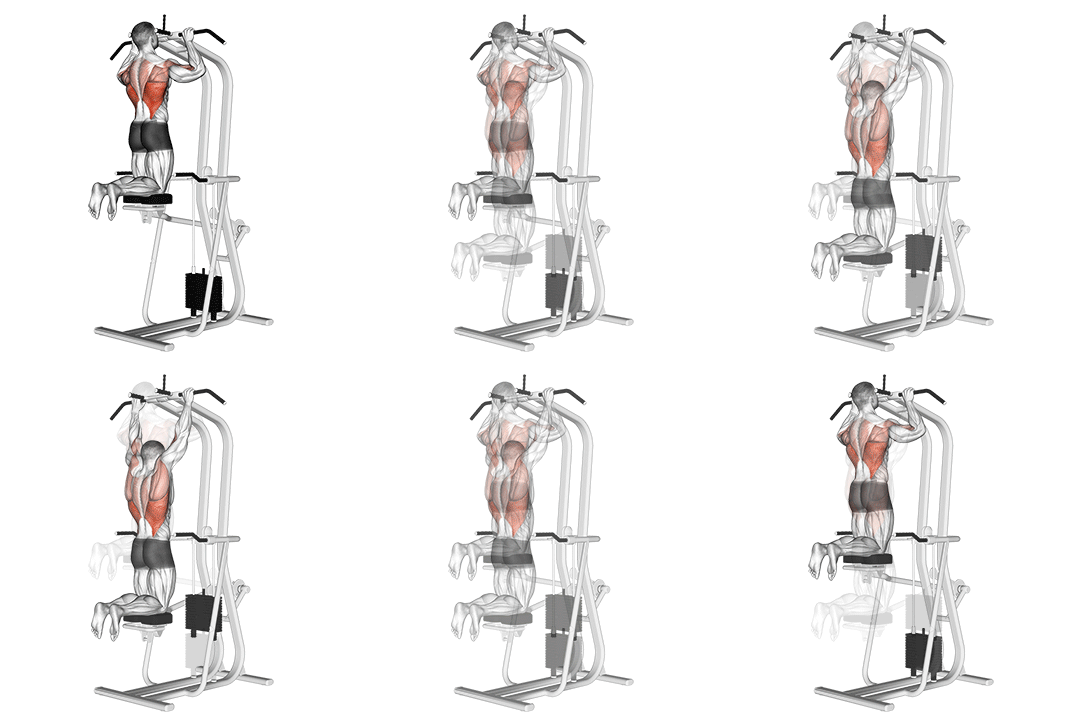
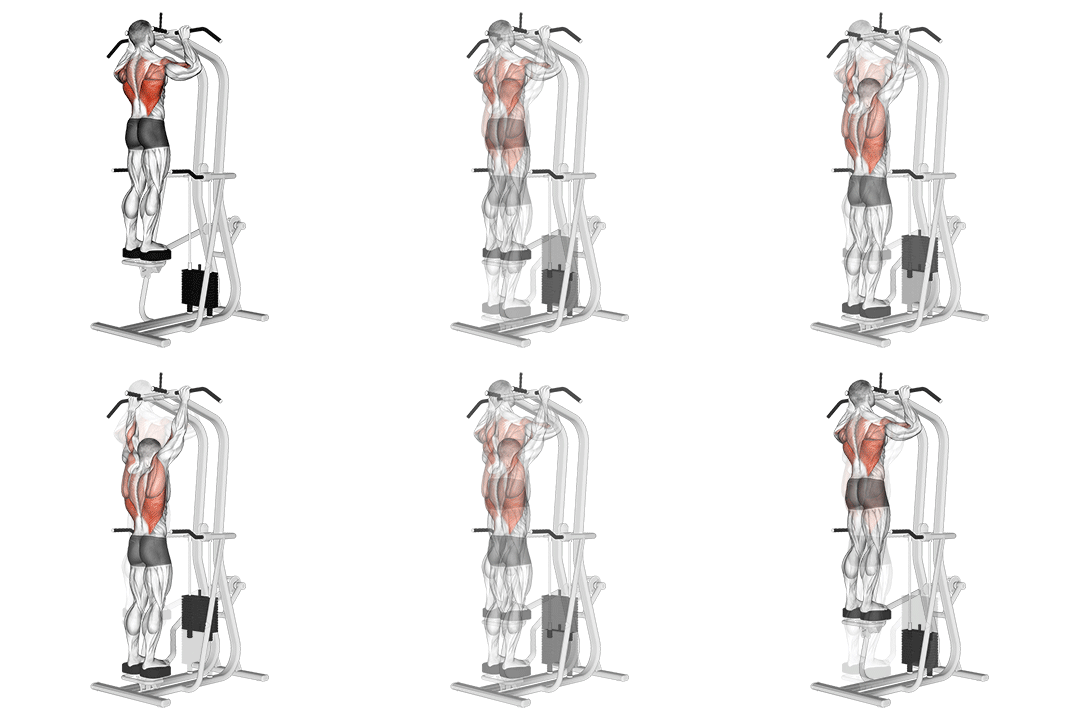
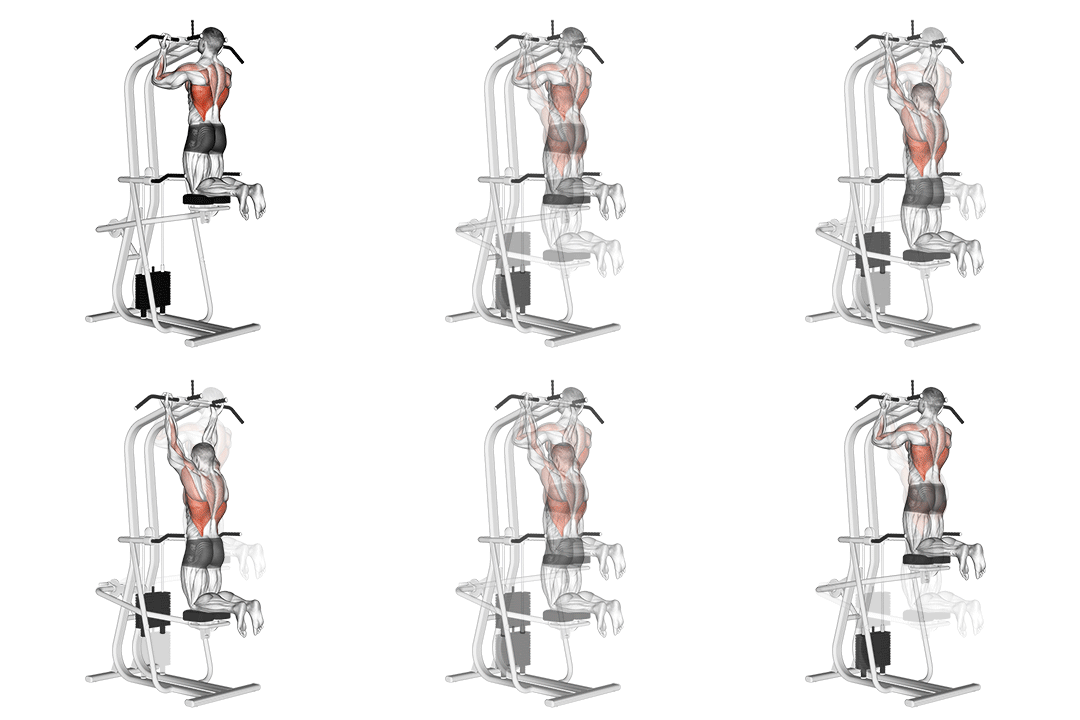
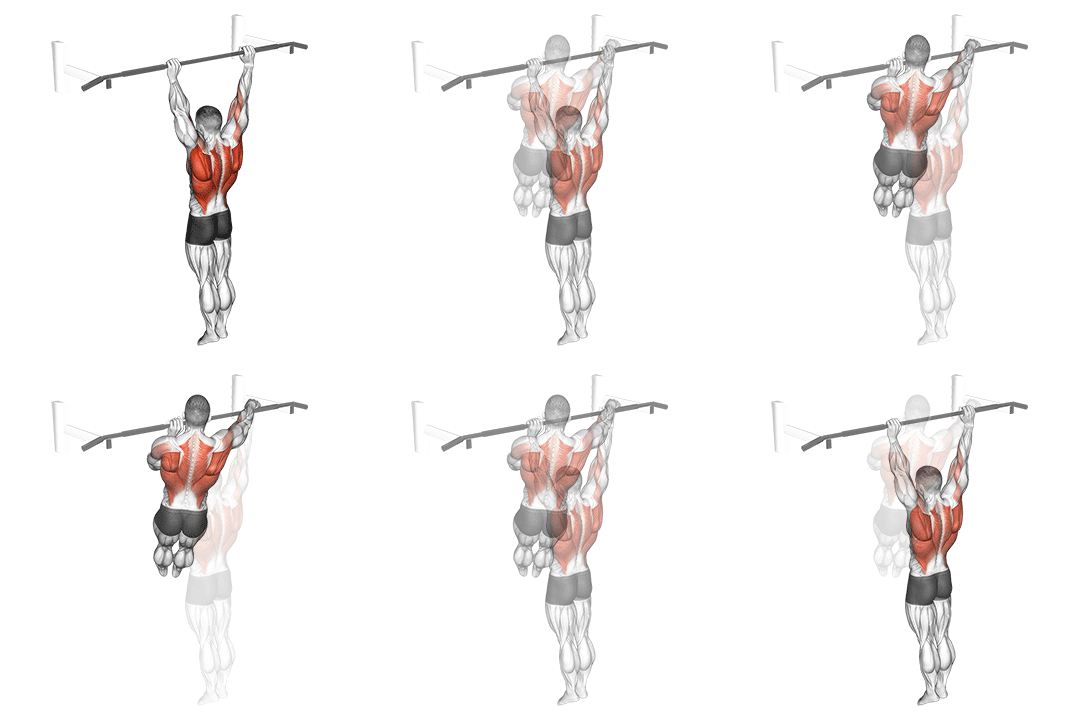
Assisted Pull-up
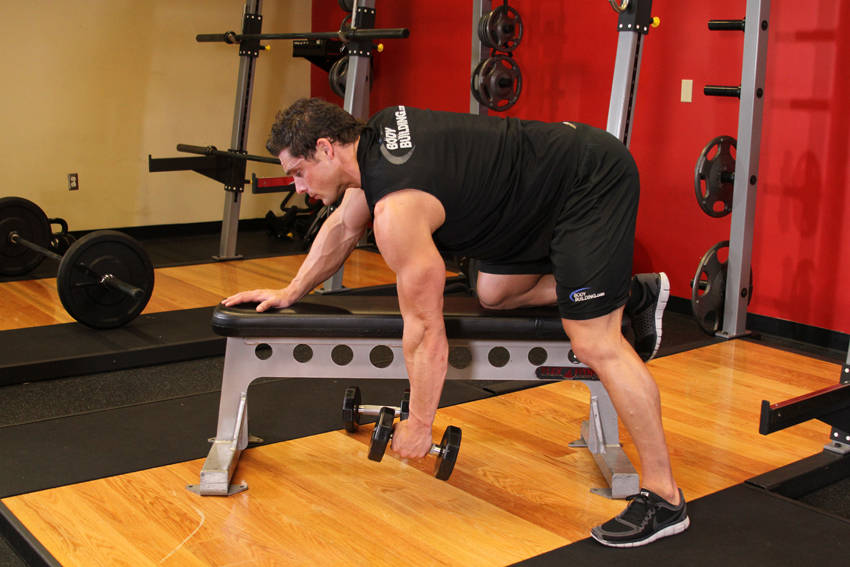
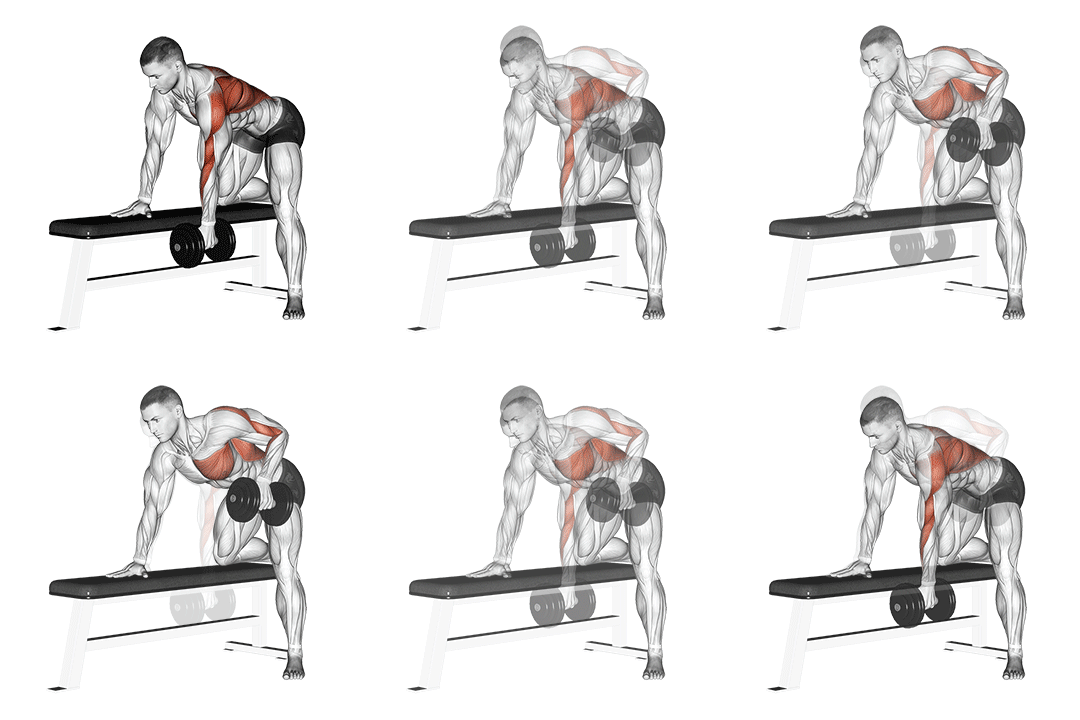
One-arm Dumbbell Row
Head-to-Head Comparison
| Attribute | Assisted Pull-up | One-arm Dumbbell Row |
|---|---|---|
| Target Muscle |
Lats
|
Lats
|
| Body Part |
Back
|
Back
|
| Equipment |
Lever
|
Dumbbell
|
| Difficulty |
Beginner
|
Intermediate
|
| Movement Type |
Compound
|
Compound
|
| Secondary Muscles |
2
|
3
|
Secondary Muscles Activated
Assisted Pull-up
One-arm Dumbbell Row
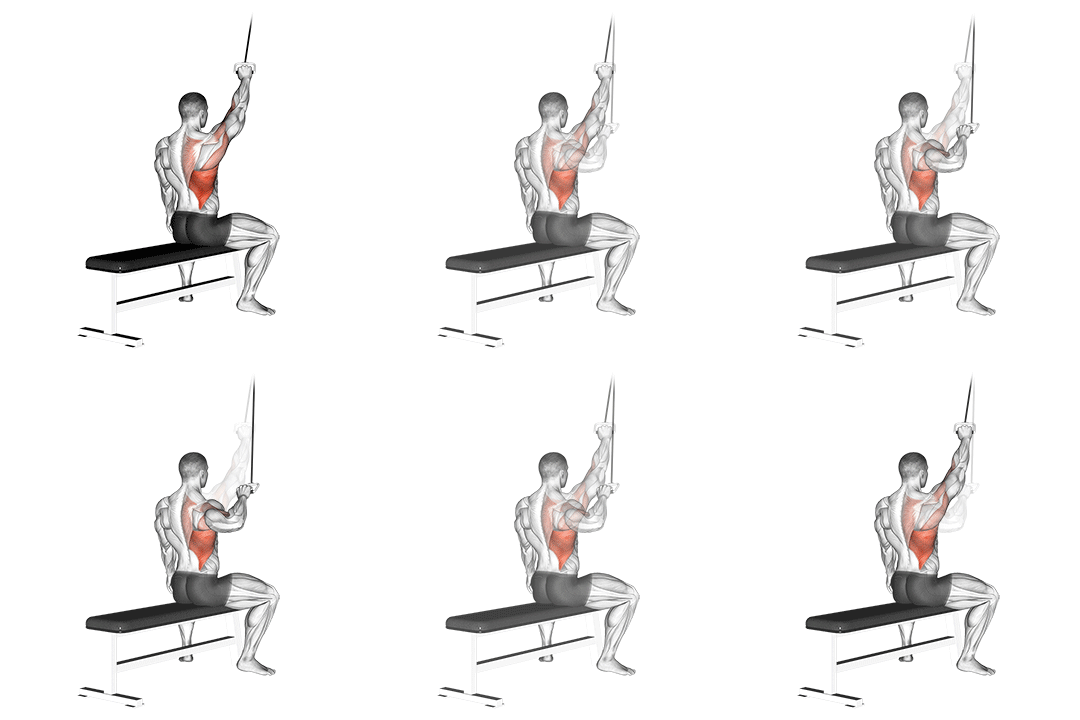
Visual Comparison
Overview
Assisted Pull-up vs One-Arm Dumbbell Row — you’ve got two solid back builders, but they load the lats in different ways. In this guide you’ll get clear, actionable comparisons of muscle activation, equipment needs, progression routes, and injury risk. I’ll cover biomechanics (vertical vs horizontal force vectors, length-tension differences), concrete rep ranges for strength and hypertrophy, and precise technique cues so you can choose the right exercise for your goals and environment.
Key Differences
- Equipment differs: Assisted Pull-up uses Lever, while One-arm Dumbbell Row requires Dumbbell.
- Difficulty levels differ: Assisted Pull-up is beginner, while One-arm Dumbbell Row is intermediate.
Pros & Cons
Assisted Pull-up
+ Pros
- Beginner-friendly: machine assistance lets you practice full-range vertical pulling safely
- Specific transfer to pull-up strength and bodyweight performance
- High biceps and forearm engagement for arm development
- Controlled tempo and repetition consistency due to fixed path
− Cons
- Requires gym machine or specialized equipment
- Less freedom to overload with small weight increments compared to free weights
- Limited unilateral/core anti-rotation challenge
One-arm Dumbbell Row
+ Pros
- Easy to progressively overload with small weight jumps for strength and hypertrophy
- Unilateral loading corrects left-right imbalances and builds anti-rotation core strength
- Better posterior deltoid and mid-trap recruitment due to horizontal vector
- Requires minimal equipment—ideal for home training
− Cons
- Requires solid hip hinge and core bracing to protect the lower back
- More technical to keep spine neutral and avoid trunk rotation
- Less direct transfer to vertical pulling/pull-up performance
When Each Exercise Wins
Rows let you load the lat with heavier absolute weight and control tempo for 6–12 rep ranges, increasing time under tension. The unilateral nature isolates weak sides and targets lower-lat fibers via scapular retraction and full humeral extension.
You can progressively overload rows with systematic weight increases (2.5–10 lb steps) and use lower rep ranges (3–6) to build maximal pulling strength. While assisted pull-ups train bodyweight strength, rows produce greater absolute force transfer to heavy lifts.
The machine reduces load so you can learn vertical pulling mechanics, scapular retraction, and full range of motion without failing early. It builds the specific motor pattern needed for unassisted pull-ups while keeping fatigue manageable.
A single dumbbell and a bench or sturdy surface are enough for effective lat training at home. Assisted pull-up machines are rarely available outside gyms, making rows the practical choice.
Frequently Asked Questions
Can I do both Assisted Pull-up and One-Arm Dumbbell Row in the same workout?
Yes. Pair them by doing one as your primary heavy movement and the other as an accessory. For example, perform 3–5 sets of assisted pull-ups for technical vertical pulling, then follow with 3–4 sets of 8–12 one-arm rows for volume and unilateral balance.
Which exercise is better for beginners?
Assisted Pull-ups are generally better for beginners because the machine lets you scale the load and practice the exact motor pattern for pull-ups. Start with assistance that allows 6–10 quality reps and reduce assistance as you gain strength.
How do the muscle activation patterns differ?
Assisted Pull-ups create a vertical force vector with earlier peak activation in the biceps and upper lat during elbow flexion and shoulder extension. One-arm rows shift the vector horizontally, producing later peak lat activation during full scapular retraction and greater posterior deltoid and mid-trap involvement.
Can One-Arm Dumbbell Row replace Assisted Pull-up?
If your goal is general back size and unilateral strength, yes—rows can substitute effectively. If you want to build unassisted pull-up ability or train vertical pulling mechanics, keep assisted pull-ups in your program until you can progress to full pull-ups.
Expert Verdict
Use Assisted Pull-ups when you need a low-skill entry into vertical pulling, want to build pull-up-specific strength, or are rehabbing and need controlled load assistance. Aim for 6–12 reps with gradually reduced assistance to progress. Choose One-Arm Dumbbell Rows when your goal is targeted lat hypertrophy, unilateral strength, and progressive overload—work in 4–8 reps for strength or 6–12 for hypertrophy with strict tempo and neutral spine. Both moves belong in a well-rounded back program: pair assisted pull-ups for vertical pulling proficiency with heavy or high-volume one-arm rows for mass and balance.
Also Compare
More comparisons with Assisted Pull-up
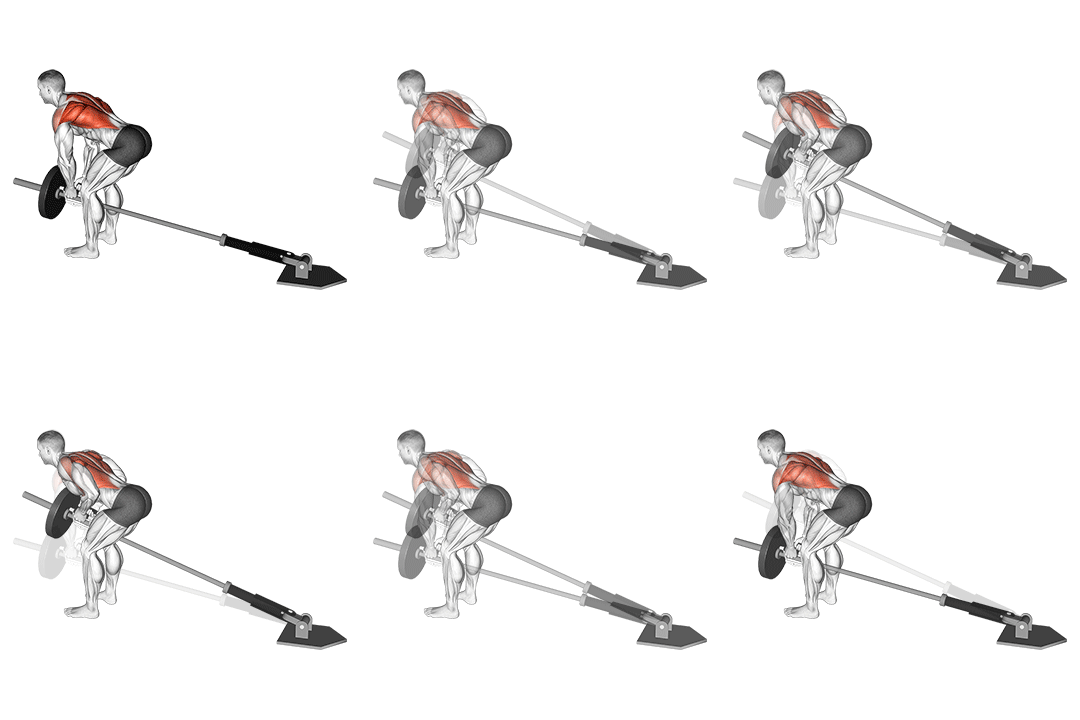
More comparisons with One-arm Dumbbell Row
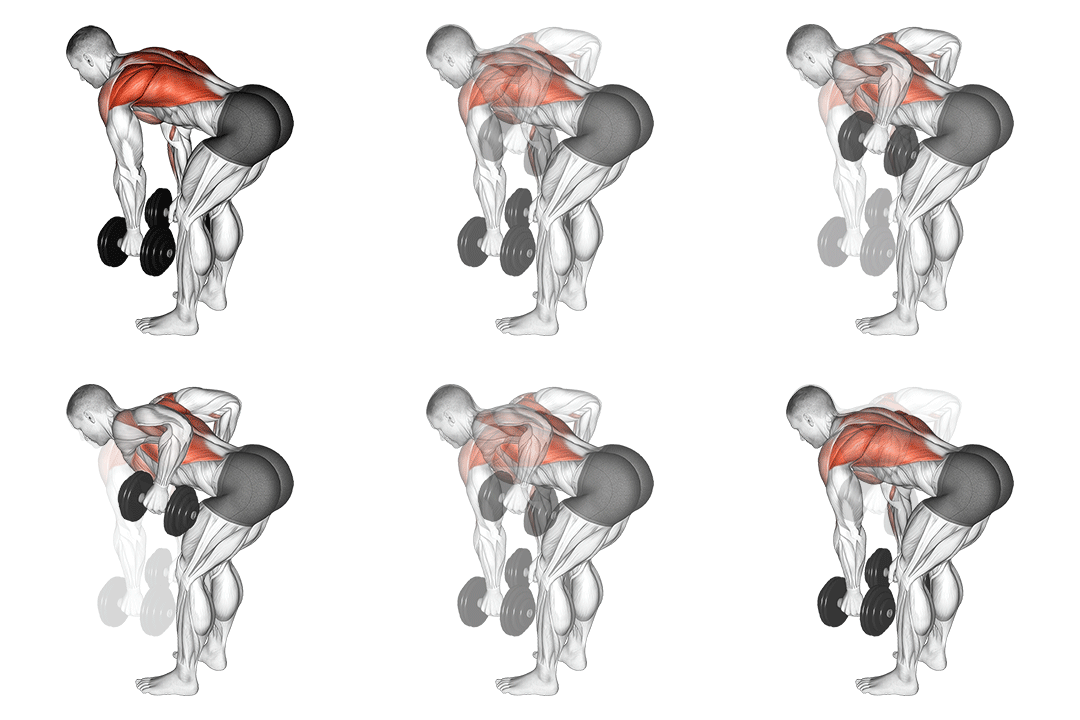
Compare More Exercises
Use our free comparison tool to analyze any two exercises head-to-head.
Compare Exercises