

Assisted Seated Pectoralis Major Stretch With Stability Ball vs Cable One Arm Press On Exercise Ball
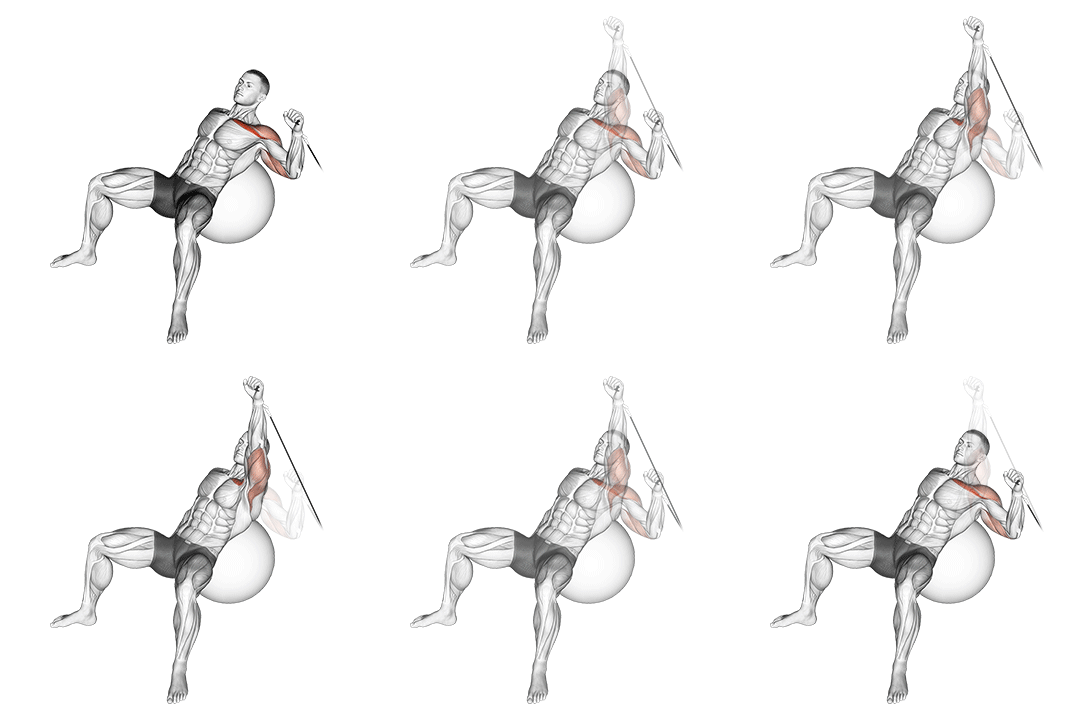
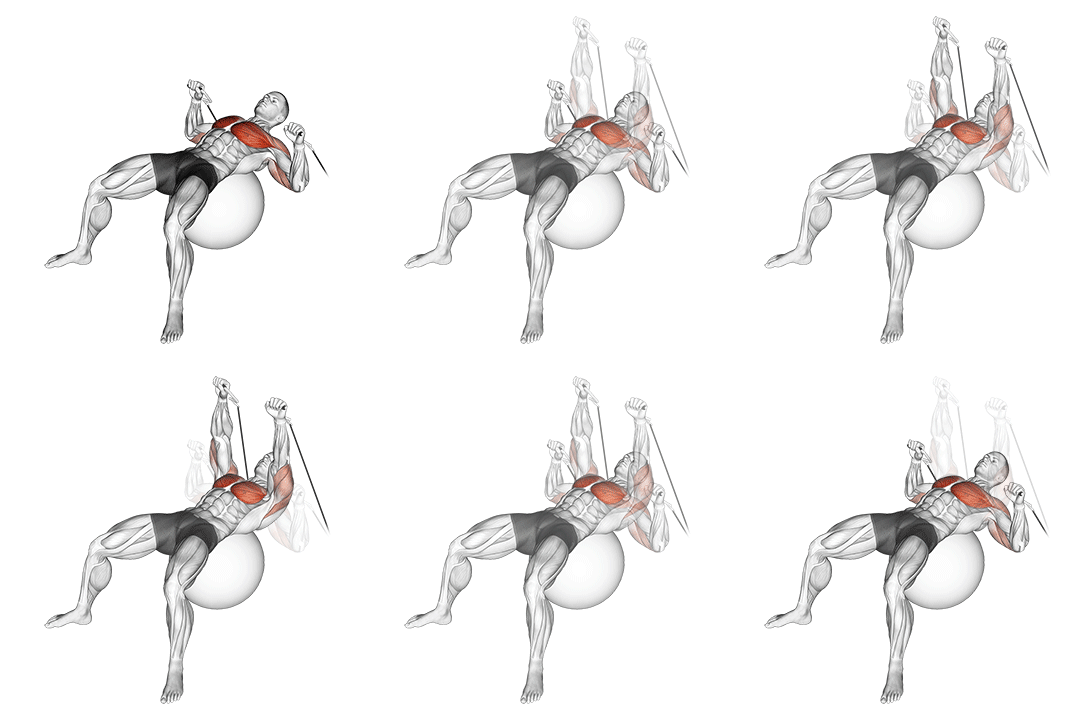
Assisted Seated Pectoralis Major Stretch With Stability Ball vs Cable One Arm Press On Exercise Ball — this side-by-side will help you pick the right chest tool for your goals. You’ll get a clear look at how each exercise loads the pectoralis major, which secondary muscles get taxed, what equipment you need, and practical cues for technique. I’ll show when to use the stretch for mobility and when the cable one-arm press delivers mechanical tension for muscle growth, plus rep ranges, angles, and safety tips so you can use each movement with purpose.
Exercise Comparison
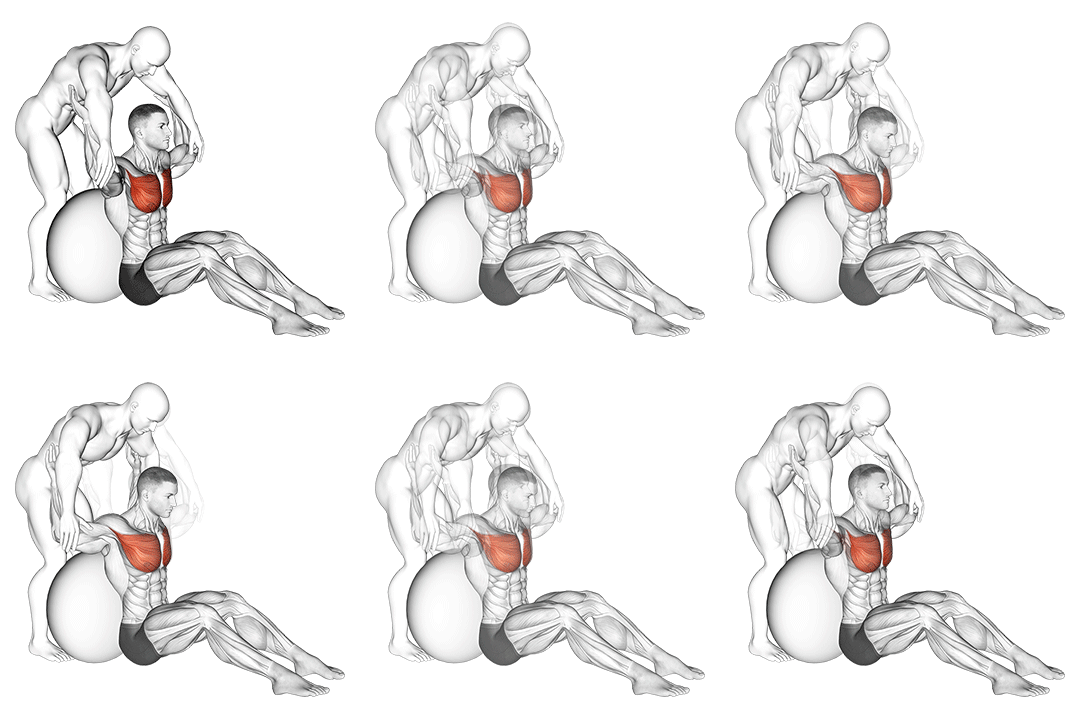
Assisted Seated Pectoralis Major Stretch With Stability Ball
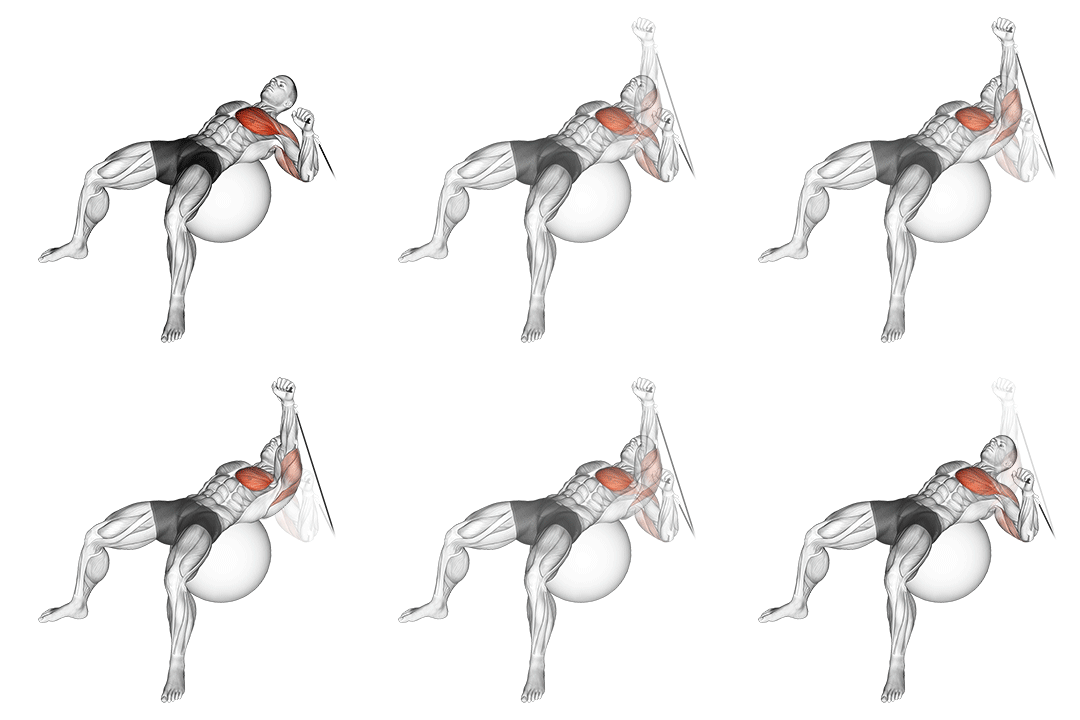
Cable One Arm Press On Exercise Ball
Head-to-Head Comparison
| Attribute | Assisted Seated Pectoralis Major Stretch With Stability Ball | Cable One Arm Press On Exercise Ball |
|---|---|---|
| Target Muscle |
Pectorals
|
Pectorals
|
| Body Part |
Chest
|
Chest
|
| Equipment |
Stability-ball
|
Stability-ball
|
| Difficulty |
Beginner
|
Advanced
|
| Movement Type |
Isolation
|
Compound
|
| Secondary Muscles |
2
|
2
|
Secondary Muscles Activated
Assisted Seated Pectoralis Major Stretch With Stability Ball
Cable One Arm Press On Exercise Ball
Visual Comparison
Overview
Assisted Seated Pectoralis Major Stretch With Stability Ball vs Cable One Arm Press On Exercise Ball — this side-by-side will help you pick the right chest tool for your goals. You’ll get a clear look at how each exercise loads the pectoralis major, which secondary muscles get taxed, what equipment you need, and practical cues for technique. I’ll show when to use the stretch for mobility and when the cable one-arm press delivers mechanical tension for muscle growth, plus rep ranges, angles, and safety tips so you can use each movement with purpose.
Key Differences
- Assisted Seated Pectoralis Major Stretch With Stability Ball is an isolation exercise, while Cable One Arm Press On Exercise Ball is a compound movement.
- Difficulty levels differ: Assisted Seated Pectoralis Major Stretch With Stability Ball is beginner, while Cable One Arm Press On Exercise Ball is advanced.
- Both exercises target the Pectorals using Stability-ball. The main differences are in their movement patterns and muscle activation angles.
Pros & Cons
Assisted Seated Pectoralis Major Stretch With Stability Ball
+ Pros
- Targets pectoral length-tension and improves thoracic mobility
- Very low equipment requirement — just a stability ball
- Beginner-friendly with minimal load and low immediate injury risk
- Useful for prehab, rehab, and restoring horizontal adduction range
− Cons
- Provides minimal mechanical overload for muscle growth
- Limited progression options for strength gains
- Requires partner or careful positioning to hit exact end range
Cable One Arm Press On Exercise Ball
+ Pros
- Delivers high mechanical tension for muscle growth and strength
- Unilateral loading corrects imbalances and increases core recruitment
- Versatile: change angle, load, and rep ranges (3–15 reps)
- Combines compound pressing with stability demand for functional transfer
− Cons
- Advanced skill and stability required; steeper learning curve
- Higher shoulder and spinal stress if executed with poor form
- Requires cable machine plus an exercise ball — less accessible
When Each Exercise Wins
The cable press produces consistent mechanical tension across concentric and eccentric phases and allows progressive overload in the 6–12 rep range. The unstable ball increases stabilizer activation while the cable keeps tension through the range, making it superior for inducing muscle growth.
Strength requires high external loads and neural demand; the cable press can be loaded heavier (3–5 rep sets) and trains unilateral force production, whereas the assisted stretch cannot provide the required external resistance for maximal strength.
Beginners benefit from learning joint position and shoulder mobility with low load. The stretch teaches safe end-range mechanics and reduces stiffness before progressing to loaded, unilateral pressing patterns.
A stability ball fits most home setups and the stretch needs no cable machine. It improves posture and opens the chest with very little space or cost, making it the practical home choice.
Frequently Asked Questions
Can I do both Assisted Seated Pectoralis Major Stretch With Stability Ball and Cable One Arm Press On Exercise Ball in the same workout?
Yes. Use the assisted pectoral stretch as a warm-up or between sets to maintain range of motion (20–45 second holds), then perform cable one-arm presses for your working sets (6–12 reps for hypertrophy). Keep the stretch passive and brief so it doesn’t fatigue the muscle before heavy presses.
Which exercise is better for beginners?
The assisted seated stretch is better for beginners because it teaches scapular positioning and chest mobility with minimal load. Once you have stable scapular control and adequate ROM, progress to supported or bilateral presses before attempting advanced unilateral cable presses on a ball.
How do the muscle activation patterns differ?
The stretch emphasizes passive, end-range tension and lower active EMG, improving length-tension relationships. The cable press produces high active concentric and eccentric activation across the pectoralis and secondary anterior deltoid and triceps, with additional core and scapular stabilizer recruitment from the unstable surface and unilateral load.
Can Cable One Arm Press On Exercise Ball replace Assisted Seated Pectoralis Major Stretch With Stability Ball?
Not completely. The cable press can improve strength and hypertrophy but won’t consistently restore specific end-range pectoral flexibility. Keep the assisted stretch in your routine for mobility and tissue prep, even when the cable press is your primary strength exercise.
Expert Verdict
Use the Assisted Seated Pectoralis Major Stretch With Stability Ball when your priority is mobility, posture correction, or prehab: it isolates pectoral length-tension, restores horizontal adduction range, and is safe for beginners. Choose the Cable One Arm Press On Exercise Ball when your aim is muscle growth or unilateral strength — it creates active concentric/eccentric tension, allows progressive overload (3–12 rep ranges), and forces core anti-rotation. If you train for hypertrophy or strength, prioritize the cable press and program the stretch as part of warm-ups and mobility days. If you lack a cable machine or are rehabbing, use the assisted stretch and build toward loaded unilateral presses.
Also Compare
More comparisons with Assisted Seated Pectoralis Major Stretch With Stability Ball
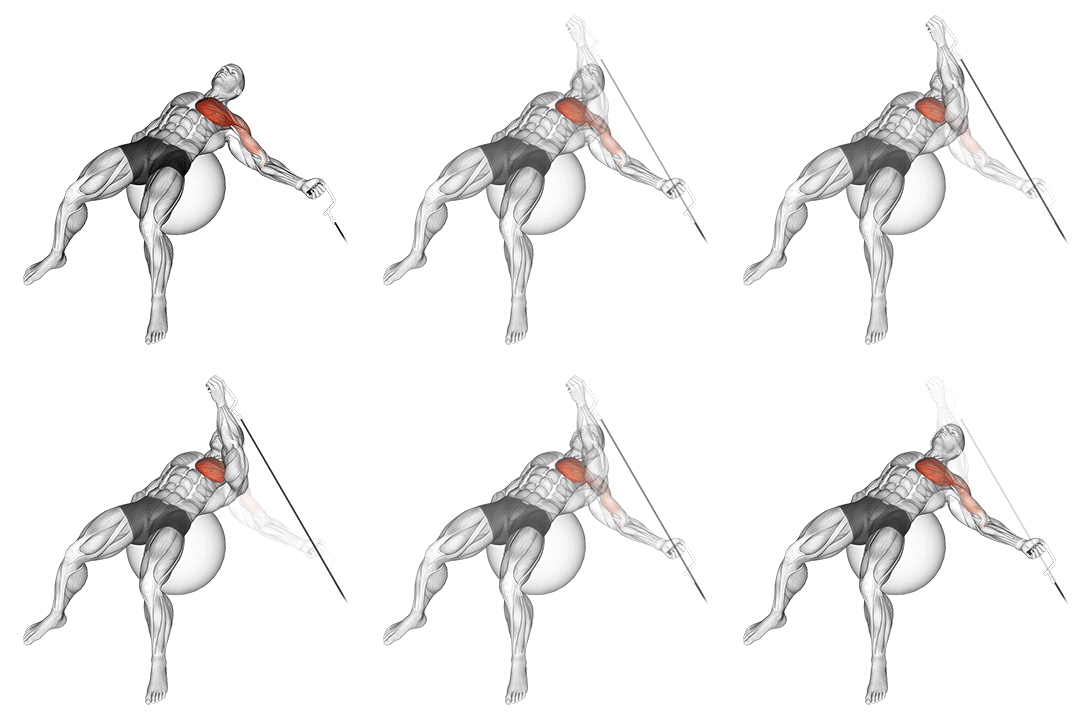
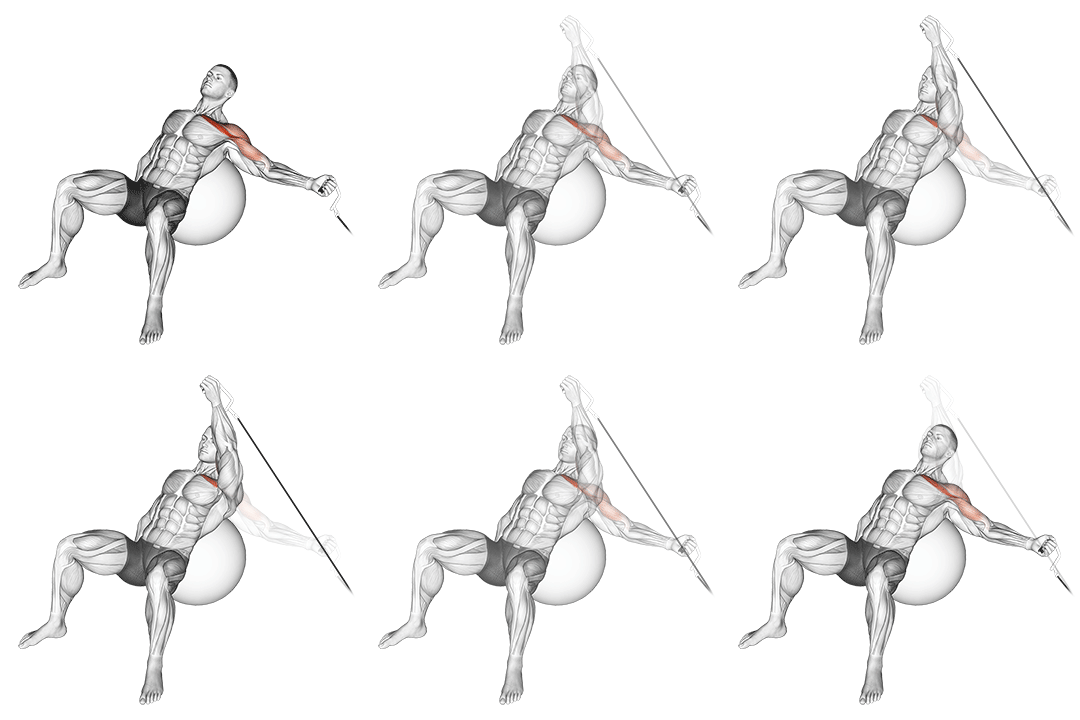
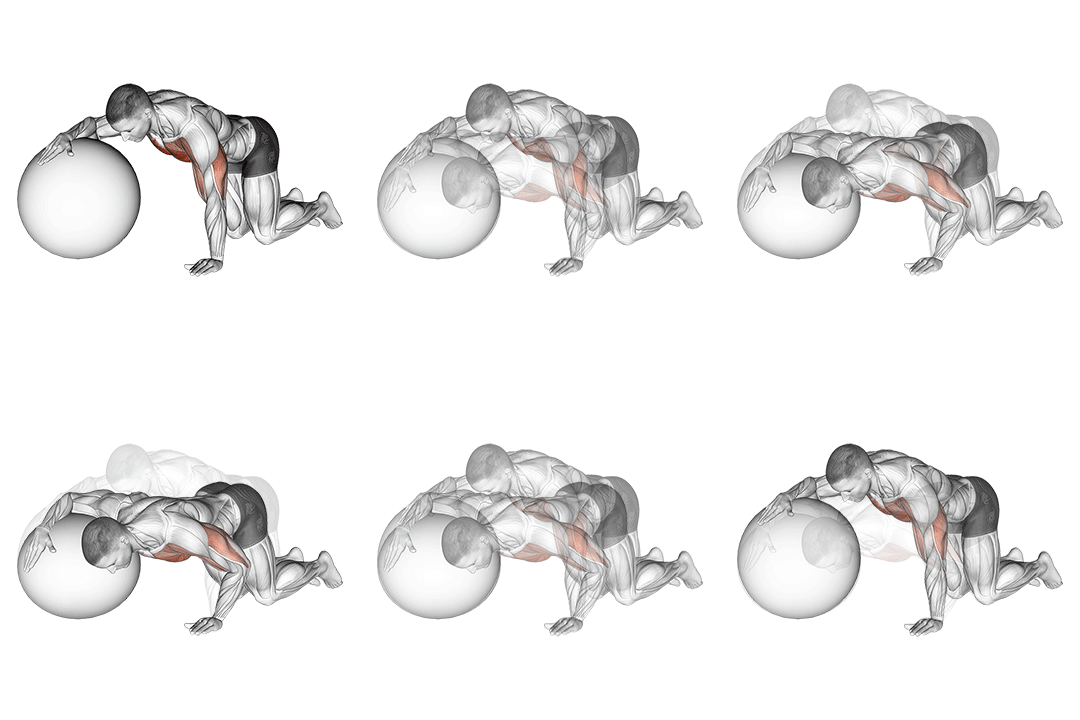
More comparisons with Cable One Arm Press On Exercise Ball
Compare More Exercises
Use our free comparison tool to analyze any two exercises head-to-head.
Compare Exercises