

Assisted Standing Chin-up vs Assisted Standing Pull-up: Complete Comparison Guide
Assisted Standing Chin-up vs Assisted Standing Pull-up — you’re choosing between two beginner-friendly, lever-assisted vertical pulls that both target the lats. If you want clear guidance, this comparison walks you through muscle activation, exact technique cues, equipment needs, learning curve, progression options, and injury considerations. You’ll get actionable rep ranges, joint-angle notes, and scenarios that name a winner for hypertrophy, strength, beginners, and home use so you can pick the move that matches your goals and movement strengths.
Exercise Comparison
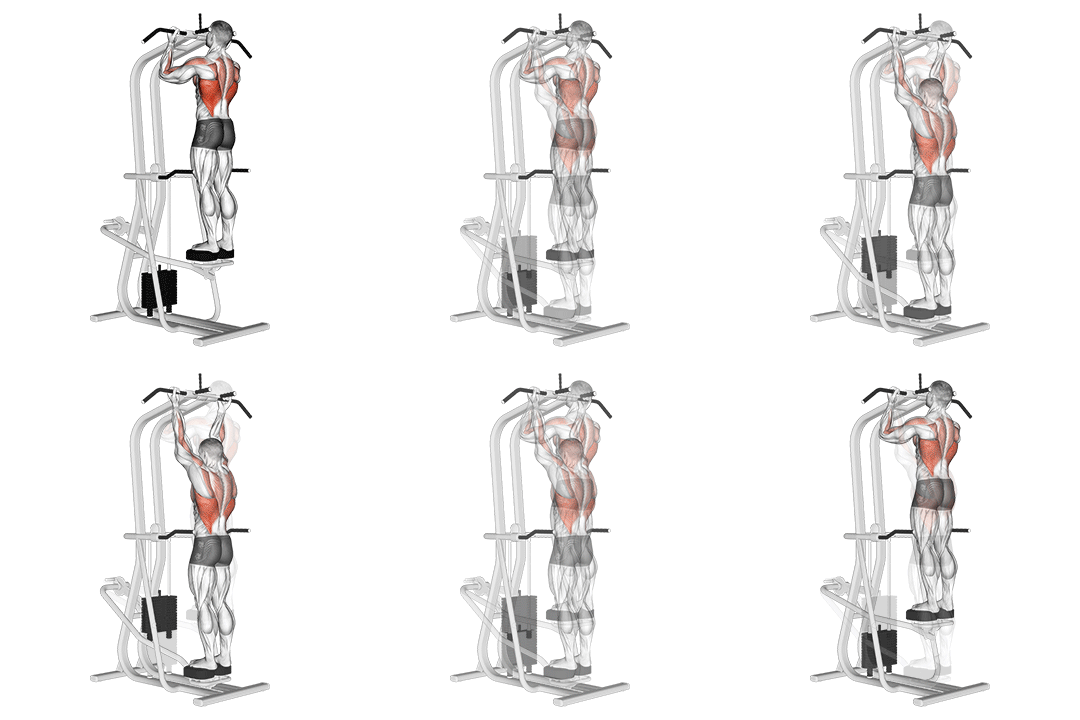
Assisted Standing Chin-up
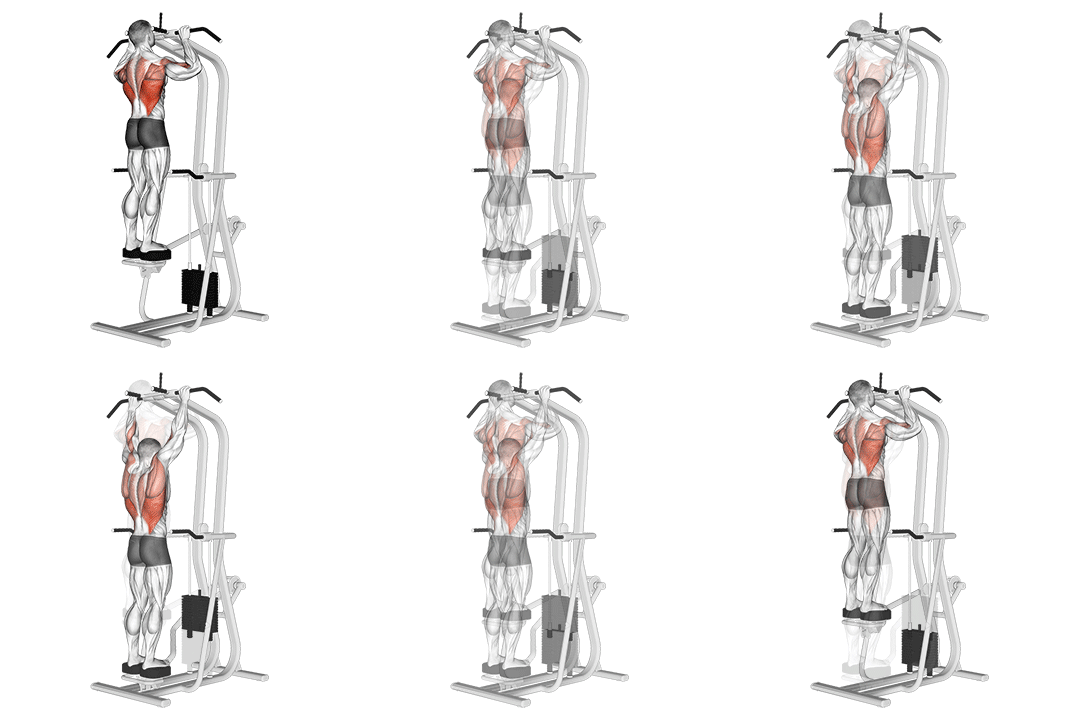
Assisted Standing Pull-up
Head-to-Head Comparison
| Attribute | Assisted Standing Chin-up | Assisted Standing Pull-up |
|---|---|---|
| Target Muscle |
Lats
|
Lats
|
| Body Part |
Back
|
Back
|
| Equipment |
Lever
|
Lever
|
| Difficulty |
Beginner
|
Beginner
|
| Movement Type |
Compound
|
Compound
|
| Secondary Muscles |
2
|
2
|
Secondary Muscles Activated
Assisted Standing Chin-up
Assisted Standing Pull-up
Visual Comparison
Overview
Assisted Standing Chin-up vs Assisted Standing Pull-up — you’re choosing between two beginner-friendly, lever-assisted vertical pulls that both target the lats. If you want clear guidance, this comparison walks you through muscle activation, exact technique cues, equipment needs, learning curve, progression options, and injury considerations. You’ll get actionable rep ranges, joint-angle notes, and scenarios that name a winner for hypertrophy, strength, beginners, and home use so you can pick the move that matches your goals and movement strengths.
Key Differences
- Both exercises target the Lats using Lever. The main differences are in their movement patterns and muscle activation angles.
Pros & Cons
Assisted Standing Chin-up
+ Pros
- Easier for beginners due to greater biceps contribution and initial torque
- Strong carryover to arm development — good for elbow flexor hypertrophy
- Requires the same equipment as a pull-up but often needs less counter-assistance
- Comfortable wrist position for many lifters, reducing shoulder strain
− Cons
- Less emphasis on posterior deltoid and upper back compared with pronated pulls
- Can over-recruit biceps, limiting direct lat stimulus if form drifts
- Supinated grip can stress the distal biceps/tendons under heavy loads
Assisted Standing Pull-up
+ Pros
- Greater direct lat and upper-back emphasis when performed with full scapular retraction
- Better transfer to traditional pull-up strength and wider-grip variants
- Lower relative biceps involvement—forces lats to produce more of the torque
- Versatile for programming: narrow, shoulder-width, and wide variations
− Cons
- Slightly harder for absolute beginners due to less biceps assistance
- Wider grips can increase shoulder impingement risk if mobility is poor
- May require more initial assistance (counterweight tuning) for full ROM
When Each Exercise Wins
The chin-up’s supinated grip increases biceps and forearm activation and allows you to reach fatigue in the 6–12 rep range with less assistance, giving greater localized stimulus for arm and lats hypertrophy.
Pronated pull-ups put more sustained demand on the lats and upper-back stabilizers and translate better to unassisted pull-up strength, especially when you reduce assistance in small increments.
Beginners typically generate more elbow flexion torque with a supinated grip, making chin-ups easier to perform with good form and less initial assistance required.
If you have only a band or low-cost lever-style setup, the chin-up often needs less assistance to complete reps and is easier to load progressively with simple bands or adjustable straps.
Frequently Asked Questions
Can I do both Assisted Standing Chin-up and Assisted Standing Pull-up in the same workout?
Yes — pairing them in the same session is effective. Do one as your main strength movement (lower reps, heavier assistance) and the other as an accessory (higher reps, tempo focus) to target slightly different muscle angles.
Which exercise is better for beginners?
Assisted Standing Chin-up is better for most beginners because the supinated grip increases biceps contribution and lowers the strength threshold needed to complete clean reps, helping you learn scapular control with less assistance.
How do the muscle activation patterns differ?
Chin-ups bias elbow flexors earlier in the range, increasing biceps torque around 90–45 degrees elbow flexion, while pull-ups rely more on the lat’s force-length properties and posterior shoulder muscles, producing longer lat time under tension.
Can Assisted Standing Pull-up replace Assisted Standing Chin-up?
Yes, pull-ups can replace chin-ups if your goal is lat-dominant strength and transfer to unassisted pull-ups. If you want extra biceps stimulus or an easier entry, keep chin-ups in your program instead of fully replacing them.
Expert Verdict
Use Assisted Standing Chin-ups when your short-term goal is upper-arm hypertrophy, confidence-building, or when you need a slightly easier start on the same lever equipment — program sets of 6–12 reps with 60–90 seconds rest. Choose Assisted Standing Pull-ups when your primary goal is back strength, carryover to unassisted pull-ups, or balanced upper-back development — work 4–8 controlled reps or 8–15 for tempo hypertrophy, reducing assistance in 5–10% steps. Both moves are low-risk when you cue scapular retraction, avoid sudden momentum, and monitor wrist and elbow comfort. Rotate both across cycles for balanced muscle development.
Also Compare
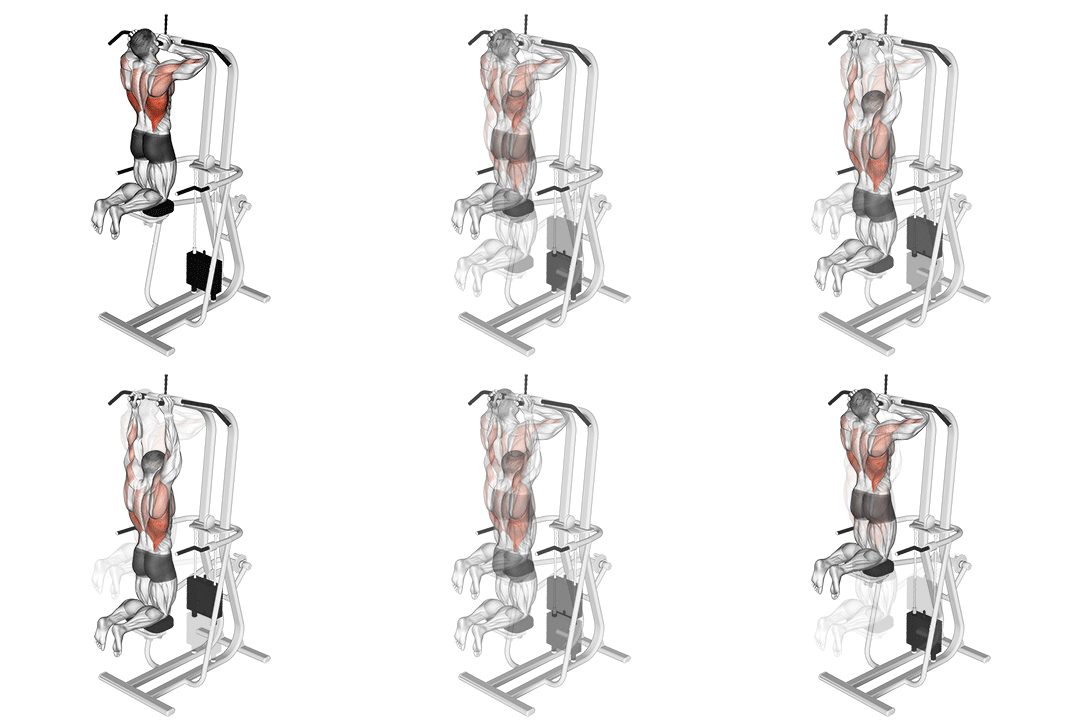
More comparisons with Assisted Standing Chin-up
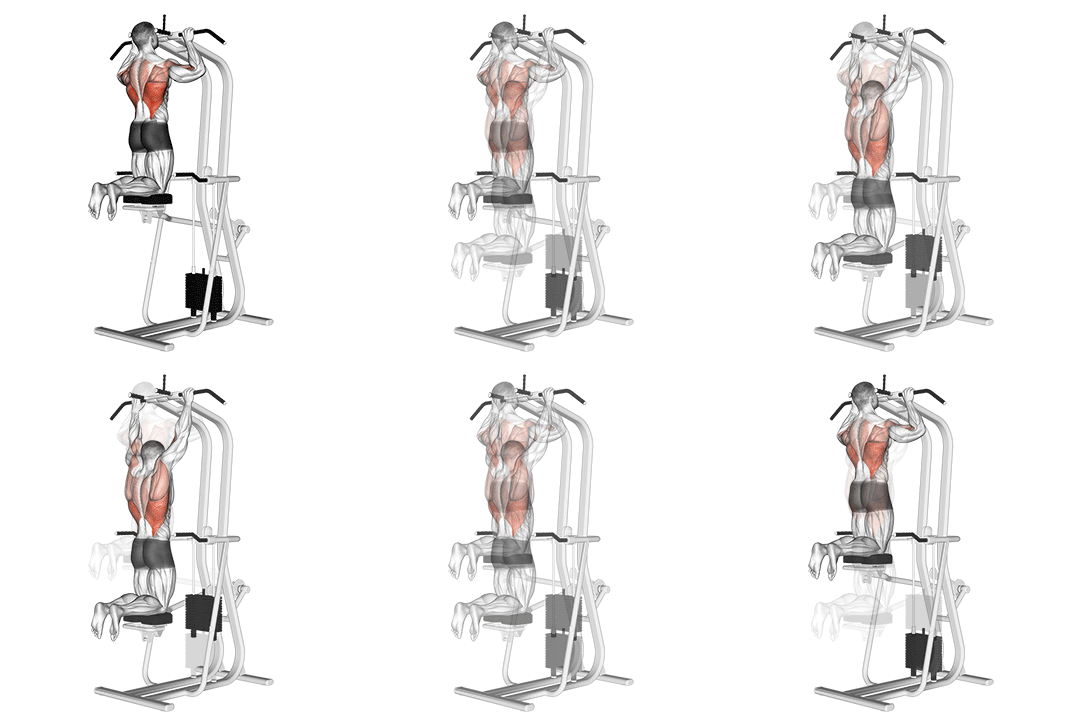
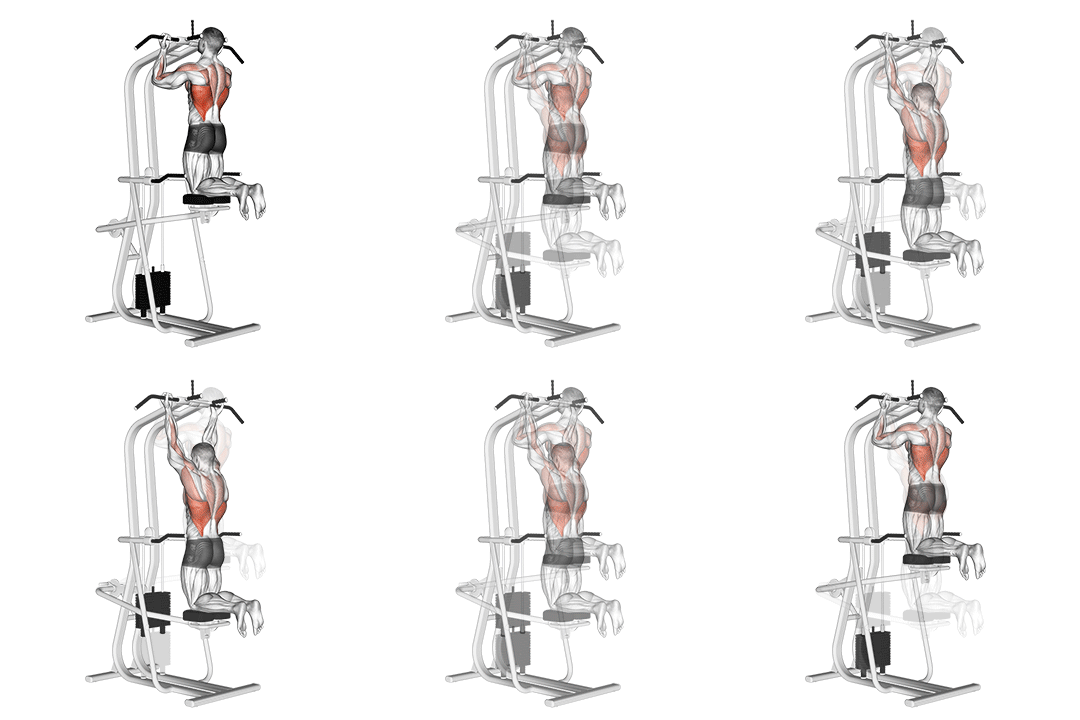
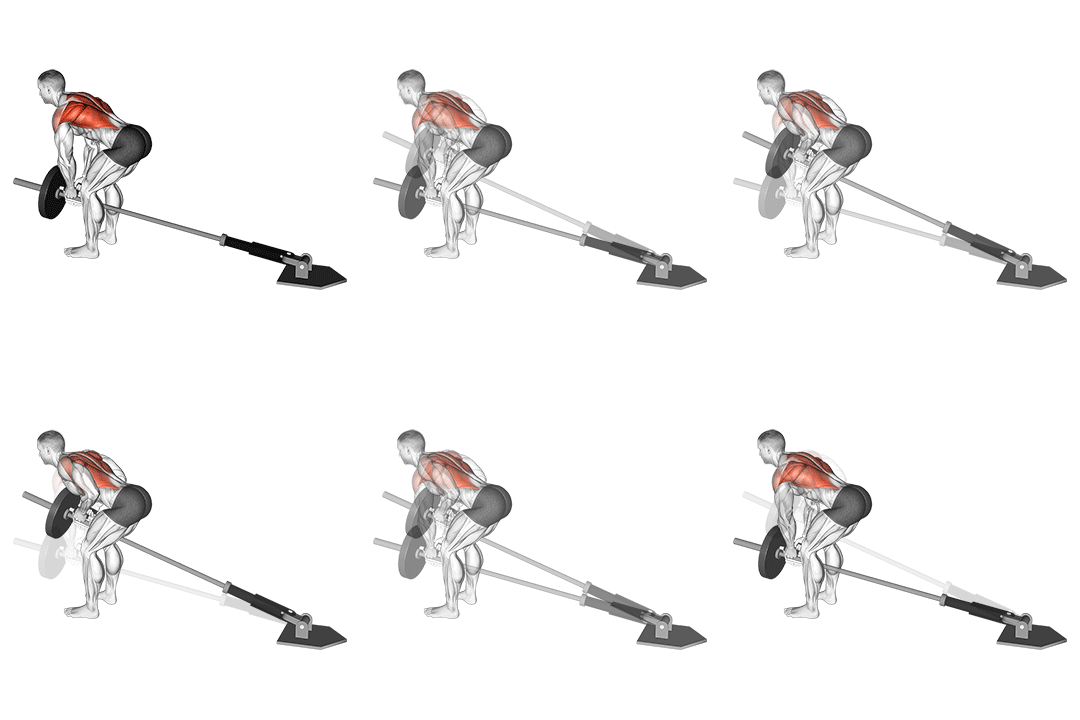
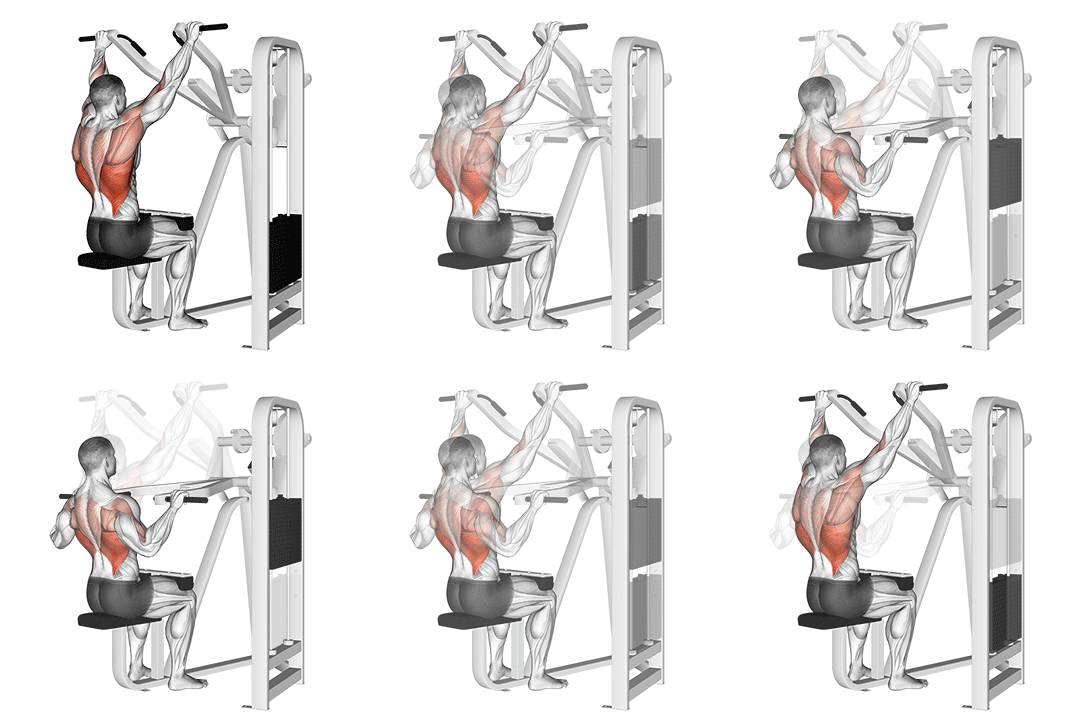
More comparisons with Assisted Standing Pull-up
Compare More Exercises
Use our free comparison tool to analyze any two exercises head-to-head.
Compare Exercises