

Assisted Standing Chin-up vs Lever Bent-over Row With V-bar: Complete Comparison Guide
Assisted Standing Chin-up vs Lever Bent-over Row With V-bar — which one should you pick for lat development? You’ll get a direct comparison of movement mechanics, muscle activation, equipment needs, and practical programming. I’ll show technique cues (joint angles, grip choices), explain how force vectors change lat loading, give rep ranges for strength and muscle growth, and recommend which to use for beginners, hypertrophy, or limited equipment setups. Read on to learn how each exercise stresses the lats, biceps, and forearms, and how to sequence them in your sessions.
Exercise Comparison
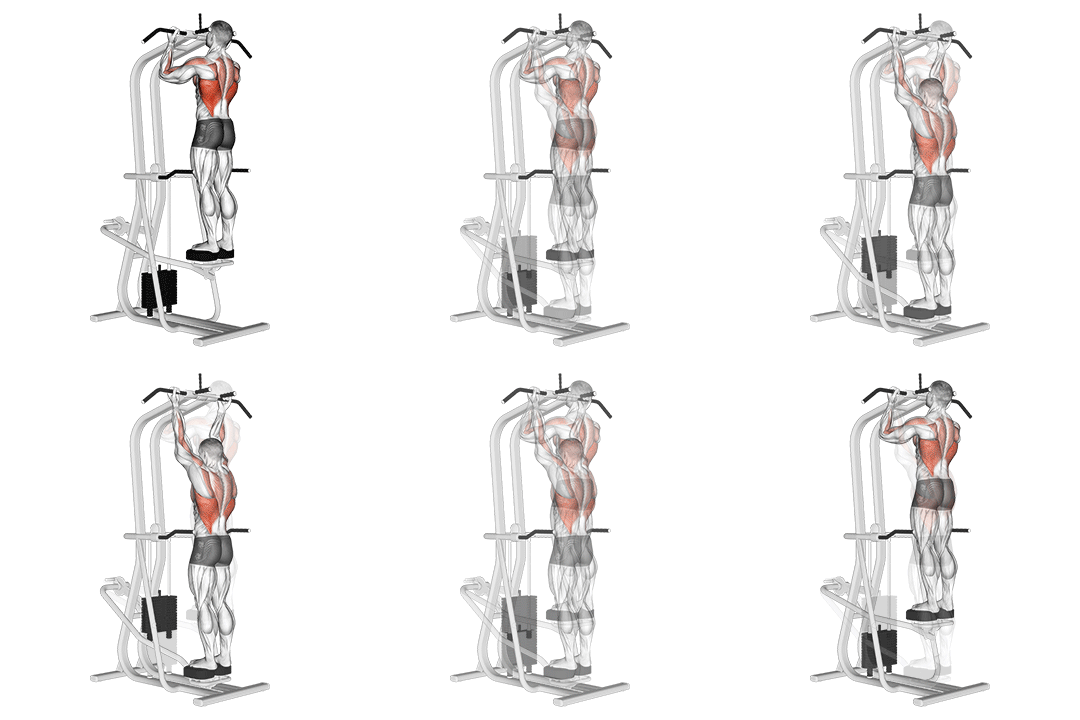
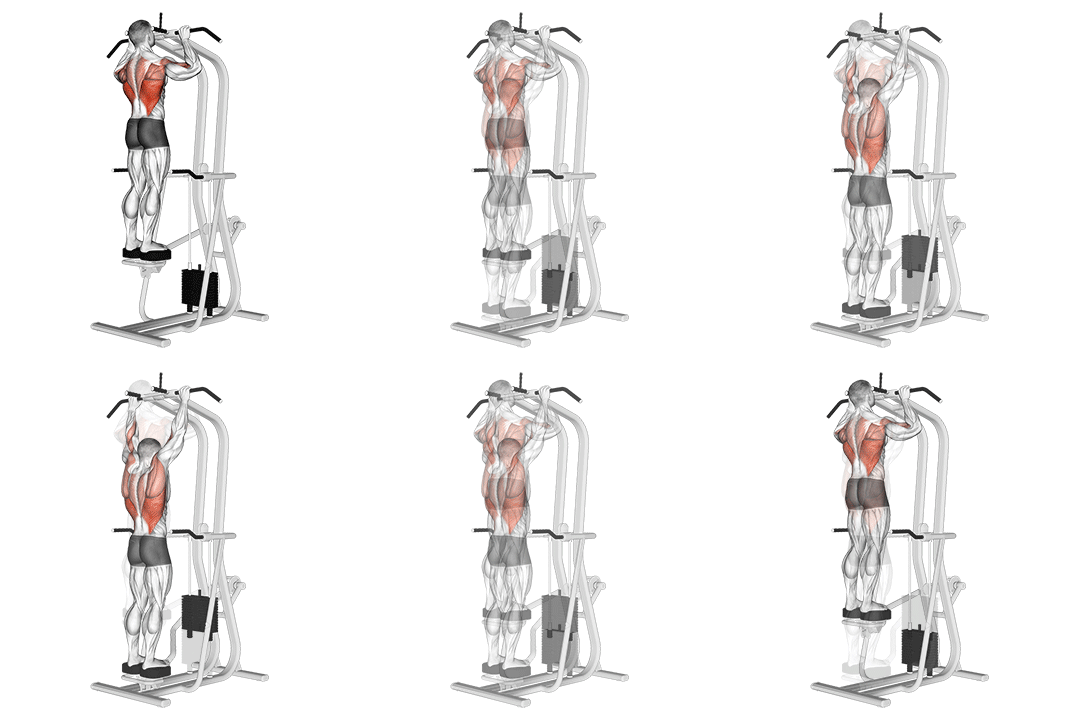
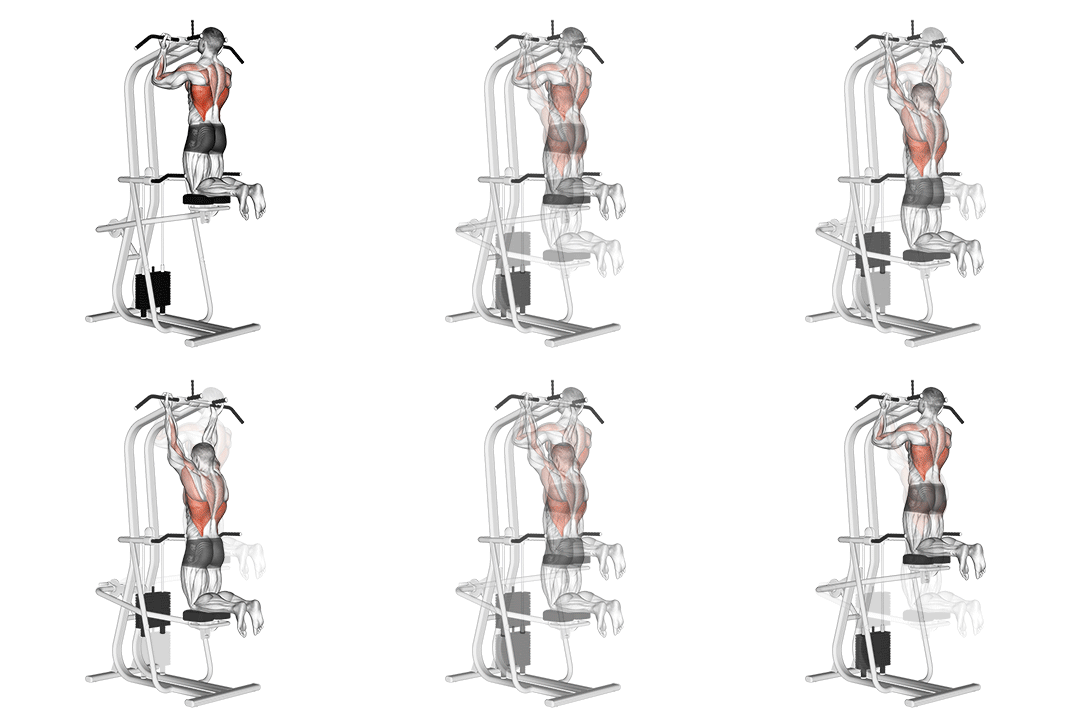
Assisted Standing Chin-up
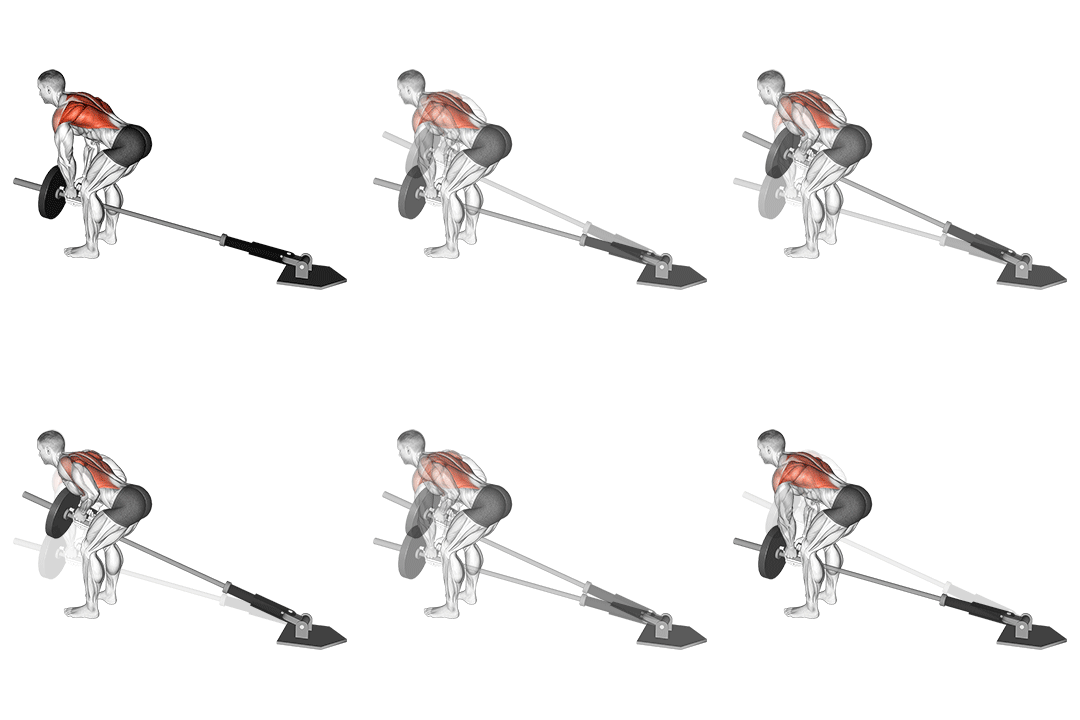
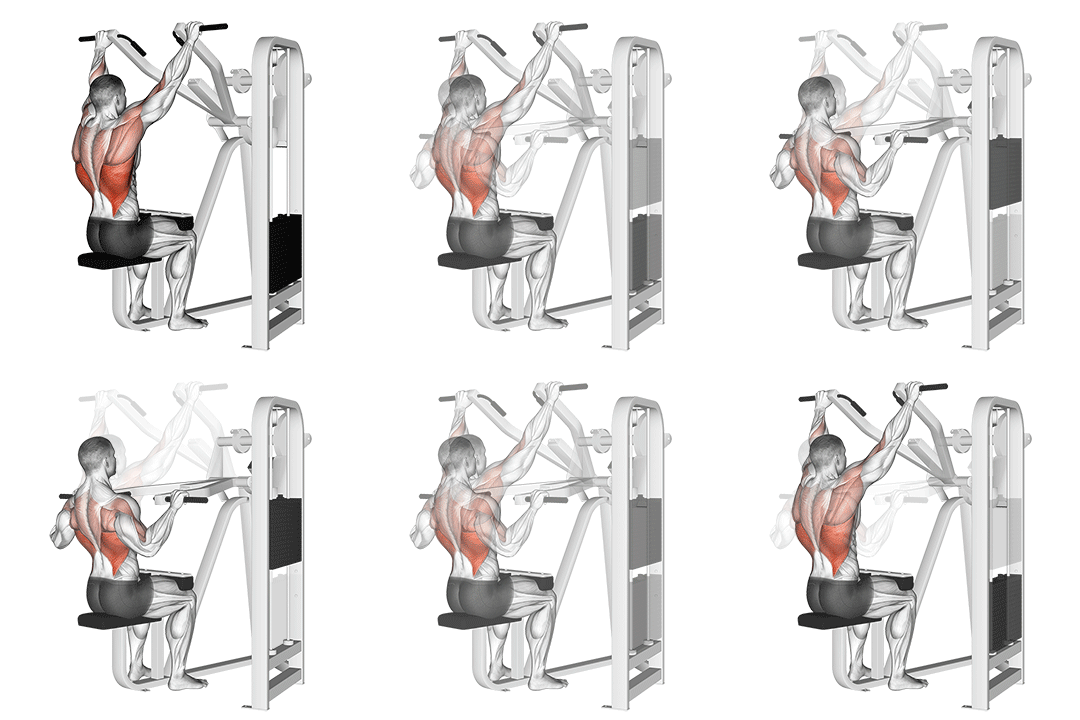
Lever Bent-over Row With V-bar
Head-to-Head Comparison
| Attribute | Assisted Standing Chin-up | Lever Bent-over Row With V-bar |
|---|---|---|
| Target Muscle |
Lats
|
Lats
|
| Body Part |
Back
|
Back
|
| Equipment |
Lever
|
Lever
|
| Difficulty |
Beginner
|
Intermediate
|
| Movement Type |
Compound
|
Compound
|
| Secondary Muscles |
2
|
2
|
Secondary Muscles Activated
Assisted Standing Chin-up
Lever Bent-over Row With V-bar
Visual Comparison
Overview
Assisted Standing Chin-up vs Lever Bent-over Row With V-bar — which one should you pick for lat development? You’ll get a direct comparison of movement mechanics, muscle activation, equipment needs, and practical programming. I’ll show technique cues (joint angles, grip choices), explain how force vectors change lat loading, give rep ranges for strength and muscle growth, and recommend which to use for beginners, hypertrophy, or limited equipment setups. Read on to learn how each exercise stresses the lats, biceps, and forearms, and how to sequence them in your sessions.
Key Differences
- Difficulty levels differ: Assisted Standing Chin-up is beginner, while Lever Bent-over Row With V-bar is intermediate.
- Both exercises target the Lats using Lever. The main differences are in their movement patterns and muscle activation angles.
Pros & Cons
Assisted Standing Chin-up
+ Pros
- Scalable assistance lets you train full ROM from day one
- Strong biceps involvement helps elbow flexor development
- Vertical pull emphasizes lats under stretch for long-head recruitment
- Easily substituted with bands or assisted stations for home use
− Cons
- Requires an assisted machine or bands to scale precisely
- Less absolute loading potential than a machine row for progressive overload
- May encourage kipping or momentum if not coached
Lever Bent-over Row With V-bar
+ Pros
- High absolute loading and fine incremental progression for strength
- Horizontal pull increases continuous mechanical tension on the lats
- V-bar narrows grip to reduce grip failure and increase back activation
- Stable lever path limits compensatory movement when set up correctly
− Cons
- Requires a specialized lever row station and V-bar attachment
- Higher demand on lumbar bracing and hip hinge control
- Steeper technical learning curve for consistent technique
When Each Exercise Wins
The horizontal force vector and ability to incrementally load plates create longer time under tension and higher mechanical tension per rep, which favors hypertrophy when programmed in 6–12 rep ranges with controlled eccentrics.
You can load the movement heavier with small weight jumps and maintain a consistent lever arm, allowing progressive overload in low-rep schemes (3–6 reps) while minimizing reliance on bodyweight.
Adjustable assistance teaches scapular control and full ROM without heavy lumbar loading; beginners can build neural patterns and biceps strength before reducing assistance or adding tempo work.
You can replicate assistance with resistance bands and a doorway pull-up bar, whereas the Lever Bent-over Row With V-bar needs a commercial lever machine and specific attachment.
Frequently Asked Questions
Can I do both Assisted Standing Chin-up and Lever Bent-over Row With V-bar in the same workout?
Yes. Pair them by doing the heavier lever rows first for 3–5 sets of 4–6 reps, then follow with assisted chin-ups for 3–4 sets of 6–12 reps to add volume and emphasis on stretched lat positions. Rest 2–3 minutes between heavy sets and 60–90 seconds for hypertrophy-focused sets.
Which exercise is better for beginners?
Assisted Standing Chin-up is better for most beginners because adjustable assistance lets you practice full-range movement and build pulling strength without taxing the lower back. Use slow eccentrics (3–4 seconds) to maximize motor learning and muscle growth.
How do the muscle activation patterns differ?
Chin-ups emphasize lats under a vertical pull, peaking around 40–60° of shoulder flexion with strong biceps contribution during the concentric. Lever bent-over rows create a horizontal vector, maintaining continuous lat tension across the mid-range while increasing posterior deltoid and rhomboid recruitment during scapular retraction.
Can Lever Bent-over Row With V-bar replace Assisted Standing Chin-up?
It can replace chin-ups for lat mass and strength because it allows heavier loading, but it won’t fully replace the vertical pull pattern that trains the lats at long muscle lengths and the specific neural pattern of pull-up strength. For complete development, program both or alternate them across cycles.
Expert Verdict
Use Assisted Standing Chin-up when you need an accessible, beginner-friendly vertical pull that reinforces scapular depression and stimulates the lats under stretch while building elbow flexor strength. Prioritize it if you lack heavy equipment or you’re working toward unassisted chin-ups. Choose the Lever Bent-over Row With V-bar when your goal is high-load progressive overload and continuous mechanical tension on the lats and posterior chain; keep the torso at 30–60° and brace the spine for safer heavy sets. For balanced development, alternate vertical and horizontal pulls across weekly sessions to hit different fiber angles and length-tension positions.
Also Compare
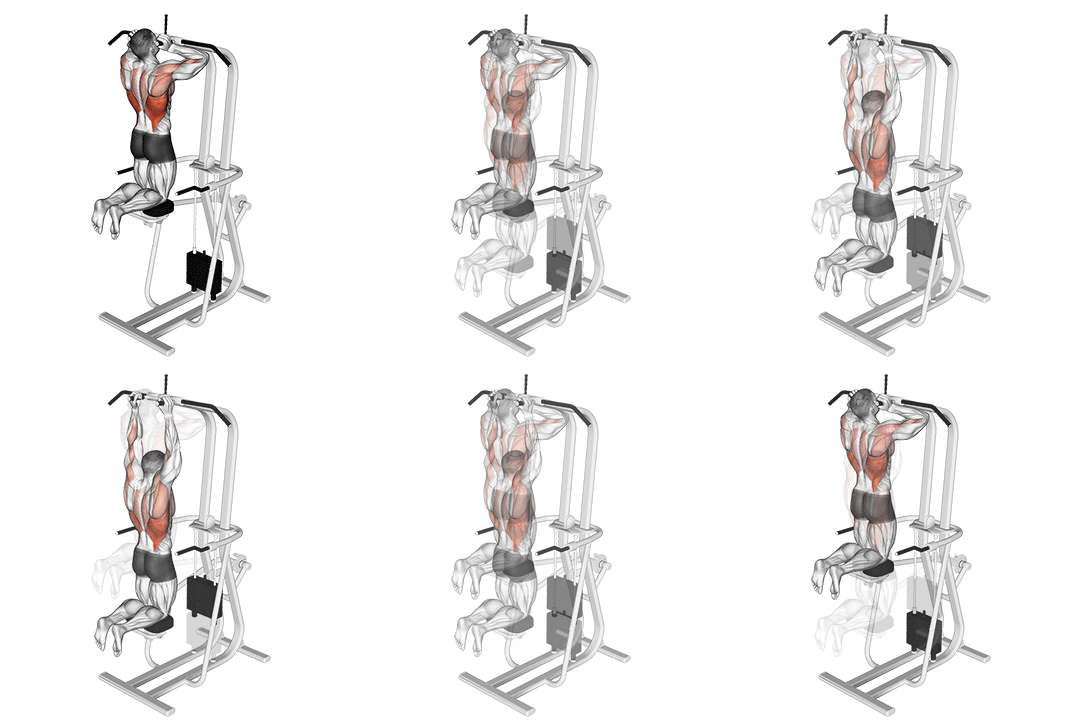
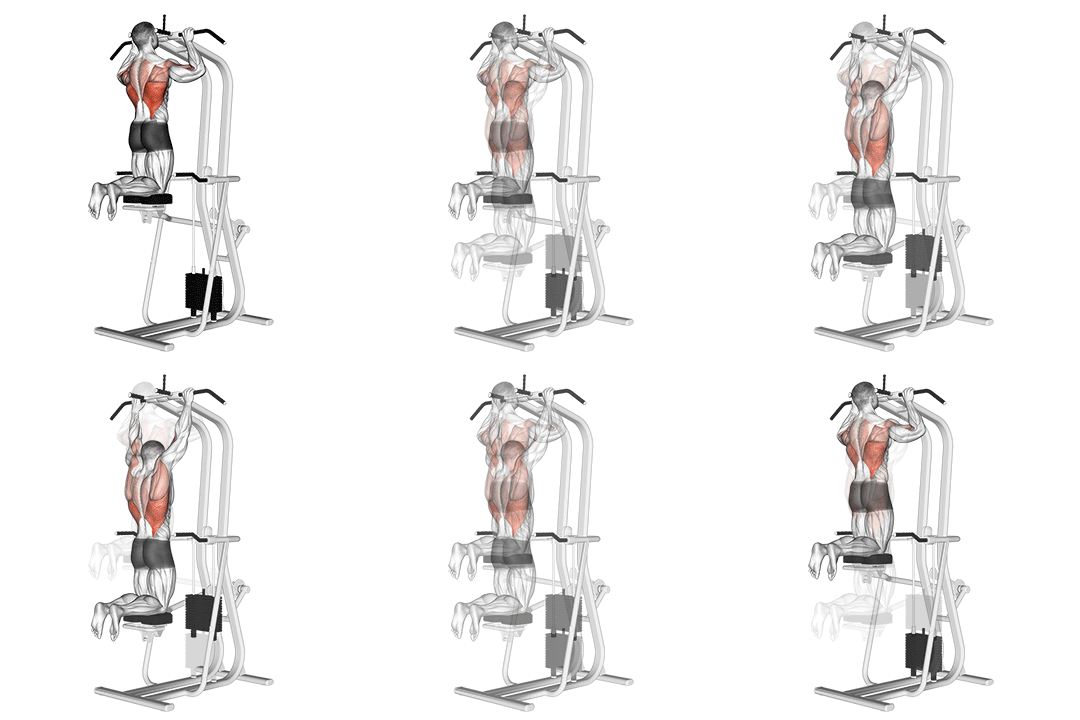
More comparisons with Assisted Standing Chin-up
More comparisons with Lever Bent-over Row With V-bar
Compare More Exercises
Use our free comparison tool to analyze any two exercises head-to-head.
Compare Exercises