

Assisted Standing Chin-up vs Lever Front Pulldown: Complete Comparison Guide
Assisted Standing Chin-up vs Lever Front Pulldown — two beginner-friendly lever exercises that both target the lats but load them differently. You’ll get clear technique cues, biomechanical reasons each movement feels different, and practical rep ranges for hypertrophy and strength. I’ll compare primary and secondary muscle activation, equipment needs, progression paths, and injury risk so you can choose the right move for your program. By the end you’ll know which exercise to prioritize for controlled lat isolation, biceps carryover, or bodyweight strength transfer.
Exercise Comparison
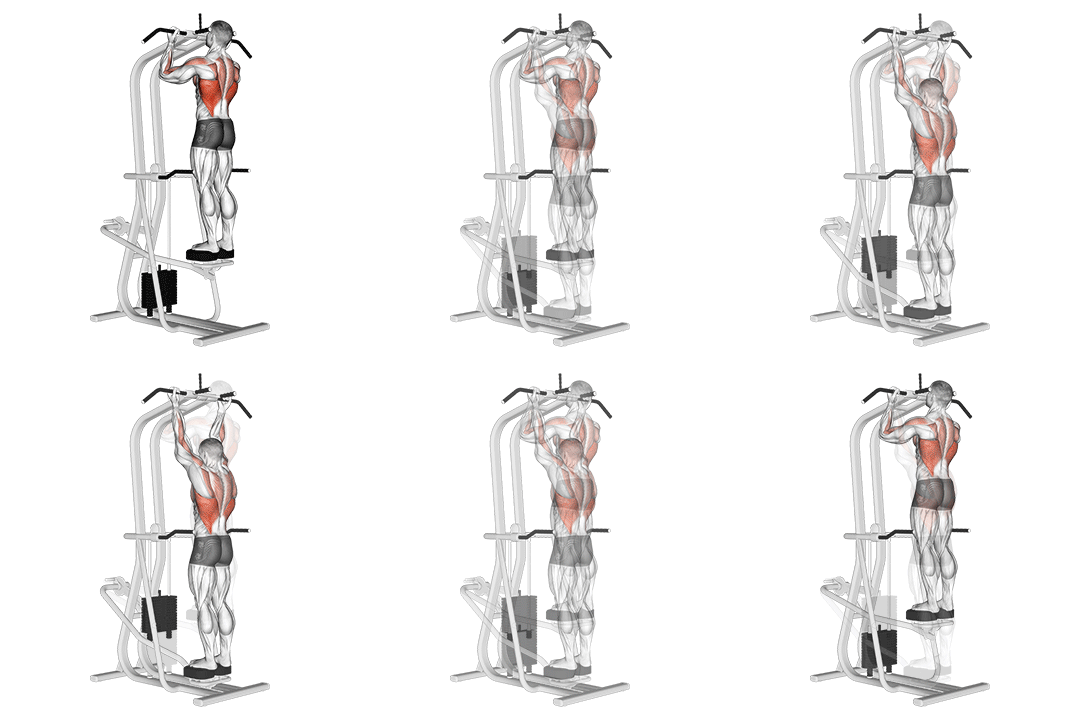
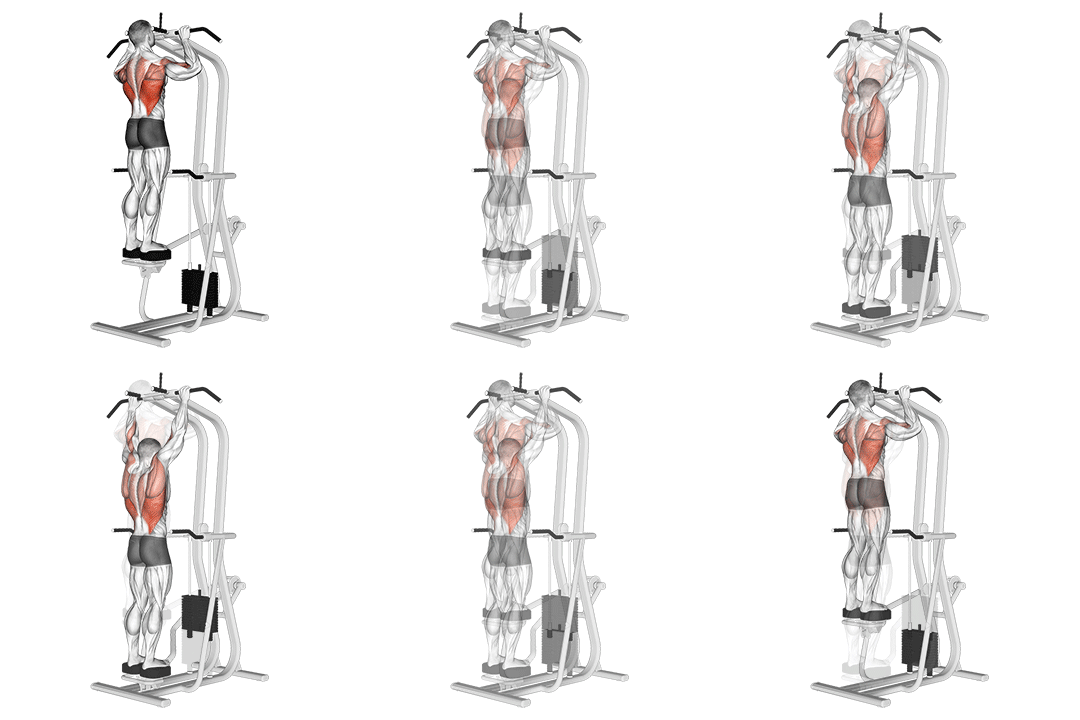
Assisted Standing Chin-up
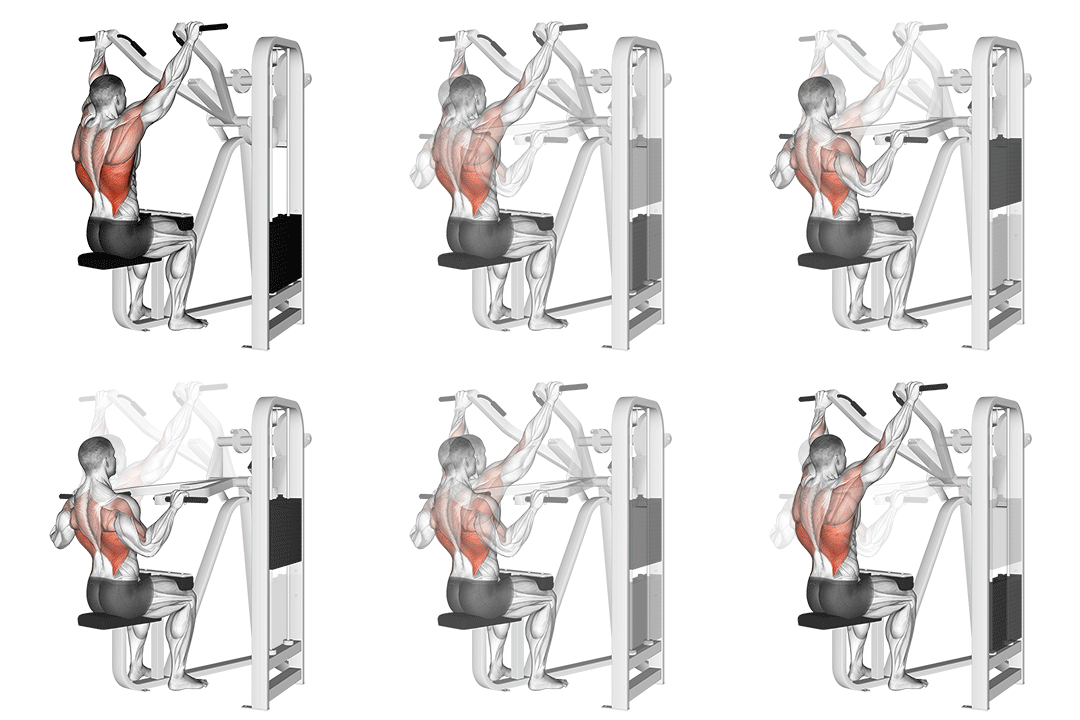
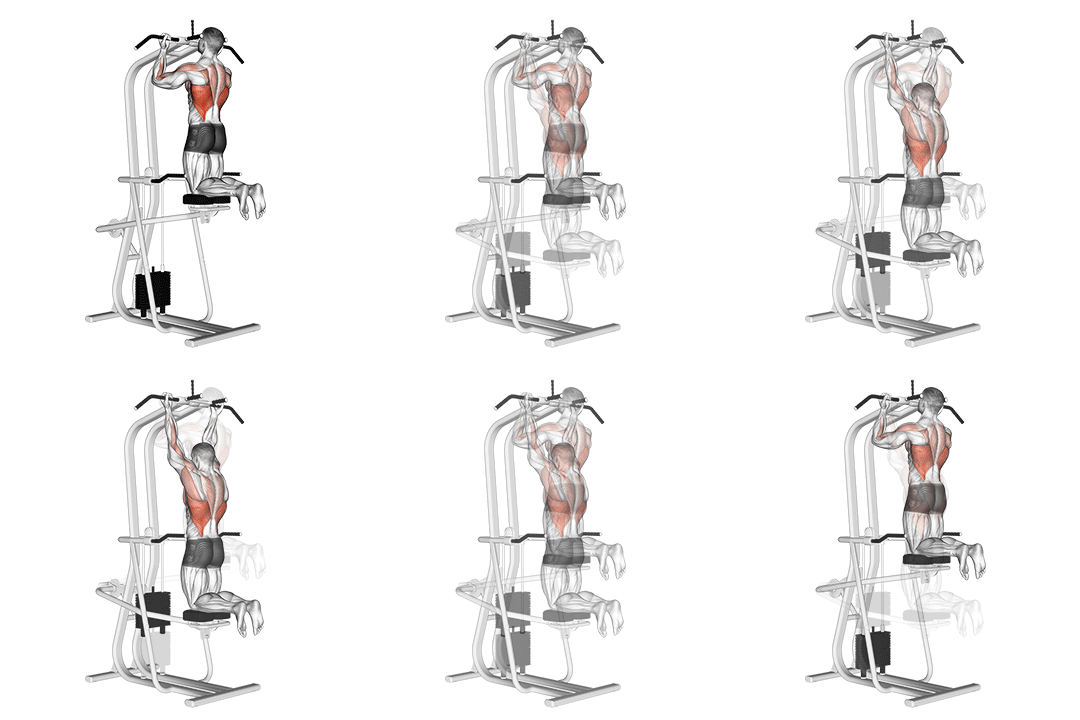
Lever Front Pulldown
Head-to-Head Comparison
| Attribute | Assisted Standing Chin-up | Lever Front Pulldown |
|---|---|---|
| Target Muscle |
Lats
|
Lats
|
| Body Part |
Back
|
Back
|
| Equipment |
Lever
|
Lever
|
| Difficulty |
Beginner
|
Beginner
|
| Movement Type |
Compound
|
Compound
|
| Secondary Muscles |
2
|
3
|
Secondary Muscles Activated
Assisted Standing Chin-up
Lever Front Pulldown
Visual Comparison
Overview
Assisted Standing Chin-up vs Lever Front Pulldown — two beginner-friendly lever exercises that both target the lats but load them differently. You’ll get clear technique cues, biomechanical reasons each movement feels different, and practical rep ranges for hypertrophy and strength. I’ll compare primary and secondary muscle activation, equipment needs, progression paths, and injury risk so you can choose the right move for your program. By the end you’ll know which exercise to prioritize for controlled lat isolation, biceps carryover, or bodyweight strength transfer.
Key Differences
- Both exercises target the Lats using Lever. The main differences are in their movement patterns and muscle activation angles.
Pros & Cons
Assisted Standing Chin-up
+ Pros
- High biceps and forearm recruitment from underhand/neutral grip
- Direct carryover to bodyweight pulling and functional strength
- Progression via reduced assistance, eccentric focus, or weighted variations
- Trains vertical pulling pattern and multi-joint coordination
− Cons
- Harder to learn scapular control and timing for beginners
- Requires a pull/assist station or creative at-home setups
- Higher technical demand increases risk of form breakdown and shoulder strain
Lever Front Pulldown
+ Pros
- Stable, supported position makes technique easier to learn
- Precise load adjustments for strict hypertrophy work (8–12 reps)
- Greater posterior shoulder (rhomboid, rear delt) recruitment
- Consistent tension through the lat’s length-tension curve
− Cons
- Fixed path limits training of stabilizer muscles and grip strength
- Less direct transfer to unassisted bodyweight pulling
- Machine path may not fit every shoulder mechanics; can feel restrictive
When Each Exercise Wins
The pulldown lets you set precise loads and maintain strict tempo for 8–12 rep ranges, maximizing time under tension. Its stable position favors lat isolation and consistent eccentric control, which supports muscle growth.
The chin-up trains the full vertical-pull movement and builds intermuscular coordination, so reducing assistance progressively improves raw pulling strength. It also requires larger motor-unit recruitment when you lower assistance or add overload.
Seated pulldowns stabilize the torso and reduce technical demands, letting you learn scapular retraction and controlled eccentrics before moving to standing or assisted chin-ups. You can safely start with 2–3 sets of 10–15 reps.
You can simulate assisted chin-ups at home with resistance bands and a doorway bar or low beam, whereas lever pulldown machines are gym-specific. Band-assisted progressions let you train vertical pulling patterns with limited equipment.
Frequently Asked Questions
Can I do both Assisted Standing Chin-up and Lever Front Pulldown in the same workout?
Yes — pair them strategically: start with the exercise matching your priority. For strength, do assisted chin-ups first (3–6 reps) and follow with 2–3 sets of pulldowns for volume (8–12 reps). Reverse the order if hypertrophy is the goal.
Which exercise is better for beginners?
Lever Front Pulldown is better initially because the seated, supported position simplifies technique and reduces compensatory movement. It lets you learn scapular retraction and tempo before progressing to assisted chin-ups.
How do the muscle activation patterns differ?
Chin-ups place more demand on elbow flexors (biceps) and forearms because of greater elbow torque, while pulldowns distribute load across posterior shoulder stabilizers (rhomboids, rear delts) via stronger scapular retraction. The pulldown also maintains lat tension through a longer controlled eccentric.
Can Lever Front Pulldown replace Assisted Standing Chin-up?
For lat hypertrophy and controlled loading, yes — pulldowns can replace chin-ups in many programs. For developing unassisted bodyweight pulling strength and biceps carryover, no — chin-ups are superior and should be included if that’s your goal.
Expert Verdict
Use Lever Front Pulldown when you want precise lat isolation, controlled tempo, and a low technical barrier—ideal for hypertrophy blocks (8–12 reps, 3–4 sets) and rehabbing shoulder mechanics through strict scapular control. Choose Assisted Standing Chin-up to build transferable pulling strength and biceps/forearm carryover; progress by reducing assistance, adding eccentric focus, or using isometrics. If you need fast strength transfer to unassisted pull-ups, prioritize chin-up progressions. If you want steady volume and exact loading for lat muscle growth, prioritize the pulldown. Rotate both across cycles to balance isolation and functional strength.
Also Compare
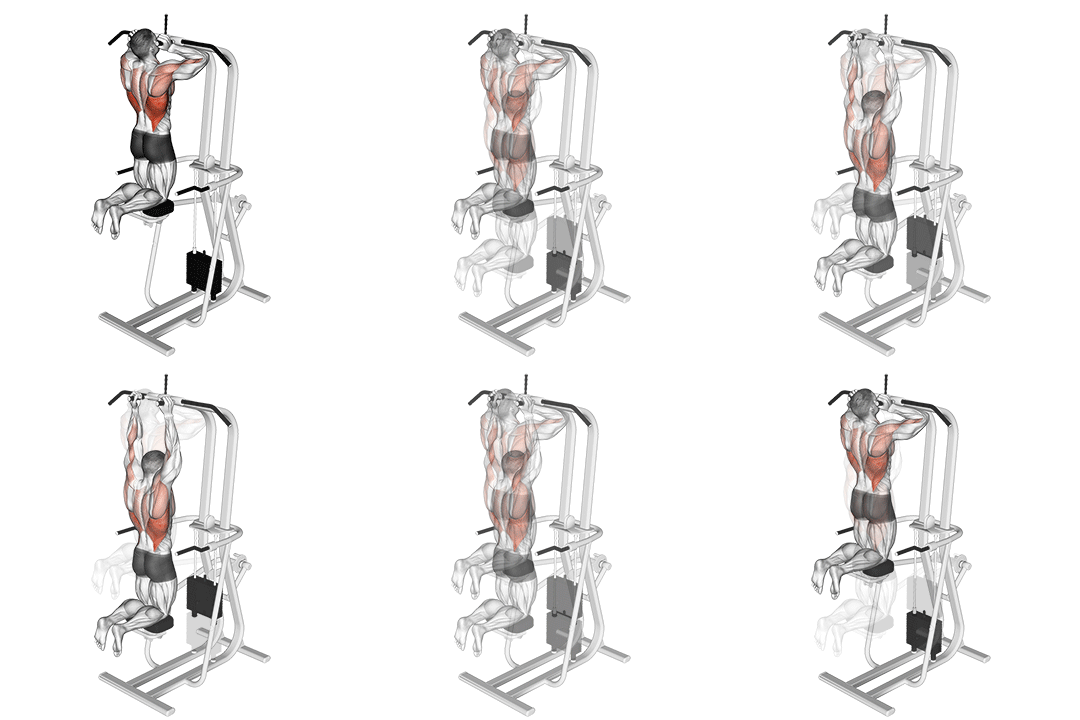
More comparisons with Assisted Standing Chin-up
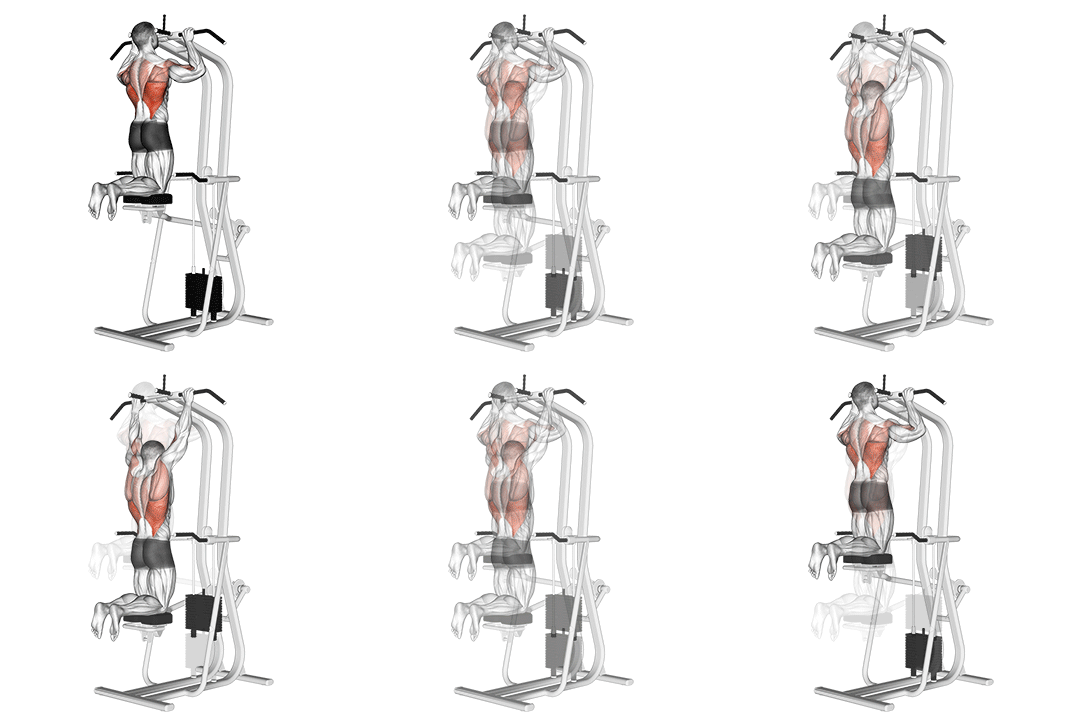
More comparisons with Lever Front Pulldown
Compare More Exercises
Use our free comparison tool to analyze any two exercises head-to-head.
Compare Exercises