

Assisted Standing Pull-up vs Lever Assisted Chin-up: Complete Comparison Guide
Assisted Standing Pull-up vs Lever Assisted Chin-up — if you want better back strength and muscle growth, you need to pick the right assisted variation. This guide gives you direct, practical advice: we compare primary and secondary muscle activation, equipment needs, difficulty and injury risk, specific technique cues, and progression options. Read on and you’ll know which exercise to use for hypertrophy, strength, or learning the unloaded pull-up. Expect clear rep ranges, biomechanical reasoning, and actionable coaching cues so you can train smarter today.
Exercise Comparison
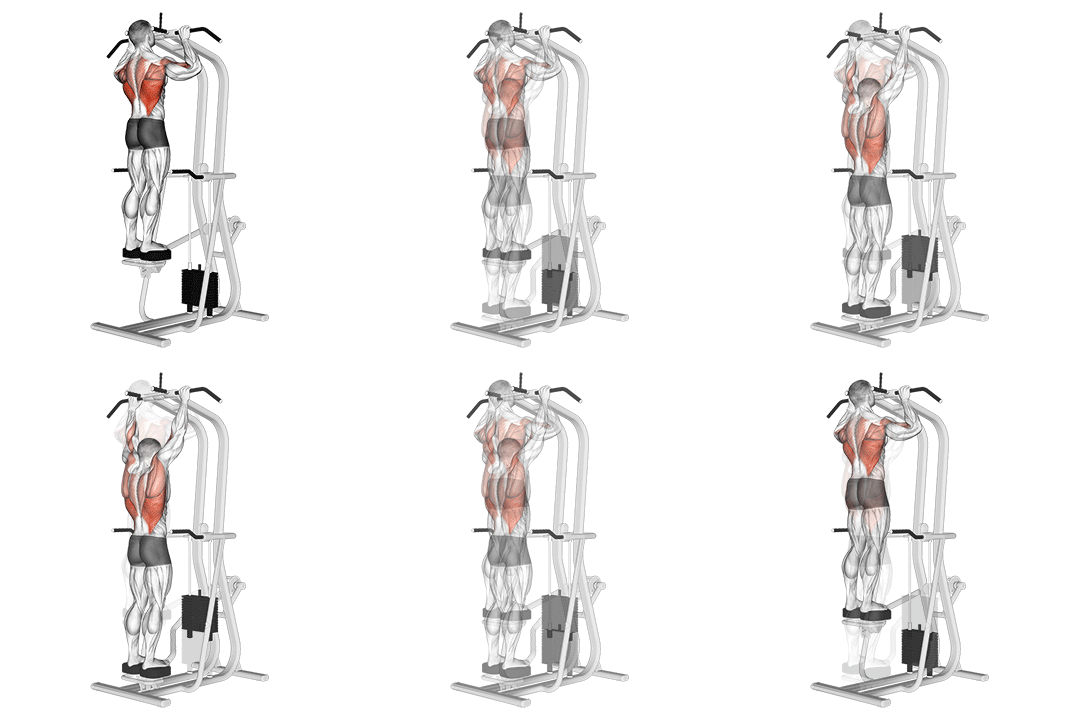
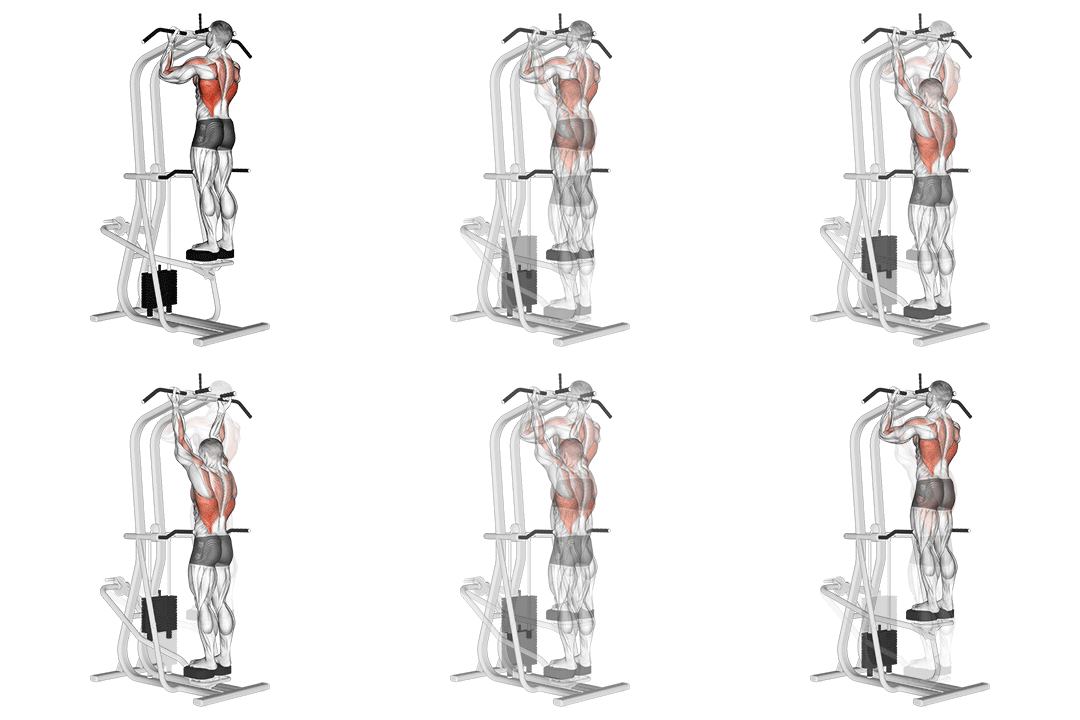
Assisted Standing Pull-up
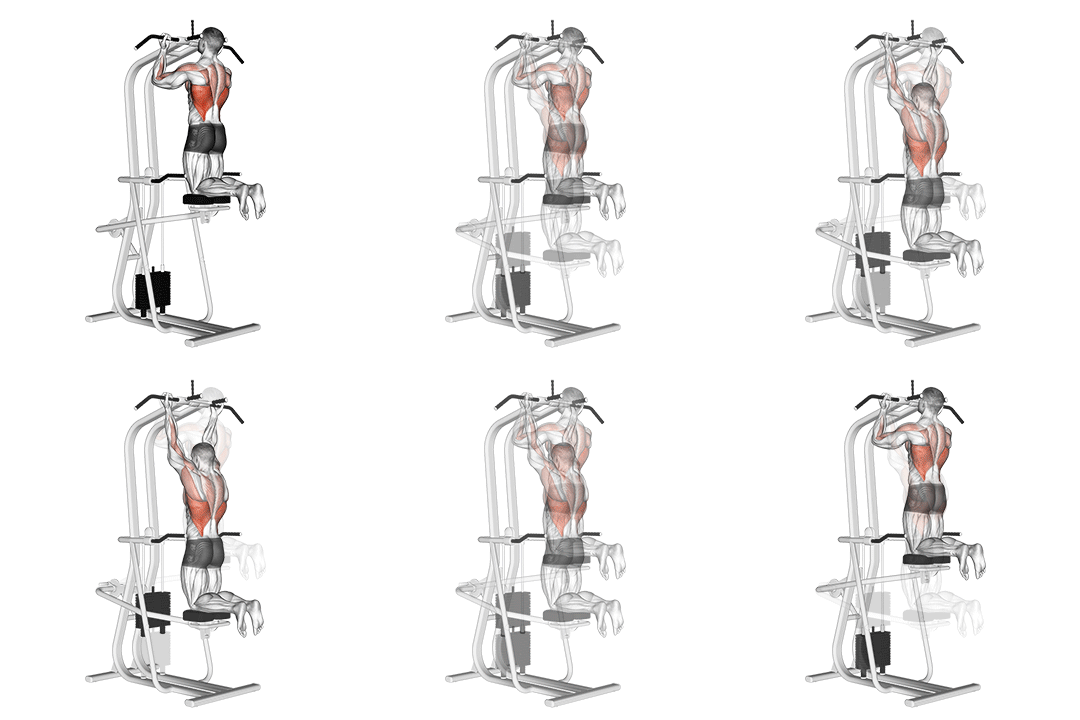
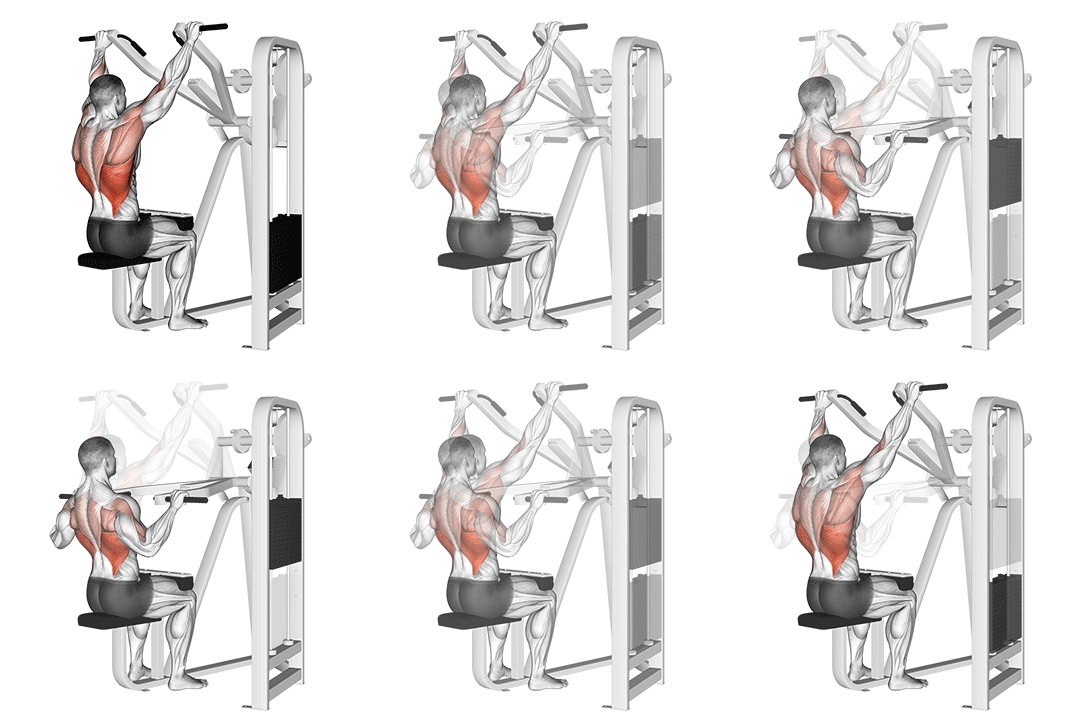
Lever Assisted Chin-up
Head-to-Head Comparison
| Attribute | Assisted Standing Pull-up | Lever Assisted Chin-up |
|---|---|---|
| Target Muscle |
Lats
|
Lats
|
| Body Part |
Back
|
Back
|
| Equipment |
Lever
|
Lever
|
| Difficulty |
Beginner
|
Beginner
|
| Movement Type |
Compound
|
Compound
|
| Secondary Muscles |
2
|
2
|
Secondary Muscles Activated
Assisted Standing Pull-up
Lever Assisted Chin-up
Visual Comparison
Overview
Assisted Standing Pull-up vs Lever Assisted Chin-up — if you want better back strength and muscle growth, you need to pick the right assisted variation. This guide gives you direct, practical advice: we compare primary and secondary muscle activation, equipment needs, difficulty and injury risk, specific technique cues, and progression options. Read on and you’ll know which exercise to use for hypertrophy, strength, or learning the unloaded pull-up. Expect clear rep ranges, biomechanical reasoning, and actionable coaching cues so you can train smarter today.
Key Differences
- Both exercises target the Lats using Lever. The main differences are in their movement patterns and muscle activation angles.
Pros & Cons
Assisted Standing Pull-up
+ Pros
- Direct lat emphasis with strong scapular retraction cues
- Easy to progress to strict pull-ups by reducing assistance and increasing eccentric control
- Requires minimal specialized attachments if you can set up bands or a lever with foot support
- Better carryover for shoulder-blade control and posture through the concentric
− Cons
- May be harder to get precise incremental resistance without a machine
- If performed with poor technique, can load posterior shoulder structures excessively
- Less biceps assistance, which can limit rep count for some lifters
Lever Assisted Chin-up
+ Pros
- Higher biceps recruitment helps you do more reps and maintain tempo
- Precise counterweight adjustments make loading progressive and repeatable
- Beginner-friendly because you can remove large percent of bodyweight
- Good for building elbow-flexor strength alongside lats
− Cons
- Supinated grip can increase elbow/biceps tendon stress for some lifters
- Slightly less emphasis on scapular retraction mechanics
- Over-reliance on biceps can reduce pure lat stimulus if you don’t cue shoulder positioning
When Each Exercise Wins
The supinated grip increases biceps contribution, letting you accumulate higher volume in the 6–12 rep hypertrophy range with controlled tempo. The ability to precisely reduce assistance also helps maintain time under tension for each set.
Pull-up mechanics force stronger scapular retraction and lat-driven shoulder extension, which transfer better to strict unassisted pull-ups and heavy weighted variations in the 3–6 rep range.
Counterweight machines let you remove large chunks of bodyweight and practice full ROM with stable technique, speeding up motor control and confidence in the pull pattern.
You can replicate the standing assisted pull-up with resistance bands, a low bar, or a DIY lever more easily than a dedicated assisted machine, making it more practical for limited-home setups.
Frequently Asked Questions
Can I do both Assisted Standing Pull-up and Lever Assisted Chin-up in the same workout?
Yes — pairing them works well: use the lever chin-up for a higher-volume or warm-up set to pre-exhaust biceps and then hit assisted standing pull-ups for heavier, lower-rep sets that target lat strength and scapular control. Keep total volume sensible: for hypertrophy 12–20 total working reps per movement is a good target.
Which exercise is better for beginners?
Lever Assisted Chin-up is generally better for beginners because adjustable counterweights allow precise reductions in load and help you practice full ROM and tempo without failing early. That stability shortens the learning curve for the pulling pattern.
How do the muscle activation patterns differ?
Activation timing shifts: chin-ups produce higher elbow-flexor (biceps) activity through the mid-to-late concentric due to forearm supination and favorable length-tension. Pull-ups emphasize early scapular depression/retraction and lateral force from the lats, changing where peak lat activity occurs across the ROM.
Can Lever Assisted Chin-up replace Assisted Standing Pull-up?
Lever Assisted Chin-up can substitute when you need precise assistance and higher-volume work, but it won’t fully replace the scapular and lat-specific demands of the assisted standing pull-up. For balanced back development, rotate both into your program based on your current weak points.
Expert Verdict
Both assisted variations build the lats effectively, but use them for different priorities. Choose Lever Assisted Chin-up if you need easier loading steps, higher rep volume (6–12 reps), and extra biceps involvement — it’s the faster route for early hypertrophy and confidence. Choose Assisted Standing Pull-up if your goal is strict pull-up strength, better scapular control, and transfer to weighted or unassisted pull-ups; work in heavy sets of 3–6 and controlled eccentrics (2–4s) as you reduce assistance. Train both across cycles: prioritize one for 6–8 weeks then switch to address weaknesses and balance muscle development.
Also Compare
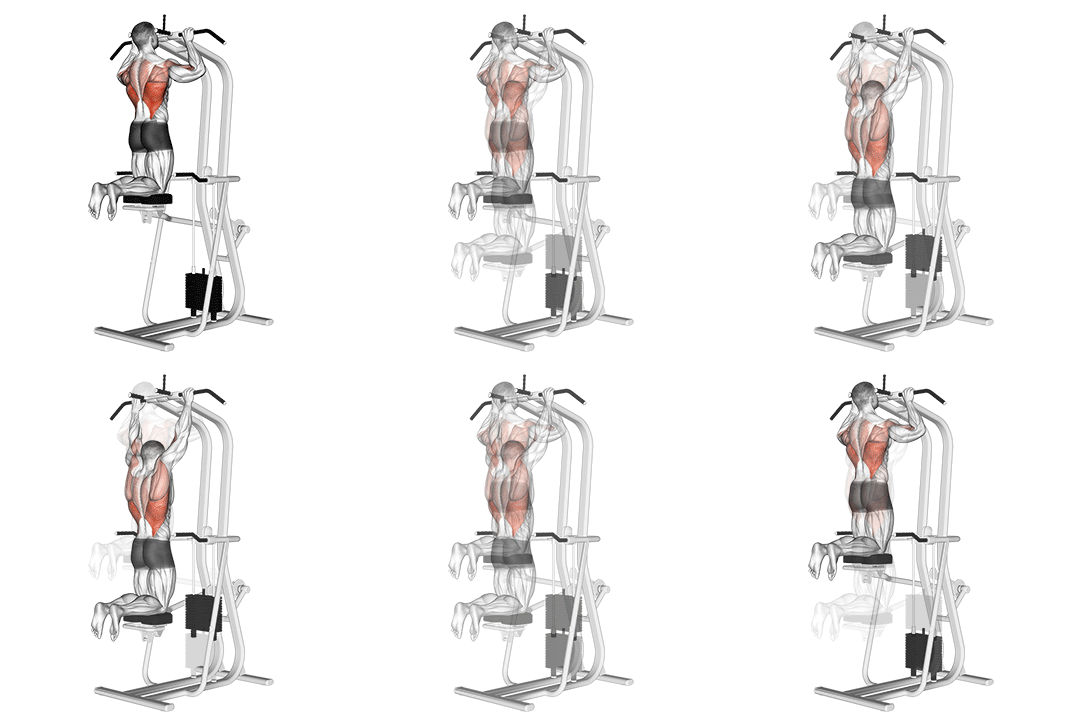
More comparisons with Assisted Standing Pull-up
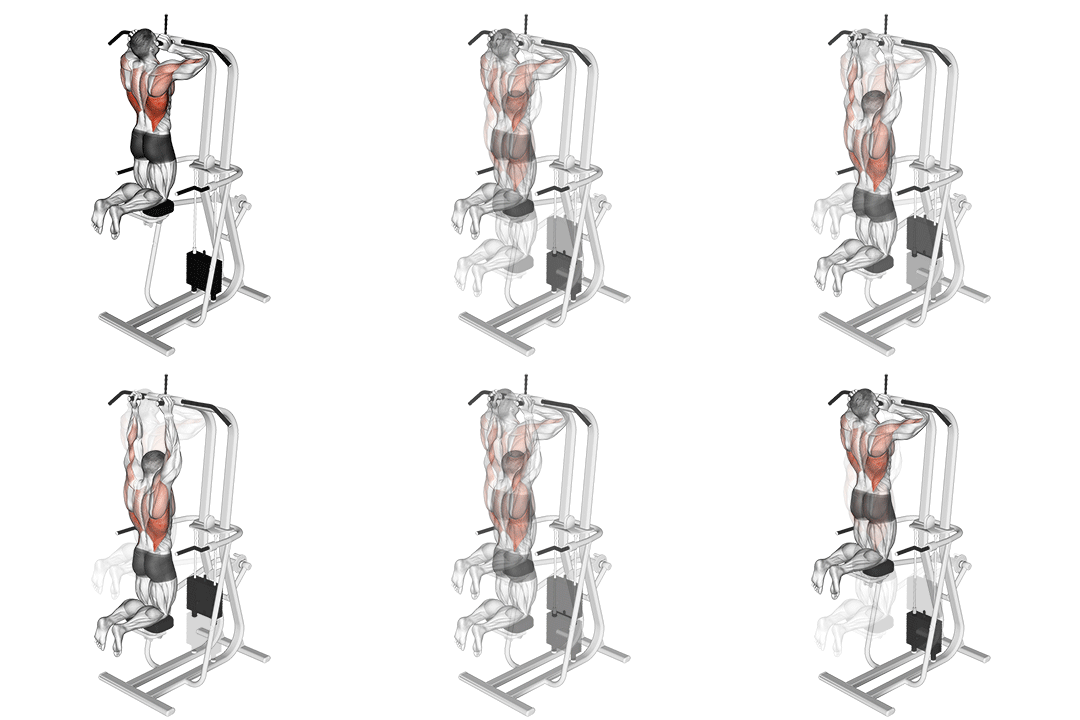
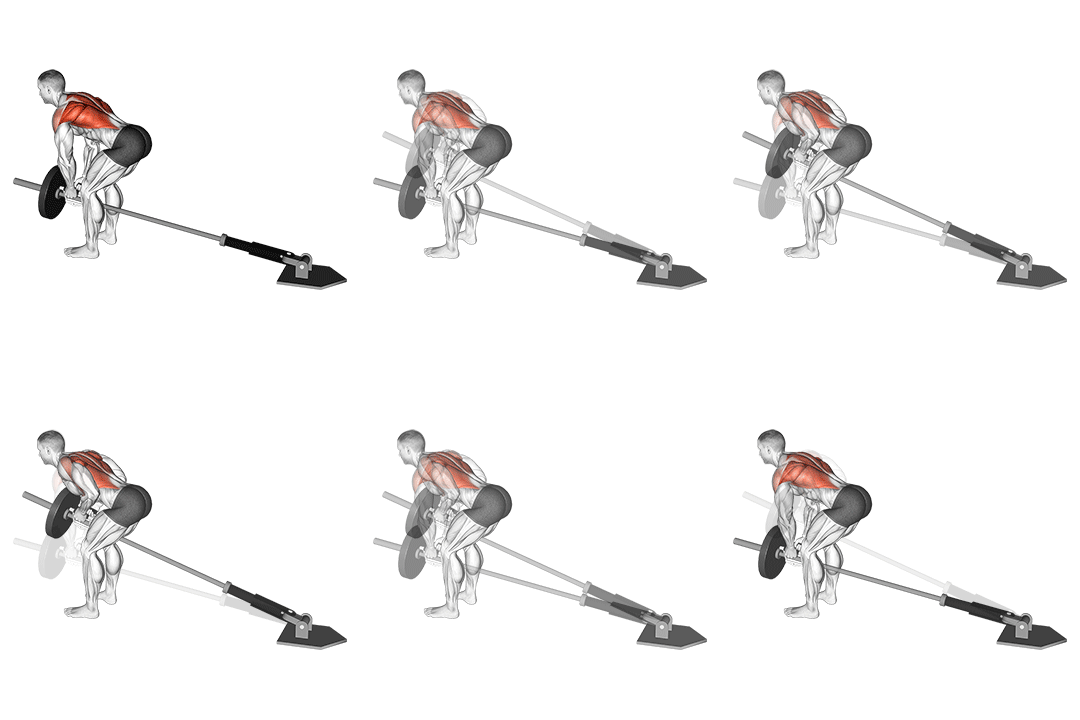
More comparisons with Lever Assisted Chin-up
Compare More Exercises
Use our free comparison tool to analyze any two exercises head-to-head.
Compare Exercises