

Assisted Standing Pull-up vs Lever Bent-over Row With V-bar: Complete Comparison Guide
Assisted Standing Pull-up vs Lever Bent-over Row With V-bar is a practical matchup if you want a stronger, thicker back. You and I will compare mechanics, muscle activation, equipment needs, and progression paths so you can pick the move that matches your goals. I’ll show technique cues (scapular set, torso angle, grip width), outline rep ranges for hypertrophy and strength, and tell you which exercise to prioritize for vertical versus horizontal pulling capacity. Read on to get clear recommendations and quick programming tips you can use in your next session.
Exercise Comparison
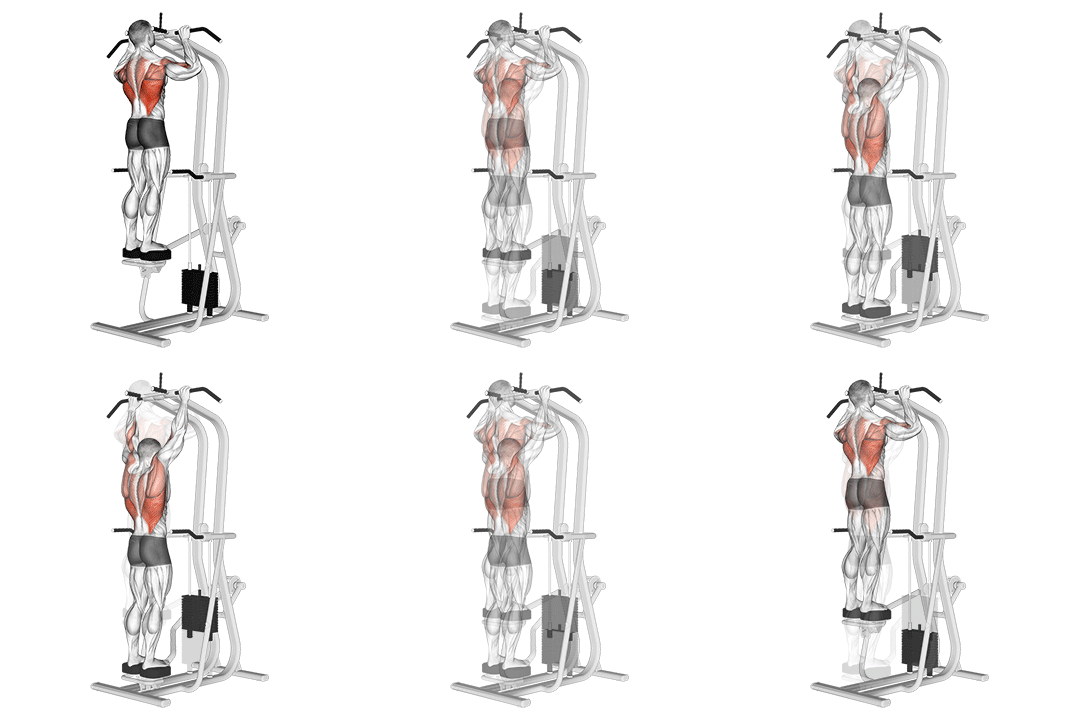
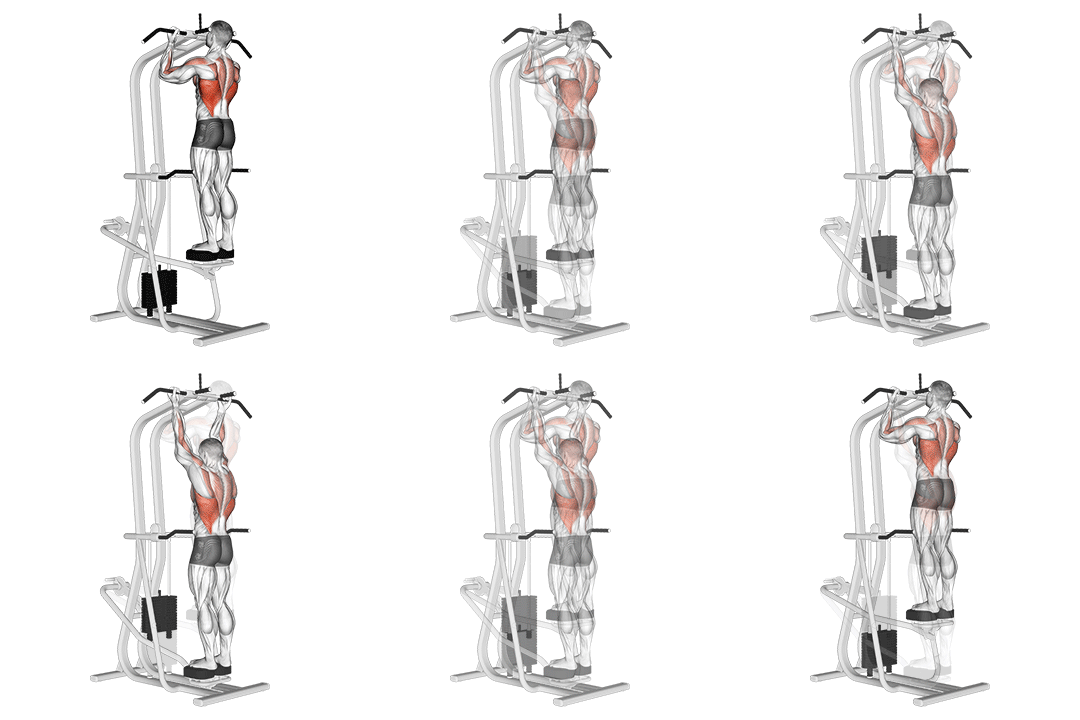
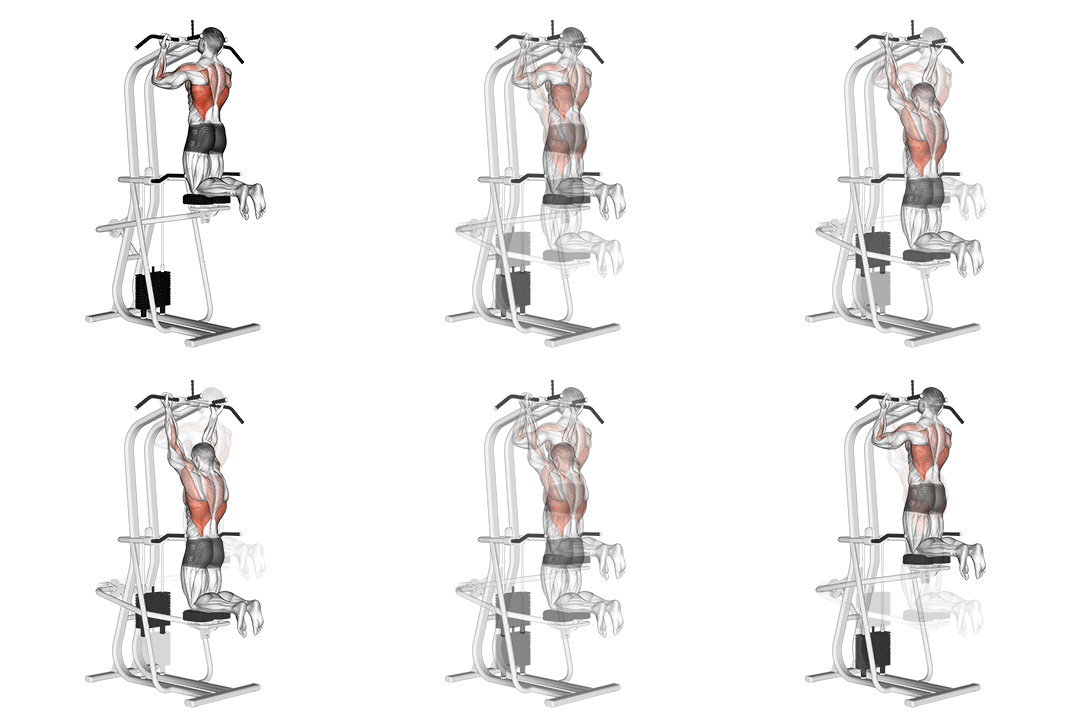
Assisted Standing Pull-up
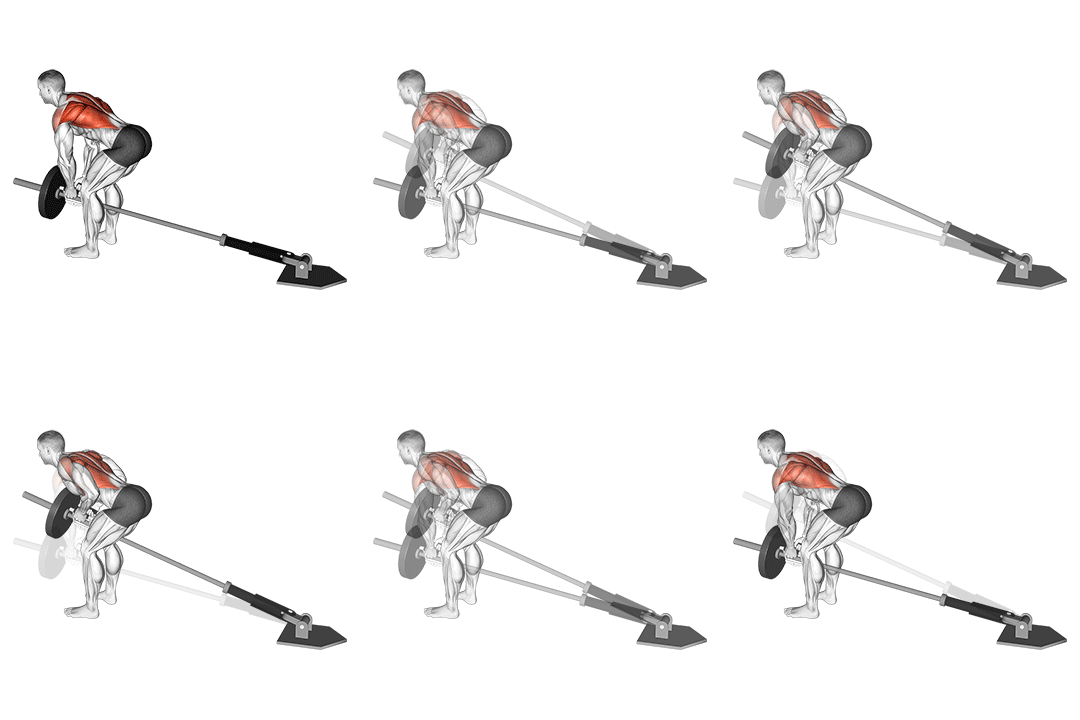
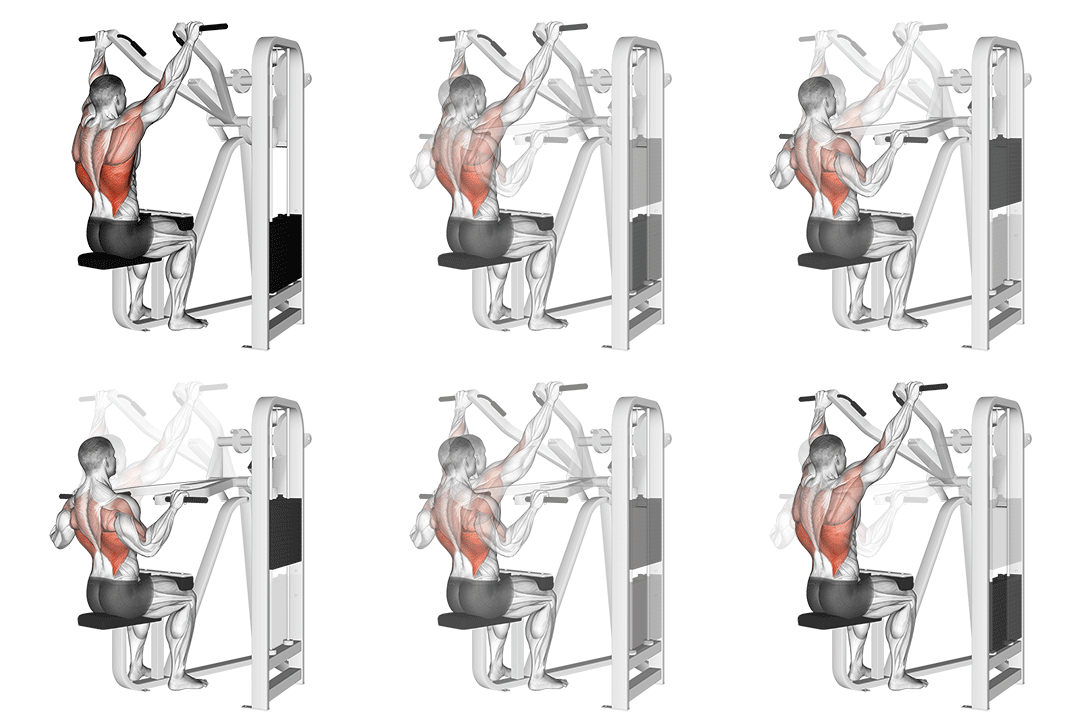
Lever Bent-over Row With V-bar
Head-to-Head Comparison
| Attribute | Assisted Standing Pull-up | Lever Bent-over Row With V-bar |
|---|---|---|
| Target Muscle |
Lats
|
Lats
|
| Body Part |
Back
|
Back
|
| Equipment |
Lever
|
Lever
|
| Difficulty |
Beginner
|
Intermediate
|
| Movement Type |
Compound
|
Compound
|
| Secondary Muscles |
2
|
2
|
Secondary Muscles Activated
Assisted Standing Pull-up
Lever Bent-over Row With V-bar
Visual Comparison
Overview
Assisted Standing Pull-up vs Lever Bent-over Row With V-bar is a practical matchup if you want a stronger, thicker back. You and I will compare mechanics, muscle activation, equipment needs, and progression paths so you can pick the move that matches your goals. I’ll show technique cues (scapular set, torso angle, grip width), outline rep ranges for hypertrophy and strength, and tell you which exercise to prioritize for vertical versus horizontal pulling capacity. Read on to get clear recommendations and quick programming tips you can use in your next session.
Key Differences
- Difficulty levels differ: Assisted Standing Pull-up is beginner, while Lever Bent-over Row With V-bar is intermediate.
- Both exercises target the Lats using Lever. The main differences are in their movement patterns and muscle activation angles.
Pros & Cons
Assisted Standing Pull-up
+ Pros
- Scalable assistance allows practice of full-ROM vertical pulling from day one
- Emphasizes lat stretch and long-axis lat activation for top-end development
- Lower axial spinal load than heavy bent-over rows
- Transfers directly to unassisted pull-up strength and vertical pulling capacity
− Cons
- Requires a machine or bands to replicate assistance effectively
- Less capacity for heavy, incremental loading compared to machine rows
- Can stress shoulders if scapular control and thoracic extension are poor
Lever Bent-over Row With V-bar
+ Pros
- Allows precise progressive overload with heavier absolute loads
- Strong mid-range lat tension and excellent time-under-tension for hypertrophy
- Built-in stabilization demands enhance posterior chain control
- V-bar grip reduces biceps dominance and focuses force through the lats
− Cons
- Requires specific machine or attachment that not all gyms have
- Higher lumbar demand—technique breakdown increases injury risk
- Harder for true beginners to groove the horizontal pulling pattern
When Each Exercise Wins
The V-bar row allows heavier, controlled loading and consistent time-under-tension in the lat mid-range. Its horizontal force vector and ability to add small weight increments make progressive overload and 6–12 rep hypertrophy work practical.
Rows permit larger absolute loads and safer incremental increases, recruiting stabilizers under high tension. For increasing pulling strength across heavier loads, the mechanical advantage and loading options on the lever row are superior.
Assisted pull-ups let beginners train full ROM with reduced load, practice scapular set and coordinated shoulder depression, and progress by dialing assistance down in small increments to build reliable technique.
Assisted pull-ups can be replicated with bands, doorway bars, or partner assistance and require minimal bulky equipment. Lever V-bar rows need a machine or large setup that most home gyms lack.
Frequently Asked Questions
Can I do both Assisted Standing Pull-up and Lever Bent-over Row With V-bar in the same workout?
Yes. Pair them intelligently: start with the lever V-bar row for heavy sets and maximal loading (3–5 working sets), then use assisted pull-ups for higher-rep technical practice or to target the lat stretch (2–4 sets of 6–12). This orders work from higher systemic demand to technical reinforcement and reduces fatigue-related form breakdown.
Which exercise is better for beginners?
Assisted Standing Pull-up is better for most beginners because assistance reduces load while you learn scapular control, proper shoulder mechanics, and the vertical pulling path. It lets you train full ROM safely before progressing to heavier horizontal rows.
How do the muscle activation patterns differ?
The assisted pull-up emphasizes lat activation at longer muscle lengths with peak tension near full shoulder extension and more elbow flexor involvement as you pull. The V-bar row produces peak lat tension in the mid-range of shoulder extension with stronger scapular retraction and trunk stabilization demands, shifting some load away from the biceps toward the posterior deltoids and rhomboids.
Can Lever Bent-over Row With V-bar replace Assisted Standing Pull-up?
It can replace assisted pull-ups for lat hypertrophy and general back strength, but not for training vertical pulling skill or unassisted pull-up progression. If your goal is to improve pull-up ability specifically, keep assisted vertical work in your program alongside rows.
Expert Verdict
Use Assisted Standing Pull-up when your priority is learning the vertical pulling pattern, building unassisted pull-up capacity, or reducing axial spine load—especially if you’re a beginner or training at home. Focus on deliberate scapular depression, full shoulder extension, and 6–12 rep sets with progressive reduction in assistance. Choose Lever Bent-over Row With V-bar when you want heavy, controlled overload to drive lat hypertrophy and raw pulling strength; keep torso at roughly 30–50 degrees, maintain a neutral spine, and use 4–8 heavy sets for strength or 6–12 sets for size. Both have a place: sequence rows earlier in a workout for load capacity, and use assisted pull-ups later to reinforce vertical technique and range of motion.
Also Compare
More comparisons with Assisted Standing Pull-up
More comparisons with Lever Bent-over Row With V-bar
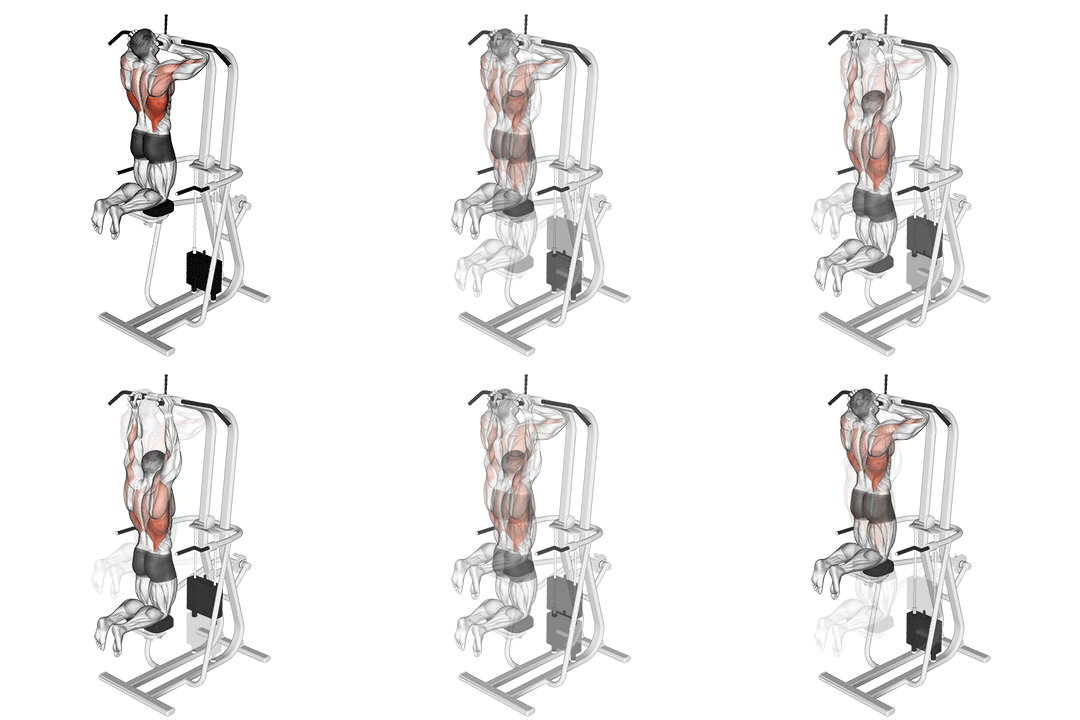
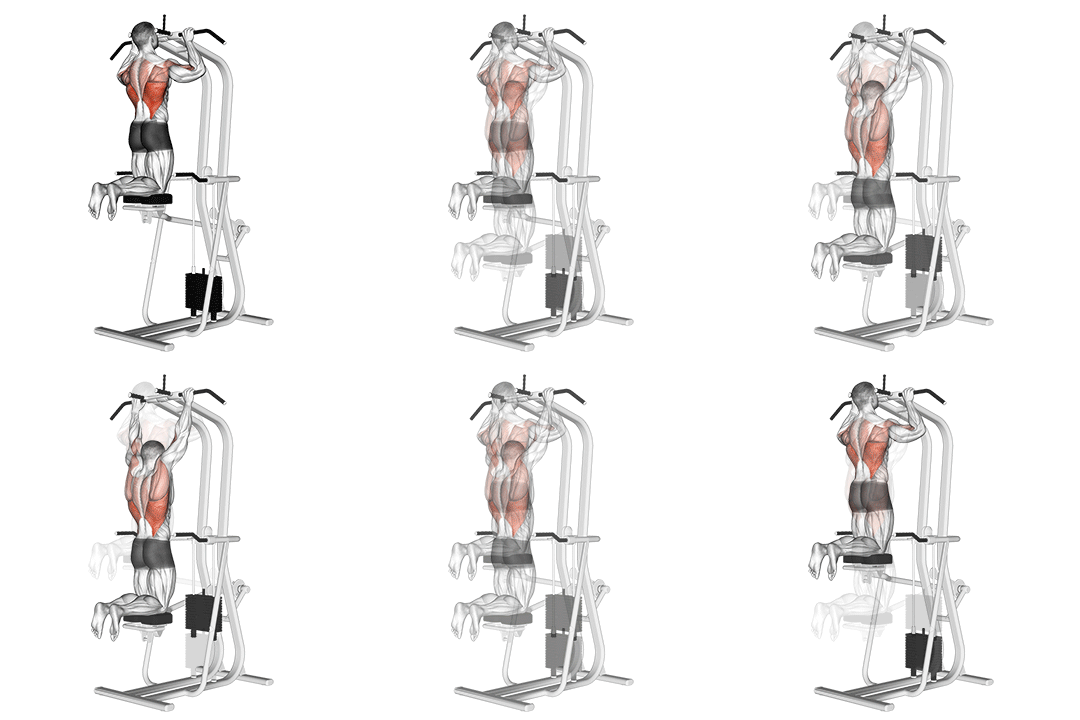
Compare More Exercises
Use our free comparison tool to analyze any two exercises head-to-head.
Compare Exercises