

Assisted Standing Pull-up vs Lever Front Pulldown: Complete Comparison Guide
Assisted Standing Pull-up vs Lever Front Pulldown — if you're after a wider, stronger back you need a clear pick. In this guide I'll walk you through how each exercise loads the latissimus dorsi, the secondary muscles each recruits, technique cues, equipment needs, progression options, and injury considerations. You'll get specific rep ranges (strength 4–6, hypertrophy 6–12, endurance 12–20), angle and range-of-motion notes, and a decisive recommendation for muscle growth, strength, beginners, and home workouts so you can choose the right movement for your goals.
Exercise Comparison
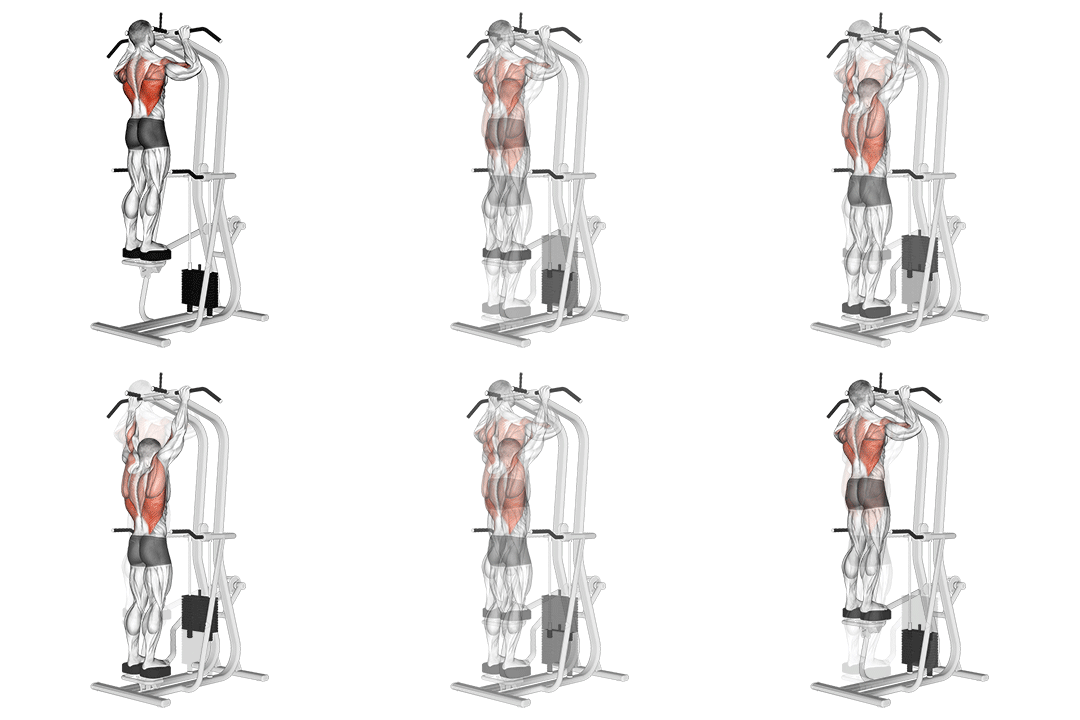
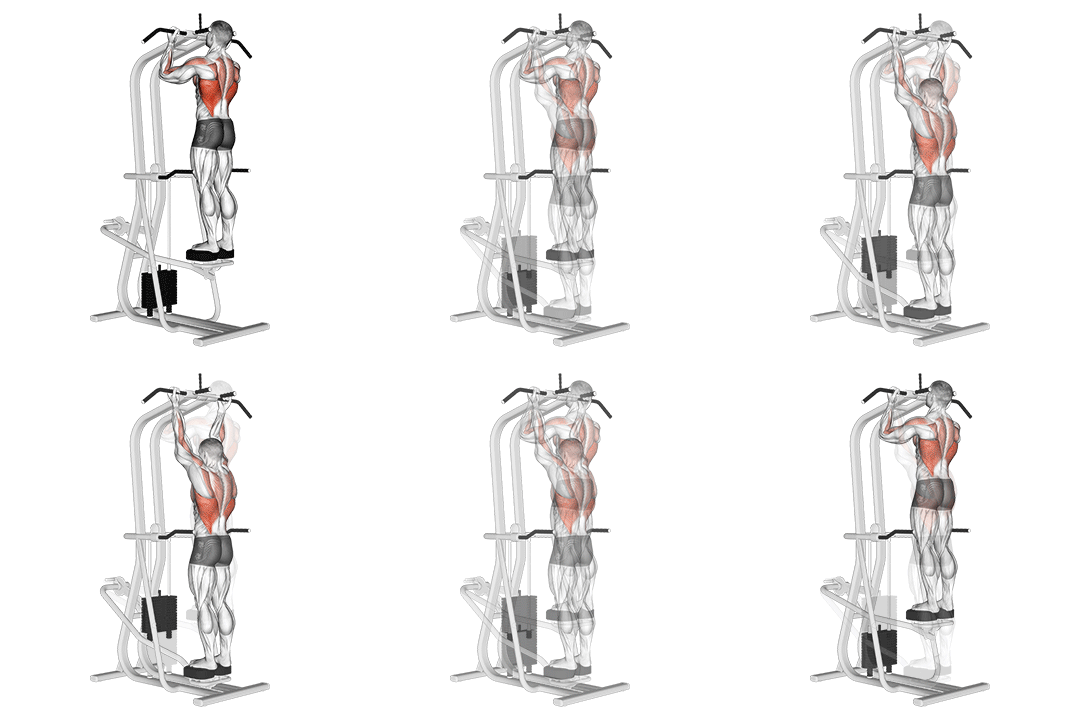
Assisted Standing Pull-up
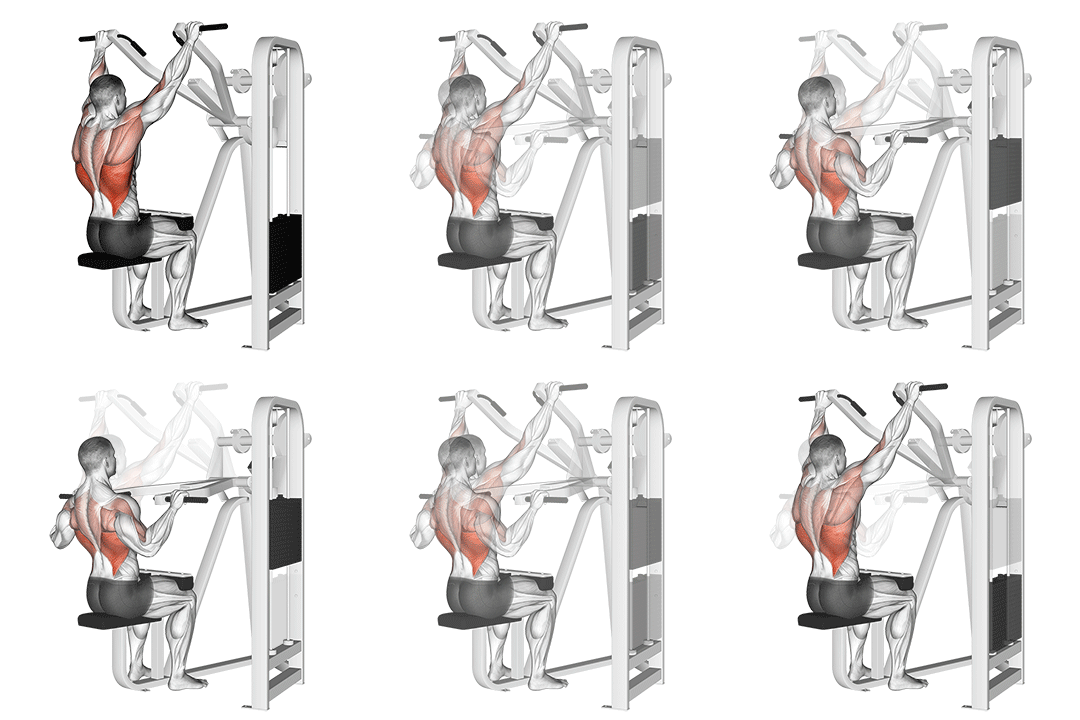
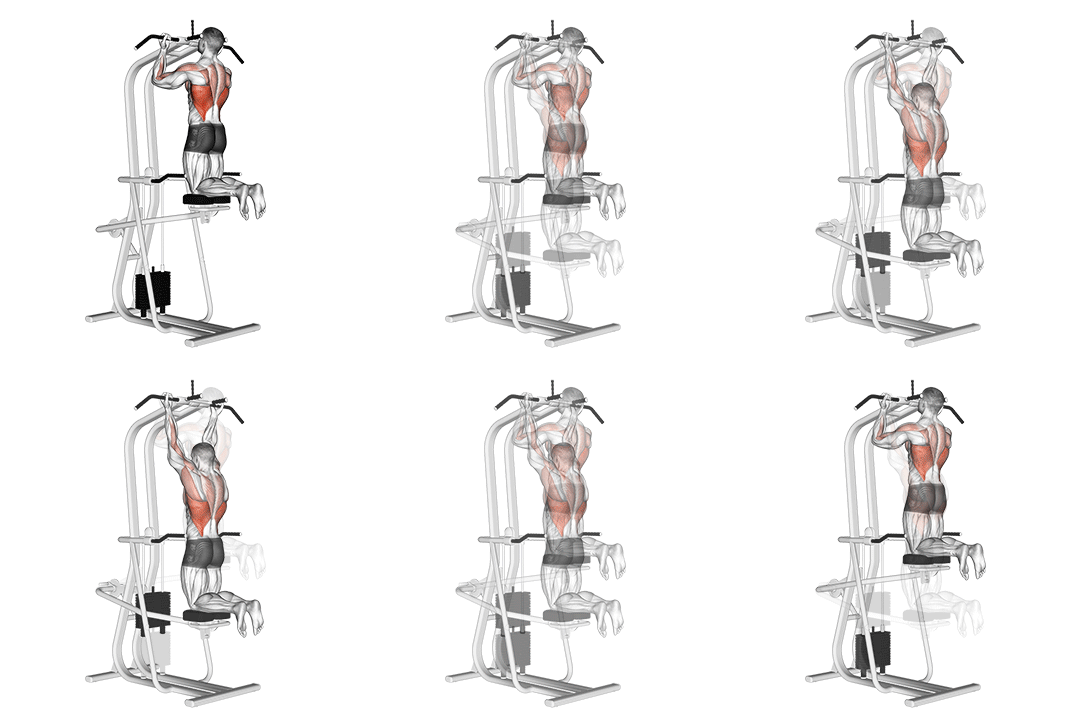
Lever Front Pulldown
Head-to-Head Comparison
| Attribute | Assisted Standing Pull-up | Lever Front Pulldown |
|---|---|---|
| Target Muscle |
Lats
|
Lats
|
| Body Part |
Back
|
Back
|
| Equipment |
Lever
|
Lever
|
| Difficulty |
Beginner
|
Beginner
|
| Movement Type |
Compound
|
Compound
|
| Secondary Muscles |
2
|
3
|
Secondary Muscles Activated
Assisted Standing Pull-up
Lever Front Pulldown
Visual Comparison
Overview
Assisted Standing Pull-up vs Lever Front Pulldown — if you're after a wider, stronger back you need a clear pick. In this guide I'll walk you through how each exercise loads the latissimus dorsi, the secondary muscles each recruits, technique cues, equipment needs, progression options, and injury considerations. You'll get specific rep ranges (strength 4–6, hypertrophy 6–12, endurance 12–20), angle and range-of-motion notes, and a decisive recommendation for muscle growth, strength, beginners, and home workouts so you can choose the right movement for your goals.
Key Differences
- Both exercises target the Lats using Lever. The main differences are in their movement patterns and muscle activation angles.
Pros & Cons
Assisted Standing Pull-up
+ Pros
- Trains the full pull-up movement pattern and stabilizers for better transfer to bodyweight strength
- Greater lat stretch at the bottom improves length-tension stimulus for muscle growth
- Easily replicated with bands or assisted machines for progressive reduction of assistance
- Stronger forearm and grip recruitment improves overall pulling robustness
− Cons
- Requires more scapular control and balance, which can be harder for true beginners
- Slightly higher shoulder/elbow stress if technique degrades or if kipping is used
- Less precise incremental loading compared to a weight-stack pulldown
Lever Front Pulldown
+ Pros
- Very controllable loading with small weight increments for steady hypertrophy progress
- Stabilized torso allows strict lat isolation and focused mind-muscle connection
- Lower technical demand makes it easy for beginners to learn proper lat pulling
- Better for consistent tempo work and time under tension (e.g., 2–3s eccentric)
− Cons
- Requires a specific machine and seat setup not always available at home
- Less carryover to unassisted bodyweight pull-up strength and stabilizer demand
- Can encourage using shorter ROM or shoulder-dominant positions if form slips
When Each Exercise Wins
Pulldowns let you dial in load precisely and maintain constant mid-range tension, which helps accumulate time under tension in the 6–12 rep range. The stabilized setup makes progressive overload and strict eccentric control simpler.
Assisted pull-ups develop the specific neuromuscular pattern for unassisted pull strength, recruit more stabilizers and grip, and build functional strength through a larger ROM, which transfers better to raw pull-up performance.
The pulldown offers a safer, easier learning curve thanks to seated stability and precise weight increments, letting beginners practice lat engagement before progressing to standing or assisted pull-up patterns.
You can approximate assisted pull-ups with bands, a doorway bar, or partner assistance, while a true lever pulldown machine is uncommon in home gyms. That makes the assisted pull-up more adaptable for limited equipment.
Frequently Asked Questions
Can I do both Assisted Standing Pull-up and Lever Front Pulldown in the same workout?
Yes. Use pulldowns earlier to accumulate volume with strict tempo (3–4 sets of 6–12), then finish with assisted pull-ups for neural stimulus and stabilizer work (2–4 sets of 4–8 or controlled 8–12). Sequence pulldowns first if your goal is hypertrophy, and assisted pull-ups first if the goal is pull-up strength.
Which exercise is better for beginners?
The Lever Front Pulldown is usually better for absolute beginners because the seated position and weight stack let you focus on lat engagement without managing balance. Progress to assisted pull-ups once baseline scapular control and lat activation are established.
How do the muscle activation patterns differ?
Activation differs by joint angle and force vector: assisted pull-ups produce greater stretch and stabilizer recruitment with peak tension toward full contraction, while pulldowns concentrate tension in the mid-range with more isolated rhomboid and rear-delt activity during controlled scapular retraction.
Can Lever Front Pulldown replace Assisted Standing Pull-up?
Pulldowns can replace assisted pull-ups for lat hypertrophy and volume work, but they don't fully replace the stabilizer, grip, and full-range demands of standing pull-ups. If your goal is unassisted pull-up strength, keep assisted pull-ups in the program.
Expert Verdict
Choose the Lever Front Pulldown when your priority is steady hypertrophy and precise progressive overload; it lets you control tempo, load in 2–5 lb increments, and emphasize mid-range lat tension with low technical demand. Pick the Assisted Standing Pull-up when you want functional, bodyweight-specific strength, greater lat stretch, and more forearm and stabilizer recruitment—it's the clearer path to unassisted pull-ups. For programs, use pulldowns as your primary lat builder in 6–12 rep blocks and add assisted pull-ups for specificity or strength blocks (4–6 reps to build force). Rotate them across mesocycles to combine isolation and functional strength.
Also Compare
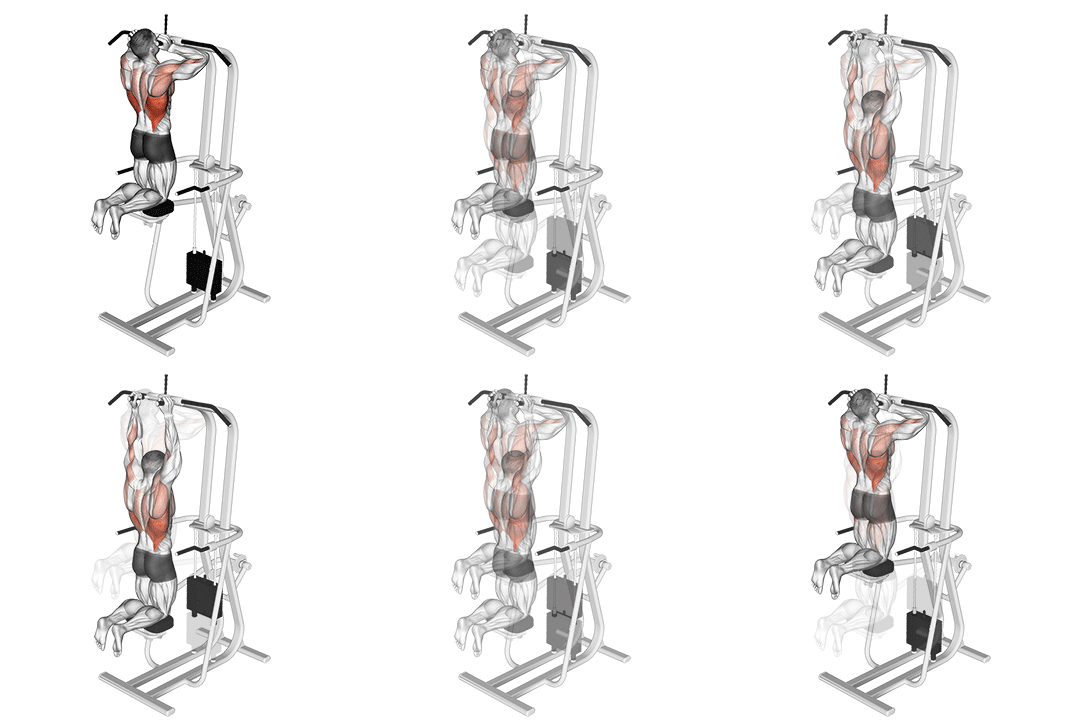
More comparisons with Assisted Standing Pull-up
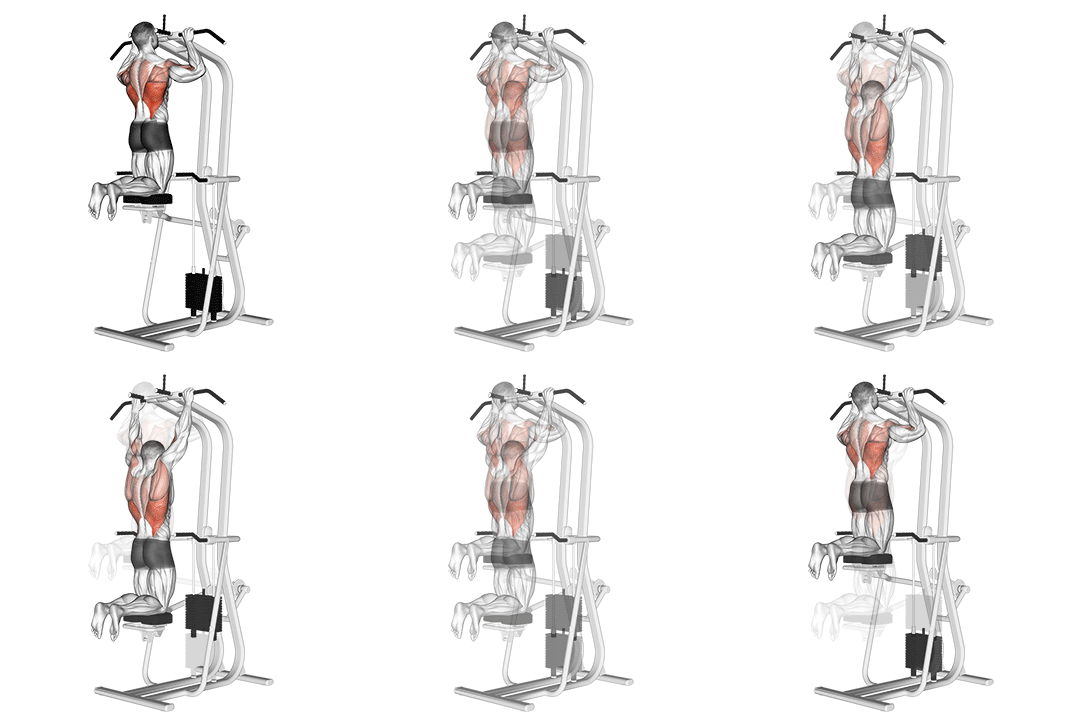
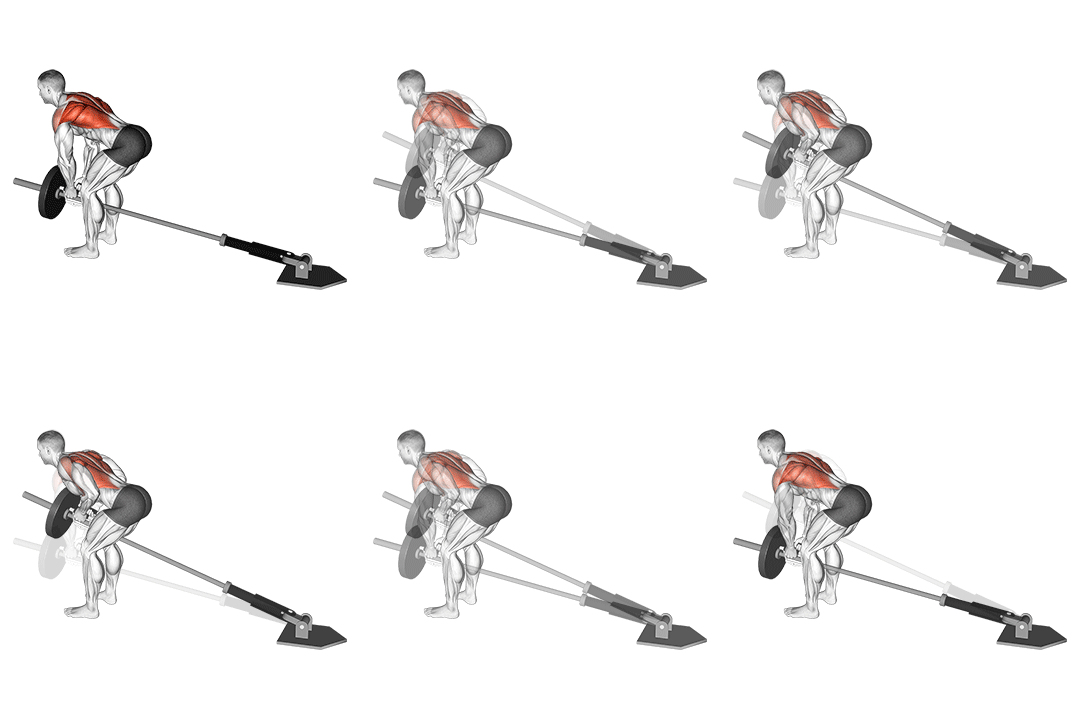
More comparisons with Lever Front Pulldown
Compare More Exercises
Use our free comparison tool to analyze any two exercises head-to-head.
Compare Exercises