

Astride Jumps (male) vs Jump Rope: Complete Comparison Guide
Astride Jumps (male) vs Jump Rope is a practical matchup for anyone who trains cardio and lower-body power. You’ll get a clear breakdown of primary and secondary muscle activation, equipment needs, learning curve, injury risk, and programming tips. I’ll show you specific technique cues (landing angles, ankle timing, cadence), give rep and interval examples (30–90 seconds, 20–50 reps), and explain the biomechanics—force vectors, length-tension relationships, and ground-reaction timing—so you can pick the tool that matches your goals.
Exercise Comparison
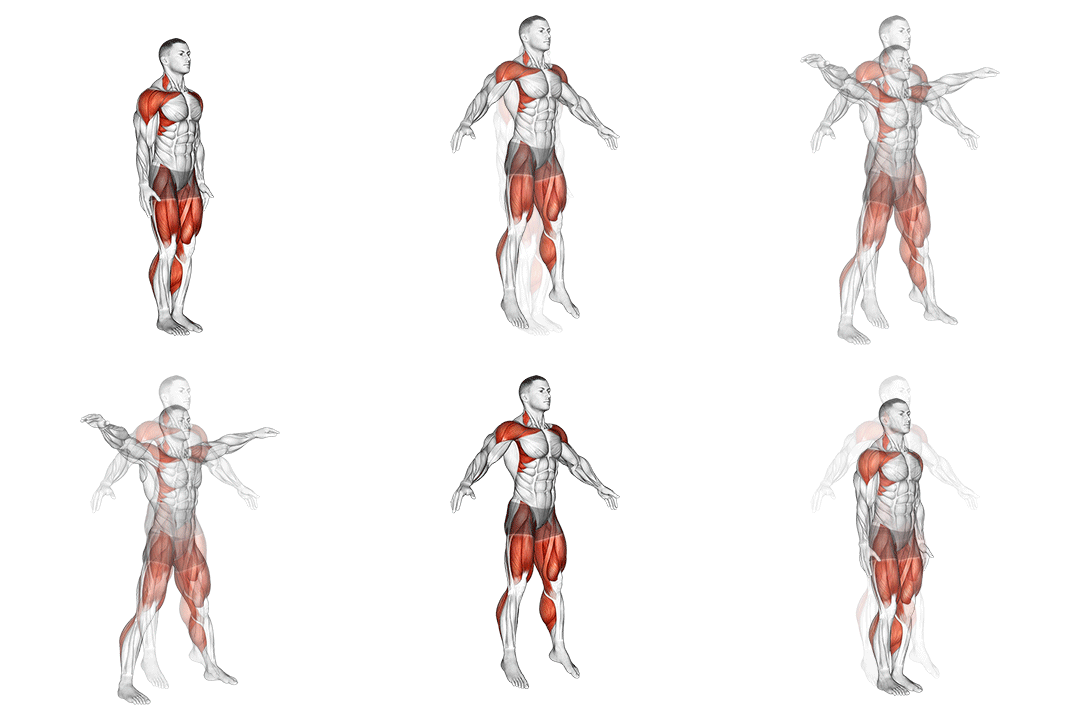
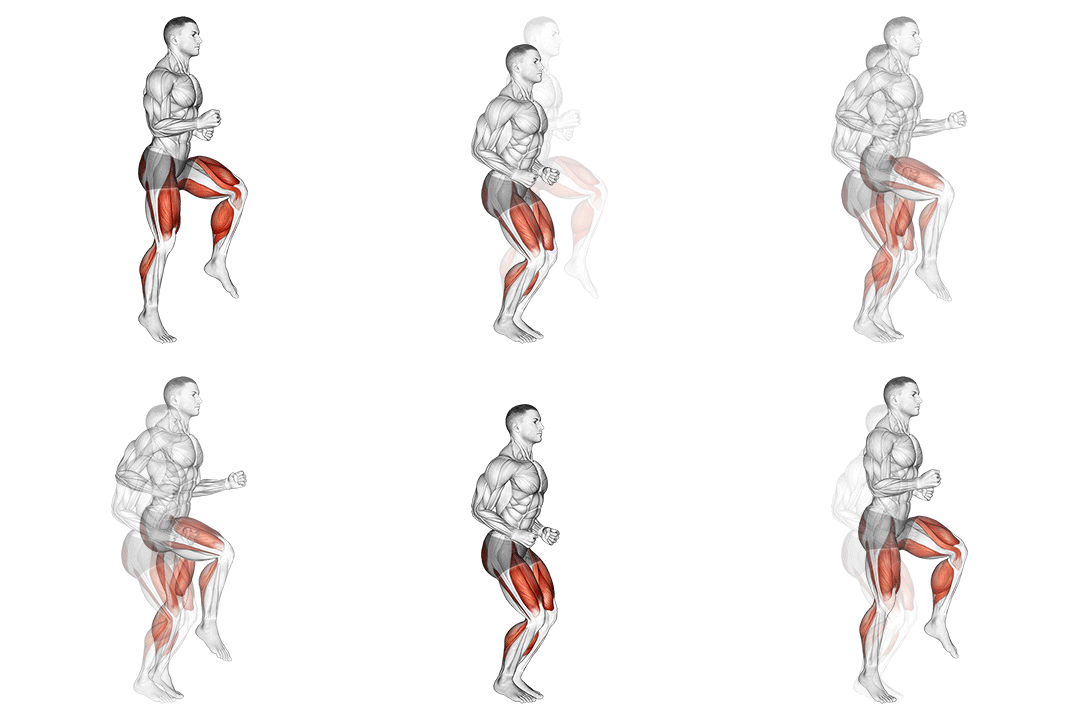
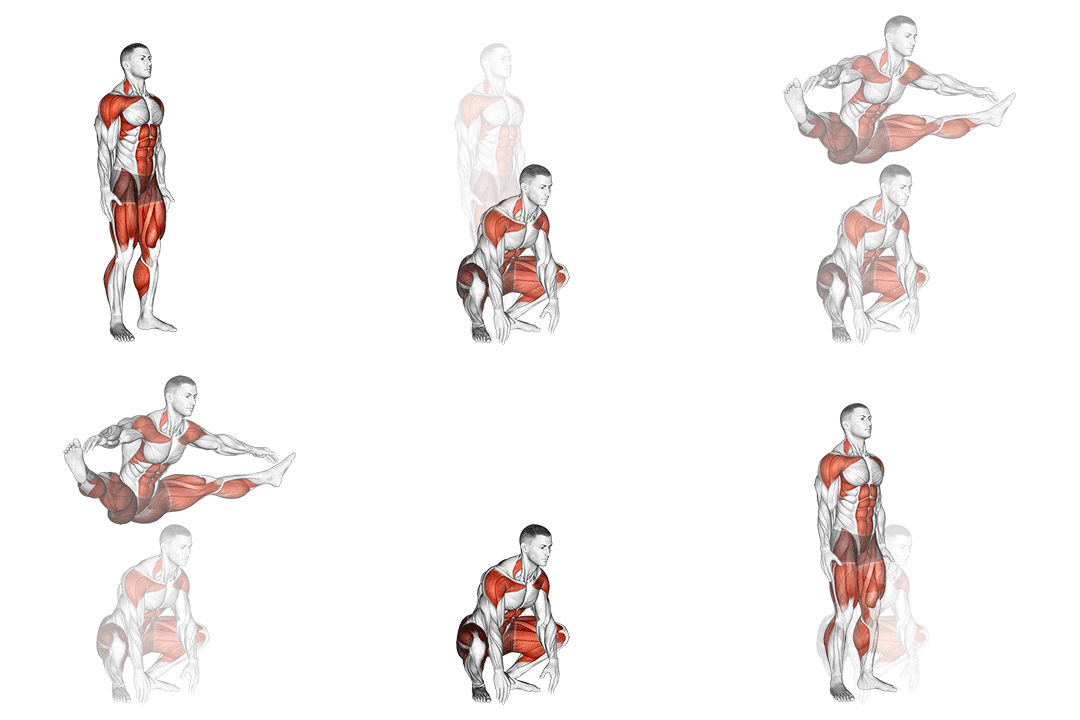
Astride Jumps (male)
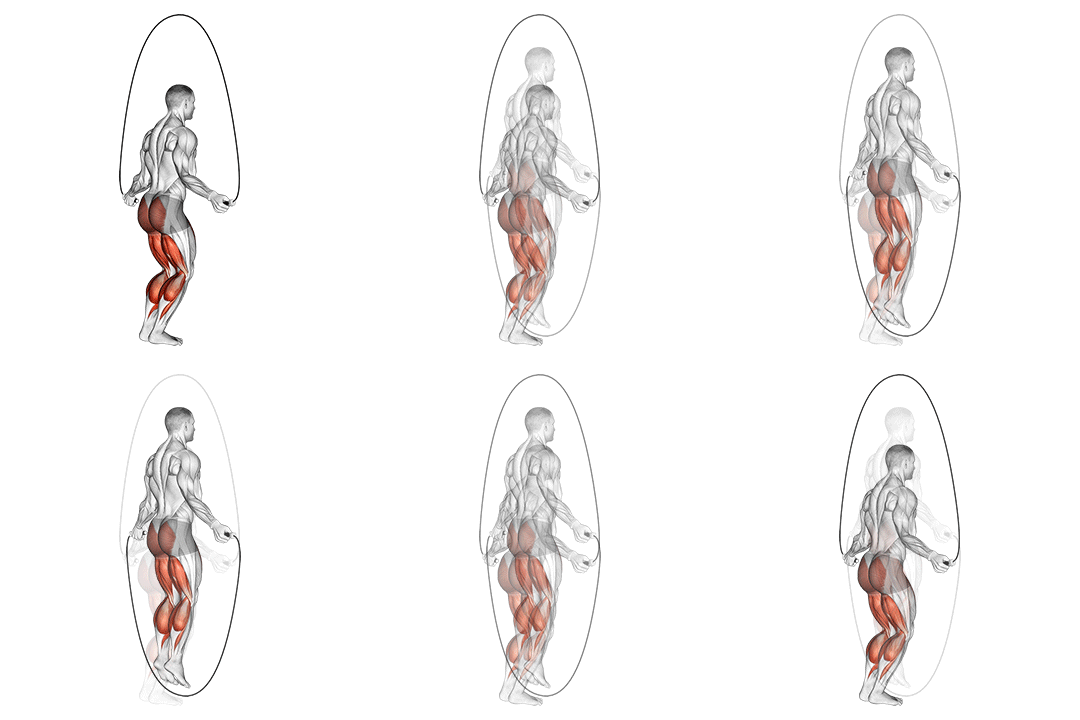
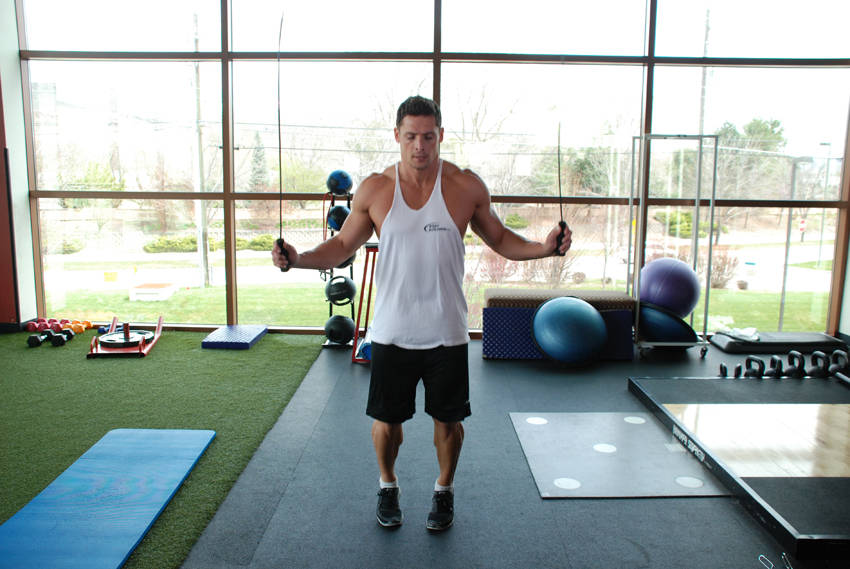
Jump Rope
Head-to-Head Comparison
| Attribute | Astride Jumps (male) | Jump Rope |
|---|---|---|
| Target Muscle |
Cardiovascular-system
|
Cardiovascular
|
| Body Part |
Cardio
|
Cardio
|
| Equipment |
Body-weight
|
Rope
|
| Difficulty |
Intermediate
|
Intermediate
|
| Movement Type |
Compound
|
Compound
|
| Secondary Muscles |
3
|
4
|
Secondary Muscles Activated
Astride Jumps (male)
Jump Rope
Visual Comparison
Overview
Astride Jumps (male) vs Jump Rope is a practical matchup for anyone who trains cardio and lower-body power. You’ll get a clear breakdown of primary and secondary muscle activation, equipment needs, learning curve, injury risk, and programming tips. I’ll show you specific technique cues (landing angles, ankle timing, cadence), give rep and interval examples (30–90 seconds, 20–50 reps), and explain the biomechanics—force vectors, length-tension relationships, and ground-reaction timing—so you can pick the tool that matches your goals.
Key Differences
- Astride Jumps (male) primarily targets the Cardiovascular-system, while Jump Rope focuses on the Cardiovascular.
- Equipment differs: Astride Jumps (male) uses Body-weight, while Jump Rope requires Rope.
Pros & Cons
Astride Jumps (male)
+ Pros
- No equipment—train anywhere
- Stronger quadriceps and hamstring recruitment per rep
- Easier to learn and scale with tempo
- Works well in small indoor spaces
− Cons
- Less calf-specific endurance stimulus
- Higher peak knee joint moments if landed stiff
- Limited skill progression compared to rope tricks
Jump Rope
+ Pros
- High calf and tendon elastic recoil for efficient conditioning
- Large progression ceiling (speed, double-unders, weighted rope)
- Excellent for coordination and ankle stiffness training
- Very time-efficient: high calorie burn in short sets
− Cons
- Requires rope and ceiling clearance
- Steeper learning curve for rhythm and timing
- Higher repetitive load on Achilles and plantar fascia
When Each Exercise Wins
Astride jumps generate larger knee-extension torque and greater quadriceps loading per rep, creating a better stimulus for lower-body muscle growth when combined with progressive overload or loading (20–40 rep range or added vest). Jump rope focuses more on endurance-oriented calf work and is less effective for bulk.
Because astride jumps produce larger joint moments at the knee and hip and allow for easier addition of external load, they transfer better to strength improvements. Use sets of 6–12 explosive reps with a weighted vest to bias force production.
Astride jumps have a gentler coordination demand and are simpler to cue—soft landings, drive through the balls of your feet, aim for 20–40° knee flexion—so most beginners can perform them safely within a single session.
No rope or ceiling clearance required makes astride jumps the safer, more practical choice for small spaces. They still deliver strong cardio stimulus and quad/hamstring activation without special gear.
Frequently Asked Questions
Can I do both Astride Jumps (male) and Jump Rope in the same workout?
Yes. Pair them strategically: use jump rope for 3–5 minutes of continuous warm-up or interval work (30–60s on), then add 2–4 sets of astride jumps (20–40 reps) for heavier knee-extension stimulus. Allow 24–48 hours recovery if you push volume hard.
Which exercise is better for beginners?
Astride Jumps are generally easier to learn because they require less coordination and no equipment. Start with controlled tempo, aim for 20–40° knee flexion on landings, and build to higher speed before adding volume.
How do the muscle activation patterns differ?
Astride Jumps use larger knee and hip excursions, producing stronger quadriceps and hamstring activation during takeoff and landing. Jump rope uses rapid, small-range ankle plantarflexion and short contact times, driving higher calf and tendon elastic recoil activation.
Can Jump Rope replace Astride Jumps (male)?
Only partially. Jump rope can replace general cardio and improve calf endurance and coordination, but it underloads the knee-extension torque that astride jumps provide. If your priority is quad/hamstring stimulus or training in tight spaces, keep astride jumps in the program.
Expert Verdict
Use Astride Jumps (male) when you want a no-equipment option that loads the quadriceps and hamstrings, fits small spaces, and scales with added weight or tempo for strength-style progress. Pick jump rope if your goal is high-efficiency conditioning, ankle stiffness, and tendon elastic storage work—especially for intervals (30–120 seconds) or skill progressions like double-unders. If you need calf endurance or rapid foot turnover, do jump rope; if you want higher knee-extension torque and easier learning, choose astride jumps. Both can coexist in a program—rotate based on recovery and specific session goals.
Also Compare
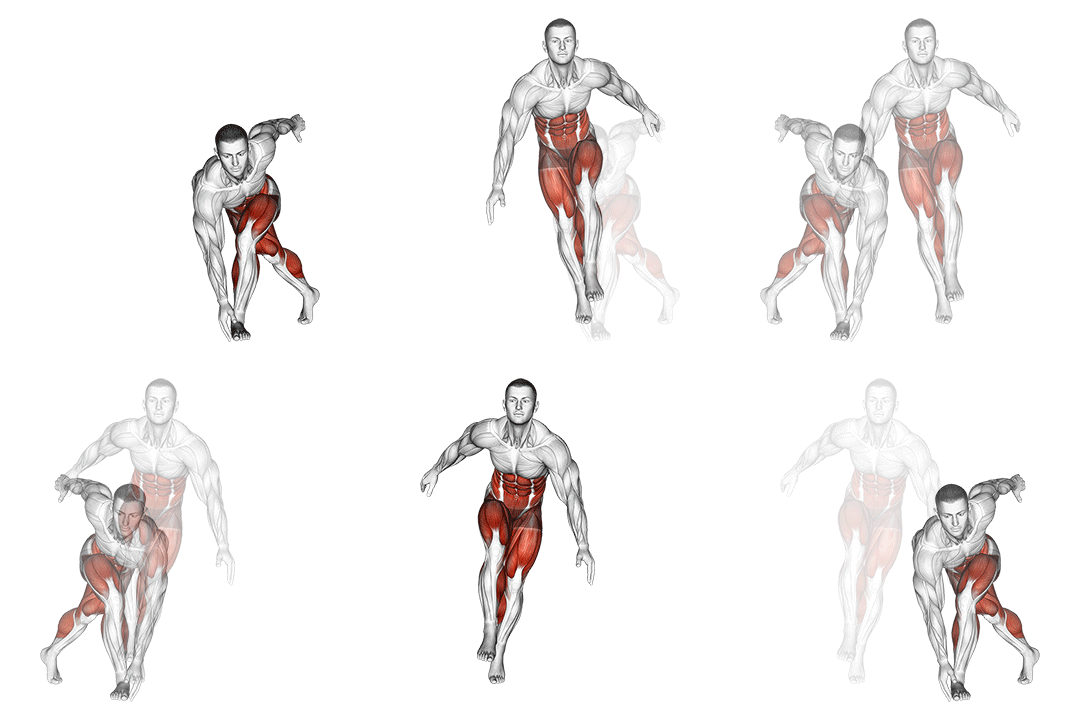
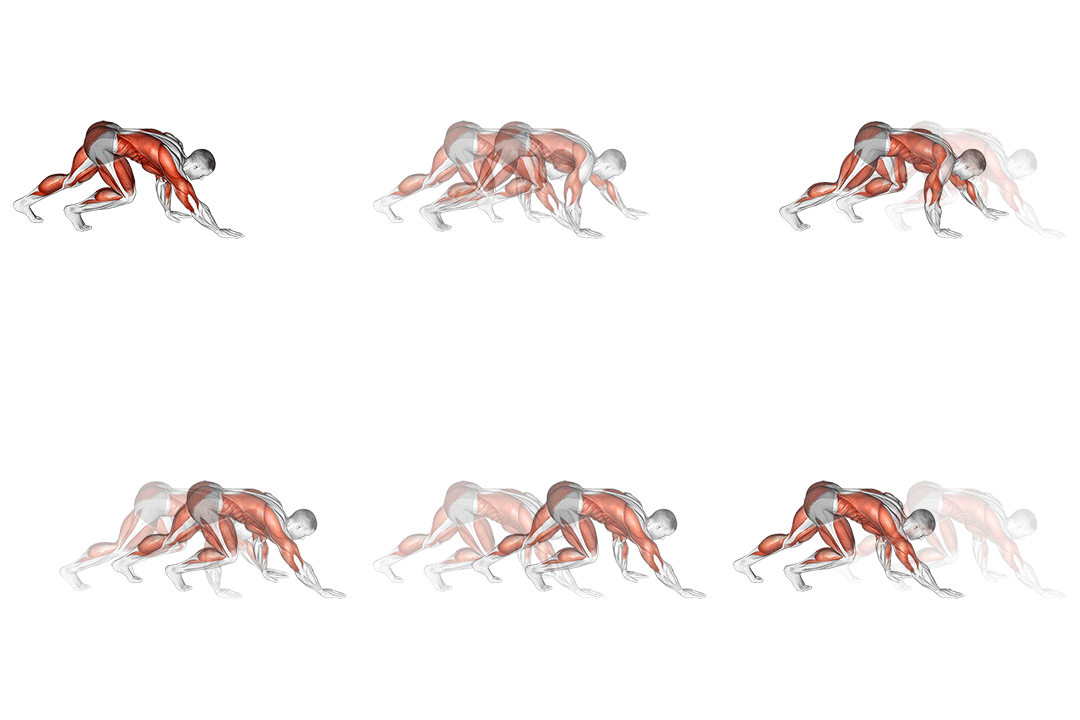
More comparisons with Astride Jumps (male)
Compare More Exercises
Use our free comparison tool to analyze any two exercises head-to-head.
Compare Exercises