

Axle Deadlift vs Keg Load: Complete Comparison Guide
Axle Deadlift vs Keg Load is a head-to-head look at two advanced, compound back movements that tax your lower back and posterior chain. If you want clear guidance on which to use for muscle growth, raw strength, conditioning, or event training, this guide has your back. You’ll get a breakdown of primary and secondary muscle activation, specific technique cues (hip hinge angle, grip strategy, bracing), equipment needs, progression options, and programming tips with rep ranges so you can pick the right lift for your goals.
Exercise Comparison
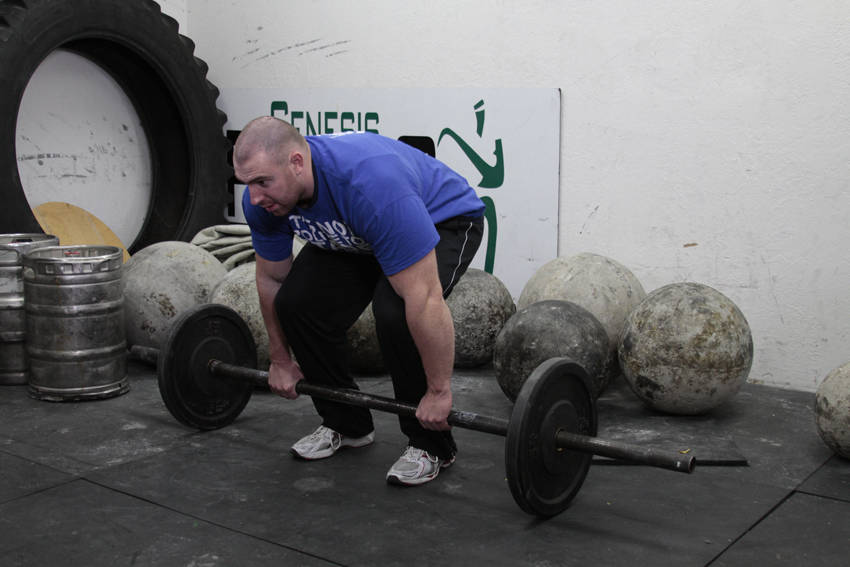
Axle Deadlift
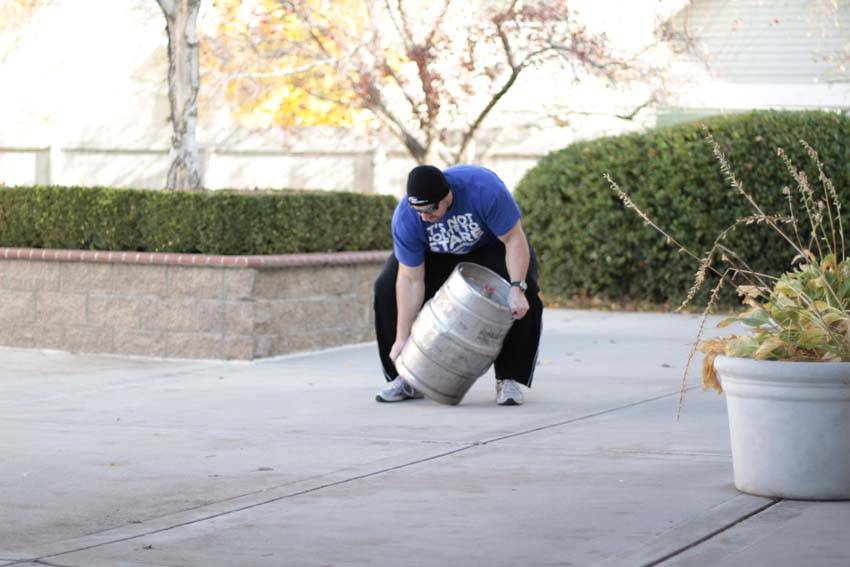
Keg Load
Head-to-Head Comparison
| Attribute | Axle Deadlift | Keg Load |
|---|---|---|
| Target Muscle |
Lower-back
|
Lower-back
|
| Body Part |
Back
|
Back
|
| Equipment |
Other
|
Other
|
| Difficulty |
Advanced
|
Advanced
|
| Movement Type |
Compound
|
Compound
|
| Secondary Muscles |
6
|
10
|
Secondary Muscles Activated
Axle Deadlift
Keg Load
Visual Comparison
Overview
Axle Deadlift vs Keg Load is a head-to-head look at two advanced, compound back movements that tax your lower back and posterior chain. If you want clear guidance on which to use for muscle growth, raw strength, conditioning, or event training, this guide has your back. You’ll get a breakdown of primary and secondary muscle activation, specific technique cues (hip hinge angle, grip strategy, bracing), equipment needs, progression options, and programming tips with rep ranges so you can pick the right lift for your goals.
Key Differences
- Both exercises target the Lower-back using Other. The main differences are in their movement patterns and muscle activation angles.
Pros & Cons
Axle Deadlift
+ Pros
- Direct posterior chain overload with predictable load progression
- Thick-bar grip builds forearm and trap strength while challenging recruitment patterns
- Easy to scale by adding small weight increments and programming sets/reps
- Transfers well to conventional deadlift strength and posterior-chain hypertrophy
− Cons
- Requires a fat bar or workaround to get true axle effect
- High compressive spinal load at heavy weights—needs excellent technique
- Less carry/conditioning component compared with odd-object training
Keg Load
+ Pros
- Builds whole-body coordination with strong anti-rotation and anti-flexion demands
- Excellent for event-specific strongman training and conditioning
- Engages shoulders, biceps, calves, and core more than standard deadlifts
- Improves functional handling of awkward loads and develops work capacity
− Cons
- Harder to progressively overload in small increments
- Requires specialized equipment and space
- Higher technical demand and unpredictable load shifts increase injury risk
When Each Exercise Wins
Axle Deadlift lets you apply steady, progressive overload to the posterior chain with controlled sets (6–12 reps for hypertrophy). Its predictable bar path and consistent loading maximize time under tension for glutes, hamstrings, and lower back.
For raw deadlift and posterior-chain strength, axle work mimics heavy barbell mechanics while adding grip stress. You can load 80–95%+ of 1RM with straight-line force vectors to develop maximal strength.
Both moves are advanced, but an axle-style deadlift is easier to scale and coach because it follows the conventional deadlift template. Start with lighter loads and focus on a solid hip hinge, neutral spine, and progressive sets before attempting kegs.
An axle effect can be simulated at home using a thick handle or fat grips on a barbell, making it more practical than sourcing and storing a filled keg and rigging a safe loading area.
Frequently Asked Questions
Can I do both Axle Deadlift and Keg Load in the same workout?
Yes, but structure them smartly: do heavy axle deadlifts first to prioritize maximal strength (3–6 reps), then use keg loads for conditioning or technique work with lower intensity. Keep total spine-loading volume controlled—limit heavy sets to 2–4 and follow with lighter keg transitions.
Which exercise is better for beginners?
Axle Deadlift is the better starting point because it follows conventional deadlift mechanics and is easier to scale with small weight increases. Beginners should master hip hinge, neutral spine, and bracing before attempting unstable keg lifts.
How do the muscle activation patterns differ?
Axle Deadlift produces a steady posterior-chain activation curve with peak erector and glute activation at lockout, driven by hip extension and knee drive. Keg Load combines those extension phases with high unilateral core activation and fluctuating shoulder/trap recruitment due to the keg’s shifting center of mass.
Can Keg Load replace Axle Deadlift?
Not completely. Keg Load can complement or substitute for conditioning and odd-object skill work, but it won’t match the axle deadlift’s capacity for precise progressive overload and maximal posterior-chain strength development.
Expert Verdict
Use the Axle Deadlift when your priority is posterior-chain strength and measurable progression. It lets you load the lower back, hamstrings, glutes, and traps in a controlled plane of motion and scale weight precisely (3–6 reps for strength; 6–12 for hypertrophy). Choose the Keg Load when you need sport-specific conditioning, improved anti-rotation core strength, and exposure to awkward implements—excellent for event training and metabolic work. Program both if you want transferable strength plus odd-object handling: heavy axle sessions early in the week and keg work for conditioning or skill later in the week, keeping total weekly spine volume in check.
Also Compare
More comparisons with Axle Deadlift
Compare More Exercises
Use our free comparison tool to analyze any two exercises head-to-head.
Compare Exercises