

Back And Forth Step vs Half Knee Bends (male): Complete Comparison Guide
Back And Forth Step vs Half Knee Bends (male) — which one should you include in your routine? You’ll get a clear, practical breakdown so you can pick based on goals: cardio conditioning, muscle growth, injury risk, and ease of learning. I’ll cover primary and secondary muscle activation, biomechanics (joint angles, force vectors, length-tension), technique cues, and rep/interval recommendations. Read this if you want straightforward advice and exact cues to perform each move safely and effectively.
Exercise Comparison
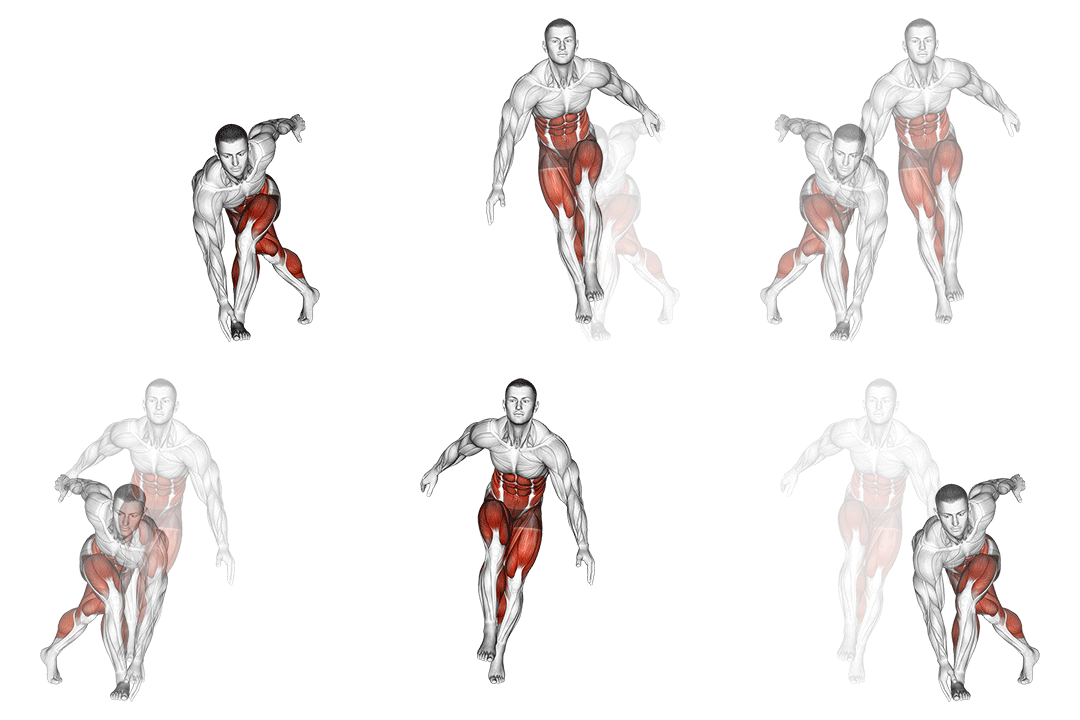
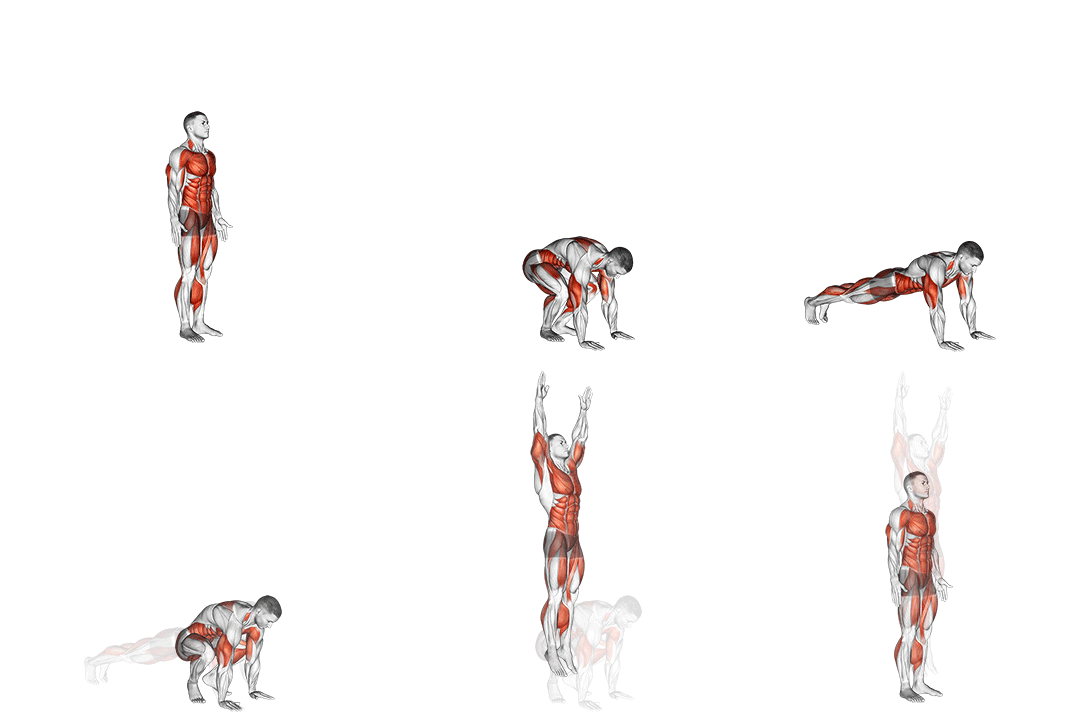
Back And Forth Step
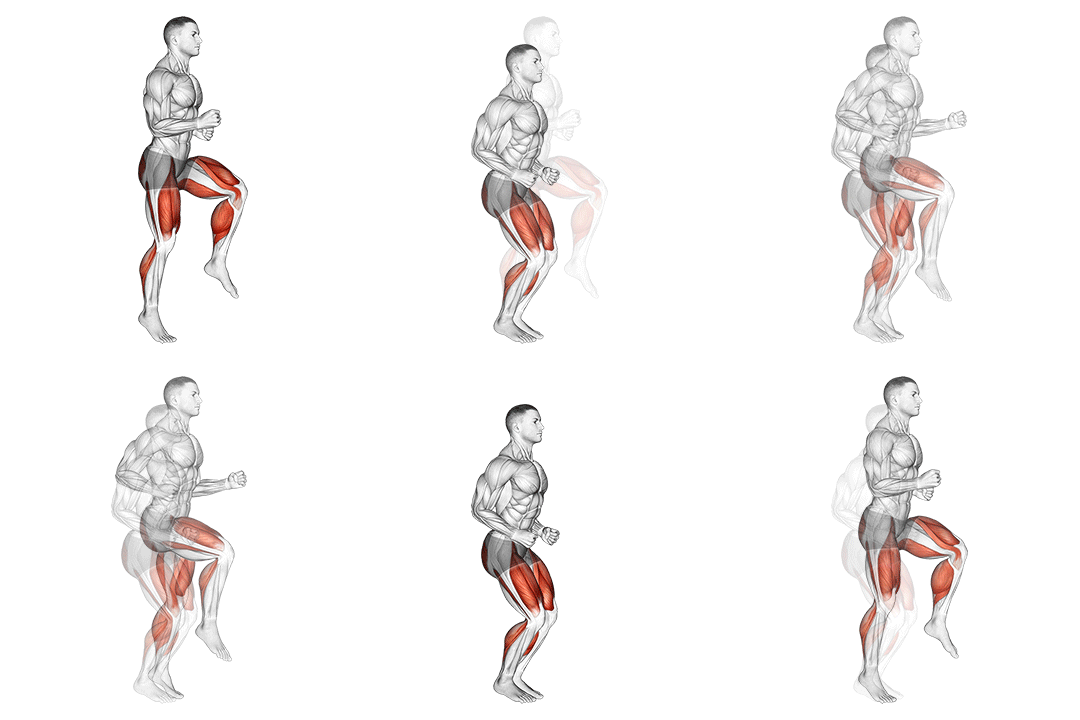
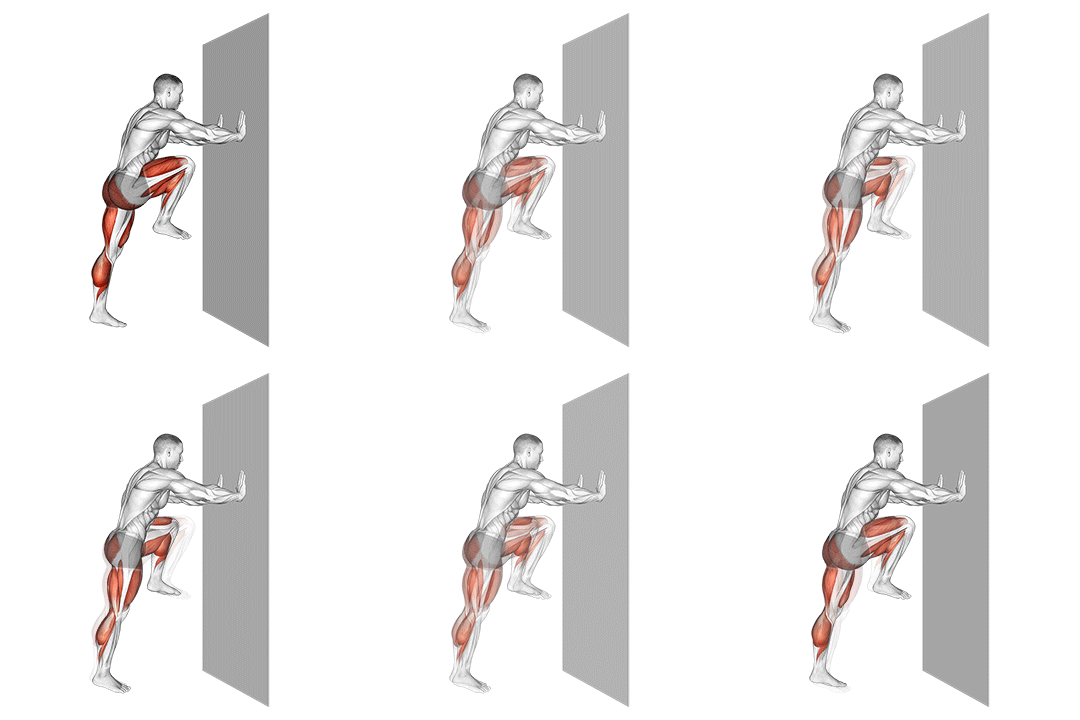
Half Knee Bends (male)
Head-to-Head Comparison
| Attribute | Back And Forth Step | Half Knee Bends (male) |
|---|---|---|
| Target Muscle |
Cardiovascular-system
|
Cardiovascular-system
|
| Body Part |
Cardio
|
Cardio
|
| Equipment |
Body-weight
|
Body-weight
|
| Difficulty |
Beginner
|
Beginner
|
| Movement Type |
Compound
|
Compound
|
| Secondary Muscles |
4
|
3
|
Secondary Muscles Activated
Back And Forth Step
Half Knee Bends (male)
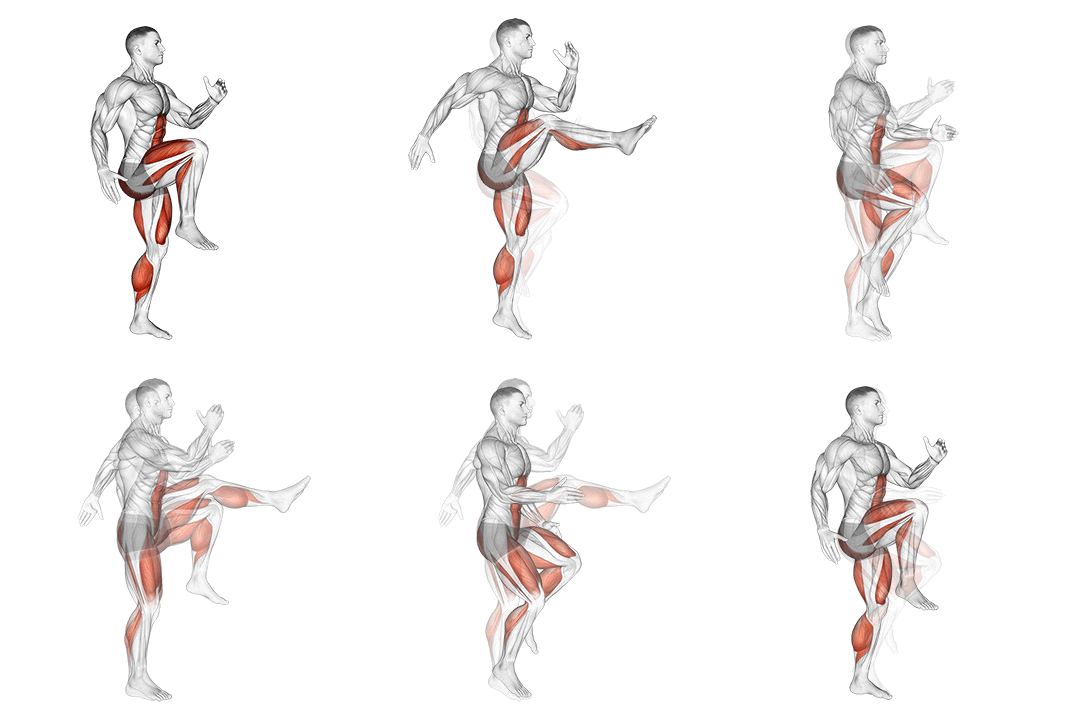
Visual Comparison
Overview
Back And Forth Step vs Half Knee Bends (male) — which one should you include in your routine? You’ll get a clear, practical breakdown so you can pick based on goals: cardio conditioning, muscle growth, injury risk, and ease of learning. I’ll cover primary and secondary muscle activation, biomechanics (joint angles, force vectors, length-tension), technique cues, and rep/interval recommendations. Read this if you want straightforward advice and exact cues to perform each move safely and effectively.
Key Differences
- Both exercises target the Cardiovascular-system using Body-weight. The main differences are in their movement patterns and muscle activation angles.
Pros & Cons
Back And Forth Step
+ Pros
- Raises heart rate quickly—ideal for conditioning and interval work
- Develops ankle, calf, and posterior chain coordination via push-off and landing
- Easy to scale intensity by increasing speed or step height
- Improves dynamic balance and unilateral control
− Cons
- Higher impact on ankles and knees during rapid stepping
- Less continuous tension on quads and glutes for hypertrophy
- Requires more space and coordination for safe execution
Half Knee Bends (male)
+ Pros
- Simple to learn with minimal balance demands
- Places steady time under tension on quads and glutes for muscle stimulus
- Very space-efficient—ideal for small home areas
- Low impact when performed with controlled tempo
− Cons
- Limited calf involvement and less power development
- Offers smaller cardiovascular spike unless done in high-rep or circuit fashion
- Progression for strength is limited without added external load
When Each Exercise Wins
Half Knee Bends keep the knee at 30–60° flexion and increase time under tension on quads and glutes, making them better for hypertrophy when done with 3–4 sets of 10–20 slow reps or by adding external load.
While neither matches weighted lifts for maximal strength, Half Knee Bends better focus vertical force production through the knee and hip joint, so adding resistance (bands or weights) translates more directly to progressive overload.
Half Knee Bends are simpler to coach—hold a neutral spine, sit back slightly, keep knees tracking over toes—and they have lower coordination and impact demands for new exercisers.
They require the least space and balance, are low impact, and can be stacked into circuits to raise heart rate if you need cardio without stepping space or a platform.
Frequently Asked Questions
Can I do both Back And Forth Step and Half Knee Bends (male) in the same workout?
Yes. Pair them by sequencing: start with Back And Forth Step as a 4–6 minute cardio primer to elevate heart rate, then follow with 3–4 sets of Half Knee Bends for targeted quadriceps and glute stimulus. Maintain quality of movement and watch knee tracking to avoid overload.
Which exercise is better for beginners?
Half Knee Bends (male) are better for absolute beginners because they’re easier to cue and control. They teach hip hinge principles and quad recruitment without the balance and impact demands of stepping.
How do the muscle activation patterns differ?
Back And Forth Step uses phasic concentric push-off and eccentric landing with notable calf activation during plantarflexion, while Half Knee Bends keep quads and glutes under steady eccentric/isometric load. The step emphasizes stretch-shortening cycles; the bend emphasizes sustained force production.
Can Half Knee Bends (male) replace Back And Forth Step?
They can replace it if your priority is muscle-focused work or limited space, but not if you need power, unilateral coordination, or the specific conditioning stimulus from repeated stepping. Use them interchangeably based on the session goal.
Expert Verdict
Use Back And Forth Step when you want higher-intensity conditioning, improved unilateral coordination, and to train rapid stretch-shortening cycles — aim for 30–60 second intervals, 4–6 rounds. Choose Half Knee Bends when your goal is quad/glute time under tension, easy progression by adding load, or when space is limited; program 3–4 sets of 10–20 reps with controlled 2–3s eccentrics. For balanced programming, alternate them: dedicate 1–2 sessions to cardio-focused step intervals and 1–2 sessions to tempo-based half knee bends for muscular stimulus and recovery.
Also Compare
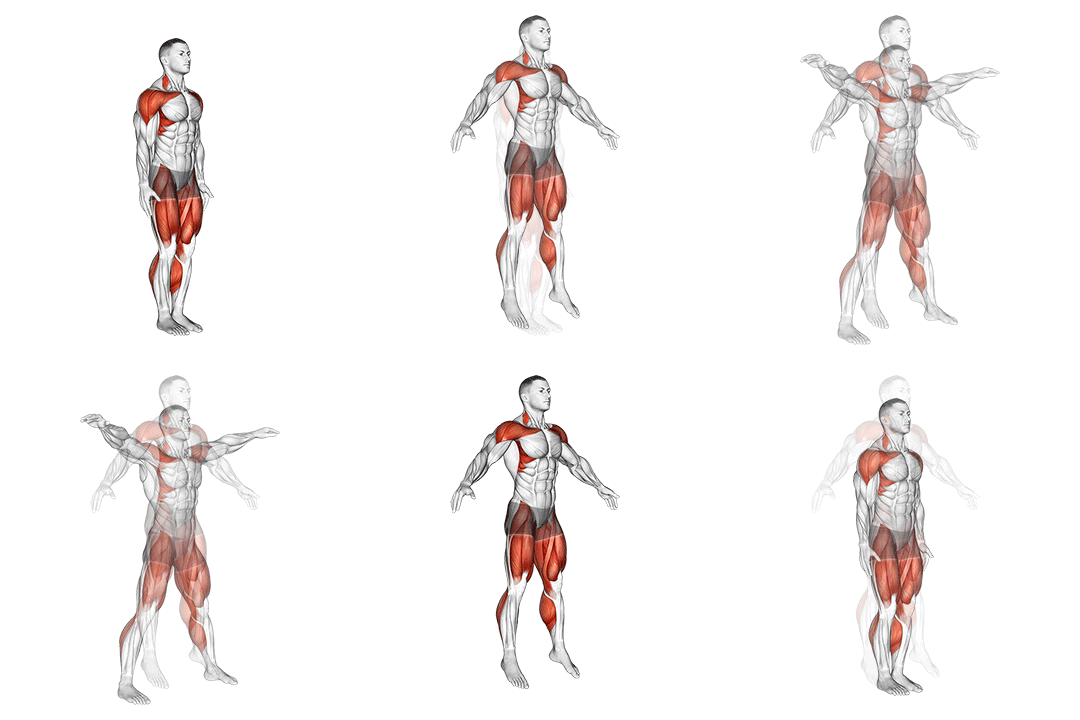
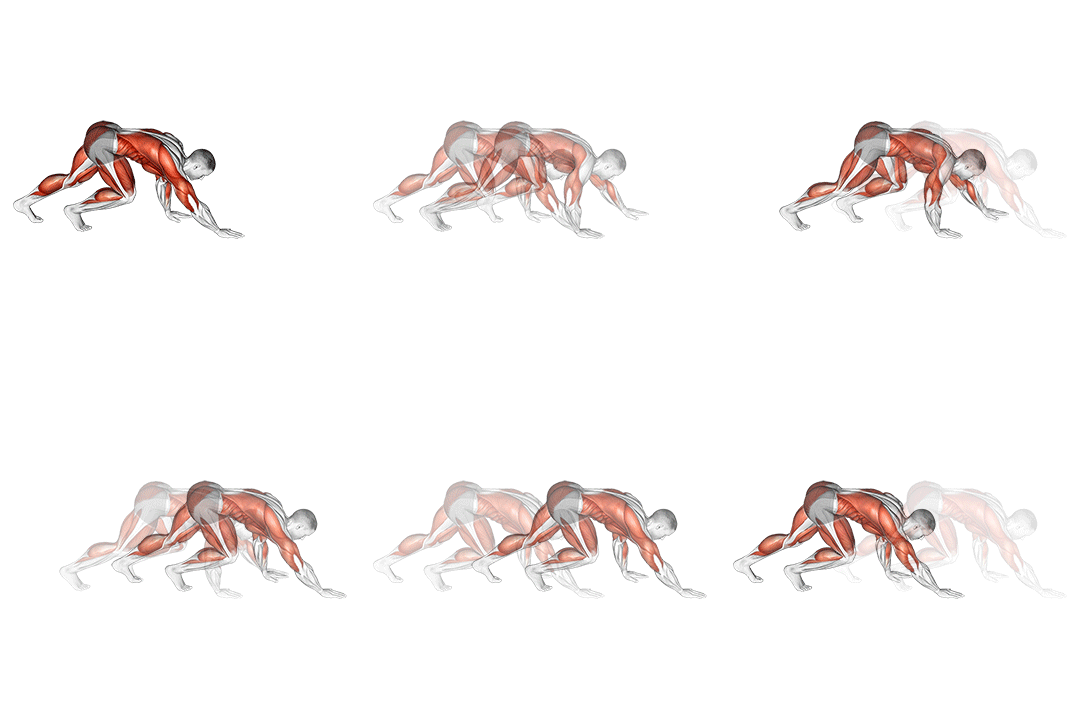
More comparisons with Back And Forth Step
Compare More Exercises
Use our free comparison tool to analyze any two exercises head-to-head.
Compare Exercises