

Back And Forth Step vs Jump Rope: Complete Comparison Guide
Back And Forth Step vs Jump Rope puts two efficient cardio movers side by side so you can pick the right tool for your training. You’ll get a clear take on muscle activation, equipment needs, learning curve, and injury risk. I’ll show you specific technique cues for better force transfer, how each exercise stresses the cardiovascular system and lower-body muscles, and practical progressions—times, heights, or rep ranges—to match your goals. Read on if you want direct, science-backed guidance to choose the smarter cardio option for your workouts.
Exercise Comparison
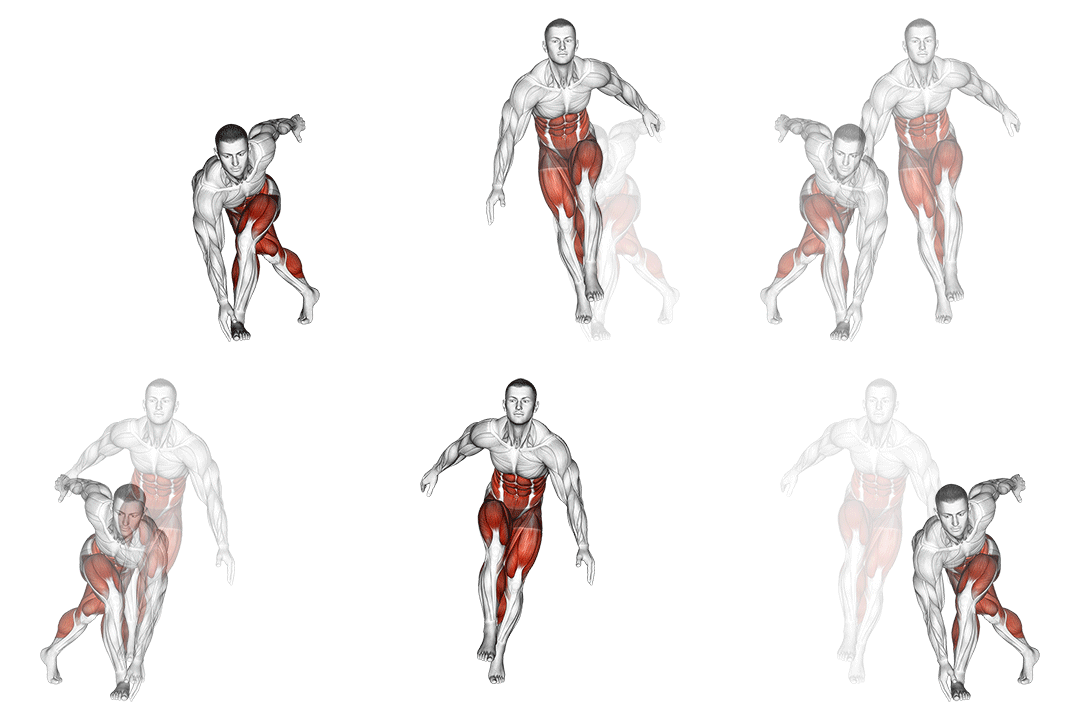
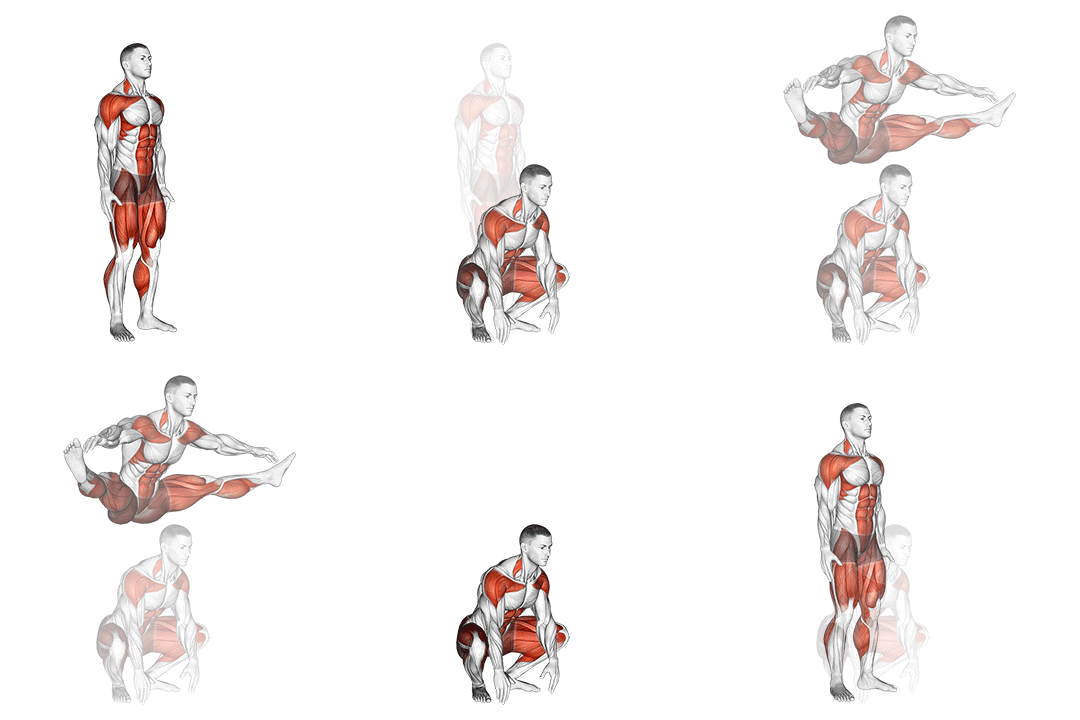
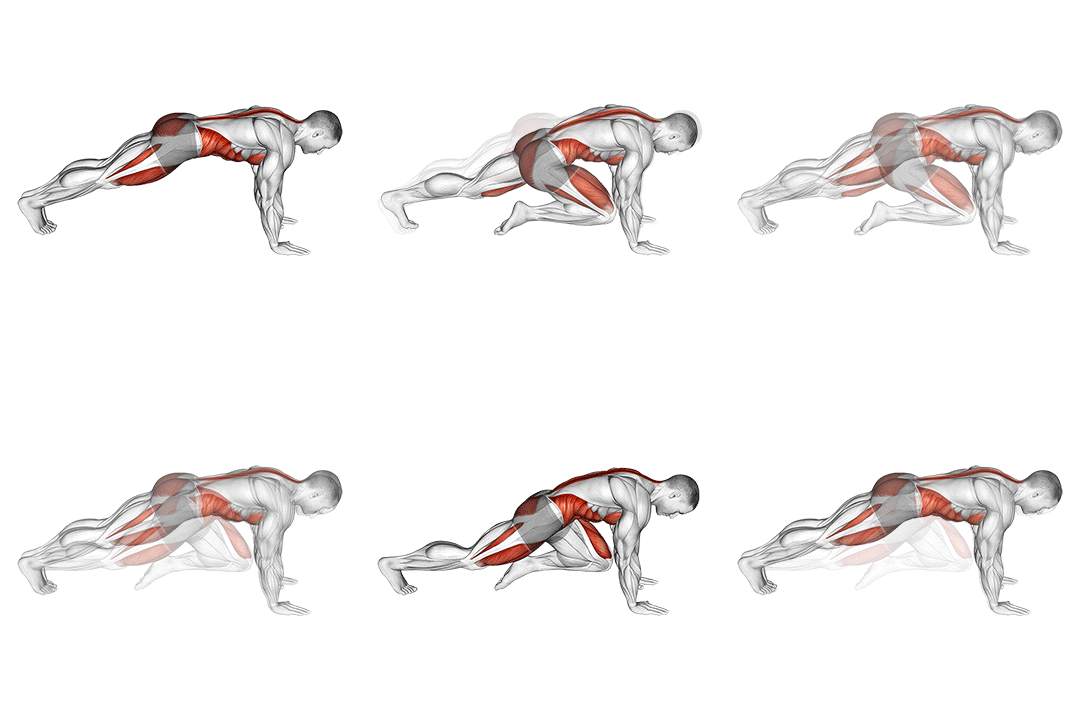
Back And Forth Step
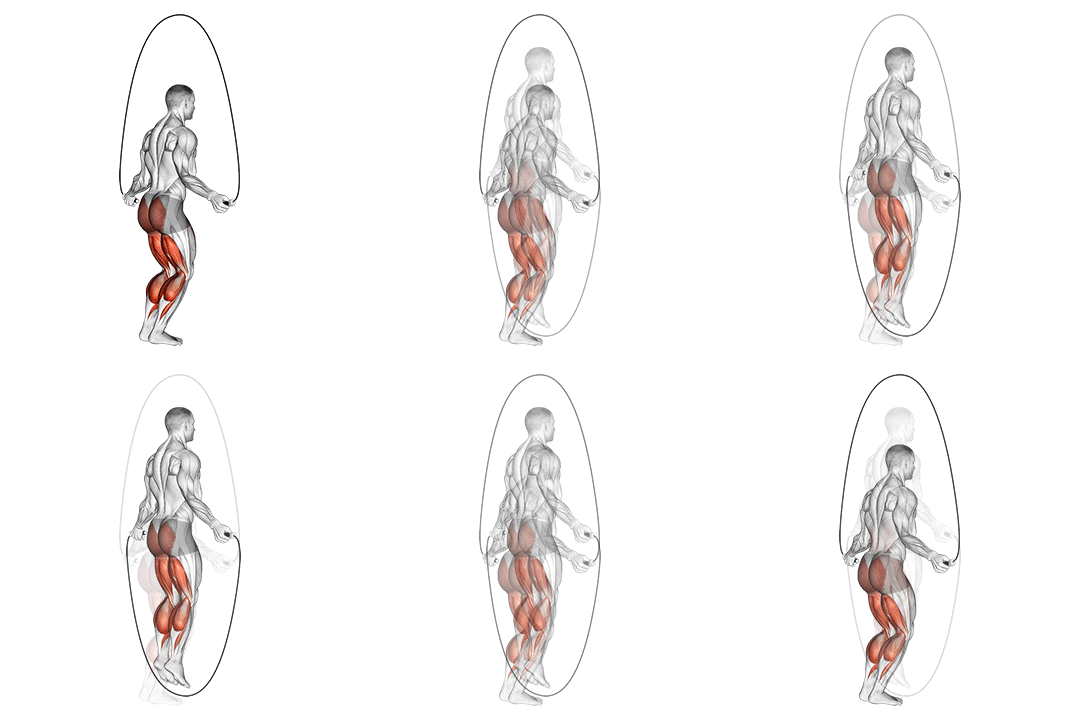
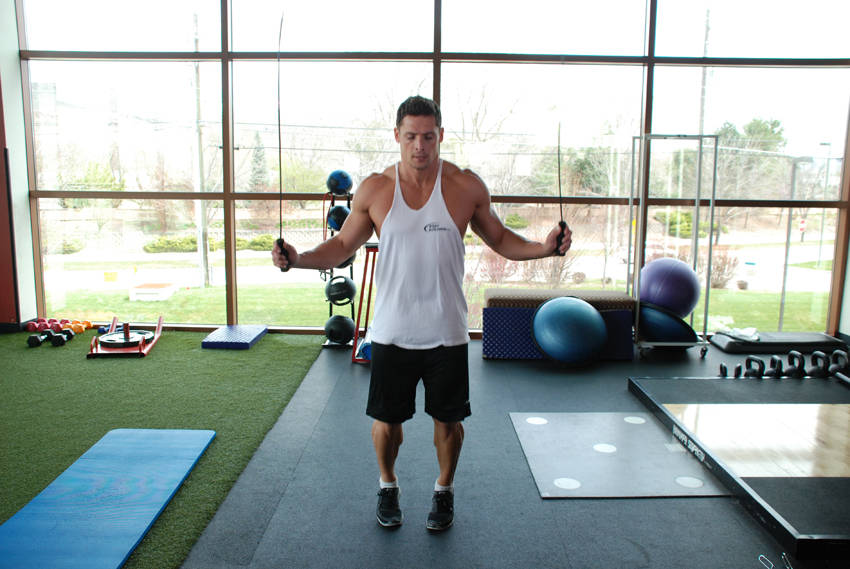
Jump Rope
Head-to-Head Comparison
| Attribute | Back And Forth Step | Jump Rope |
|---|---|---|
| Target Muscle |
Cardiovascular-system
|
Cardiovascular
|
| Body Part |
Cardio
|
Cardio
|
| Equipment |
Body-weight
|
Rope
|
| Difficulty |
Beginner
|
Intermediate
|
| Movement Type |
Compound
|
Compound
|
| Secondary Muscles |
4
|
4
|
Secondary Muscles Activated
Back And Forth Step
Jump Rope
Visual Comparison
Overview
Back And Forth Step vs Jump Rope puts two efficient cardio movers side by side so you can pick the right tool for your training. You’ll get a clear take on muscle activation, equipment needs, learning curve, and injury risk. I’ll show you specific technique cues for better force transfer, how each exercise stresses the cardiovascular system and lower-body muscles, and practical progressions—times, heights, or rep ranges—to match your goals. Read on if you want direct, science-backed guidance to choose the smarter cardio option for your workouts.
Key Differences
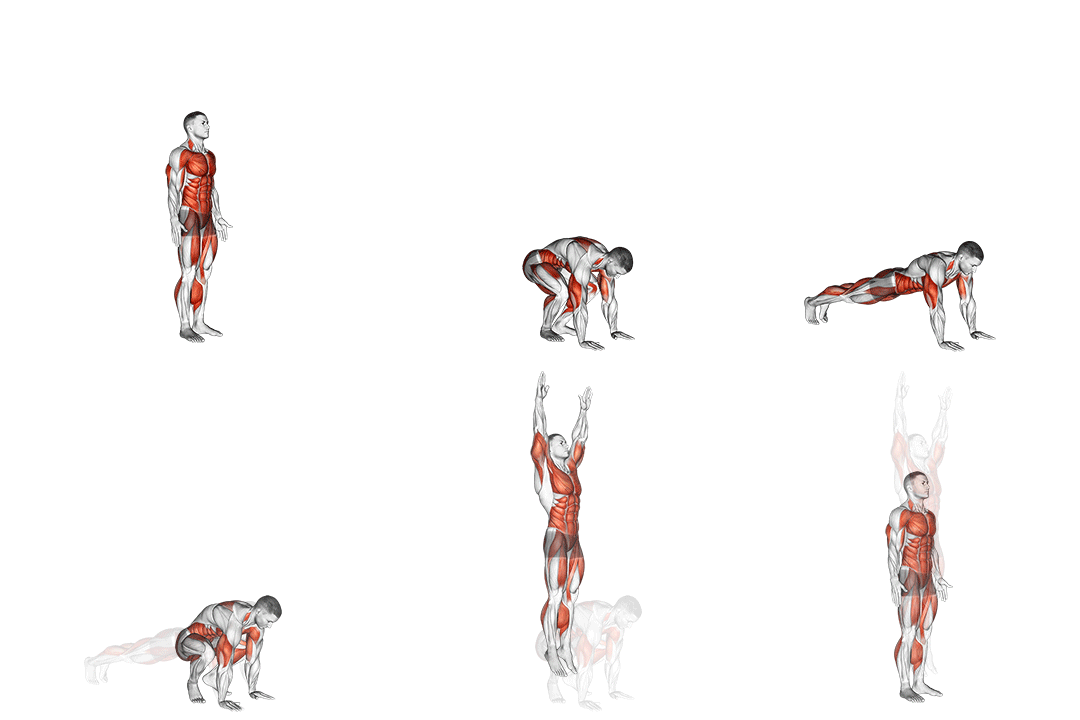
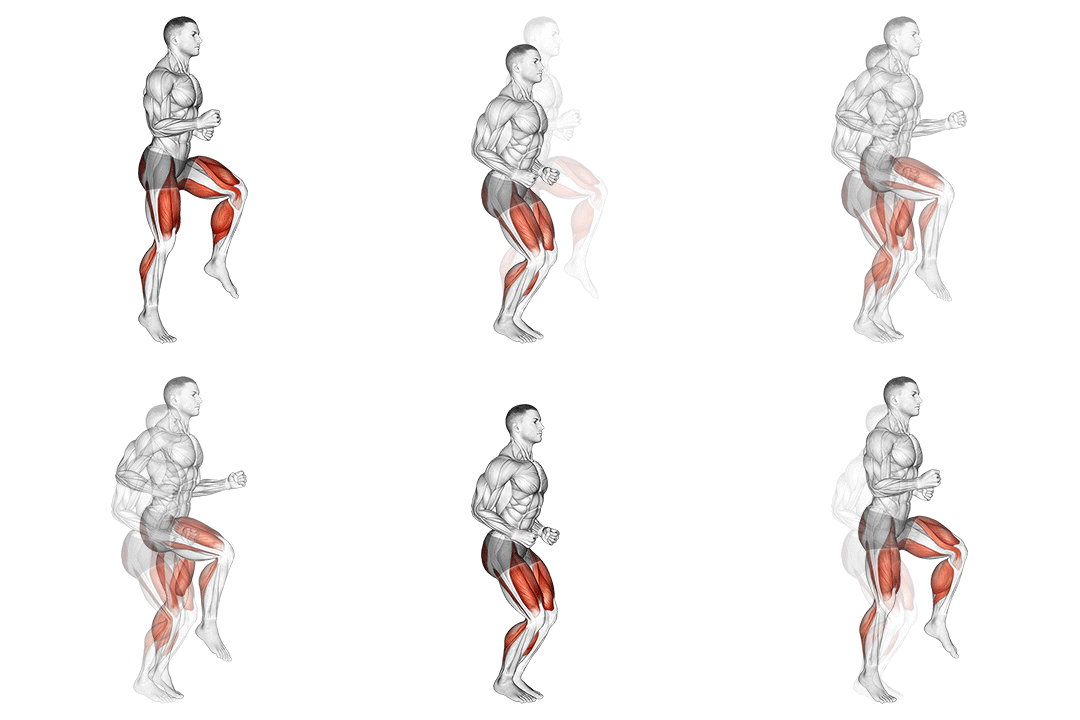
- Back And Forth Step primarily targets the Cardiovascular-system, while Jump Rope focuses on the Cardiovascular.
- Equipment differs: Back And Forth Step uses Body-weight, while Jump Rope requires Rope.
- Difficulty levels differ: Back And Forth Step is beginner, while Jump Rope is intermediate.
Pros & Cons
Back And Forth Step
+ Pros
- Requires no equipment and minimal space
- Lower impact on ankles due to controlled landings
- Easier to teach and scale for beginners
- Can load or increase step height to build strength and hypertrophy
− Cons
- Lower maximal intensity ceiling compared to advanced rope work
- Requires more horizontal space for continuous movement
- If done too tall or fast, can increase knee joint stress
Jump Rope
+ Pros
- High cardiovascular intensity in short time (efficient intervals)
- Great calf and ankle conditioning through elastic recoil
- Small footprint — minimal space required
- Easy to increase intensity via cadence, double-unders, or weighted rope
− Cons
- Higher coordination and timing demand for consistent reps
- Greater repetitive load on Achilles tendon and calves
- Requires a rope and suitable surface to avoid tripping
When Each Exercise Wins
Back And Forth Step lets you increase time under tension via larger knee and hip flexion angles and add external load. That longer eccentric and concentric control targets quads and glutes more effectively for muscle growth.
You can add progressive overload (weighted vests, dumbbells, higher step heights) and perform unilateral variants to increase knee and hip extension torque, which produces stronger adaptations in quads and glutes.
The step pattern demands less coordination and shorter contact times, so you can quickly learn safe mechanics and control knee and hip angles to limit joint stress while still elevating heart rate.
Jump Rope delivers high-intensity cardio with a tiny footprint and rapid calorie burn in short intervals, making it ideal when you have limited time and a small indoor or outdoor space.
Frequently Asked Questions
Can I do both Back And Forth Step and Jump Rope in the same workout?
Yes. Pair them as a superset or circuit—e.g., 1–2 minutes of step followed by 30–60 seconds of rope—to combine longer muscle work with high-frequency elastic loading. That mixes knee/hip-dominant and ankle-dominant patterns for balanced conditioning.
Which exercise is better for beginners?
Back And Forth Step is better for beginners because it requires less coordination and allows you to control knee flexion angles and pace. Start with 30–60 second intervals and build to longer sets before adding speed or load.
How do the muscle activation patterns differ?
Step work produces longer hip and knee extension phases, increasing quads and glute activation through greater joint torque and eccentric control. Jump Rope uses short ground contact times and powerful ankle plantarflexion, relying more on the calf muscle–tendon unit and stretch-shortening cycles.
Can Jump Rope replace Back And Forth Step?
Jump Rope can replace step work for cardiovascular conditioning but not fully for strength or hypertrophy of quads and glutes. If your goal includes lower-body strength, keep step variations or add weighted unilateral work to cover that gap.
Expert Verdict
Choose Back And Forth Step when your priority is approachable conditioning with stronger carryover to lower-body strength and controlled knee/hip loading. It’s the safer beginner pick and scales well for hypertrophy by increasing step height or adding load. Choose Jump Rope when you want short, high-intensity conditioning, calf-dominant elastic work, and efficient calorie burn in limited space. If coordination is solid, use rope intervals (30–60 sec on, 30–60 sec off) for VO2 spikes. Both lift cardiovascular capacity; pick the one that matches your coordination, joint history, and time constraints.
Also Compare
More comparisons with Back And Forth Step
Compare More Exercises
Use our free comparison tool to analyze any two exercises head-to-head.
Compare Exercises