

Band Bent-over Hip Extension vs Box Skip: Complete Comparison Guide
Band Bent-over Hip Extension vs Box Skip — two glute-focused moves that look similar on paper but produce very different adaptations. You’ll learn how each exercise loads the glute max, how the movement patterns recruit hamstrings, quads and stabilizers, and which one fits your goals: isolation, hypertrophy, power, or home training. I’ll cover technique cues (hip hinge angles, knee positioning), rep ranges (8–20+), equipment needs, progression options and injury considerations so you can choose the right movement for your program.
Exercise Comparison
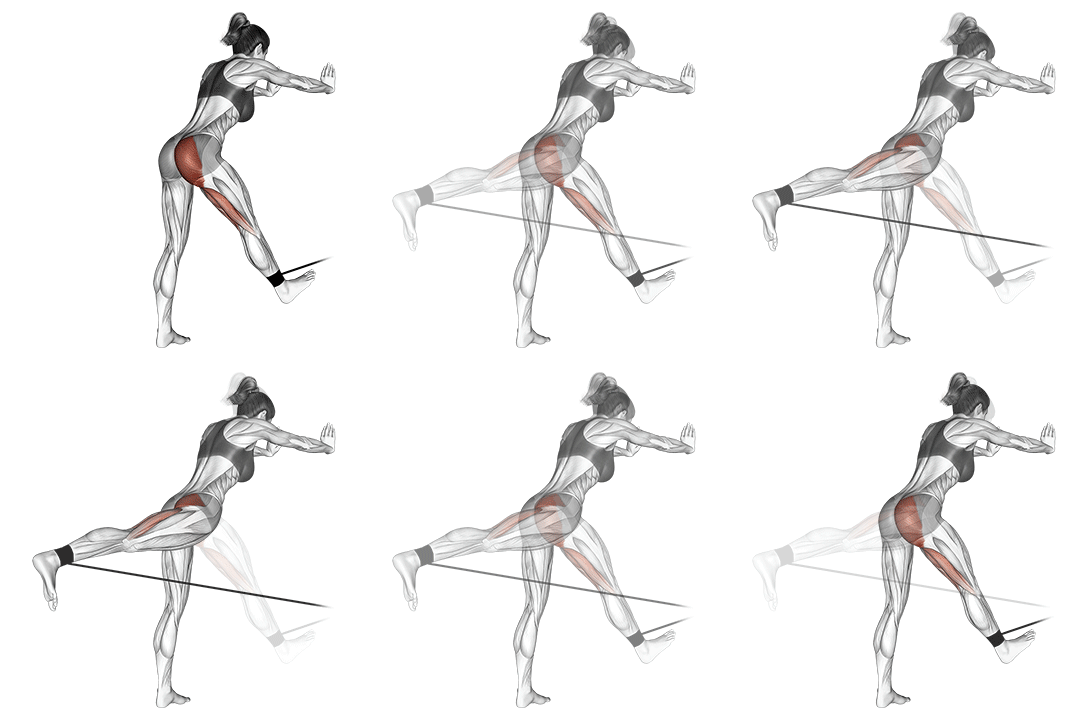
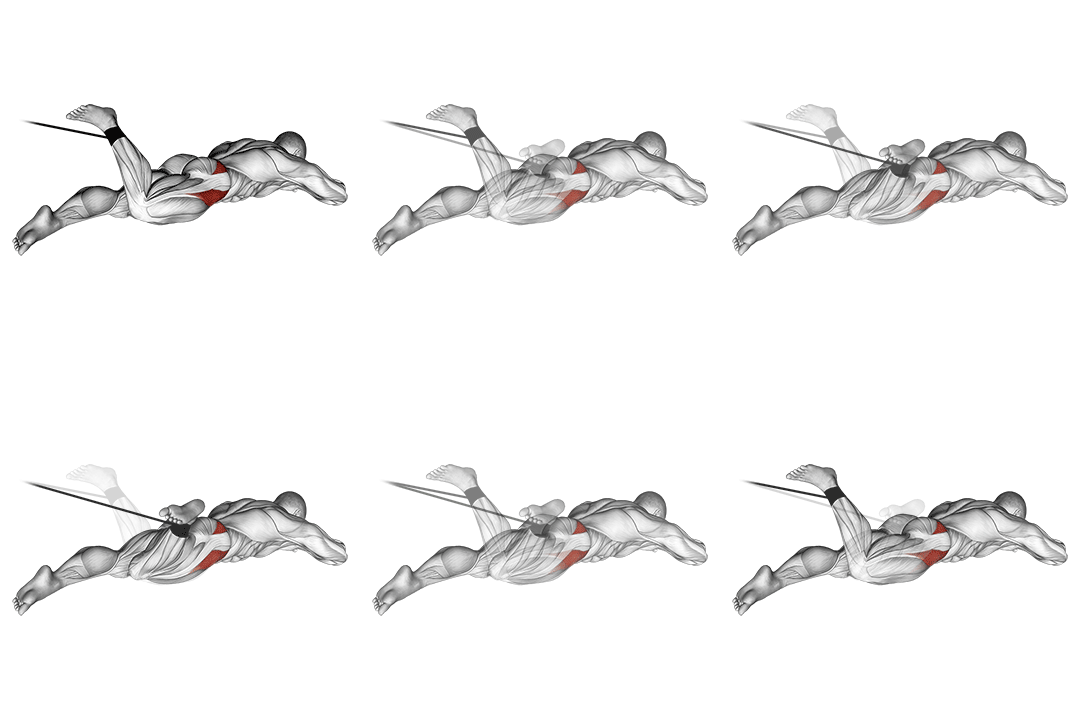
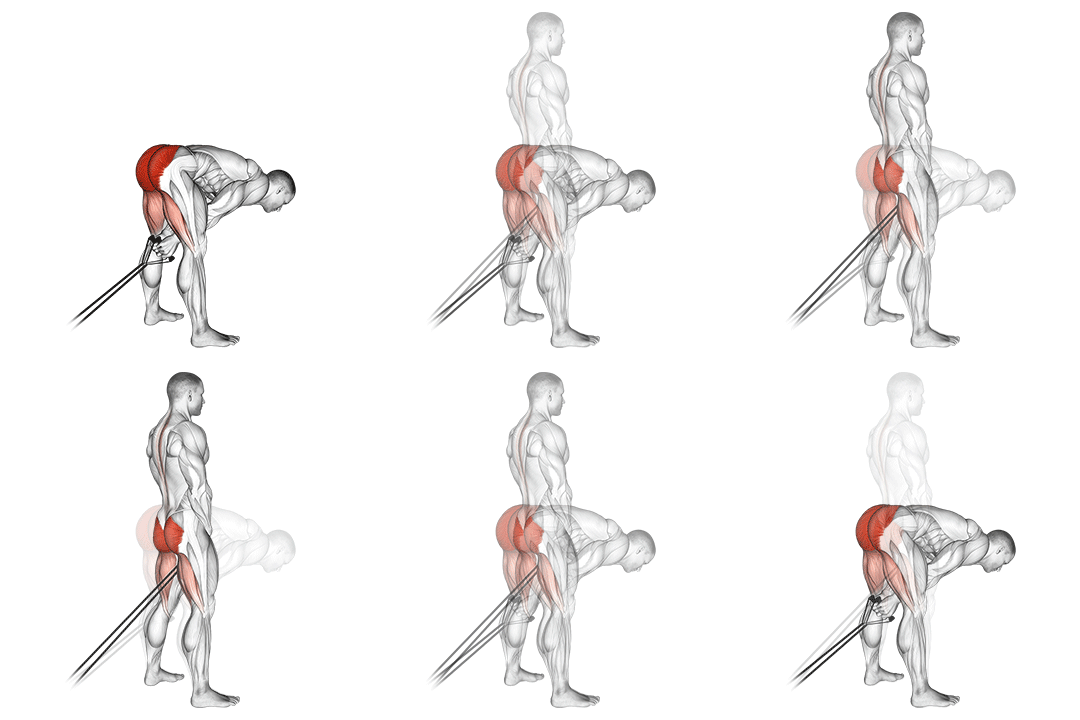
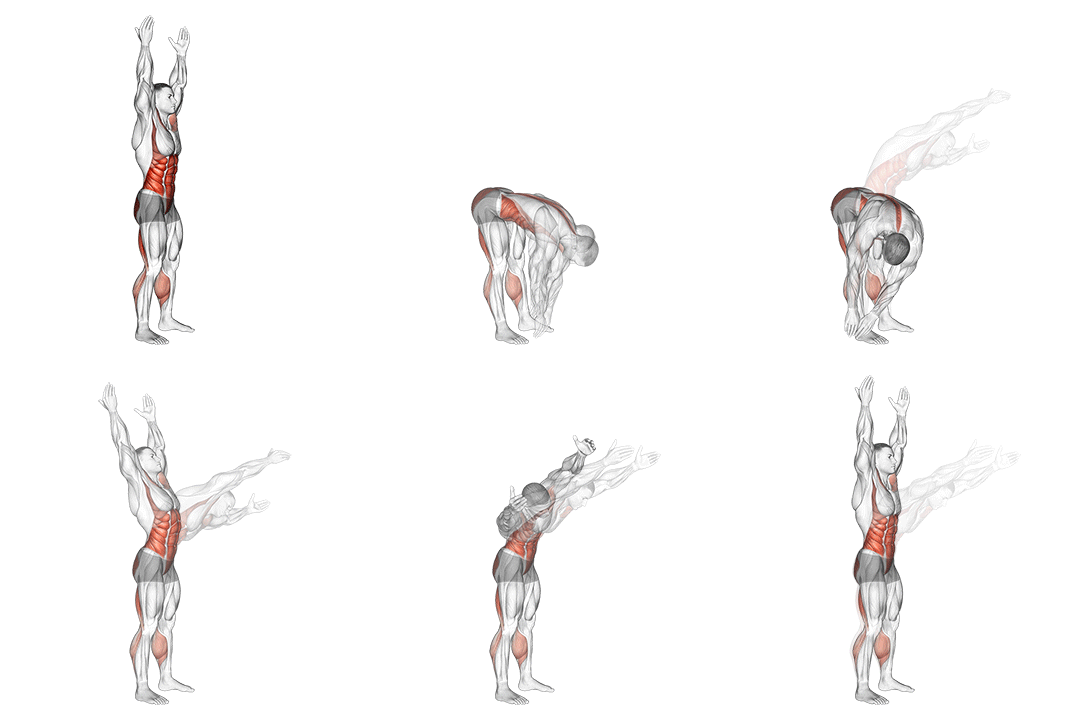
Band Bent-over Hip Extension
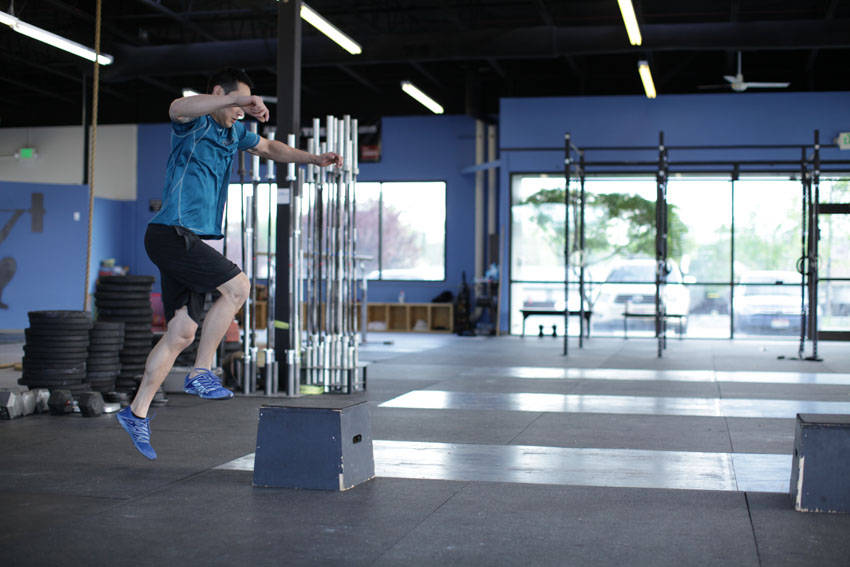
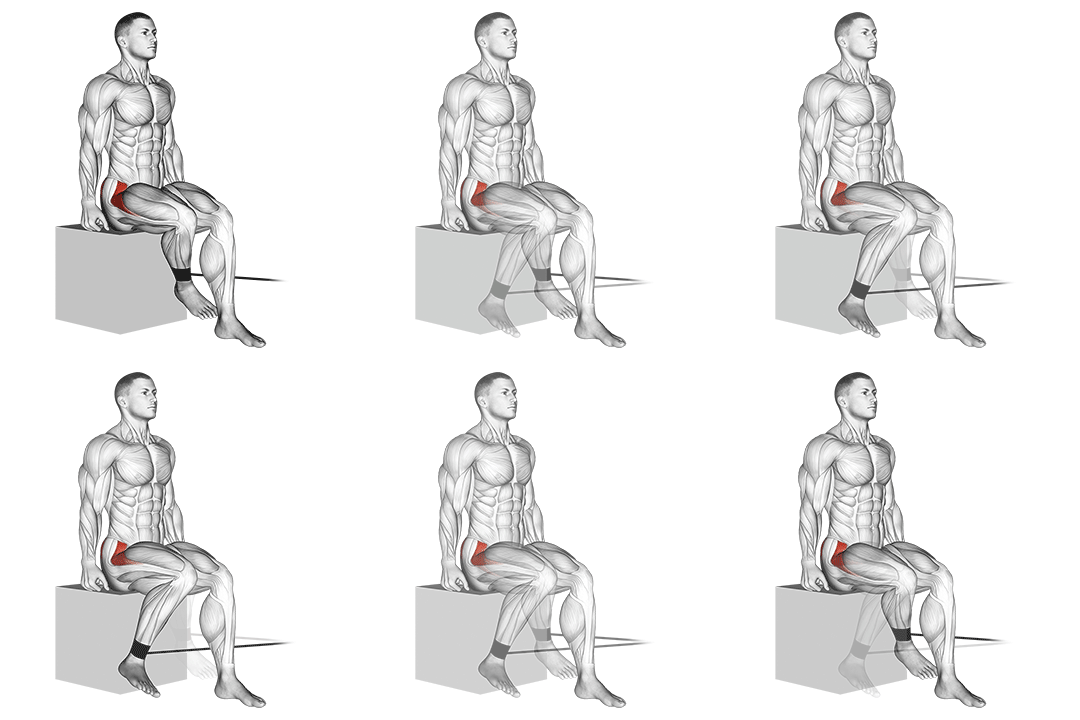
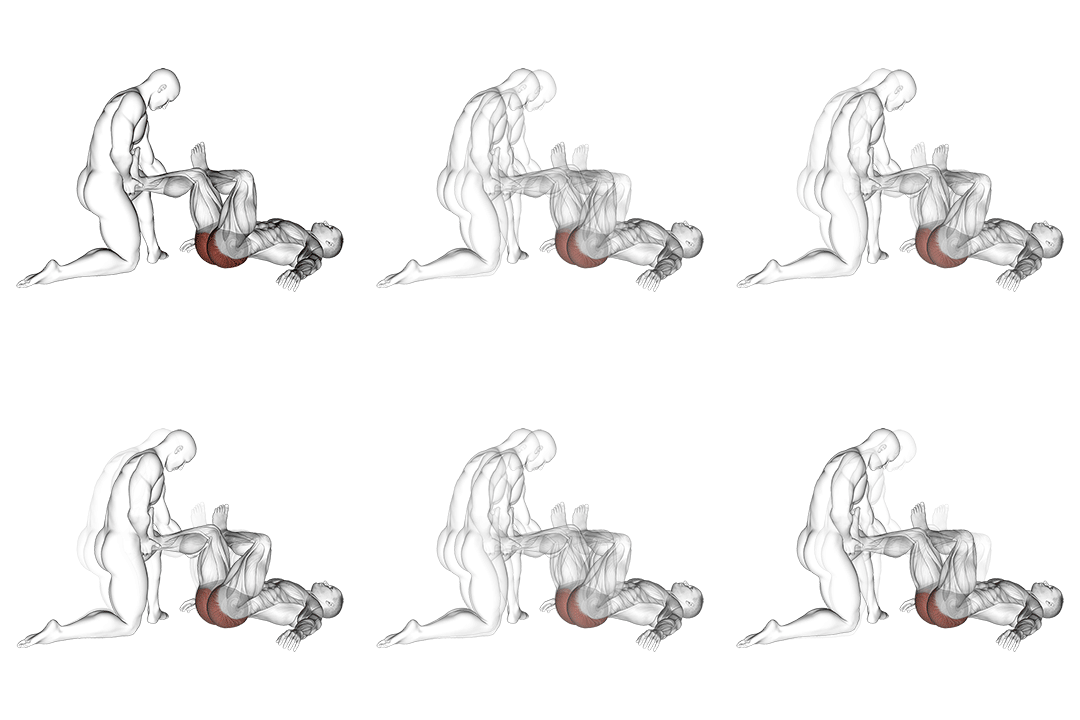
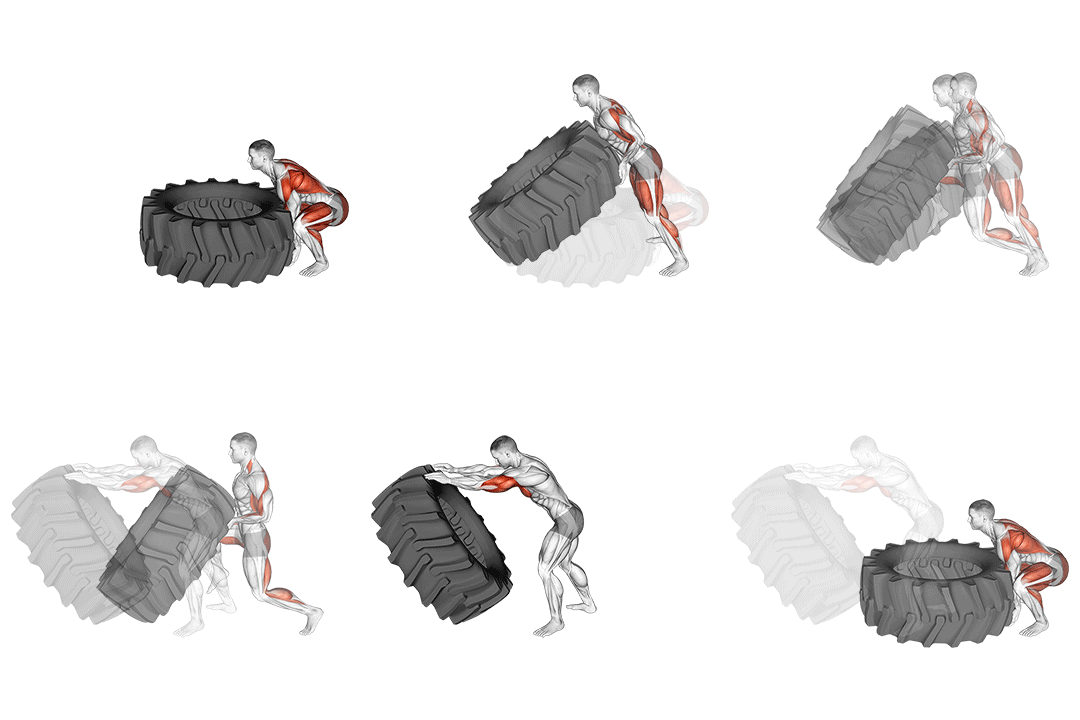
Box Skip
Head-to-Head Comparison
| Attribute | Band Bent-over Hip Extension | Box Skip |
|---|---|---|
| Target Muscle |
Glutes
|
Glutes
|
| Body Part |
Upper-legs
|
Upper-legs
|
| Equipment |
Band
|
Other
|
| Difficulty |
Beginner
|
Intermediate
|
| Movement Type |
Isolation
|
Compound
|
| Secondary Muscles |
2
|
5
|
Secondary Muscles Activated
Band Bent-over Hip Extension
Box Skip
Visual Comparison
Overview
Band Bent-over Hip Extension vs Box Skip — two glute-focused moves that look similar on paper but produce very different adaptations. You’ll learn how each exercise loads the glute max, how the movement patterns recruit hamstrings, quads and stabilizers, and which one fits your goals: isolation, hypertrophy, power, or home training. I’ll cover technique cues (hip hinge angles, knee positioning), rep ranges (8–20+), equipment needs, progression options and injury considerations so you can choose the right movement for your program.
Key Differences
- Equipment differs: Band Bent-over Hip Extension uses Band, while Box Skip requires Other.
- Band Bent-over Hip Extension is an isolation exercise, while Box Skip is a compound movement.
- Difficulty levels differ: Band Bent-over Hip Extension is beginner, while Box Skip is intermediate.
Pros & Cons
Band Bent-over Hip Extension
+ Pros
- Directly isolates the glute max for targeted muscle growth with high time-under-tension
- Requires only a band—cheap, portable and safe for small spaces
- Easy to scale intensity by changing band resistance or tempo
- Low-impact with minimal joint stress when performed with neutral spine
− Cons
- Limited to relatively low peak force and rate of force development
- Relies on correct hip hinge; poor form can shift load to lower back
- Less carryover to explosive, multi-joint athletic movements
Box Skip
+ Pros
- Develops power through triple extension and the stretch-shortening cycle
- Engages multiple muscle groups for athletic carryover and conditioning
- Easy to progress via box height, speed, and plyometric volume
- Improves rate of force development and reactive strength
− Cons
- Higher impact and landing forces increase injury risk without proper technique
- Requires equipment, space and some baseline coordination
- Less time-under-tension per rep for slow hypertrophy-focused work
When Each Exercise Wins
The band version lets you control tempo and maintain 30–60 seconds of time under tension per set, which favors muscle growth. You can target the glute through full-range isolated hip extension and manipulate volume (12–20 reps, 3–4 sets) to drive hypertrophy.
Box Skip trains high-rate force production and full-body extension, improving functional strength and power that transfer to athletic movements. Use heavier, higher boxes and brief sets (3–6 explosive reps) to maximize force output and neuromuscular adaptation.
It teaches the hip hinge and isolates the glute with less coordination and lower impact, allowing beginners to build posterior chain strength safely. Start with light resistance and 10–15 controlled reps while focusing on neutral spine cues.
Bands are cheap, portable and require minimal space, making the banded hip extension ideal for home use. Box Skip needs a stable platform and room for safe landings, which many home setups lack.
Frequently Asked Questions
Can I do both Band Bent-over Hip Extension and Box Skip in the same workout?
Yes—pair them intelligently: start with box skips for low-volume power work (3–6 reps per set) when your nervous system is fresh, then finish with banded hip extensions for high-rep hypertrophy and technique focus. Prioritize technique and limit total plyometric volume to avoid fatigue-driven poor landings.
Which exercise is better for beginners?
Band Bent-over Hip Extension is better for beginners because it isolates the hip hinge and allows slow, controlled reps to learn posterior chain mechanics. Begin with light bands, 10–15 reps, and emphasize a neutral spine and 30–45° hip hinge before attempting plyometrics.
How do the muscle activation patterns differ?
The band exercise produces sustained concentric and eccentric glute contractions—greater time under tension—while box skips use a rapid eccentric preload and explosive concentric output via the stretch-shortening cycle. Box skips also recruit calves, quads and hip stabilizers more heavily due to triple-extension and landing demands.
Can Box Skip replace Band Bent-over Hip Extension?
Not entirely—Box Skips replace some power and coordination needs but provide less sustained glute loading for hypertrophy. If your goal is pure muscle growth or working around limited equipment, retain banded hip extensions; use box skips to supplement power and athletic transfer.
Expert Verdict
If your goal is targeted glute development, lower-impact training, or working from home, prioritize Band Bent-over Hip Extensions for controlled hip extension, time under tension and easy progression via band tension and single-leg variations. If your priority is power, athleticism and multi-joint strength, choose Box Skips for their stretch-shortening benefits, triple-extension mechanics and higher rate of force development. Combine both when possible: use band extensions for hypertrophy blocks (3–4 sets of 10–20 slow reps) and box skips for power sessions (3–6 reps, 3–5 sets) to cover both muscle growth and explosive strength.
Also Compare
More comparisons with Band Bent-over Hip Extension

Compare More Exercises
Use our free comparison tool to analyze any two exercises head-to-head.
Compare Exercises